Like Honcun, the small town of Xidi is a UNESCO “World Heritage Site”.
It’s Ming and Qing dynasty buildings display the attractive “Hui-style” architecture. In this case, “Hui” refers to the Anhui city Huizhou, not the Hui minority group.
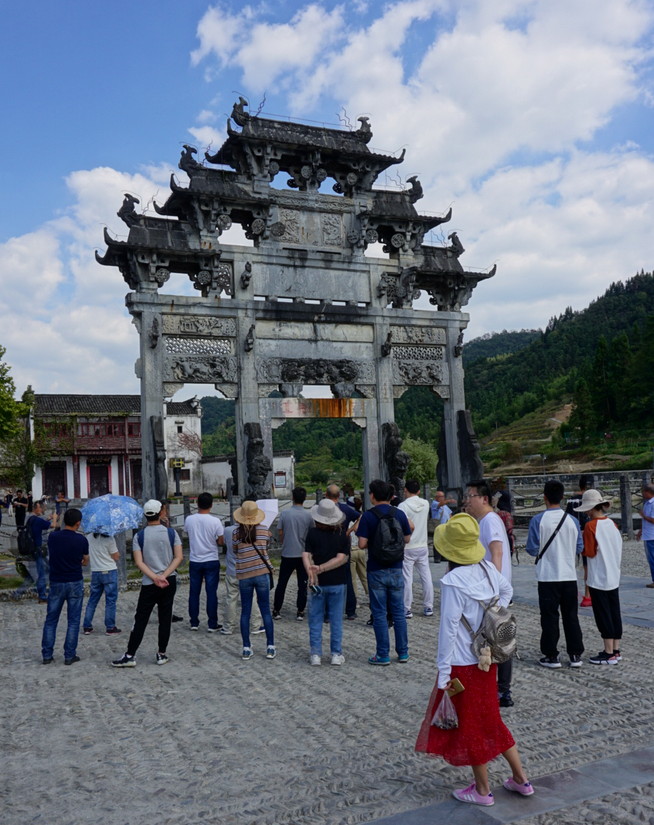
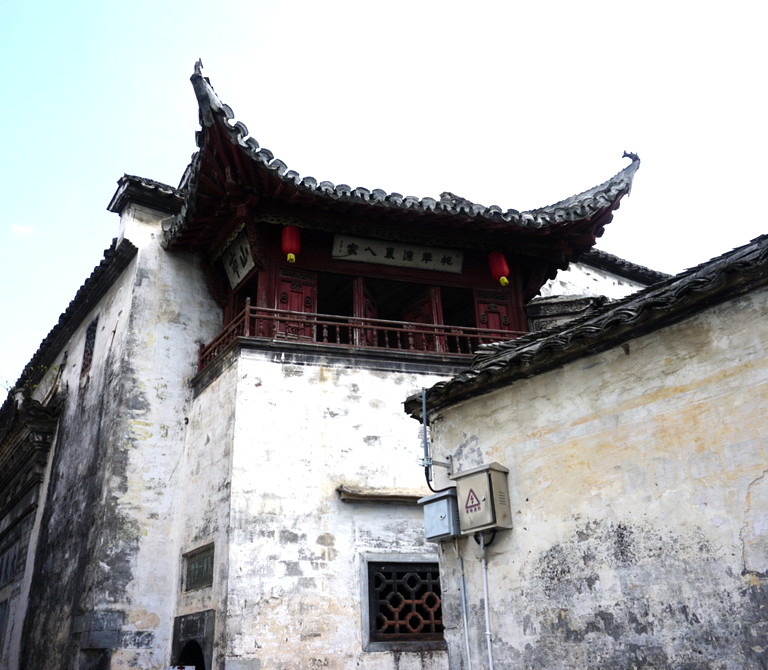
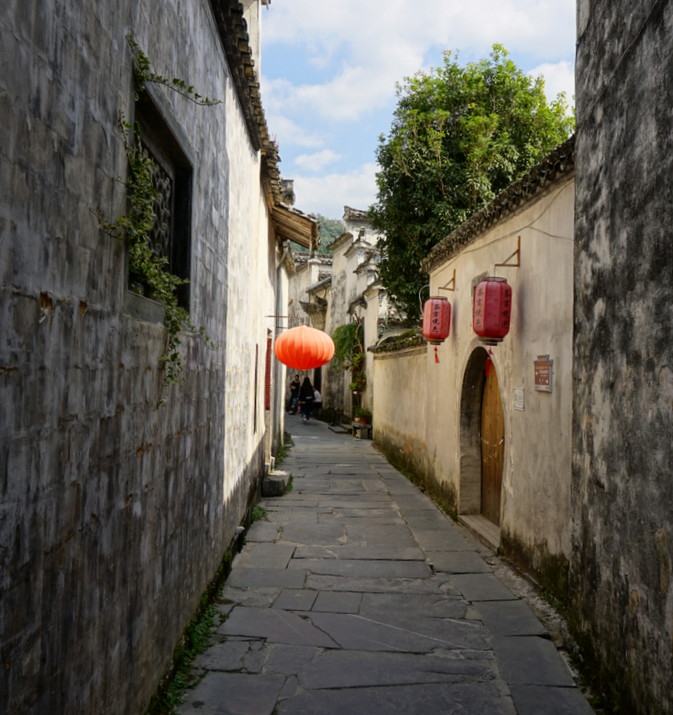
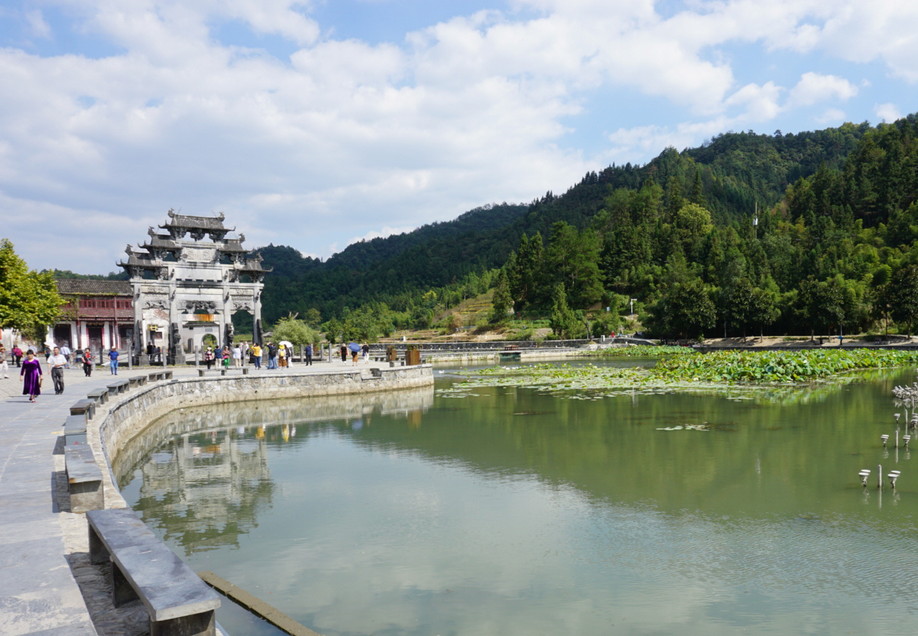
Like Honcun, the small town of Xidi is a UNESCO “World Heritage Site”.
It’s Ming and Qing dynasty buildings display the attractive “Hui-style” architecture. In this case, “Hui” refers to the Anhui city Huizhou, not the Hui minority group.
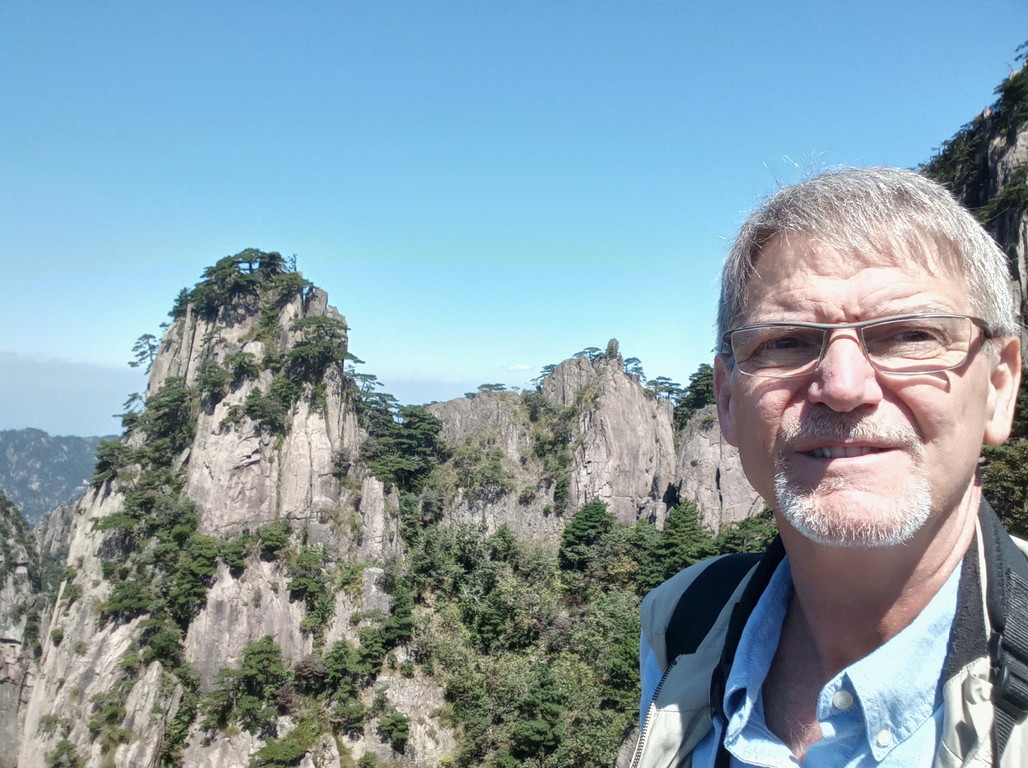
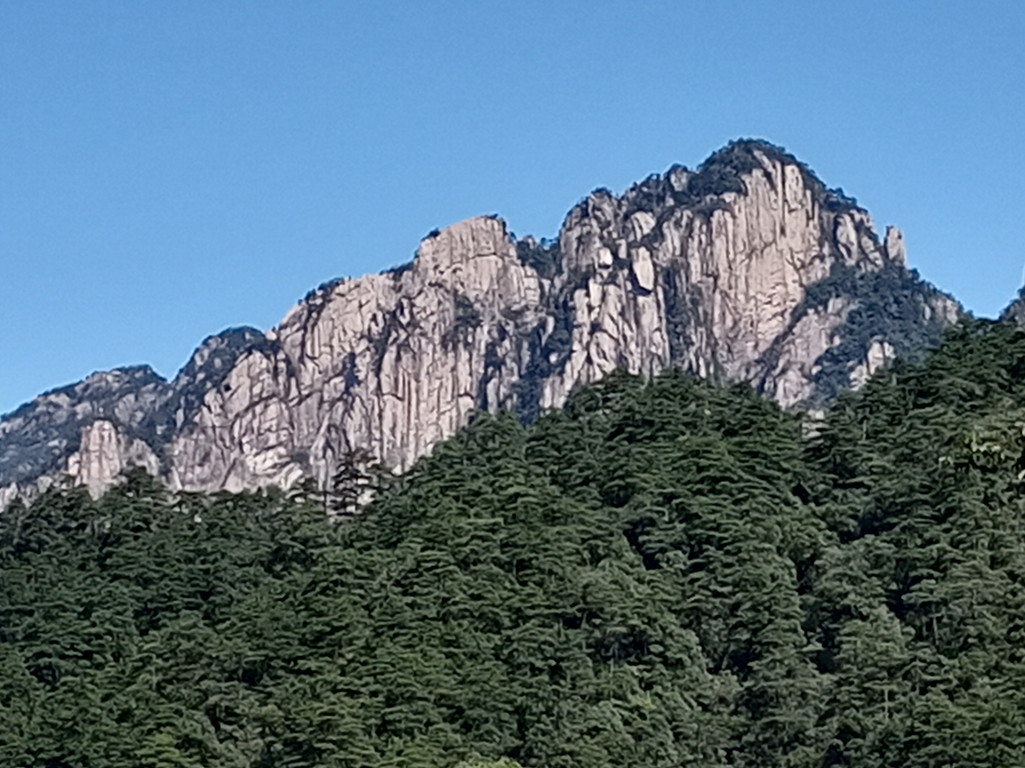
Huangshan (Yellow Mountain) is a world famous series of peaks in southern Anhui province.
Friday, I traveled to the mountain and ascended via a cable car. I spent most of the day exploring various rugged trails, and absorbing the beauty of the rock formations.
My good friend Marlene had visited Huangshan in June. Unfortunately she had the bad fortune to suffer almost constant rain while she was there. (But, she is an excellent photographer and nevertheless got some great photos!)
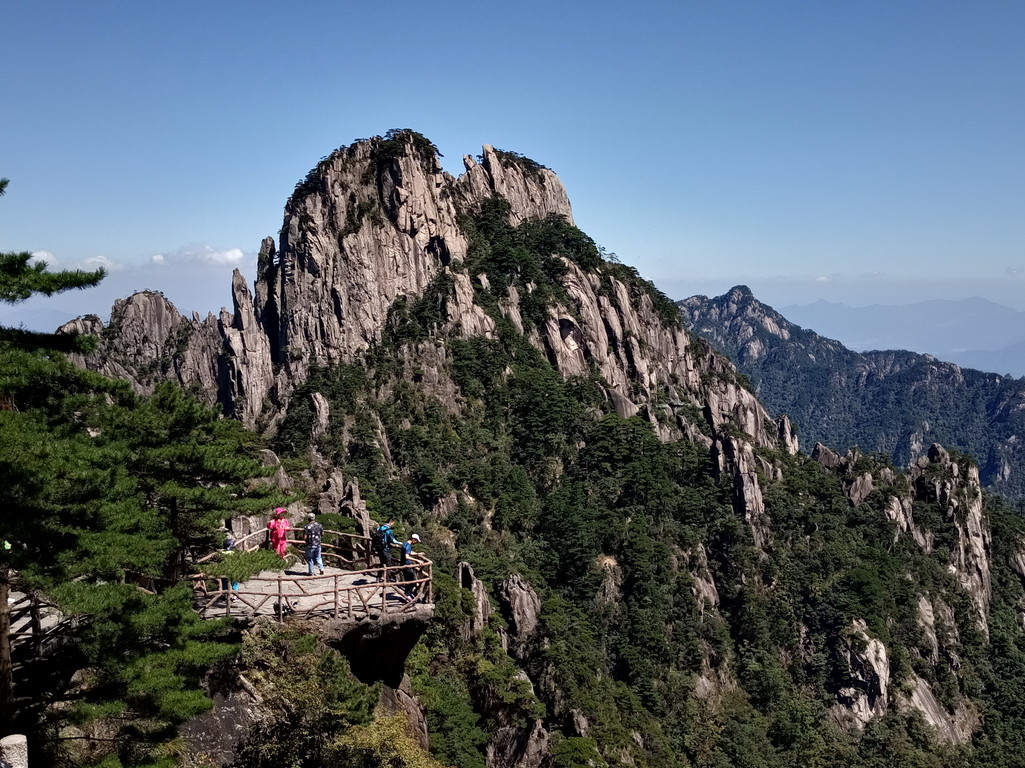
My experience was different, and Friday was virtually cloudless.
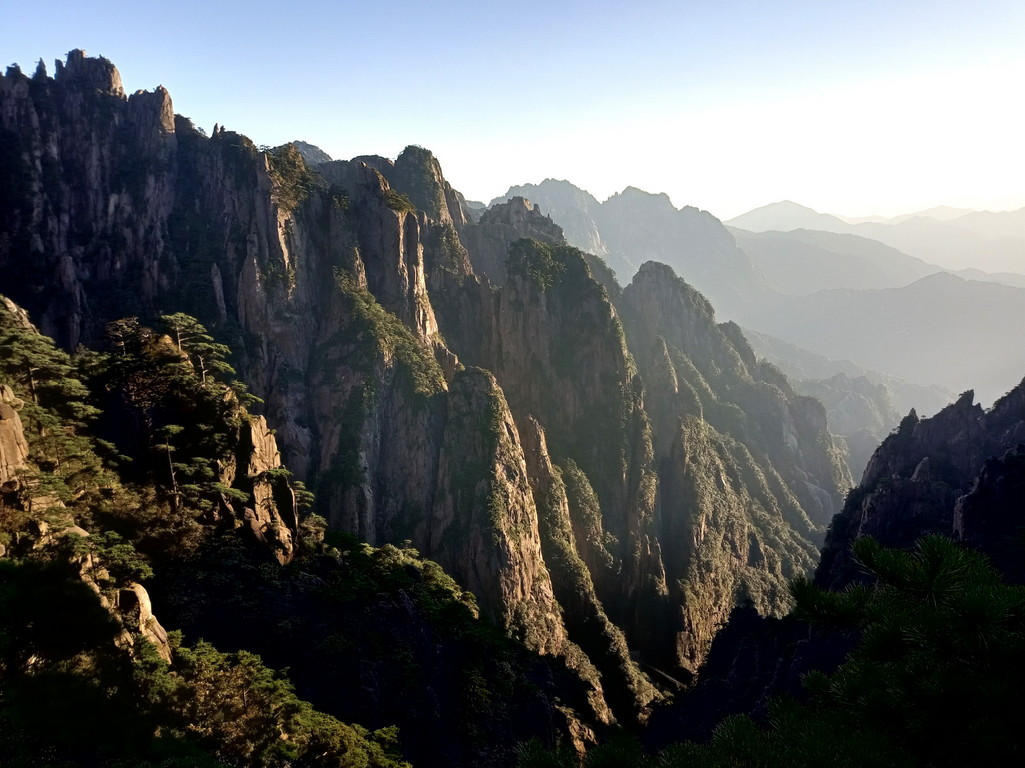
I stayed in a hotel on the mountain Friday night. Along with a hundred others I woke early Saturday morning and stumbled in the dark up a steep series of steps toward the top of Lion Peak. We all waited in the cold for sunrise.
As the sky lightened, a sea of clouds washed up the mountain. It was spectacular!
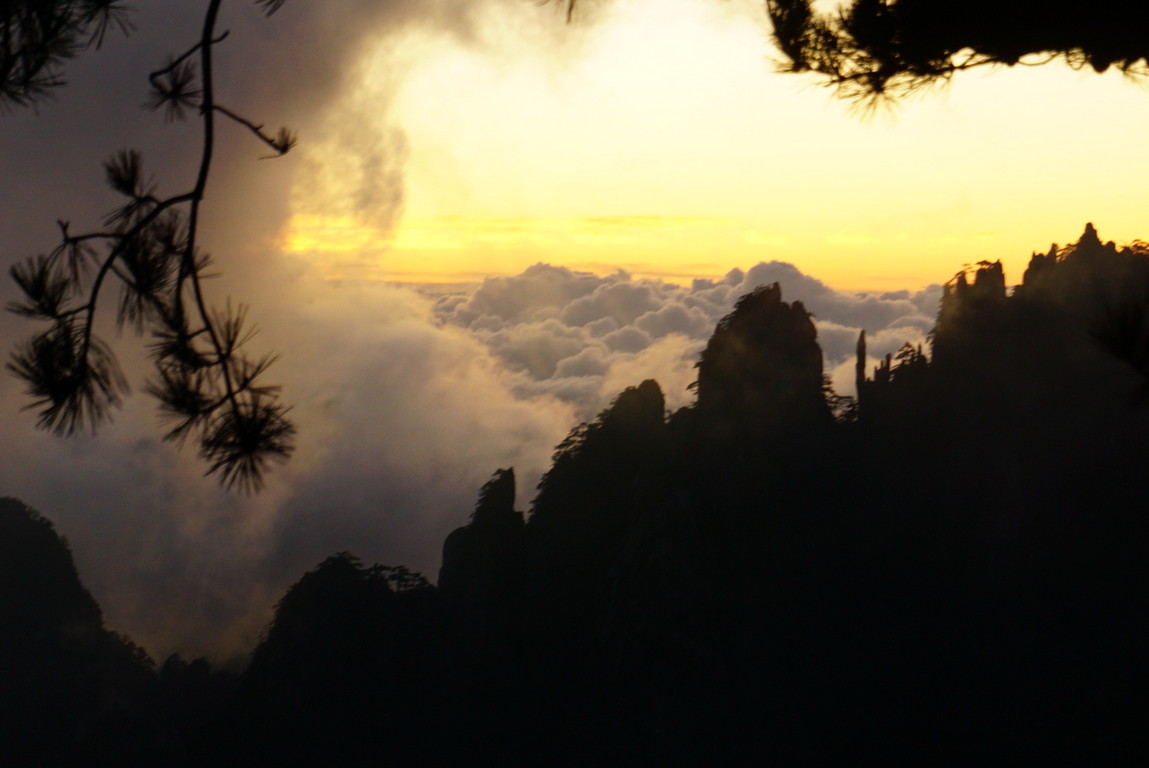
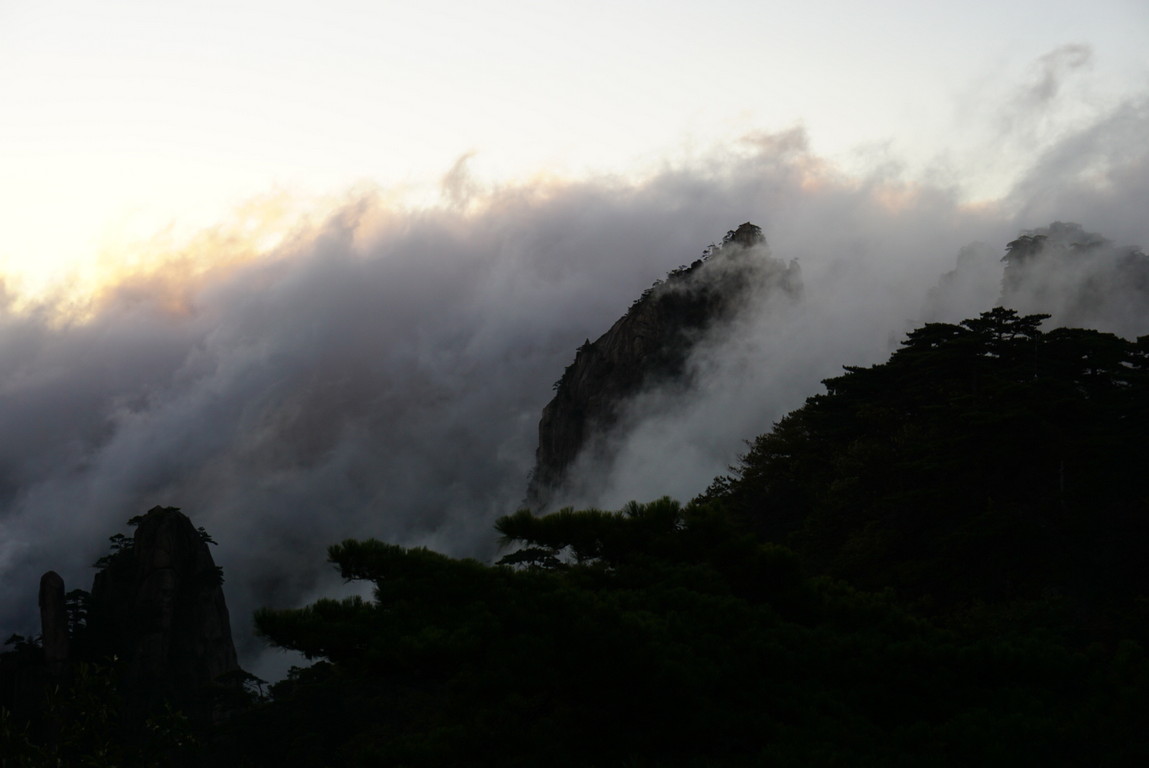
After what seemed like an hour of beauty, the excitement subsided as the rising clouds settled in over the mountain.
I headed back to the hotel for a quick breakfast, and then checked out.
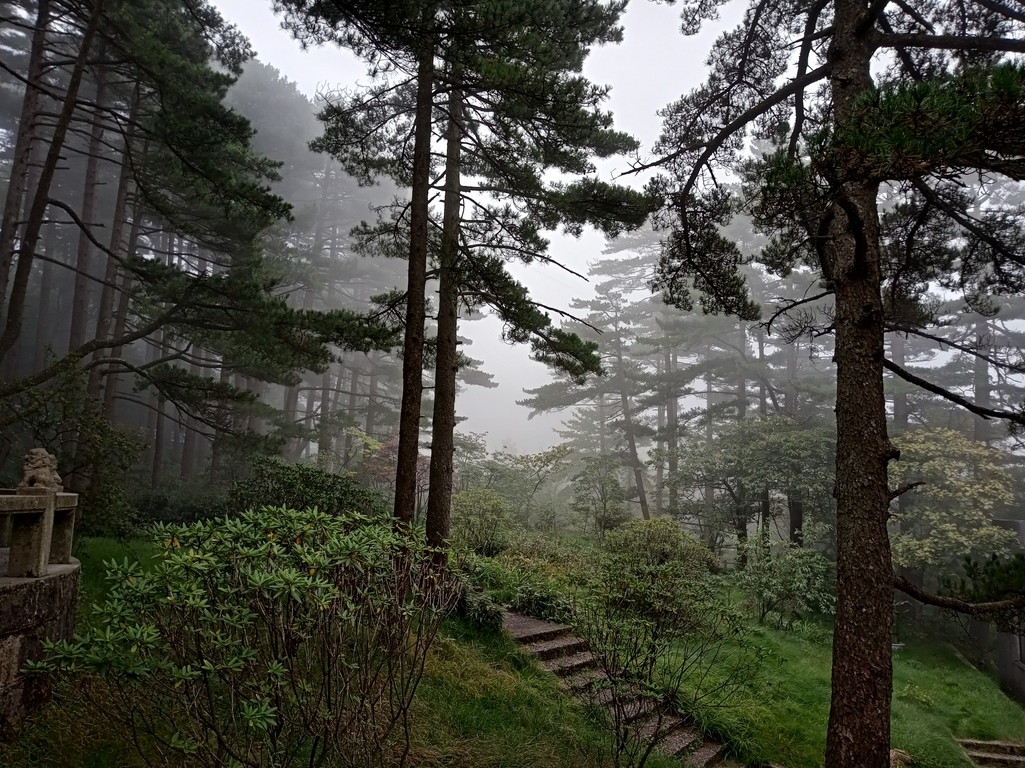
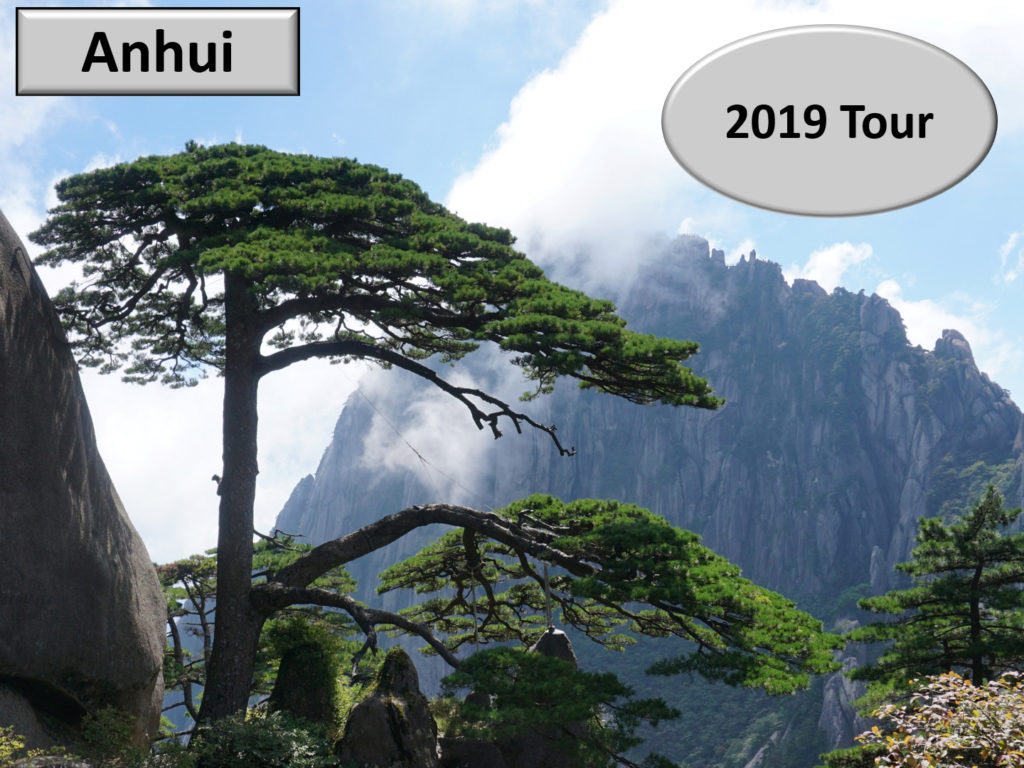
The thick mist of the enveloping cloud made visibility poor. I had a decision to make: head to the nearest cable car and go down the mountain? Or try to make sense of the mostly useless maps of the mountain trails, and take a much longer route to try to glimpse the famous “Greeting Pine” that provides a visual welcome to visitors.
I selected the latter option- undoubtedly the wrong choice given my advanced age and ruined ankles (in my defense- I did survive… Barely!)
The correct path was often uncertain, and the poor visibility did not help. It was brutal! Extended climbs that had me panting and my heart pounding, descents that had my knees screaming in pain- then, repeat, and repeat, and repeat.
After a couple of hours, a strong, bitter cold wind began to blow. At times it challenged my balance. Other times it tried to send my hat flying. I cinched the chin cord of the hat tighter!
The wind began to create occasional breaks in the clouds, exposing rugged peaks. Eventually the enveloping cloud was gone! But the dramatic and challenging up and down of the mountain path remained.
Maps were bad, and trail signs gave dubious and sometimes contradictory guidance.
Yet somehow I finally made it to the Greeting Pine. There I jockeyed with hundreds of other who also wanted photos.
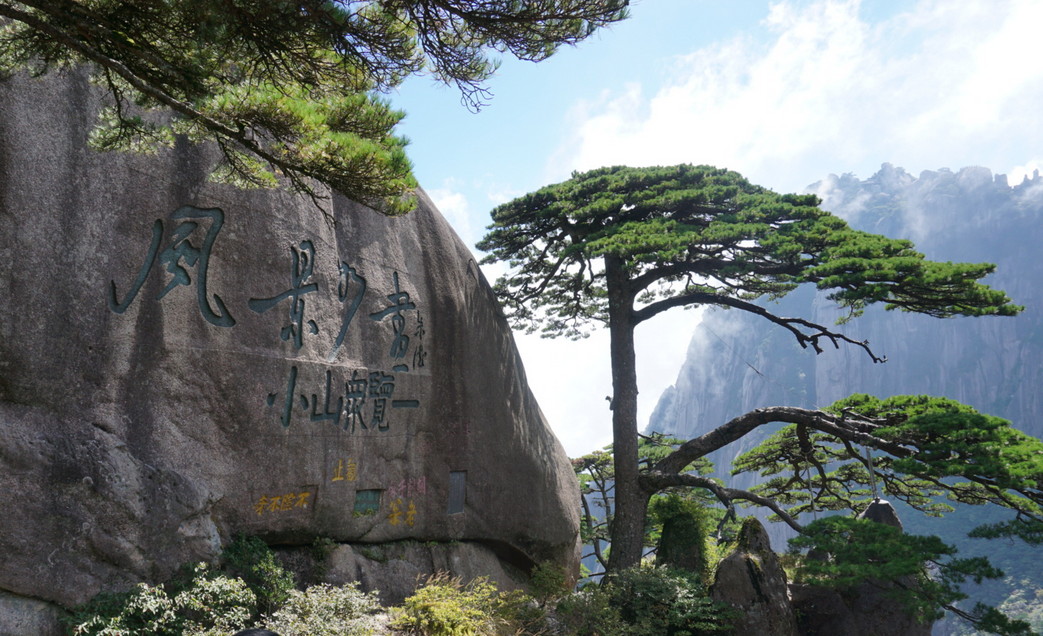
That done, I fought my way along trails packed with new arrivals to reach the cable car station and head down!
I will be staying overnight in Hongcun before heading up Huangshan (Yellow Mountain) tomorrow!
Besides being a World Heritage site, some very recognizable spots in Honcun were shown in the movie “Crouching Tiger Hidden Dragon.”
In fact, the exterior of my hotel here can be seen about 2/3 the way into the movie.
The town is really cute, although many of it’s alleys are now filled with gift shops, and Hocun is filled (at least during the day) with hordes of tourists (I guess I am one of them!)
Yet it’s beauty is such that when I walked around South Lake, I encountered easily 100 young art students with easels painting scenes of the lake, the arched bridge, and/or aquatic plants with huge leaves that grow near one shore.
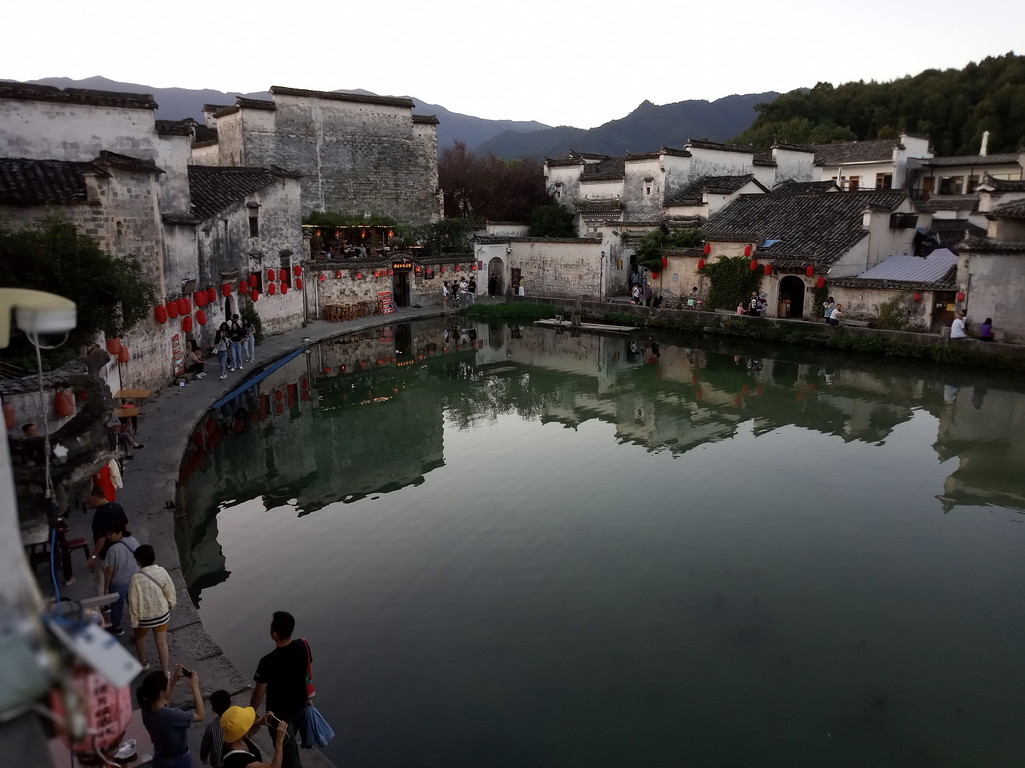
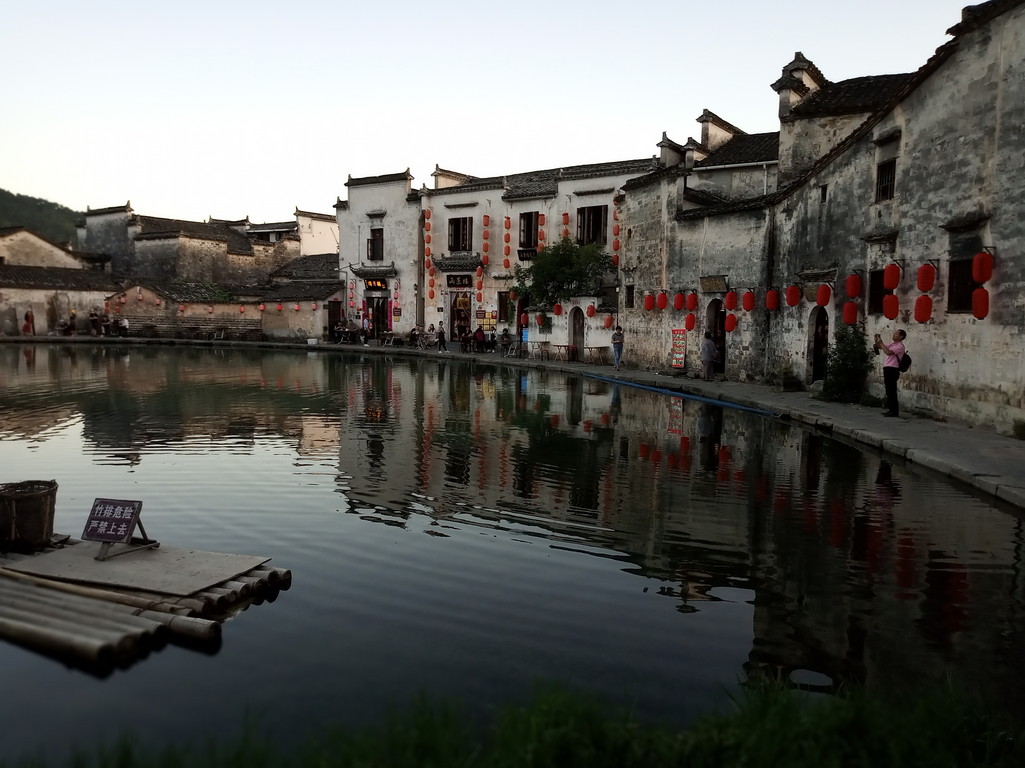
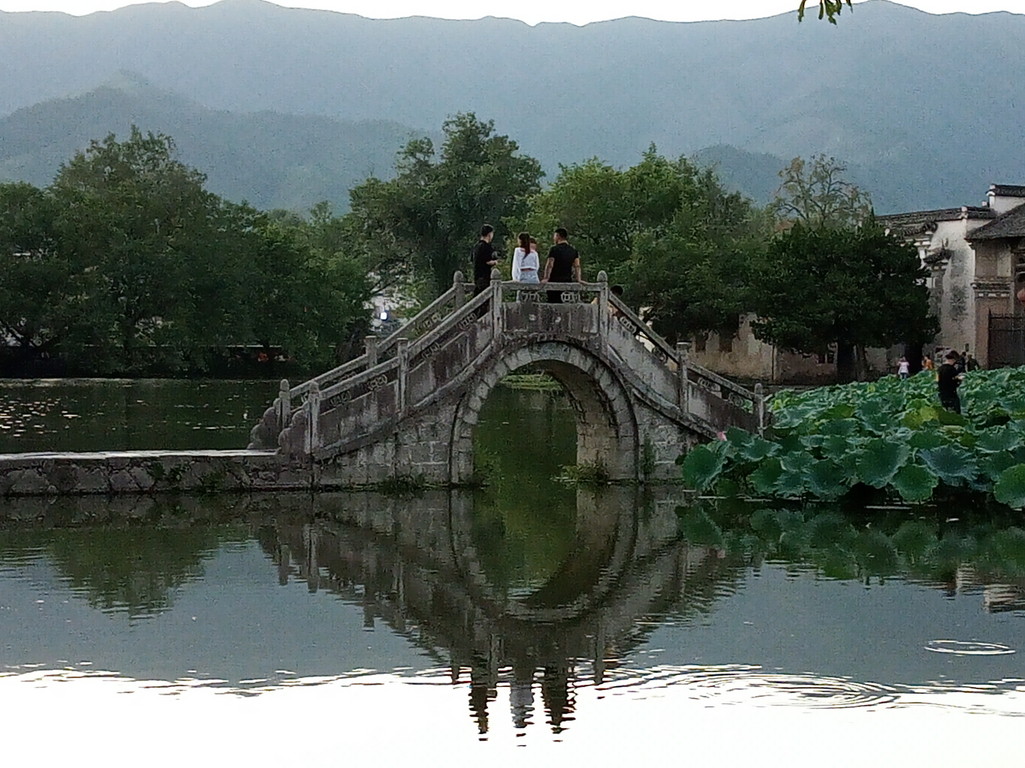
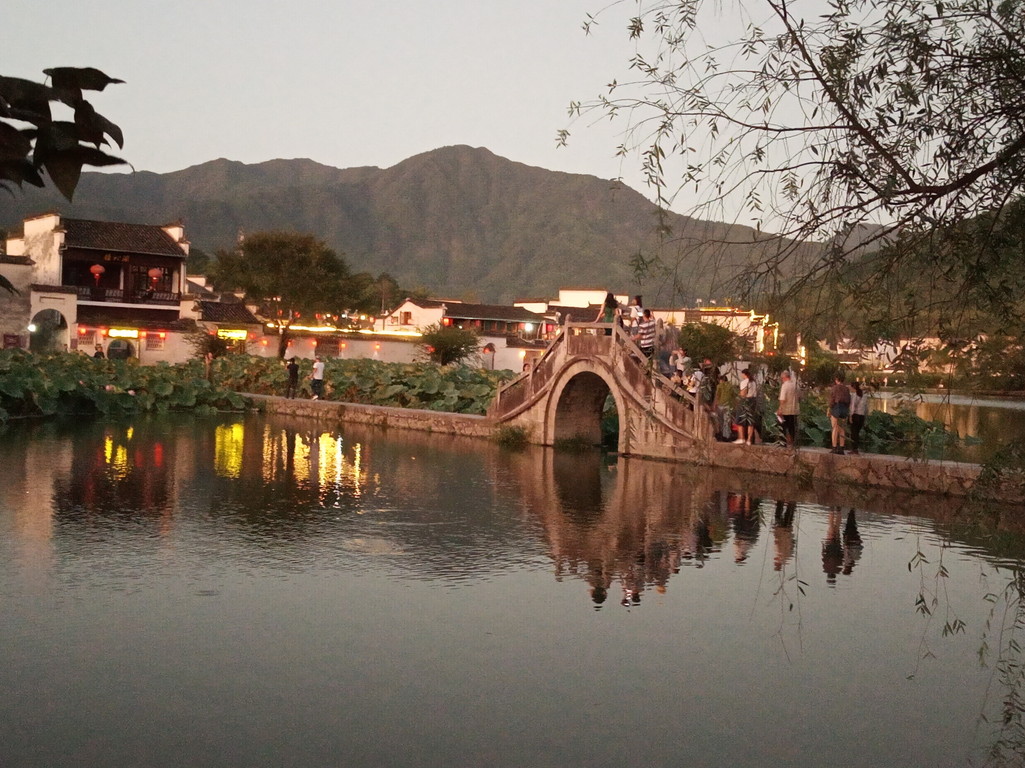
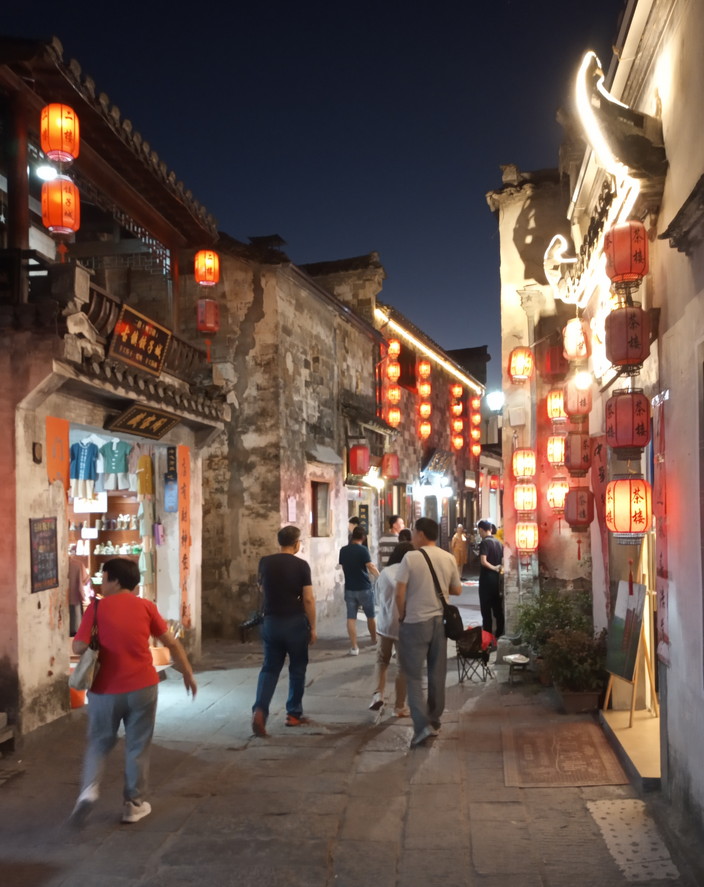
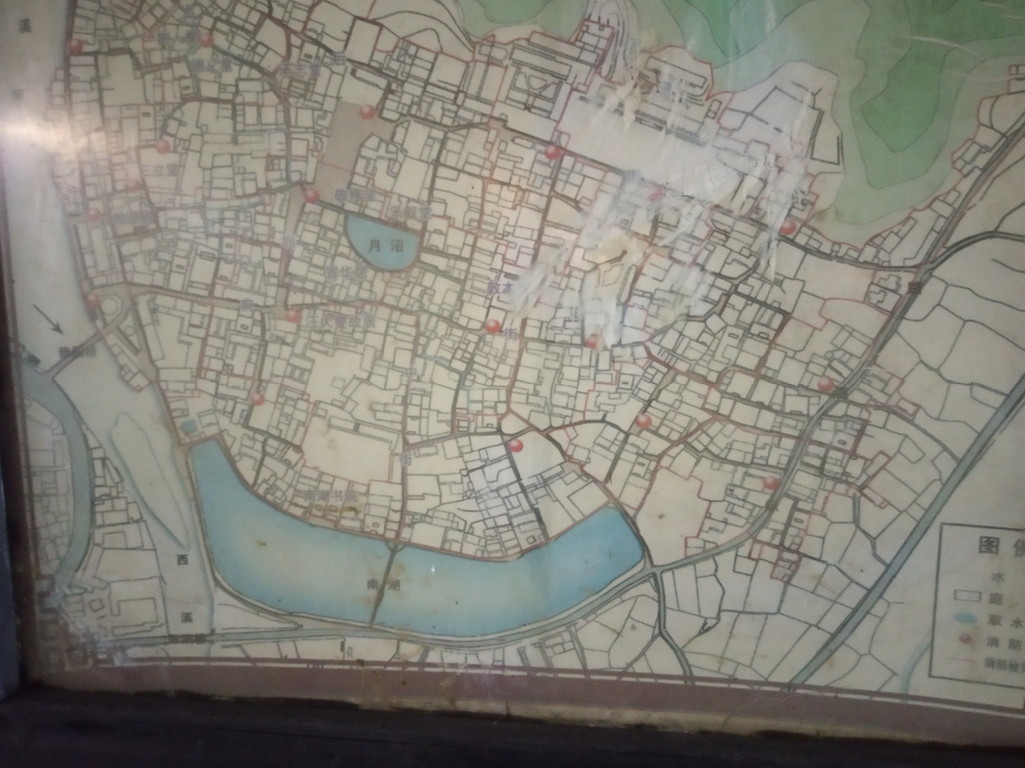
An online “Tourist Map” showed a mere handful of streets/alleys.
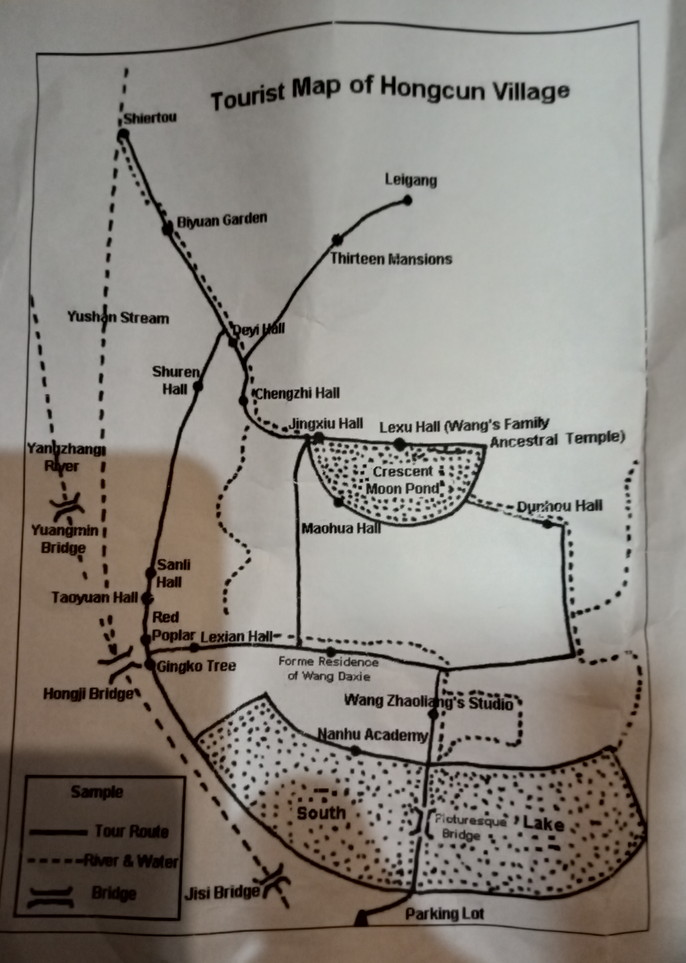
Well, I have only been here a few hours and have gotten lost a bunch of times!
A more complete map was posted in town.
In September 2019 I visited the lovely province of Anhui. Clicking the photo will take you to a video travelogue of that trip. (The video is also posted on Vimeo and YouTube)
If you have trouble viewing the video, try one of these alternate sites:
Vimeo: Anhui (Click here)
or
YouTube: Anhui (Click here)
Warning! YouTube often adds advertisements to all videos posted there!
Just a few quick snapshots for now:
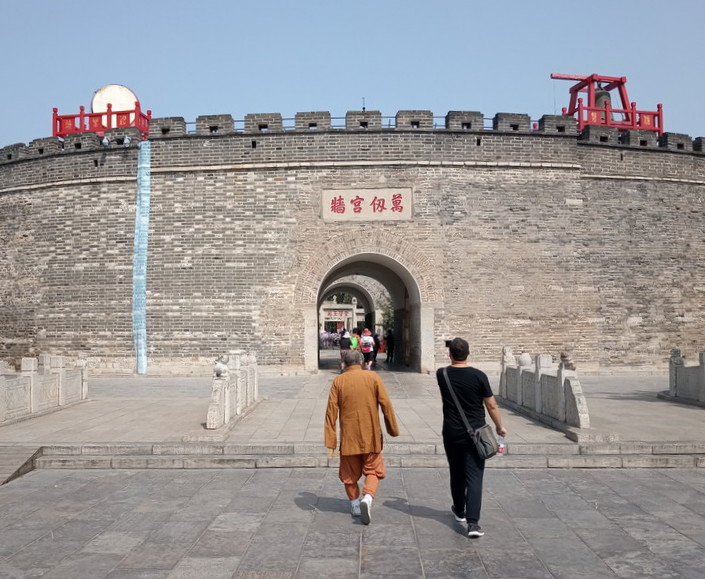
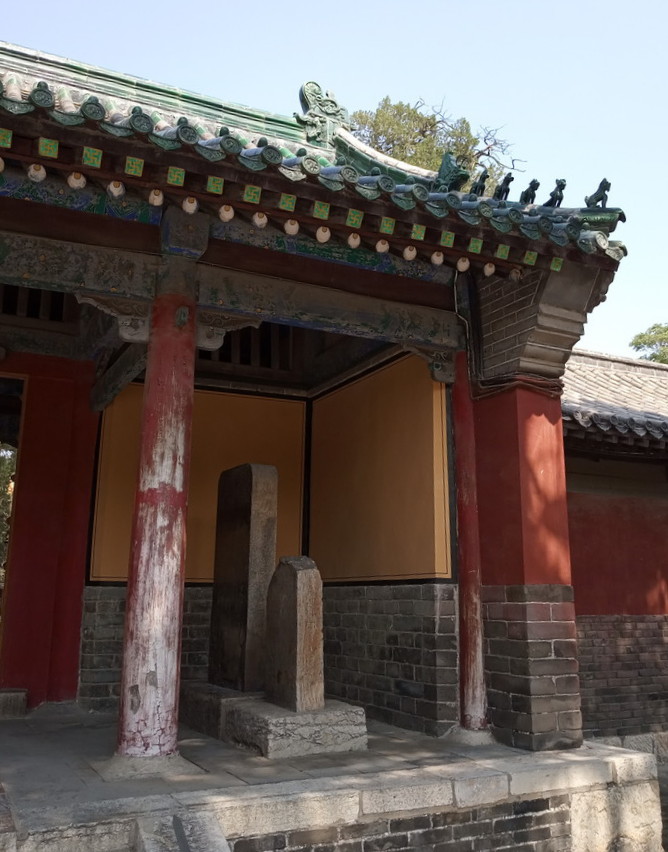
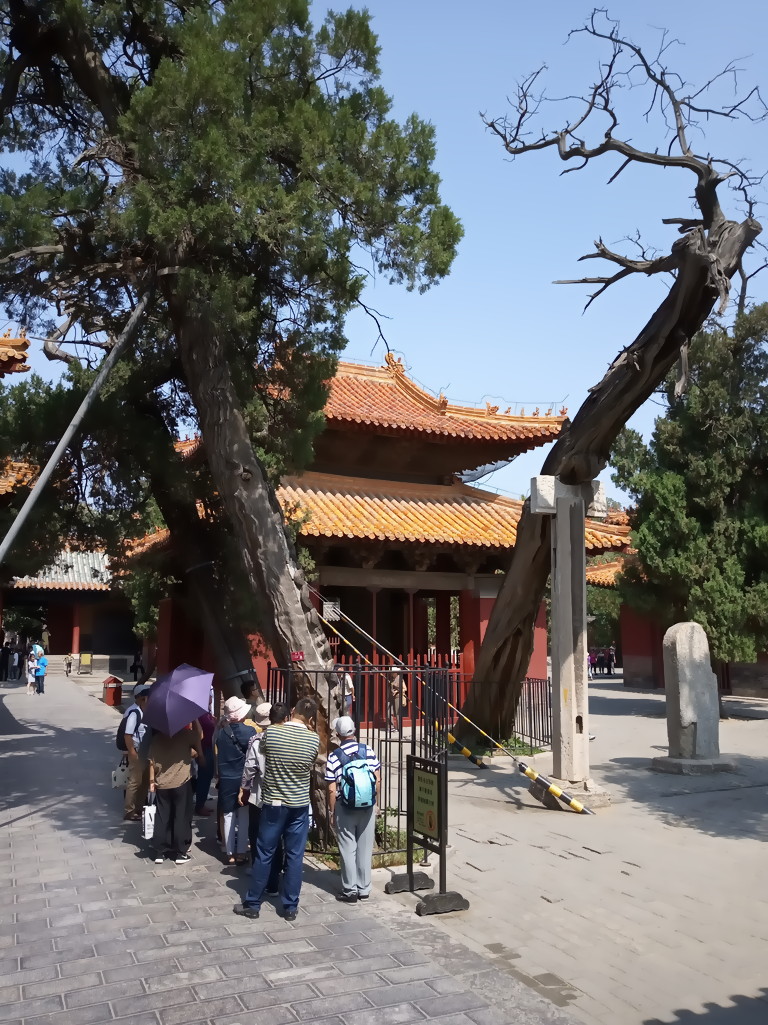
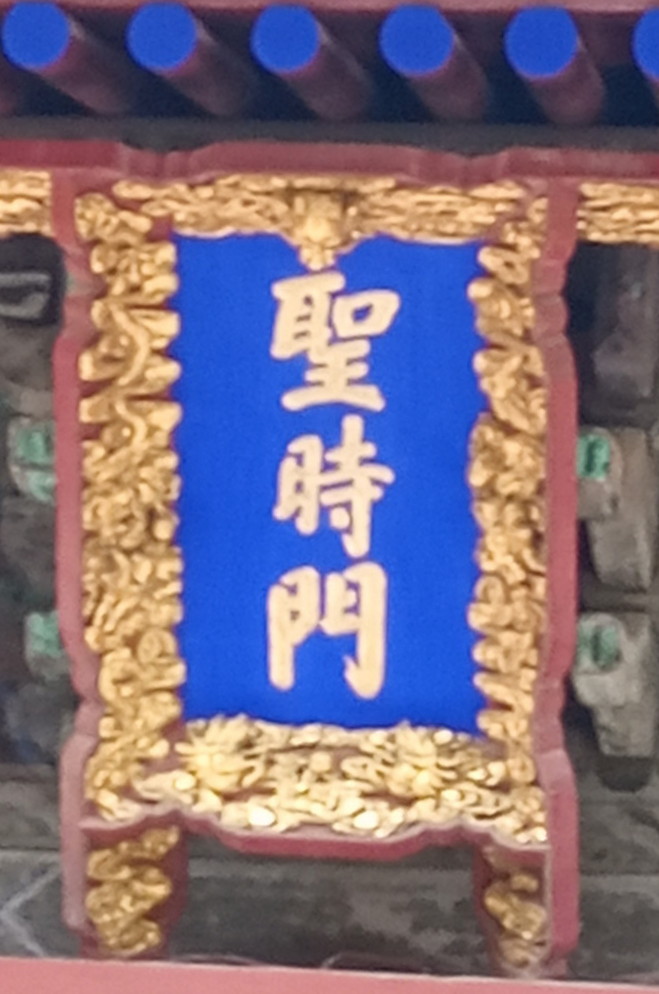
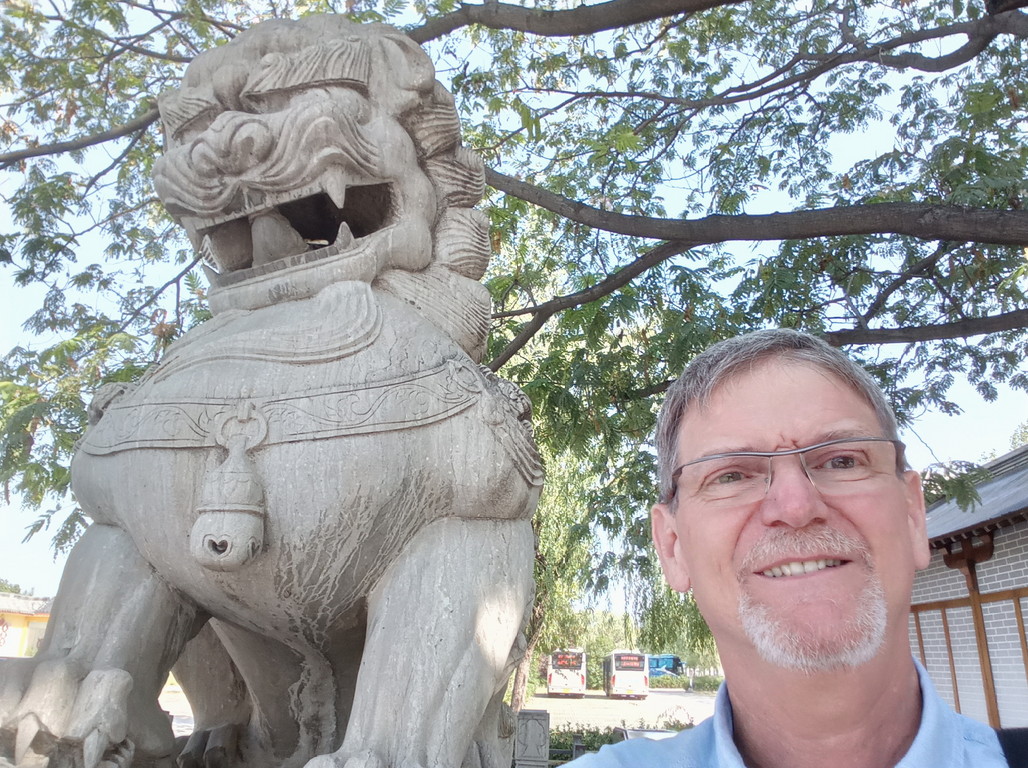
Most Americans know nothing of China. Living in a fog of misconceptions they imagine an Asian “Gulag” peopled by mindless robots, living in poverty. They see images of North Korea, and visualize China as it’s twin.
I was quite surprised by the reality of China, from my first visit in 2015. Surprised by its people, and surprised by its prosperity. There are some aspects of China that are far more modern than America.
Although in some ways China is at a stage of industrialization characterized by “growth at any cost”, there is a clear sense of concern about pollution.
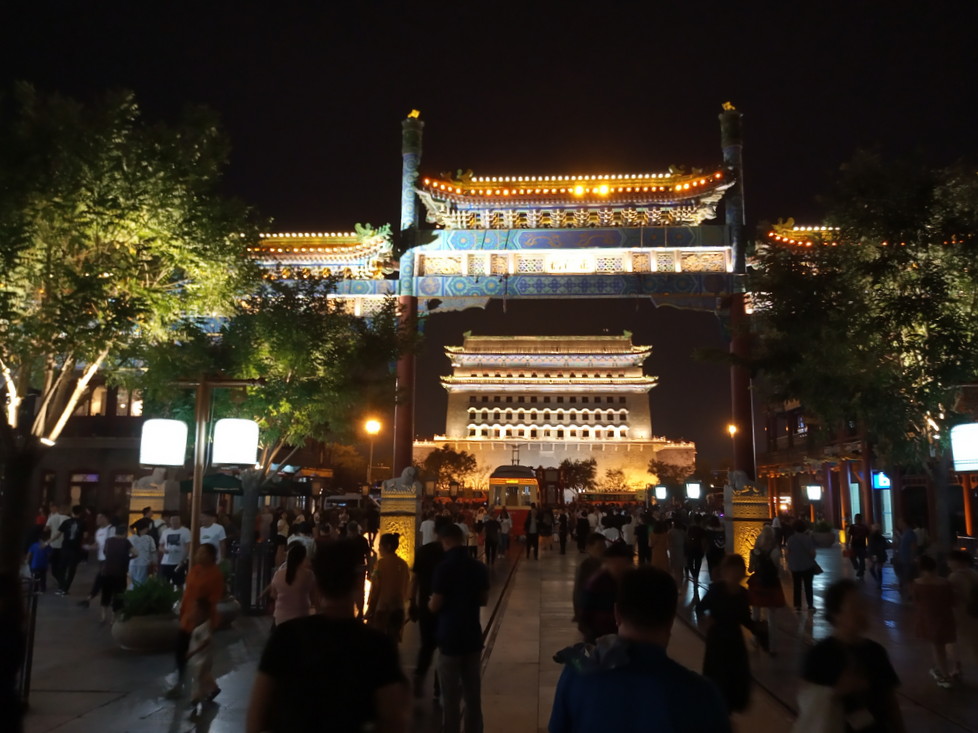
This is not the place to go into great detail about life in China. But since it is night time here I want to mention the garish light displays that awaken after the sun goes down. Modern high-rise building become colorful canvases for messaging or just artistic light shows. Businesses lure customers with bright lights.
All of this comes at a cost. Light-pollution is itself a disruption to the tranquility of the night. And all those lights require electricity. Generating electricity almost always involved pollution of one sort or another.
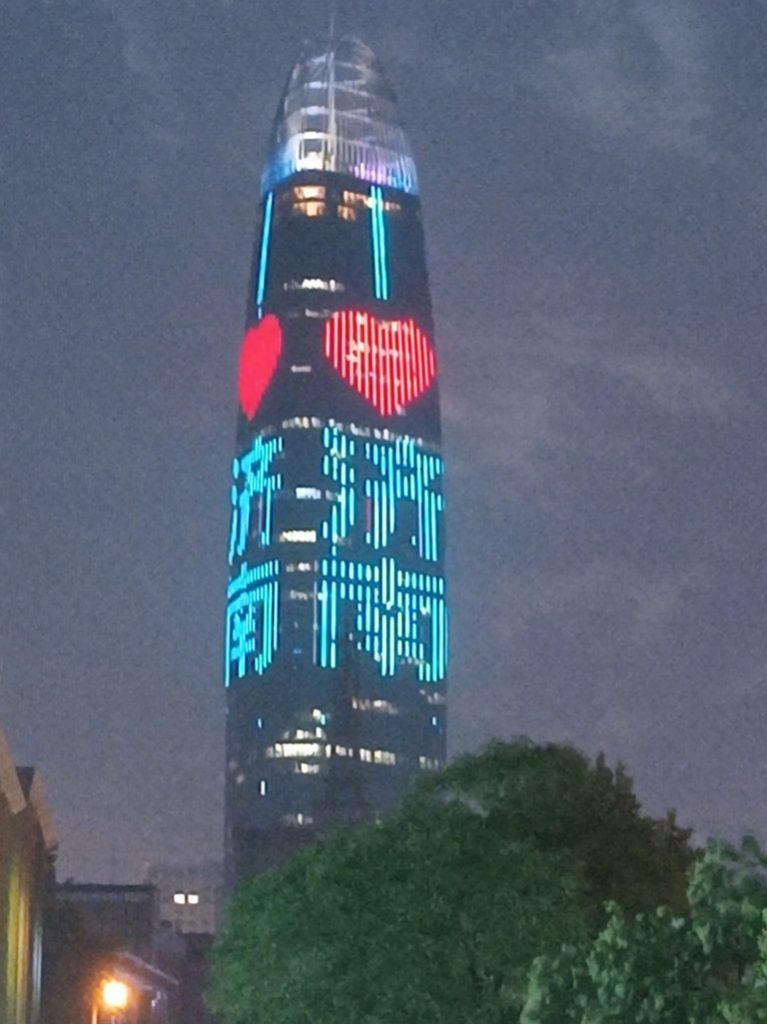
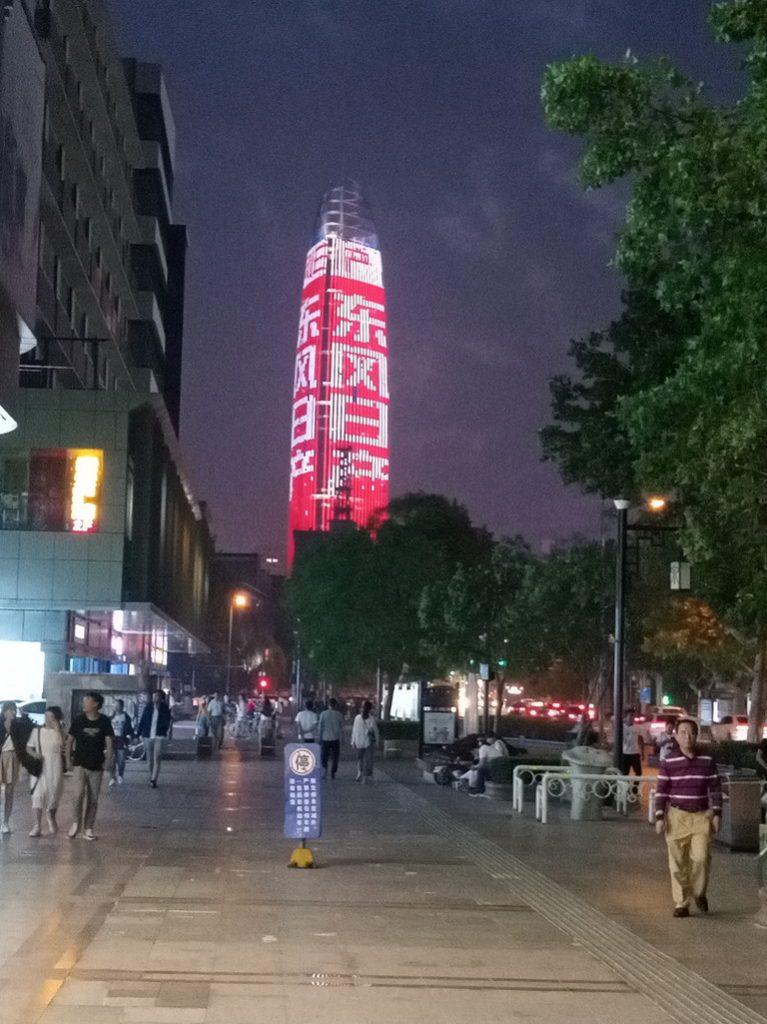
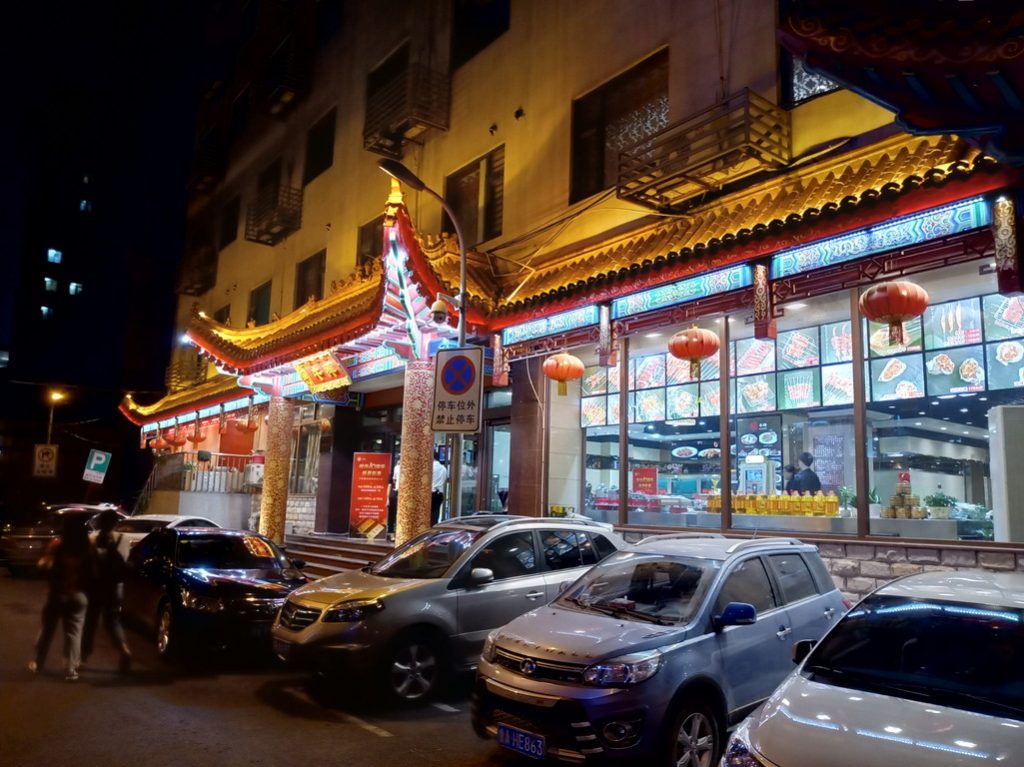
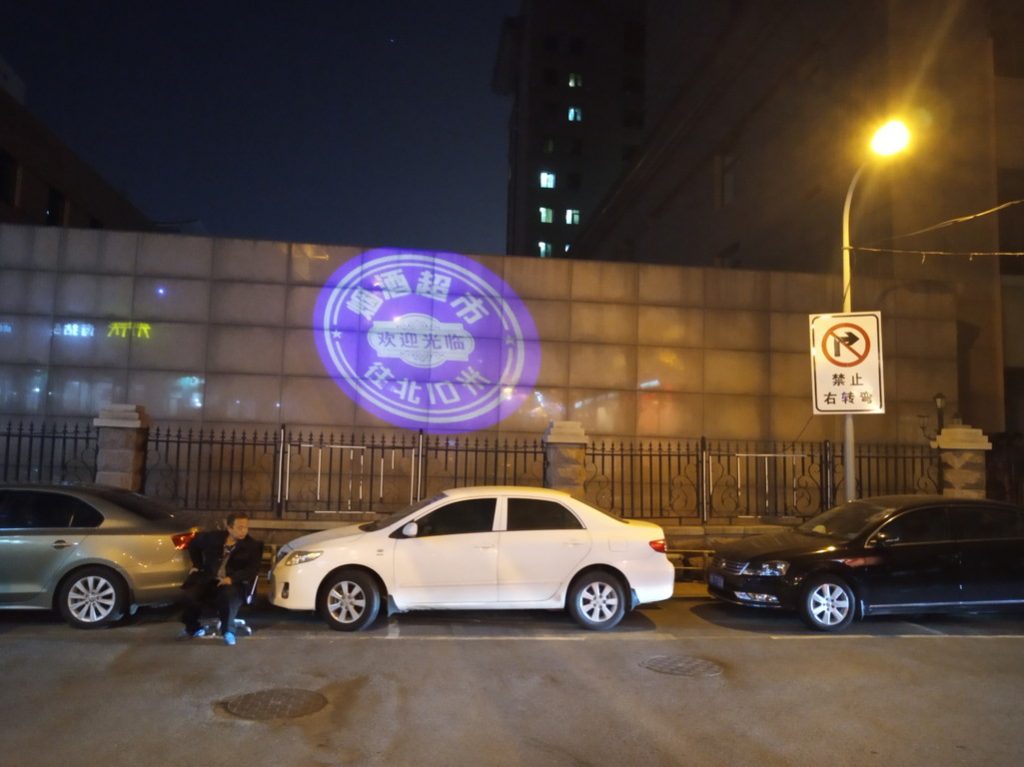
Some subway systems here project bright messaging or advertisements on the walls of the underground tunnels so they can be seen by passengers.
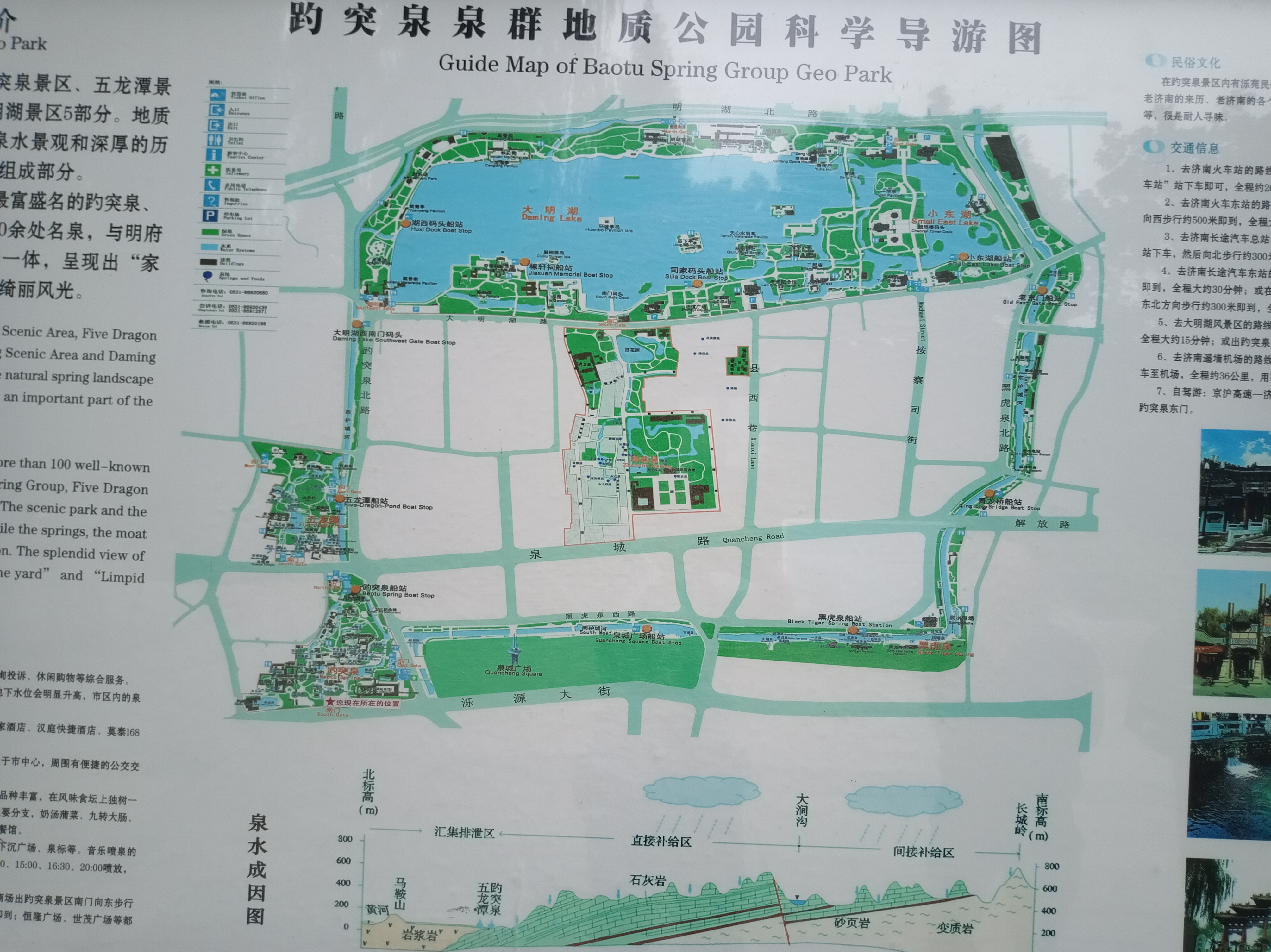
Jinan is the “Spring City”- Here “spring” is not the name of a season… but rather rather the meaning of “spring” referring to water coming up from the ground. (This recognizes Jinan as a town with an abundance of water that springs up from beneath the ground.)
My hotel is a short walk from a number of popular springs, which tend to be wrapped in extended gardens and park areas.
I visited the “Five Dragon Pond” site, and “Baotu Spring”.
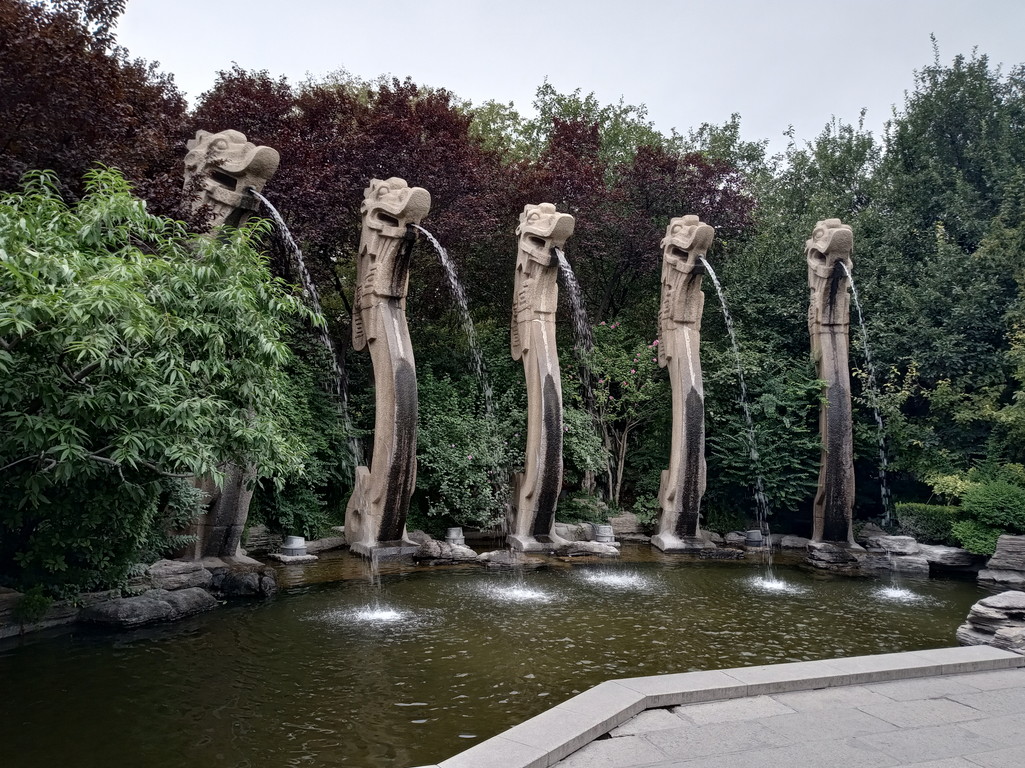
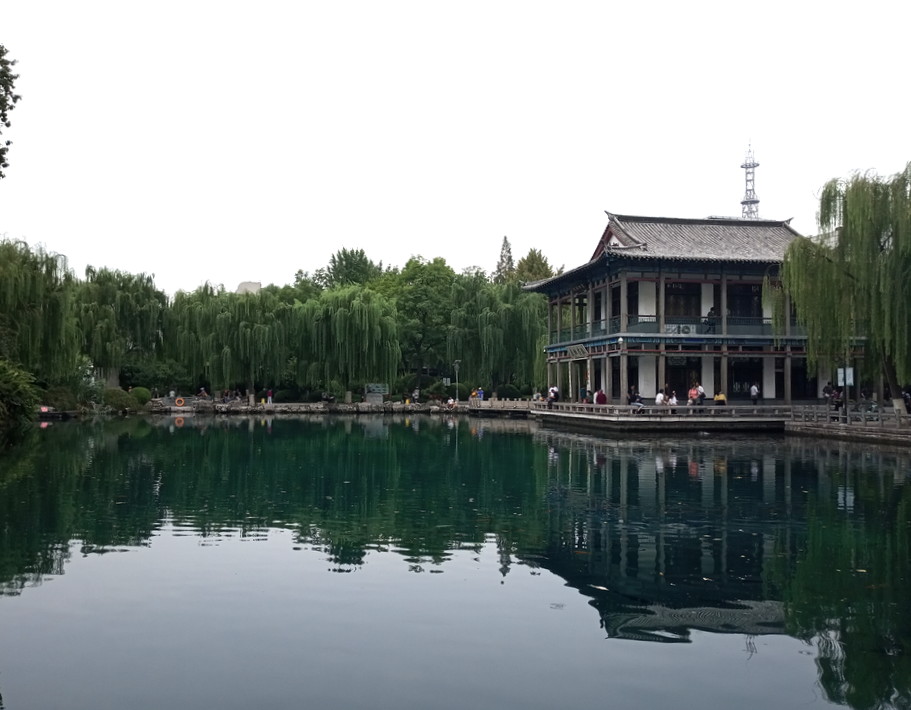
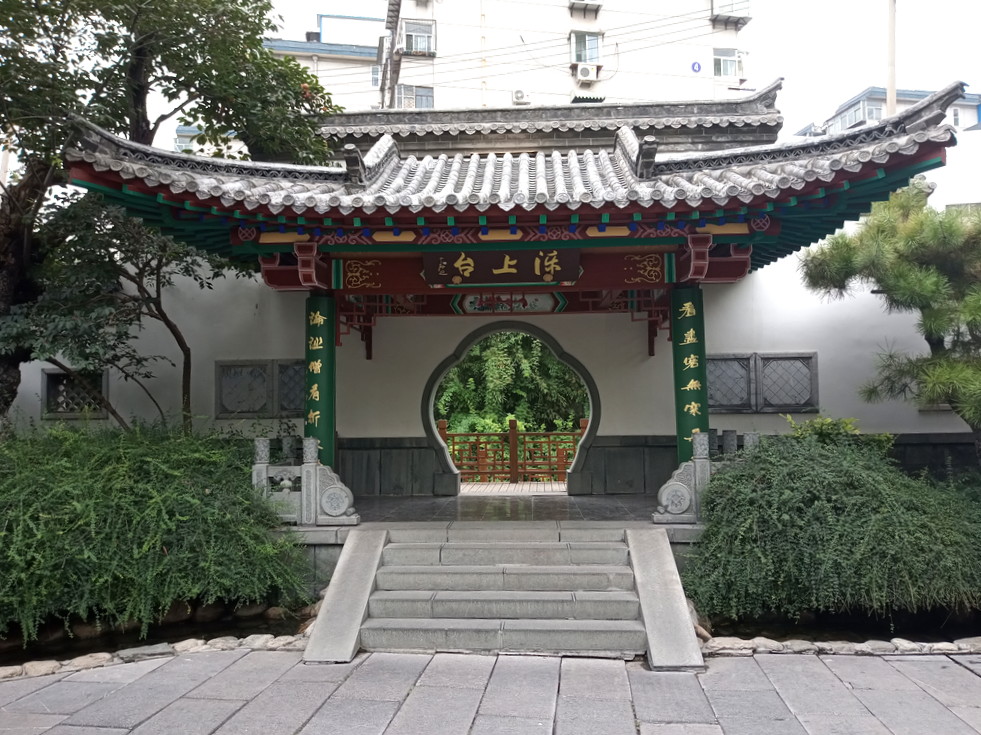
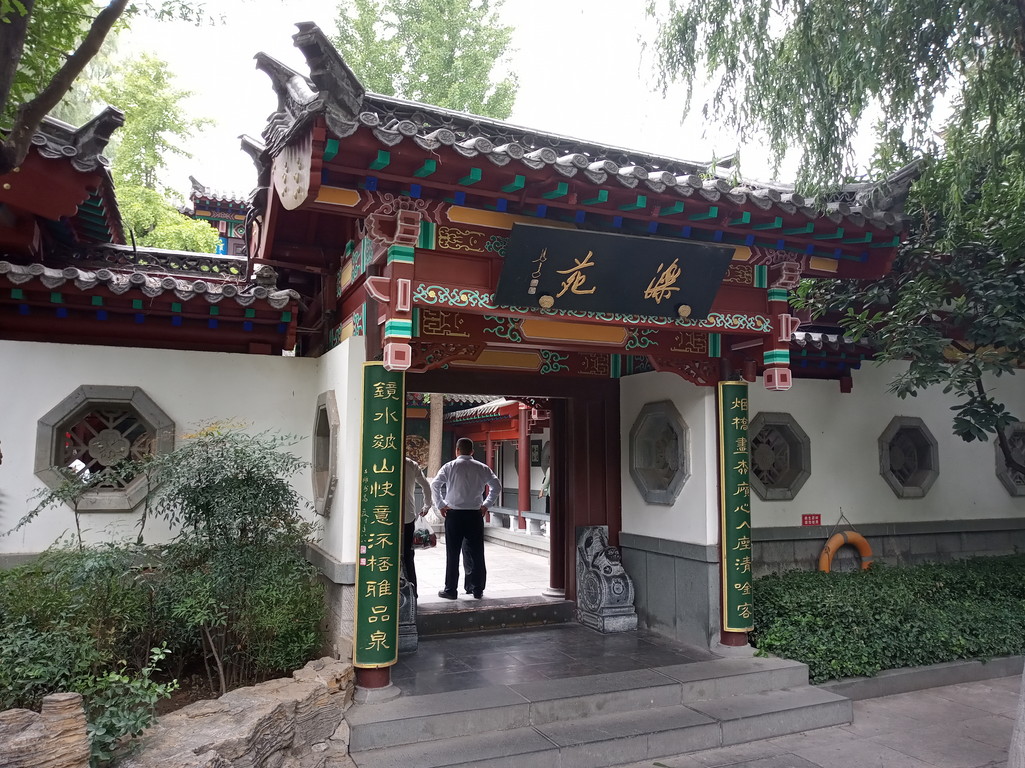
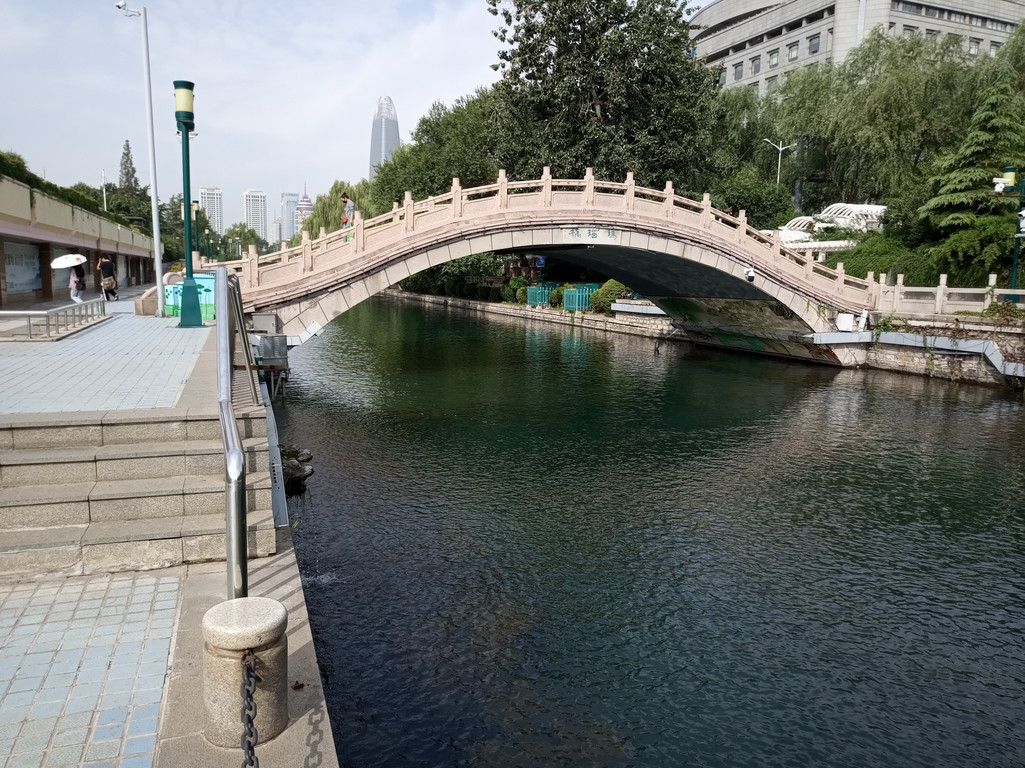
Enclosing the old part of Jinan is a somewhat rectangular, spring-fed canal. One tourist brochure uses the word “moat” to describe it.
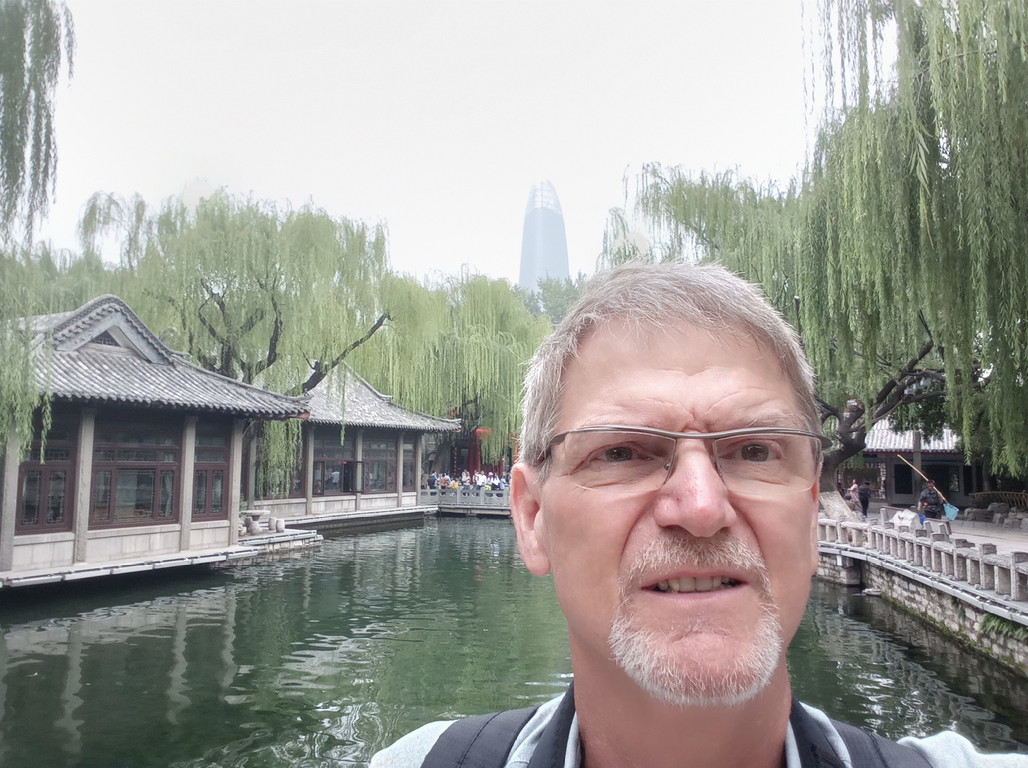
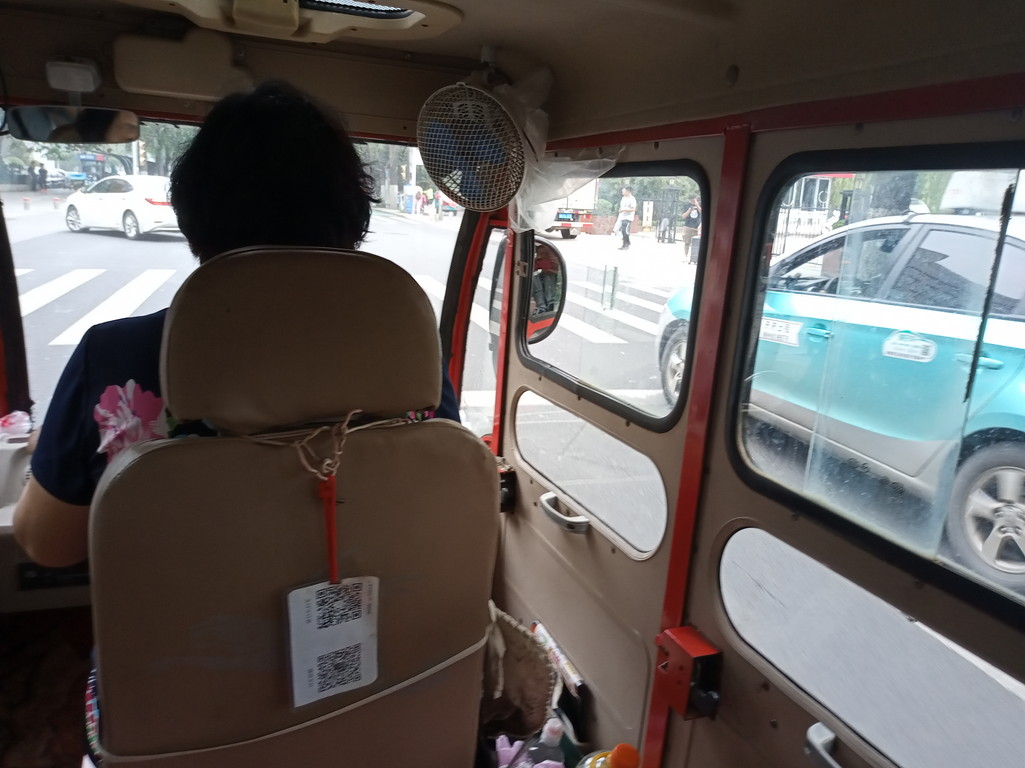
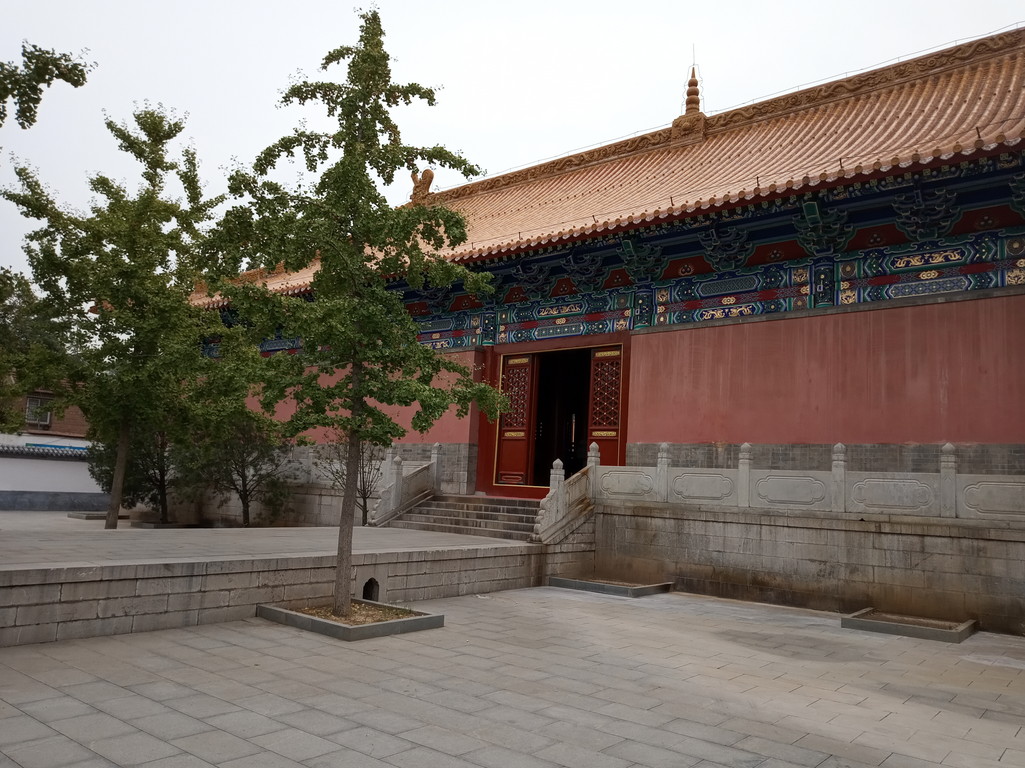
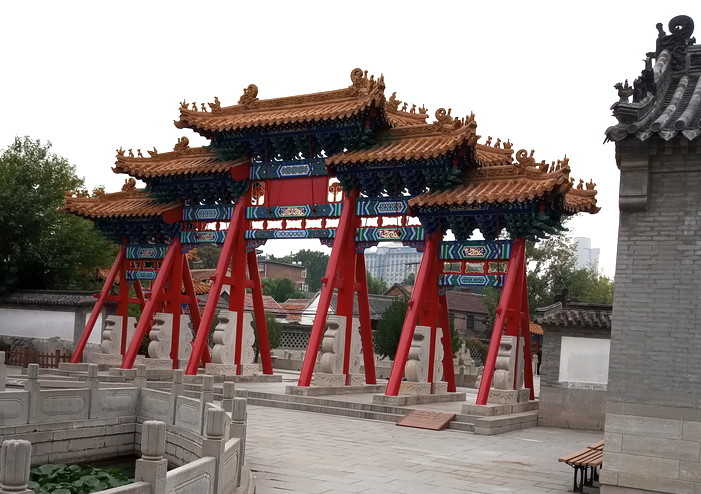
Next, I visited a neighborhood that includes a large Confucian temple complex and a series of old residential alleys that have been mostly converted to shops. To get there, I rode in a tiny three wheeled contraption (In America we call these “tuk-tuks”, using their Thai name). This bone-jarring ride involved careening from street to street in a vehicle that seemed to ignore all traffic flow rules.