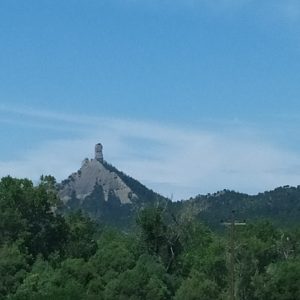
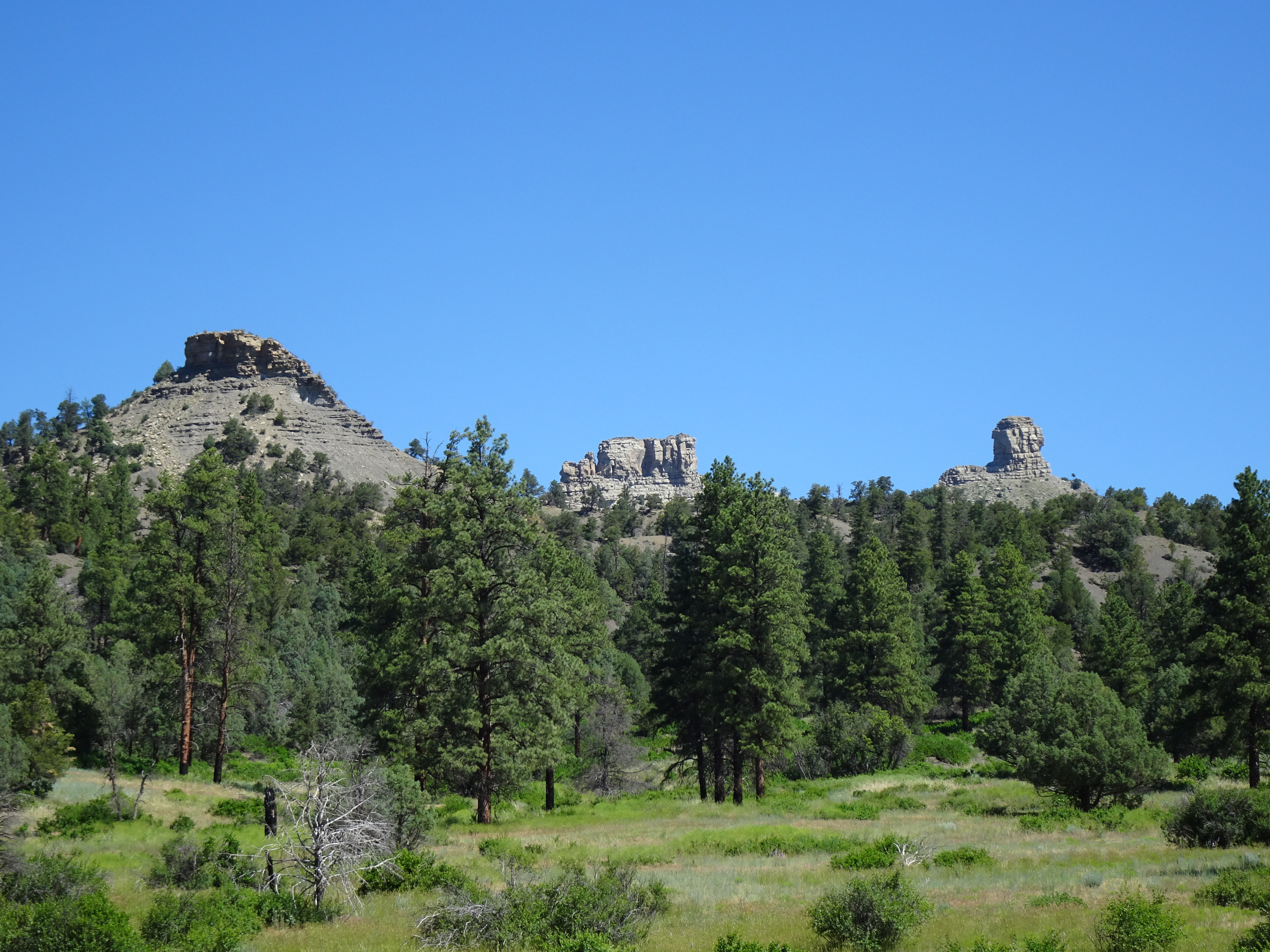
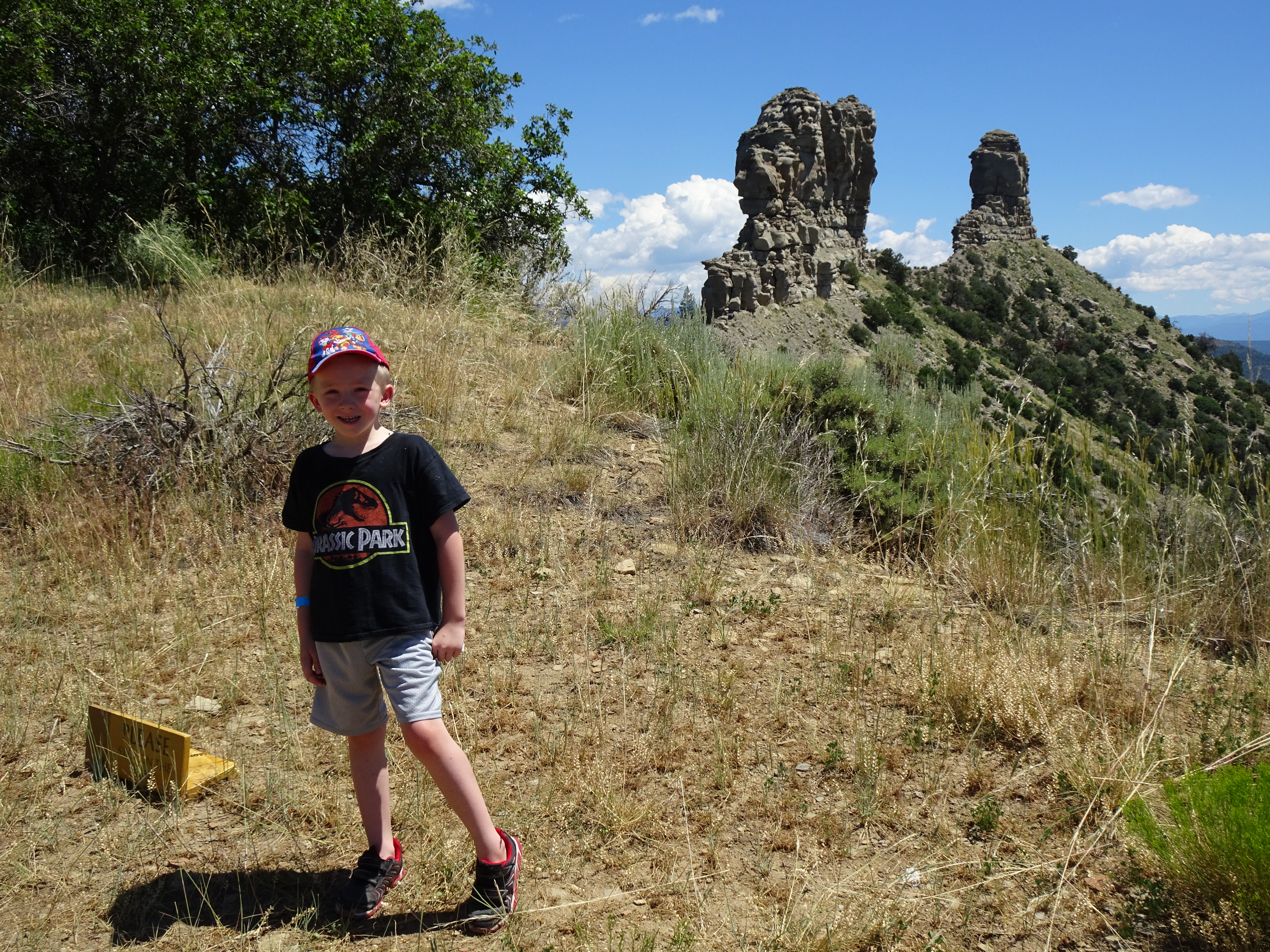
From the highway in southwestern Colorado, between Durango (where our daughter Mindy lives) and Pagosa Springs, you can see “Chimney Rock”. This distinctive geological formation, as its name implies, looks like a fireplace chimney on the roof of a building.
Because we had a bit of extra time allotted on our way heading east to Alamosa, we decided to take a short detour to visit Chimney Rock National Monument. We arrived at a small building that serves as the park office. Nearby a construction crew was in the process of expanding the headquarters. We parked the car. Rhonda and Kaden sought a bathroom, and I wandered off to take some snapshots of Chimney Rock, a bit closer and at a different angle. I was soon satisfied and started to walk back toward the car.
In the distance I could see Rhonda urgently beckoning me. I quickened my pace to reach them.
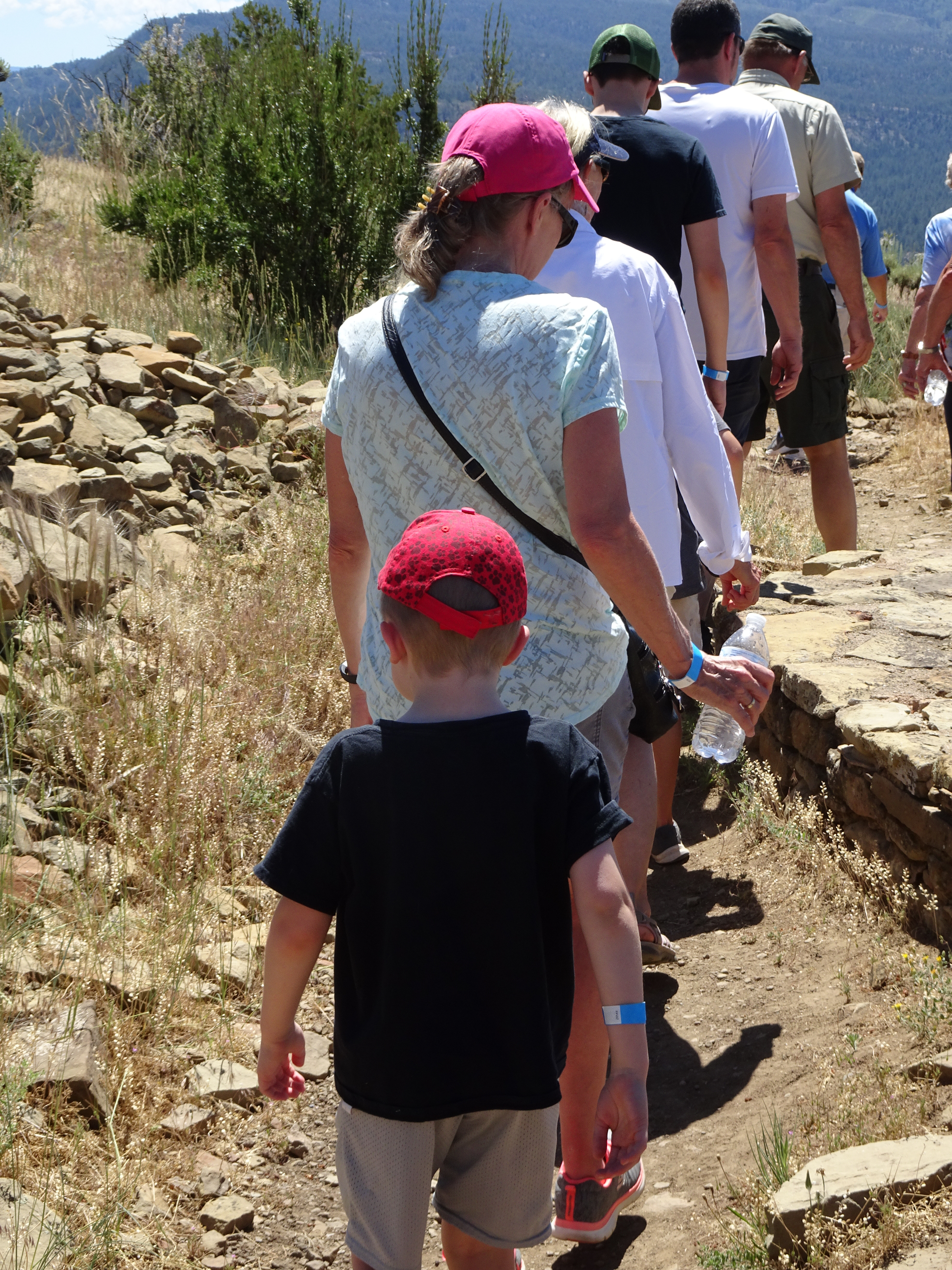
“There are ruins of structures of the Pueblo people up on the mountain. We can sign up for a tour, but it leaves in five minutes!” I went up to a ranger and paid the fee for the three of us and we joined some other visitors who were loading into a pair of 4WD park vehicles. The driver ascended a rutted dirt road that snaked its way upward, and after about 10 minutes arrived at another parking lot.
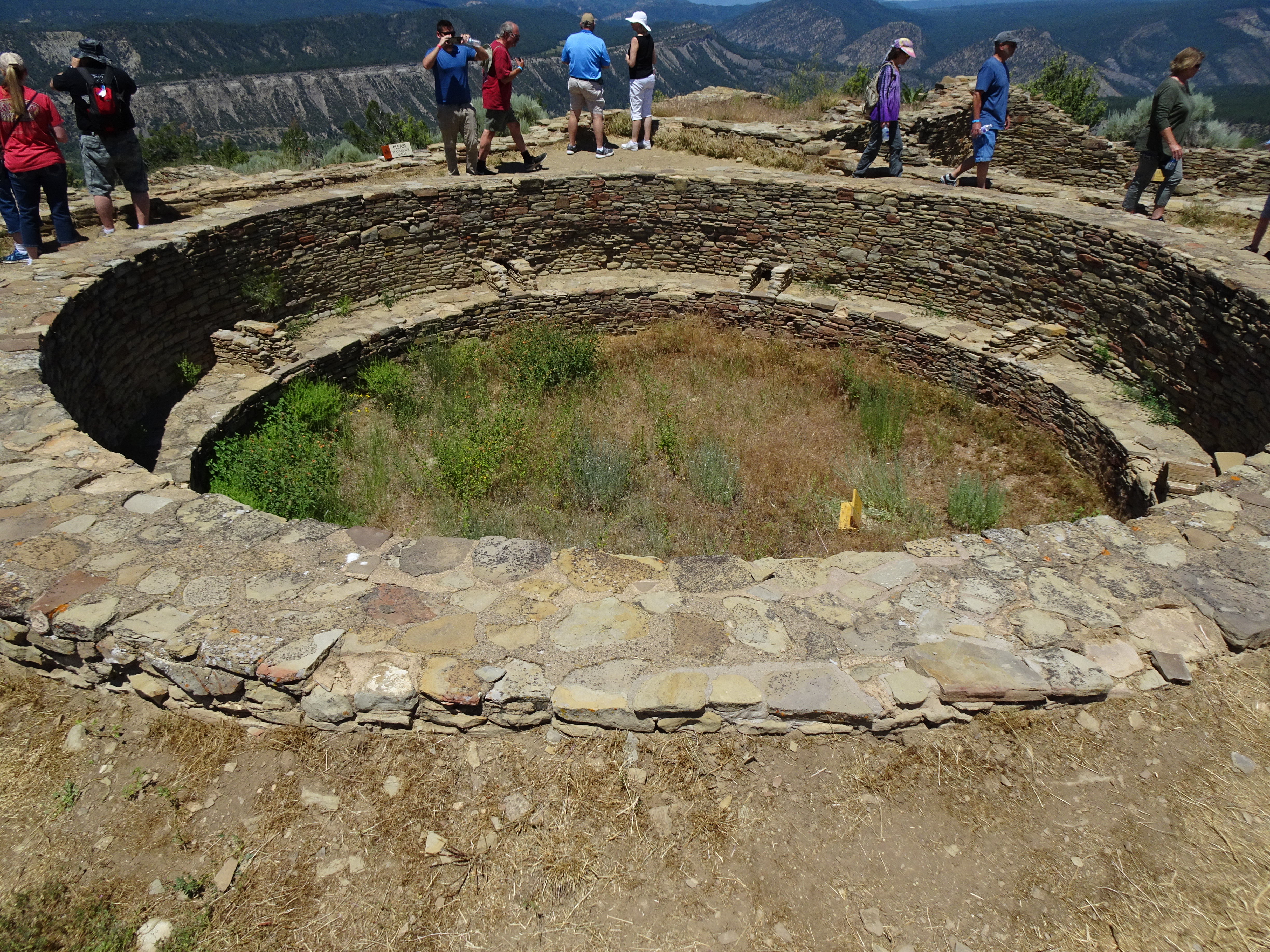
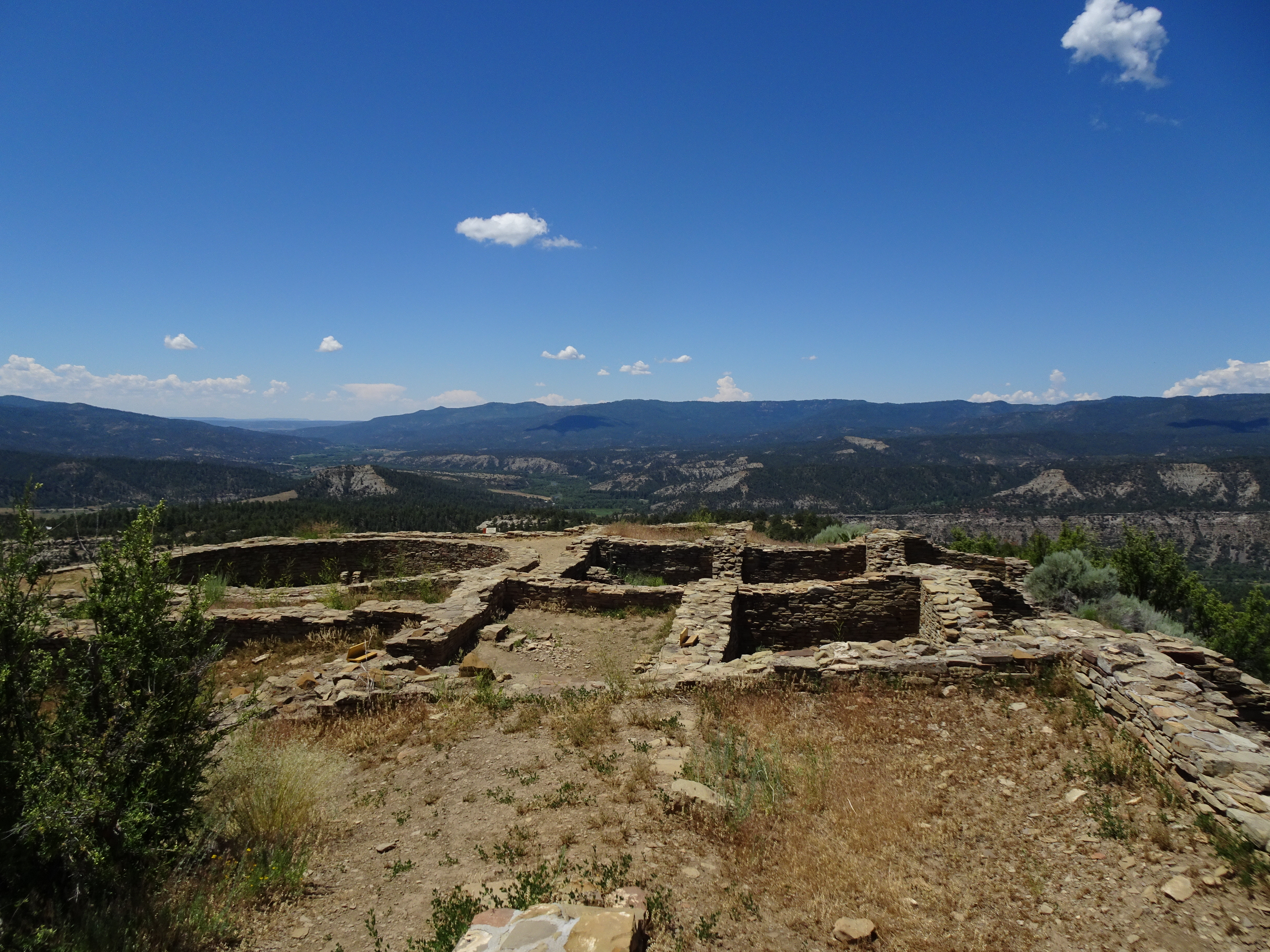
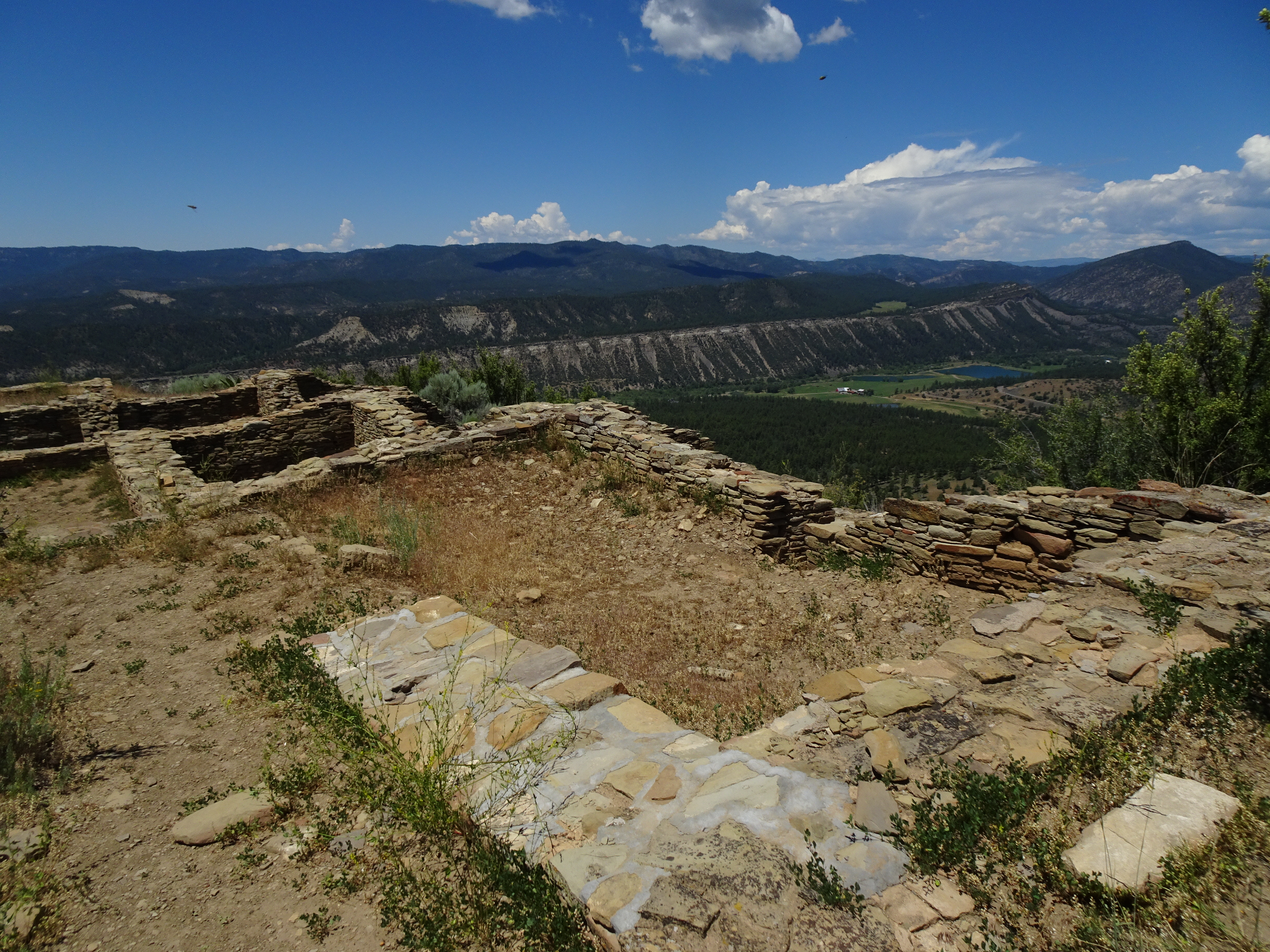
The Chimney Rock area was home to several successive Pueblo peoples. A latter group was connected to the inhabitants of the Chaco Canyon site to the south in northern New Mexico.
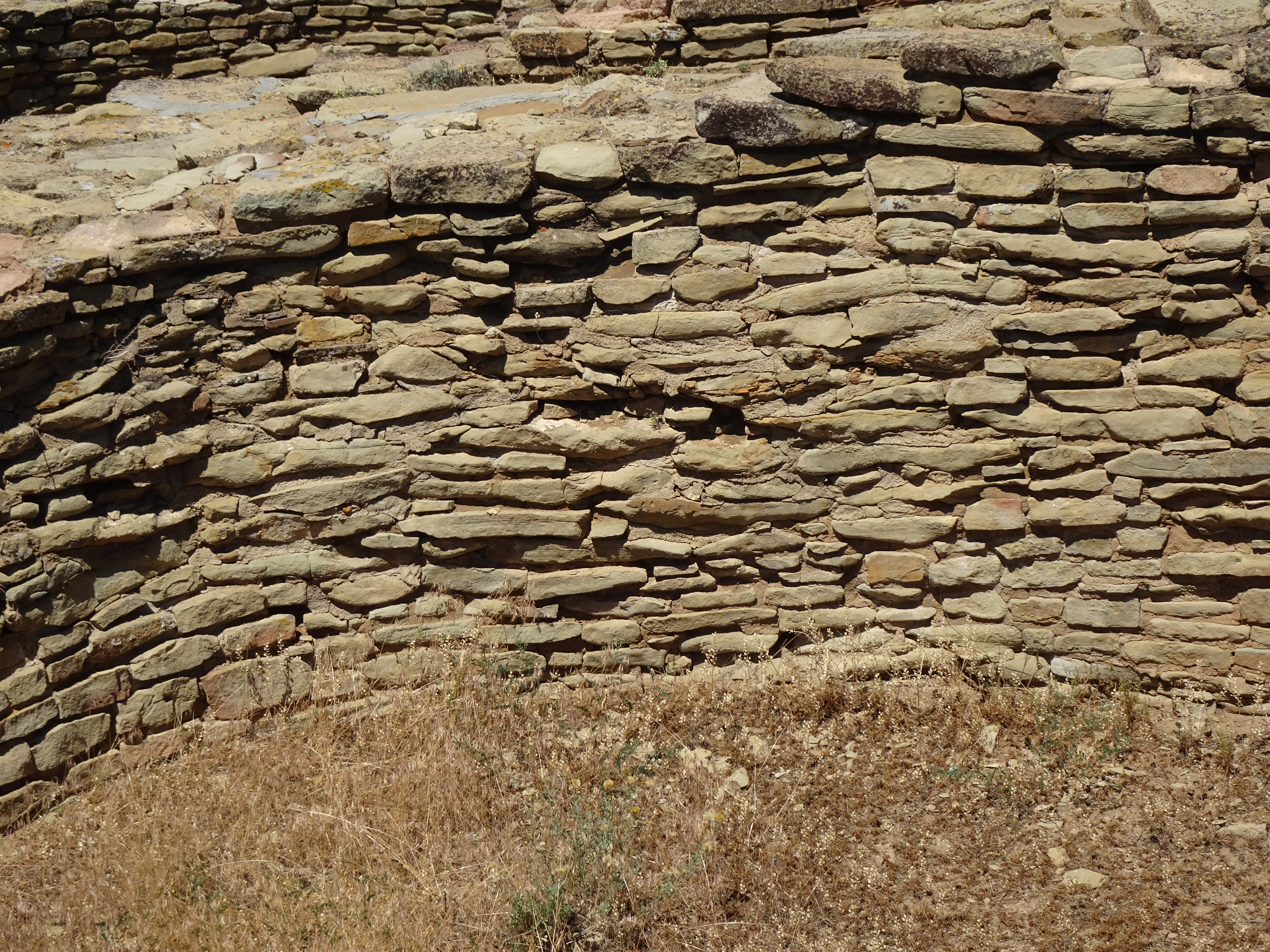
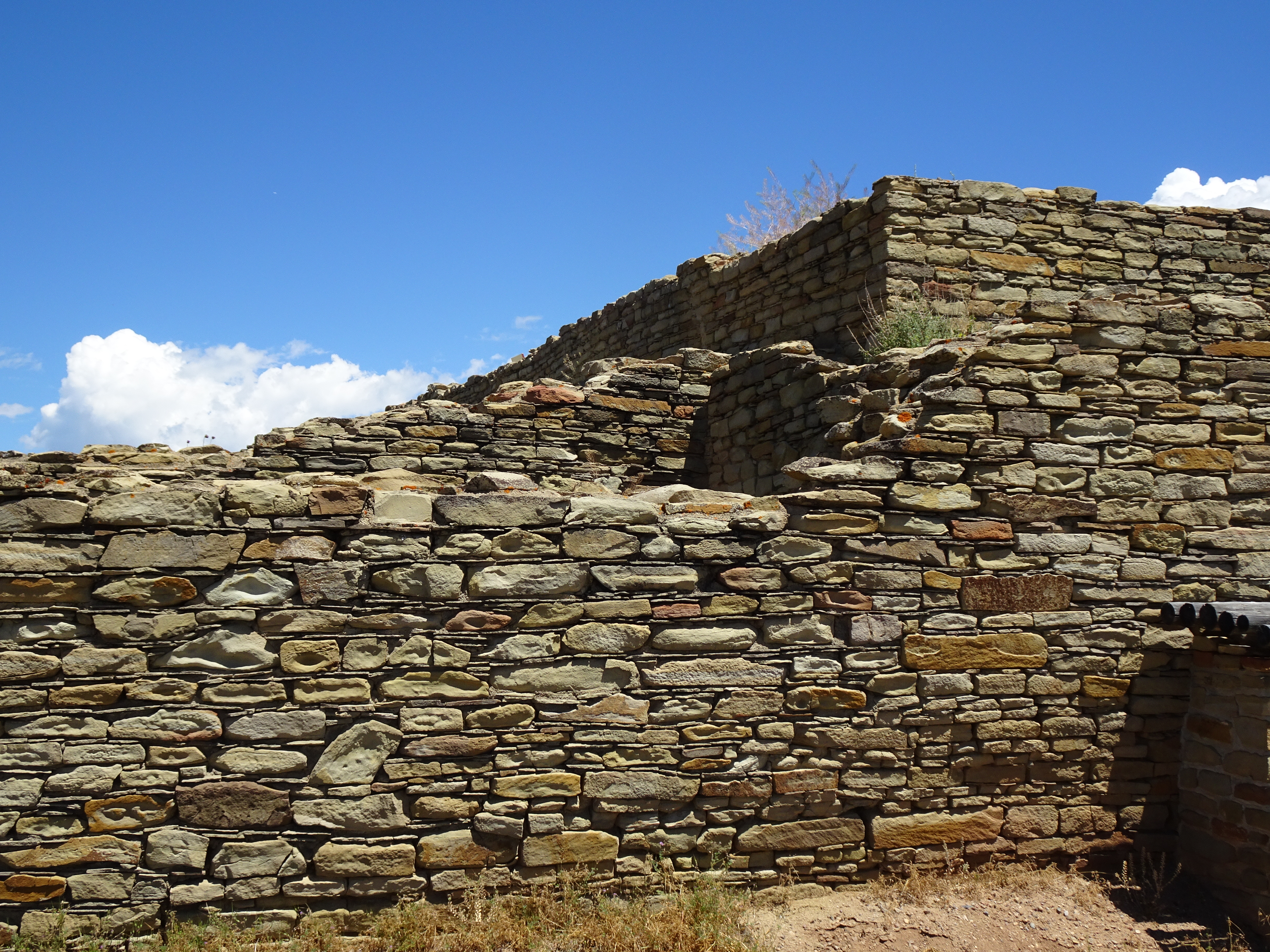
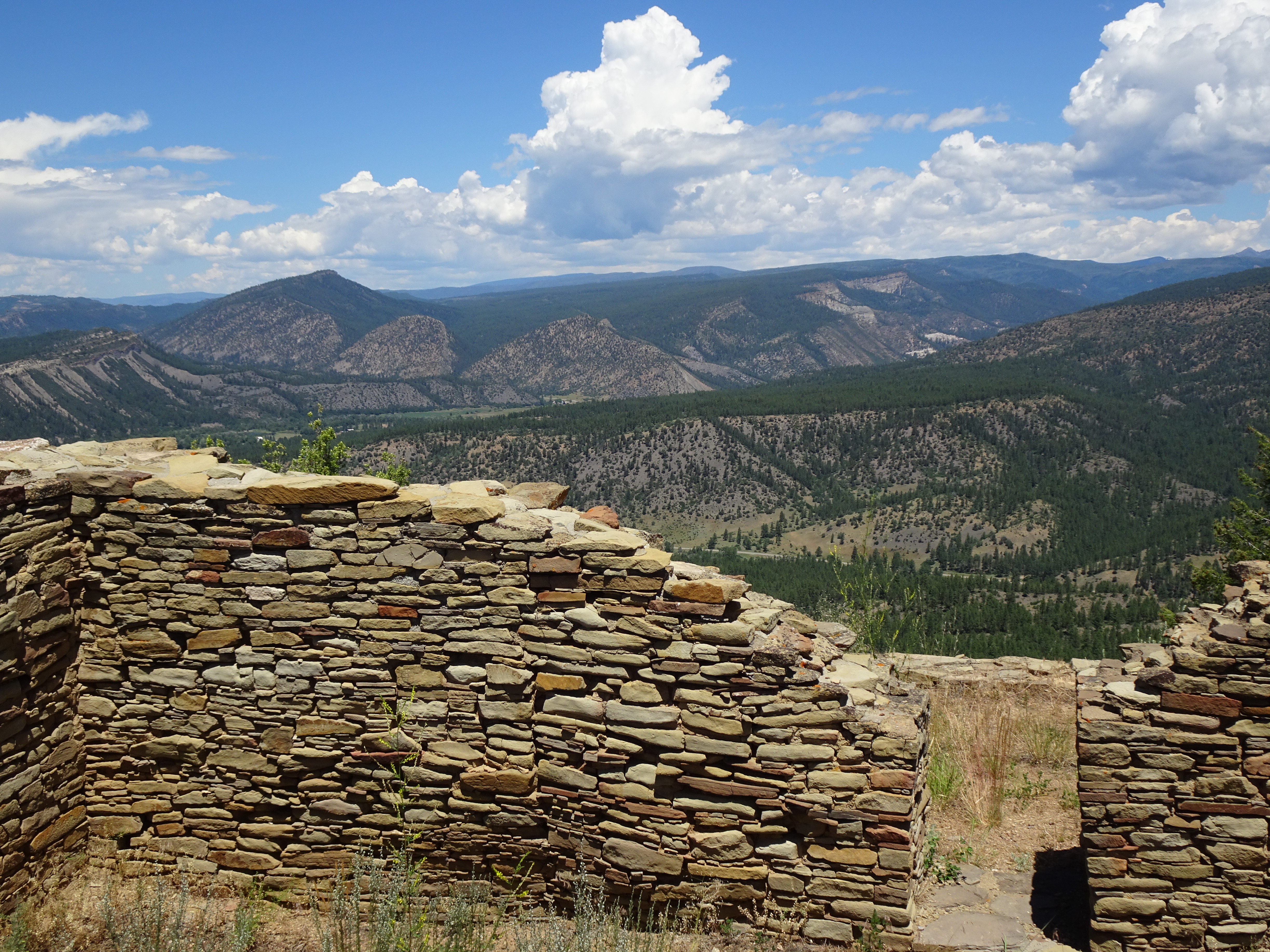
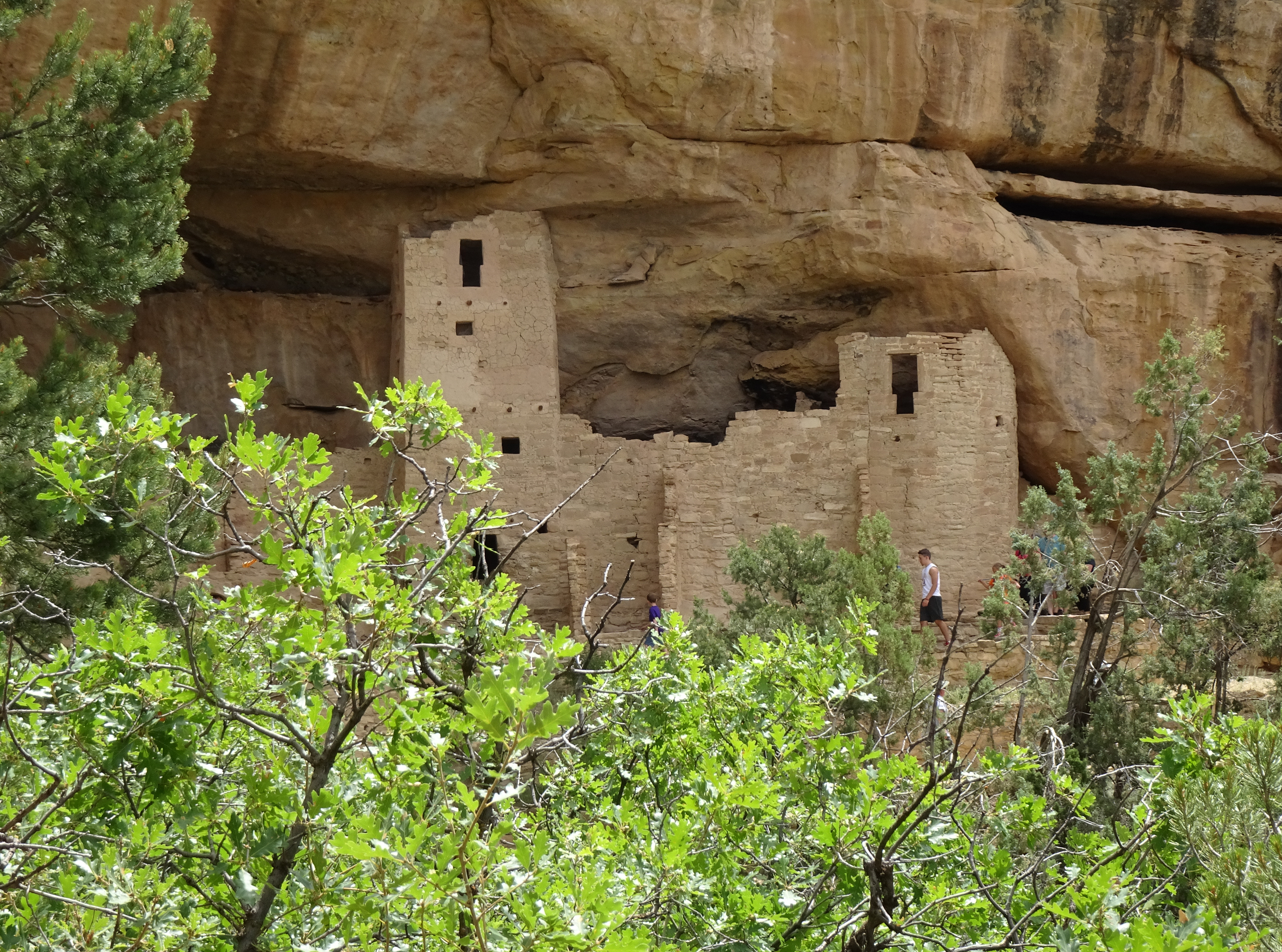
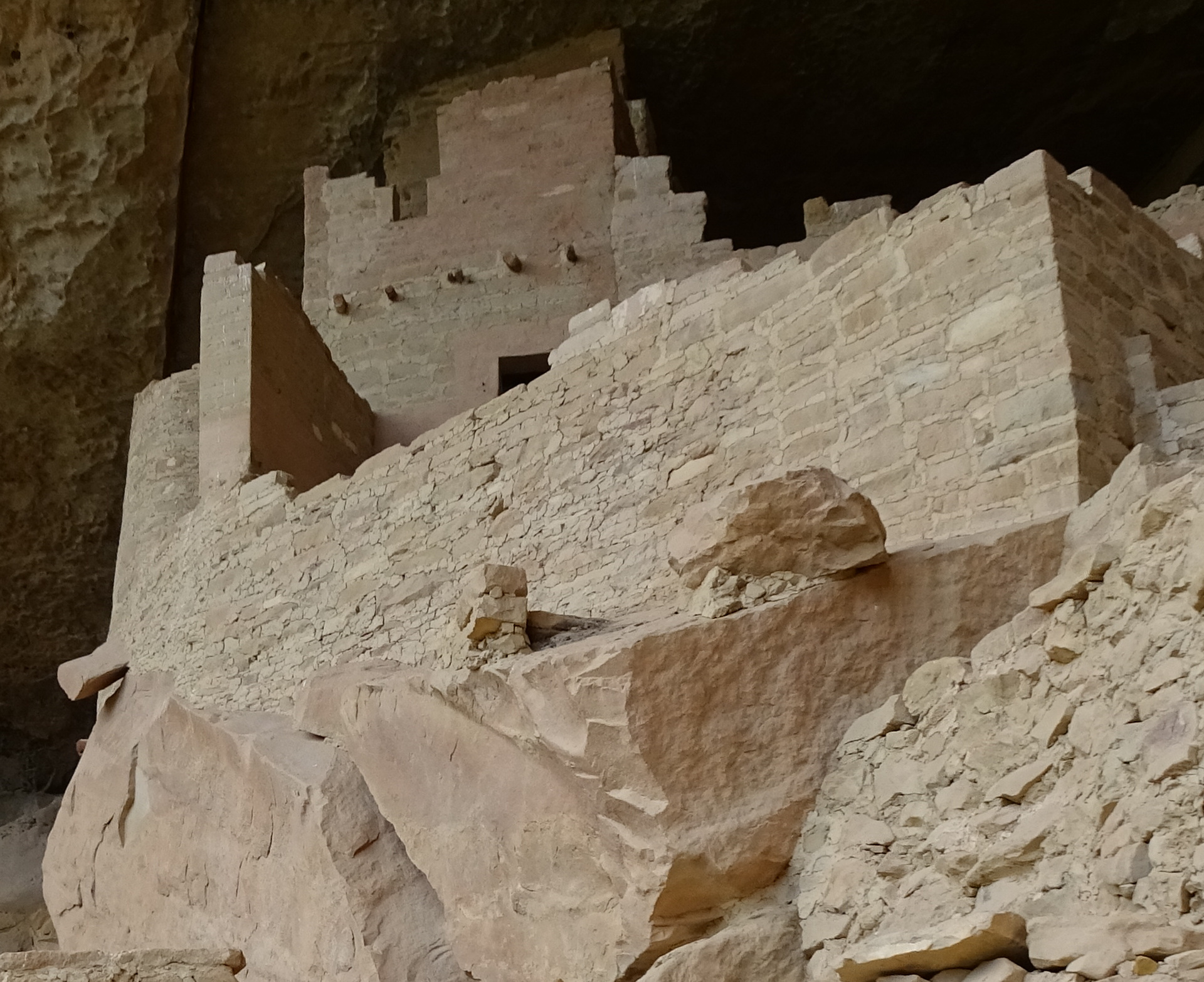
The style of layered stonework is similar to that at Chaco Canyon.
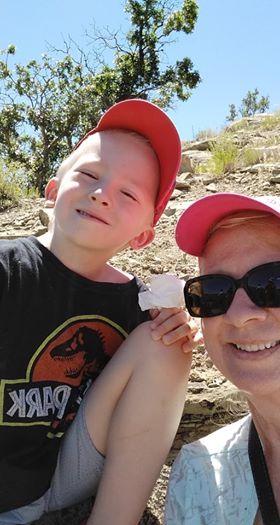
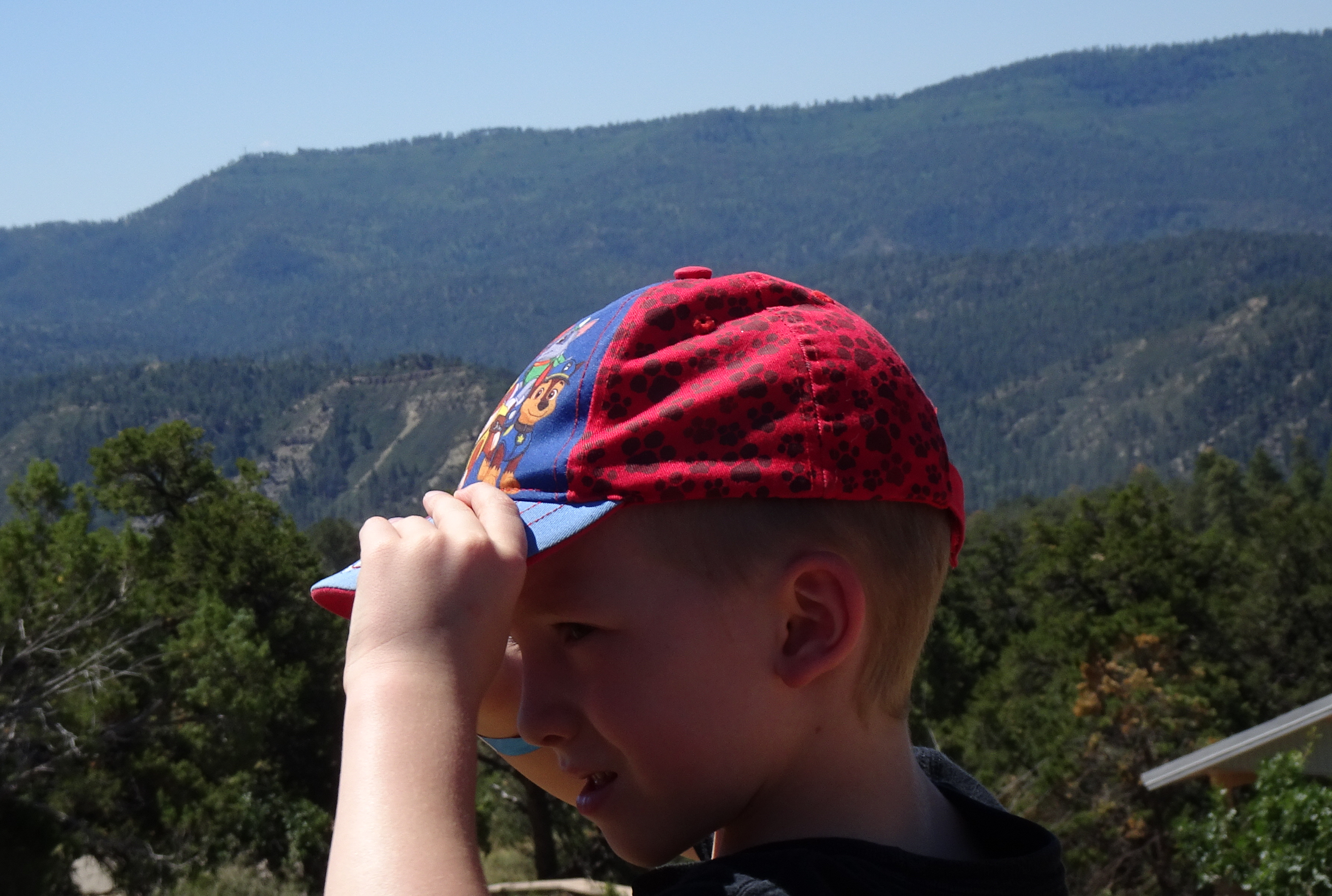
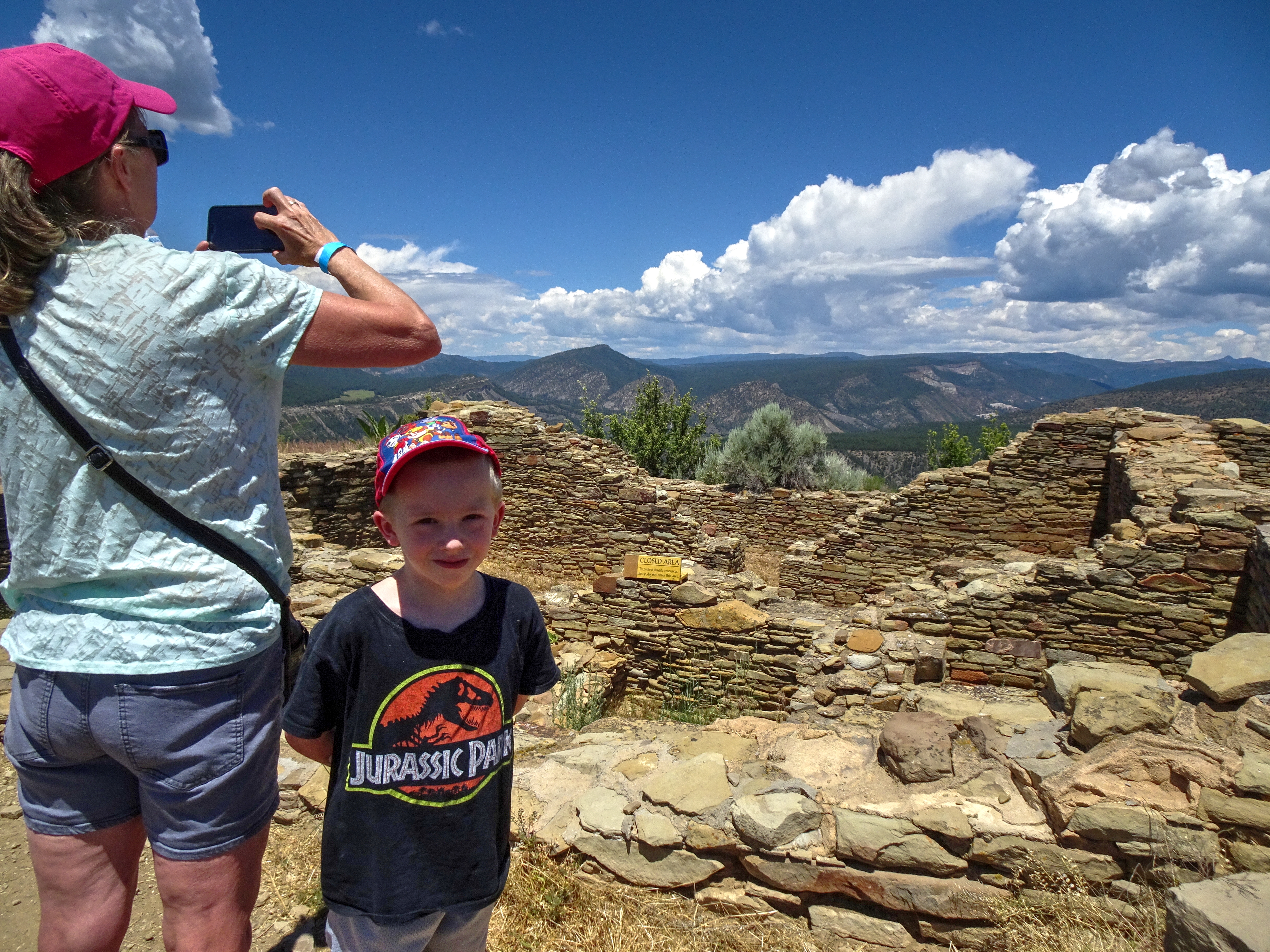
Kaden suffered from the heat a bit while we were there, but he stuck with us and had a good time. Later he rated the site “Excellent!”
After our visit, we stopped to buy some water from a pair of women who staffed a booth. Kaden (who starts second grade in August) advised them of the correct change to provide from the twenty dollar bill. The were quite nice to him. Encouraged, he quizzed them with his favorite math problem: “What is two times one googol?” They later cautioned him to “try to not be too much smarter than his teachers.” 🙂
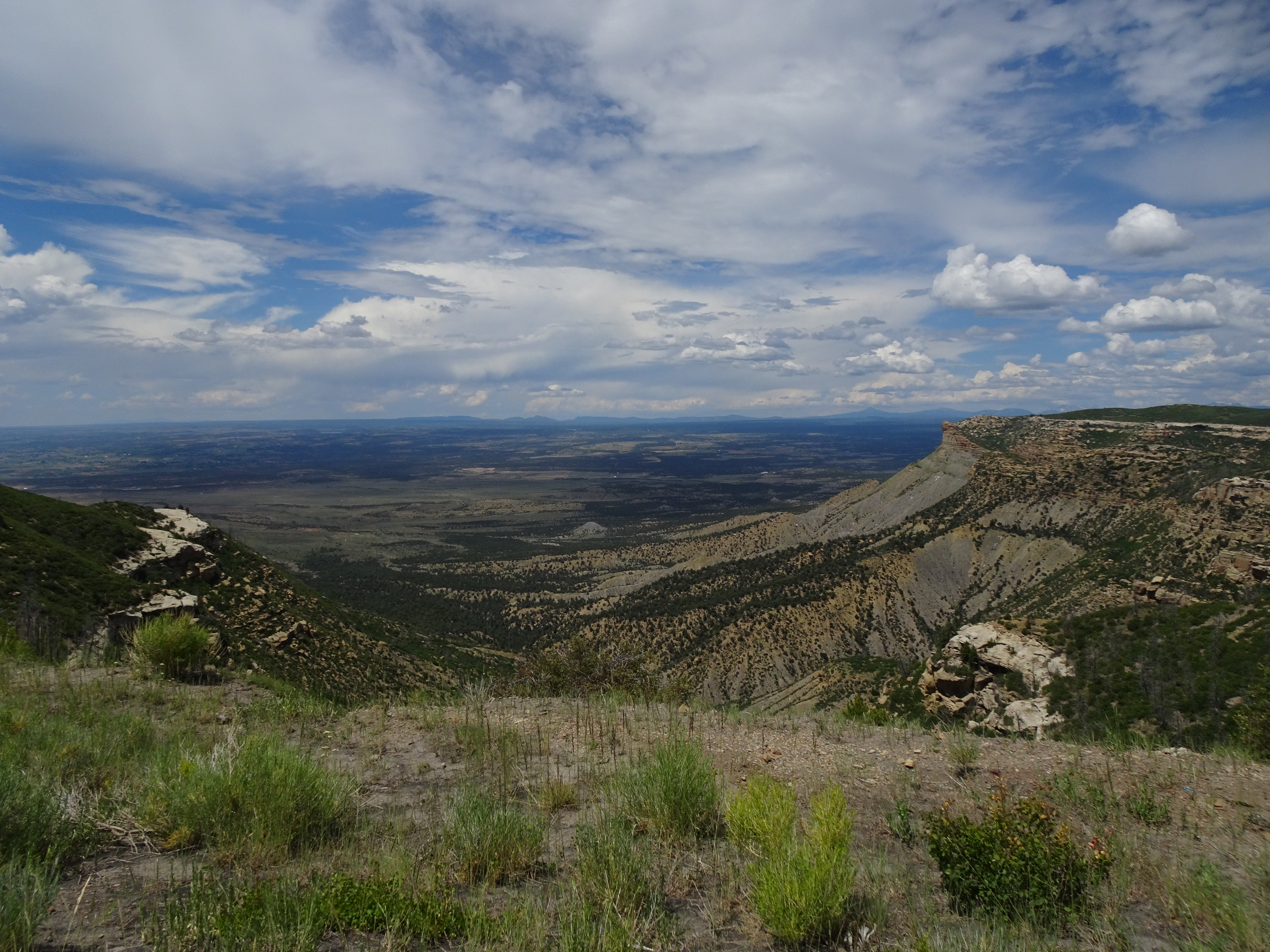
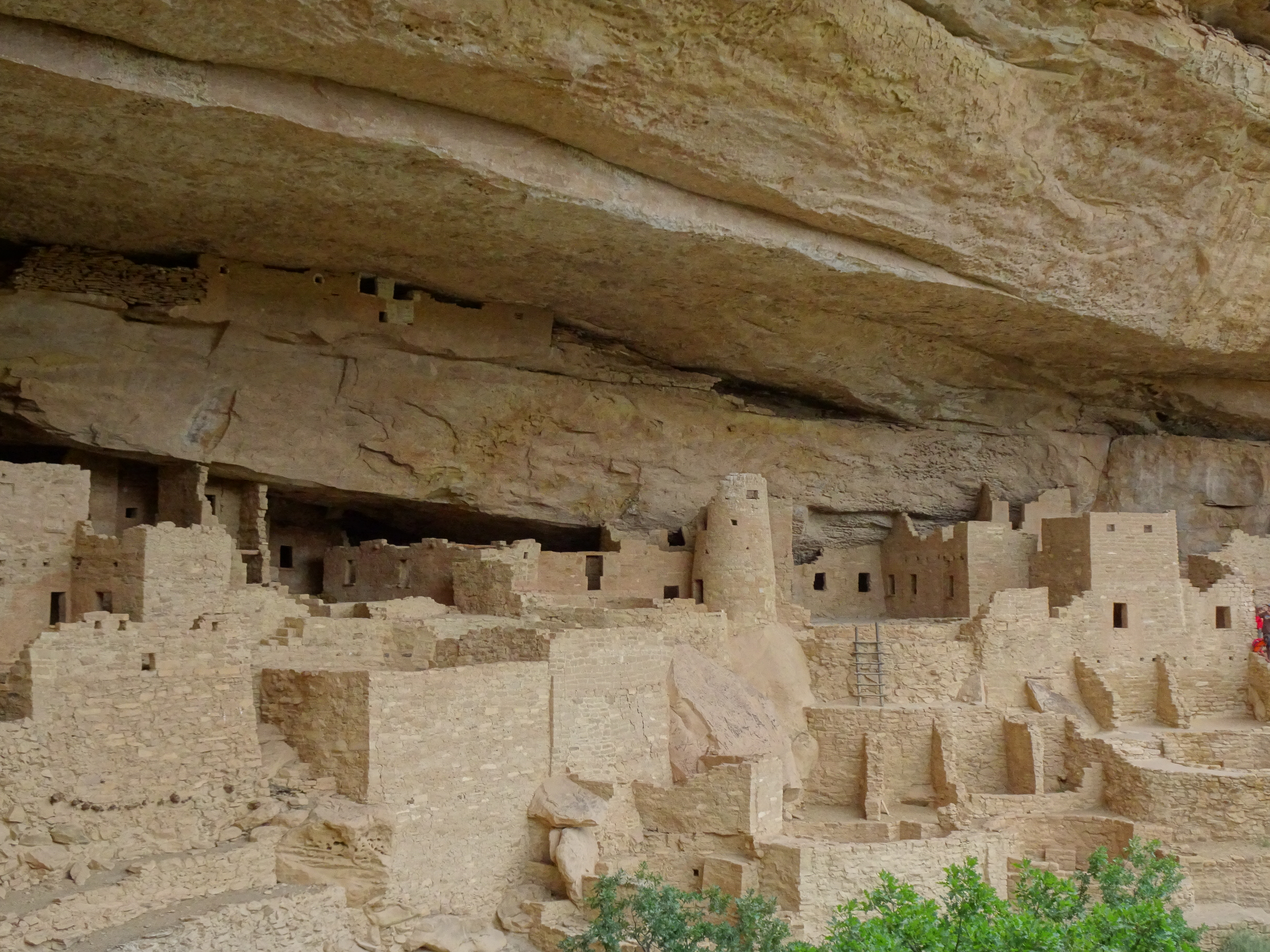
The “Four Corners” area, including southwest Colorado includes extended areas of dry terrain covered with scrub vegetation. “Mesa Verde National Park” is located in this area and includes cultural and archaeological sites of the ancestors of the Pueblo People who still live in America’s southwest. Human presence began about 10,000 years ago with nomadic hunter-gatherers who gave way to early farmers who grew corn and wove baskets.
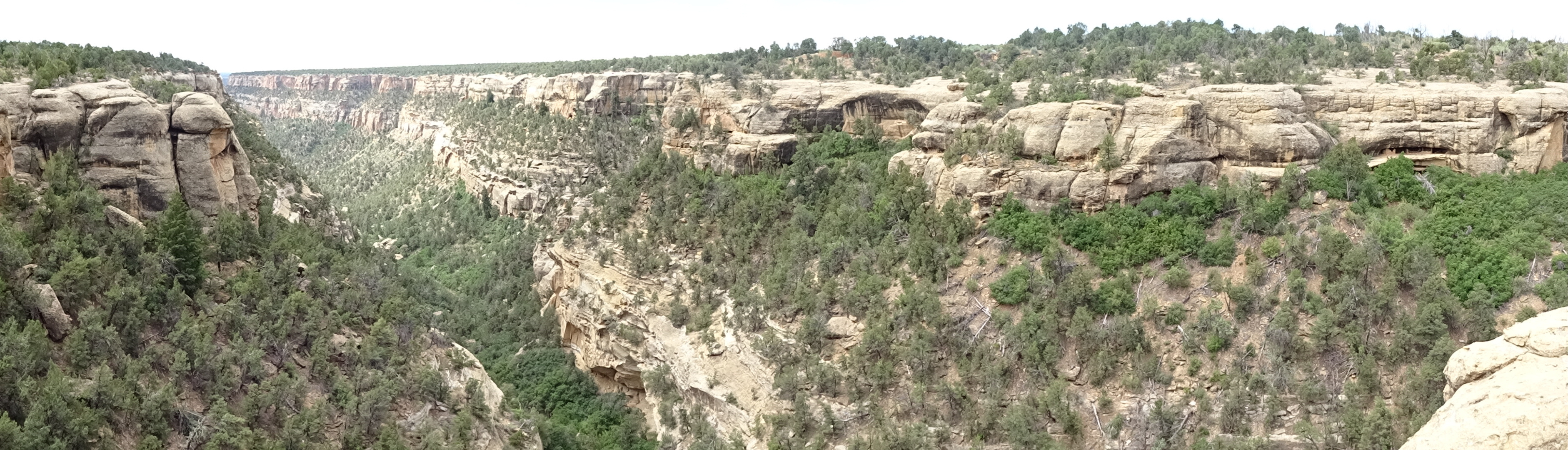
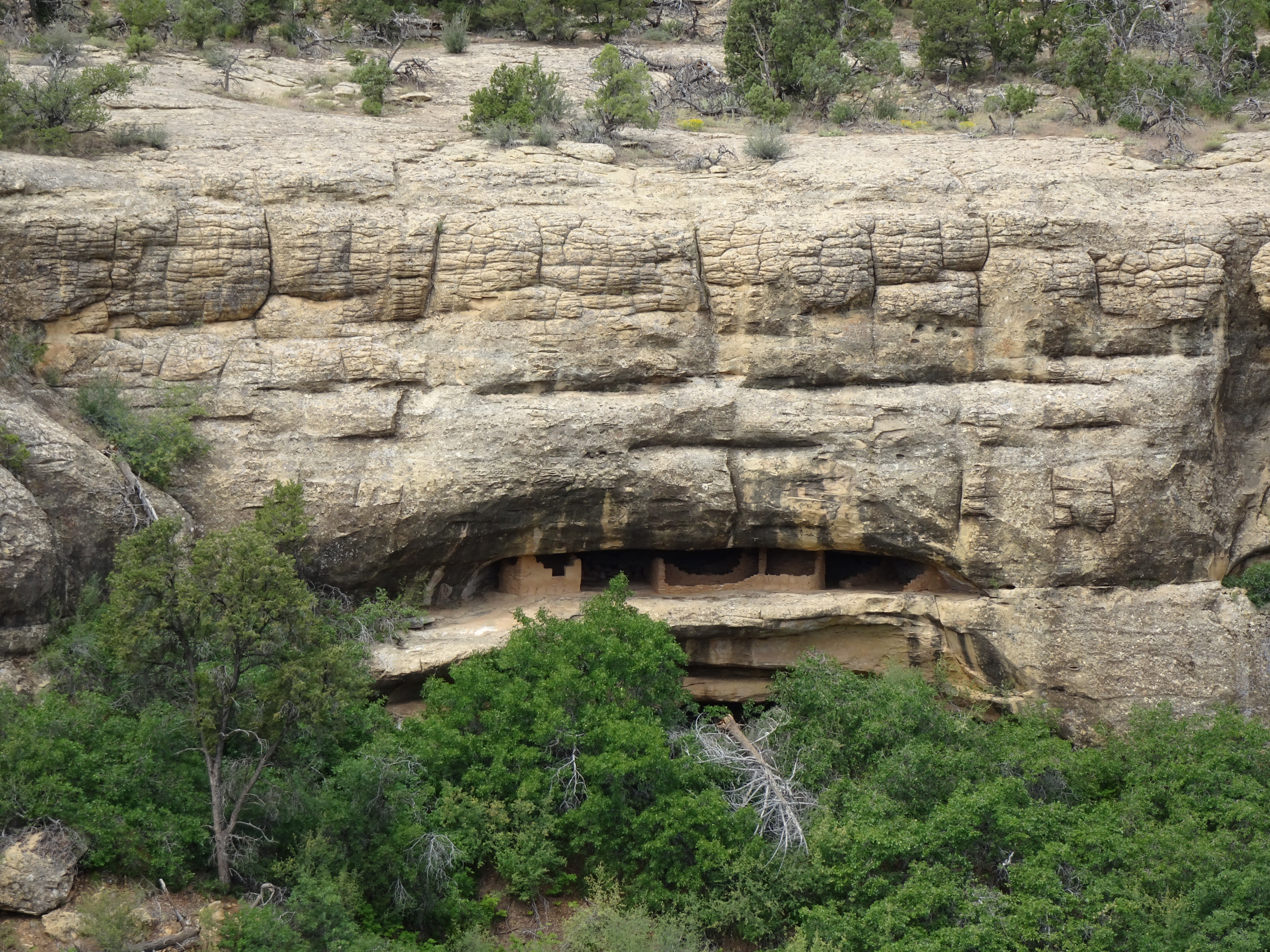
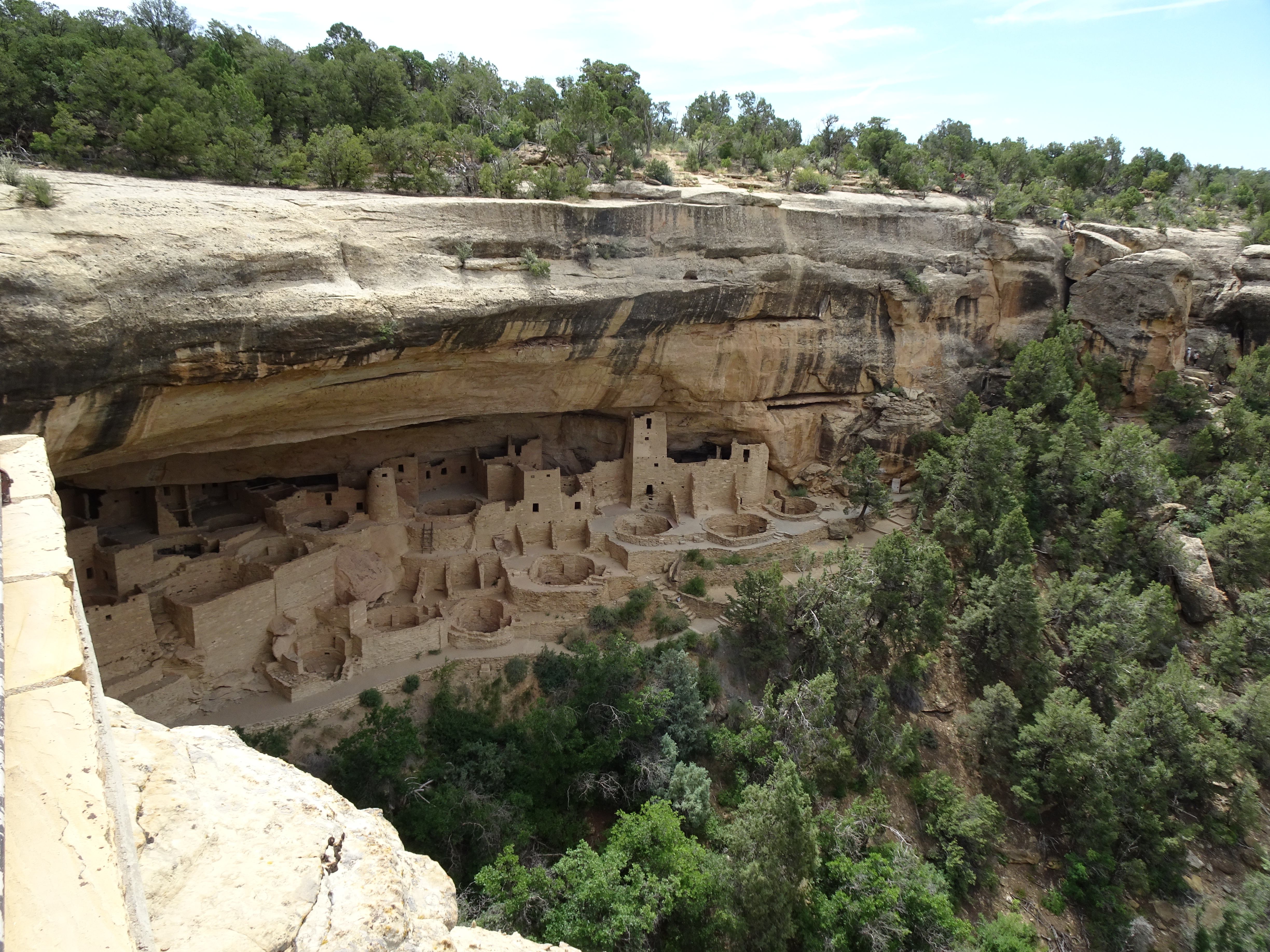
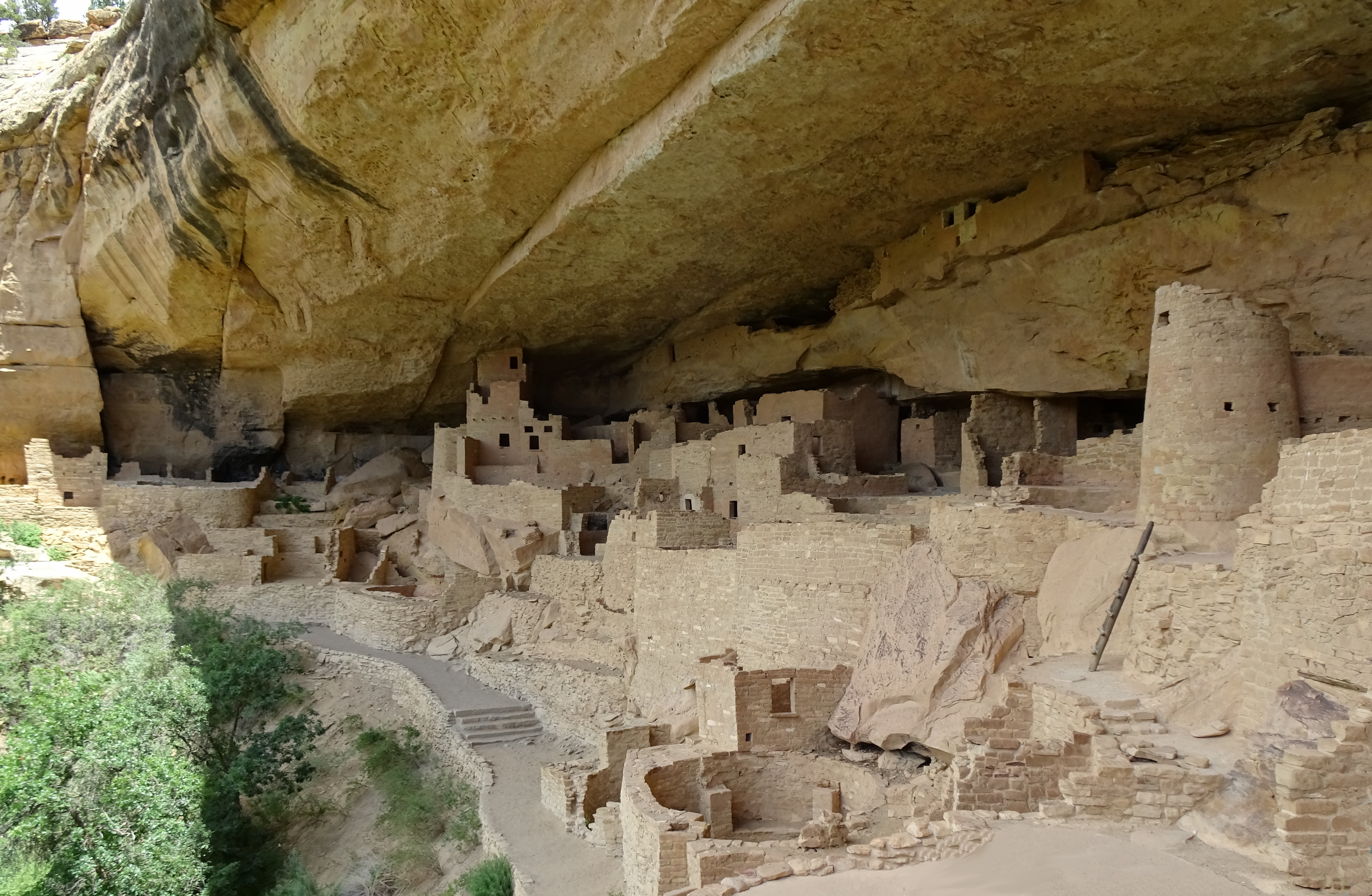
About a thousand years ago, the residents of this area began to build houses and other buildings above the ground. About 800 years ago complex interconnected structures were constructed within protective openings in cliff walls. Mesa Verde park includes a number of these “cliff dwellings”. The photo below shows a smallish series of buildings in the cliff. Actually, this is the same cliff shown in the panoramic first photo of this post. If you click on that photo to enlarge it, you can see this site in an opening of the cliff at the right side of the image.
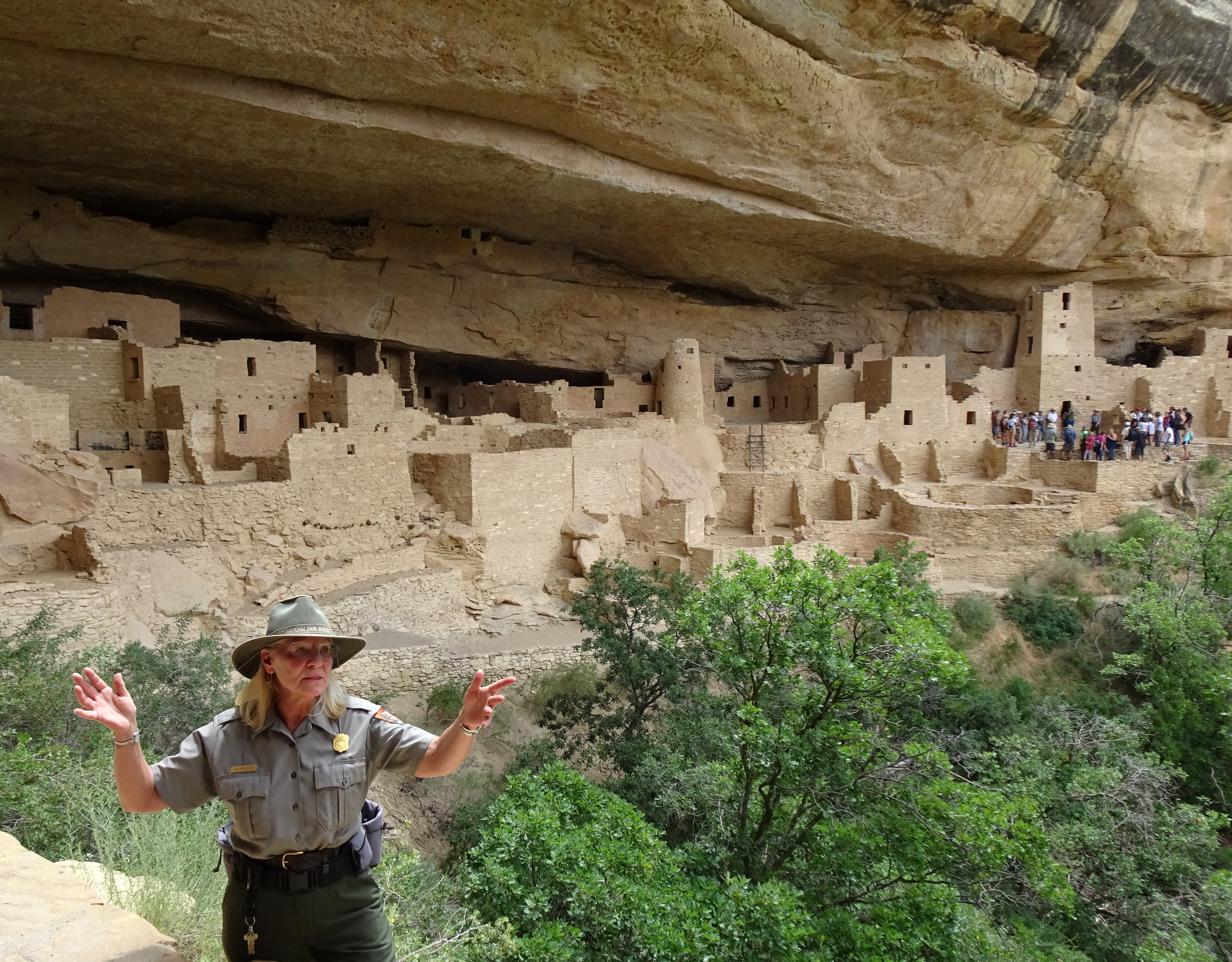
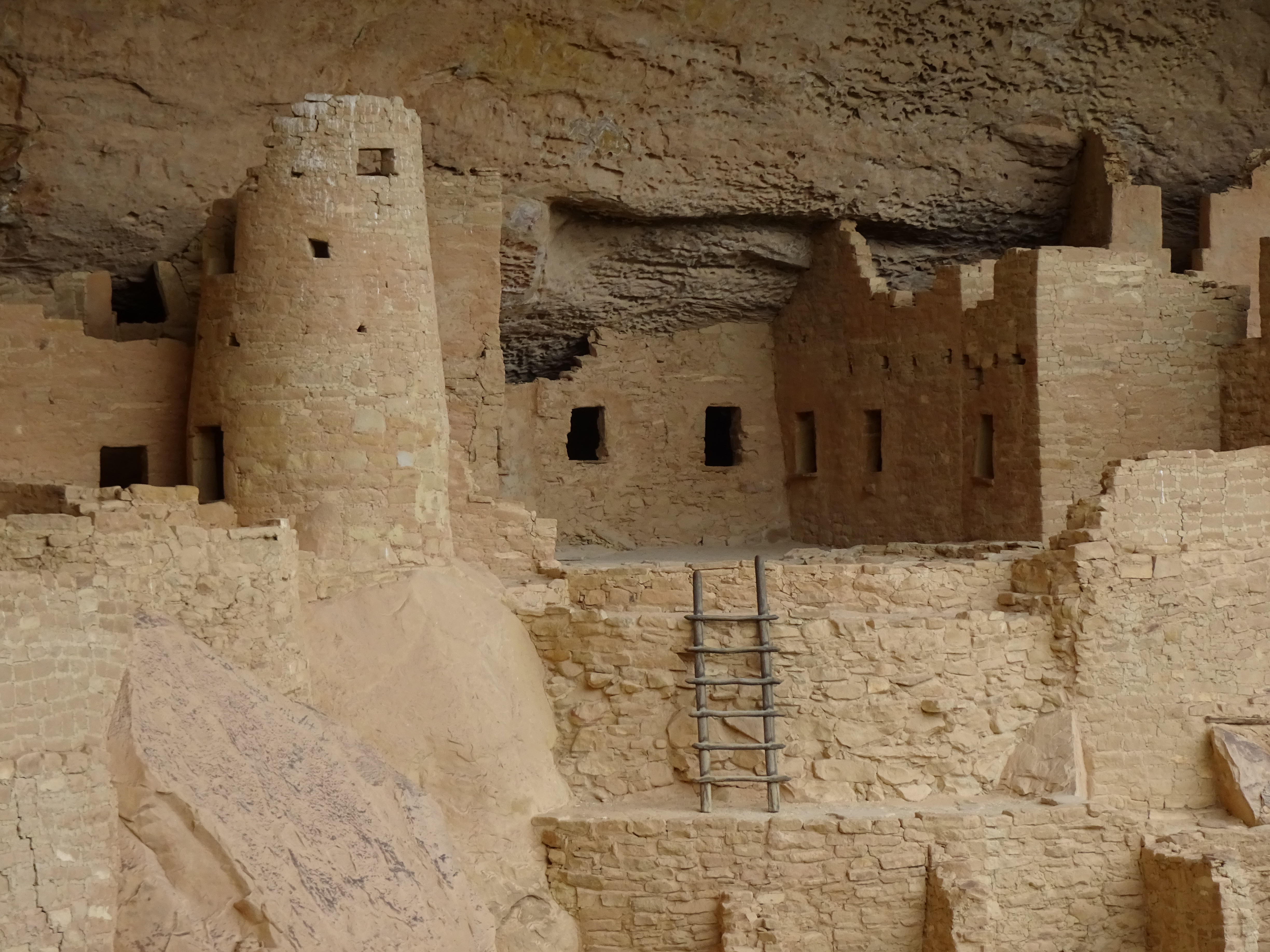
One of the most famous complex of cliff buildings is called “Cliff Palace”. Our daughter Mindy had arranged tickets for Rhonda, Kaden, and me to participate in a brief tour of that site, led by a park ranger.
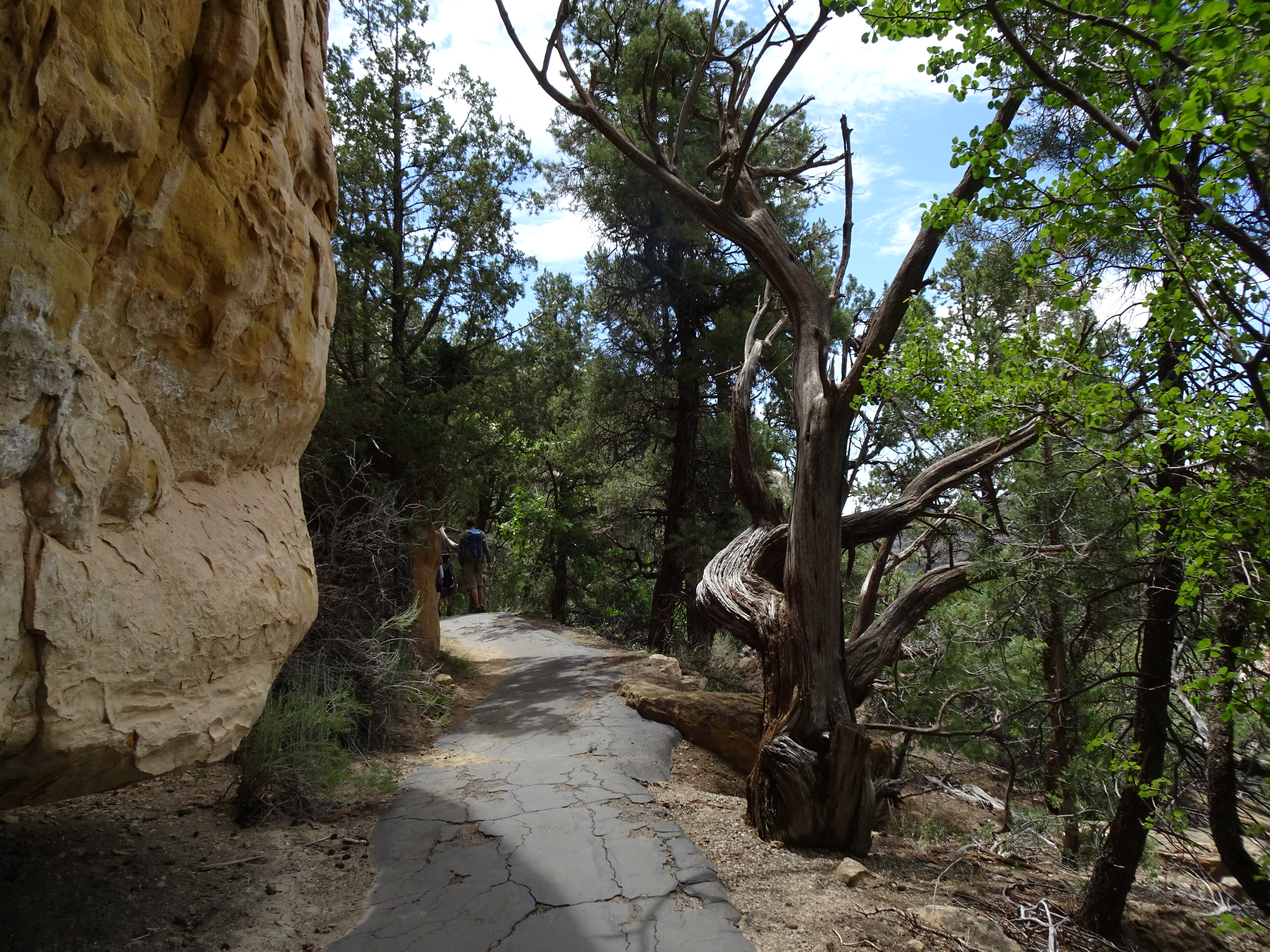
As we began our descent from the rim of the canyon, we got our first glimpse of Cliff Palace.
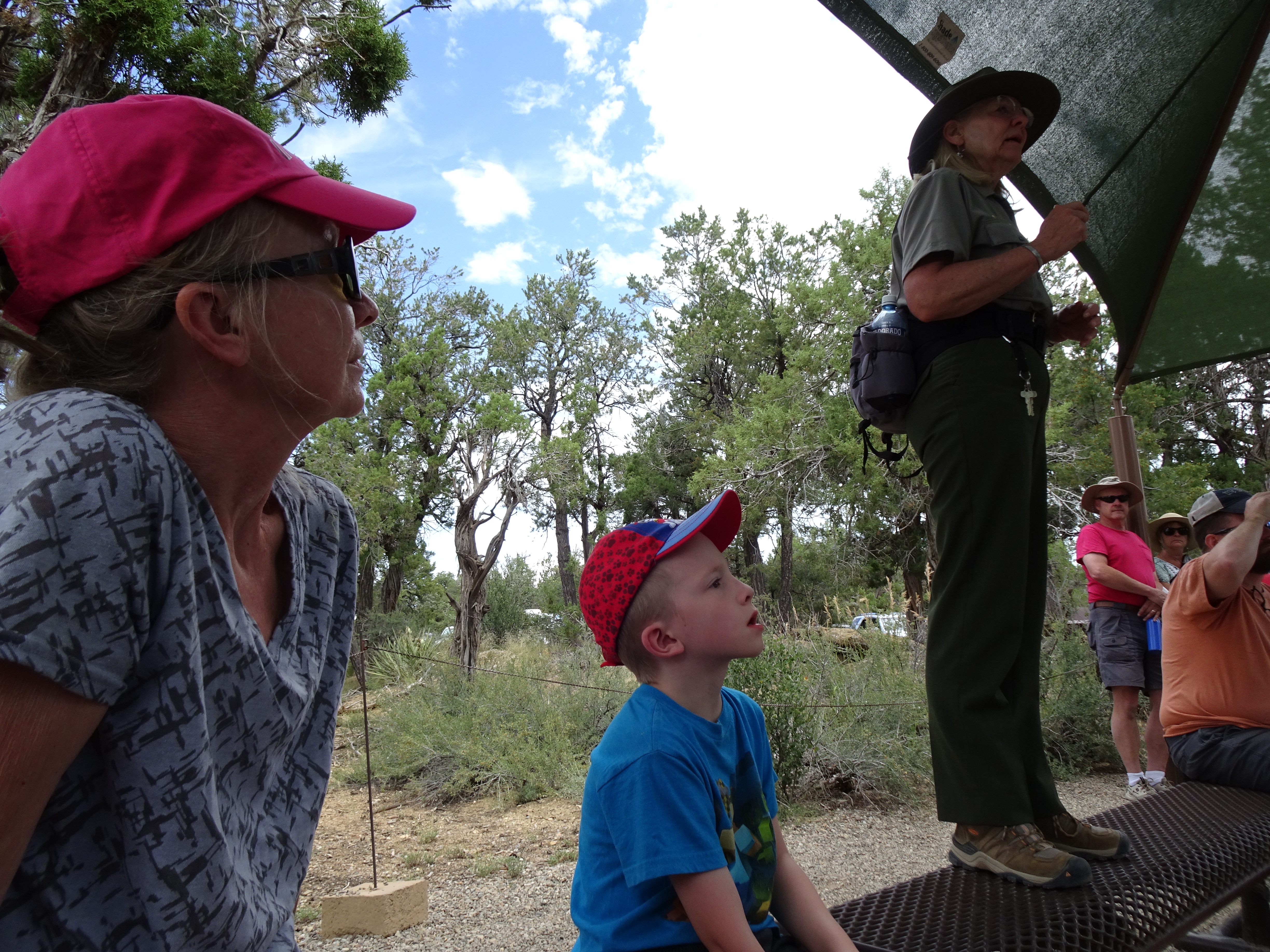
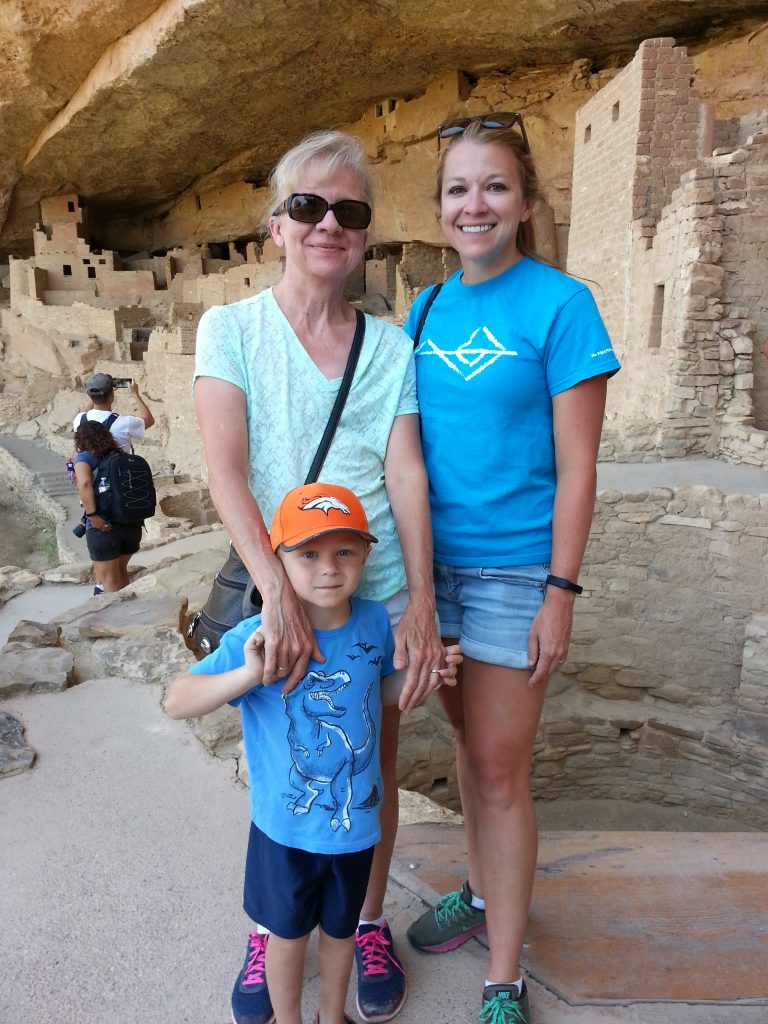
Our guide had previously worked as a field archaeologist, and was very knowledgeable about Mesa Verde and the people who had lived there. During her explanations, she spoke about the way in which the entire community, including growing children, had participated in the responsibilities of the settlements. Kaden was fascinated to learn that young boys his age would help with the care and feeding of the domestic turkeys. (Much like the way Kaden helps with the chickens and ducks at his house!)
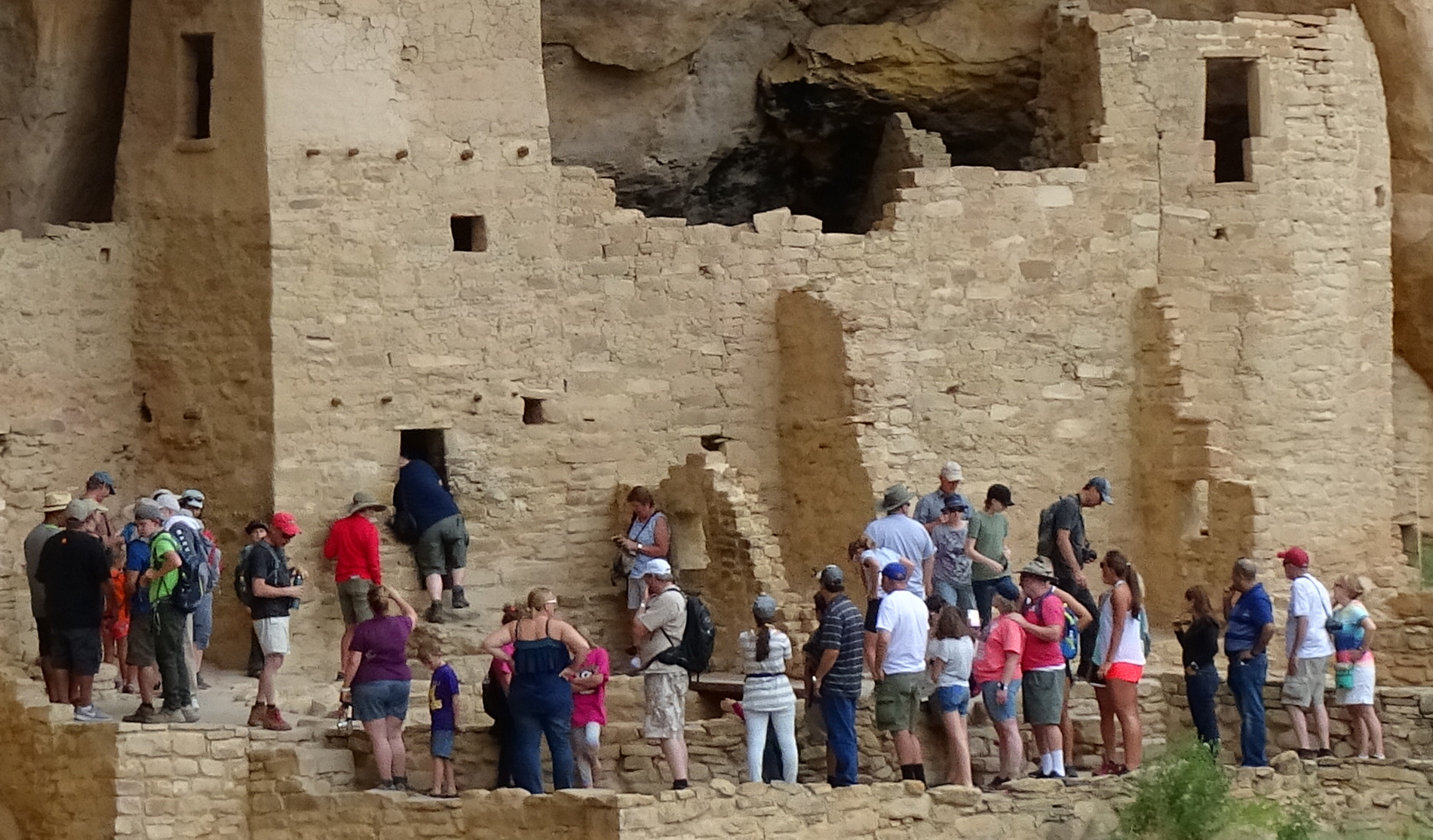
Visitors are fascinated by the buildings and stonework.
(But where was Jack! He and his mom spent the day paddle-boarding on a lake near Durango. Jack had already visited Mesa Verde in 2018 along with Rhonda and our daughter Mindy. The photo below is from that 2018 trip.)
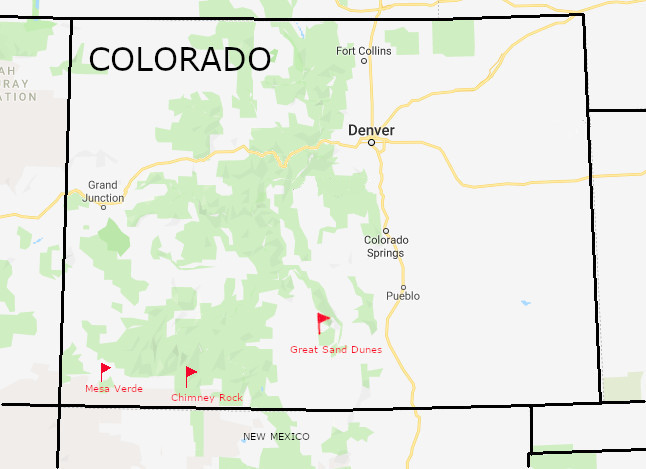
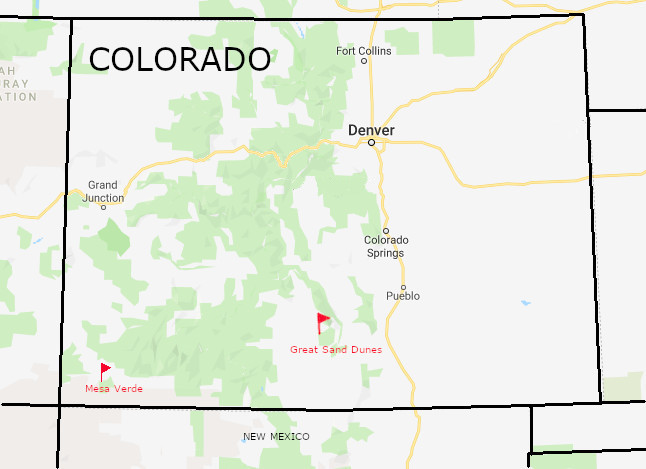
You can see the location of Mesa Verde in the southwest (bottom-right) corner of the map.
A few years ago, “Voice of America” (VoA) produced an audio piece explaining Mesa Verde. I have include an adaptation that you can listen to by using the controls below:
A PDF document that includes the same narration can be downloaded using the link below.
Note: Although in my youth, VoA had been rather notorious for its propaganda broadcasts over shortwave radio beamed to various corners of the world, today they offer a much broader content, including materials designed for English language learners. I have used a variety of their materials in my ESL classes and in many cases reconfigured the content to be most useful to fit into lesson plans. Some of these are published on the Open-ESL.org web site.
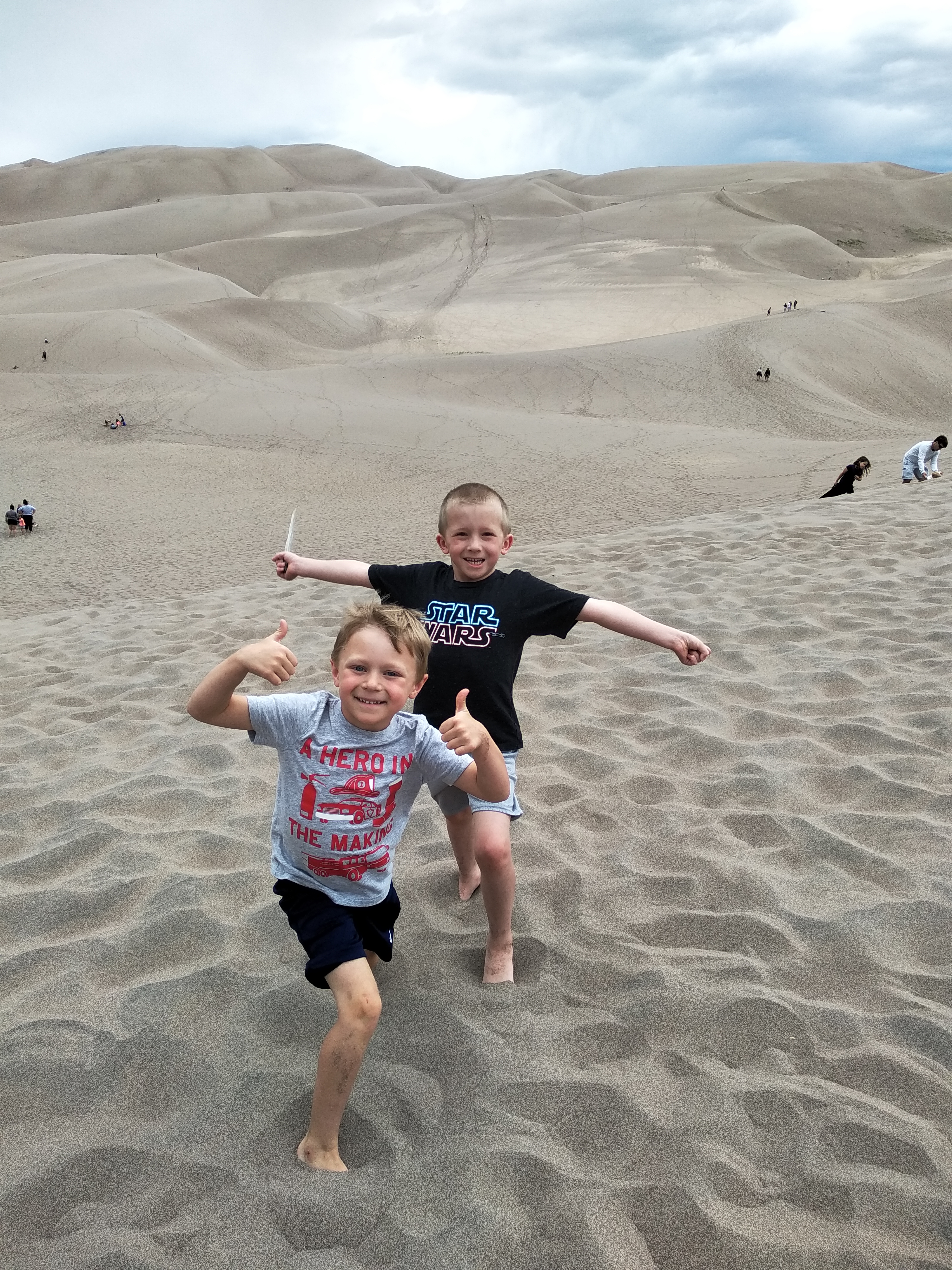
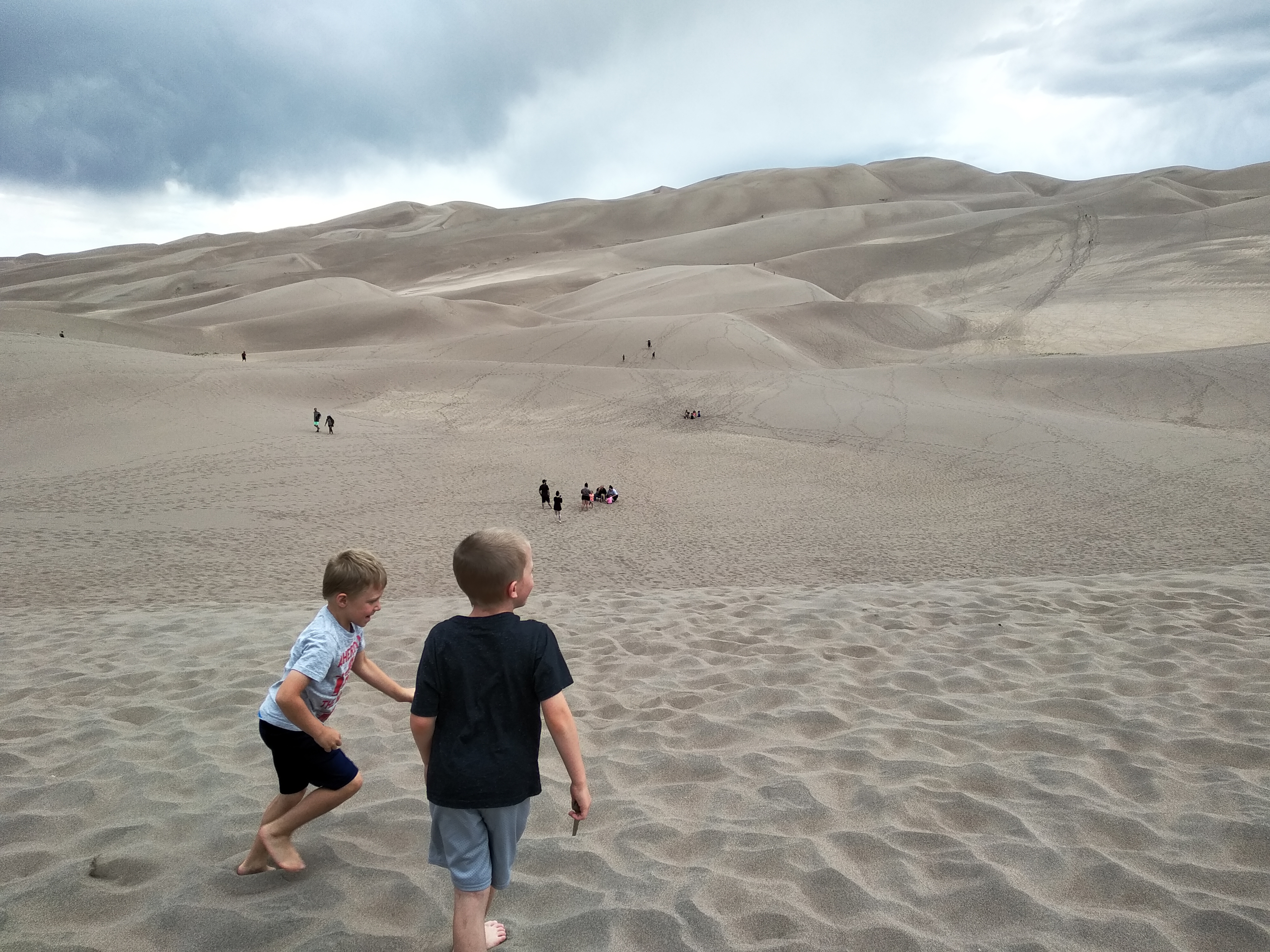
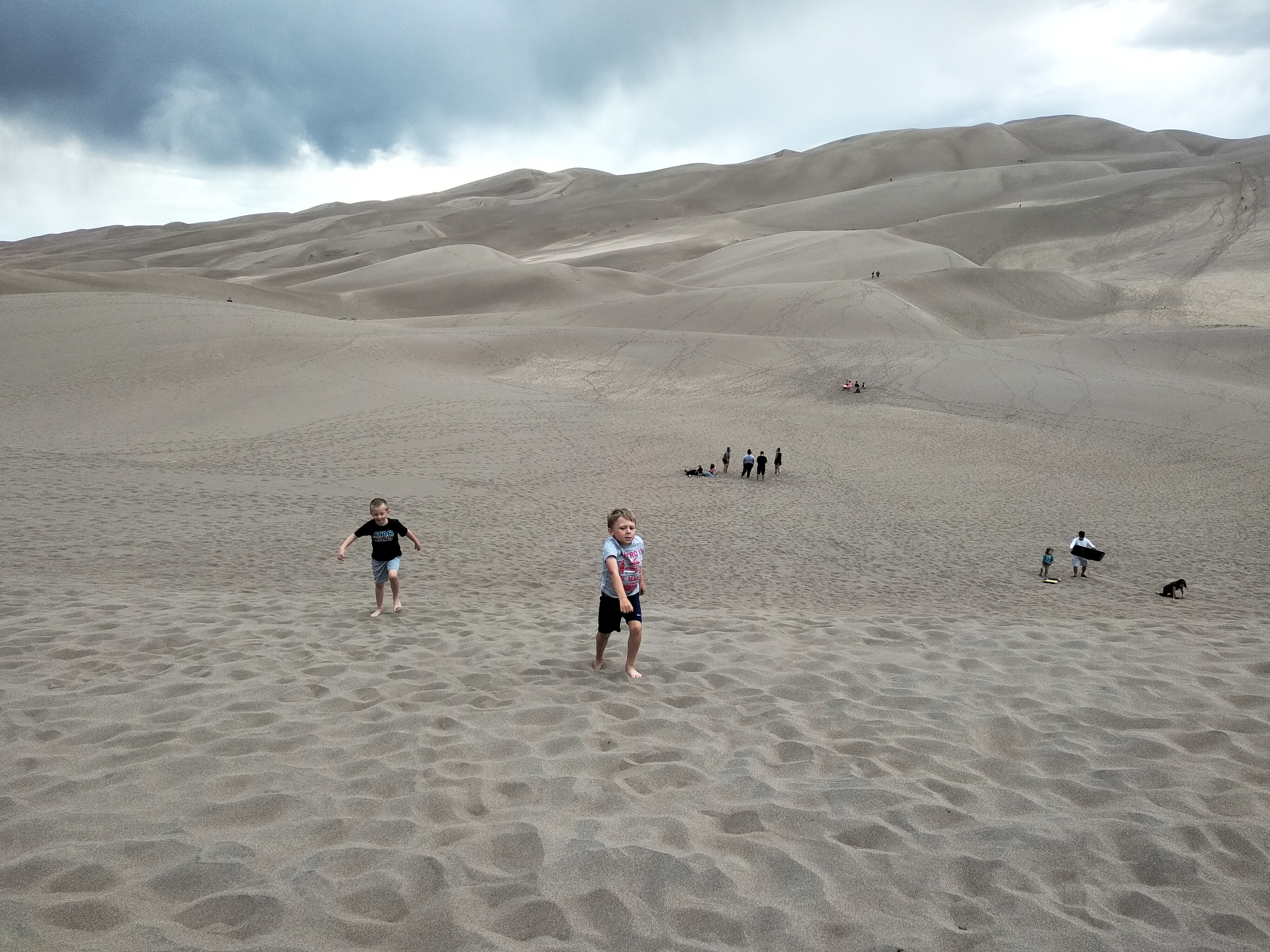
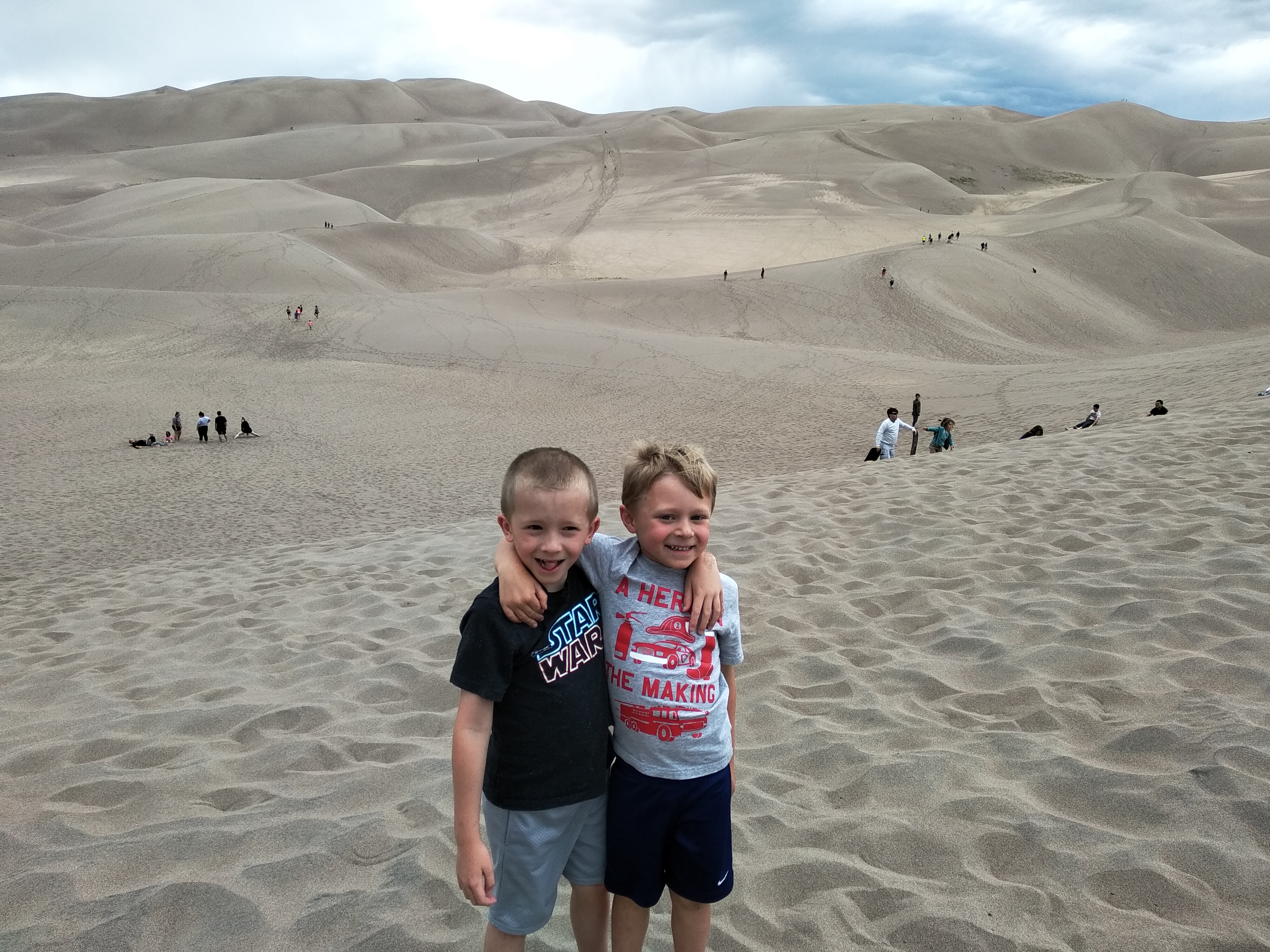
Road Trip! Rhonda and I took advantage of a rare opportunity to take both Colorado grandchildren on a road trip. We started in Denver, with our five year old grandson Jack strapped into a car seat and headed south to Peyton (near Colorado Springs) to pick up Kaden who is seven.
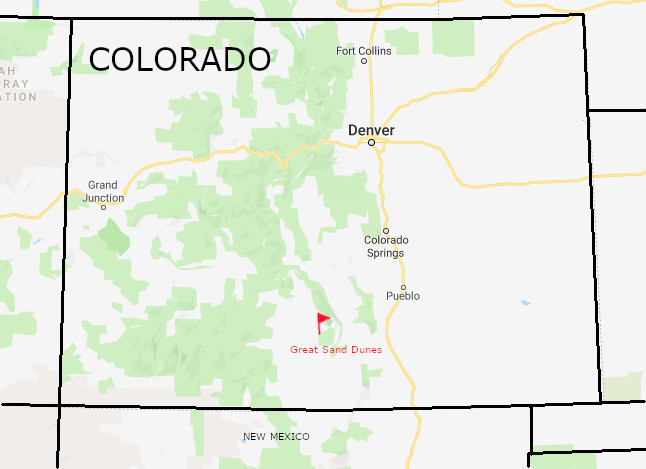
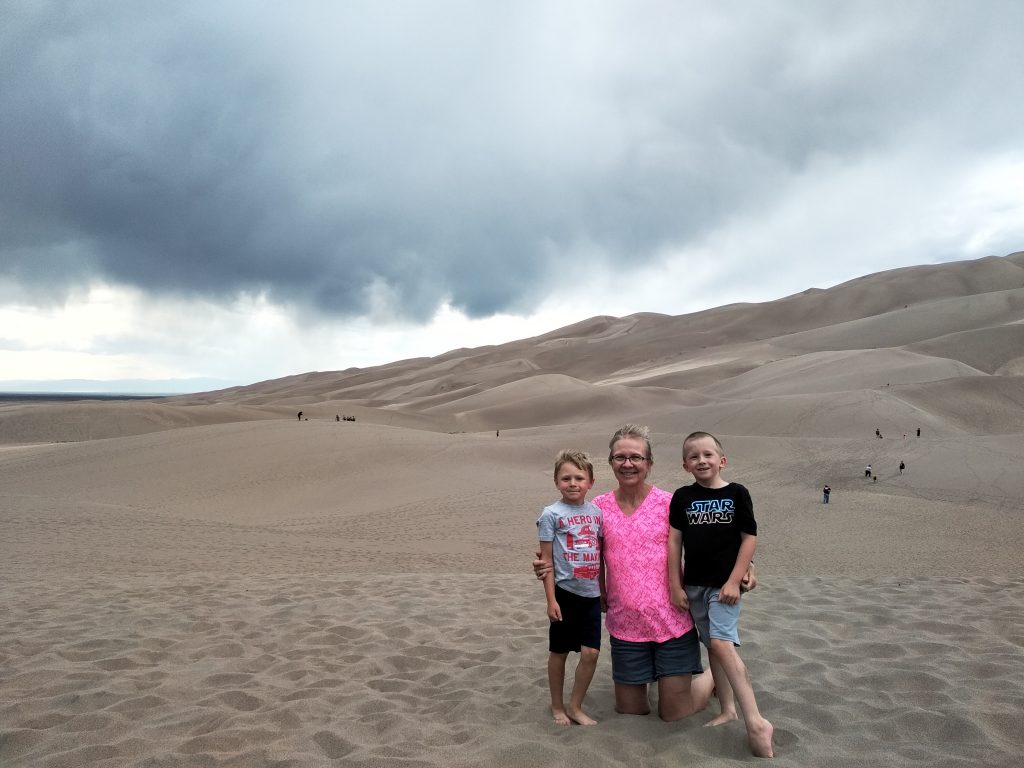
Our first stop? Great Sand Dunes National Monument, which is in southern Colorado, almost four hours away from Denver.
Red flag shows location of the Great Sand Dunes National Monument
I’ll be honest, a long car ride with two youngsters is not without its challenges. Luckily, besides being cousins, Jack and Kaden are best friends.
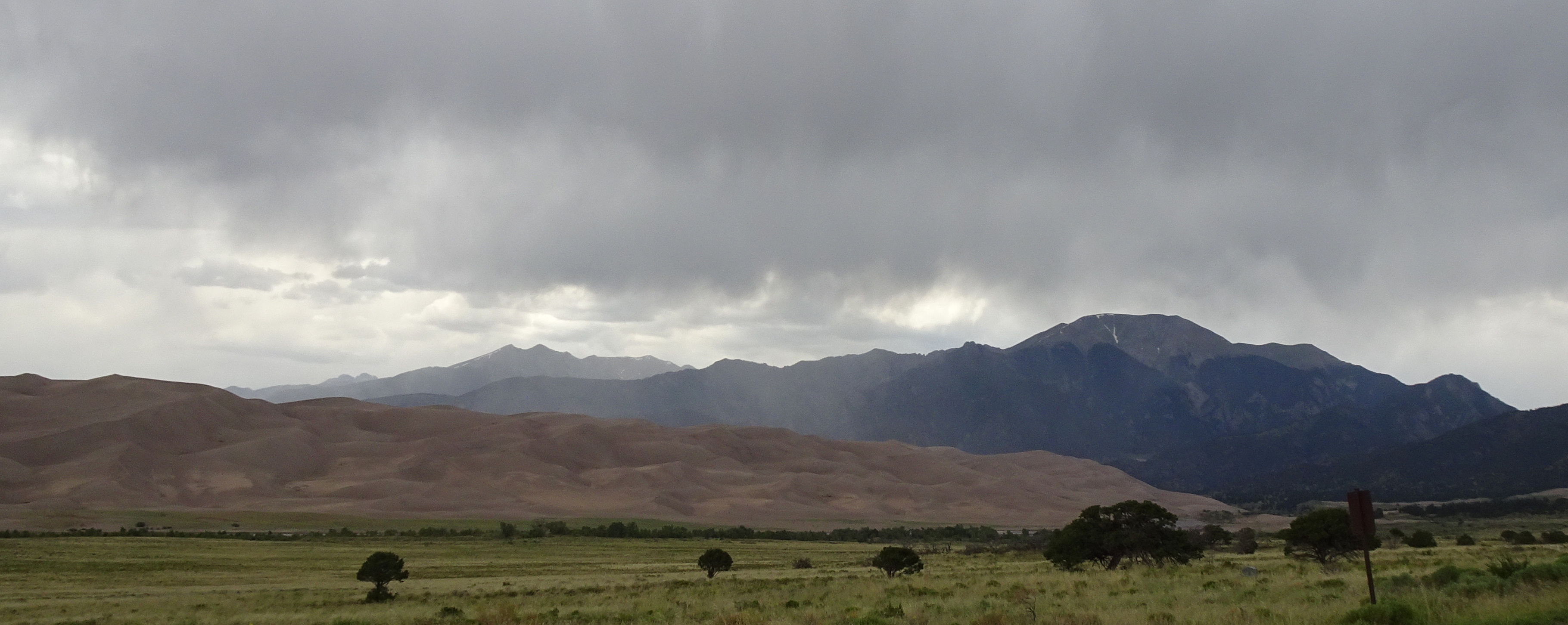
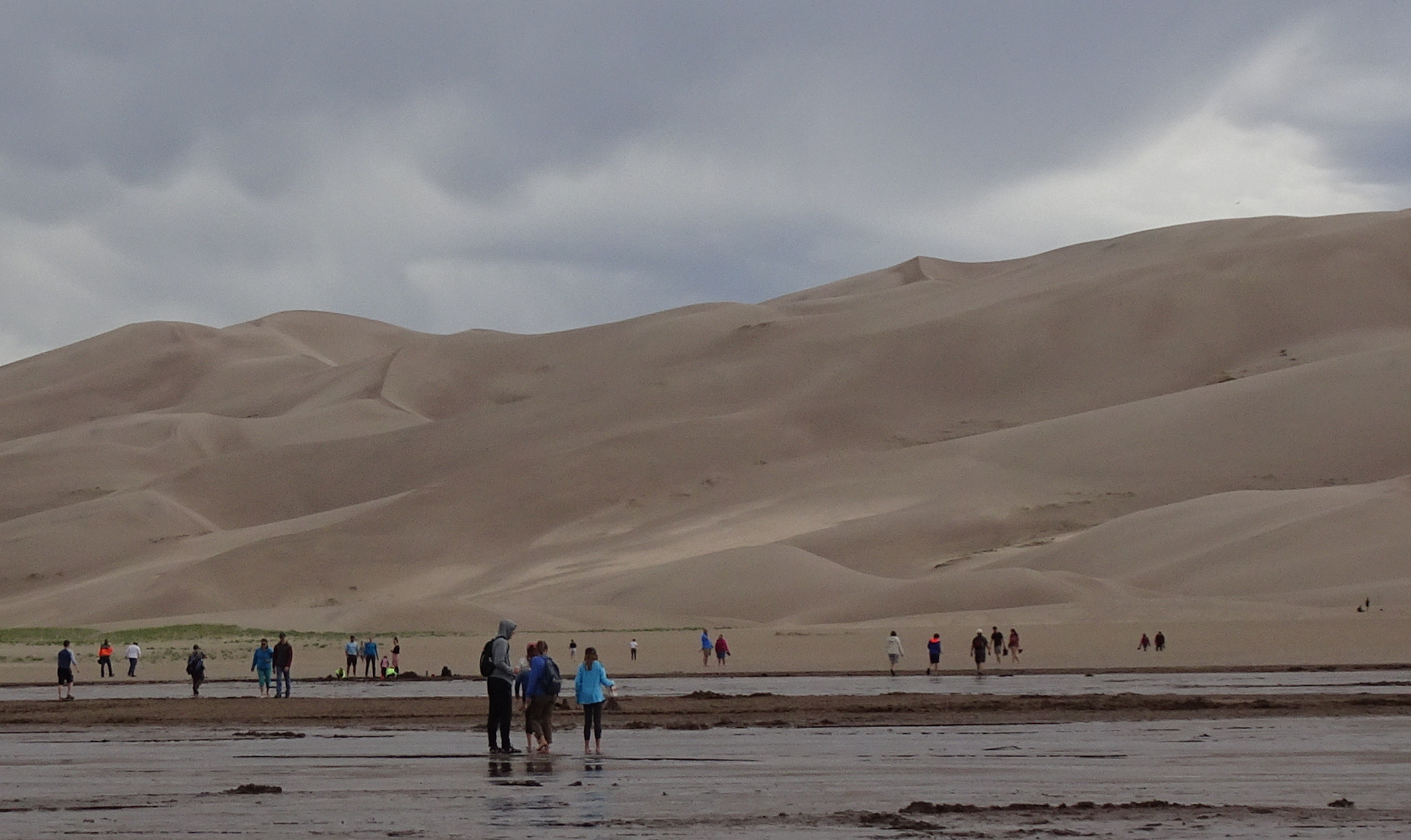
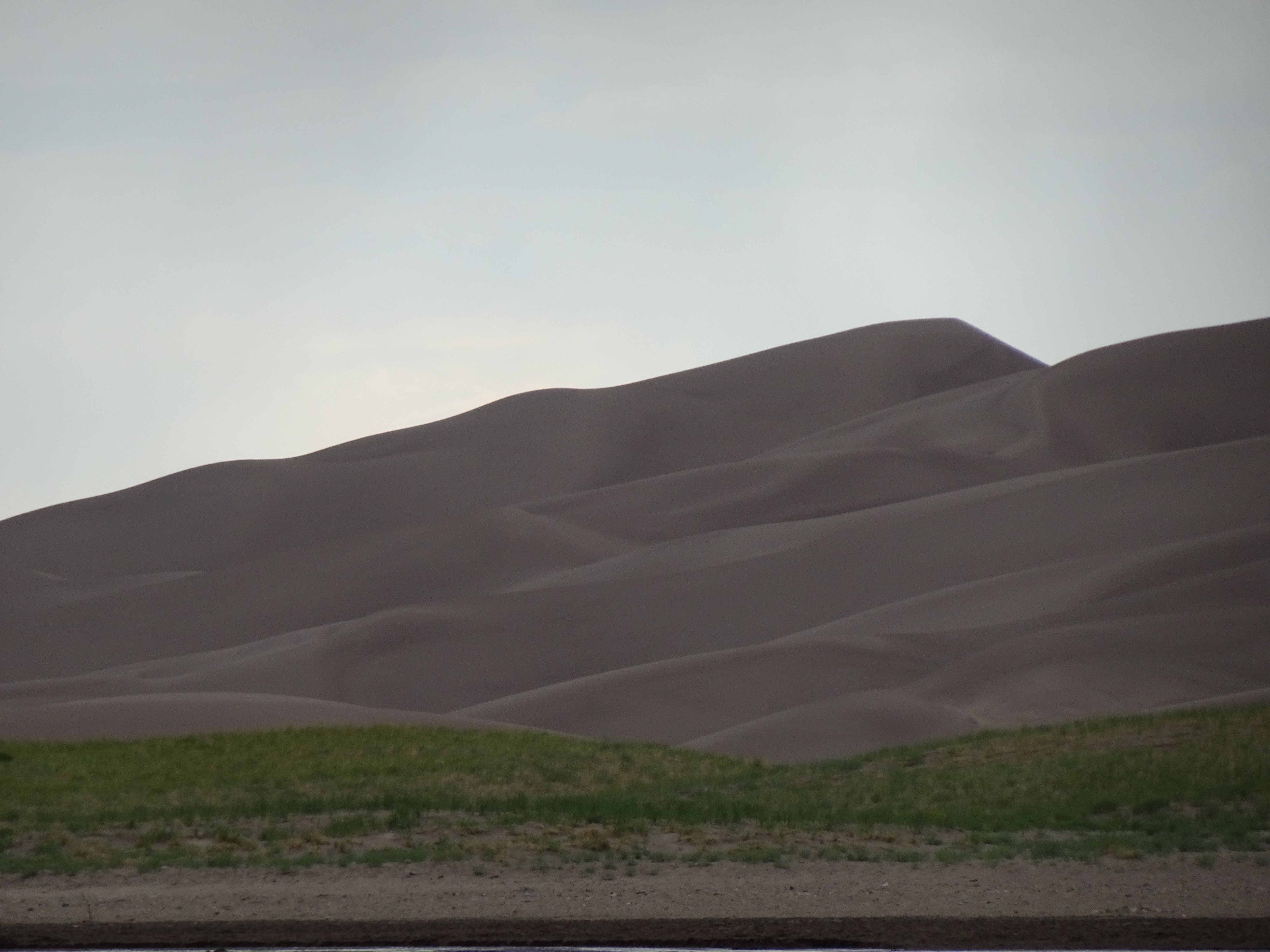
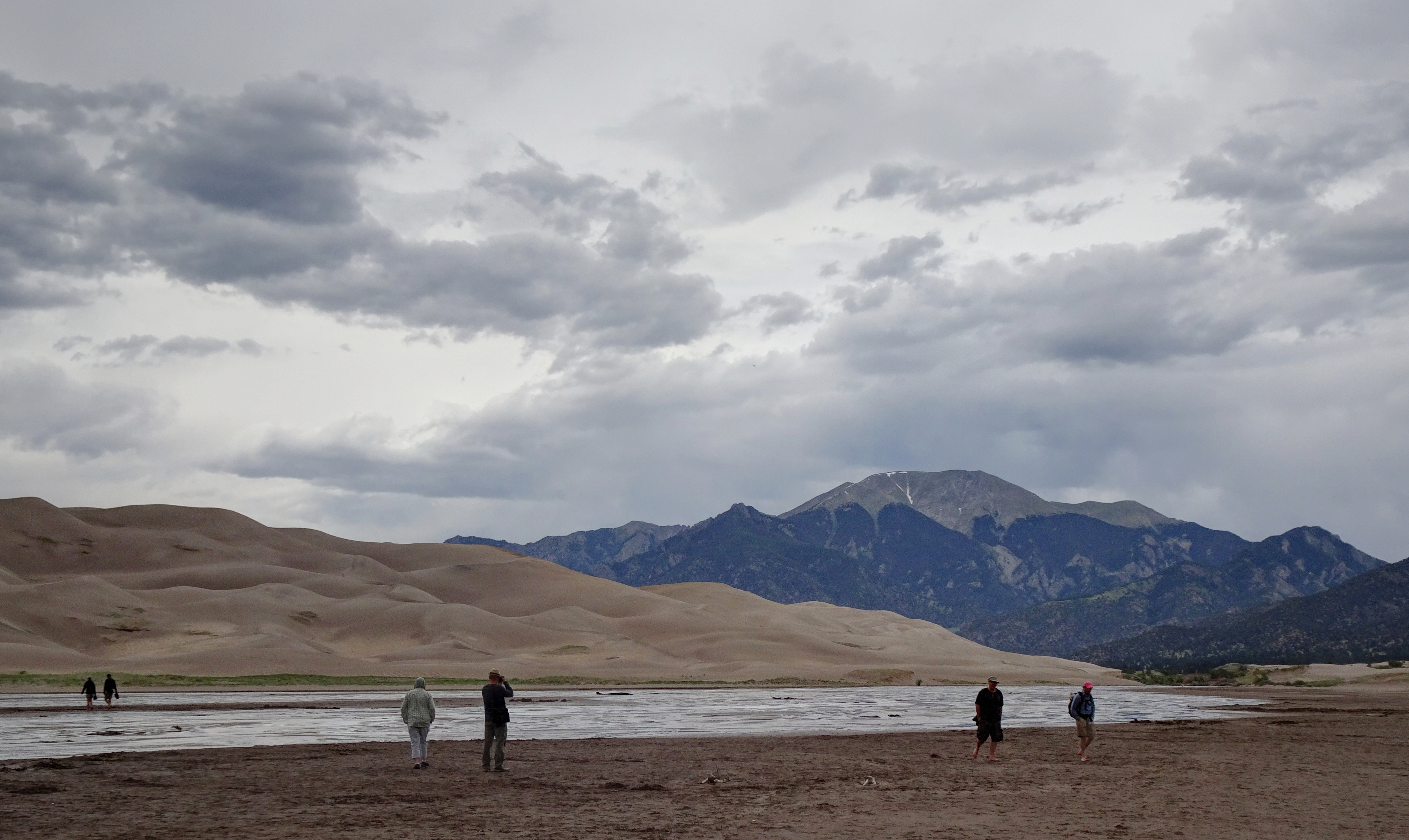
This National Monument, is a strange phenomenon. These mountains of sand are dwarfed by the adjacent Sangre De Cristo range.
The parking lot adjacent to the dunes seemed peaceful, but…
We arrived at the visitor center and then ventured toward the dunes. The area was swarming with mosquitoes! We were not prepared at all, and almost immediately the boys received painful bites. Fortunately some kindly fellow-tourists shared repellent spray and wipes.
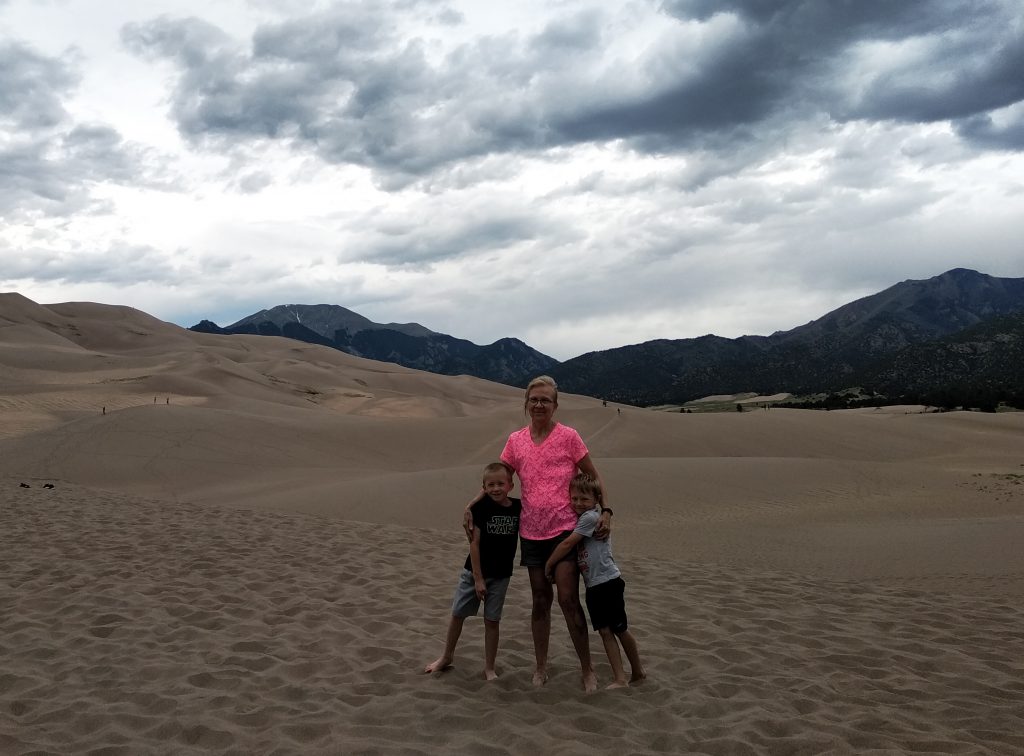
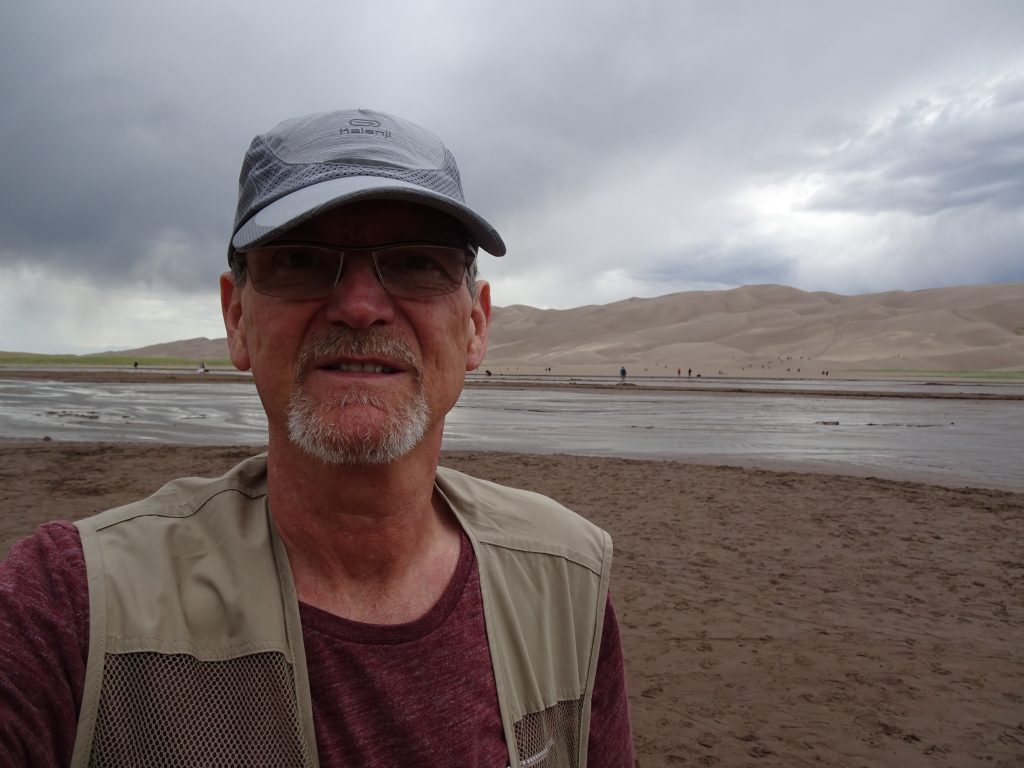
Kaden, Rhonda, and JackDo they really let old, feeble men into the park? Well yes! especially when they are carrying a National Park “Senior Pass”!
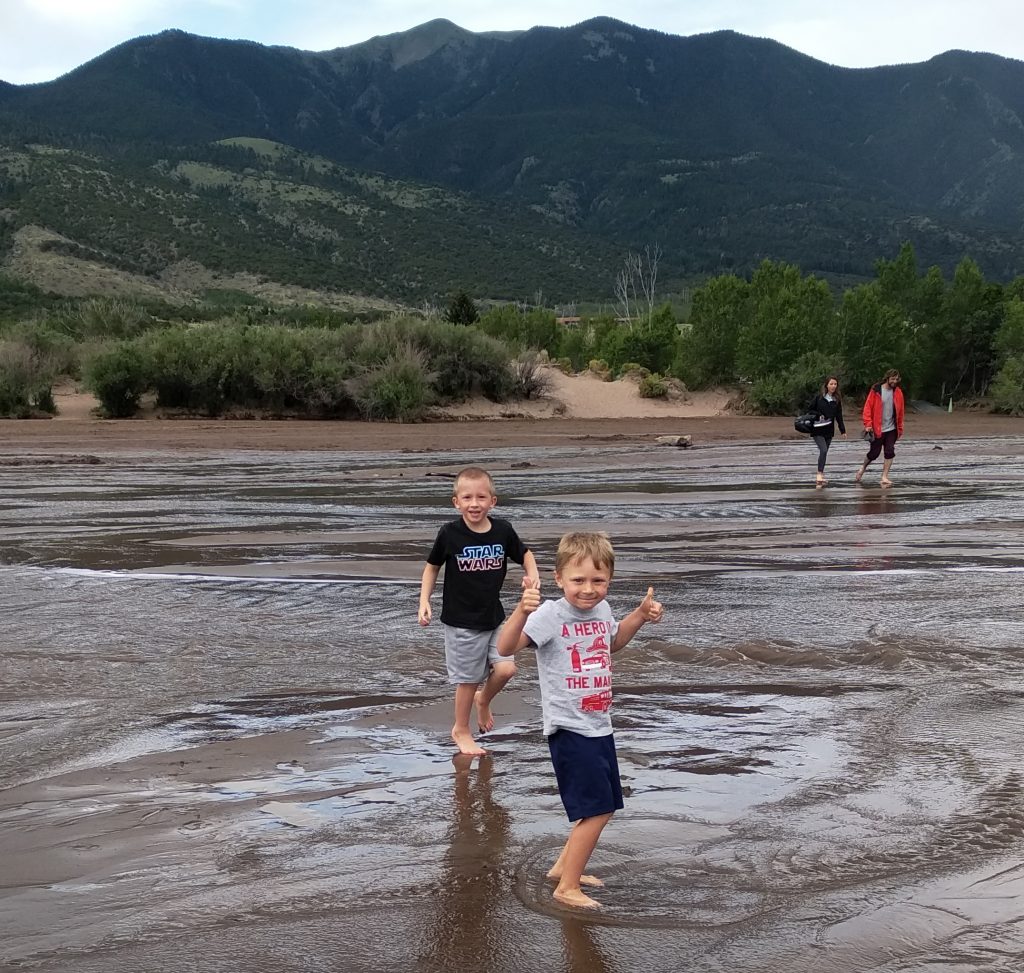
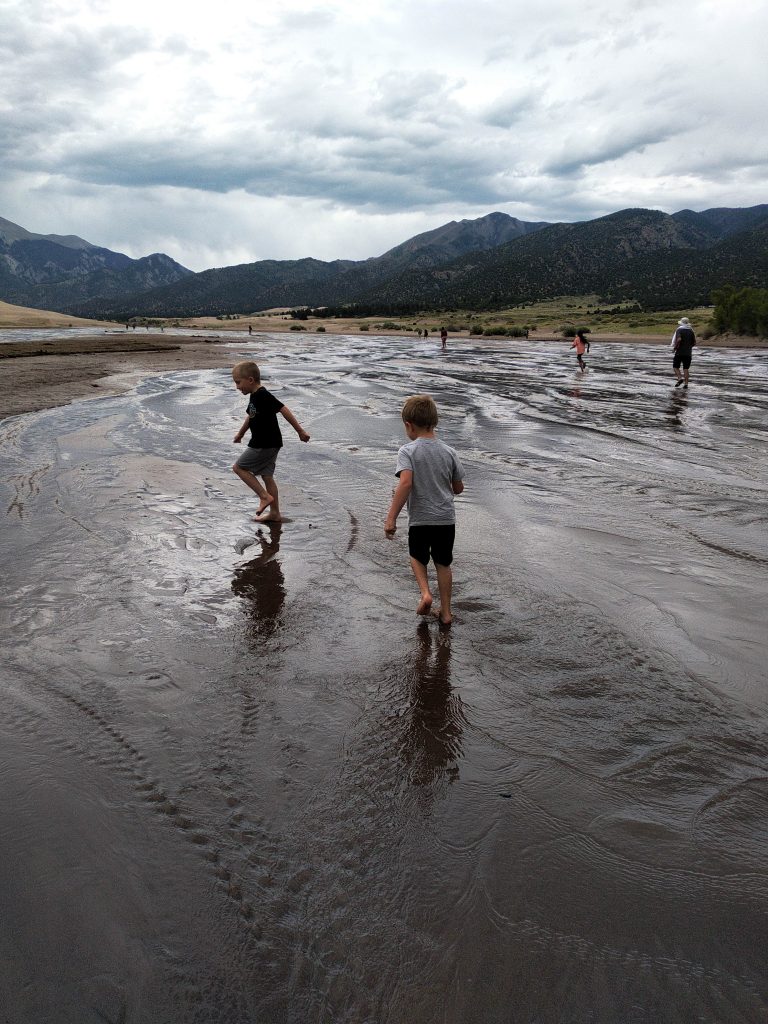
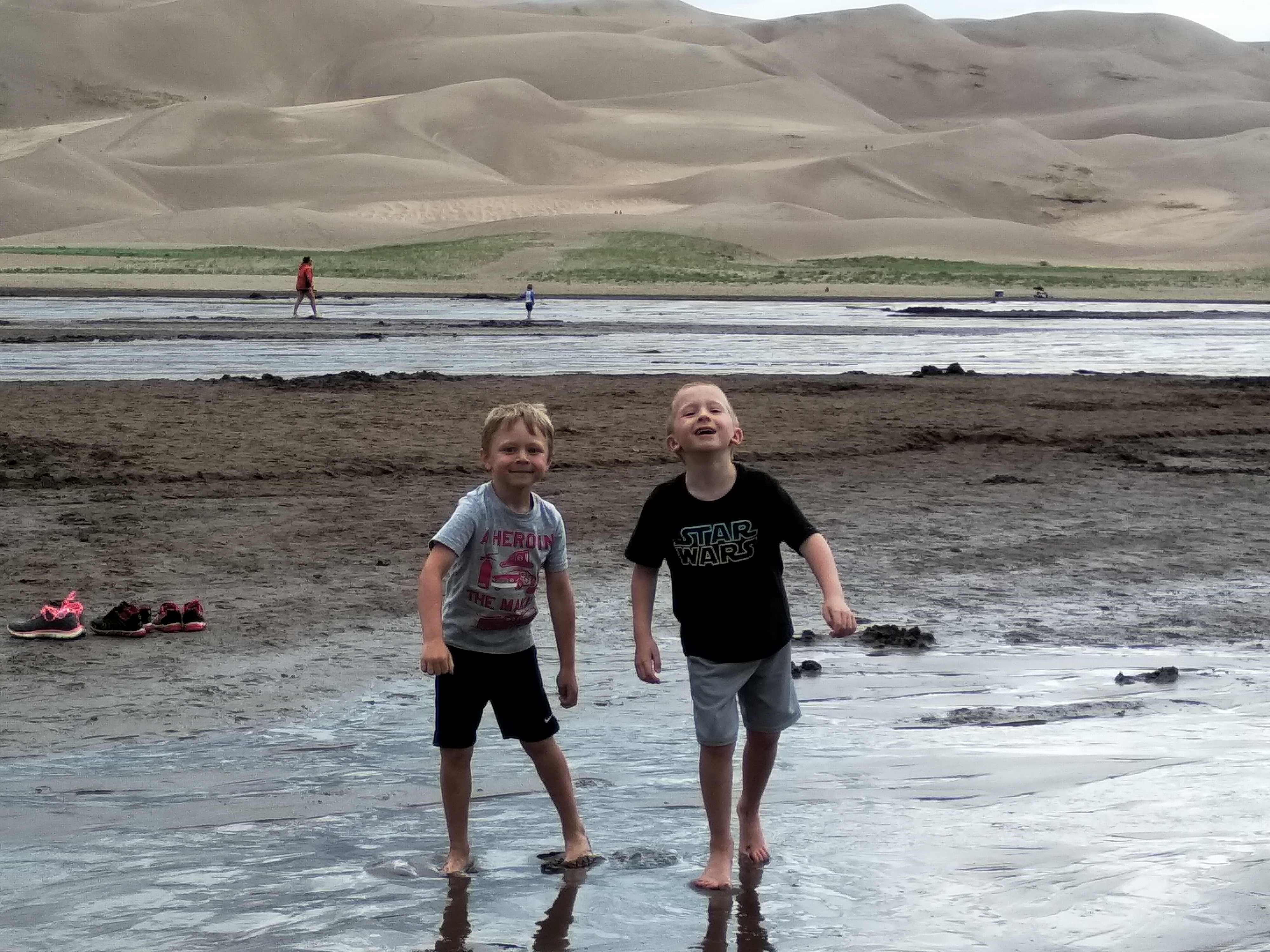
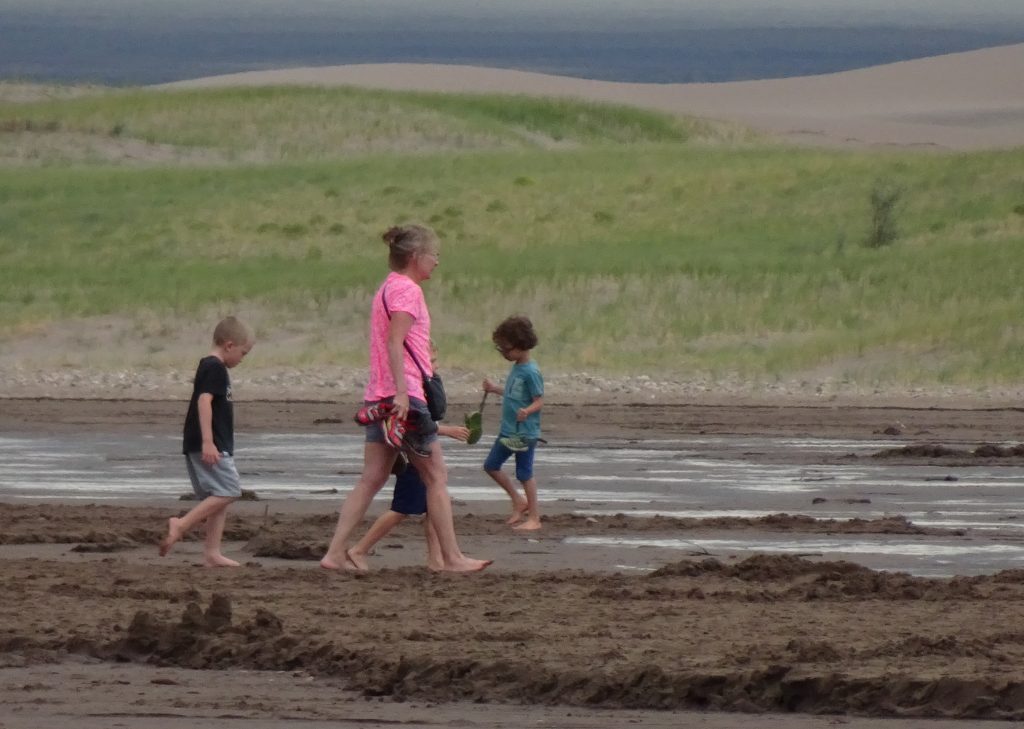
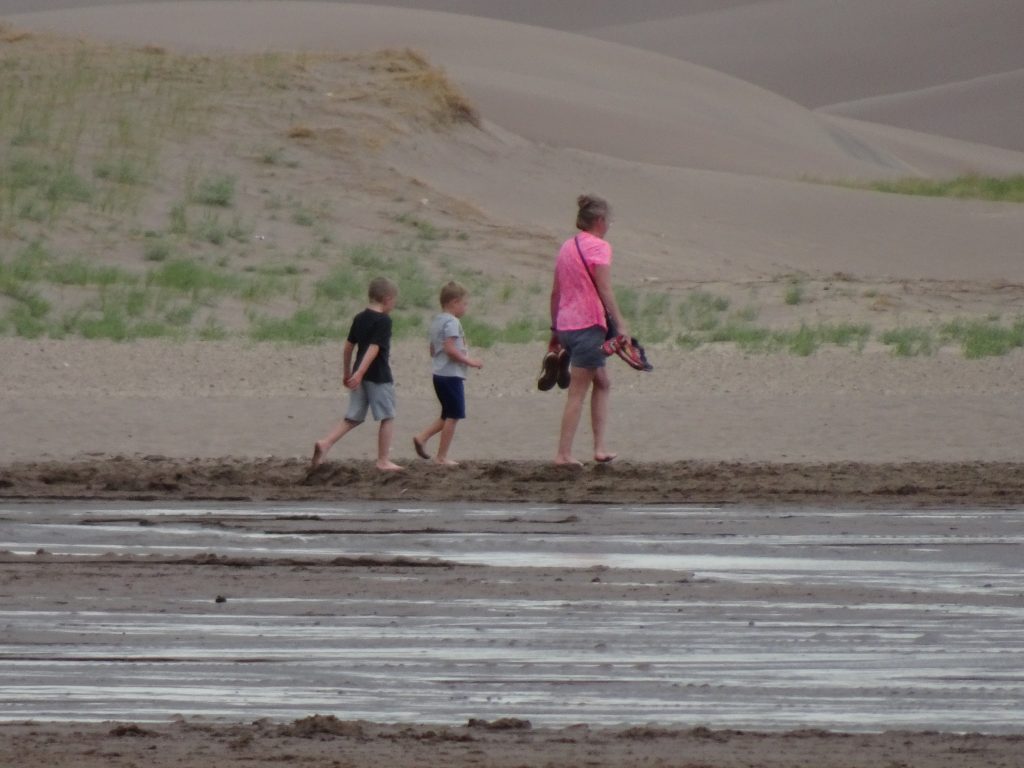
The youngsters (Jack, Kaden, and Rhonda 🙂 ) took off their shoes and tromped through the wide shallow stream that runs at the edge of the dunes.
Mountains of sand? Seemed like a gigantic sand box for the boys!
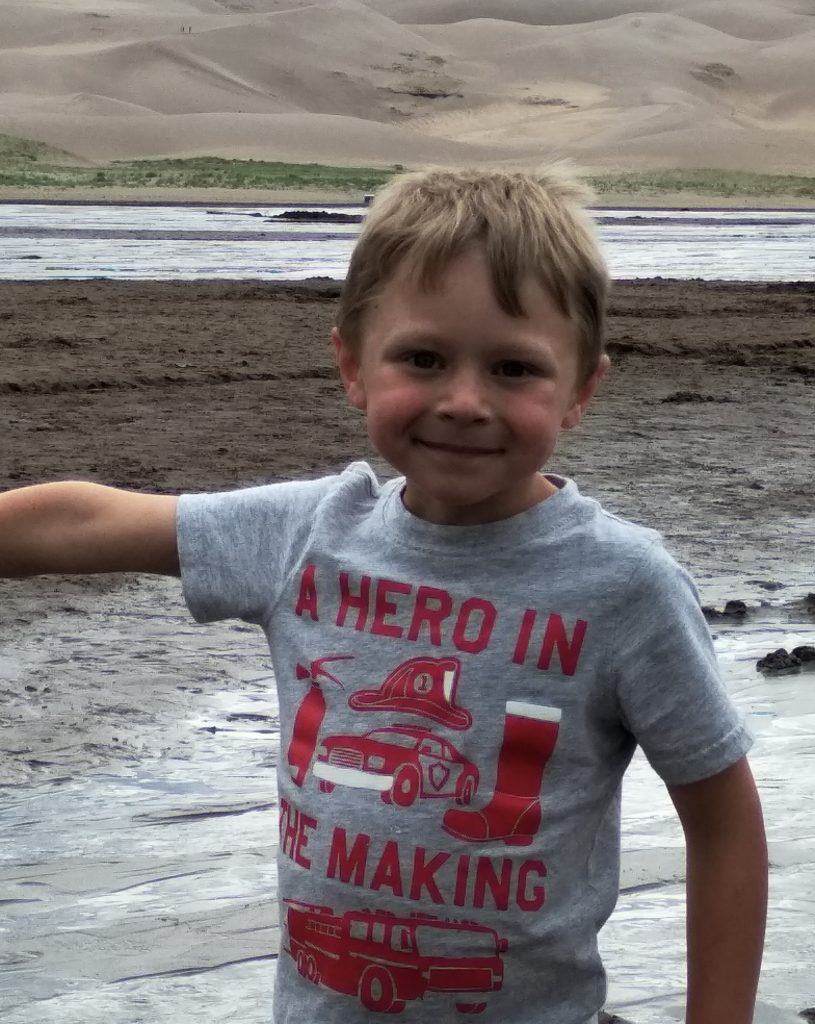
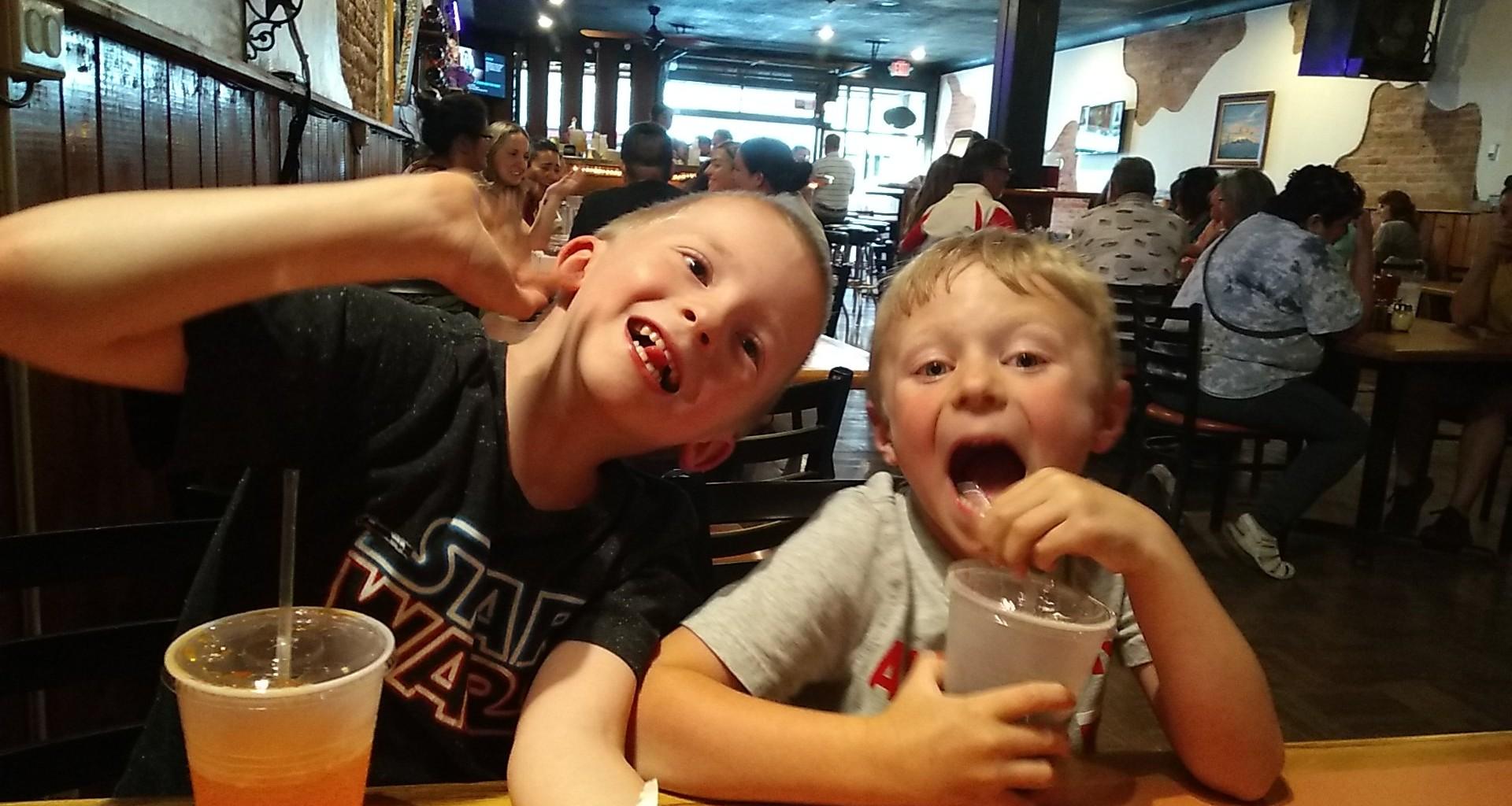
Best friends
Eventually it was time to leave and head to our hotel in Alamosa. We would need some rest before the next leg of travel… onward to Durango!
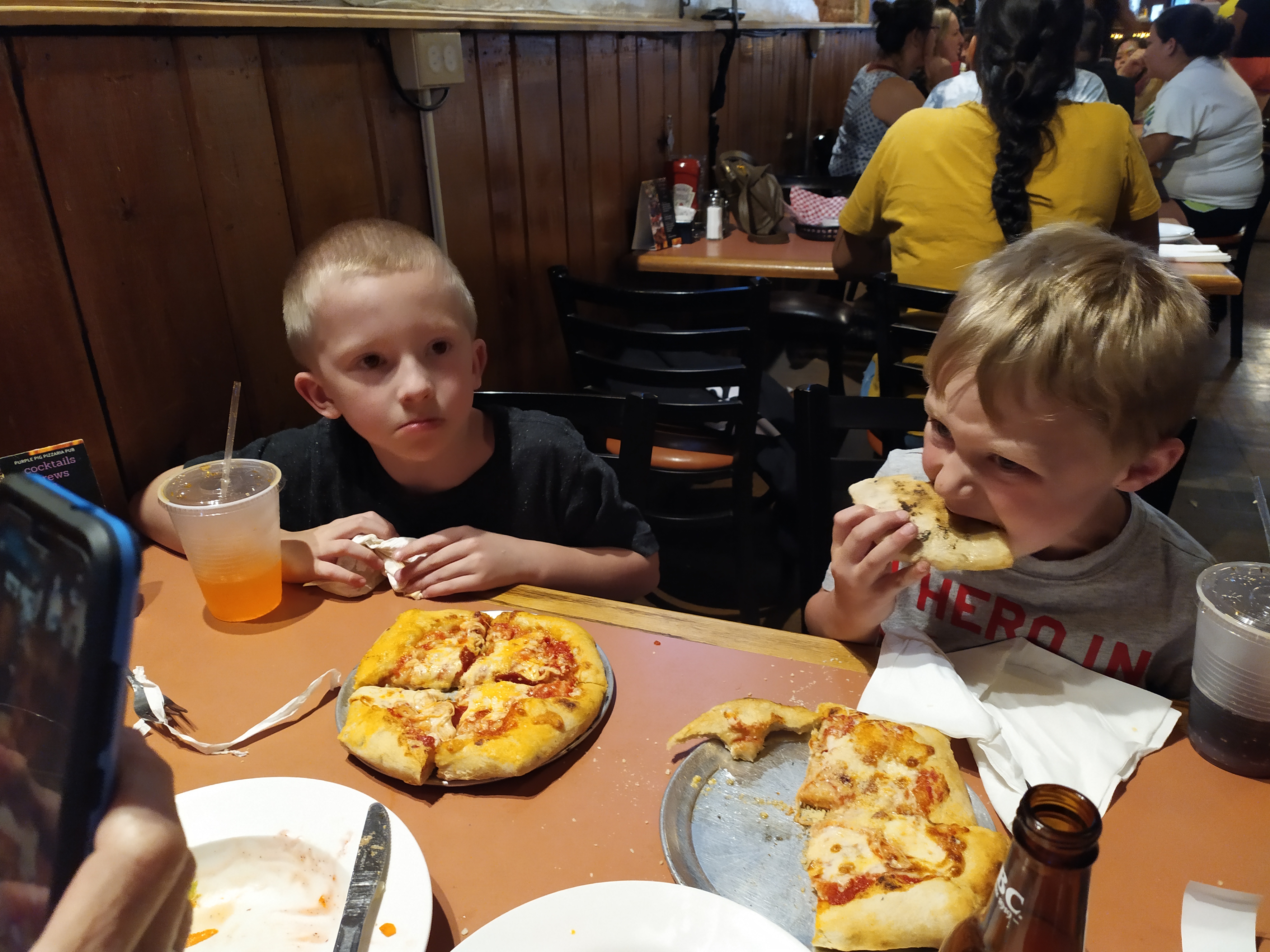
But, before going to sleep we headed into town for some grub at the Purple Pig Pizza and Pub! 🙂
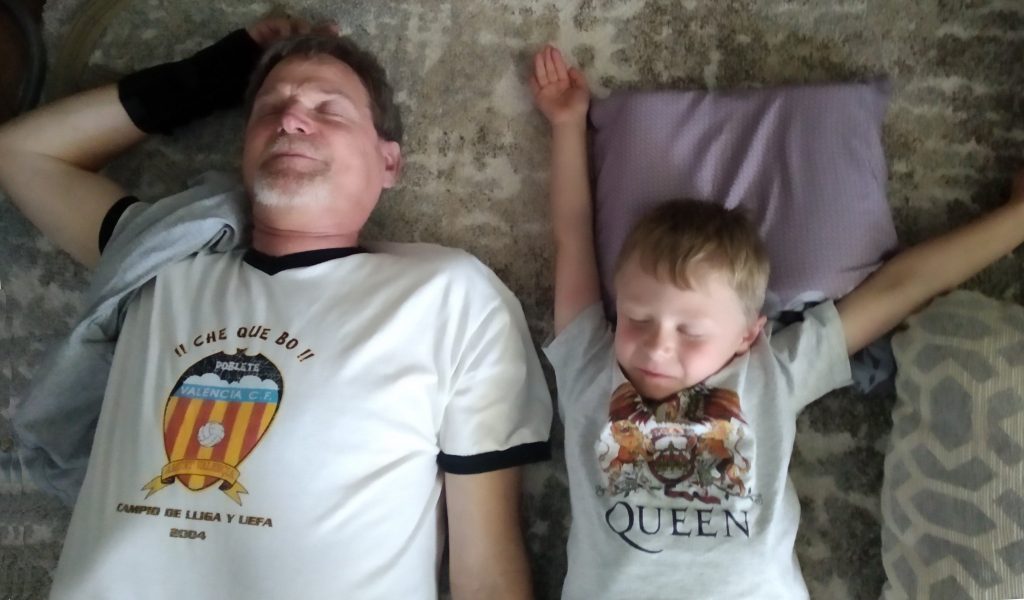
Jack came to spend the day. He and Nana put in some hard work setting up a train track. I had run off to the home improvement store to get materials for a small remodel project in our kitchen. Jack and I were exhausted and took a little nap. (Nana is made of tougher stuff!)
Well, after a bit of rest, we were good as new!
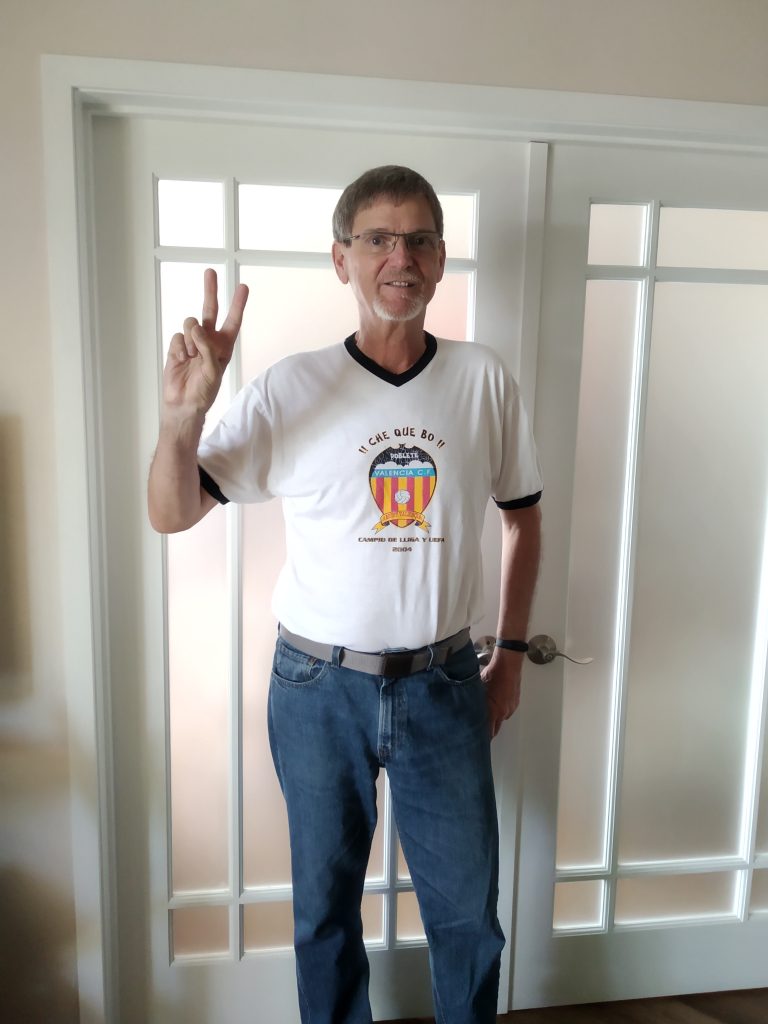
(Notice the 15 year old t-shirt I rescued from the bottom of my pants drawer- ¡¡Che que bo!!)
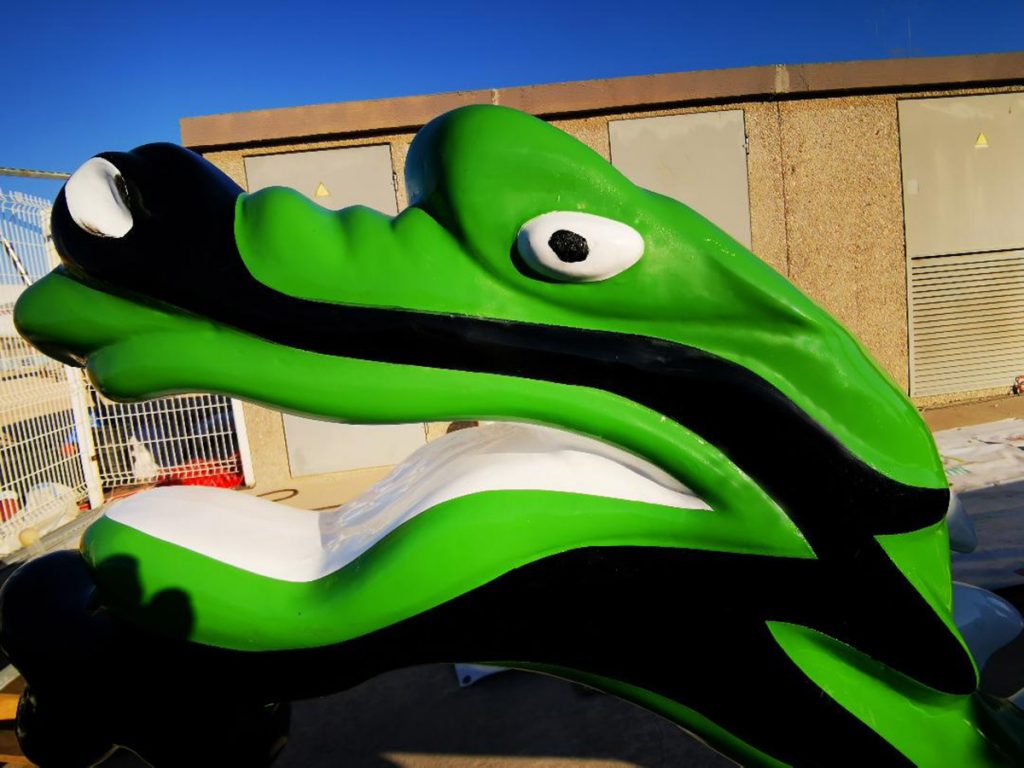
Cuento de dragones. Soy Madre de Dragonas y os voy a contar mi historia. Pertenezco a un linaje de dragonas pero no siempre fue así….
Llevaba pocos días en el equipo pero la acogida fue tan estupenda que no desconfíe en ningún momento. Después de mucho insistir, era novata y la verdad no lo veía muy claro, me armé de valor para subir al dragón con un miedo atroz, escuchando los gritos de ánimo de las dragonas.
Había decidido iniciar una vida llena de deporte y buenos hábitos. Uno de ellos, era aquel equipo de mujeres fuertes que surcaban las aguas a lomos de un enorme dragón verde.
La entrenadora parecía una joven experimentada así que seguí sin desconfiar y con un salto desgarbado, entré en el dragón. El chaleco salvavidas me apretaba enormemente. Entre ese inconveniente y los nervios, me faltaba el aire pero no le di importancia. Si aquellas mujeres valientes podían, yo también.
Me sentaron entre risas en la proa, en una silla de espaldas a la cabeza del dragón y con un enorme tambor entre mis piernas.
El barco se balanceaba y mientras intentaba mantener el equilibrio sobre aquella mínima silla de madera, agarrada con todas mis fuerzas al tambor incrustado entre mis muslos, la entrenadora gritó: posición uno. Levante las baquetas con decisión al mismo tiempo que ellas levantaban las palas.
Silencio
Uno, dos, tres, cuatro…cada vez que las dos mujeres situadas enfrente de mi hincaban la punta de la pala en el agua, descargaba mi escasa fuerza sobre el tambor intentando marcar un ritmo que apenas podía seguir. Cinco, seis, siete… el barco zozobraba a cada palada y mi cuerpo, en vez de dejarse llevar, estaba cada vez más tenso.
Acompañaba el cuerpo hacia delante y hacia atrás mientras chillaba sin parar la entrenadora que llevaba el timón con fuerza, menos mal, haciendo magia para no caernos. Estaba realmente asustada porque el barco se movía mucho y al estar más alta que ninguna e inestable en la sillita de madera, parecía que me iba a caer en cada palada.
Todas sonreían y a mí me dio muy mala espina porque pese al mal tiempo, ponían buena cara. Más tarde supe que esa característica era propia del linaje de dragonas al que estaba iniciándome y que era una filosofía de vida fantástica.
Cuando todo parecía ir más o menos bien, el dragón permanecía recto, erguido, impasible sobre las aguas, empezaron a cantar como posesas: “las dragonas llegan ya todas juntas a palear….”. Lo hacían con una fuerza no humana y desafiándome con sus miradas.
De repente, el aire cambió y pese a estar en el puerto, las olas empezaron a desestabilizar la embarcación. La descoordinación entre las dragonas era tal que el barco saltaba balanceado haciendo que la proa, o sea la cabeza del dragón, el tambor y yo, chocara bruscamente contra unas aguas embravecidas.
Para ser la primera vez que subía a un dragón, la experiencia estaba siendo inolvidable y desde luego que escribiría un bonito cuento de dragones después de esto pero no, no pude escribí nada.
El cielo se ennegreció y pese a los intentos de la entrenadora, parecía que el dragón volaba por su cuenta. Las dragonas sin embargo, parecían felices y disfrutaban con cada embestida que me hacía saltar por los aires y volver a caer exhausta en la escasa sillita de madera.
Empezó la tormenta del siglo que en cuestión de segundos nos alejó de la dársena. Ellas, dragonas experimentadas, le querían quitar hierro al asunto pero yo, agarrada con todas mis fuerzas al tambor, sentí que el dragón nos abandonaba a nuestra suerte.
Palas al agua dragonas, oía chillar a la entrenadora. Qué cada una aguante su pala, no las perdáis si volcamos. Aquella afirmación me hizo cerrar con terror los ojos inundados ya de agua salada y como pude, me sujete al cuello del dragón fuertemente que bravo, subía y bajaba haciendo que mi cuerpo se golpeará al ritmo de las dragonas, contra el agua.
Ellas seguían riendo bajo la tormenta paleando incansables mientras se balanceaban a un lado y al otro como provocando el vuelco definitivo del dragón. Pensé que quizás lo estuvieran haciendo adrede y no estaba muy equivocada. Una gran ola se aproximaba rápida y yo me deje llevar. Volcamos.
Permanecí pegada a la cabeza del dragón que con el ímpetu, se vino conmigo bajo las aguas. Tan fuerte lo cogía que sentí por un momento que pasaba a formar parte de él. Cerré los ojos mientras oía cantar a las dragonas y ya no recuerdo más.
Despierto en el dragón, estoy incrustada en la proa, soy la cabeza misma del dragón y perpleja, no me creo que esto esté pasando. Un cuento de dragones de terror. Me destapan y se hacen fotos conmigo. No se si no se han dado cuenta pero creo que sí porque hablan de mí en presente entre risas como si estuviese entre ellas y no me echan de menos.
Ahora surco los mares con ellas y cuando competimos, sin que los jueces me vean, estiro todo lo que puedo mi cuello verde para que entren las primeras y celebren el triunfo de sus vidas. Se abrazan, me abrazan, lloran de alegría y se hacen fotos con la cabeza del dragón que no es otra cosa que yo misma.
Soy la Madre de Dragonas y pertenezco a un linaje de dragonas valientes que felices y cómplices cantan a grito pelado mientras palean: “…ya se asoma la cabeza del dragón, surcando los mares como un ciclón…”.
Epílogo: Aunque la ficción sea eso, ficción, este cuento de dragones, dragonas y mares es más verídico de lo que parece porque existe ese linaje de mujeres dragonas supervivientes de cáncer que afrontan la vida con decisión, orgullo, fortaleza y valentía y cuentan que por las noches se las oye cantar su canto de dragonas.
I am back in Xàtiva after spending a few days in Cartagena, a city located in Murcia.
Great place! I love it! Full of history, and also a major port on the sea.
I took lots of photos, but it will take a few more days to sort through them all. When those are ready, I will post an alert here, and put the pictures on the Pere’s Ramblings page.
In the meantime, take a look!
I took a short boat ride from the portRoman TheaterBouganvillas and a Jacaranda tree near the Punic wall ruins.
(Click on any photo for a high-resolution version. Haga clic en cualquier foto para abrir una versión de alta resolución.)
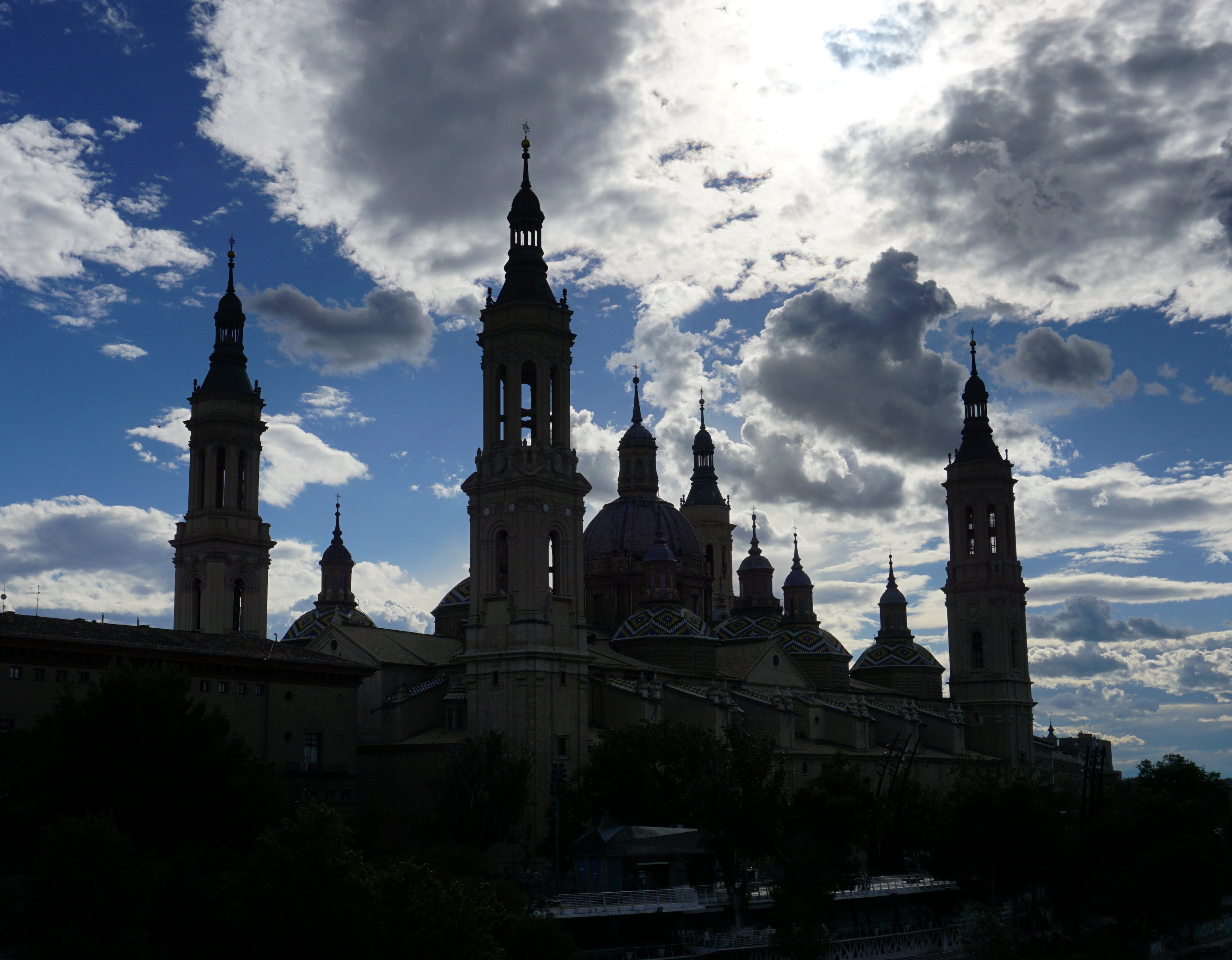
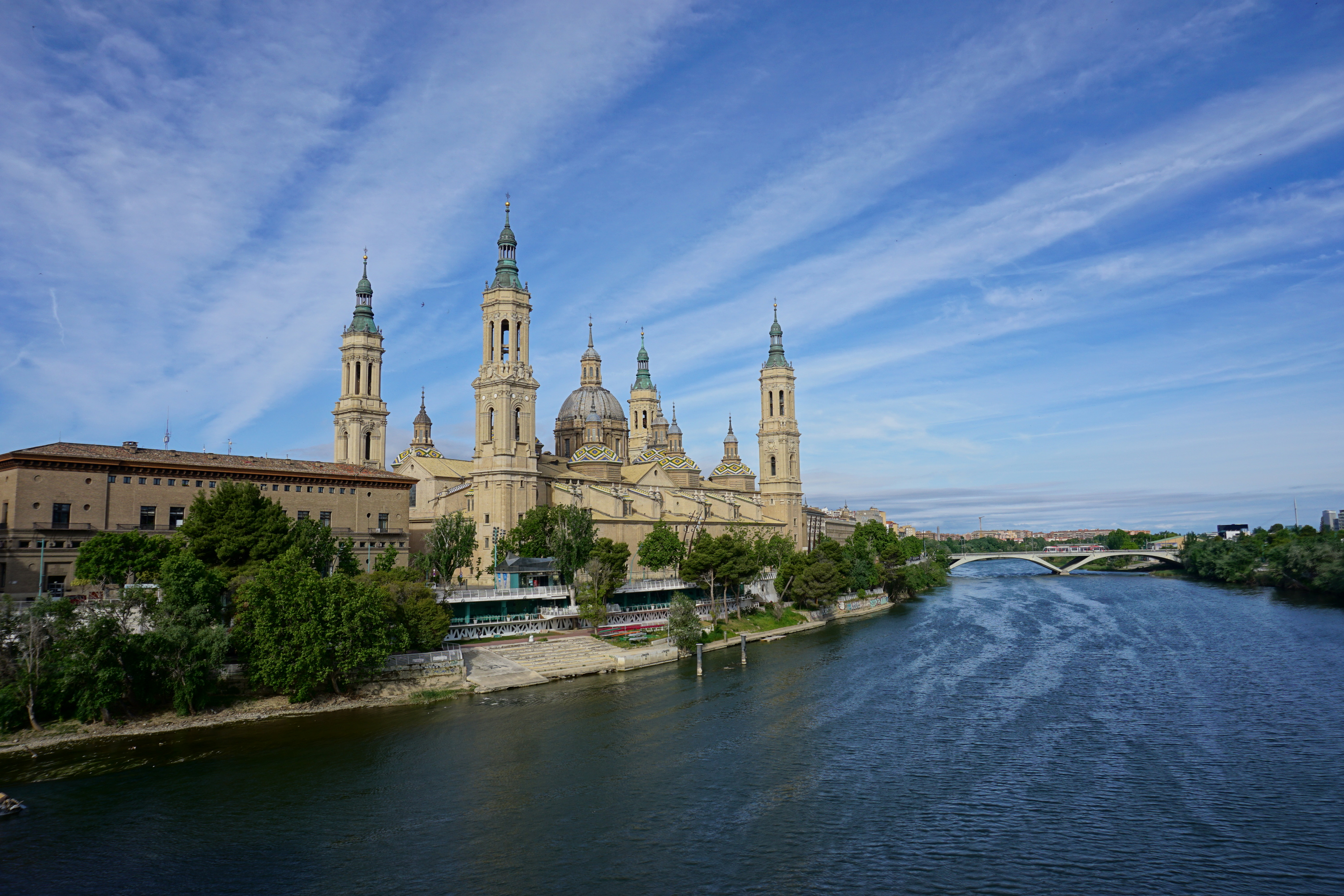
Pilar Cathedral against the bright sky
Zaragoza sits on the banks of the Ebro River. It is an ancient city, and its name is an evolutionary corruption of the city’s name from Roman times: “Caesaragustus”.
I have been to Zaragoza numerous times. The first time was a search for a certain tower, other times to look at the Roman ruins, or the museum with information about the two sieges of Zaragoza from Spain’s War of Independence fought against Napoleon’s troops. One trip was specifically to watch a Verdi opera.
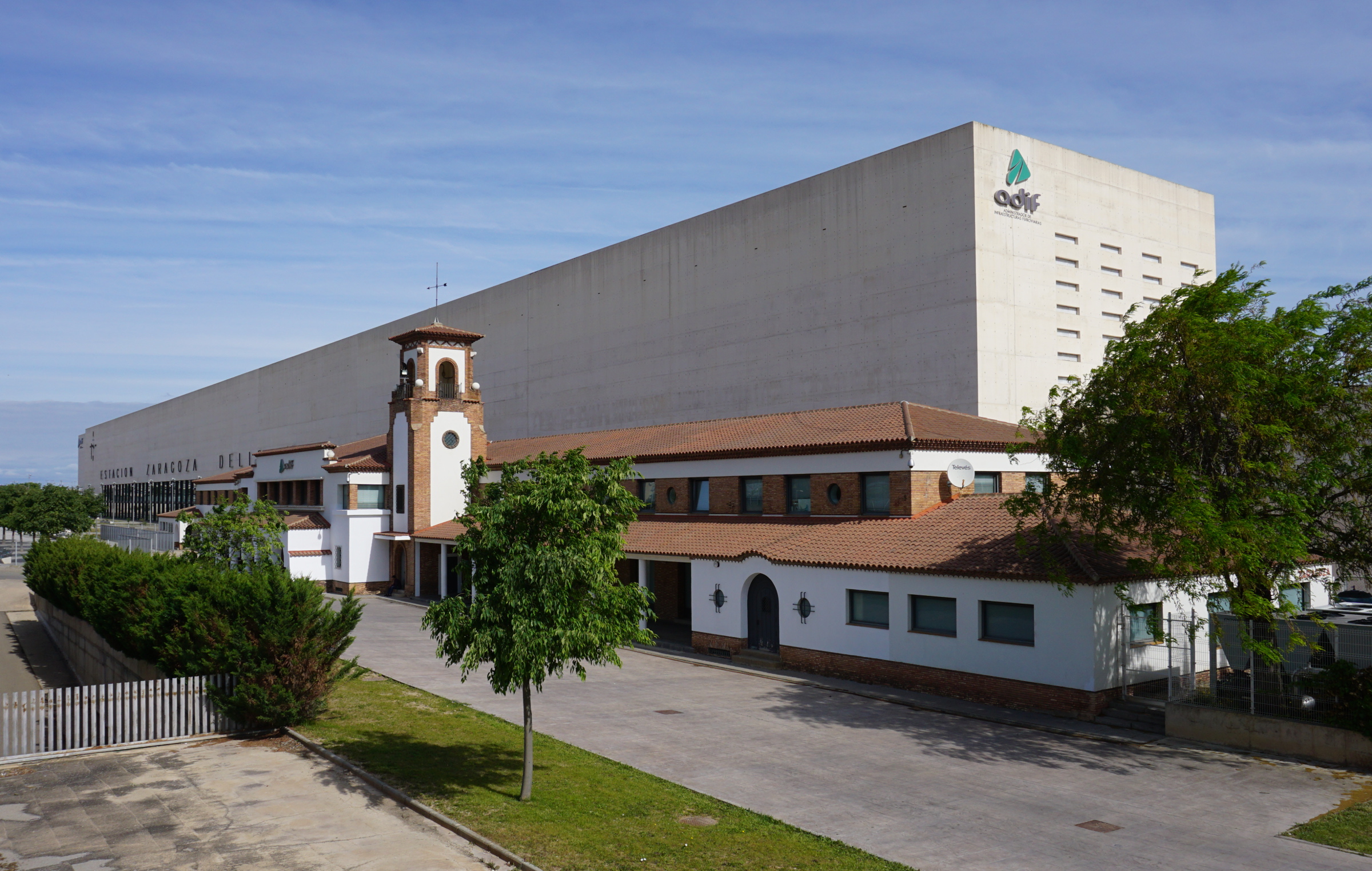
Zaragoza Delicias Train Stations- Old and New
In the photo, the old “Delicias” train station is dwarfed by the current station. The new station had already been built by the time I first visited Zaragoza, its cavernous interior and inadequate heating left passengers shivering indoors.
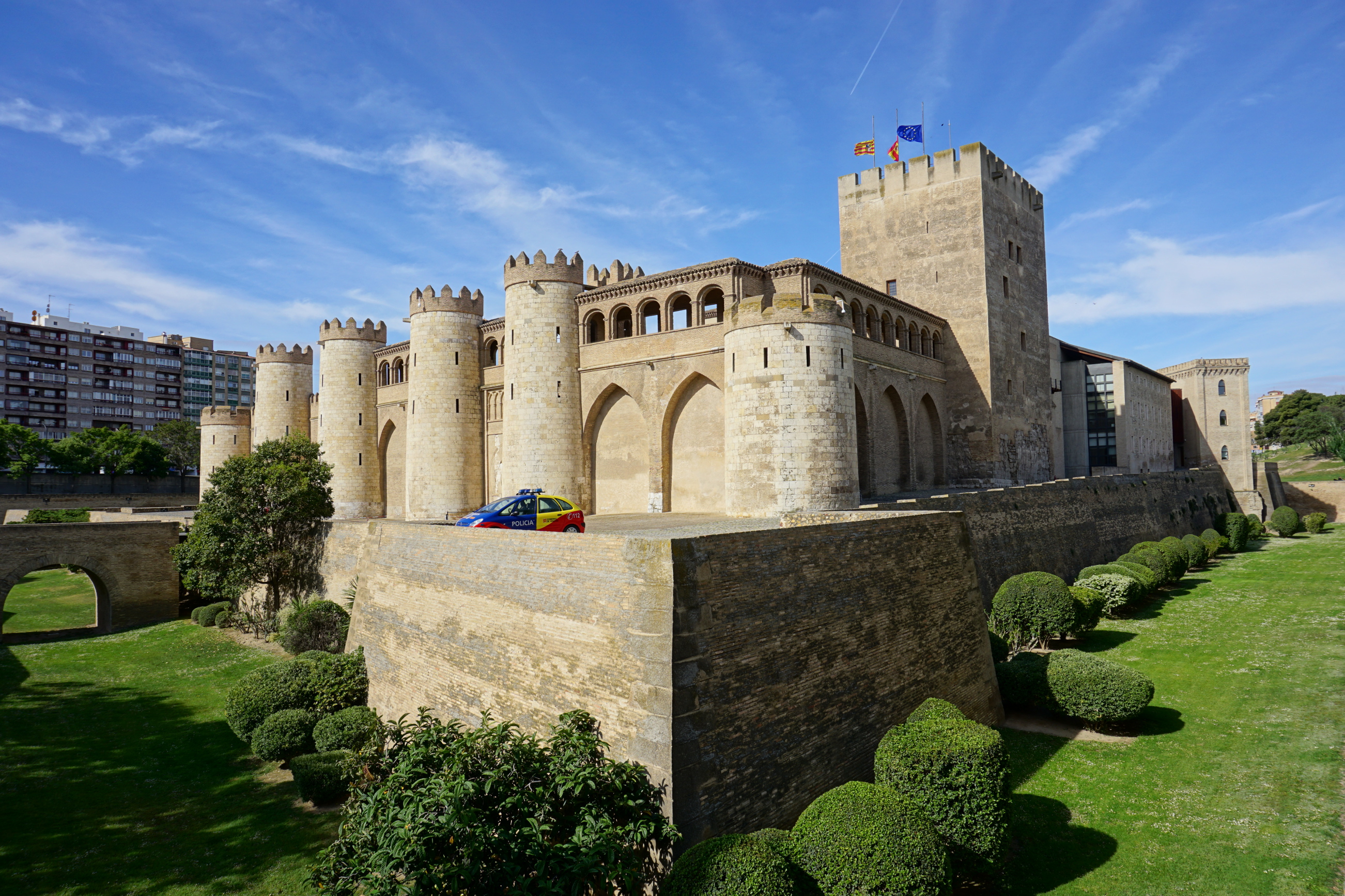
Aljaferia
The Aljaferia Palace ( قصر الجعفرية ) was originally built during the 11th century by Spain’s Muslim rulers. Through various wars it was repeatedly damaged and repaired/rebuilt. It is the site of various scenes in Verdi’s “Il Trovadore” opera. Today it serves as the home of Aragon’s legislature.
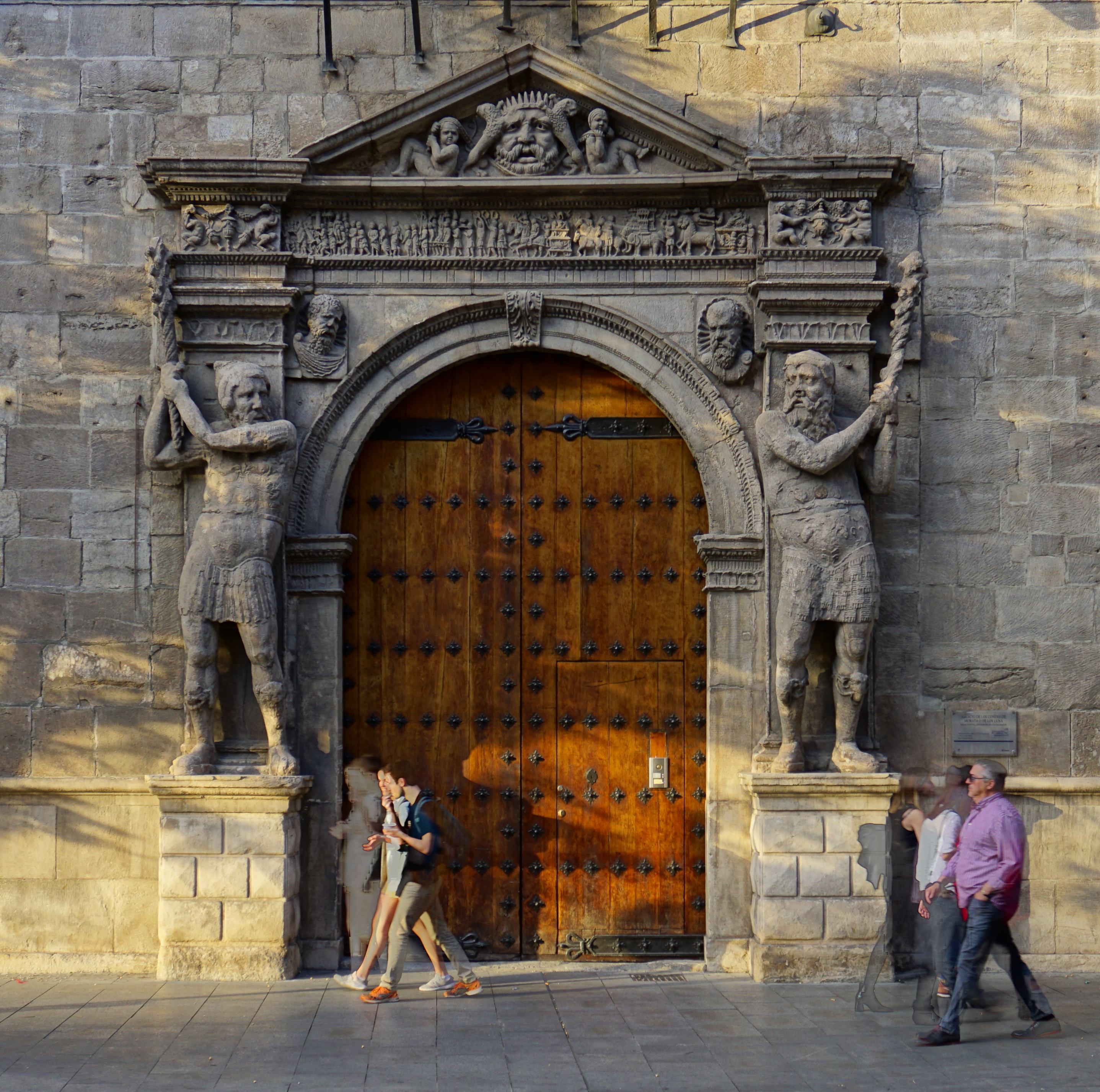
Entrance to the Paliacio de los Luna
On Calle Coso we find the Palacio de los Luna. Today it holds the halls of justice, and one might get a certain opinion about how justice is administrated by the statues. 🙂 Actually these represent Hercules and Gerion from Greek mythology.
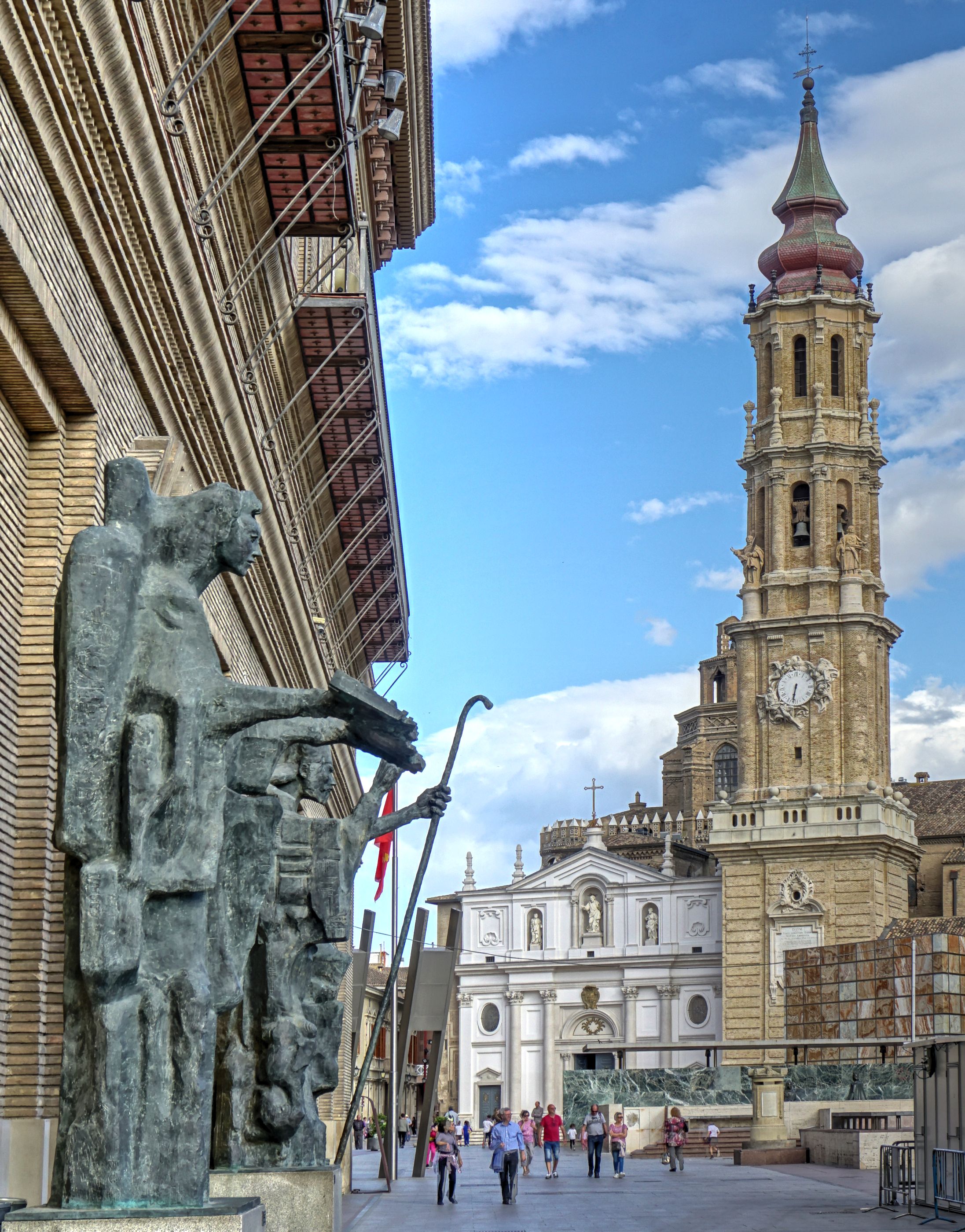
Catedral del Salvadore de Zaragoza
One of two cathedrals in the old quarter is “La Catedral del Salvador en su Epifanía de Zaragoza”. Wow, that’s a mouthful! The residents call it “La Seu” for short. (The same name given to the large “non-cathedral” in my town of Xàtiva.)
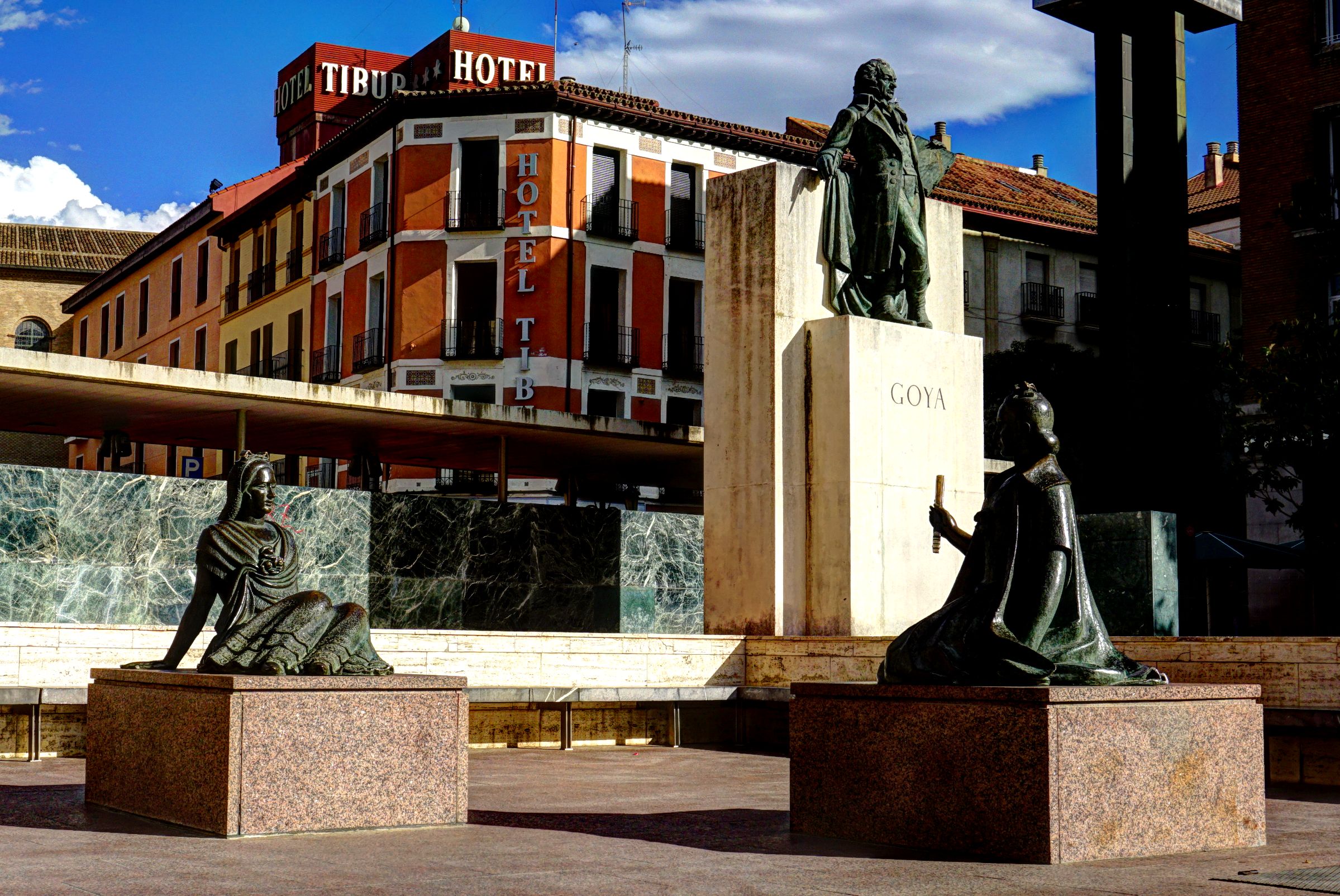
Tribute to Goya
The famous painter Francisco Goya’s life was tightly linked to Zaragoza. His dramatic paintings related to the fight against Napoleon are vivid images of the violence of war.
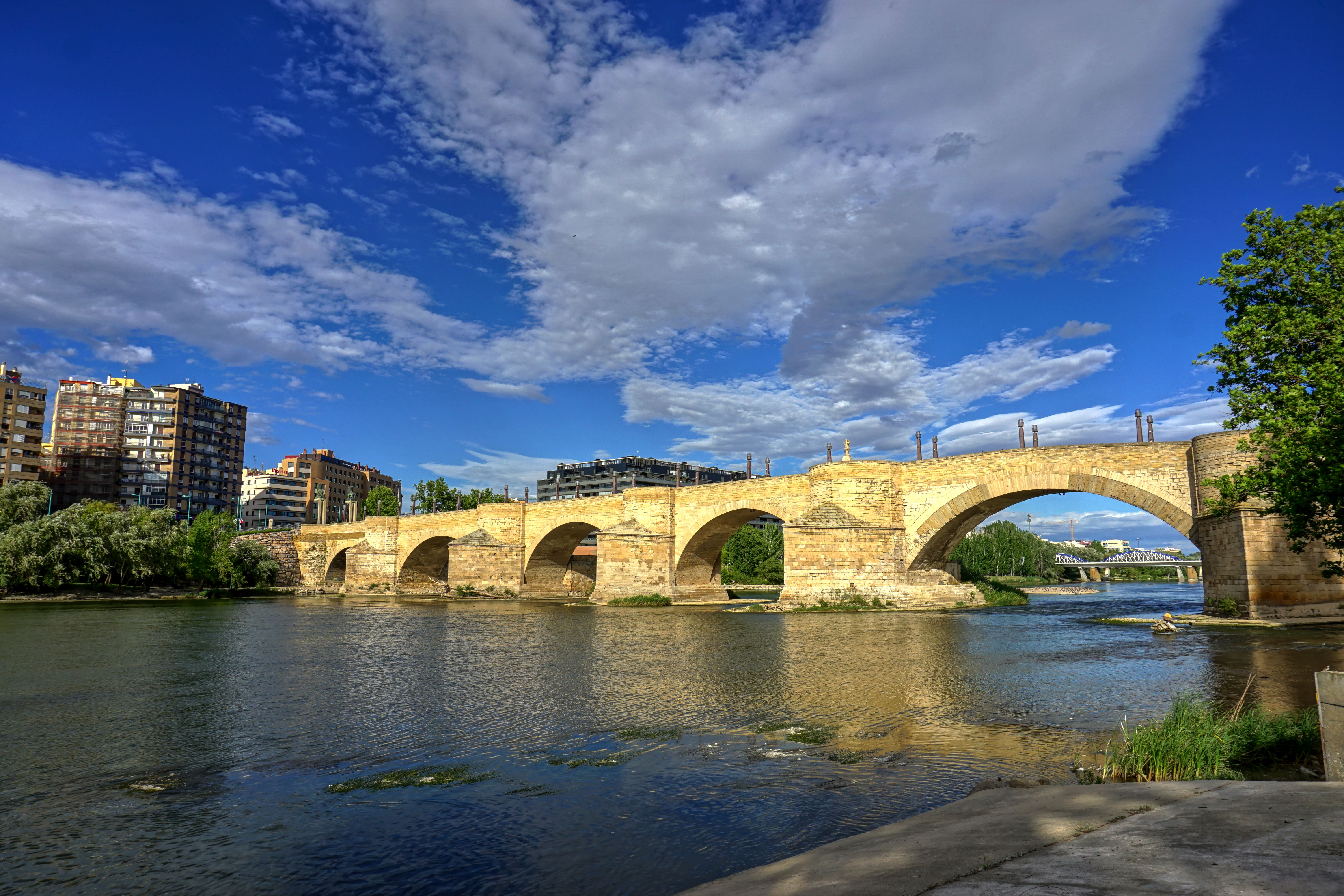
Stone Bridge
Originally built in the 15th century, this stone bridge spans the Ebro River.
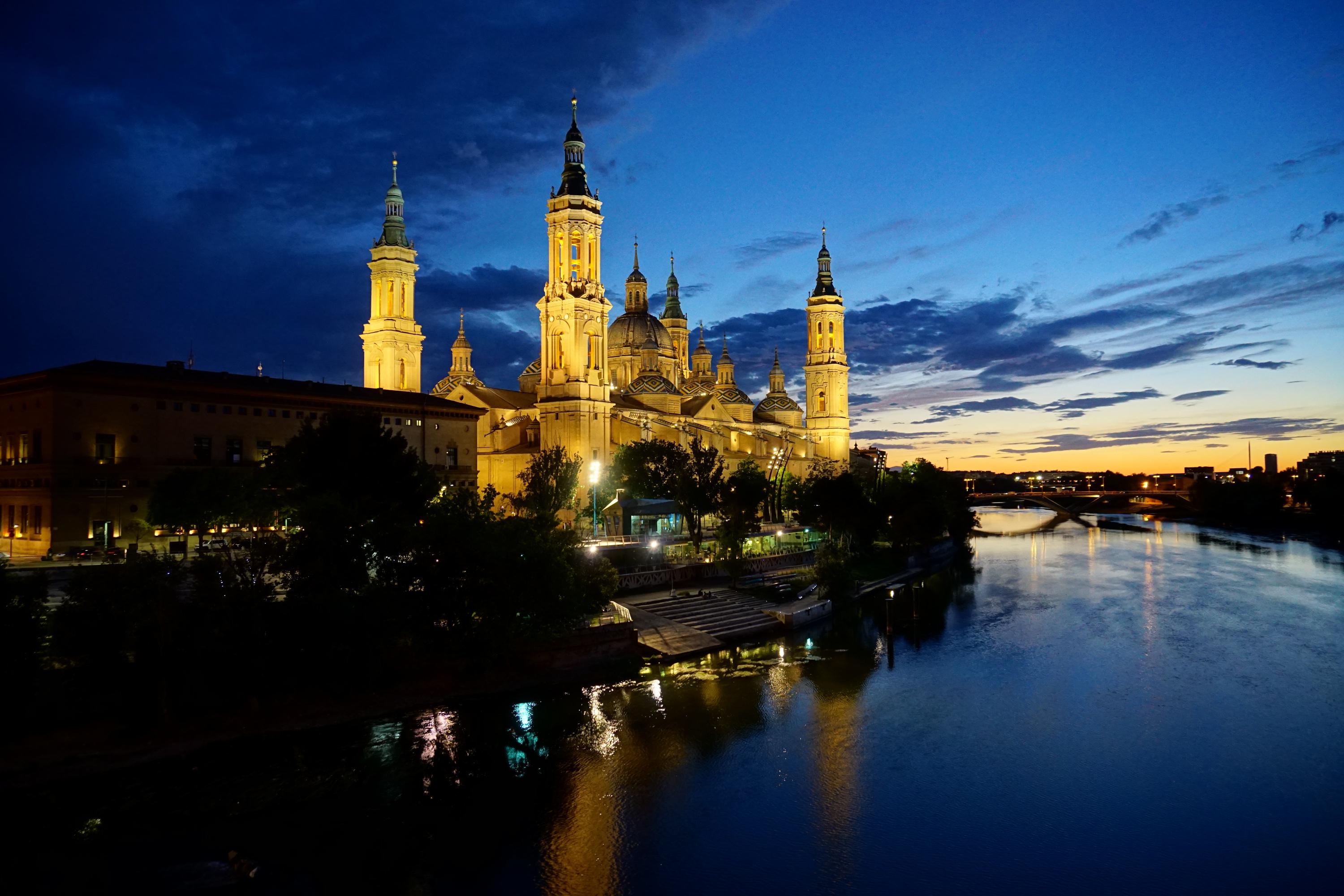
Catedral-Basílica de Nuestra Señora del Pilar
The cathedral of “Our lady of the Pillar” sits on the bank of the Ebro River. The mythology regarding an appearance of the Virgin Mary and a wooden statue caused this site to be revered.
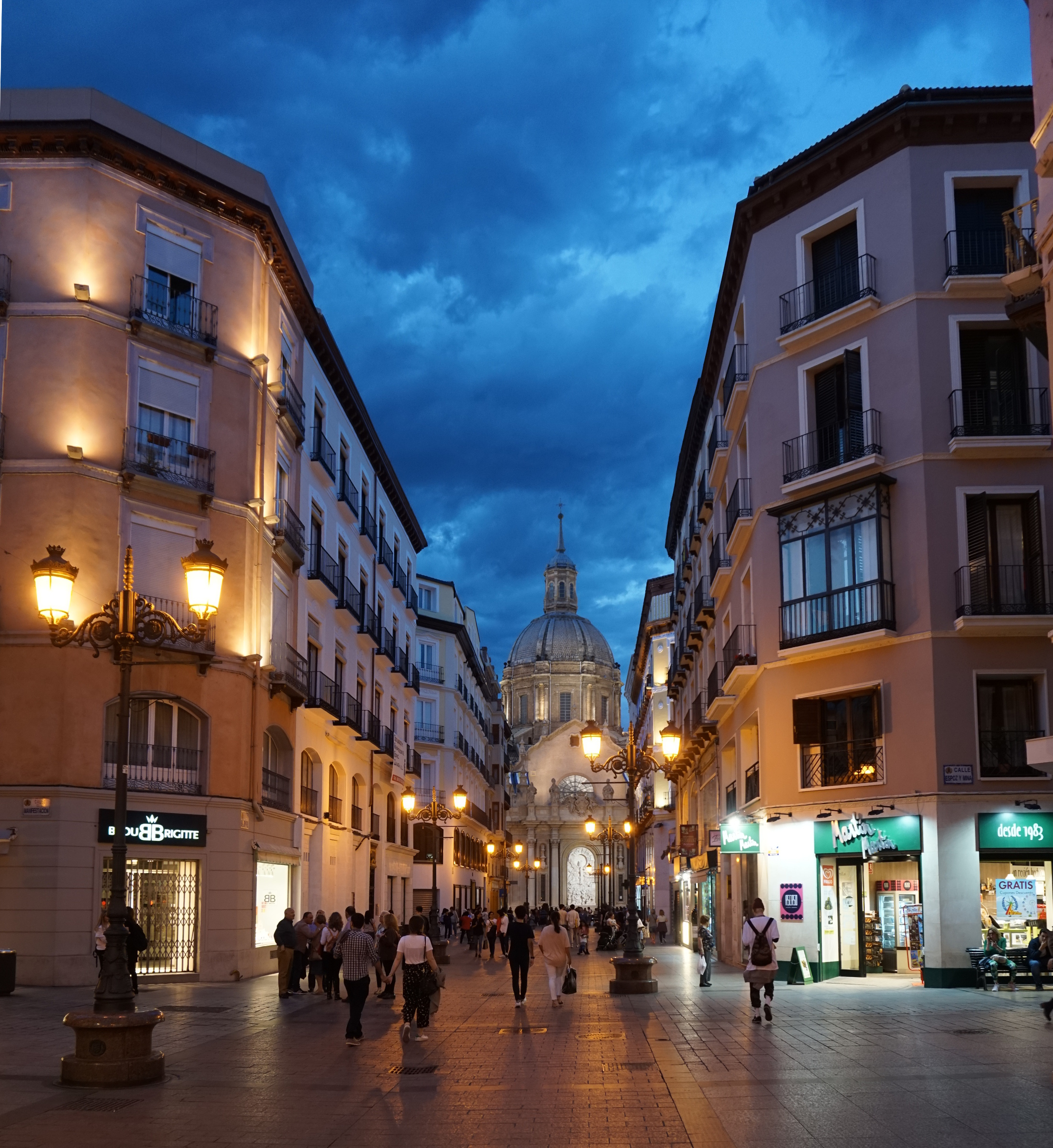
Calle de Alfonso I at twilight
The “Calle de Alfonso I” is a major shopping street in Zaragoza’s “old quarter”. It leads from the Calle del Coso to the plaza in front of the Pilar cathedral.
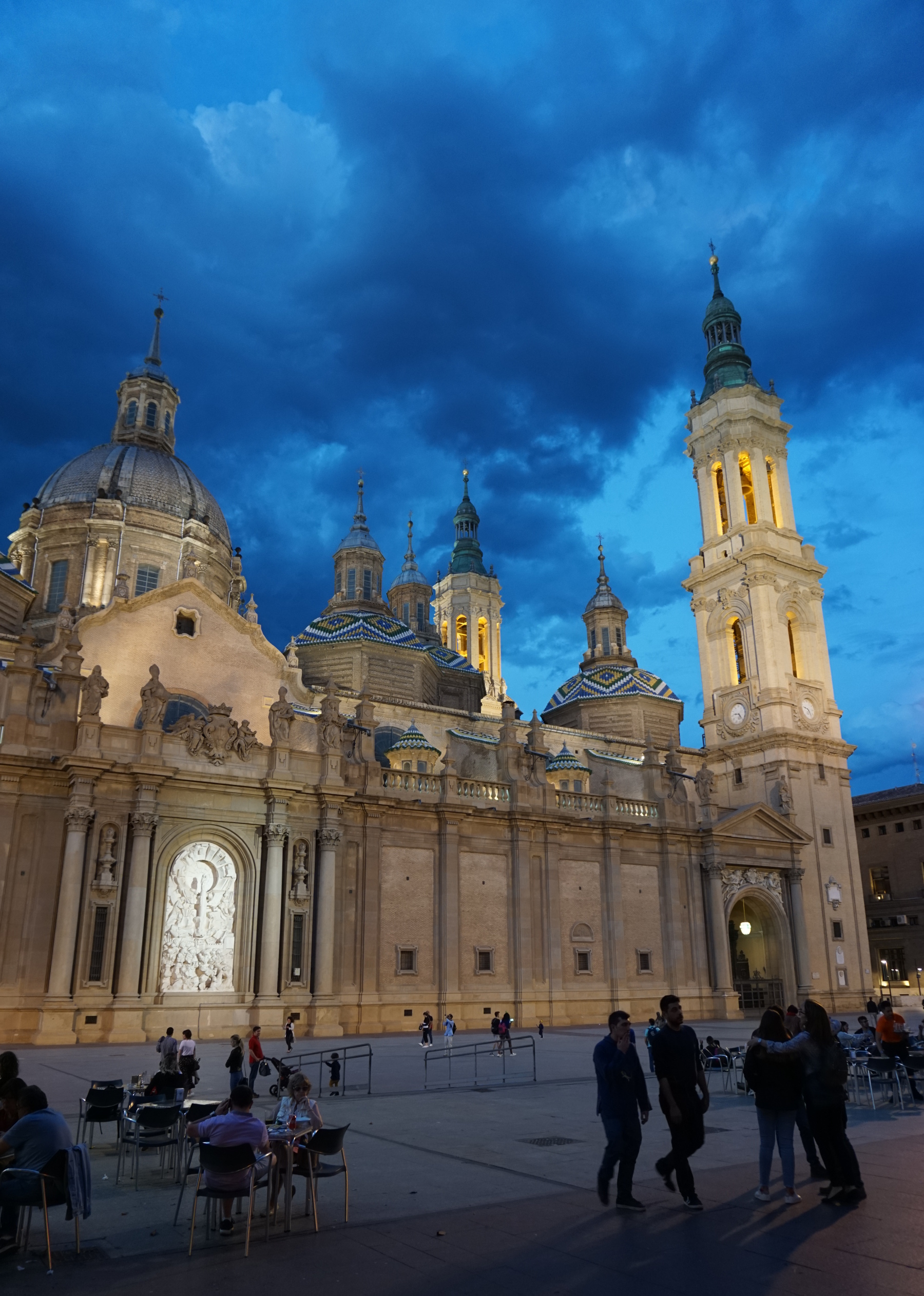
The plaza at twilight
The plaza in front of the cathedral is lined with restaurants and is a popular place to eat.
Catedral-Basílica de Nuestra Señora del Pilar – Twilight
Day or night the Pilar Cathedral is a beautiful sight.
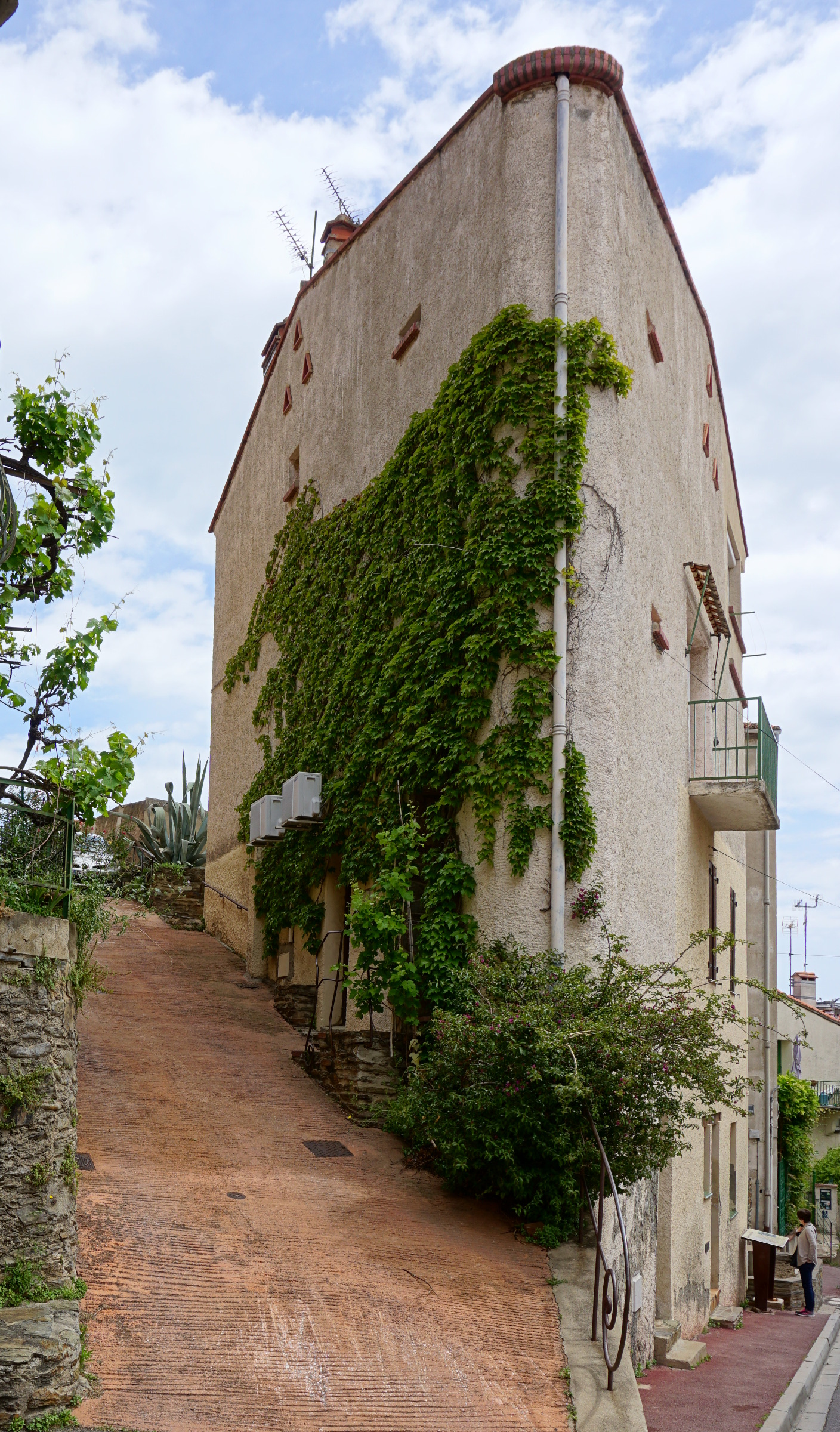
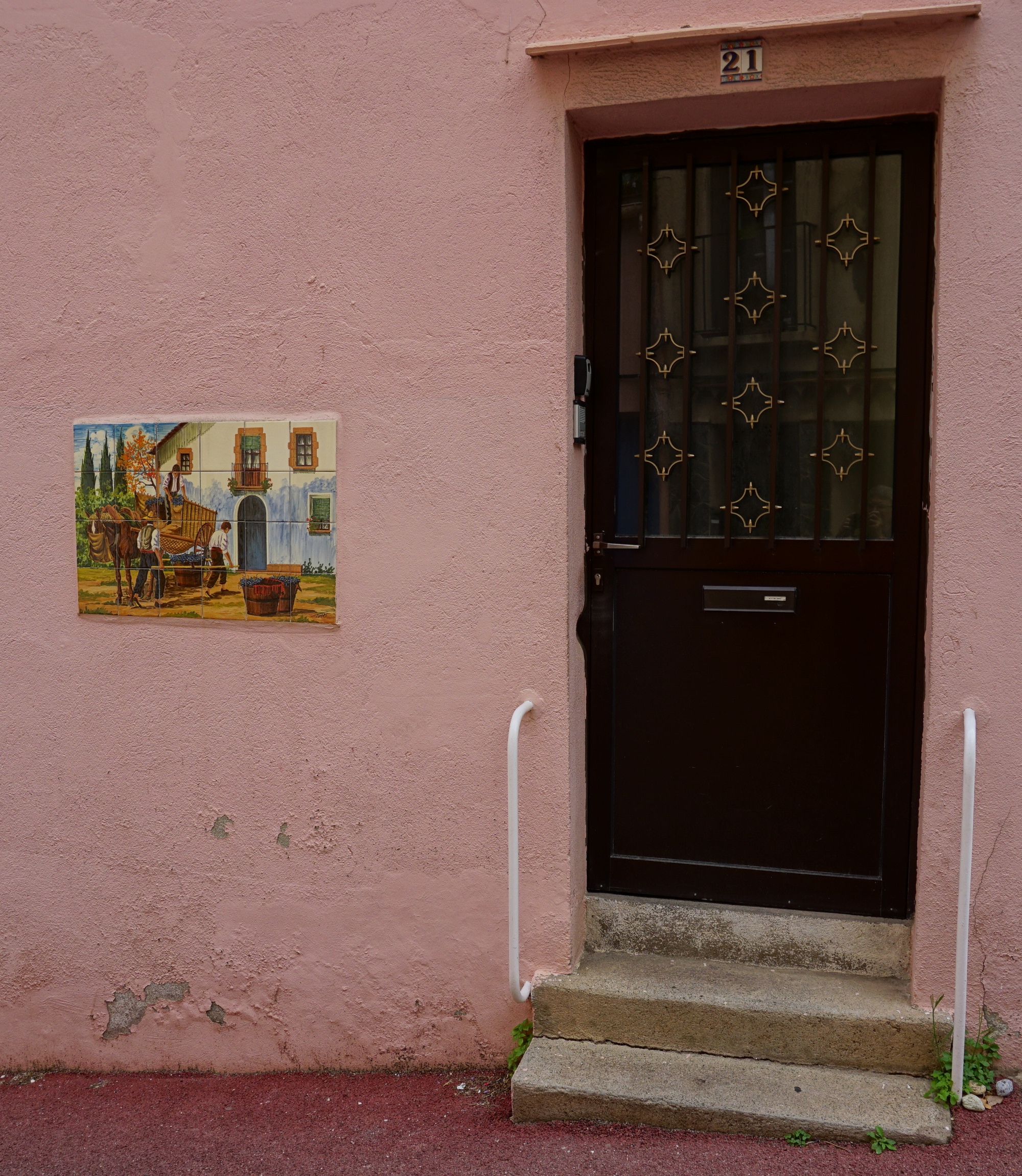
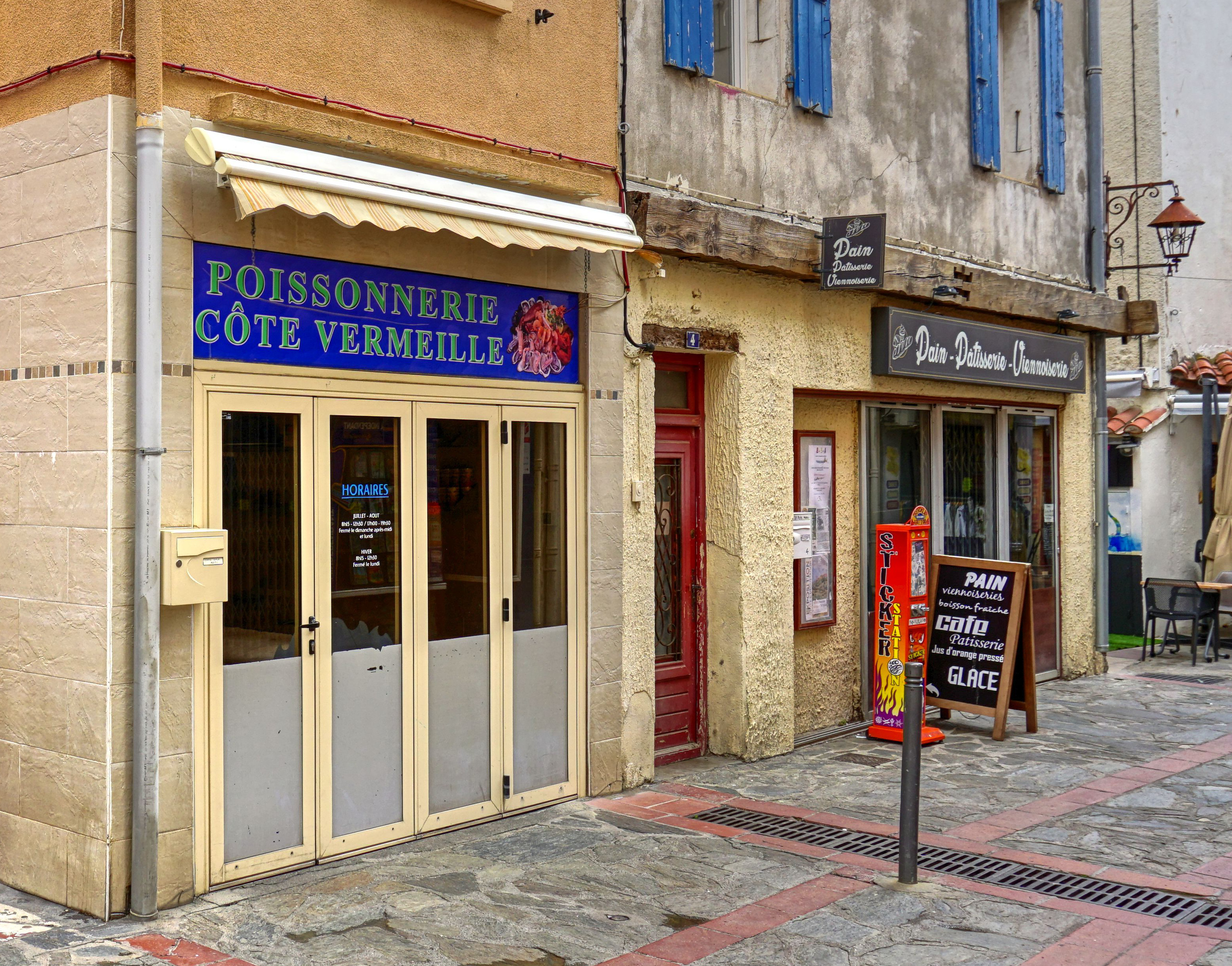
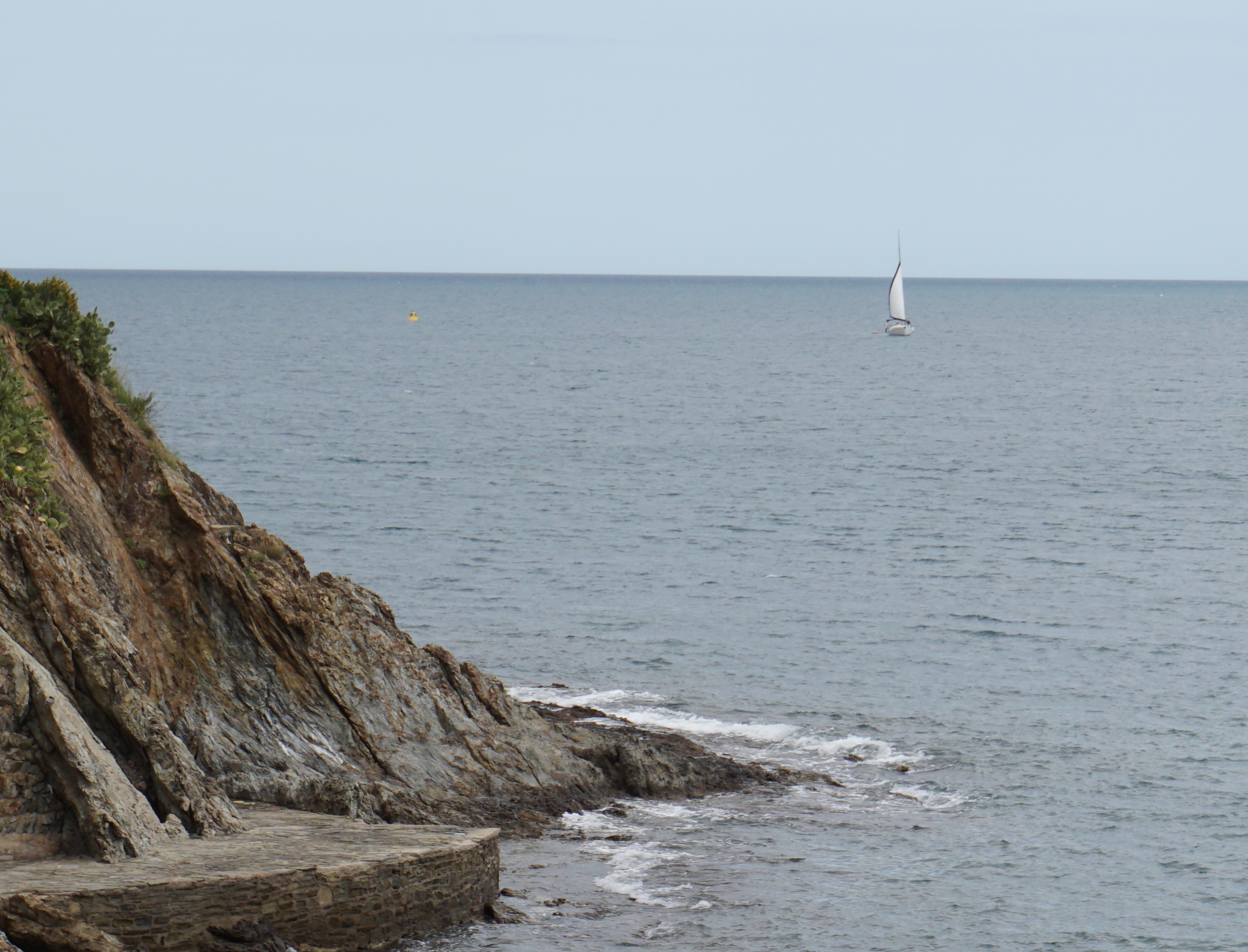
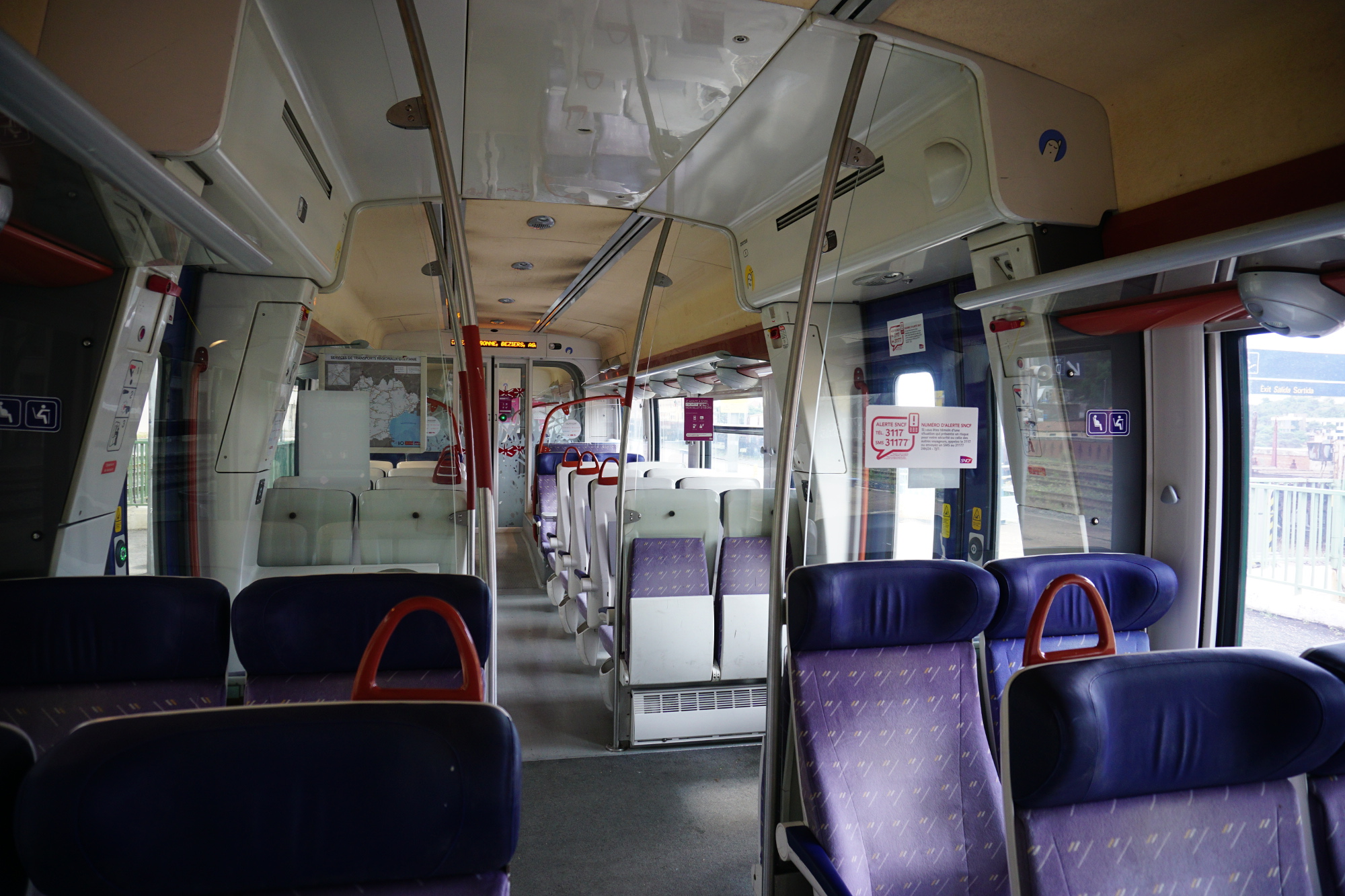
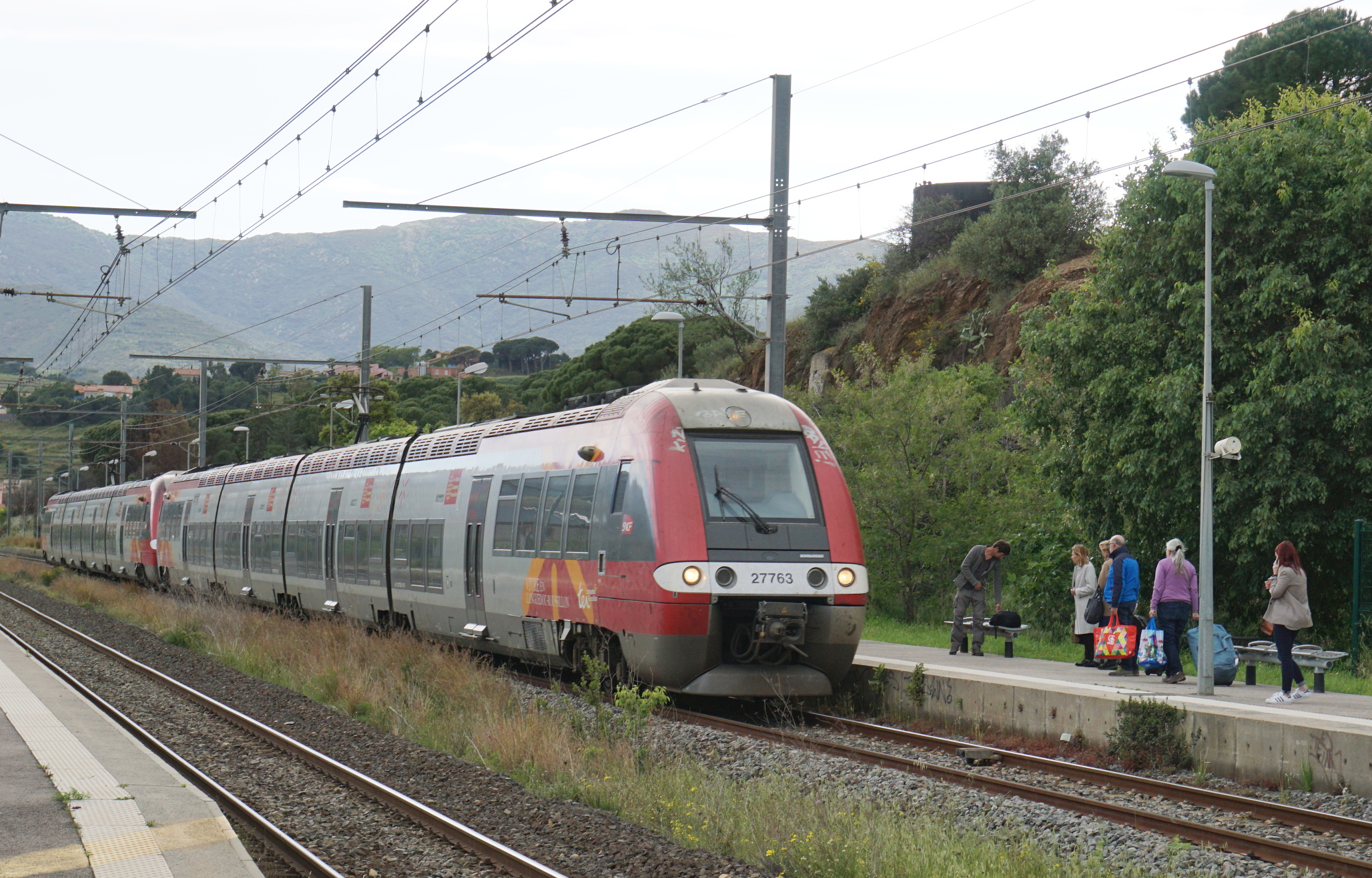
The R11 Regional train heads northeast from Barcelona, past Girona, past Figueres to Portbou just on the Spanish side of the French border. After a short stop, the train heads through a tunnel, and this Spanish train ends its run in the French border town of Cerebere. There a group of uniformed French officials standing on the station platform met the arriving passengers and thoroughly checked passports. Inside the station, I bought a round-trip ticket on the French SNCF train heading north. I wasn’t going far, just to the next station: Banyuls sur Mer (Banyuls on the sea).
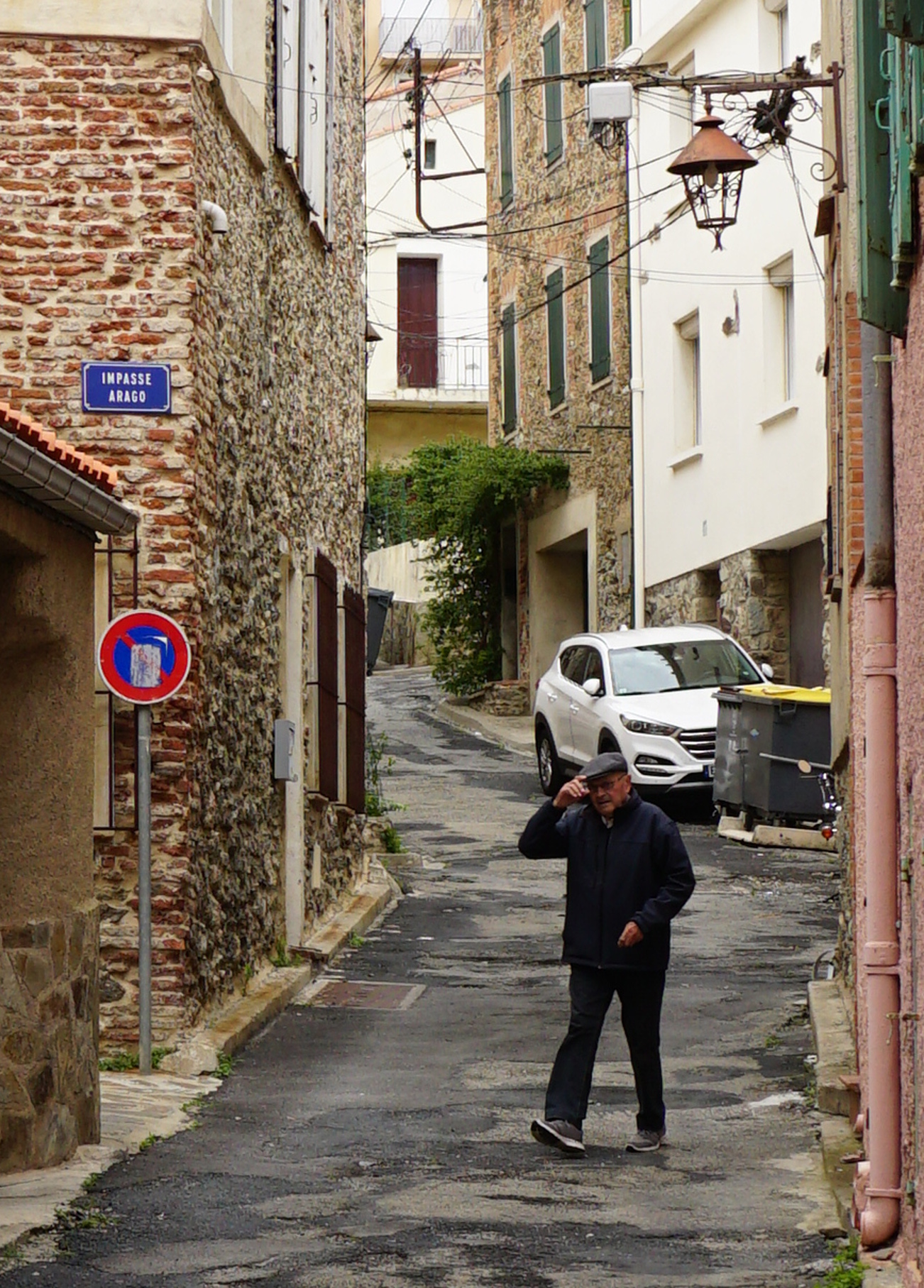
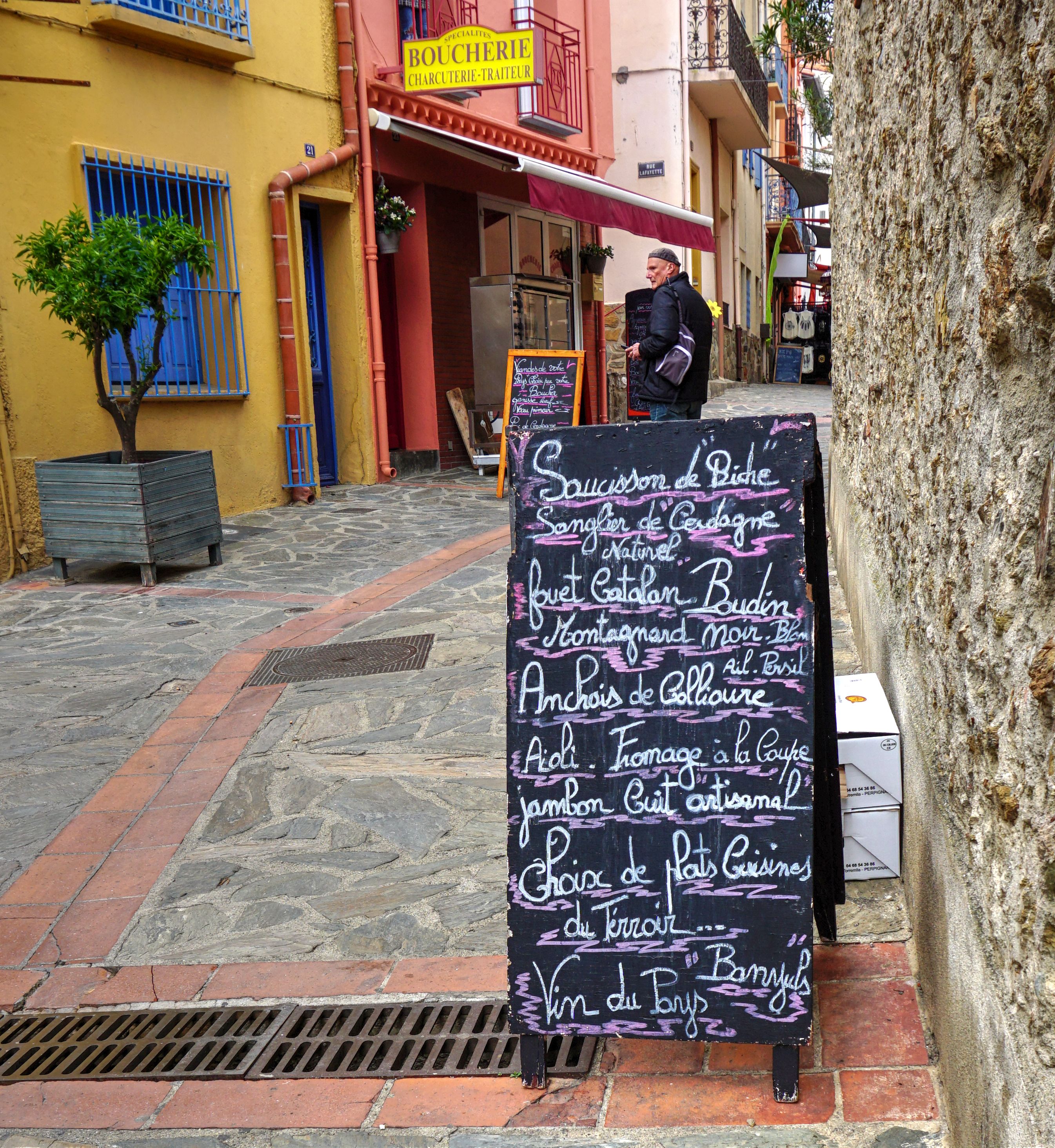
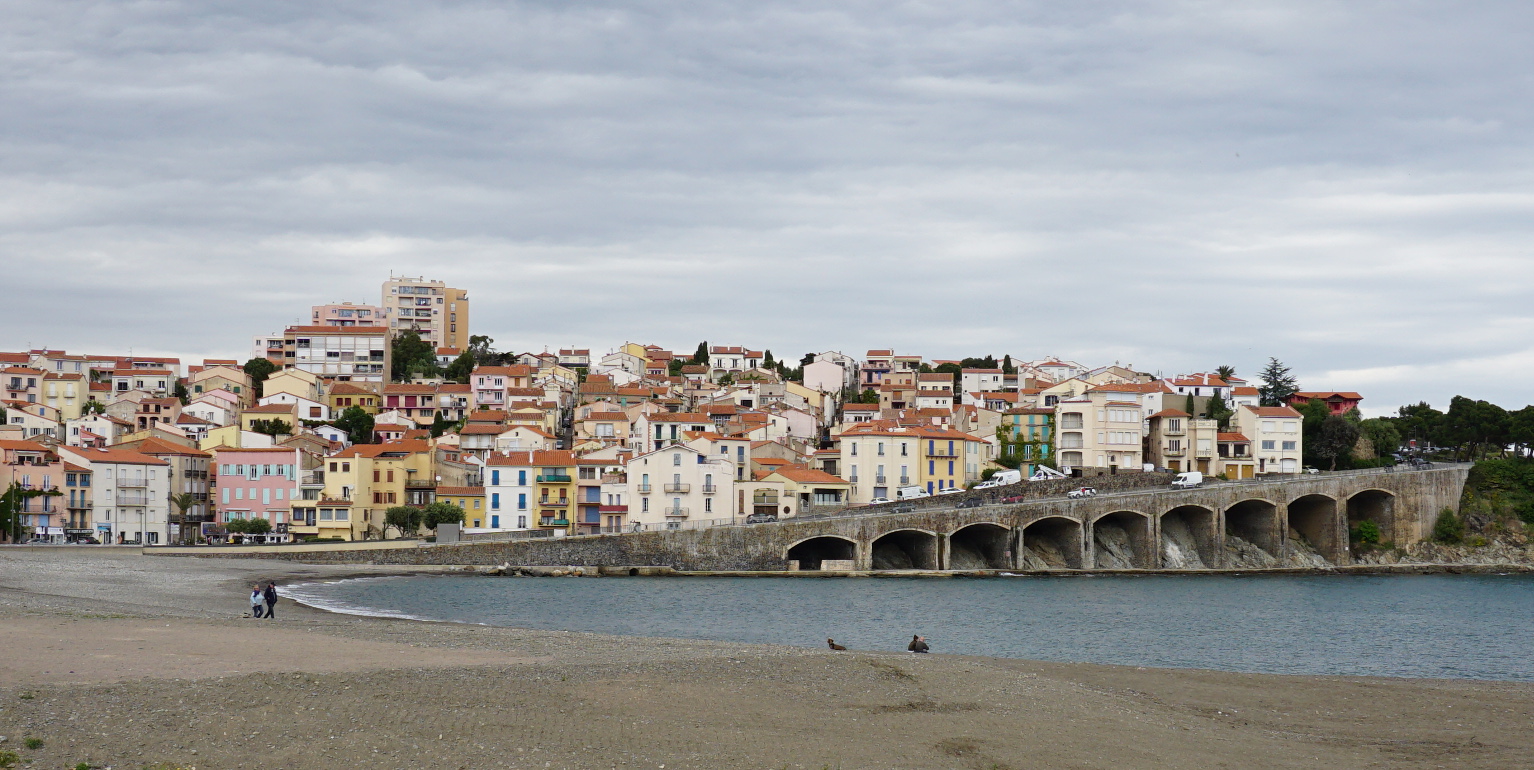
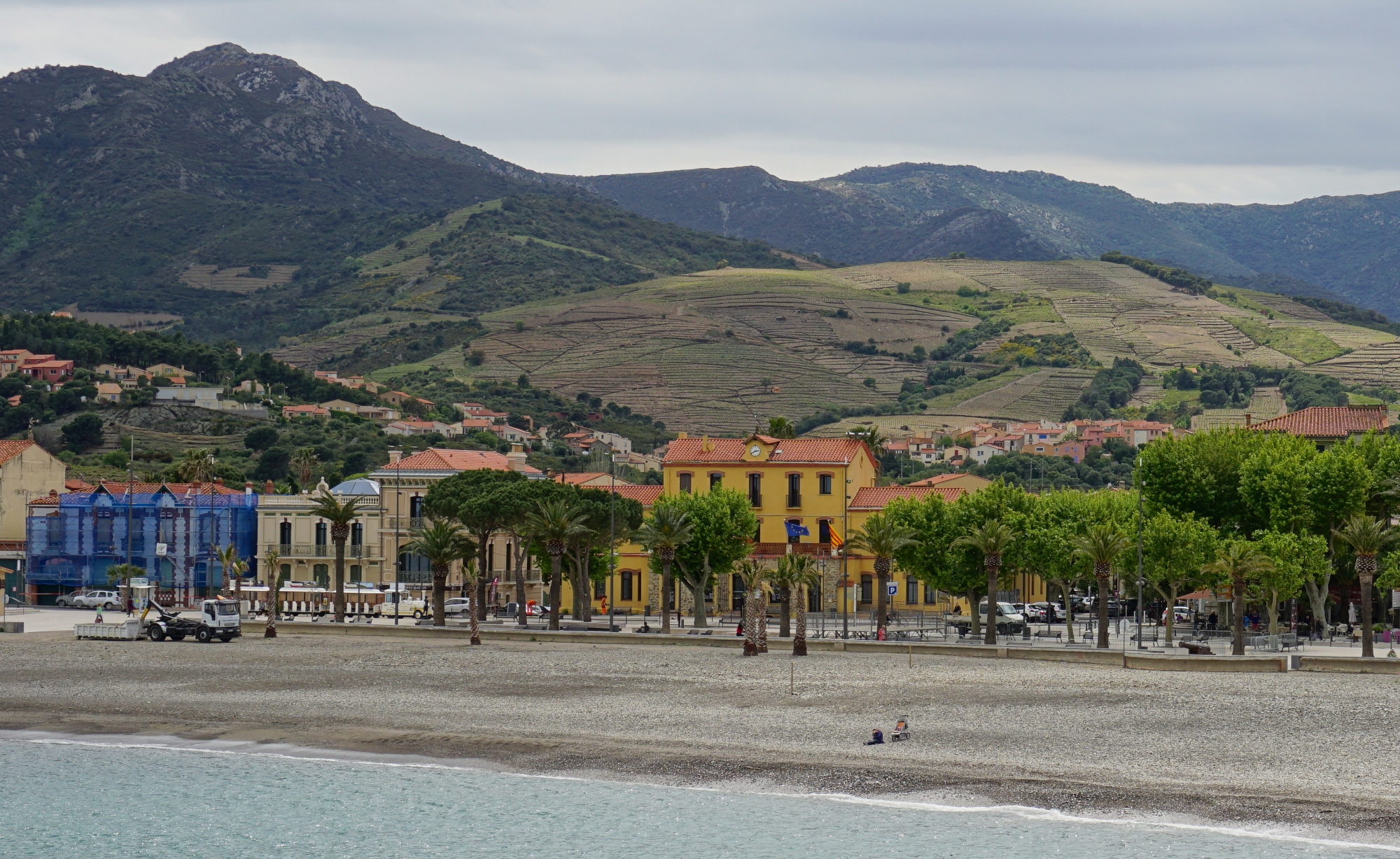
It is a small town of about five thousand residents. It is quiet and French. I did not hear any other language spoken as I wandered around town. There is a tourist office, and one of those “tourist trains”. But, I guess they are all French tourists! 🙂
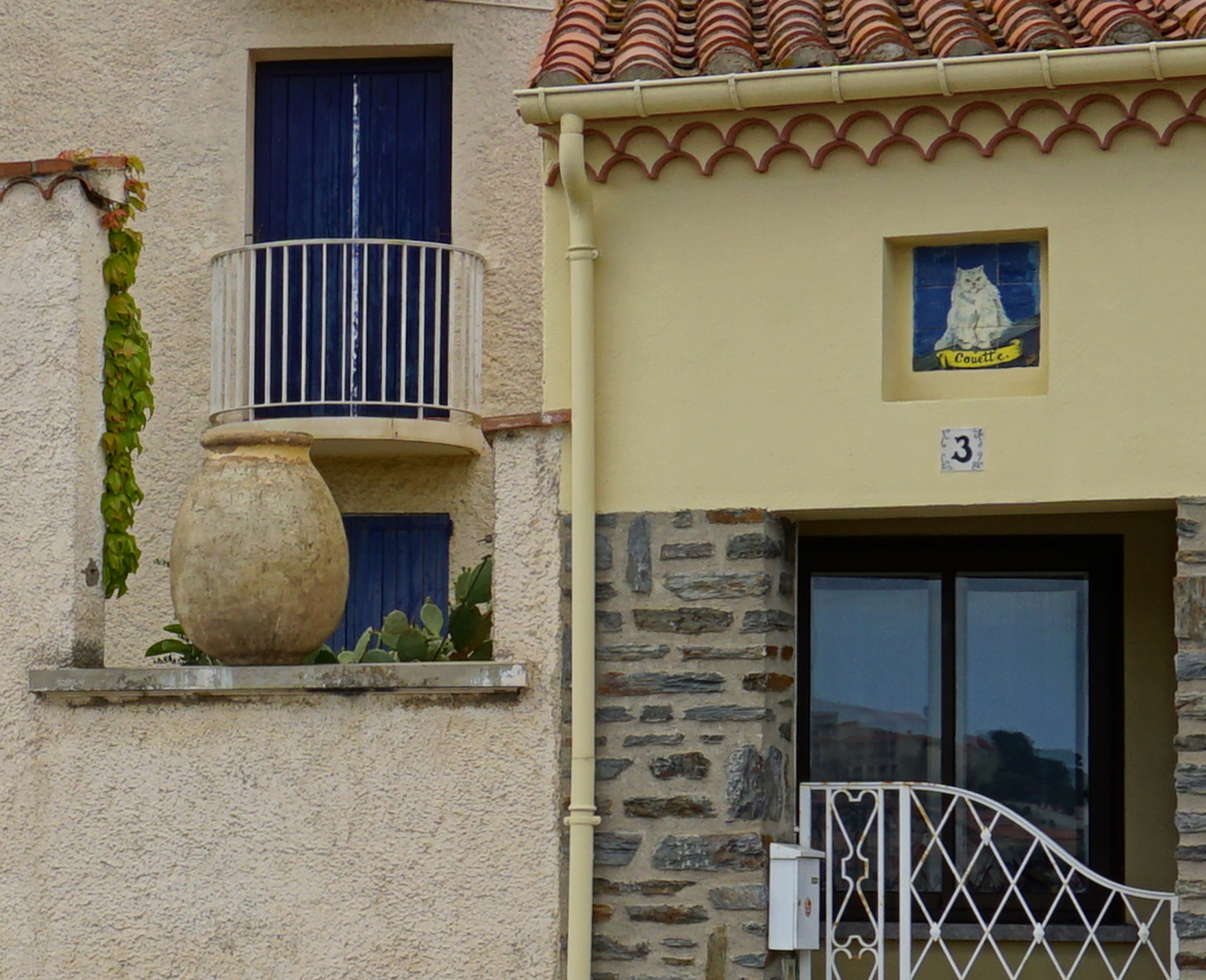
The unmistakable indication of a “cat house”! 🙂I wonder if this fellow was one of the men I later saw playing boules! A fish market and bakery
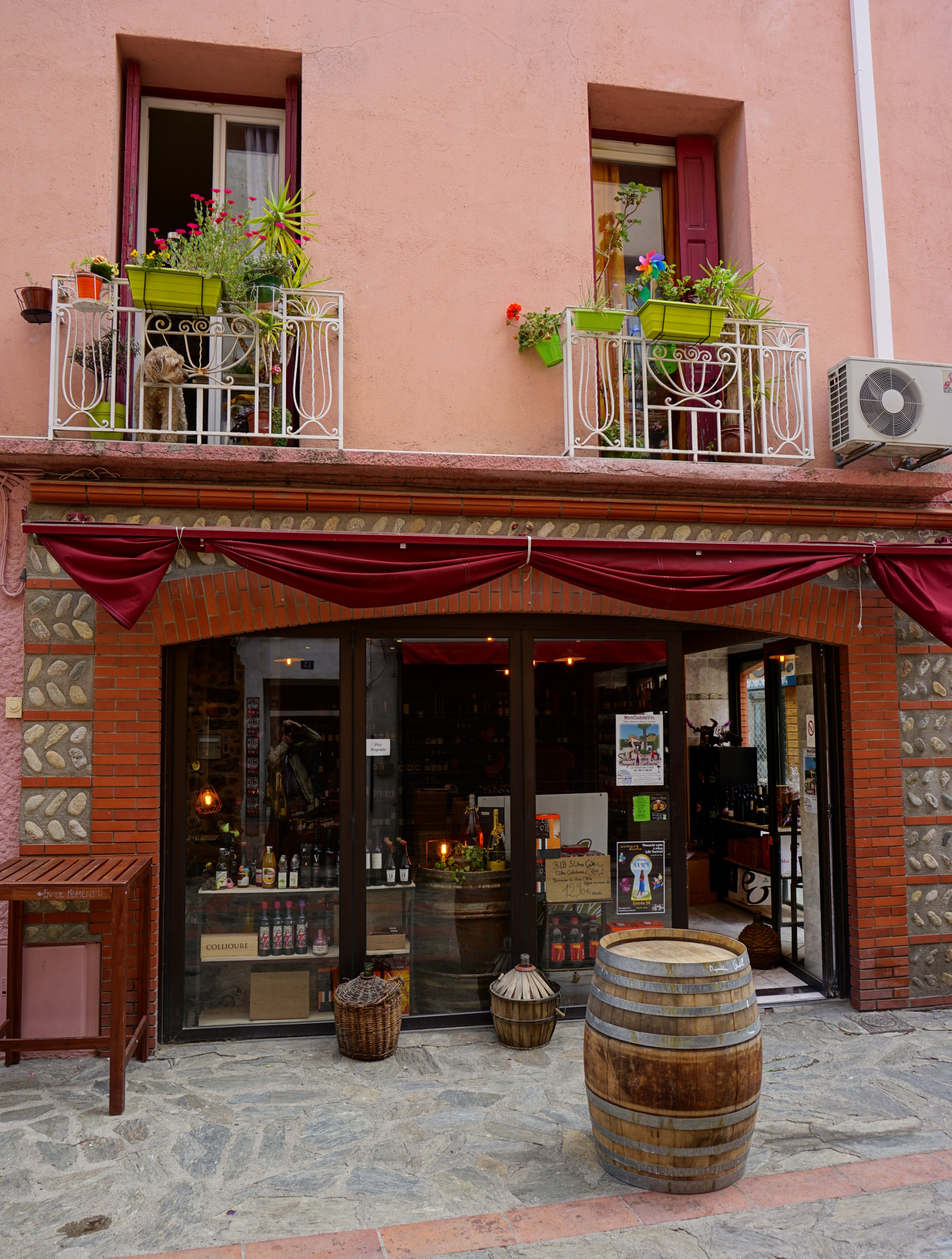
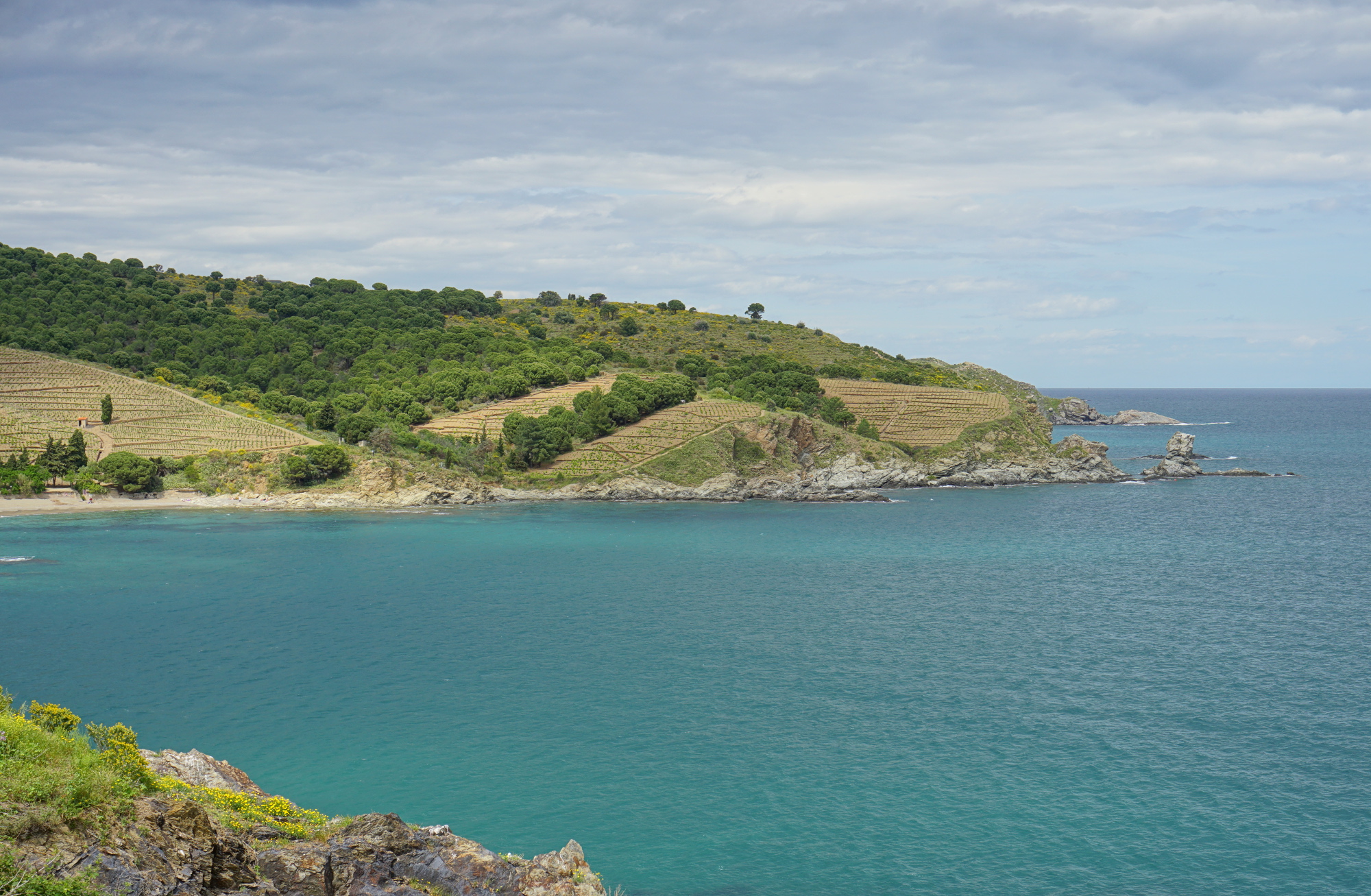
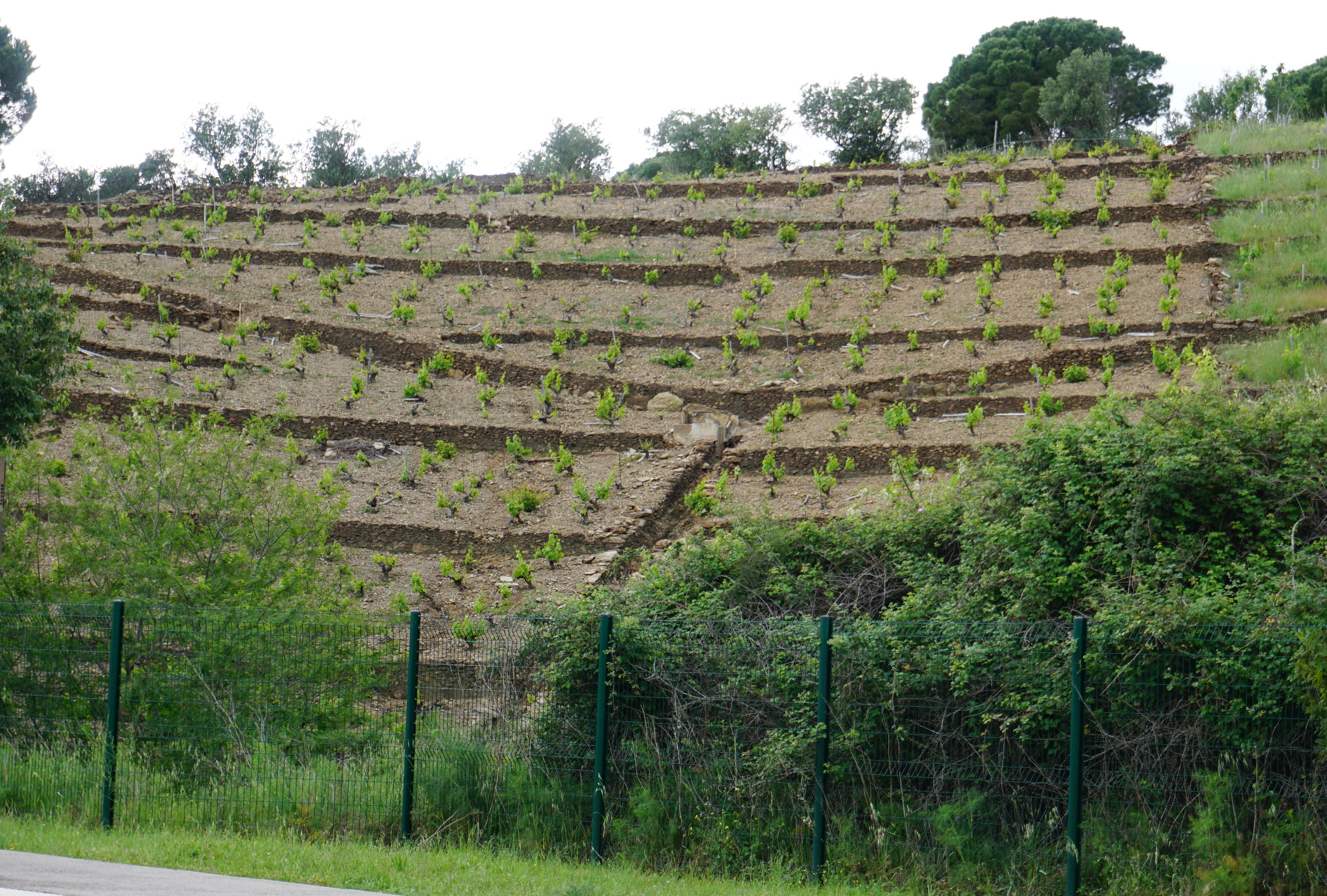
This town is definitely in “wine country”. At the time the prospect seemed a bit heavy, but in retrospect, I should have bought a couple of bottles to take back!
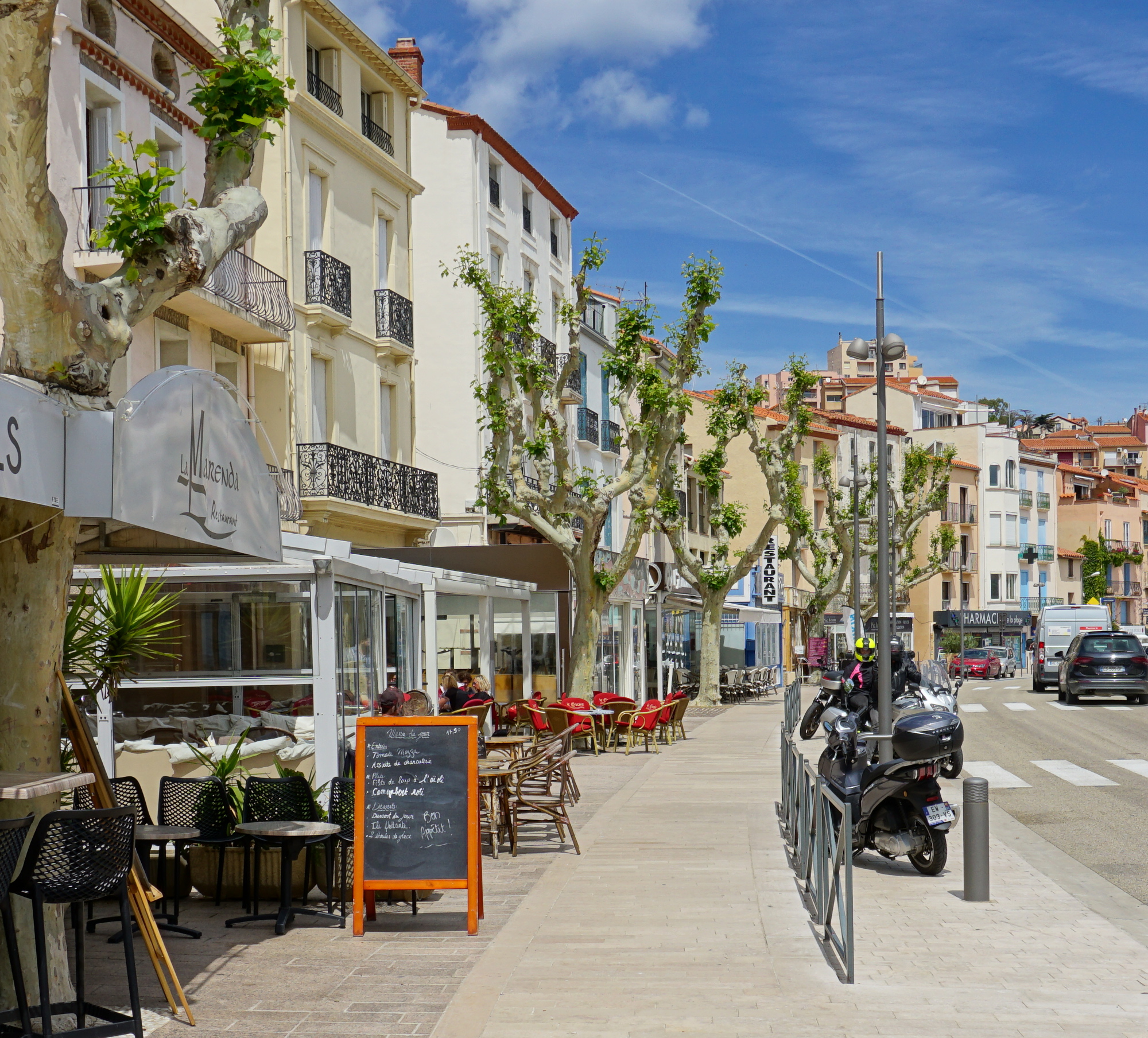
First-line restaurants.
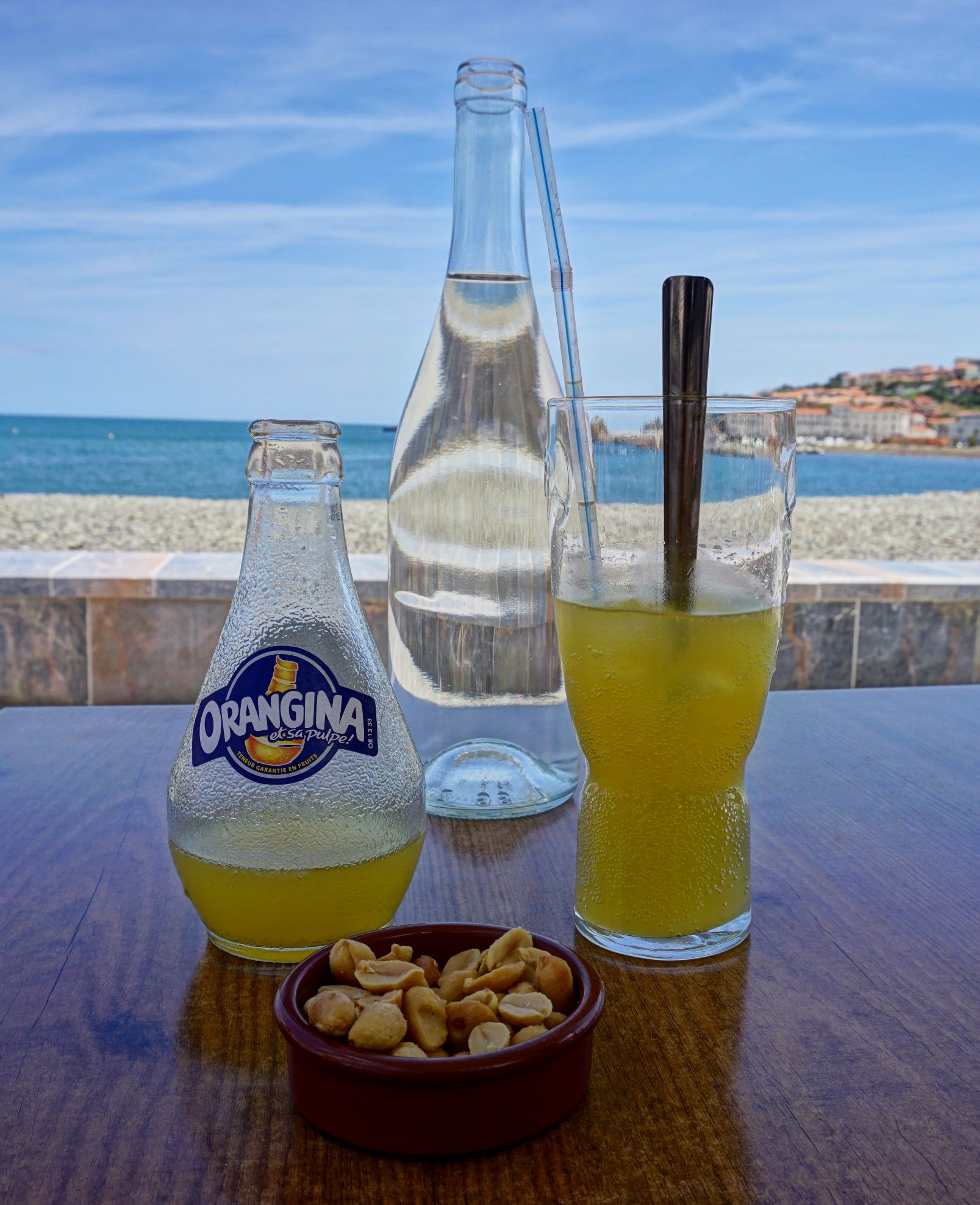
Like “Fanta Orange” in Spain, “Orangina” is a soft drink that includes real orange juice (rather that those horrible flavoring chemicals in American orange soda!) It tastes different than Spanish Fanta Orange, but both are very good! And the view was lovely!
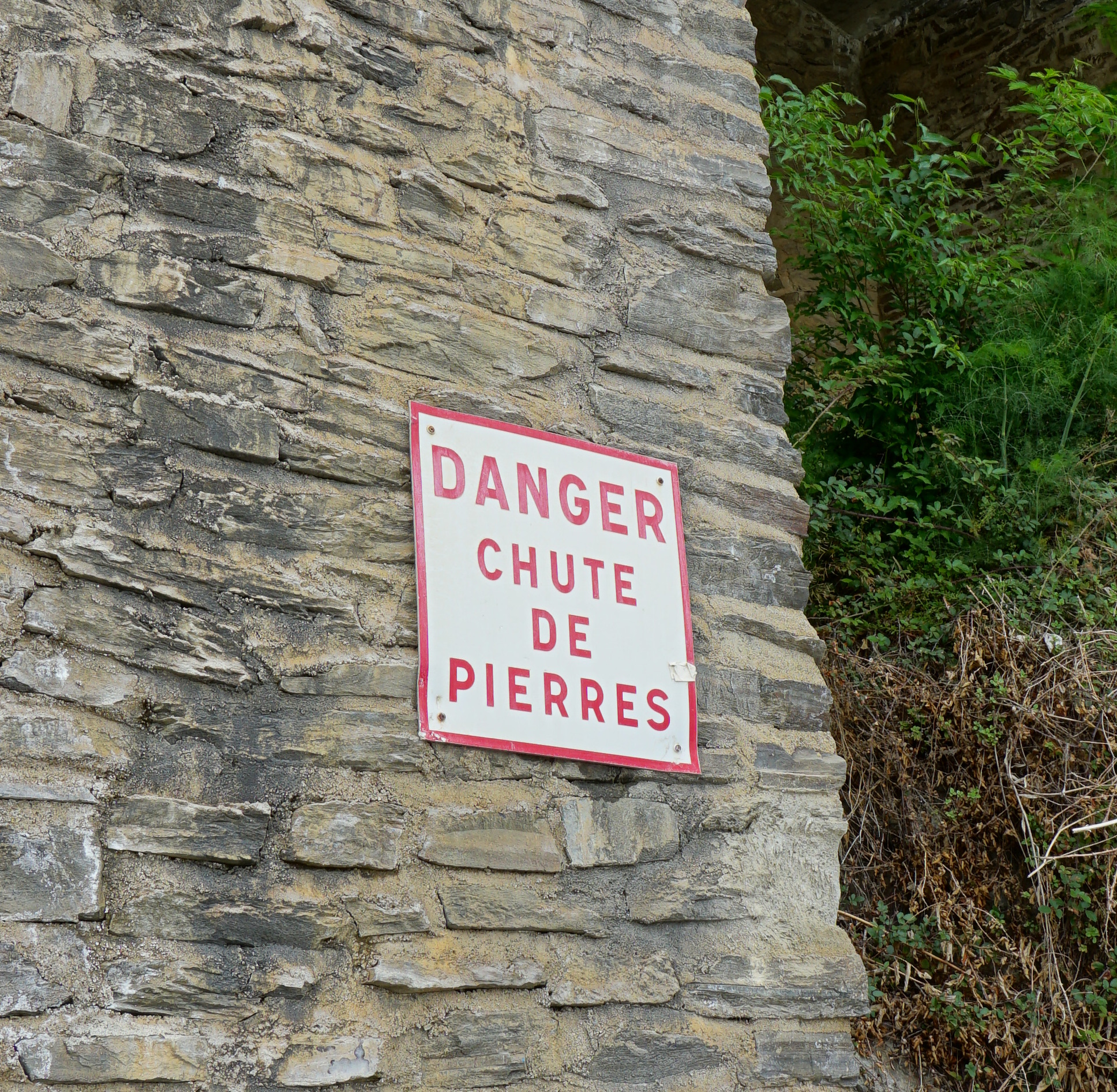
“Pierre” is of course, my name in French. But this does not mean “Danger, falling Peters”. It actually is warning about falling rocks!
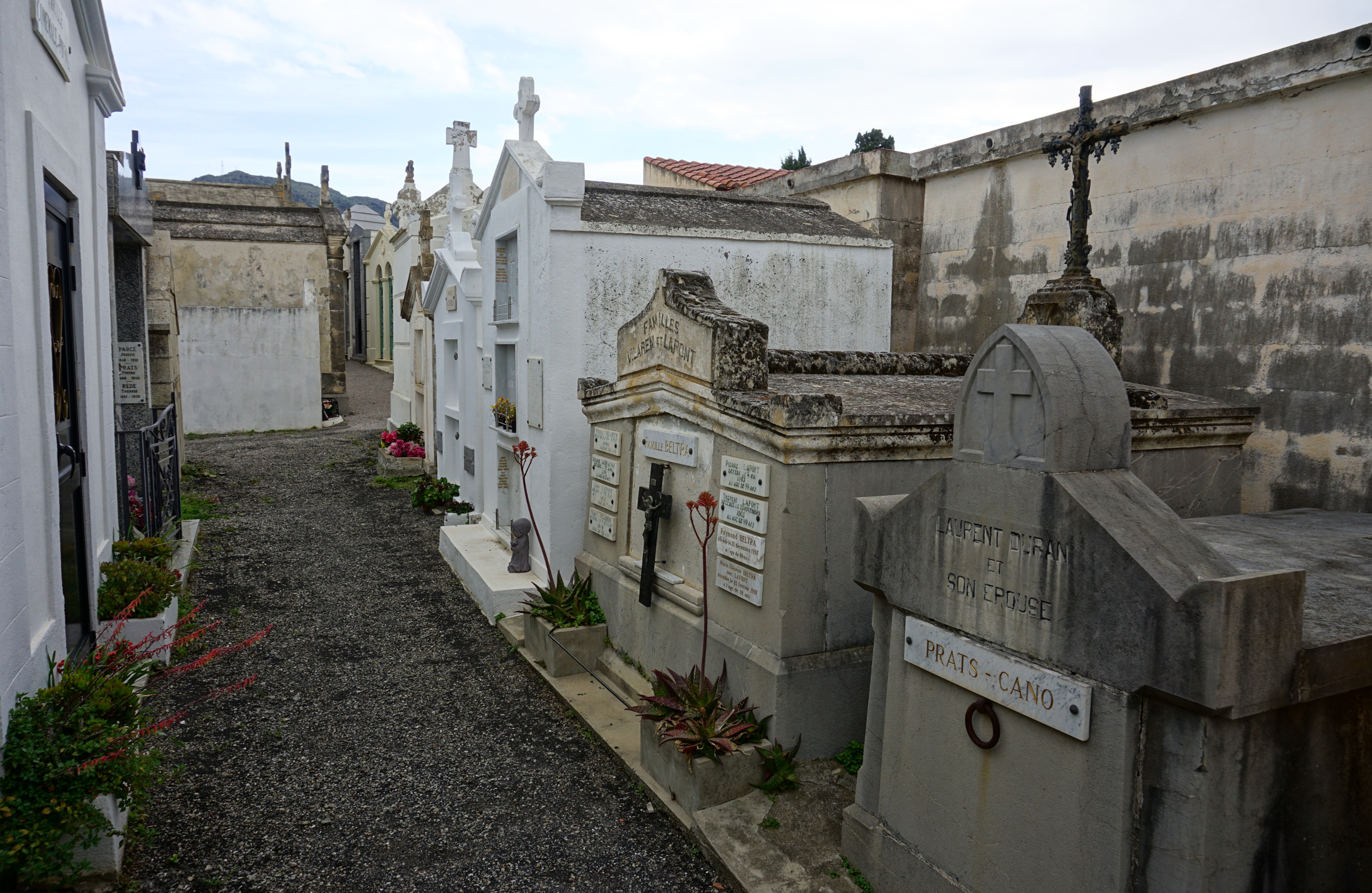
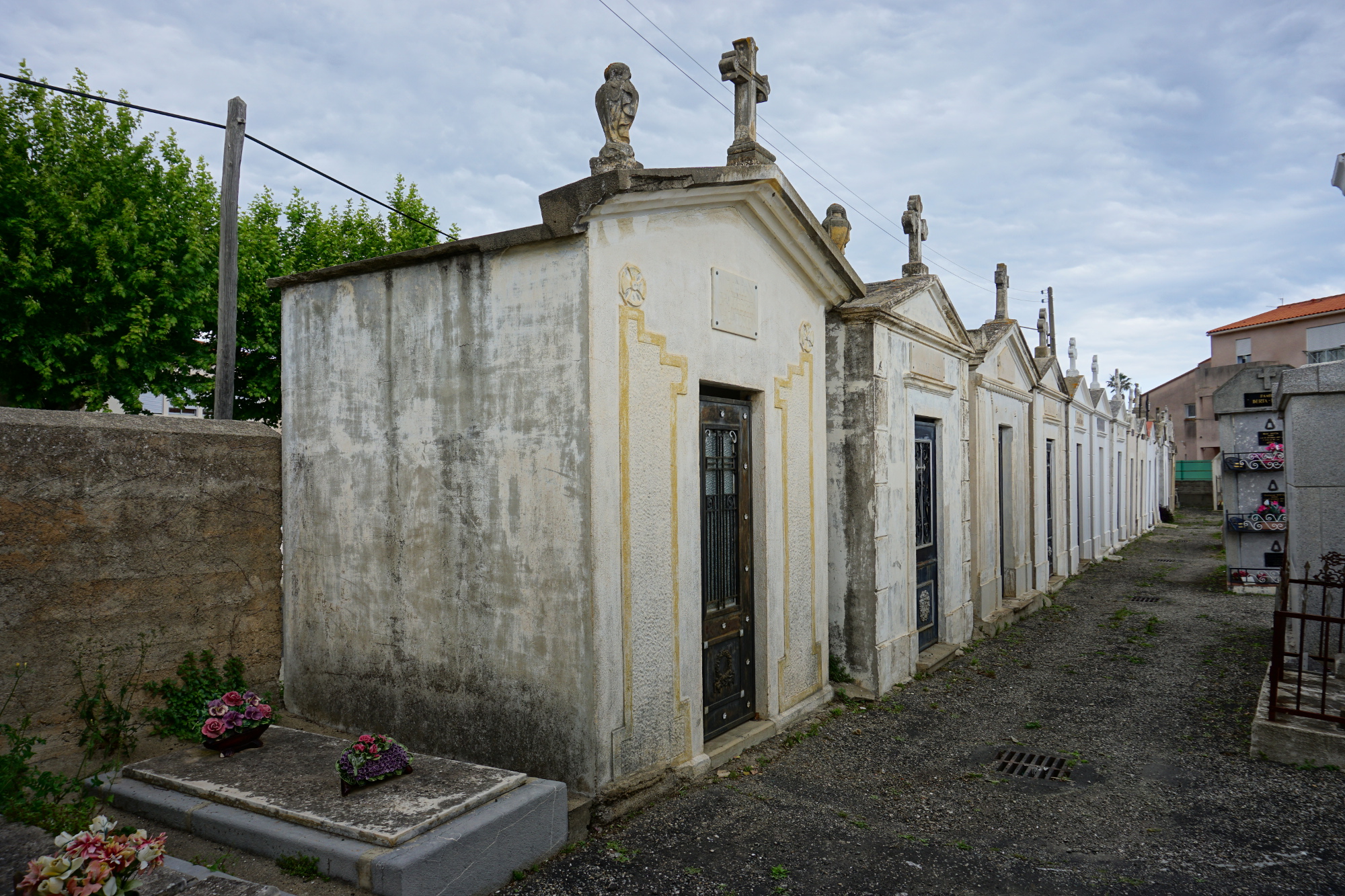
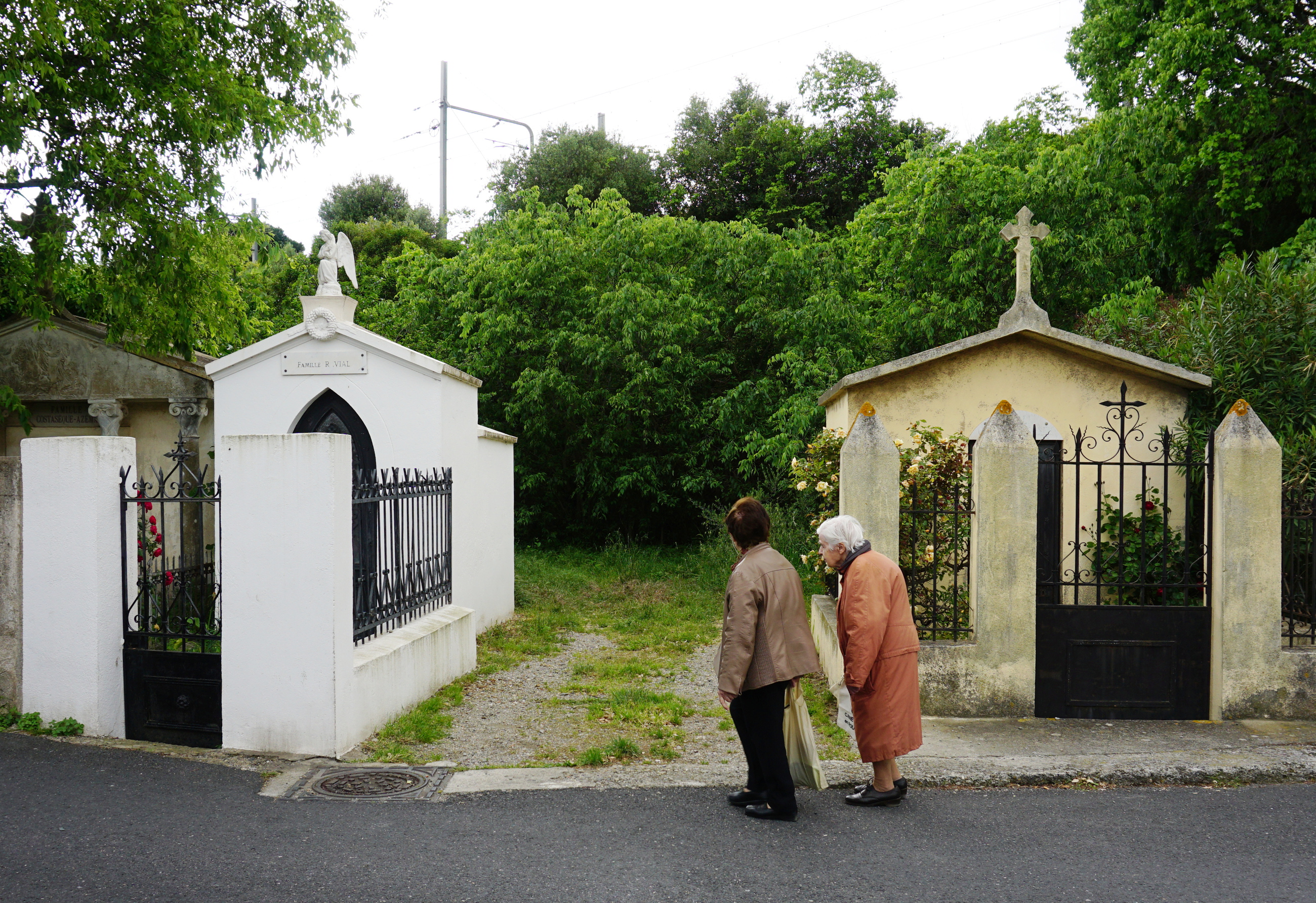
As the train was nearing this town, I had noticed from the window that there was a cemetery that reminded me of the one we had toured in New Orleans. So later in the afternoon I set out to find it. Using the most basic pieces of French I know, I saw a woman on a chair in front of a small shop. I told her that I don’t speak French and asked her if she speaks English or Spanish. Uh, no, she didn’t. So I asked where the cemetery is. She replied ” which one? There are three”. With a few words and some gestures I conveyed that I had seen one from the train. Right away she knew which one I sought. She pointed down the street, said a few sentences that included the words for right and left, and I was on my way!
Near the train station there was some agricultural land.
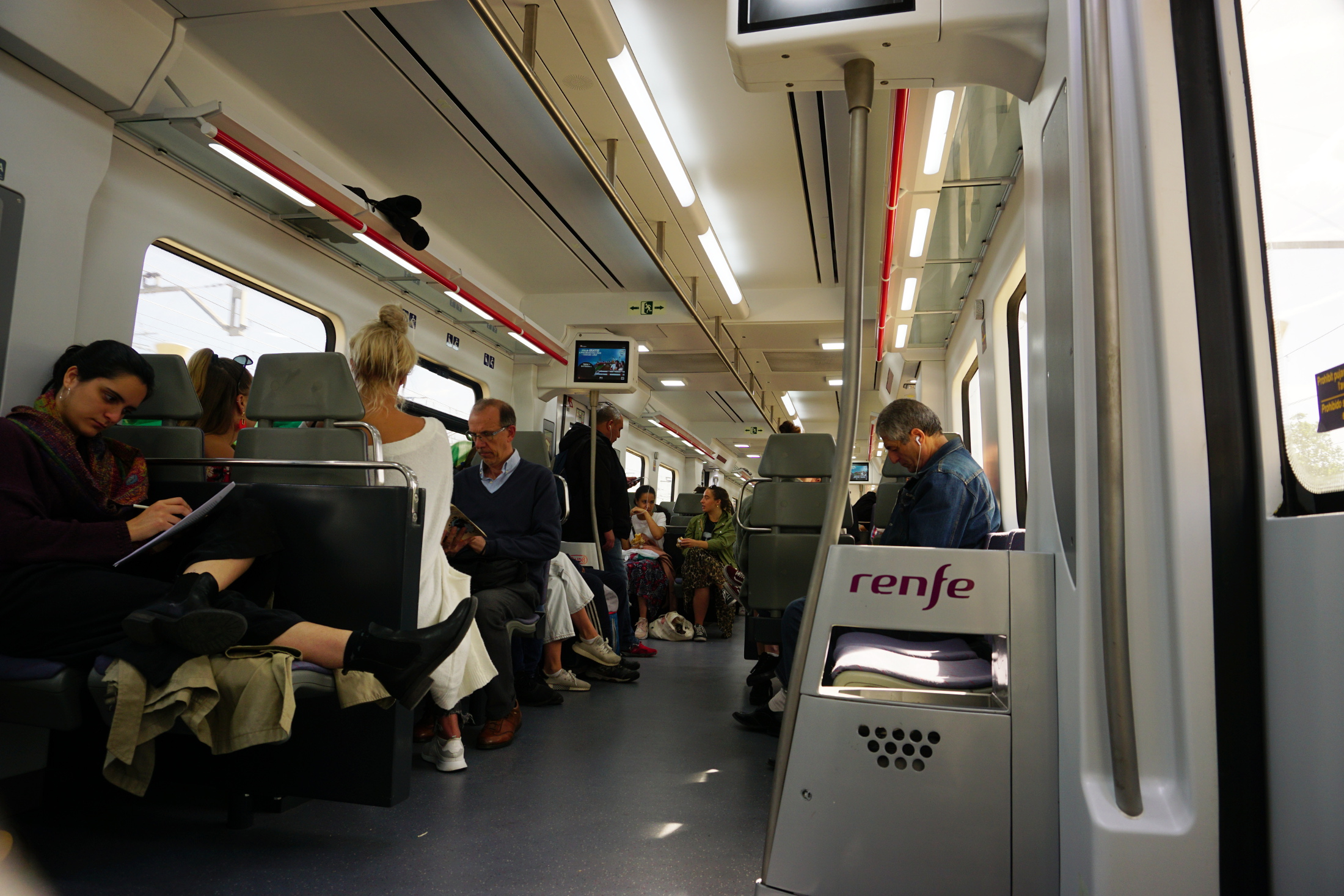
The French train was actually quite nice compared with the Spanish regional one I had been on heading from Barcelona. Based on some strange arrangement between the French and Spanish railway systems, the Spanish train heading north can cross the border and drop the passengers off inside France. Heading south, it is the reverse. The French train crosses the border and drops everyone in Portbou.
But before leaving France there was another passport check.
From Portbou, back to Barcelona on Renfe!
Banyuls sur Mer has definitely been added to my “go back and visit again” list!
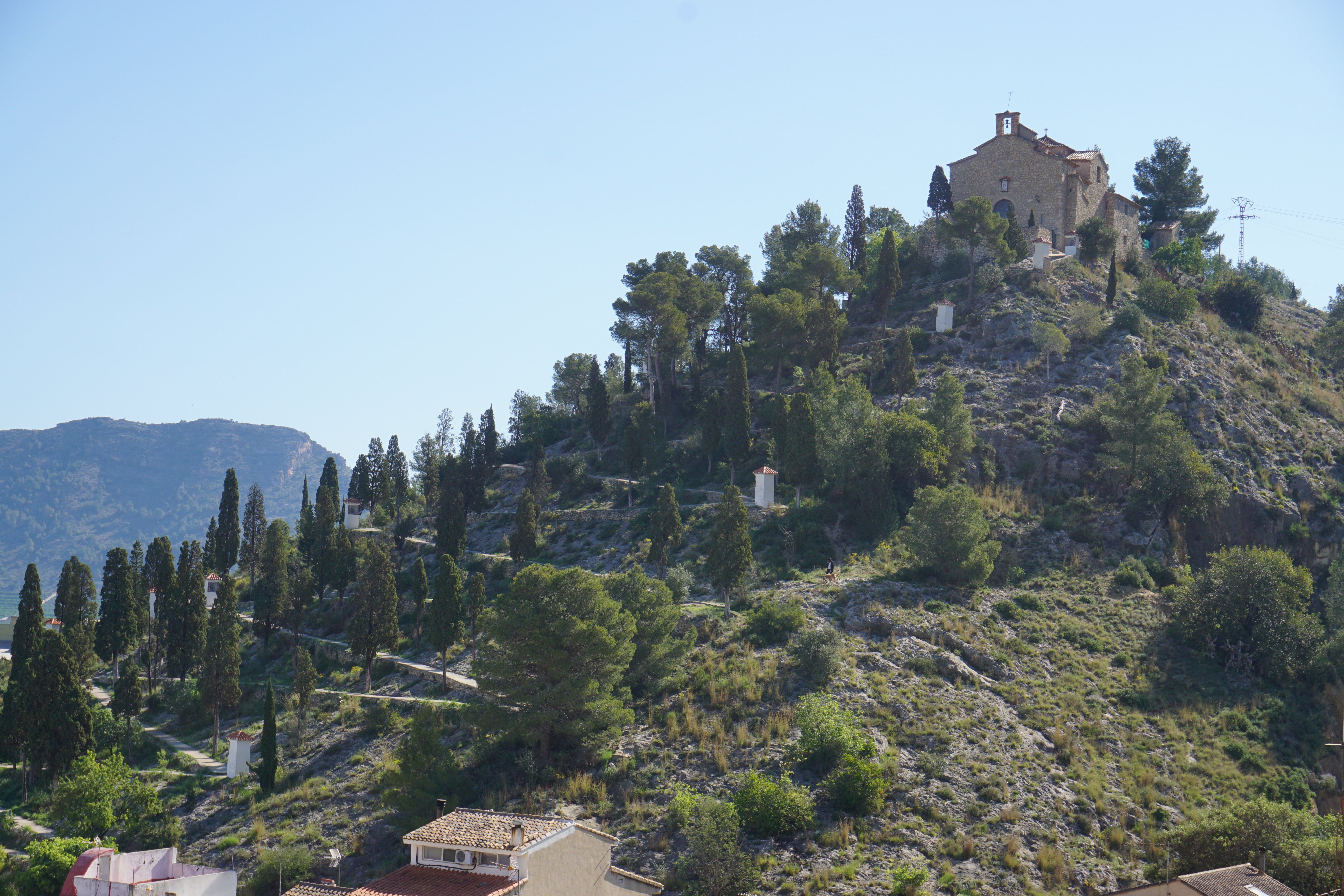
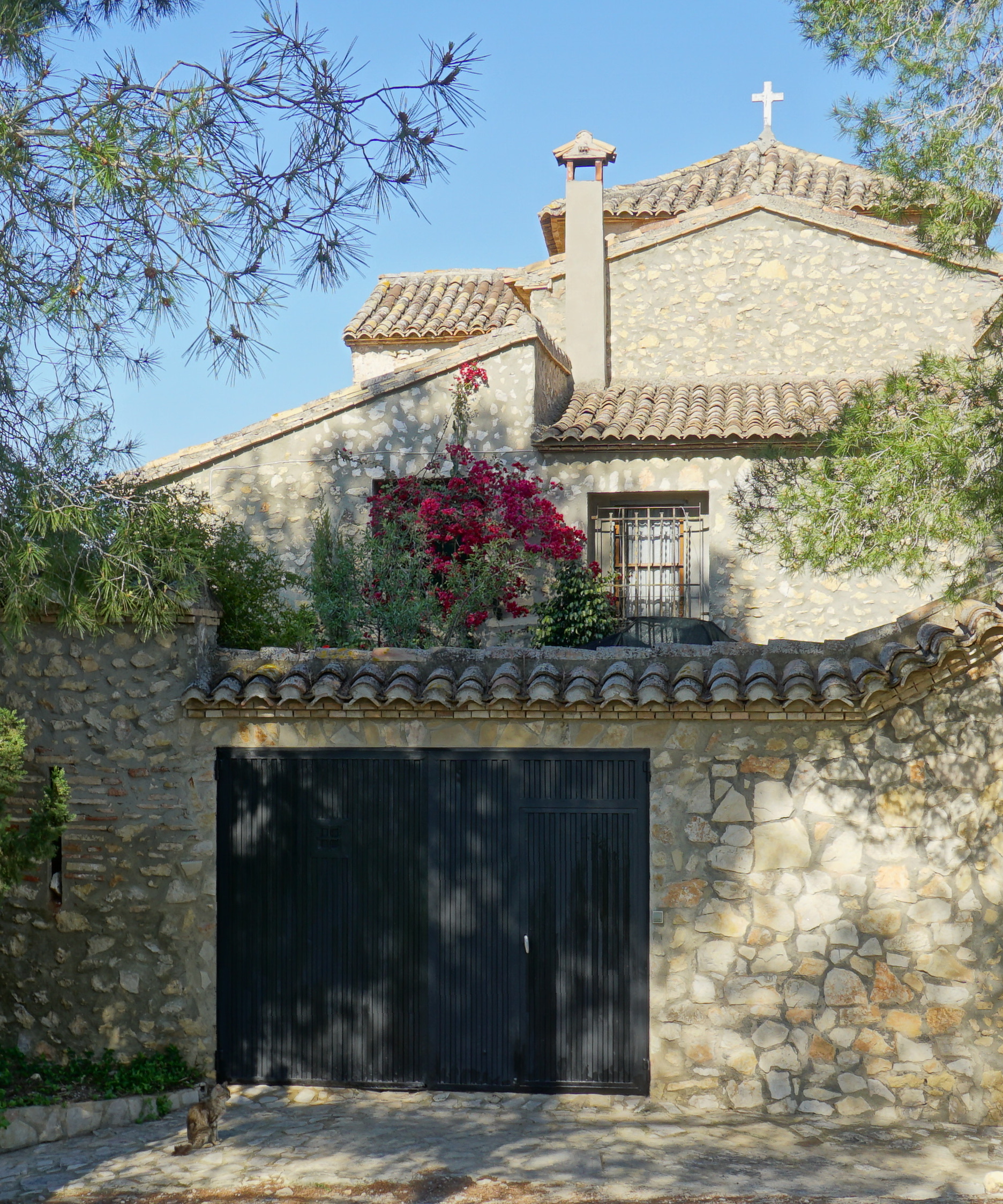
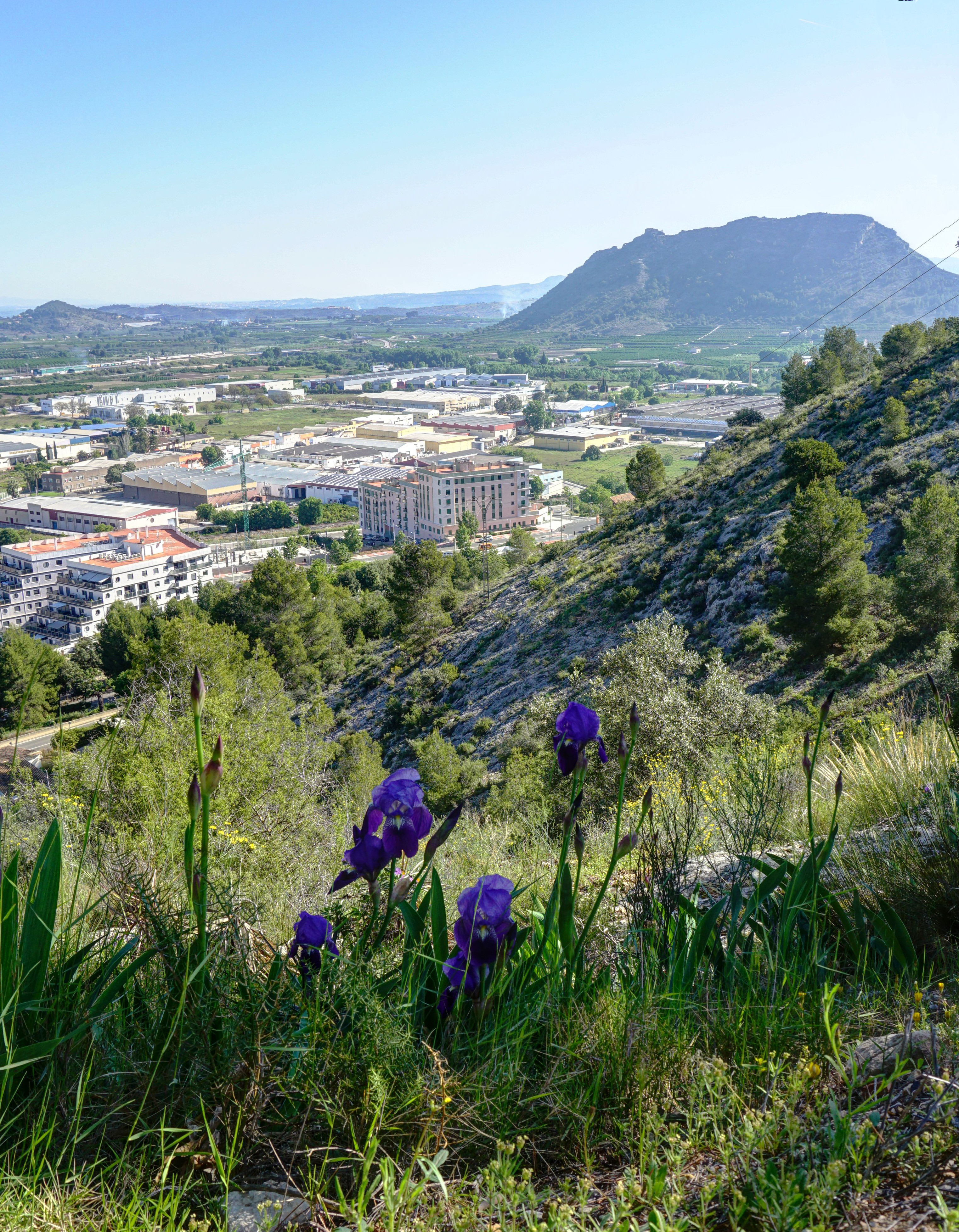
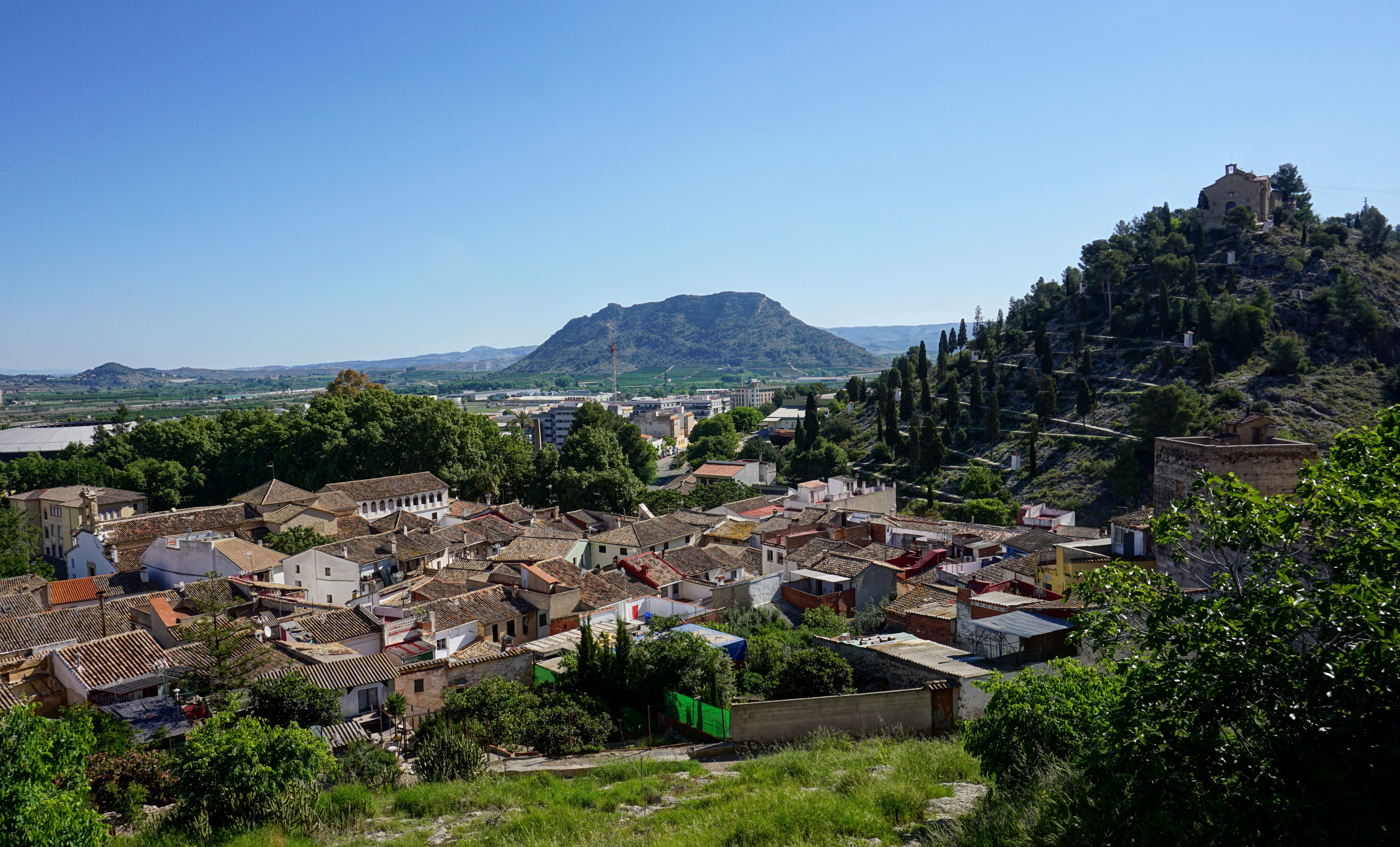
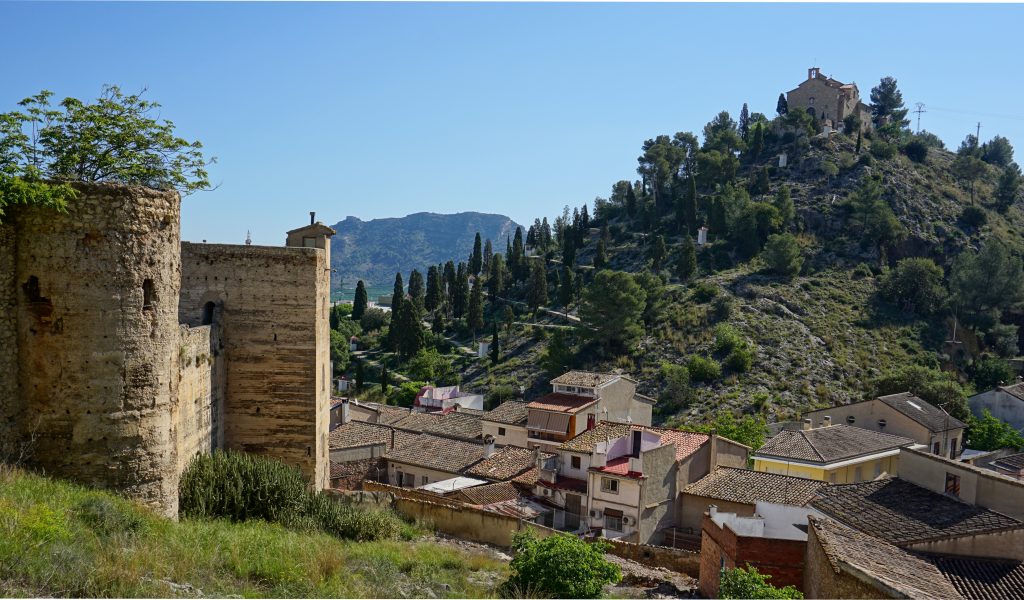
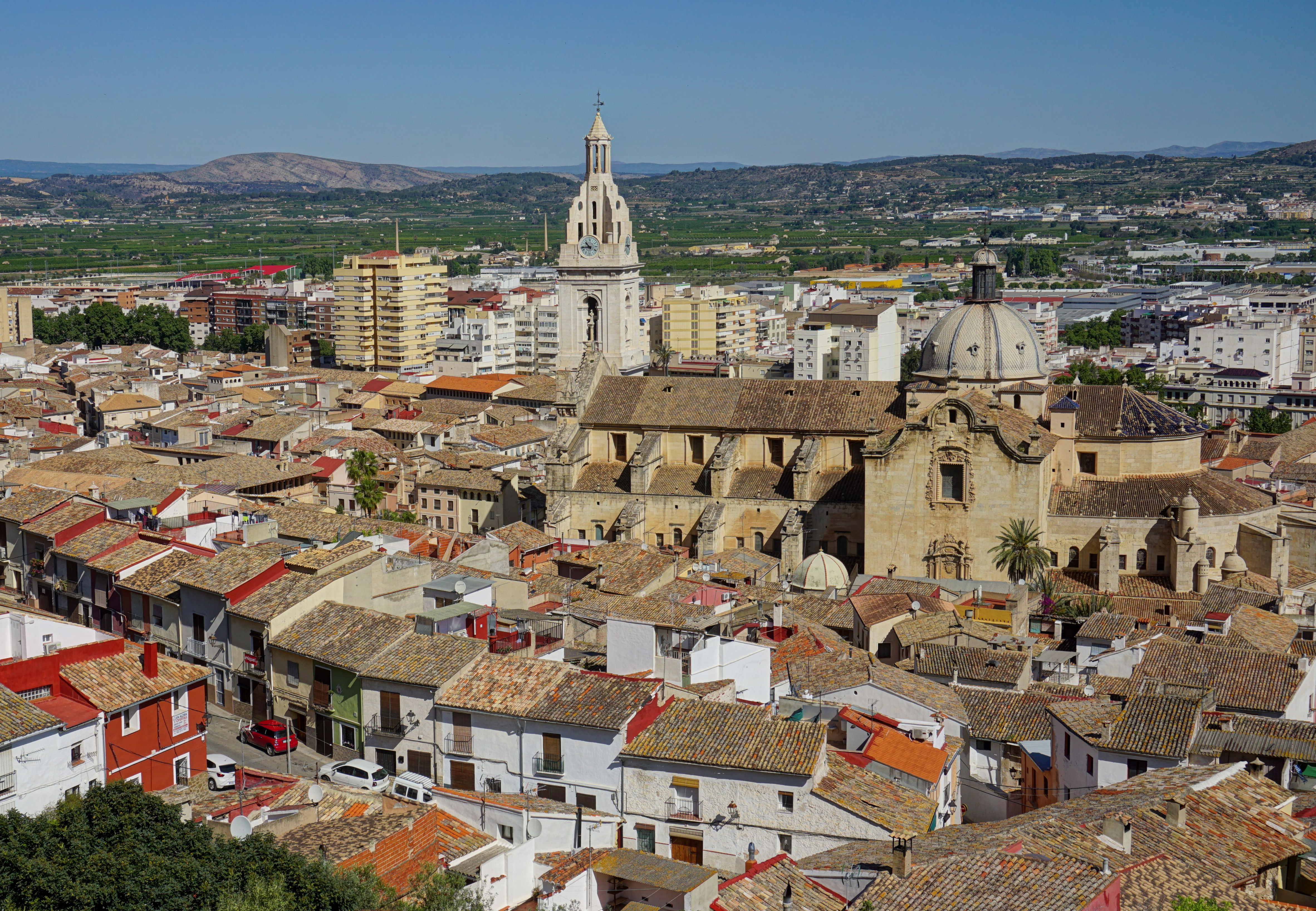
The hill upon which lies the “Calvario” church has a great view over the city, as well as a great perspective of the castle. Morning is best when the sun is at your back and Xàtiva is basking in the glow of its rays.
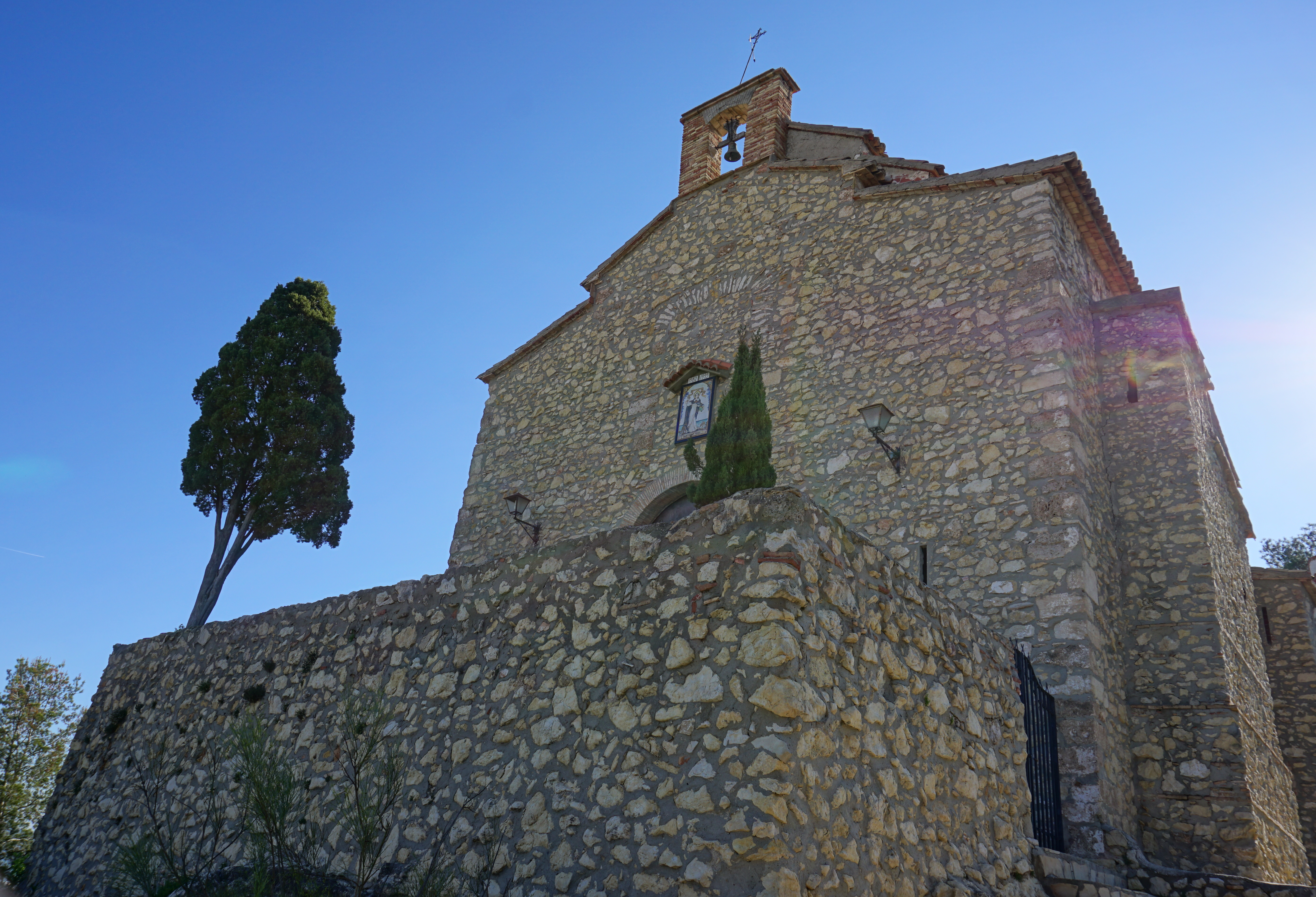
Ermita de Calvario Alto
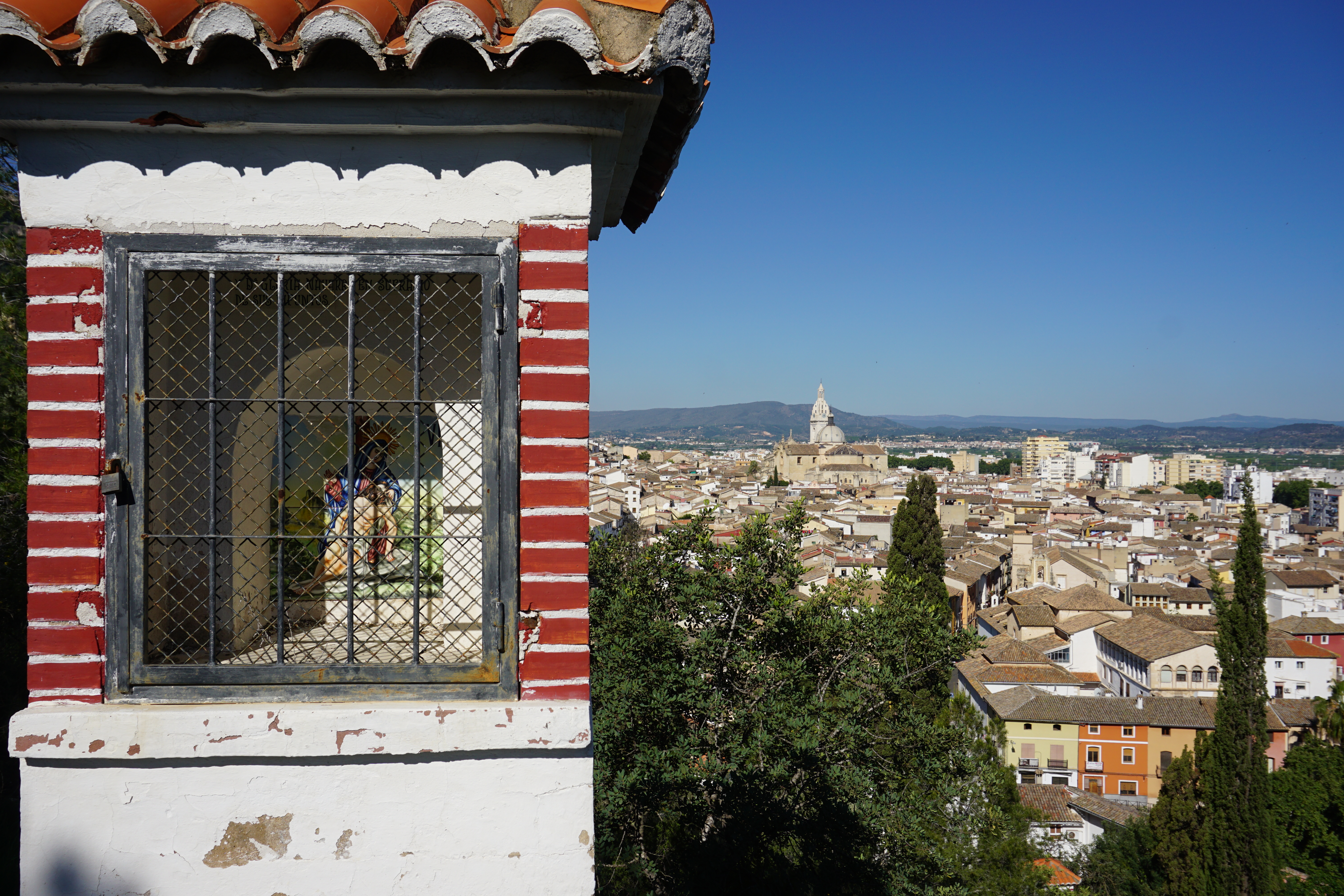
“Calvario”(Calvary) chapels are fairly common in Spain, typified by a zig-zag upward path with stations of the cross at each bend.
By Xàtiva’s standards, this is a relatively “new” shrine, originally built in the 18th century and restored in the late 20th century. But the youth of the structure in no way detracts from the wonderful views as you climb up.
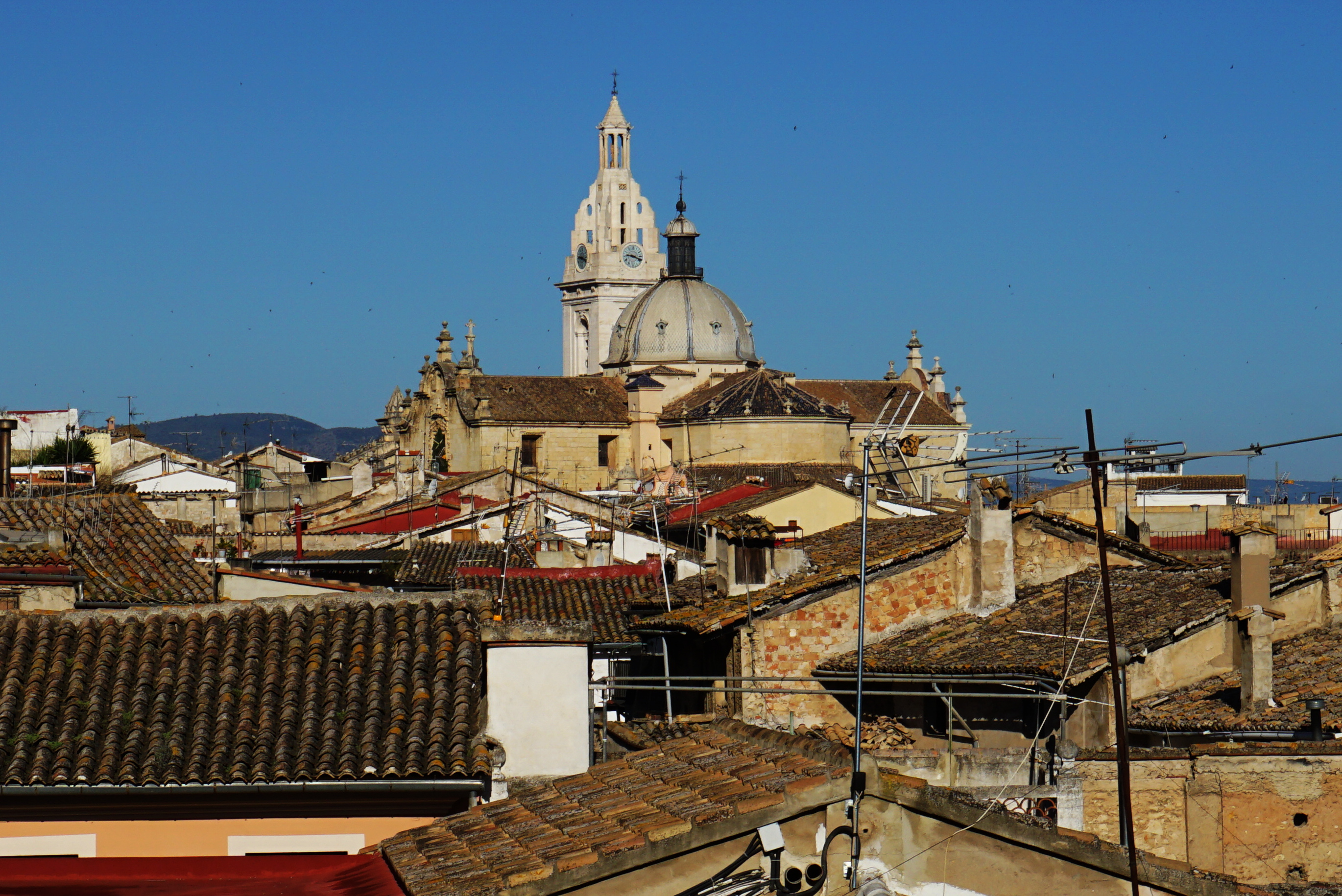
View over rooftops toward La Seu
Climbing the path up to the shrine one is treated to gradually changing vistas of the city and upward toward the castles.
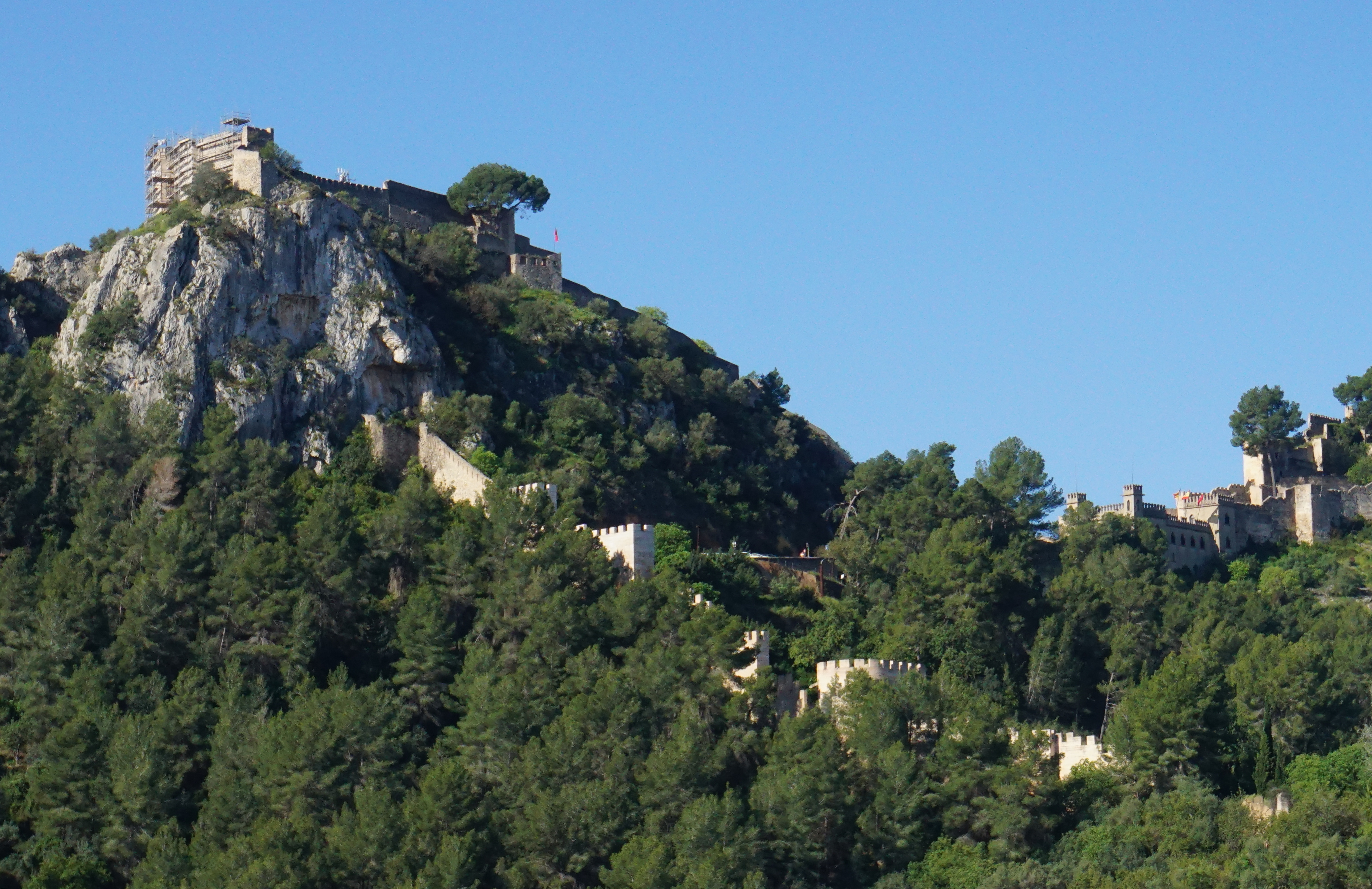
Small neighborhood outside the medieval wallRepairs underway to the upper castle
In the photo above, you can see scaffolding in place as part of the upper castle undergoes repair work. The section of castle on the right include the current entrance to the castle. Click on the photo if you want to zoom in!
Ermita de Calvario AltoBack side of the shrineView toward El Puig
The hill in the background of the above photo is “El Puig”. On top are the ruins of the Ermita de Nuestra Señora del Puig, which is under reconstruction to prevent its total collapse.
Looking past one of the “stations of the cross” toward La Seu and the “old quarter” of Xàtiva
Time to head back down and walk home.
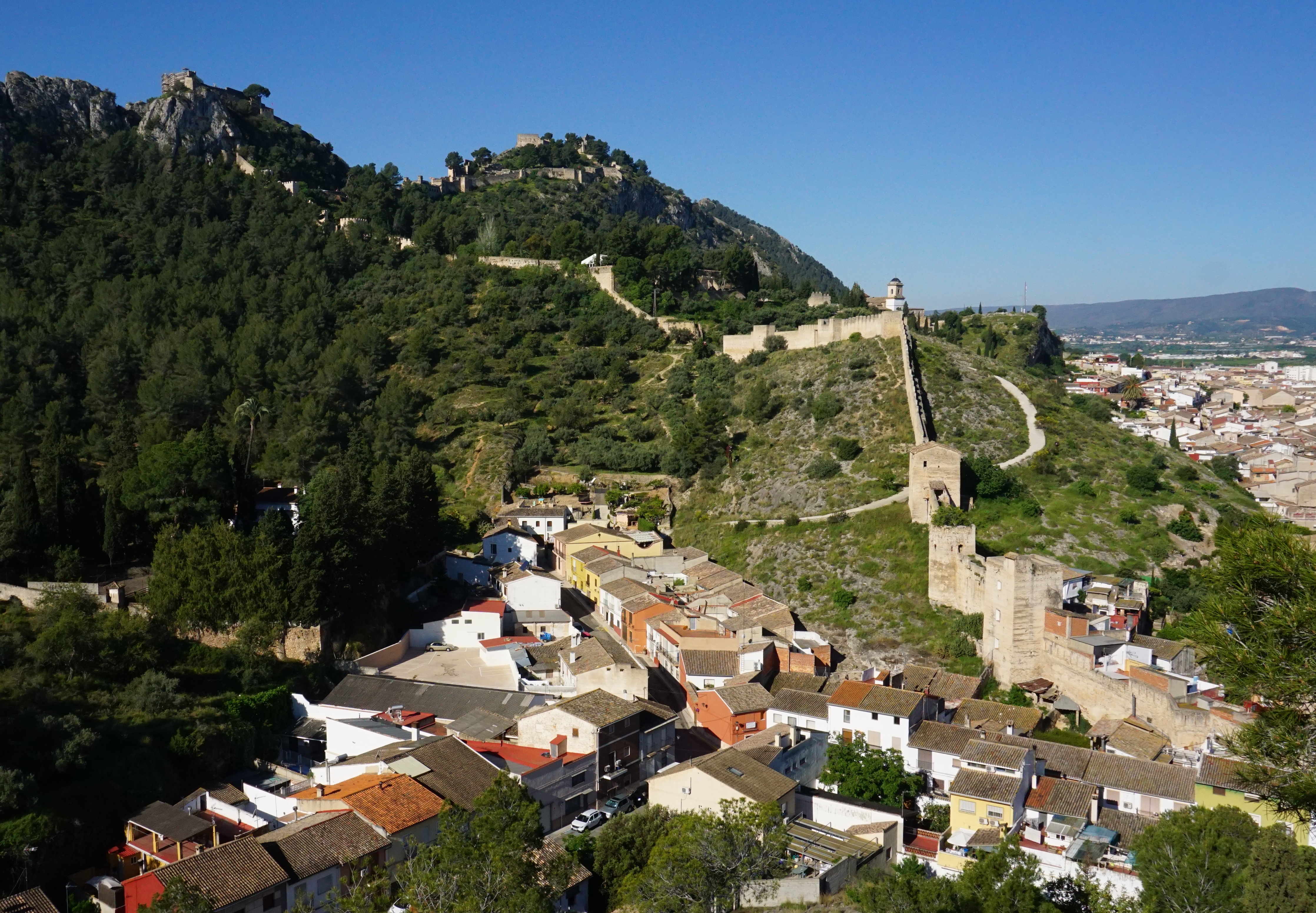
View (R to L) of Calvario, el Puig, and Colegio la Immaculada
At the left side in this photo we new see the “Colegio la Immaculada”, a primary school attended by a friend’s son and where my “cousin” Fanny teaches.
Medieval wall and Calvario
Heading back toward my house I climb upward toward a break in the old city wall.
View of the “casco antiguo” and La Seu, with the newer sections of Xàtiva in the background
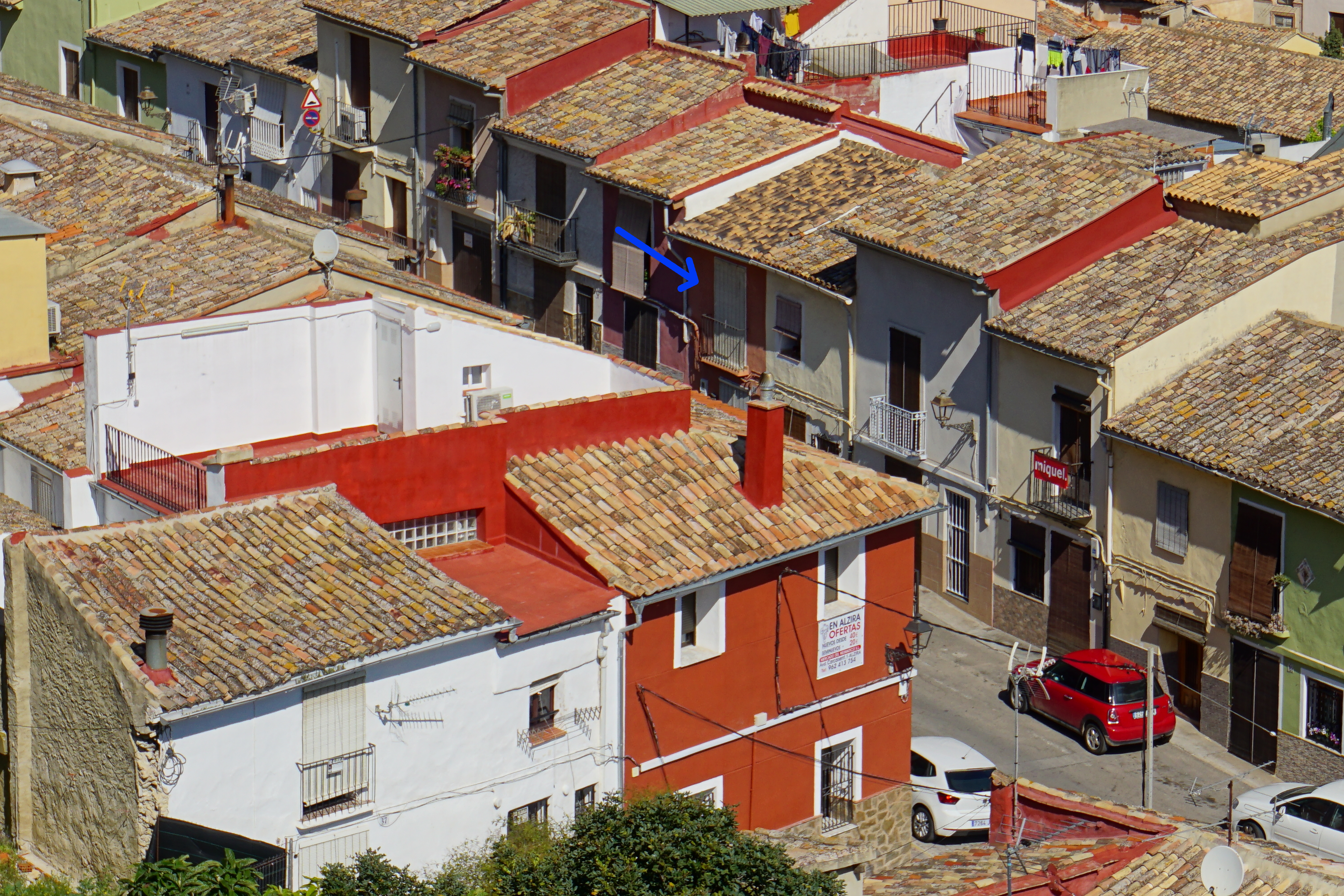
Heading home I get another view of la Seu and can also see the little street “Collar de la Paloma” and my house.
My house is indicated by the blue arrow
Above you can see an enlarged view of Rinconada Collar de la Paloma, and my home sweet home.
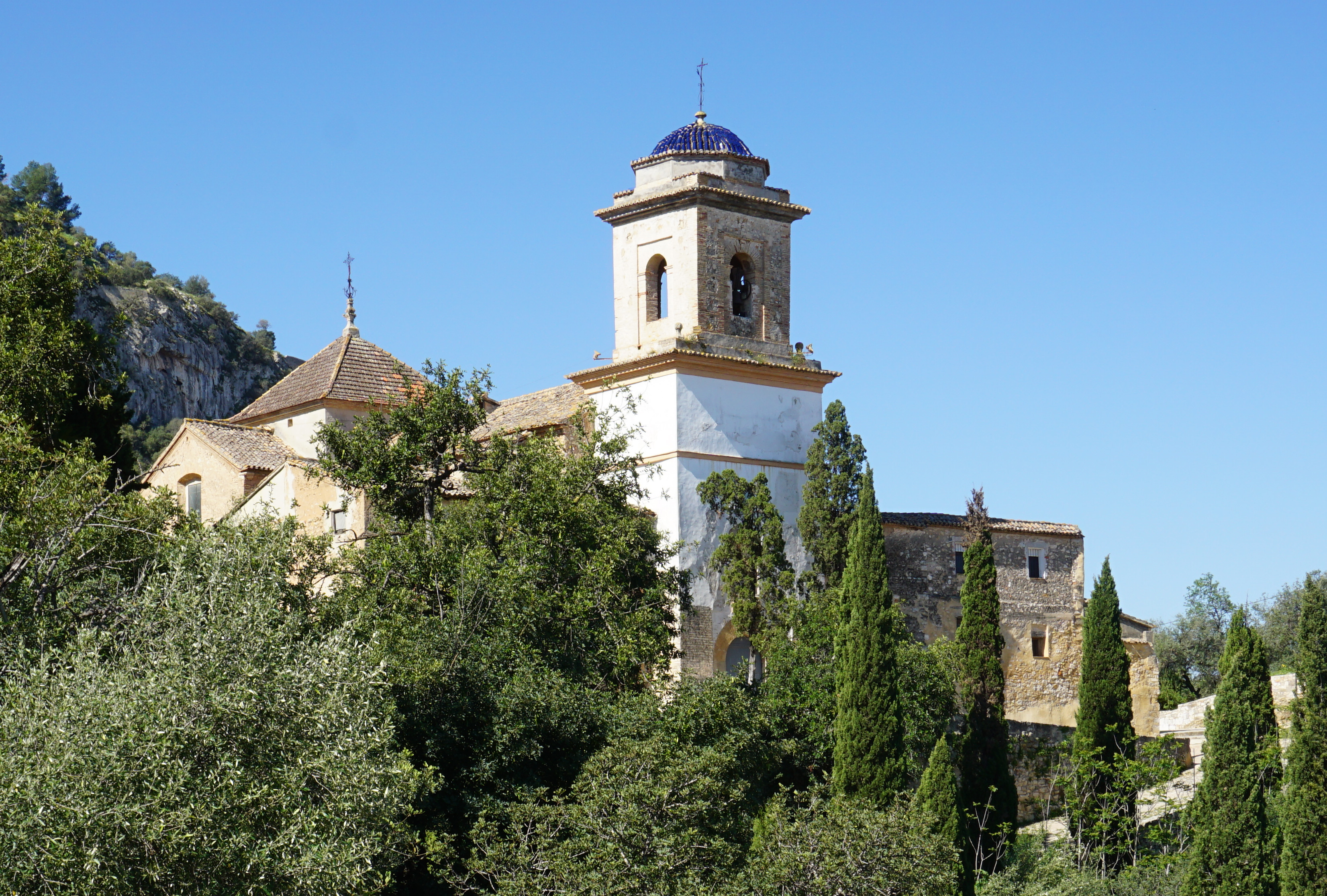
Ermita of Sant Josep
I pass one last monument- Sant Josep, before descending to my house.