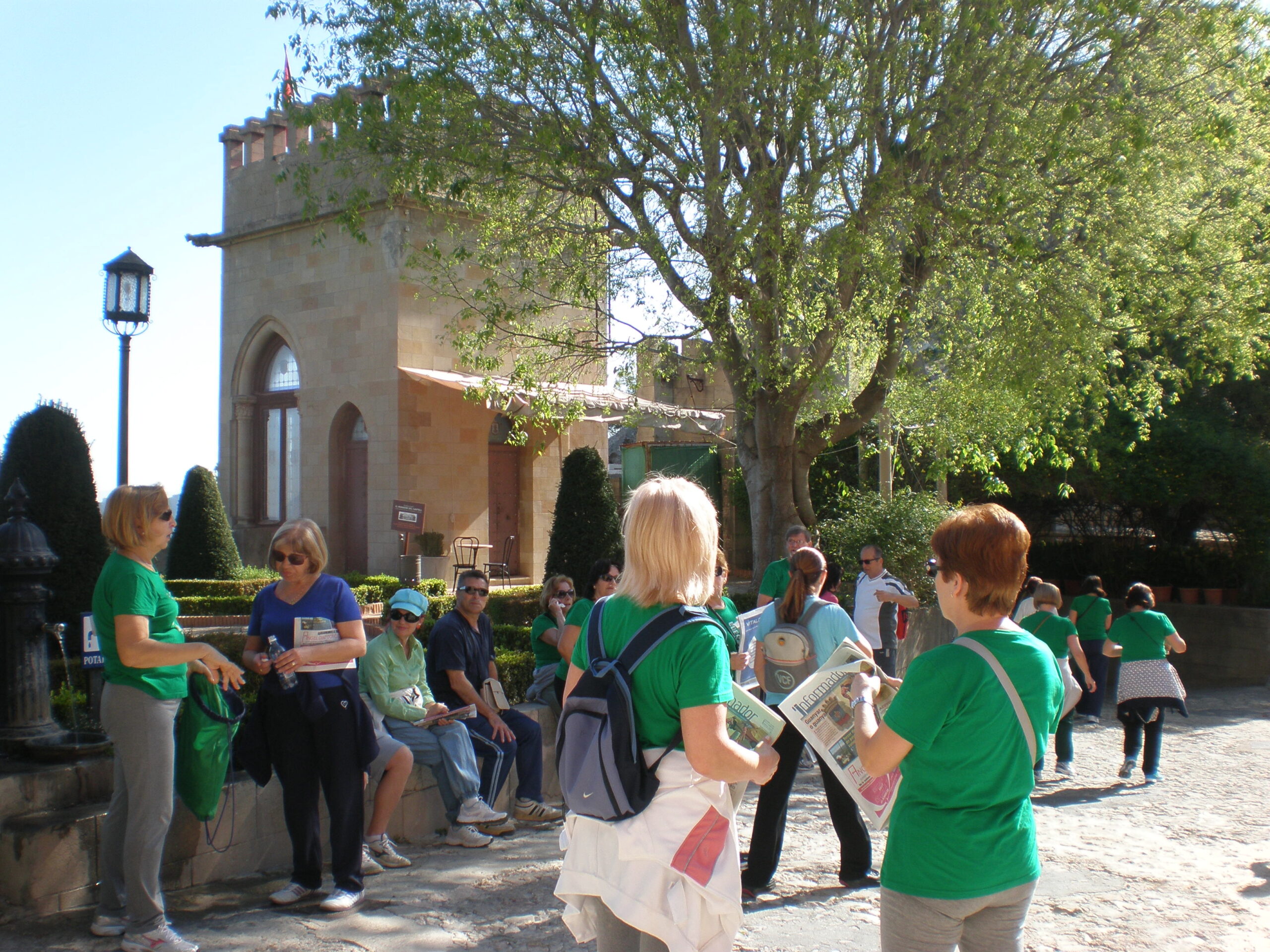
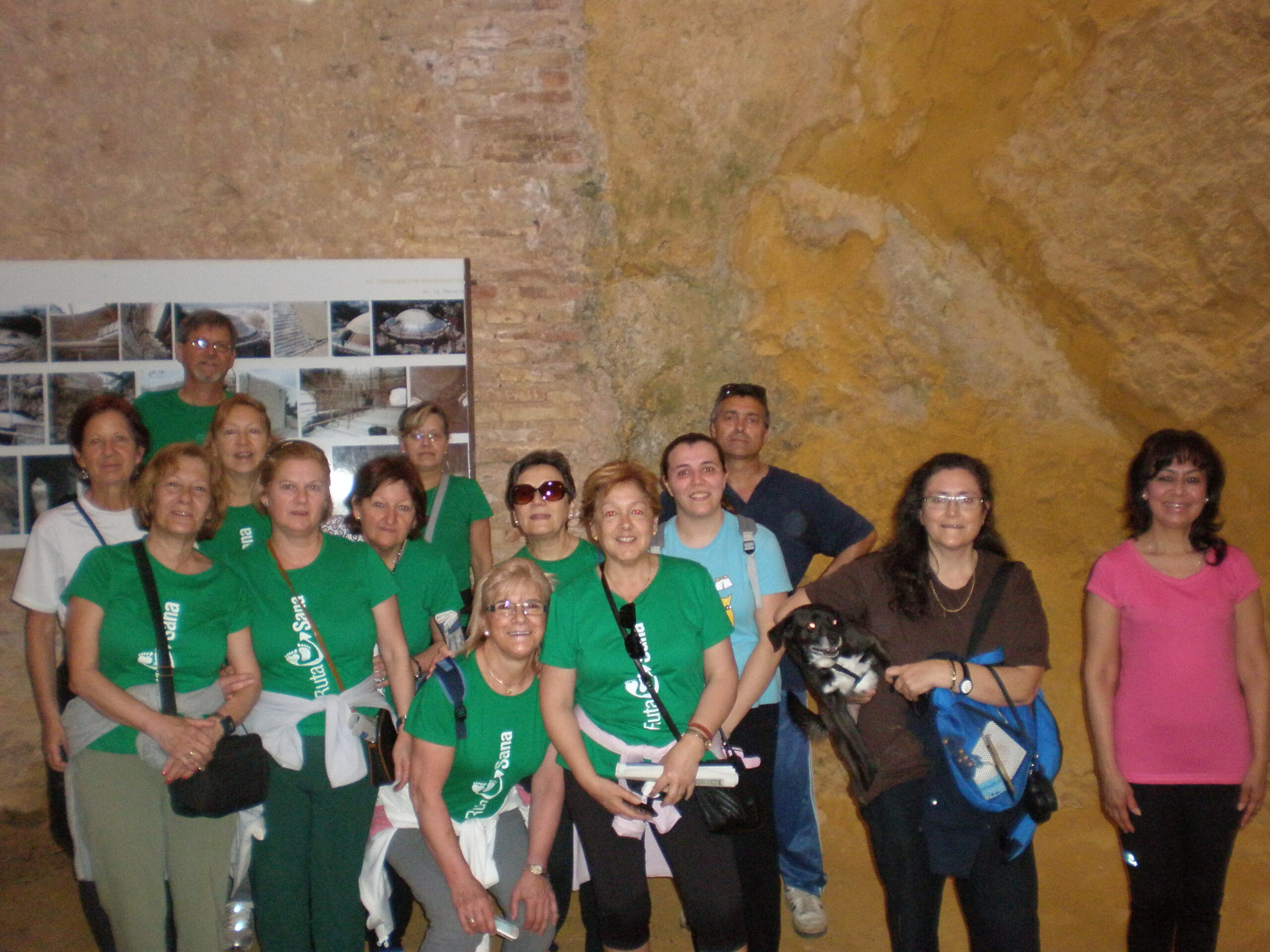
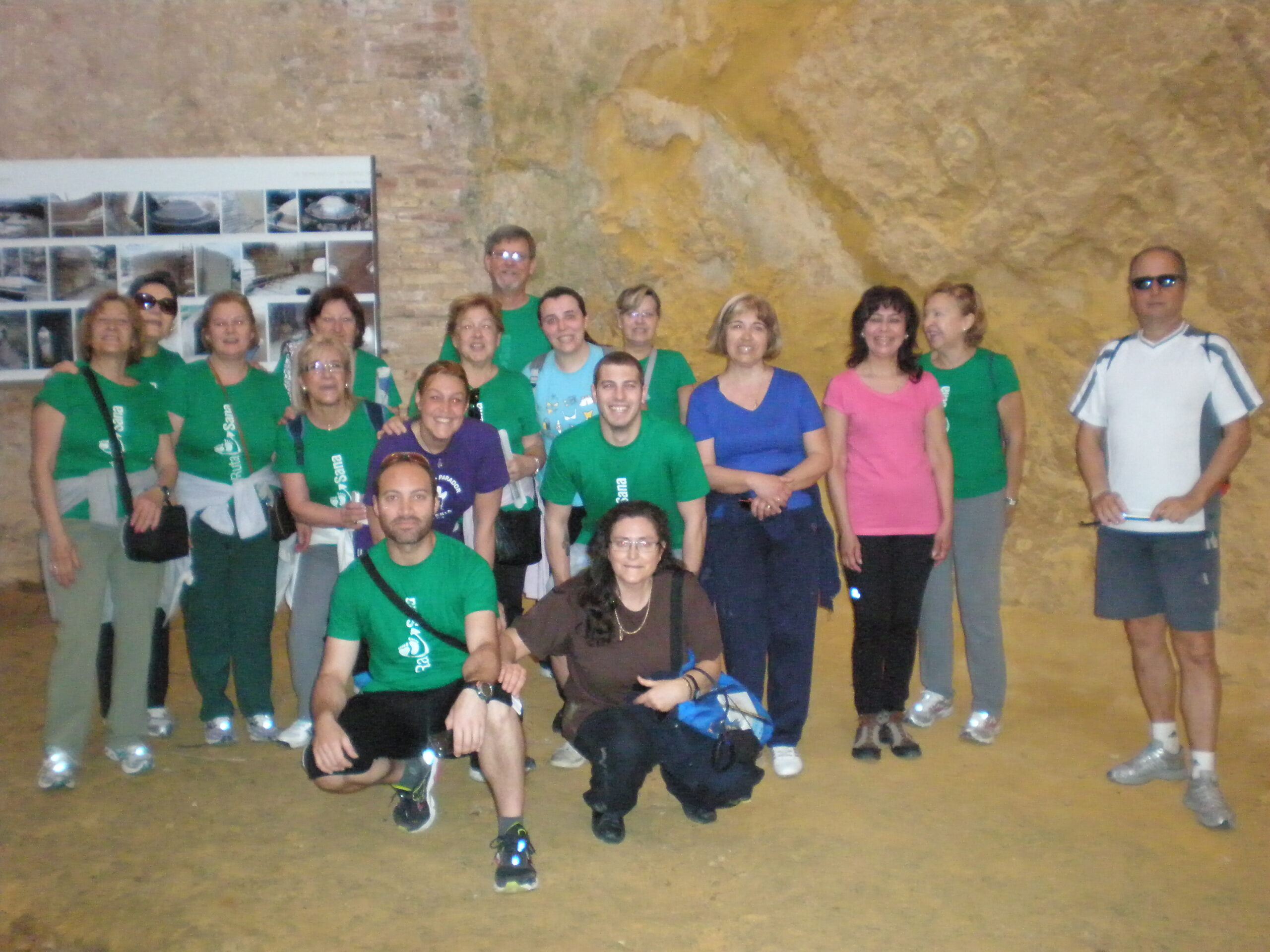
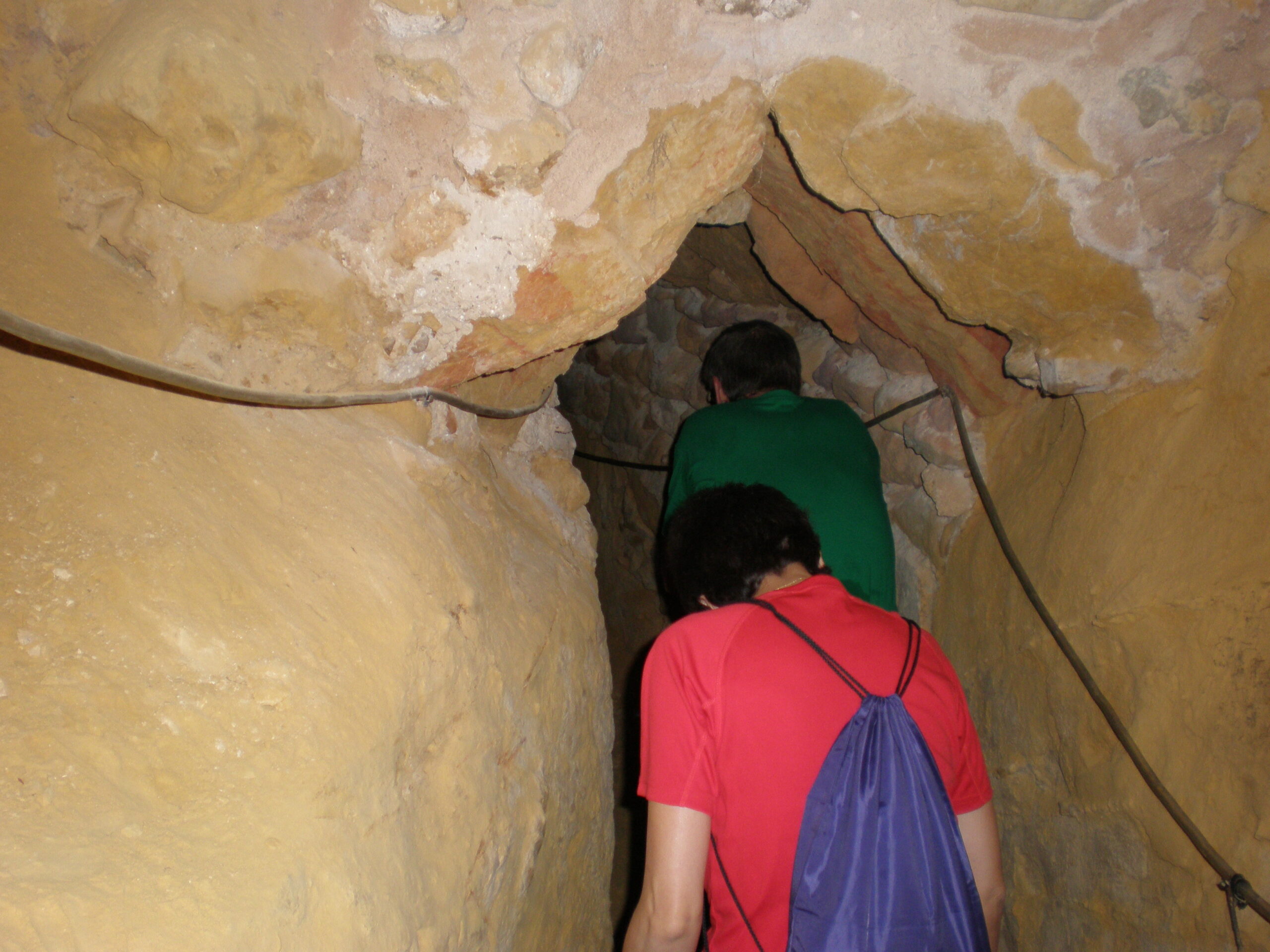
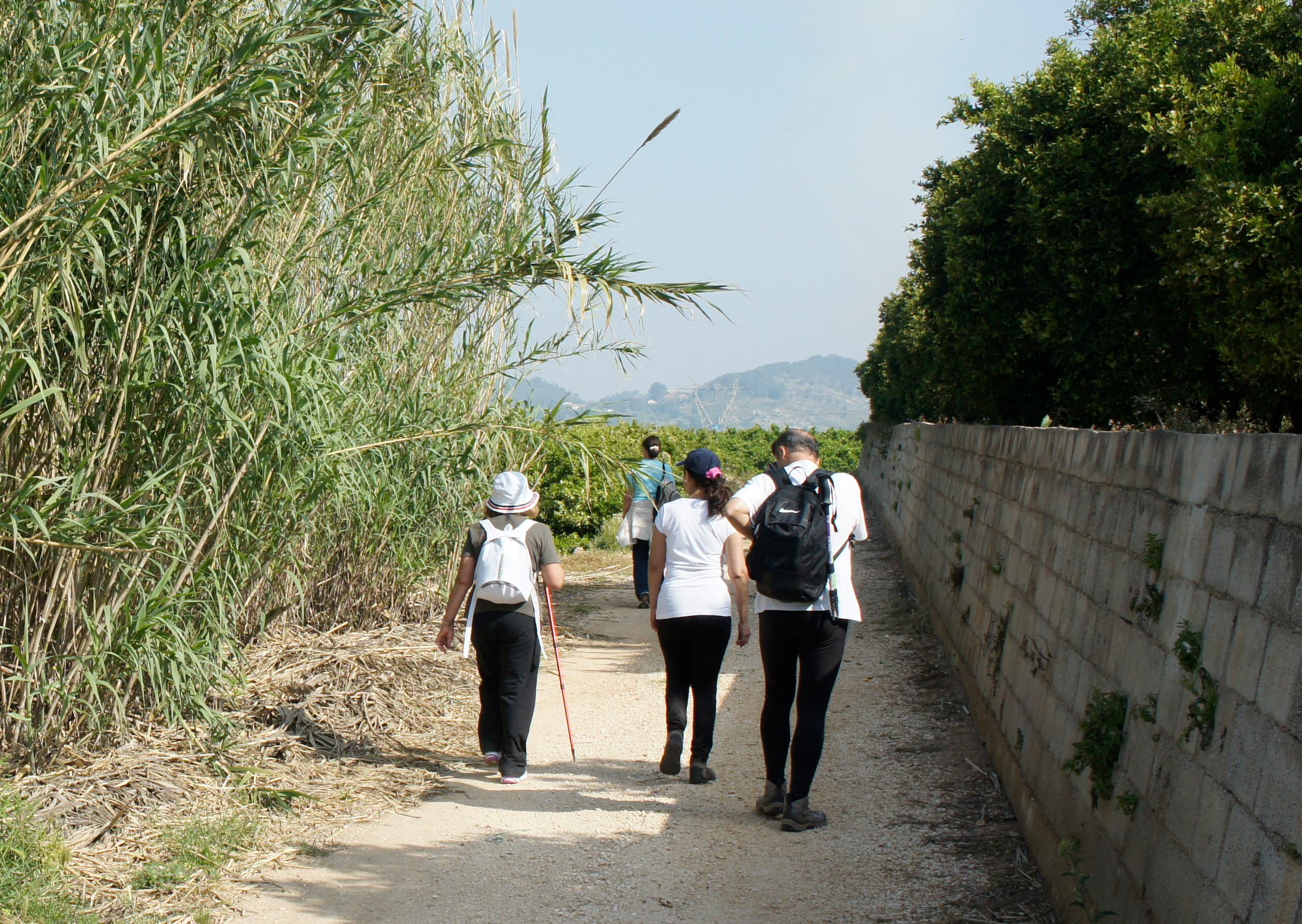
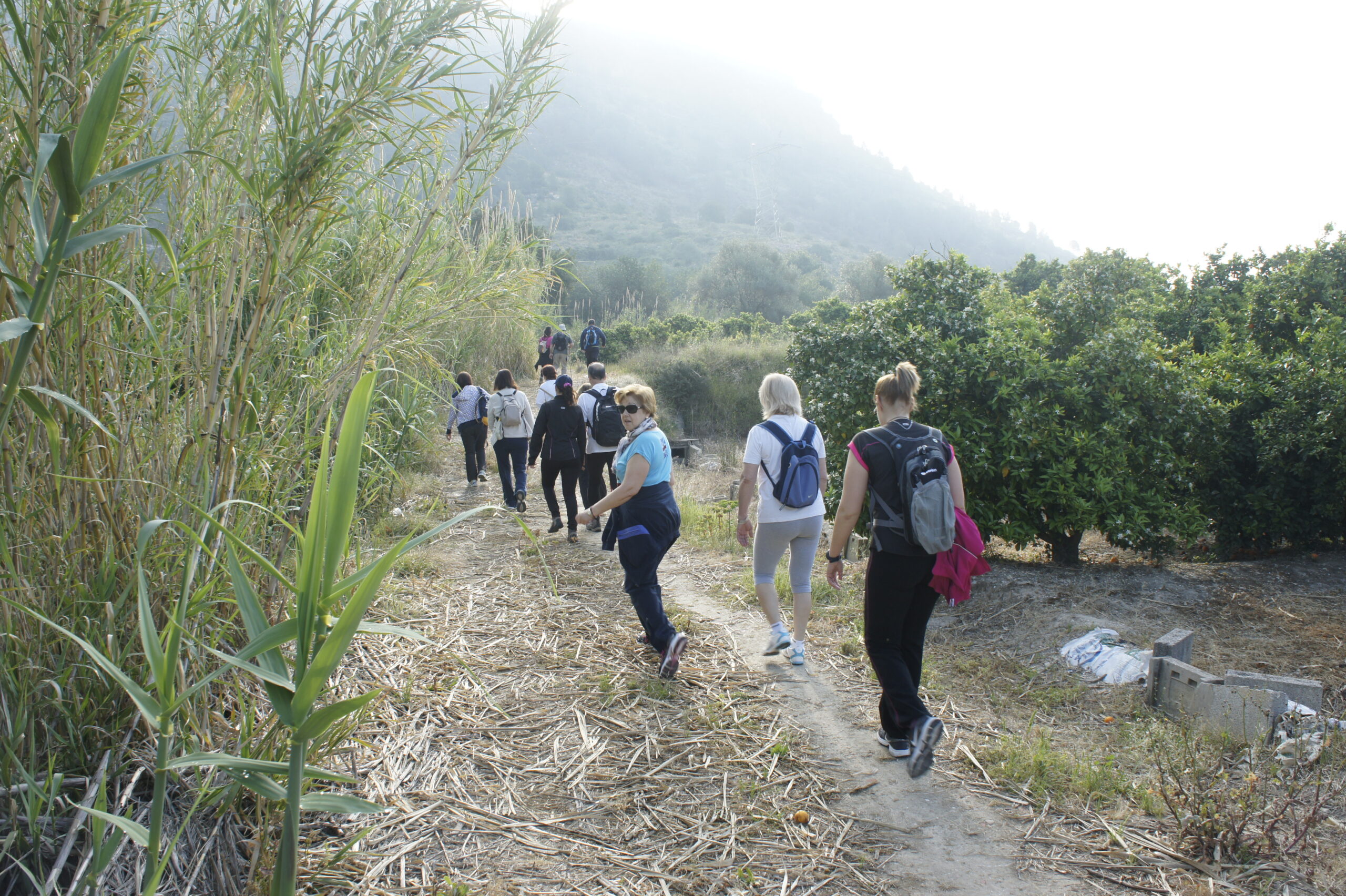
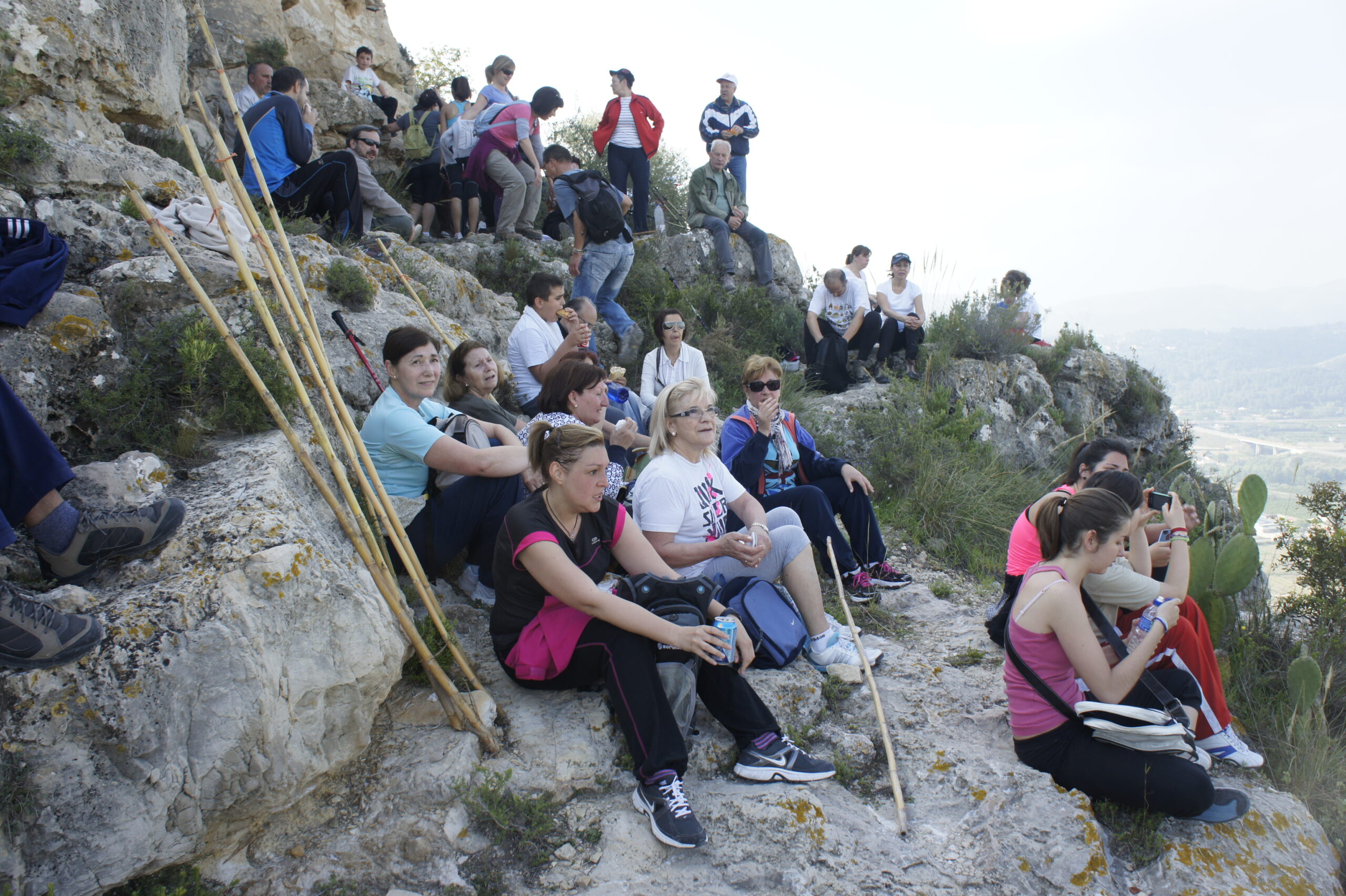
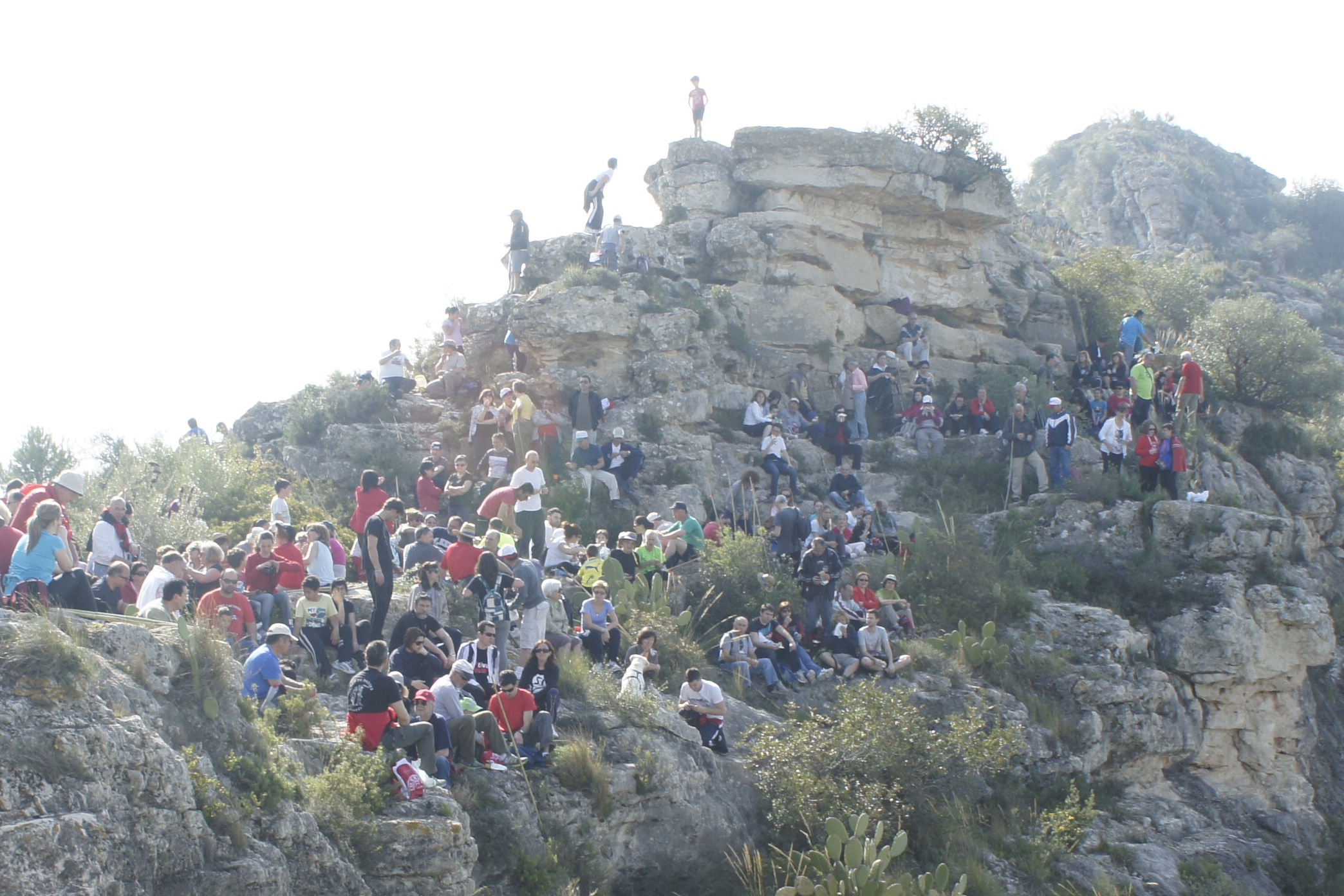
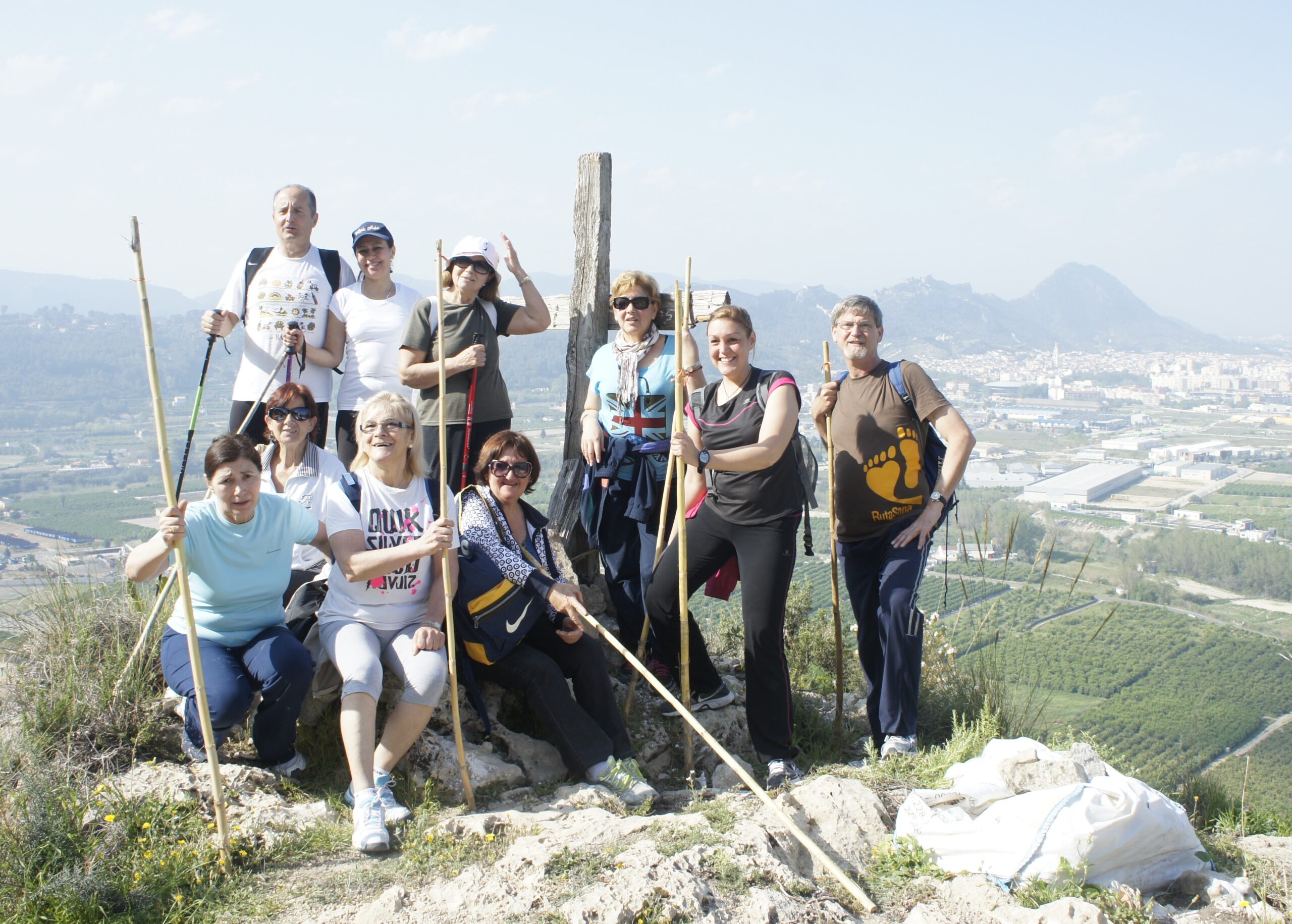
¡Esto es un “trabajo en progreso”! ¡Por favor, tengan paciencia!
Para ampliar las fotos: ¡Haga clic una vez para agrandarlas y luego haga clic nuevamente para agrandarlas aún más!
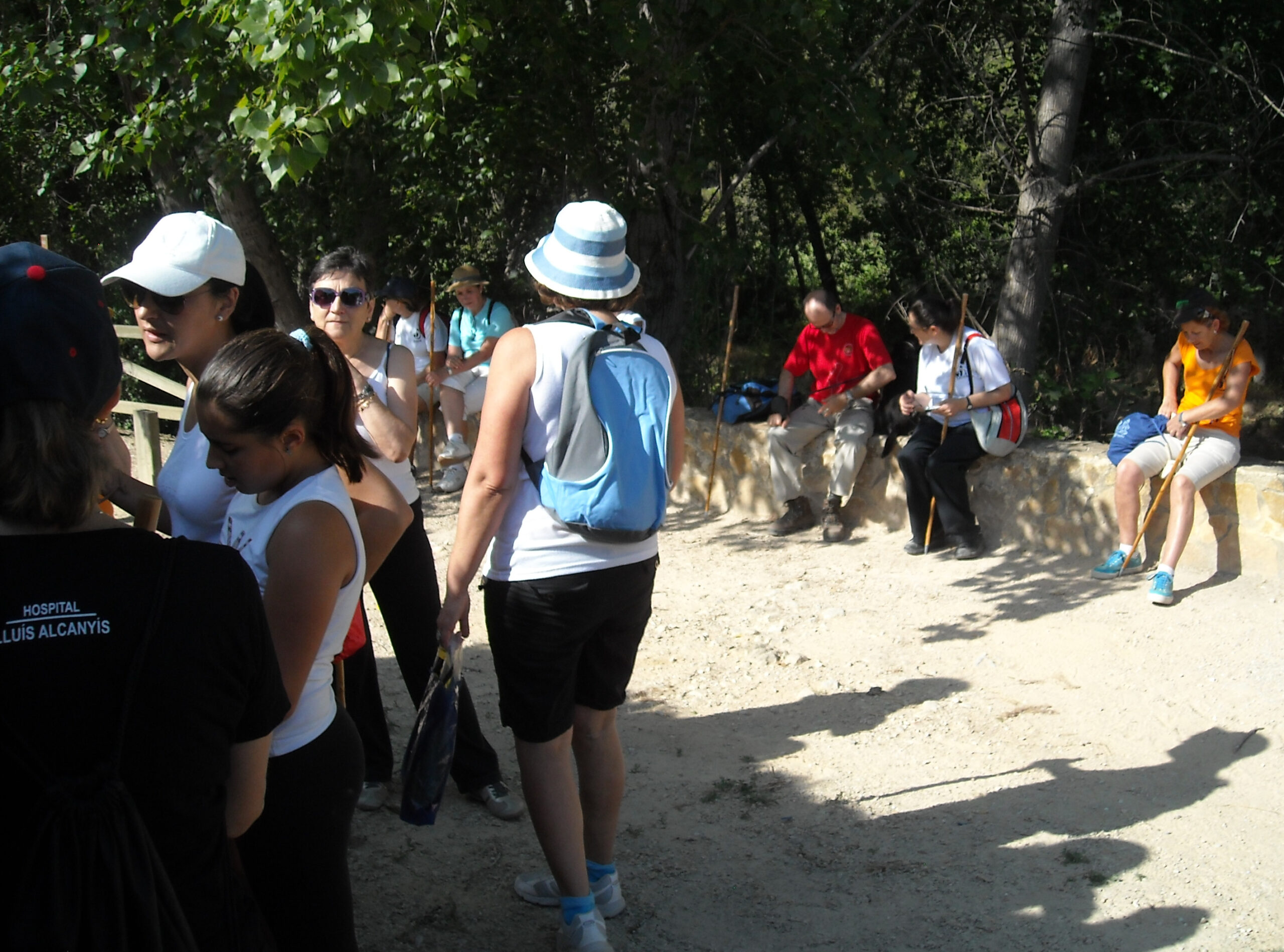
2009
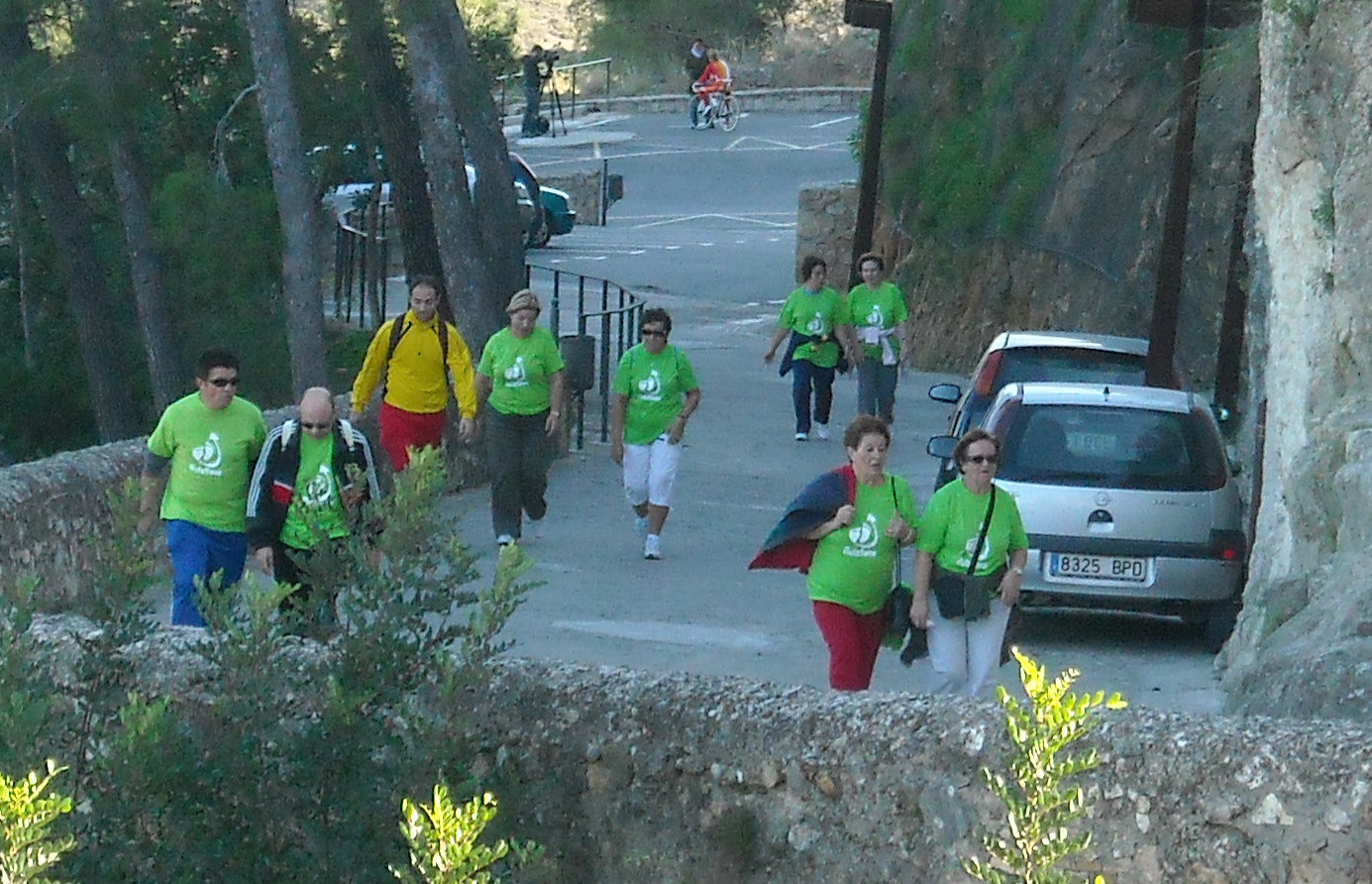
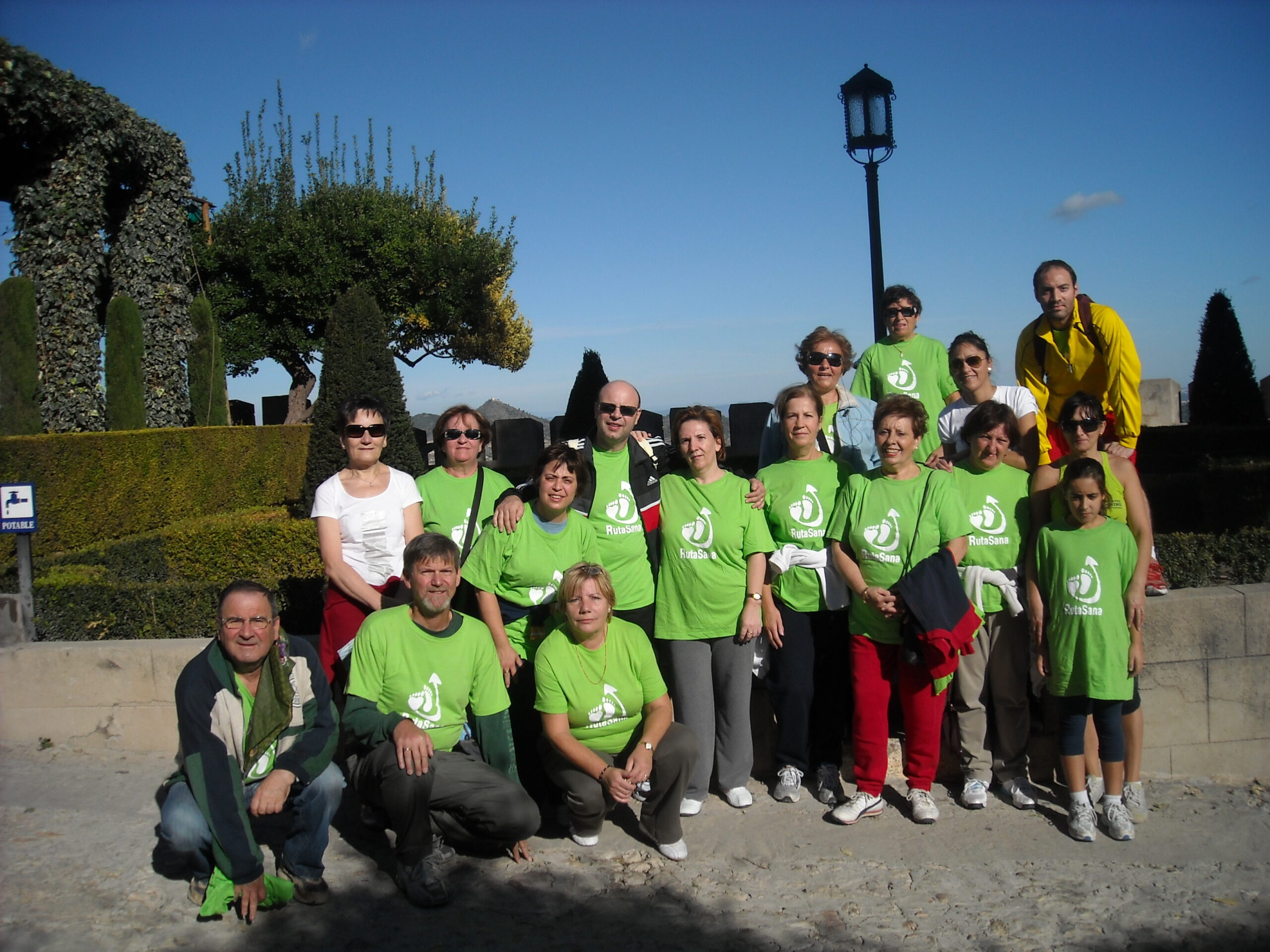
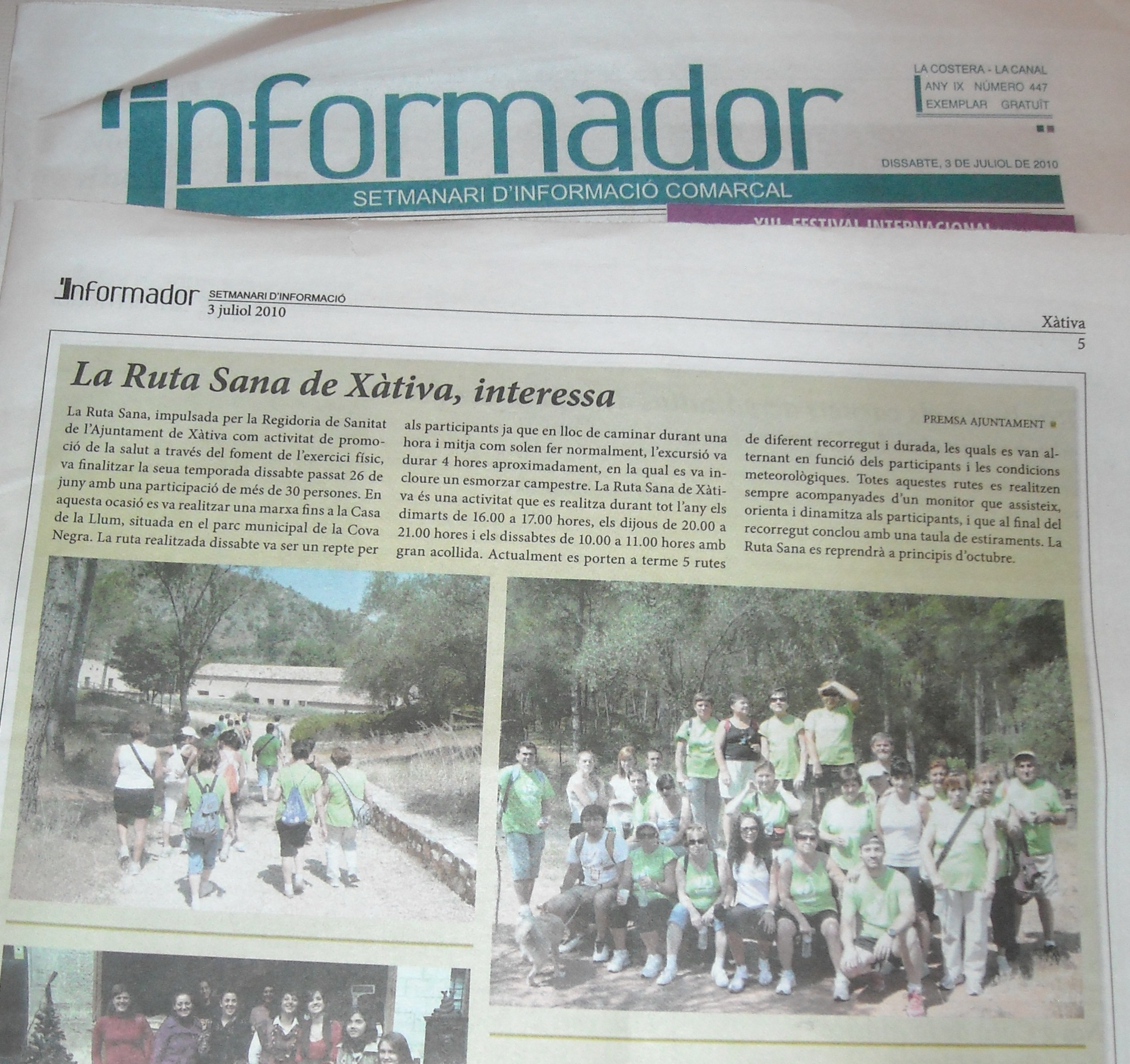
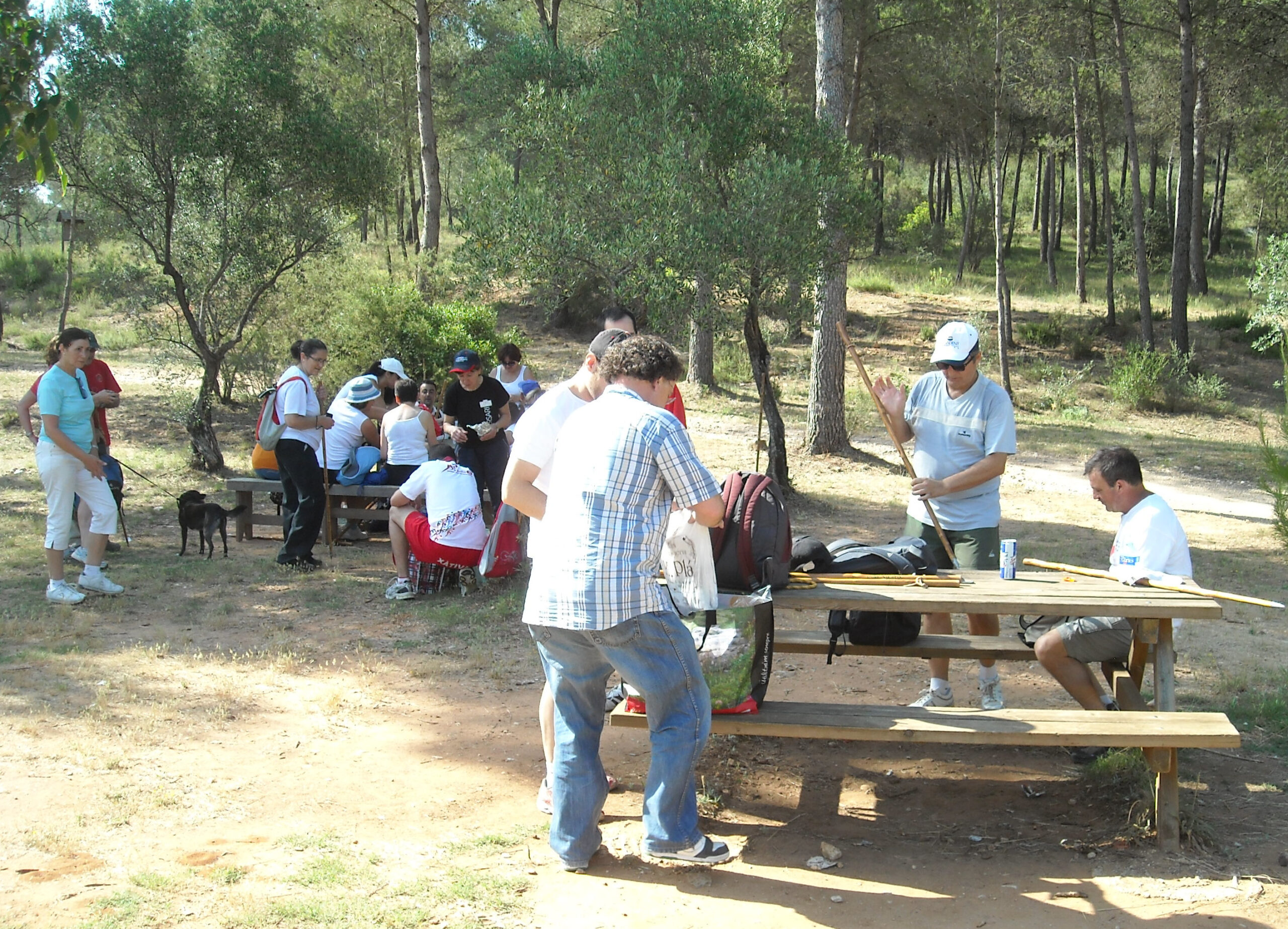
2010
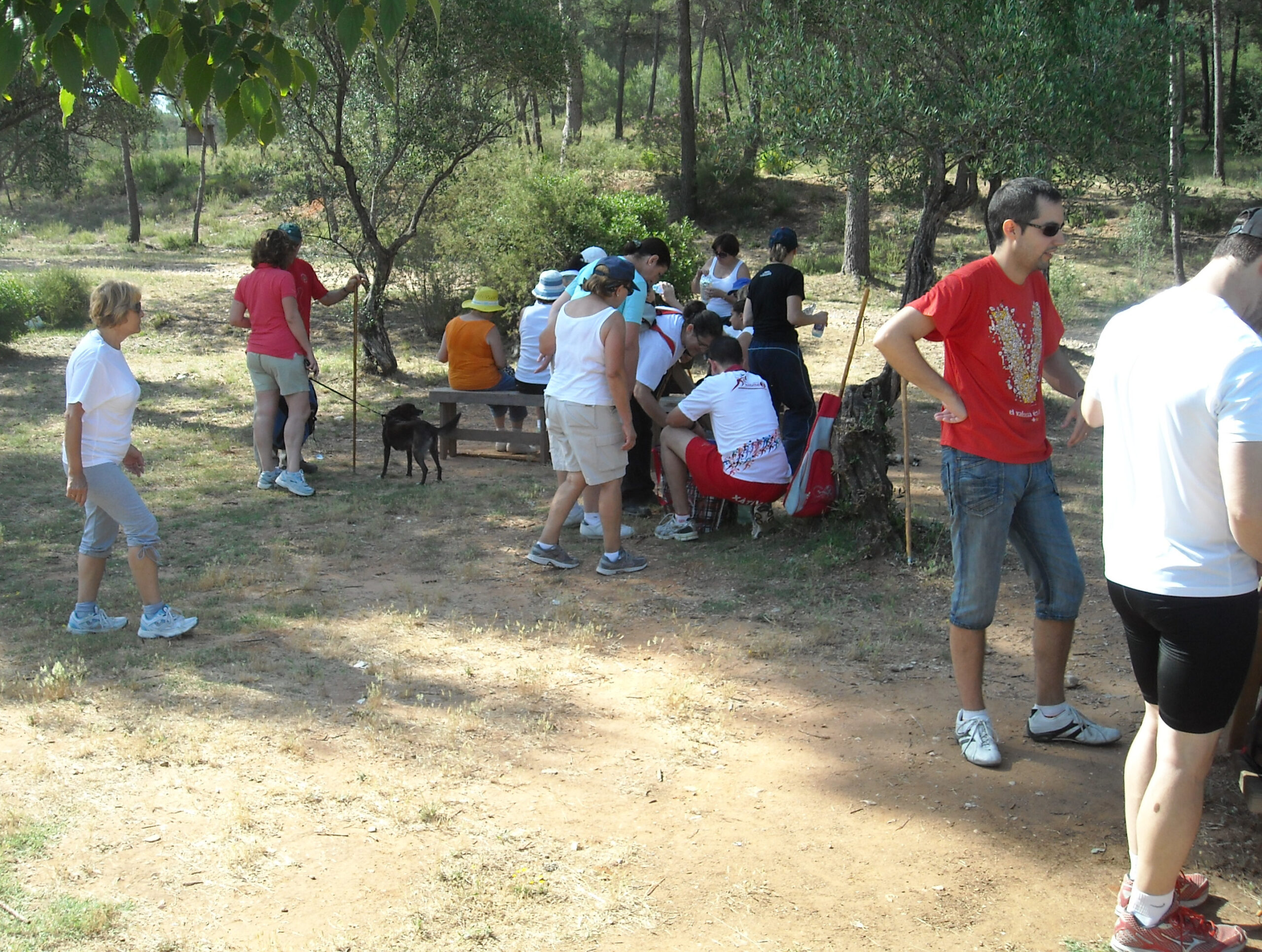
2011
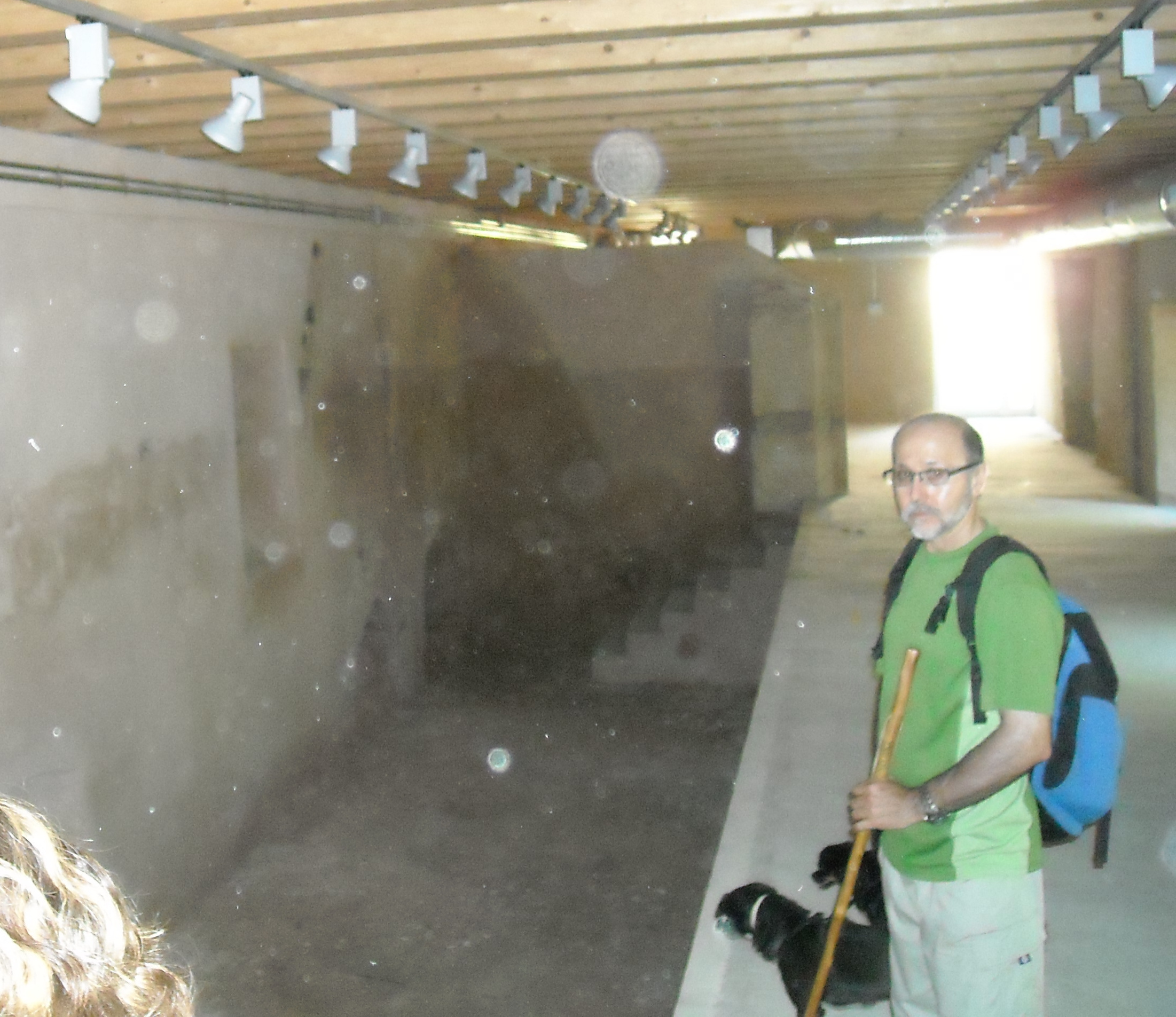
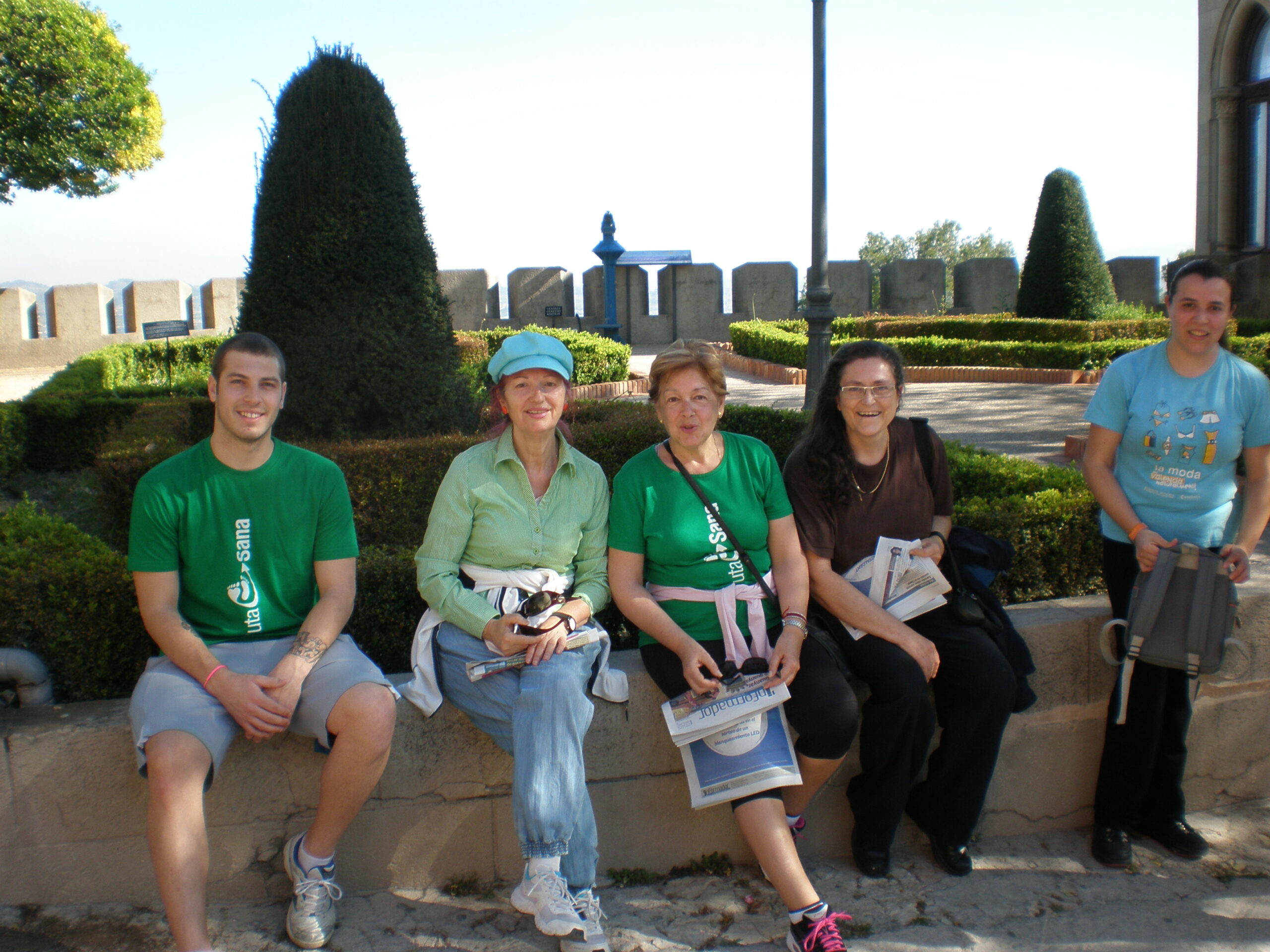
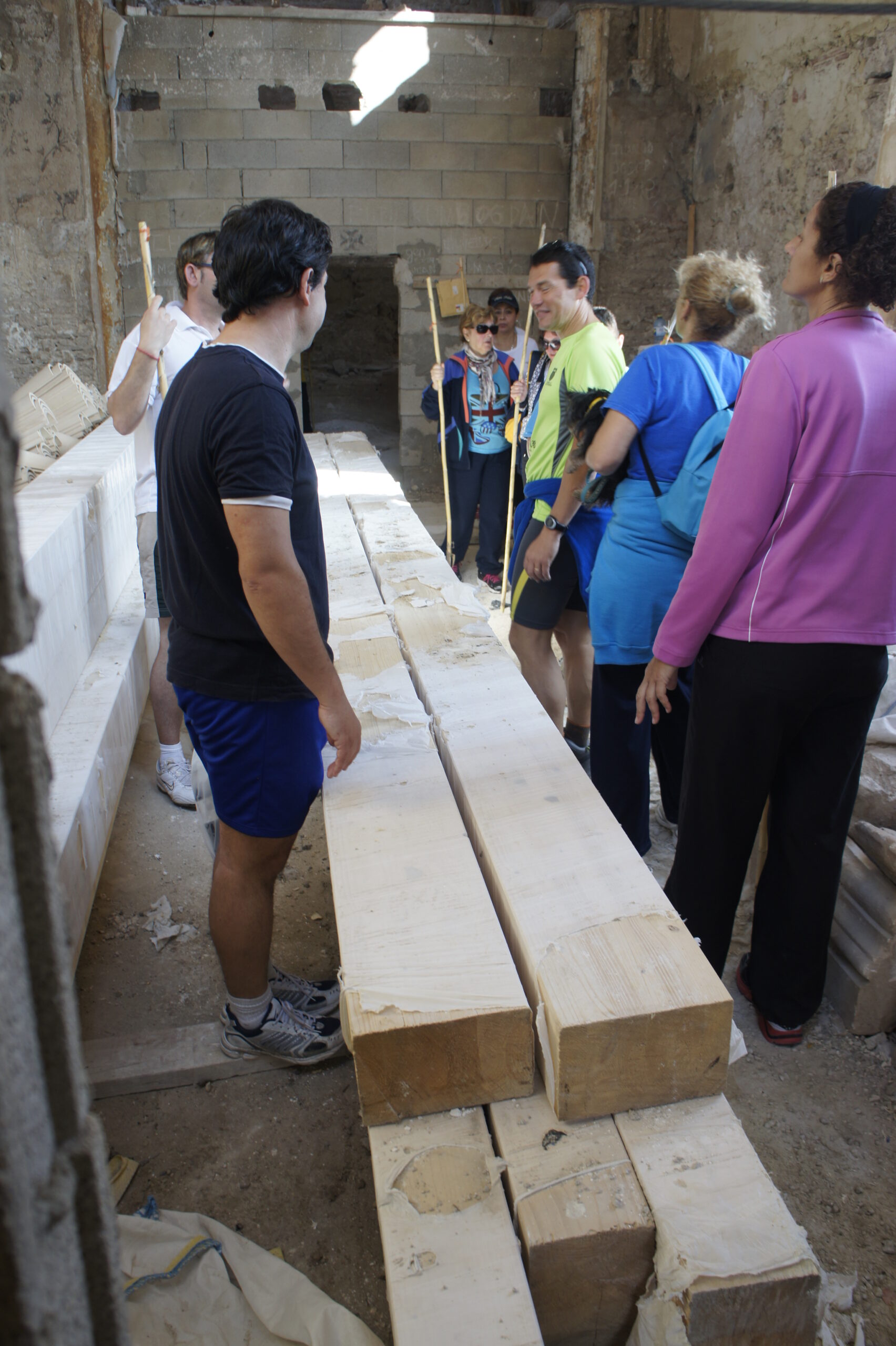
Dentro de la casa de luz
2012
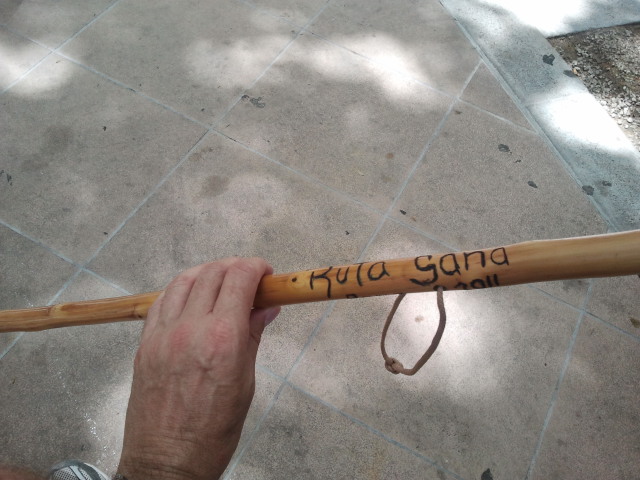
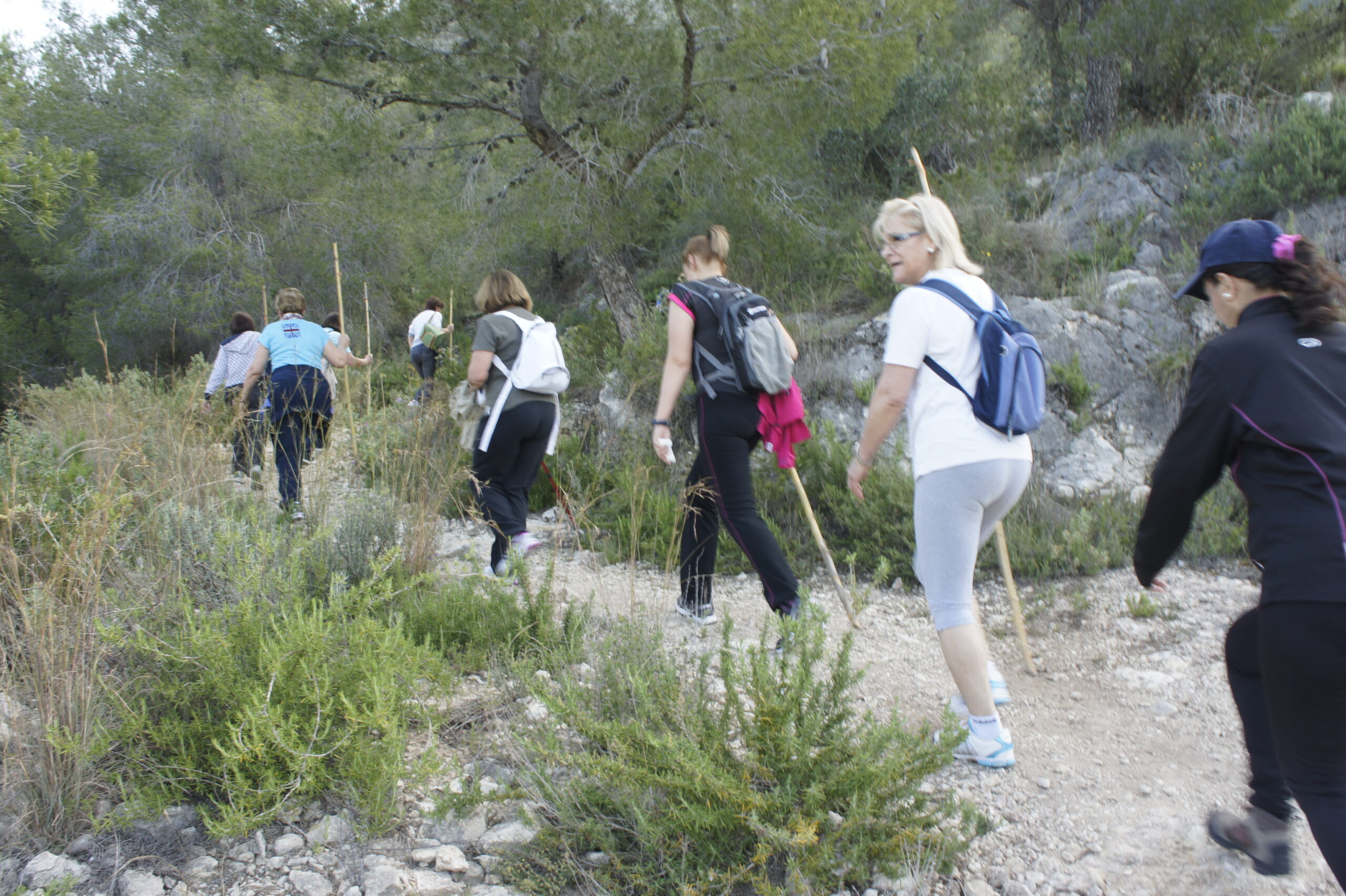
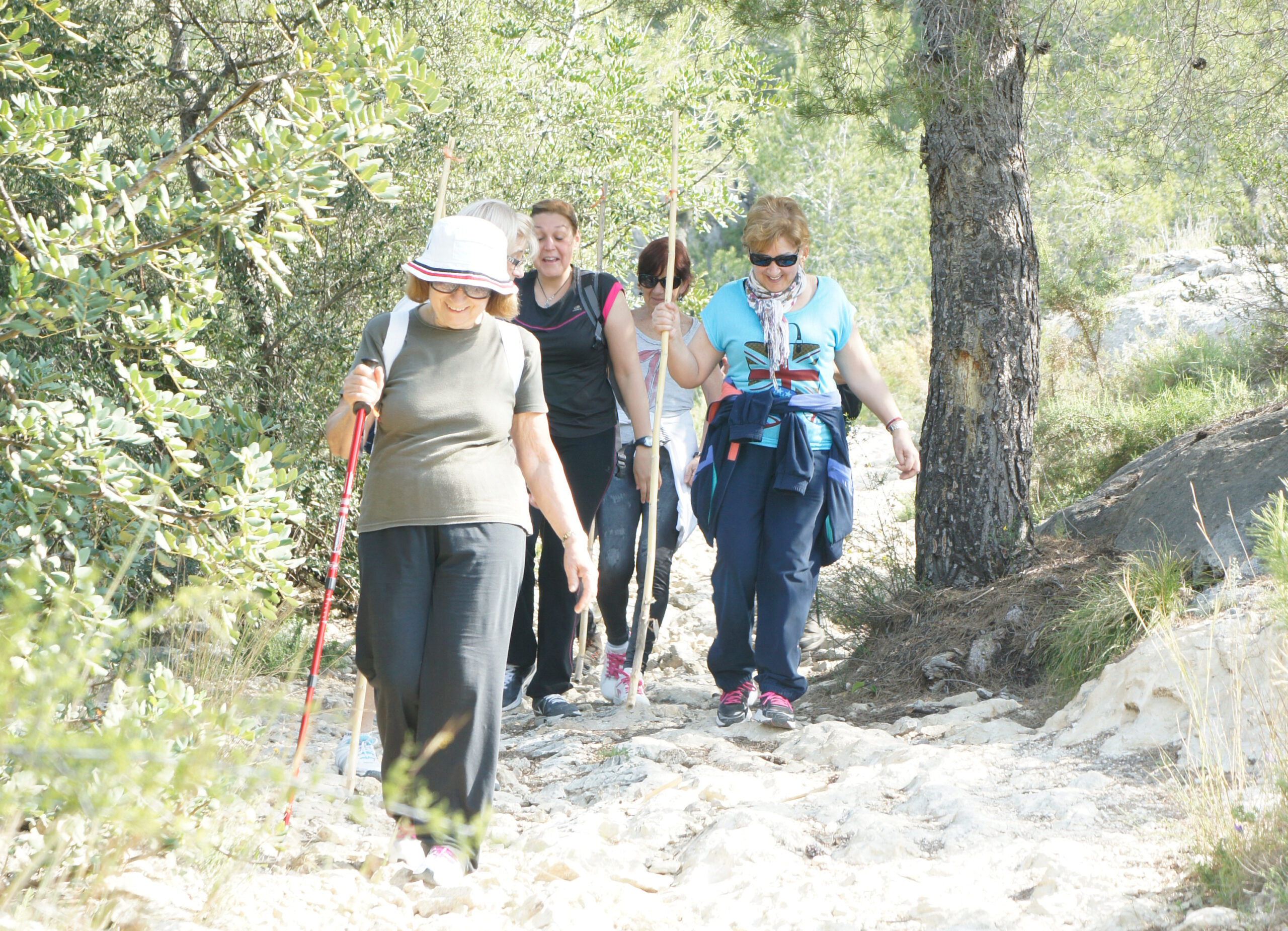
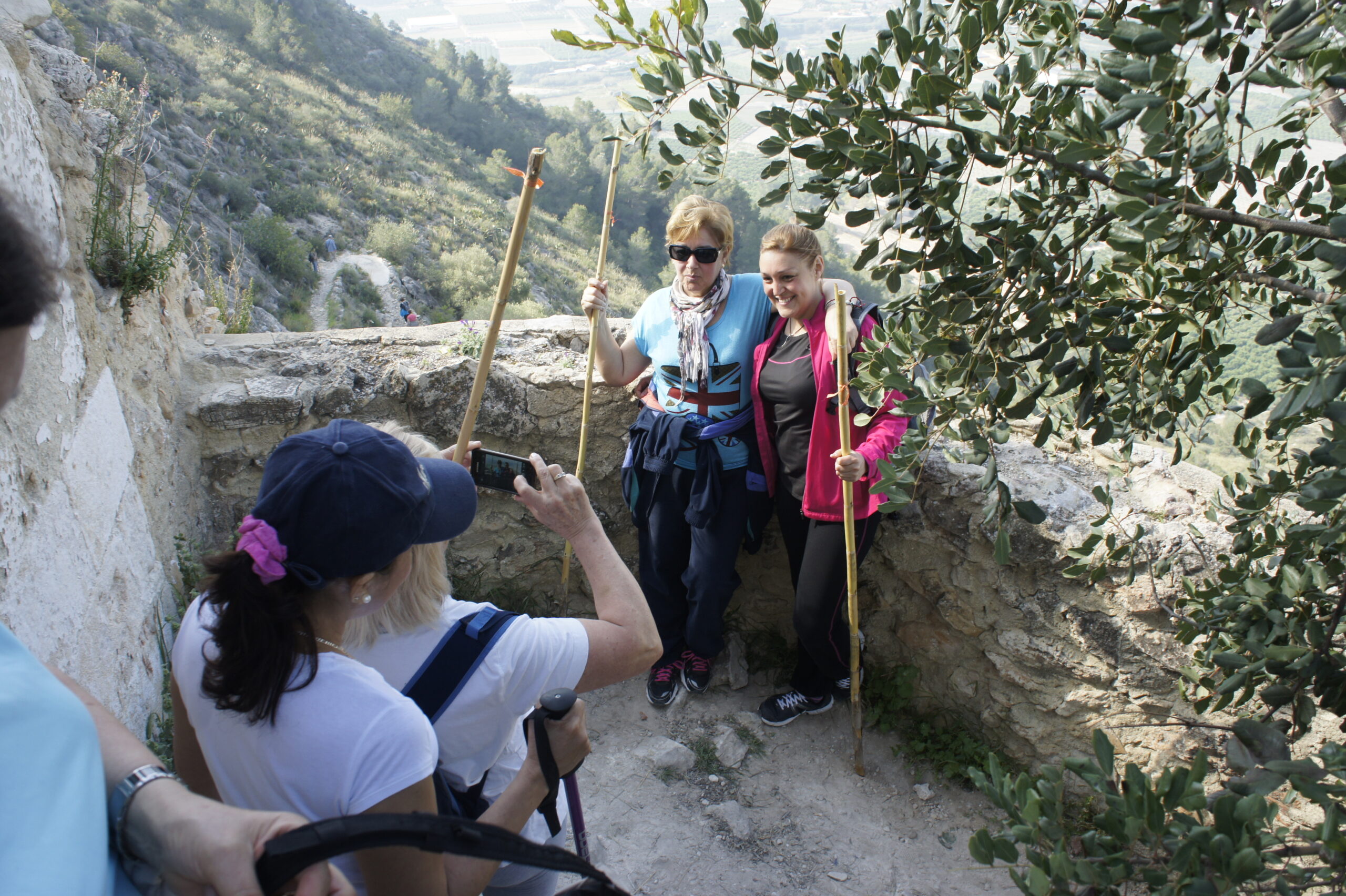
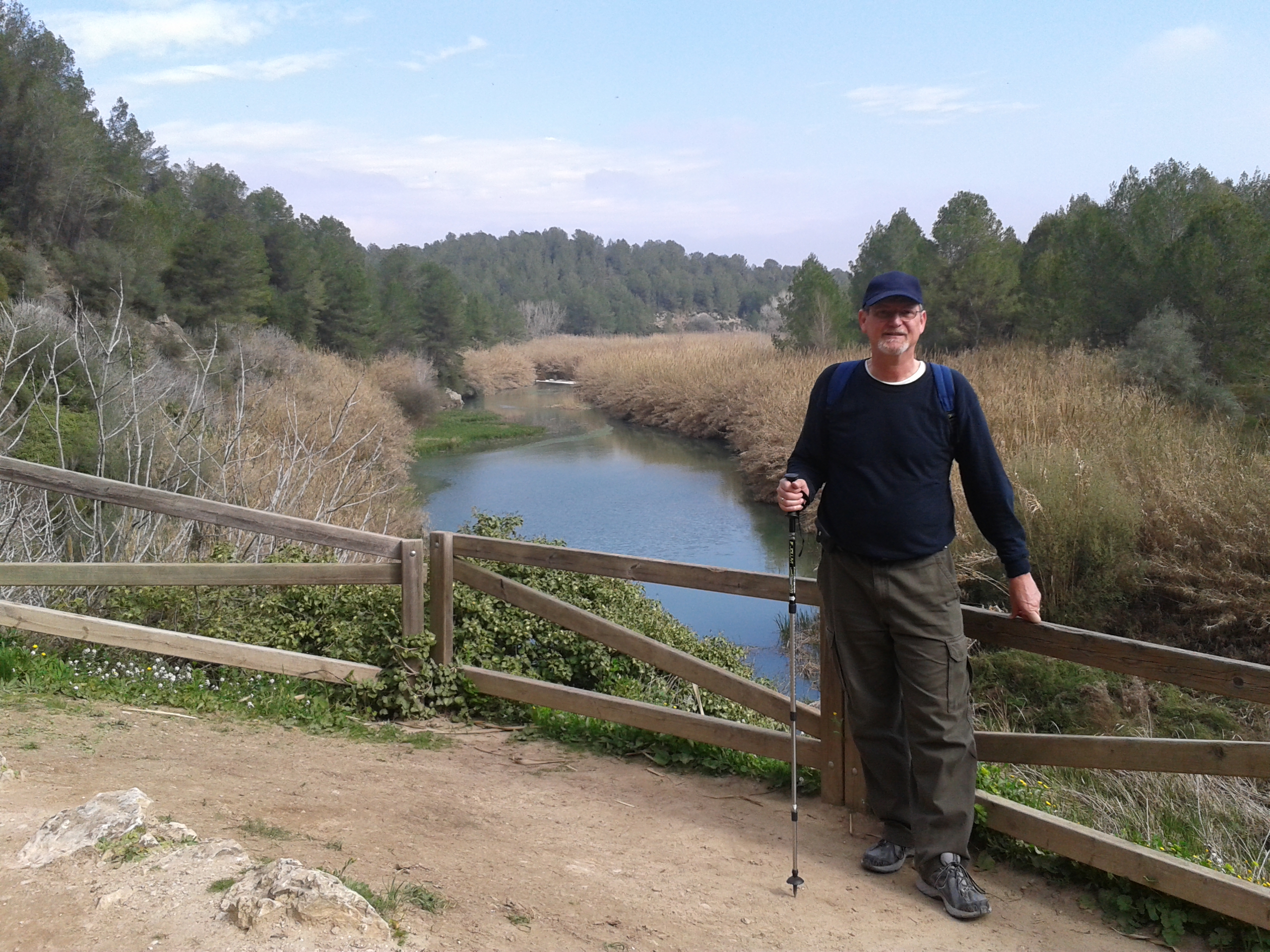
Baston de la ruta
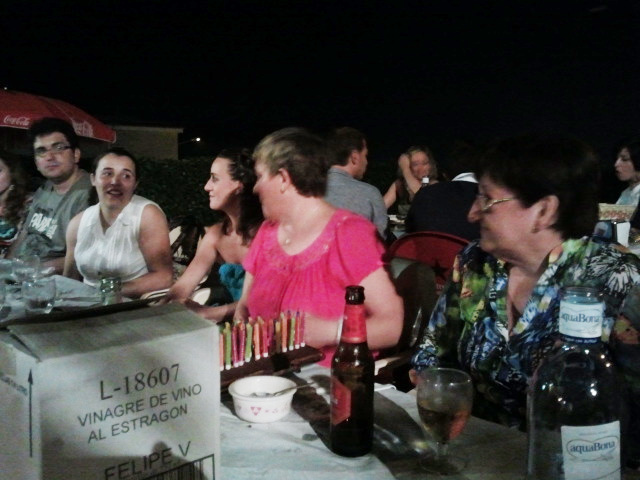
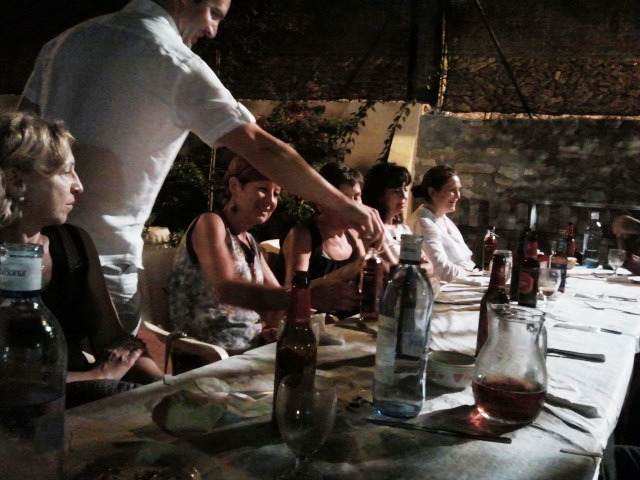
Una fiesta celebrando nuestras caminatas en 2012
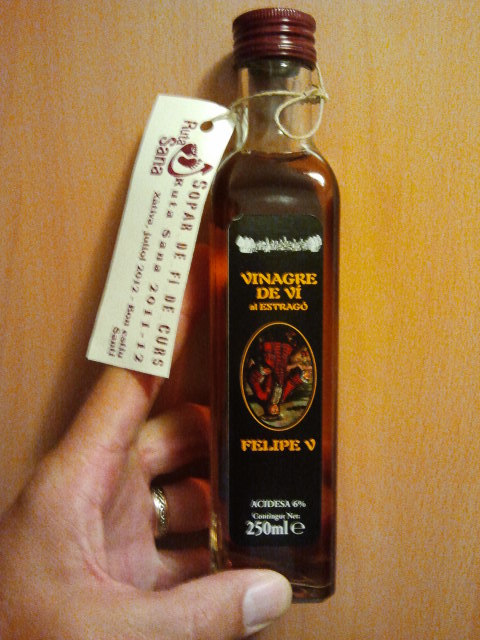
¡Ese año se entregó un regalo especial a todos los participantes!
2013 (Algunas de estas fotos fueron sacadas por otra persona.)
Al castilloNeveraNeveraNeveraDentro la nevera
Romeria al Puig2013 (Esta caminata no fue parte formal de la Ruta Sana, pero incluyó a muchos compañeros del grupo.)
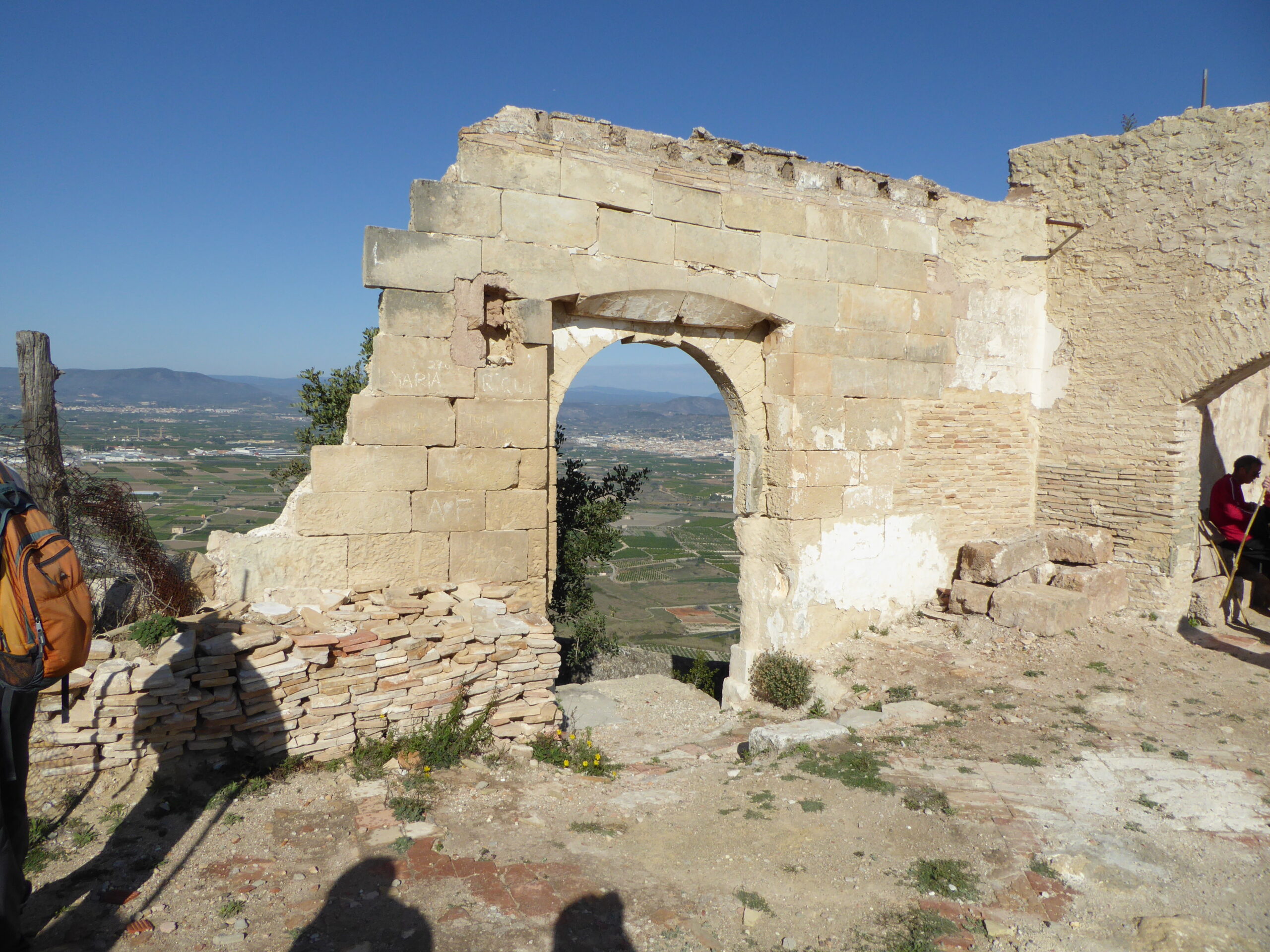
Al Puig
Esta es otra excursión que no formaba parte oficialmente de la Ruta Sana, pero en la que participaron algunos de los chicos que caminaban con el grupo.
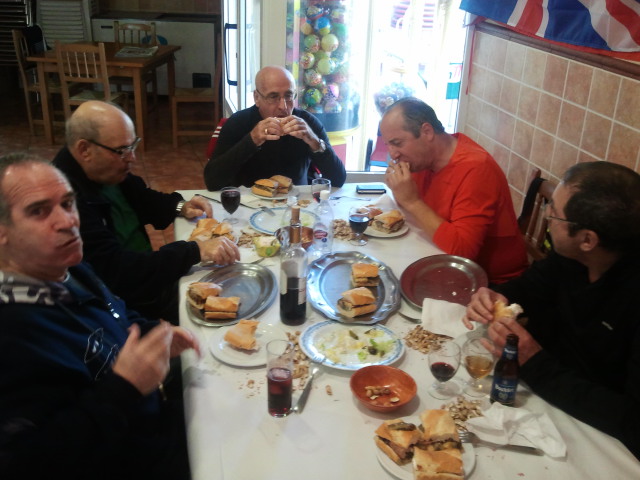
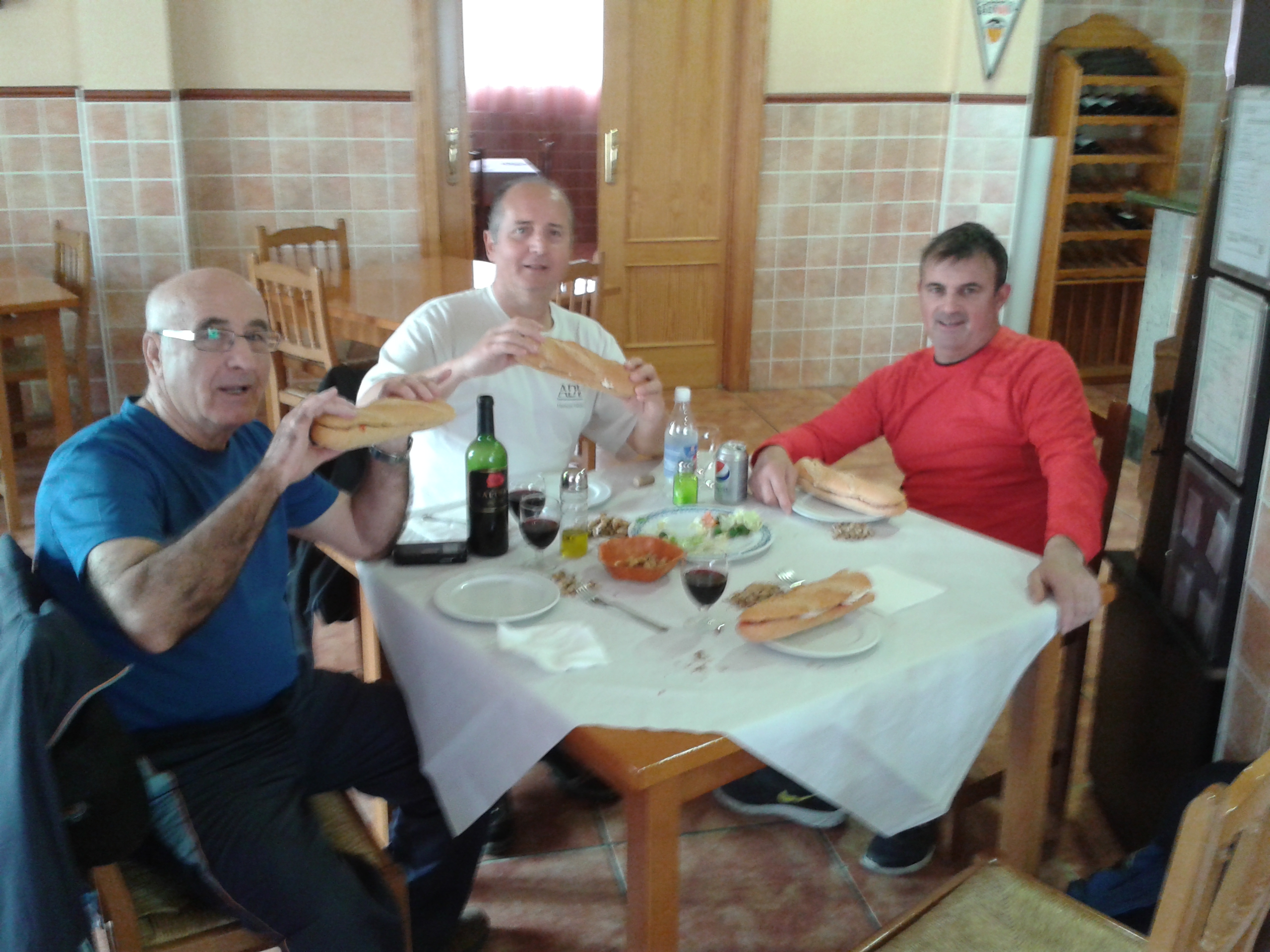
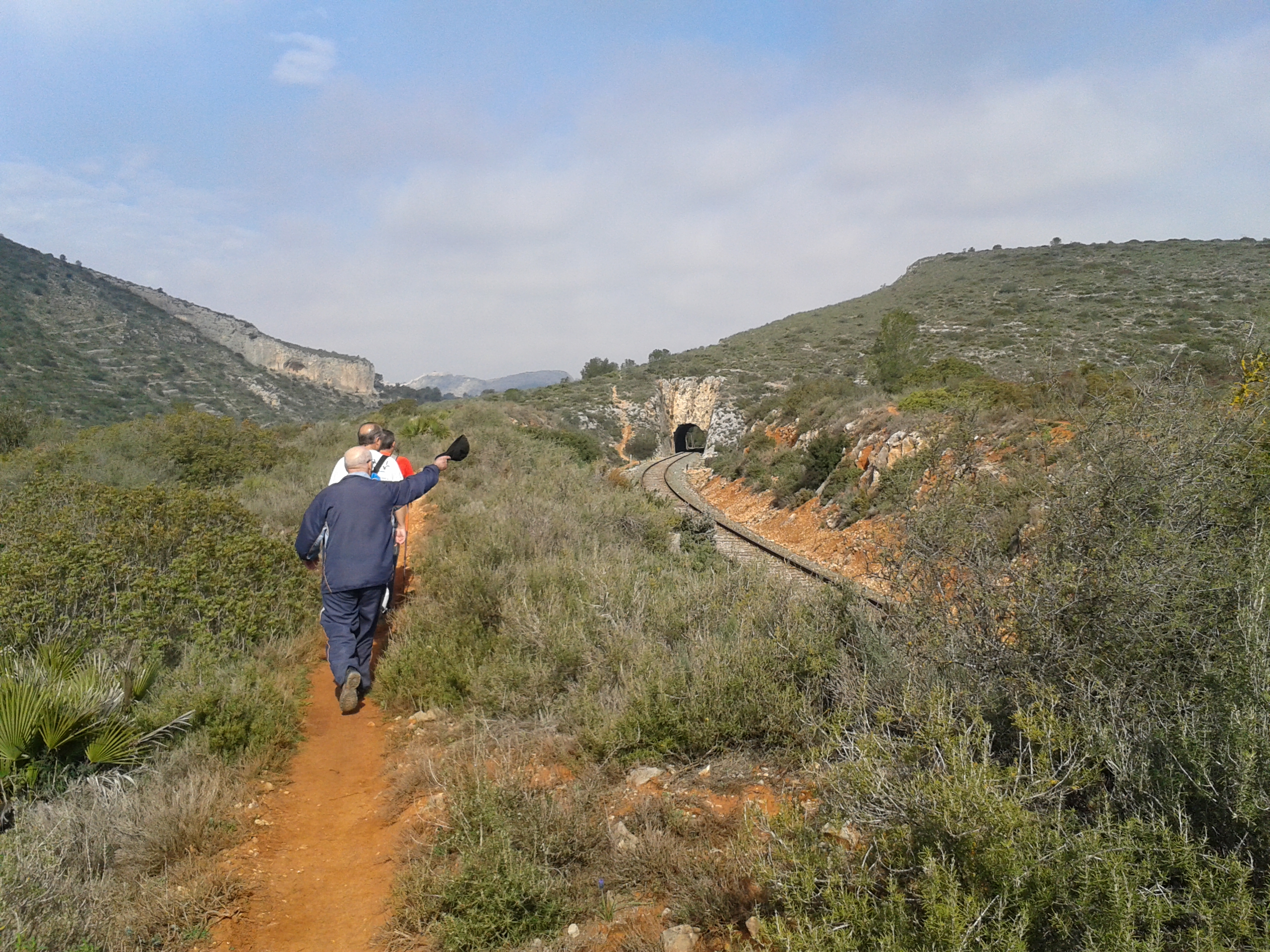
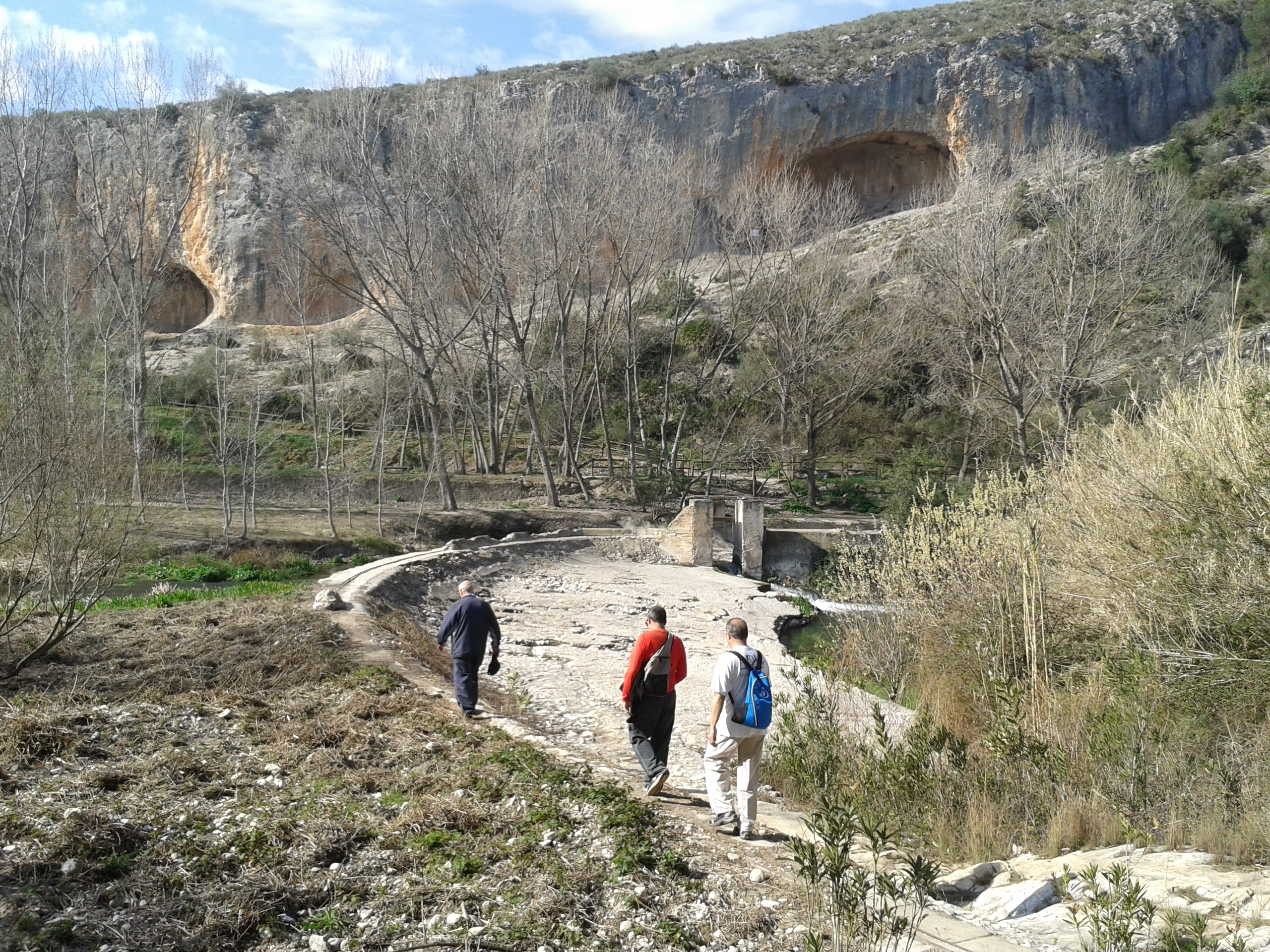
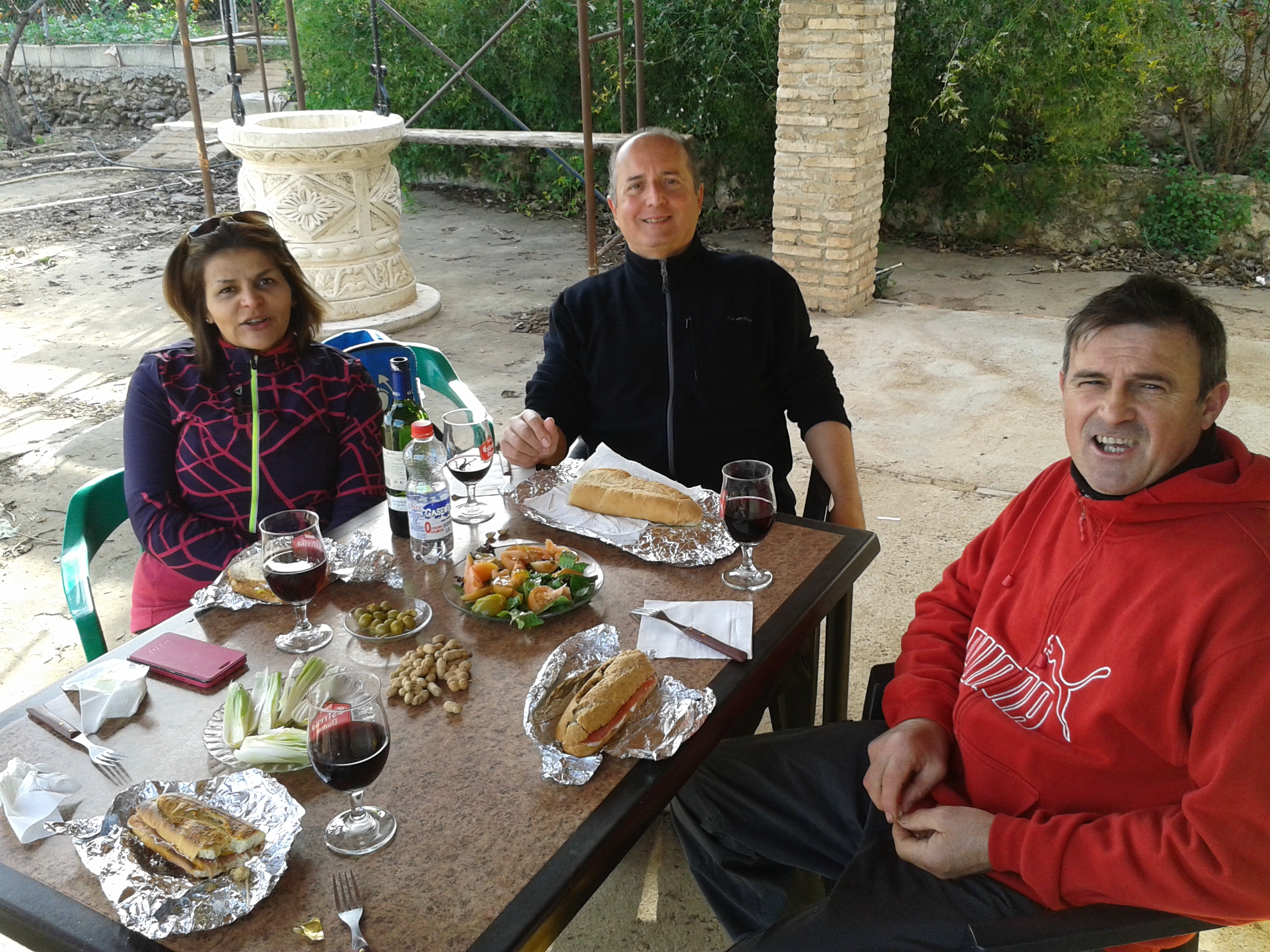
Unas excursiónes más con algunos de los chicos de Ruta Sana. A veces incluyó un delicioso bocadillo en un bar de Bellús.
(Note on Photos: Click on any image to enlarge it and click again for additional zoom)
Caspe- (in Zaragoza Province of Aragon)
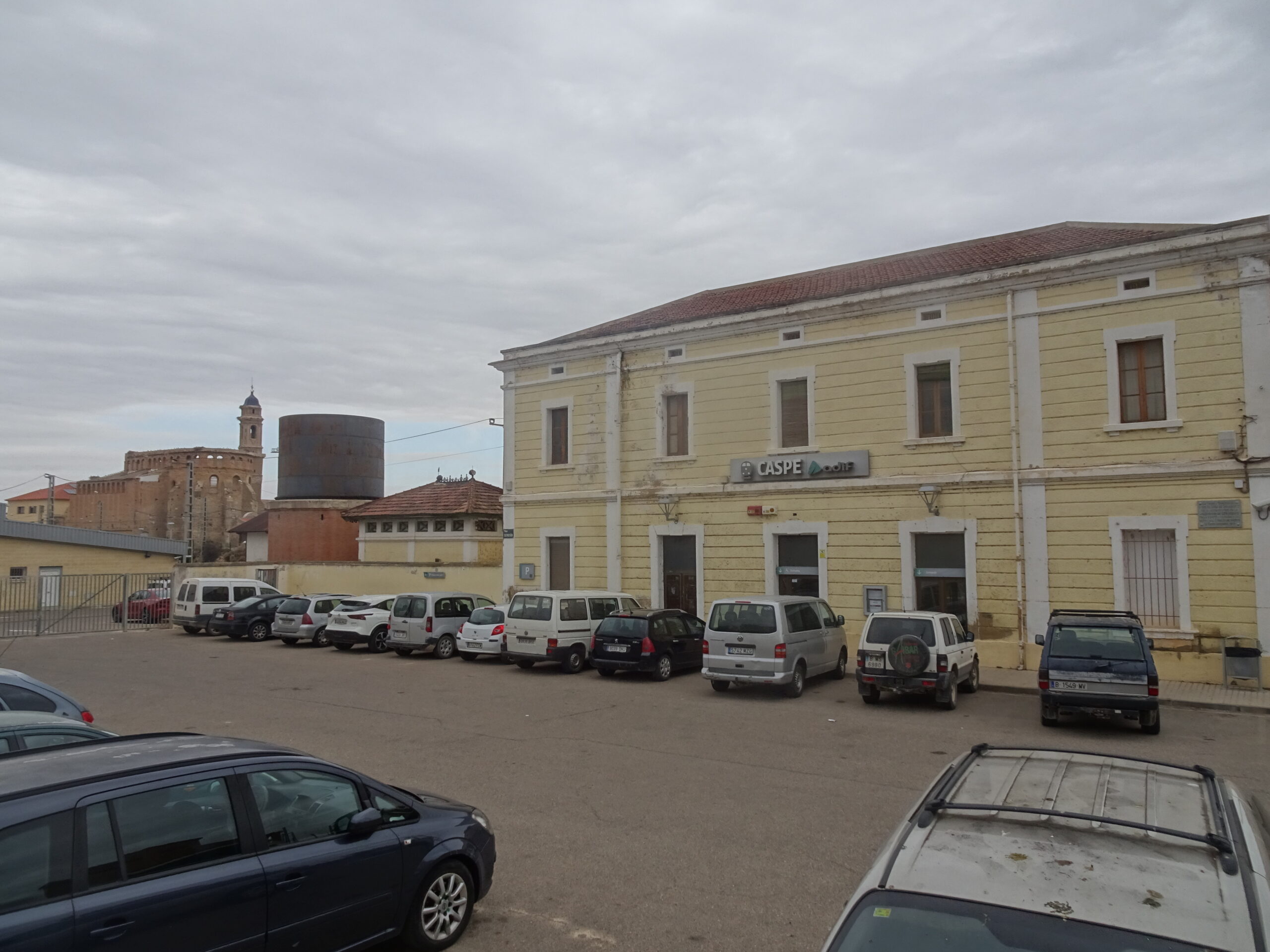
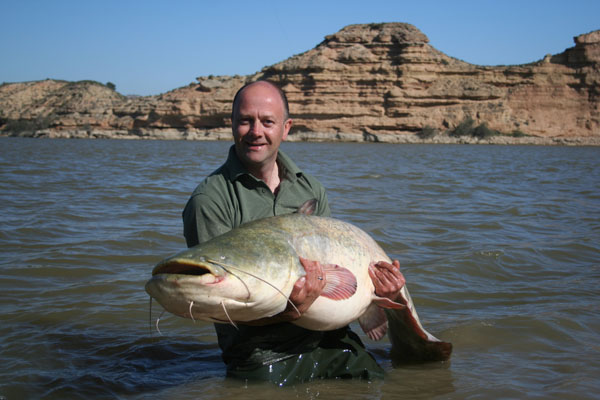
My hotel in Caspe was essentially right across the street from the train station. After checking-in, I headed to the tourist office to get a map and more information about the city. I was surprised that both of the people staffing the office spoke English. Given the somewhat obscure historical fame of Caspe, I asked “Do you get many English speaking visitors to the town?” Their answer startled me at first- many British and American tourists come to Caspe to fish. To fish? Well, then I remembered a conversation many years ago with a work chum who was an avid fisherman. The Ebro river is famous for very large catfish. And apparently the stretch of the Ebro that passes by Caspe is a good area for them!
2006 Photo from David Keep published on flickr – Creative Commons – By/Attribution
Caspe and its history
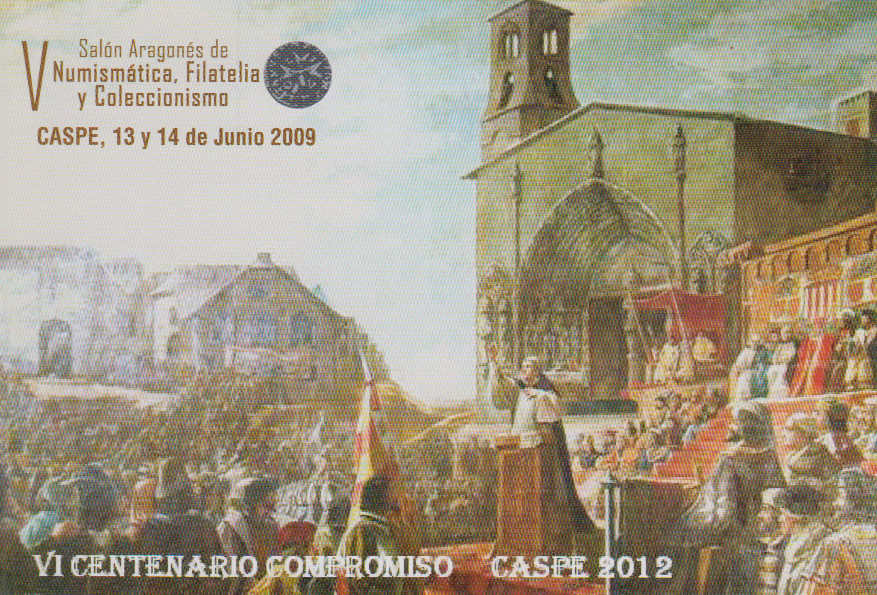
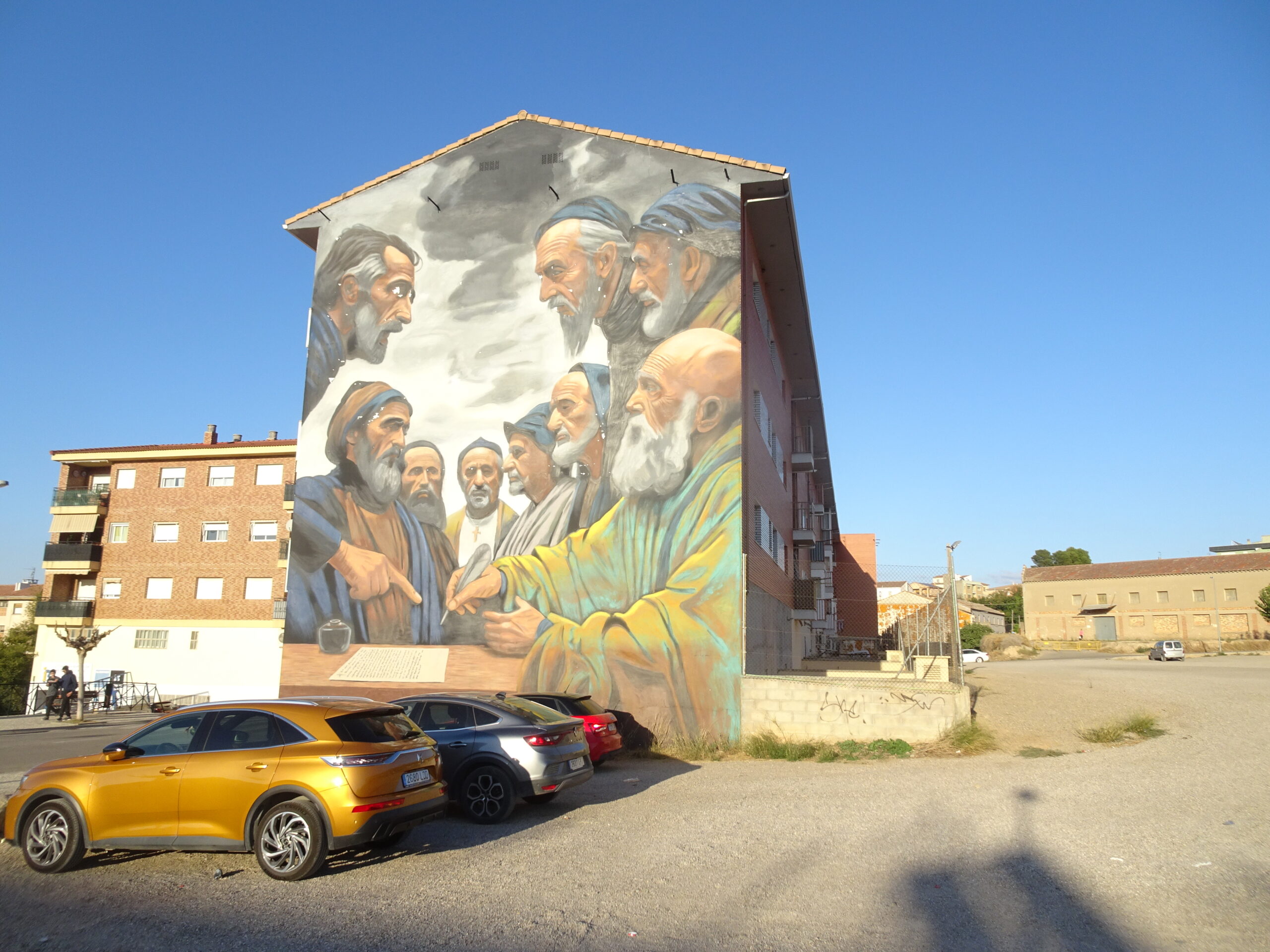
My knowledge of Caspe came from having heard of the “Compromiso de Caspe”. This refers to an event 600 years ago in which the problem of king Martin I of Aragon, who died without an heir was solved by a conference of regional dignitaries. Local royal representatives from Aragon, as well as representatives from the Kingdom of Valencia and the Principality of Catalunya, convened in Caspe. They assessed a variety of contenders for the throne, and after some deliberation chose Ferdinand of Castile as the new king.
As a side note, a while after the crowning of Ferdinand, one of the other contenders – James II the Count of Urgell – rescinded his initial acceptance of the decision and rose up in rebellion. He was not able to muster much support, and was defeated and thrown into a prison cell in… wait for it… the castle of Xàtiva. He remained there 20 years until his death in 1433.
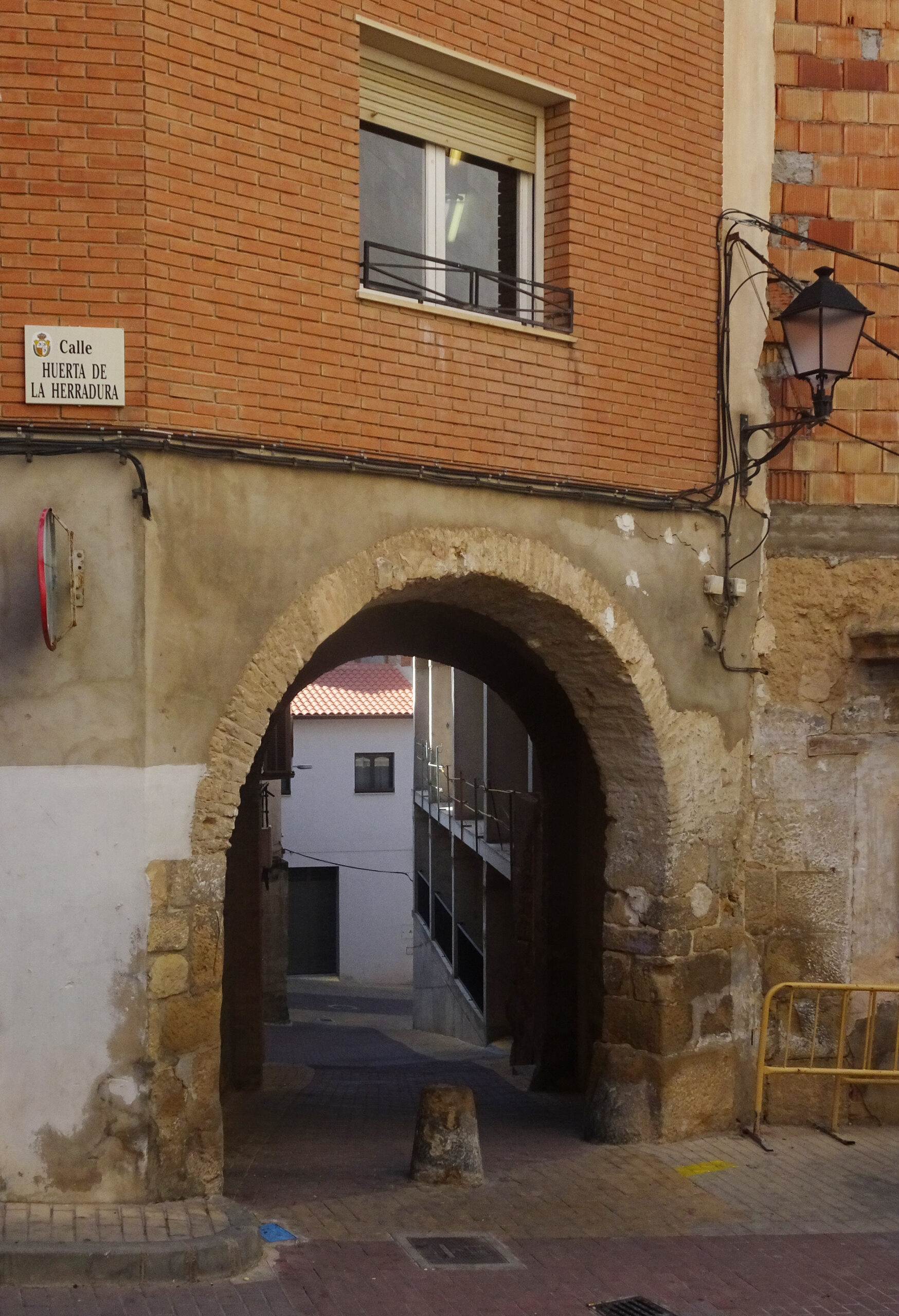
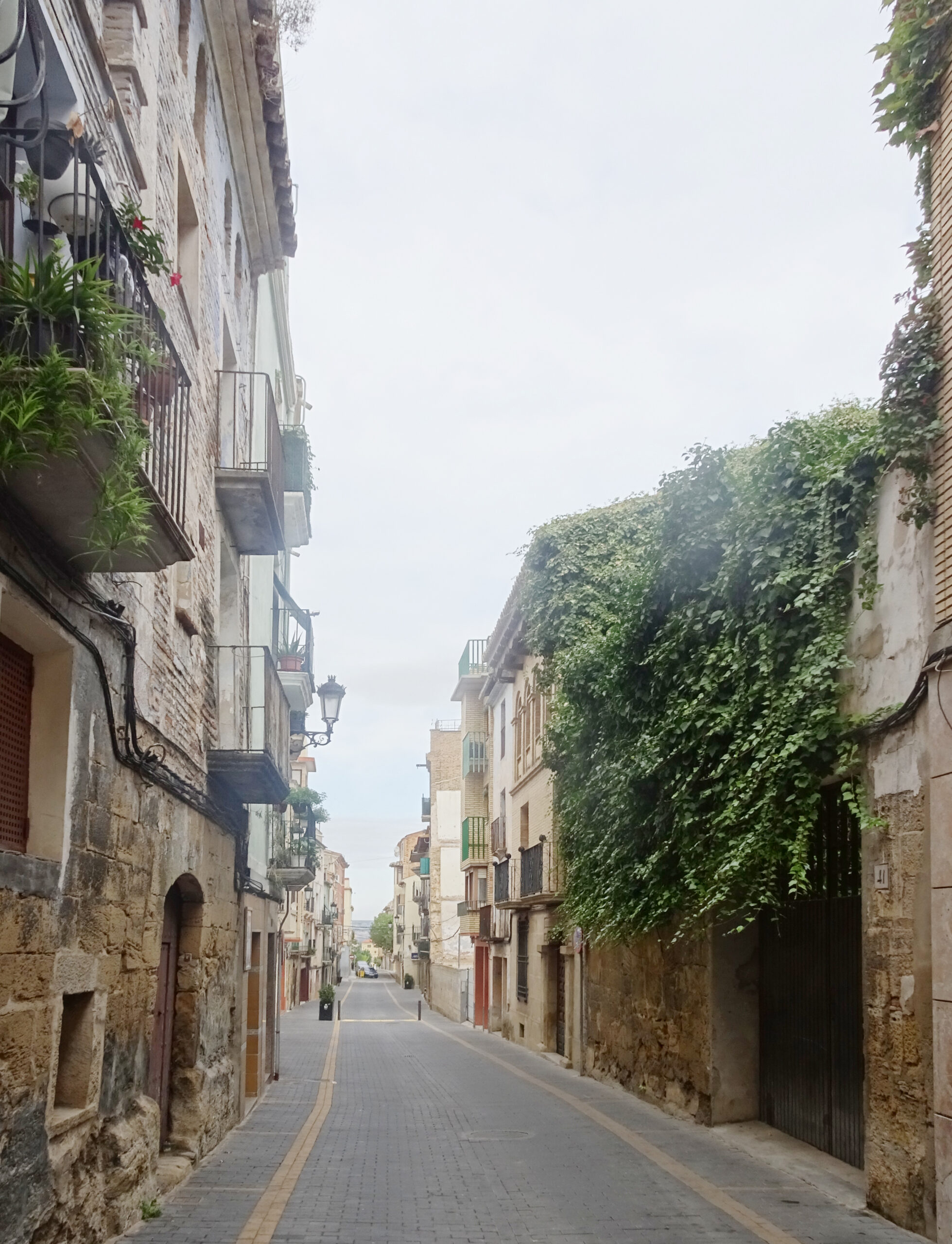
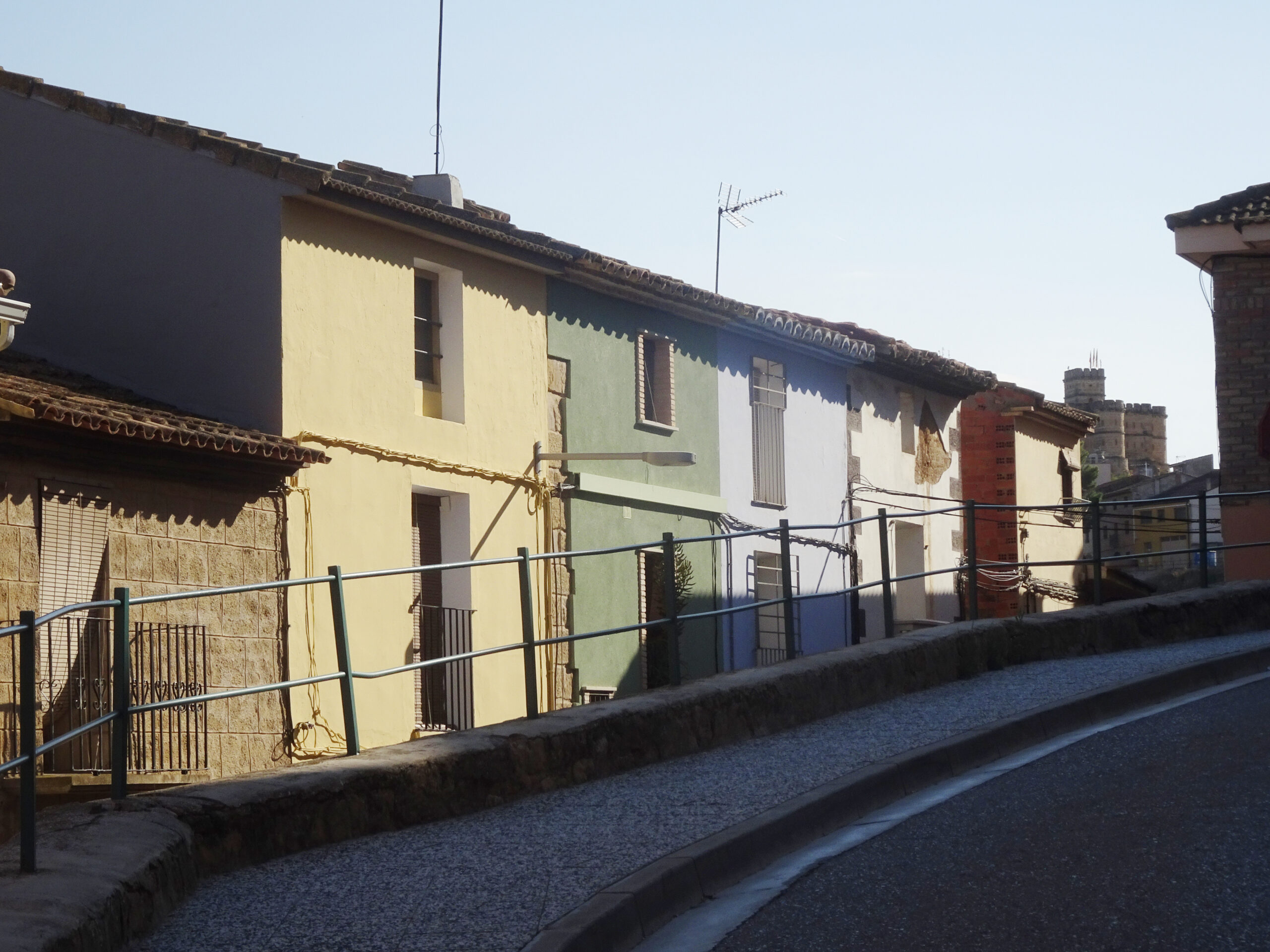
Street scenes from Caspe
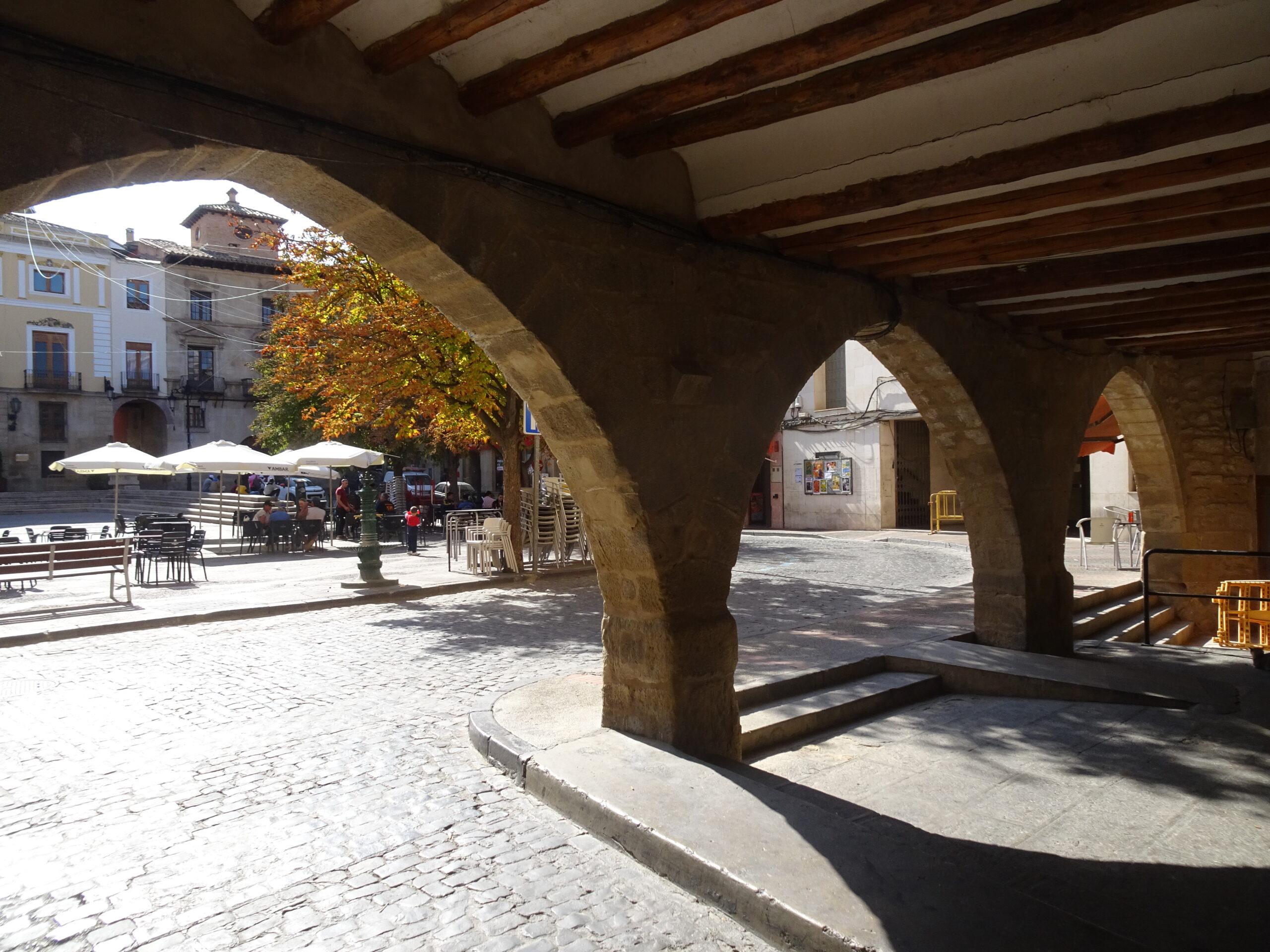
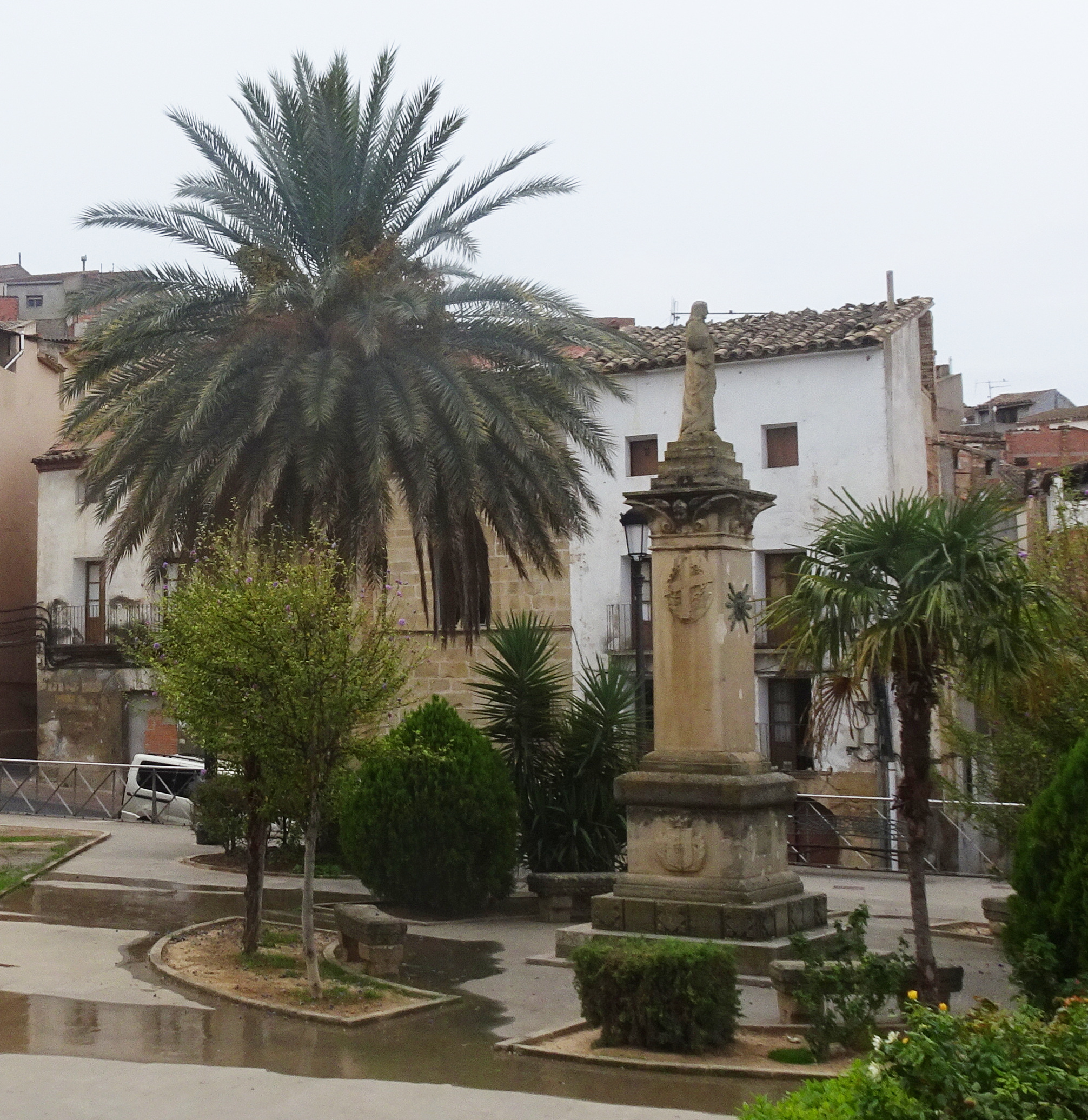
Plaza de España viewed through the “arcos del Toril”
The current population of Caspe is notably diverse with residents from many areas of the world. Around the central part of the city one sees people from the Indian sub-continent, both north Africa and sub-Saharan Africa, eastern Europe, and I even chatted briefly with a guy from Nepal!
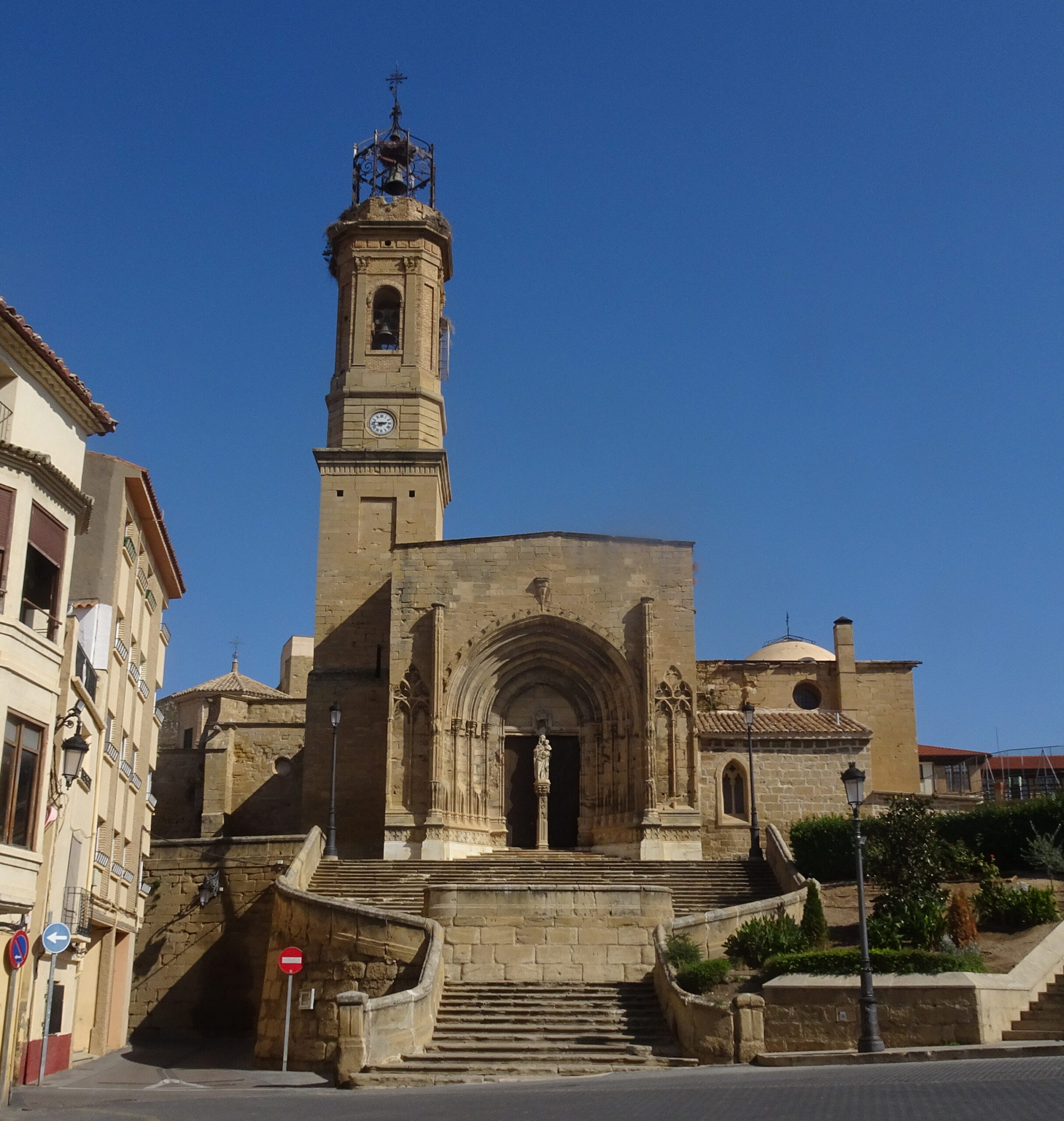
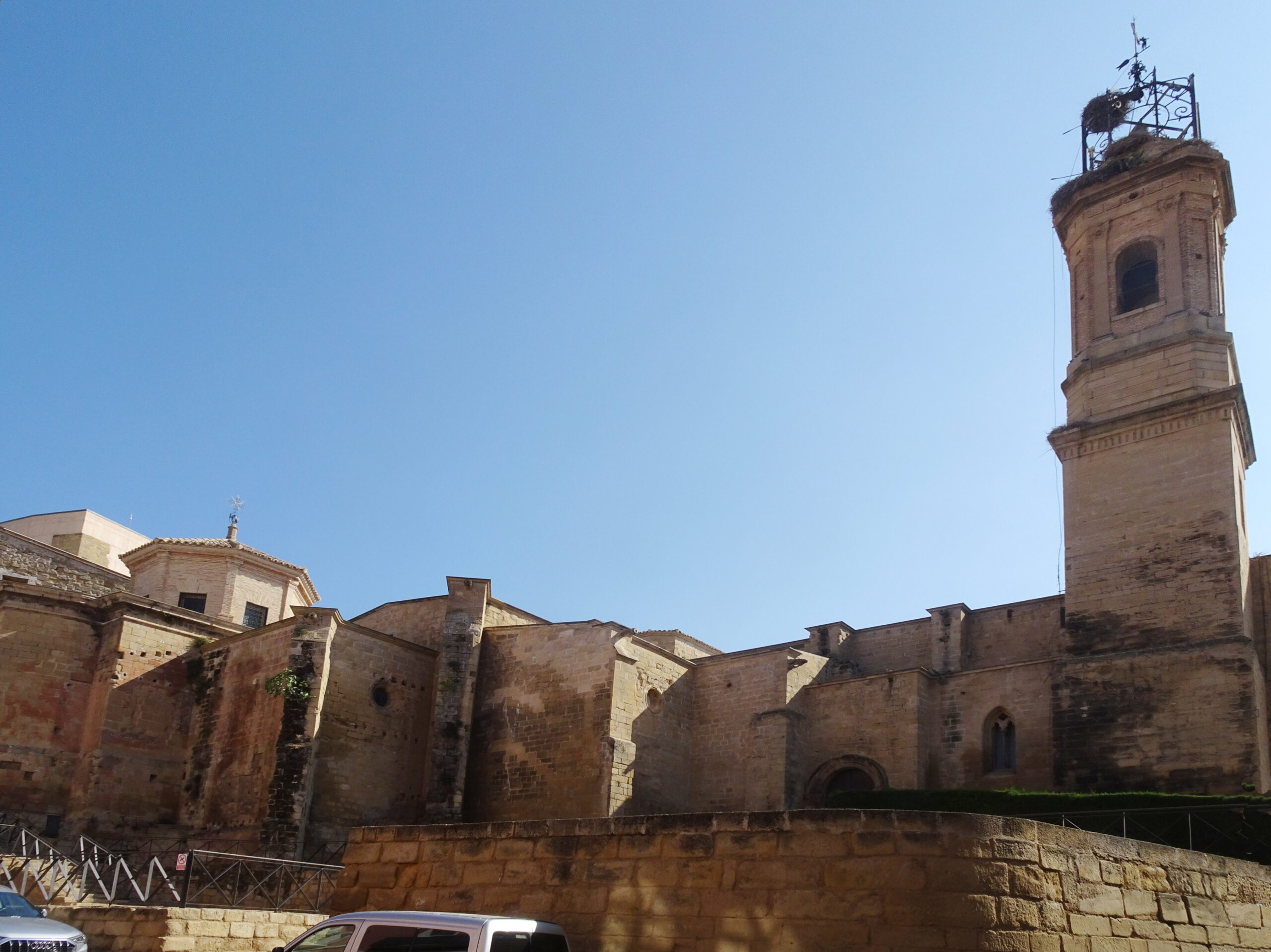
The Cathedral at Caspe (OK, strictly speaking it is not a cathedral, but rather the “Colegiata de Santa María la Mayor”)
The driving force behind the construction of this catholic place of worship were the “Kinghts of Malta” (Orden Militar del Hospital de Jerusalén) and Juan Fernández de Heredia, a “grand master” of that order. It was built on the site of the city’s mosque that existed from the time of Islamic rule in Spain until the late 14th century when work on this newer building began. The oldest part of Caspe sits on top of a rocky hill, and you can see from the photo that the mosque and later church were located above the nearby streets of the newer parts of Caspe. During a later expansion of this “Cathedral”, the solid rock area at the rear of the church caused the addition to higher than the main part of the church.
Here we see the two sets of steps that were added as part of a later addition to the rear of the cathedral. The steps were needed because the solid rock of the hill did not permit a level floor.
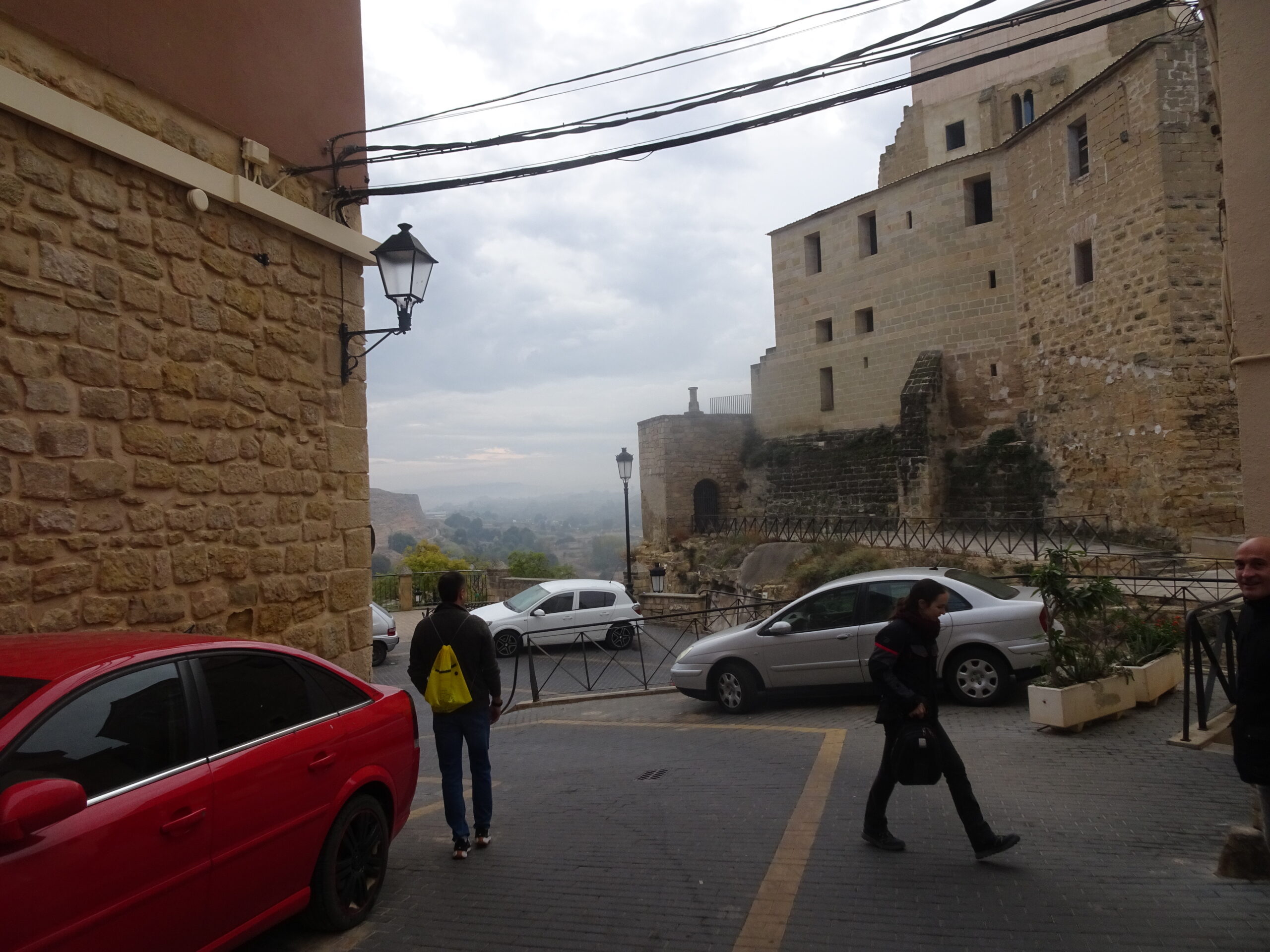
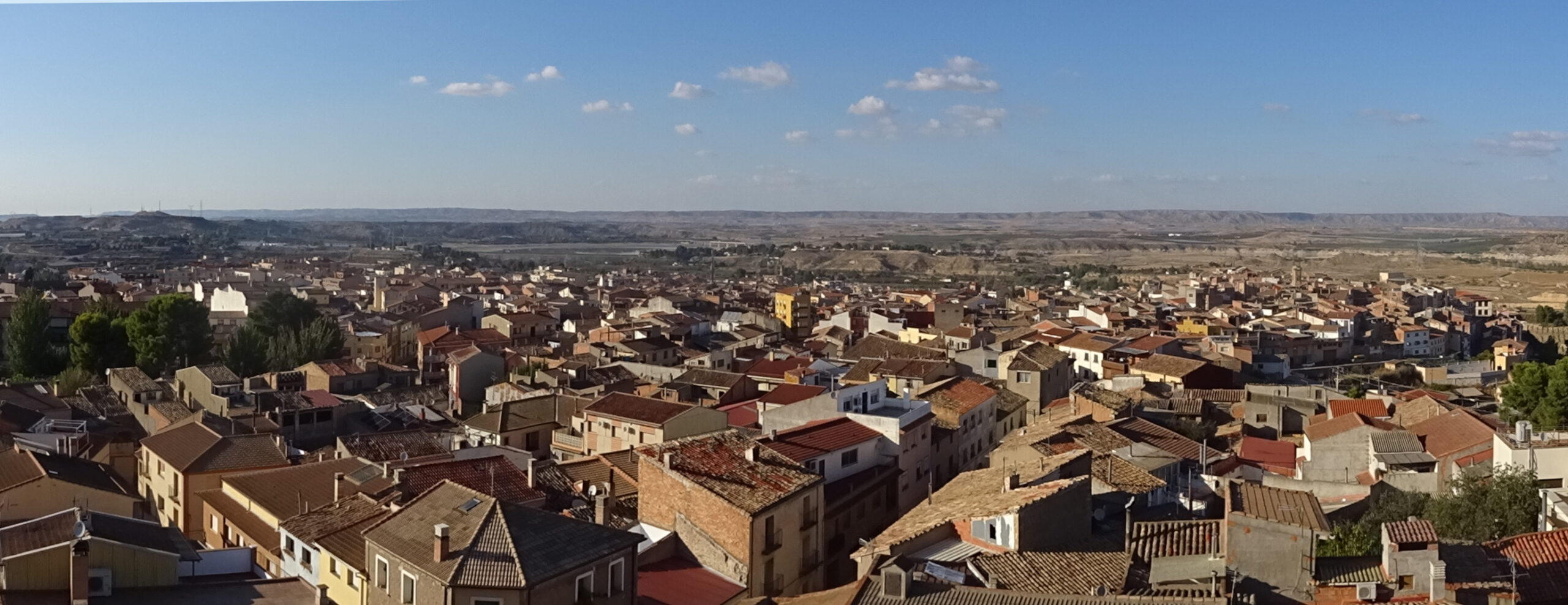
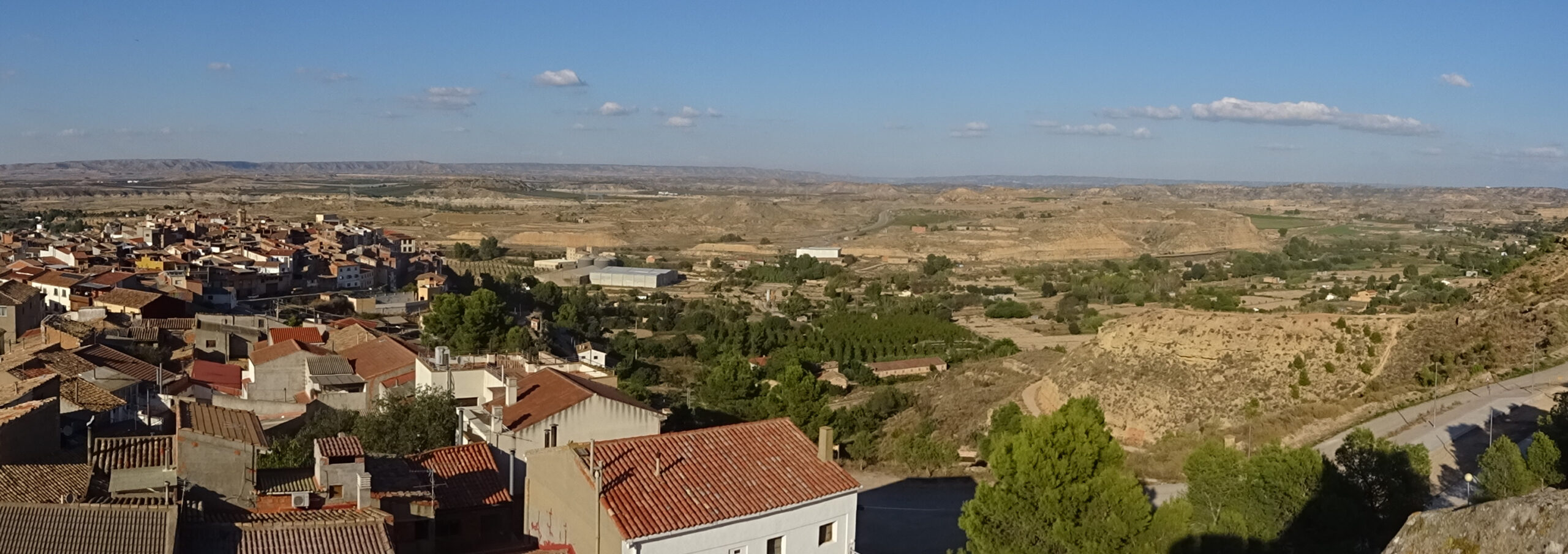
The oldest part of Caspe sits high on a hill.
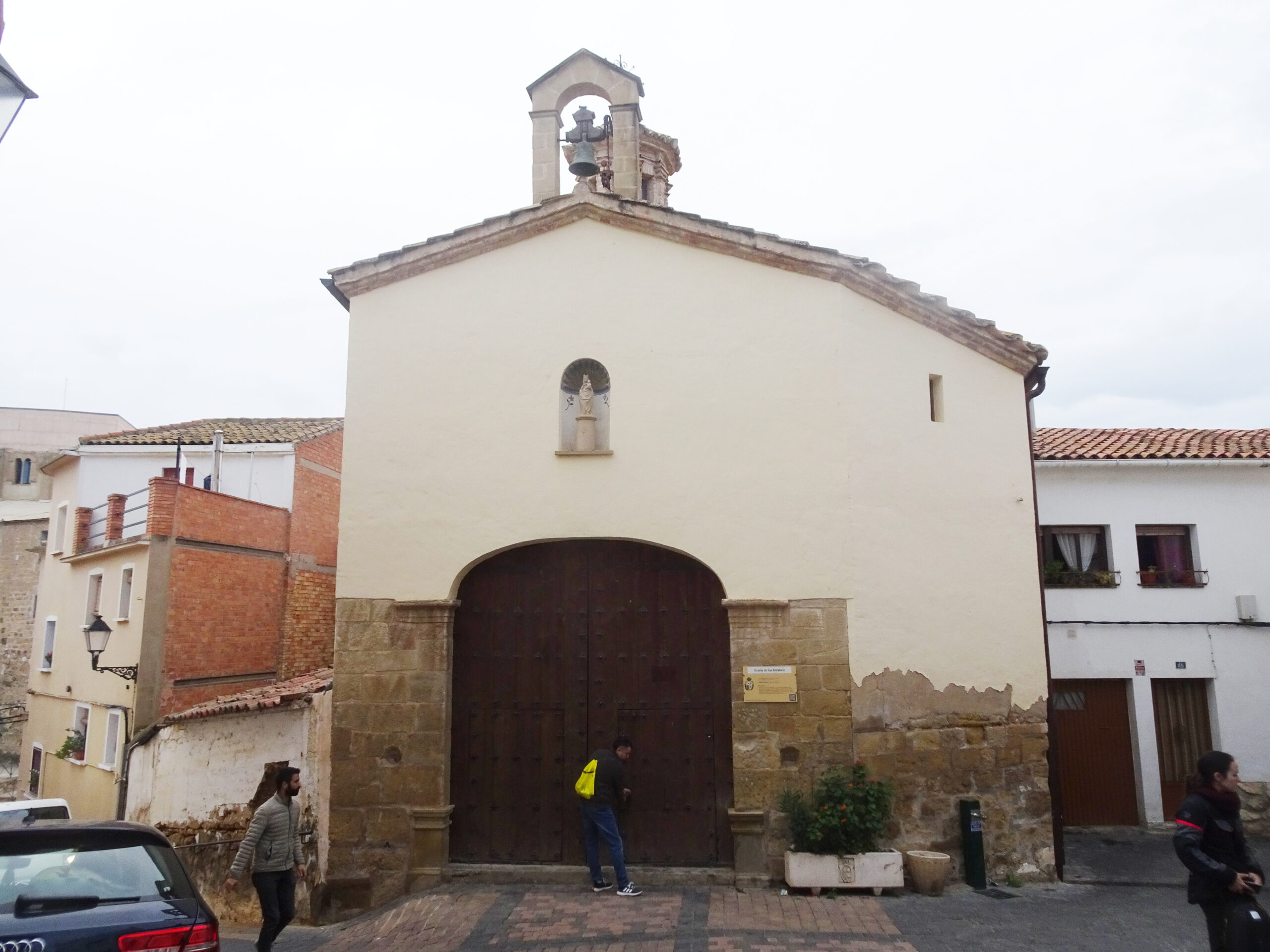
Here we find the “ermita de San Indalecio”. Although born in Caspe, San Indalecio is known for work preaching the gospel in the Almeria region, where he became that region’s fist bishop.
Ermita de San Indalecio – built in the 18th century
The location where the ermita de San Indalecio sits had been the “Jewish Quarter” of the town during the middle ages. It is thought that the church was either an enlargement of a former synagogue, or built over the site of one.
The Star of David on the square in front of the church is a reminder of the neighborhood’s Jewish history.
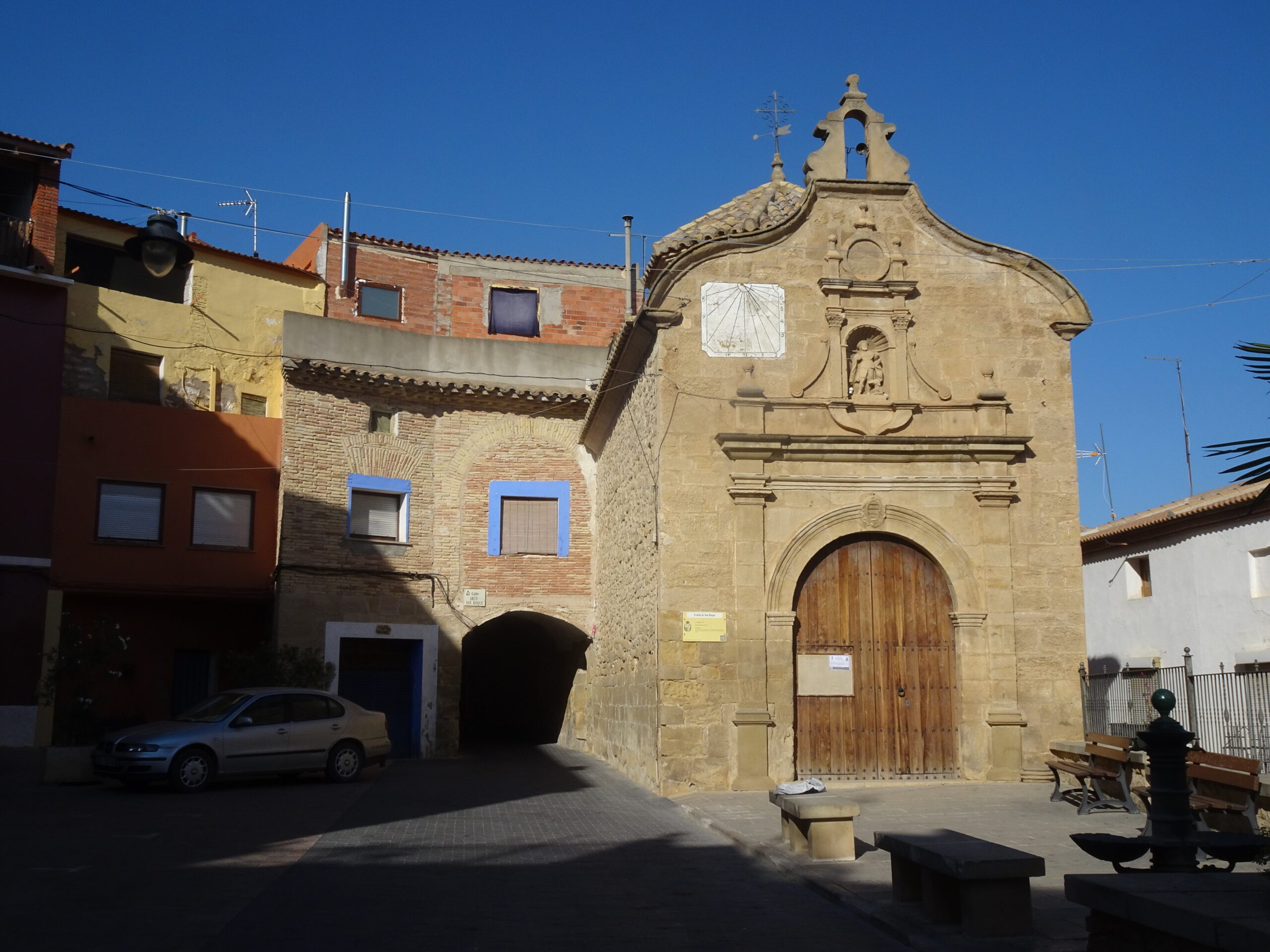
A bit further south in old Caspe we find another modest 18th century church, the “ermita de San Roque”.
Born in France, San Roque is the patron saint of dogs and was known for his diligent work during the plague tending to the sick in various Italian cities.
San Roque with a dog laying at his side.
Caspe and the “Carlist Wars”
During the 19th century there was another dispute of succession to the throne. In this case the dispute led to three (or two depending on how you count them) civil wars. In this case the wars were not just about personalities, but about political and social viewpoint on life and governance. The “Carlists” were followers of “Don Carlos”, who championed very traditional values. On the other side there was support of liberalism and later support for creation of a republic. Caspe is located where the Guadalope River flows into the Ebro River. Especially in mountainous or hilly terrain, rivers follow the easiest route, and therefore a route that facilitates troop movements. Thus Caspe had a very strategic location during the Carlist Wars.
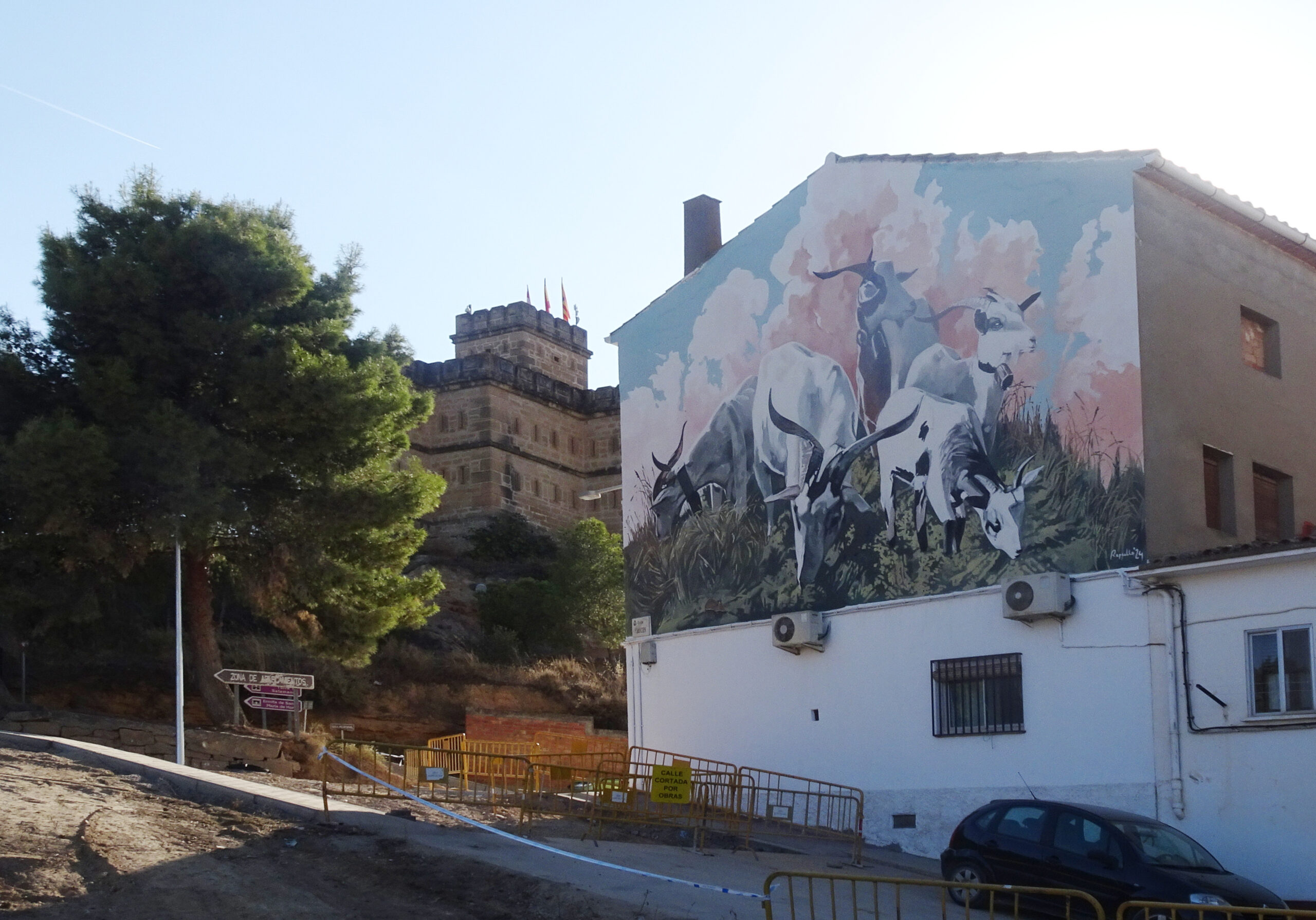
The “Tower of Salamanca” is peeking out above a large building adorned with a colorful mural
In 1874, during the third Carlist War, general Manuel de Salamanca ordered a tower-fortress built on a high point at Caspe. This tower (Later called the “Tower of Salamanca”) served both as an observation post to assess any possible troop movements along either of the river routes, and also as a critical link in a chain of signal towers used to communicate notifications if enemy troops were sighted. This Fortress is intact and well preserved.
Multiple layers of defensive loopholes through the thick wall, through which rifles could be shot, provided a means of defense in case of attack.
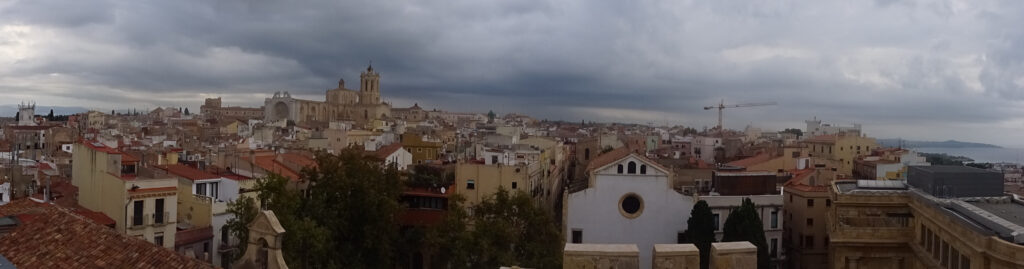
Views from the top of the tower
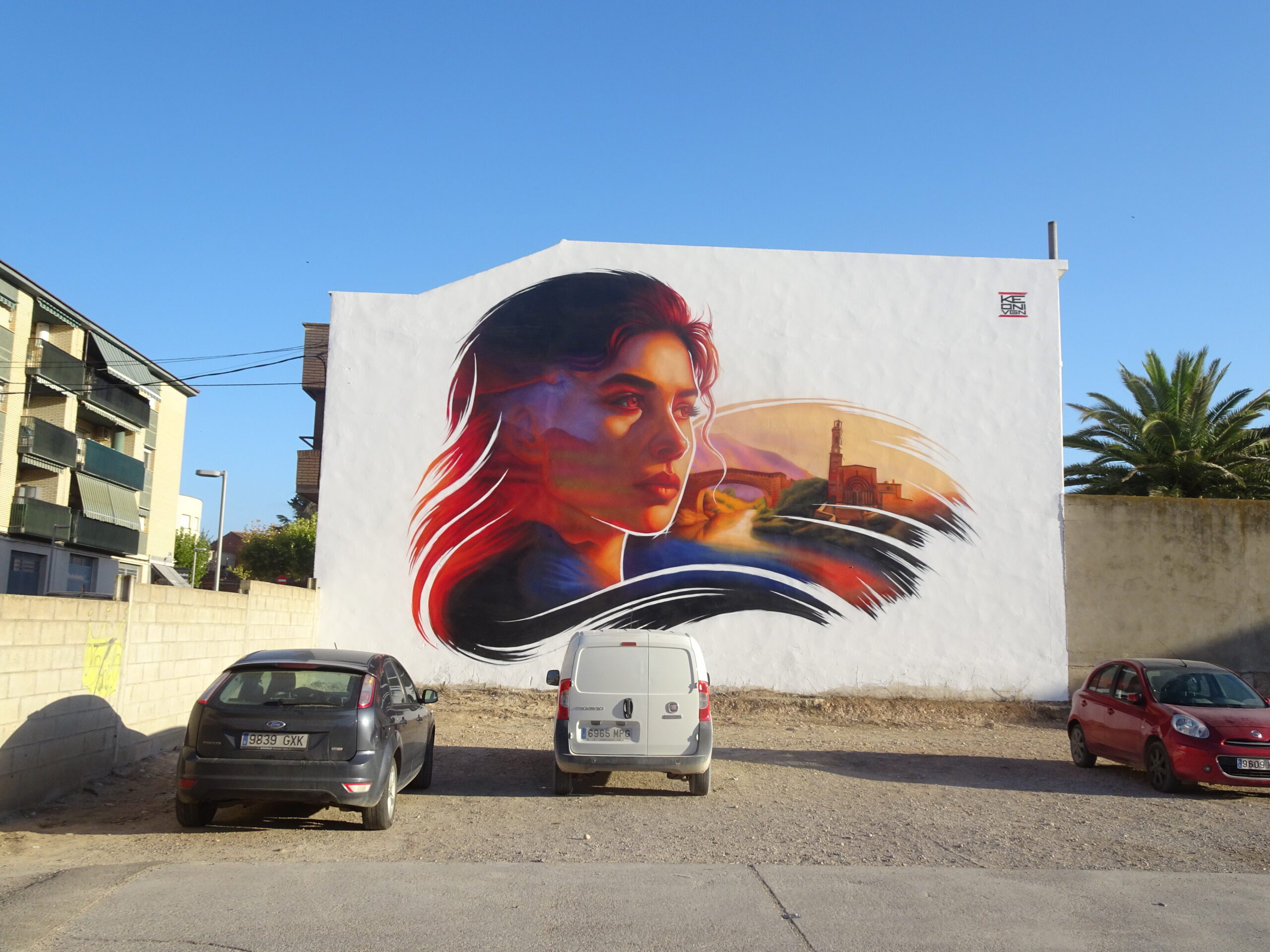
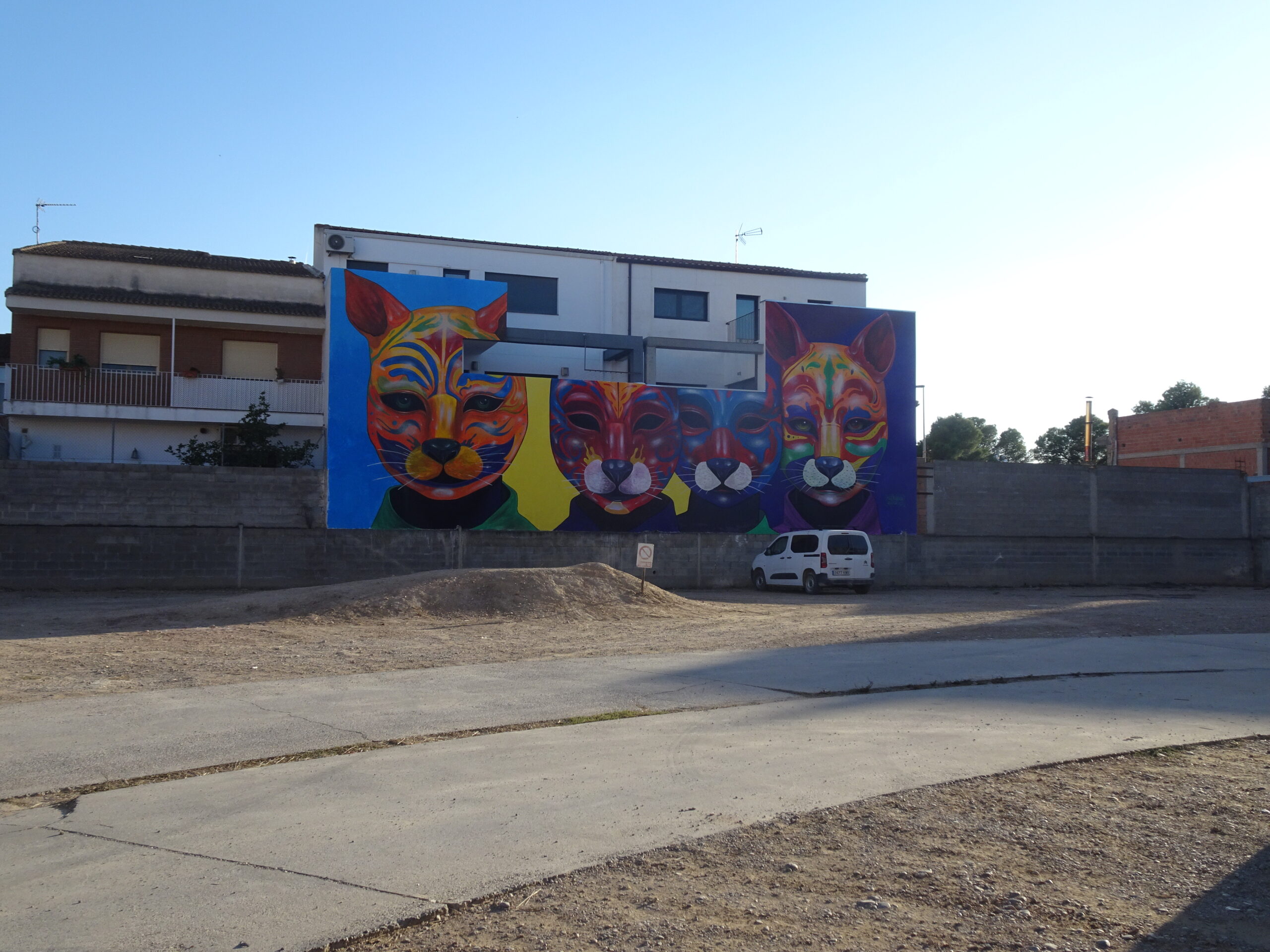
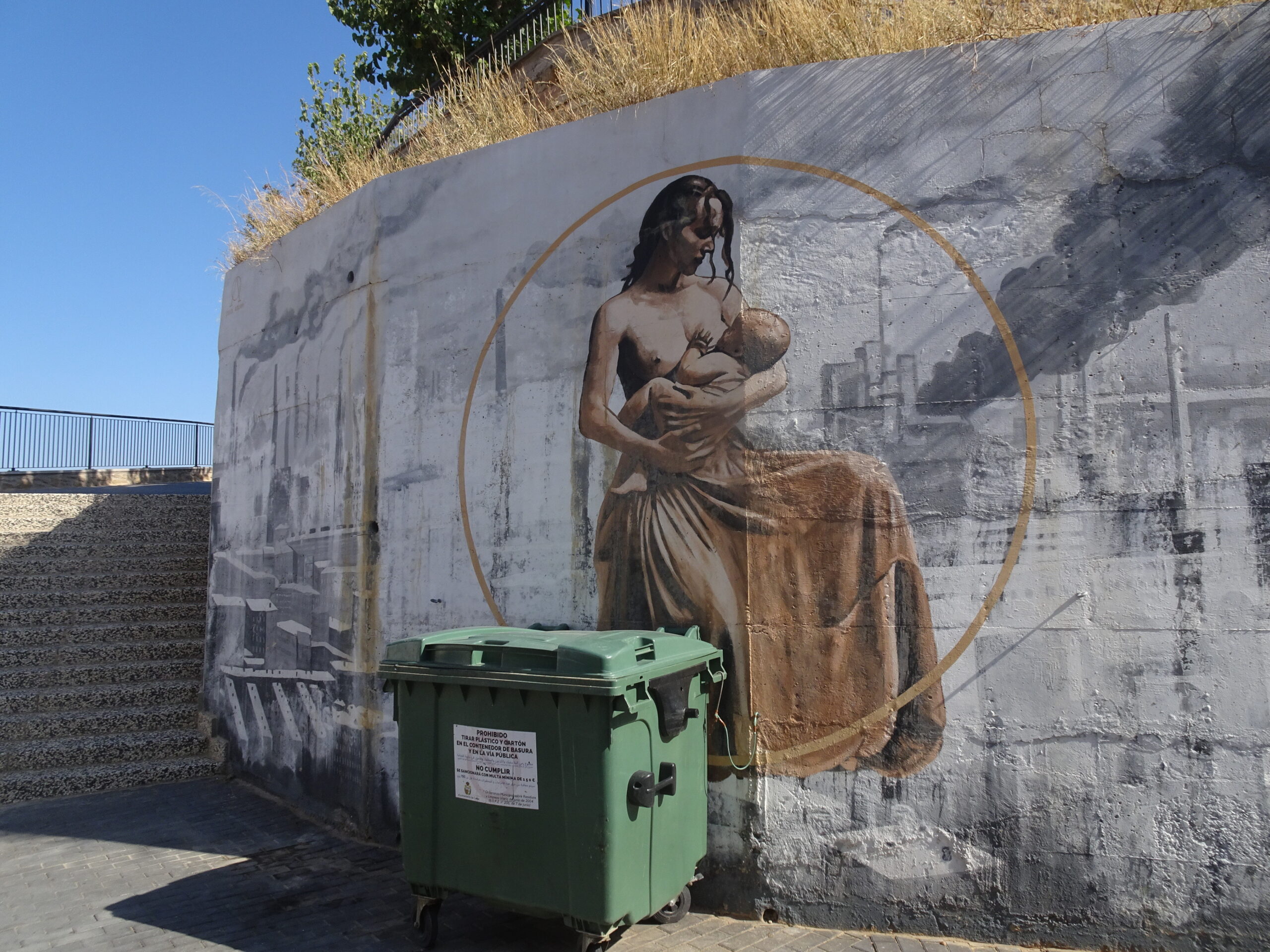
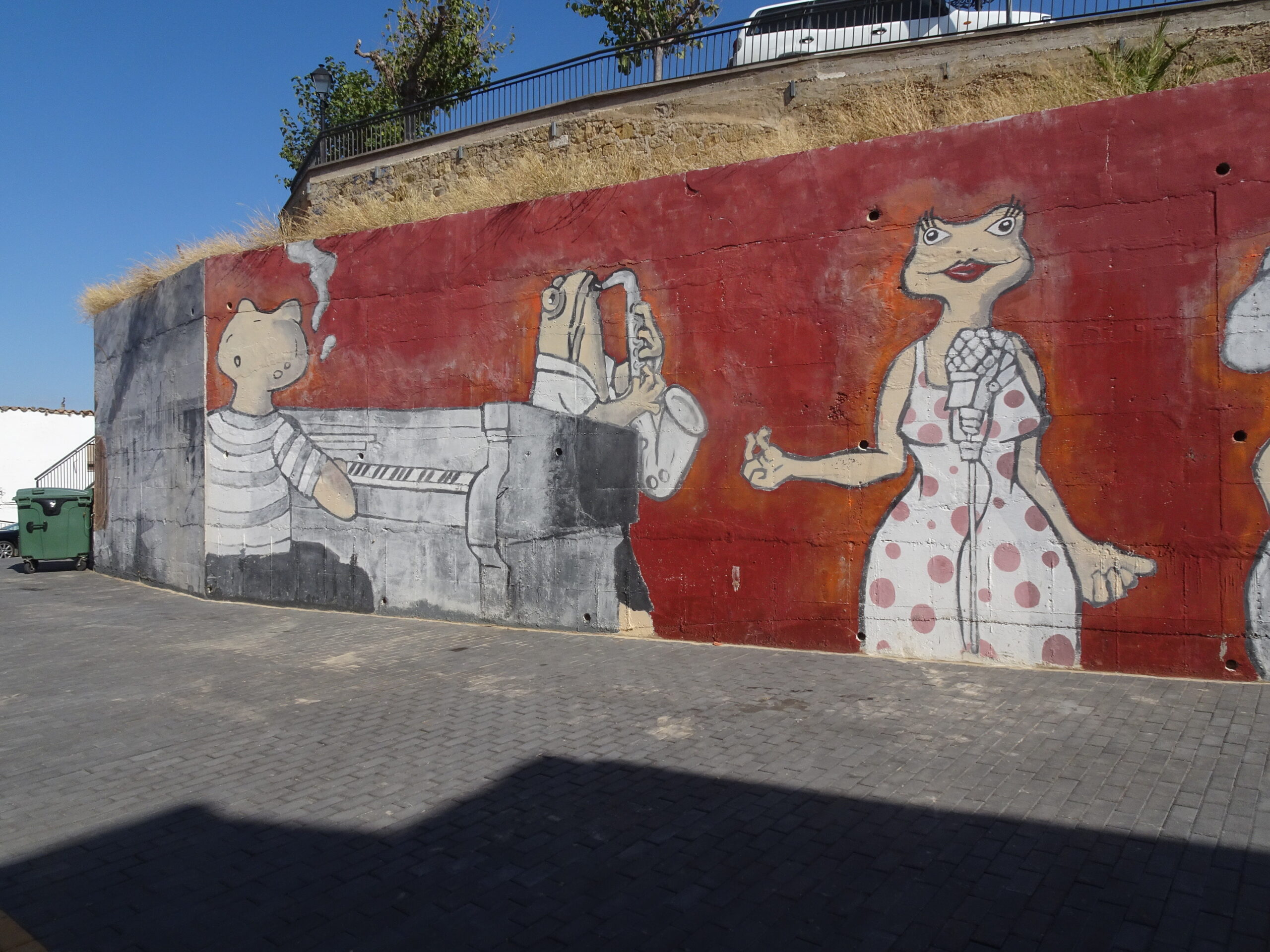
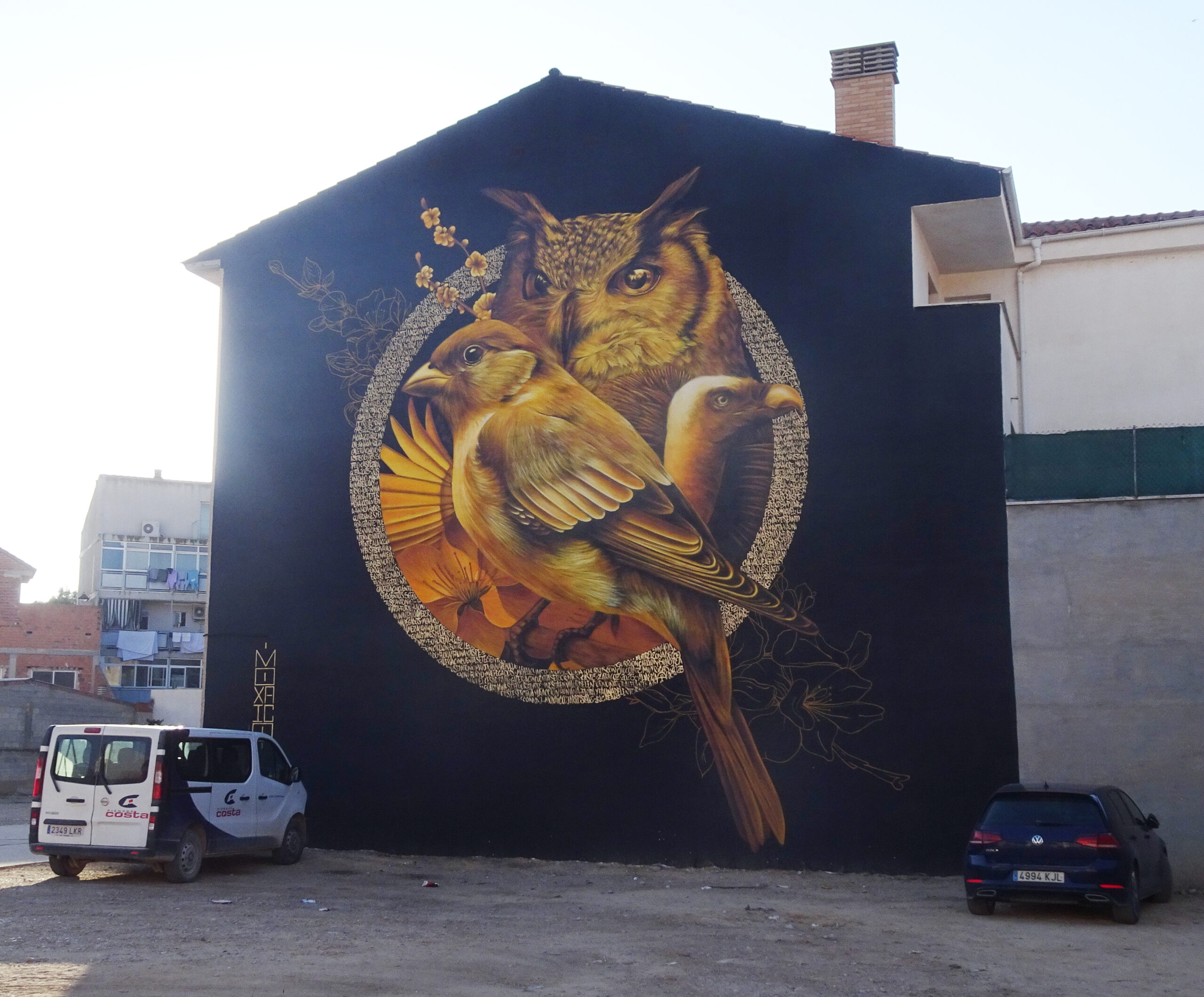
Murals in Caspe! For some reason this city seems to be in love with murals. Some are wonderfully decorative, and others are historical or just silly. But all are fun.
(Note on Photos: Click on any image to enlarge it and click again for additional zoom)
For many reasons, Barcelona is my favorite large city in Spain- the art, the architecture, the vibrancy…
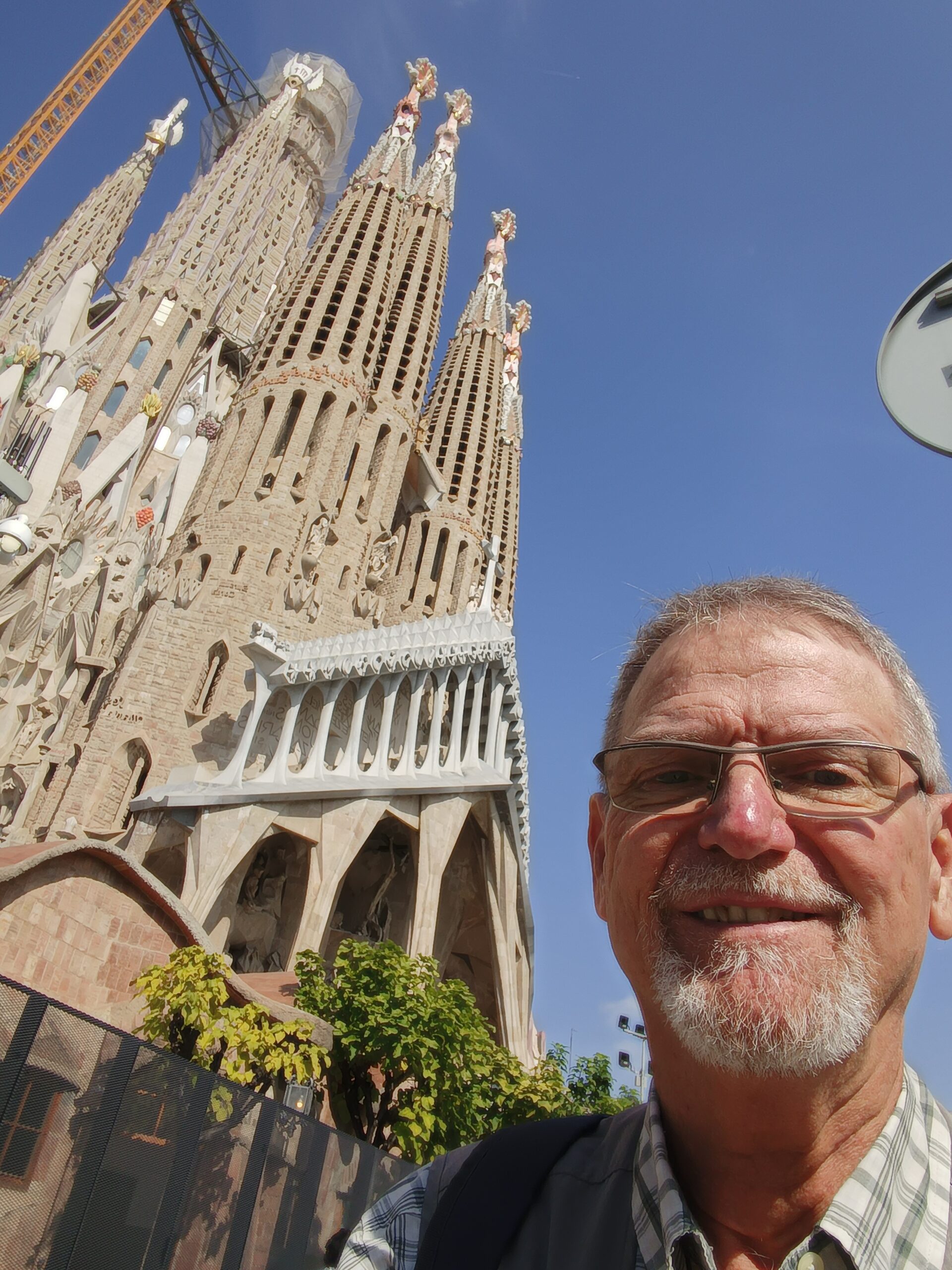
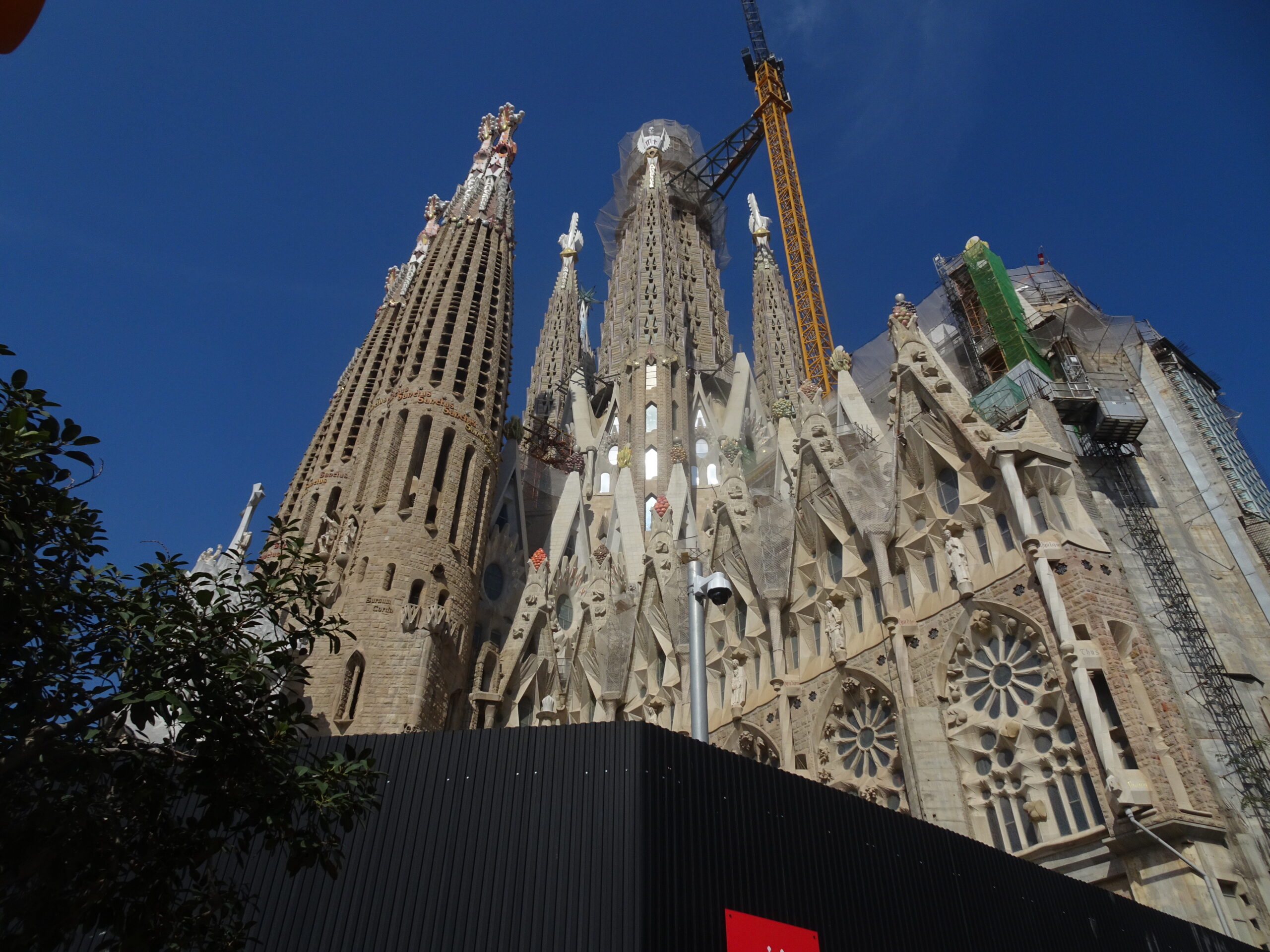
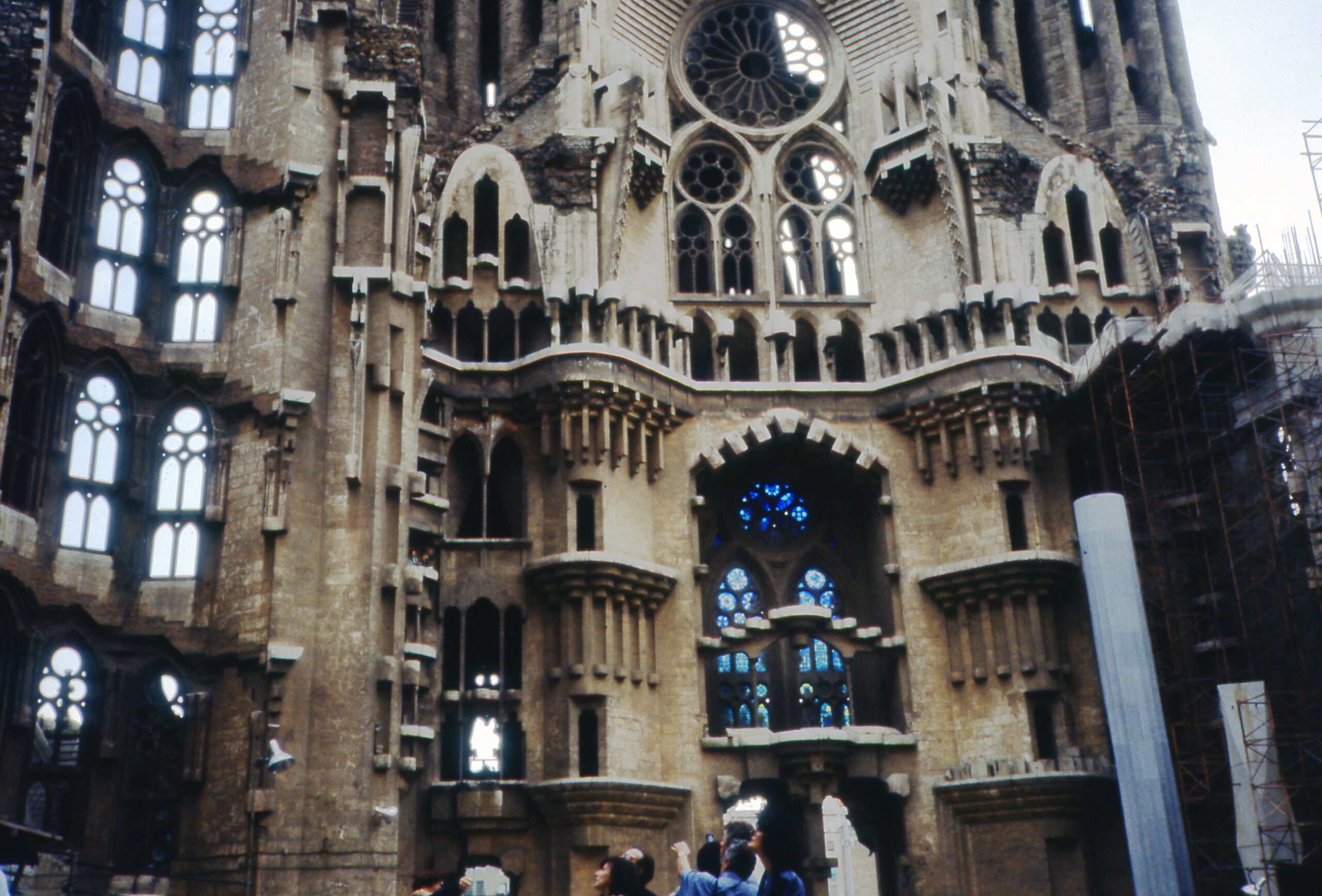
I went to Barcelona as part of my annual visit to check progress on the construction of the Sagrada Familia cathedral. I have been watching over that project for more than 30 years! So, it has become a pilgrimage for me! The construction has been moving along steadily, and from the exterior it was obvious that the huge, central tower still needs time for completion.
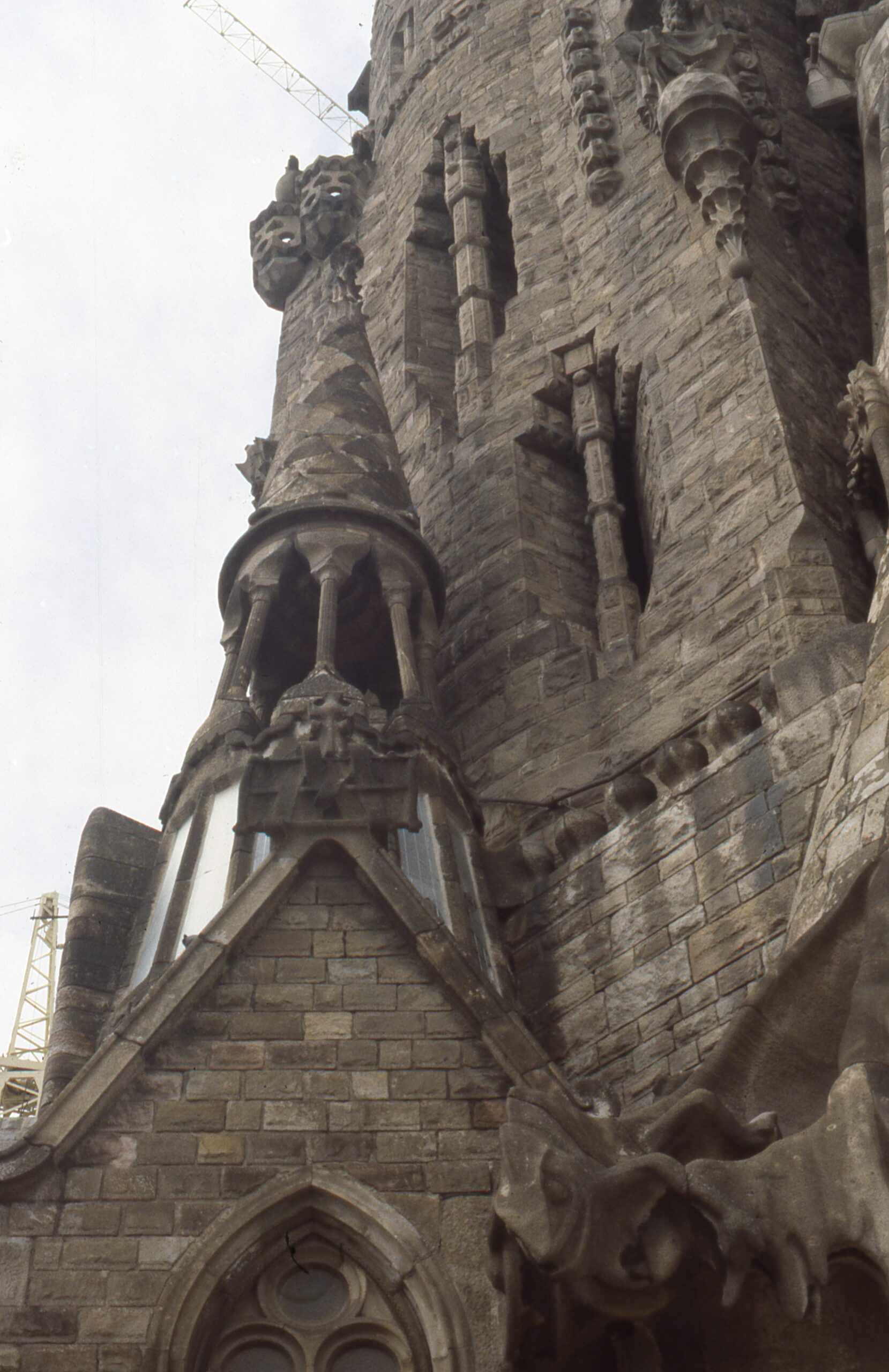
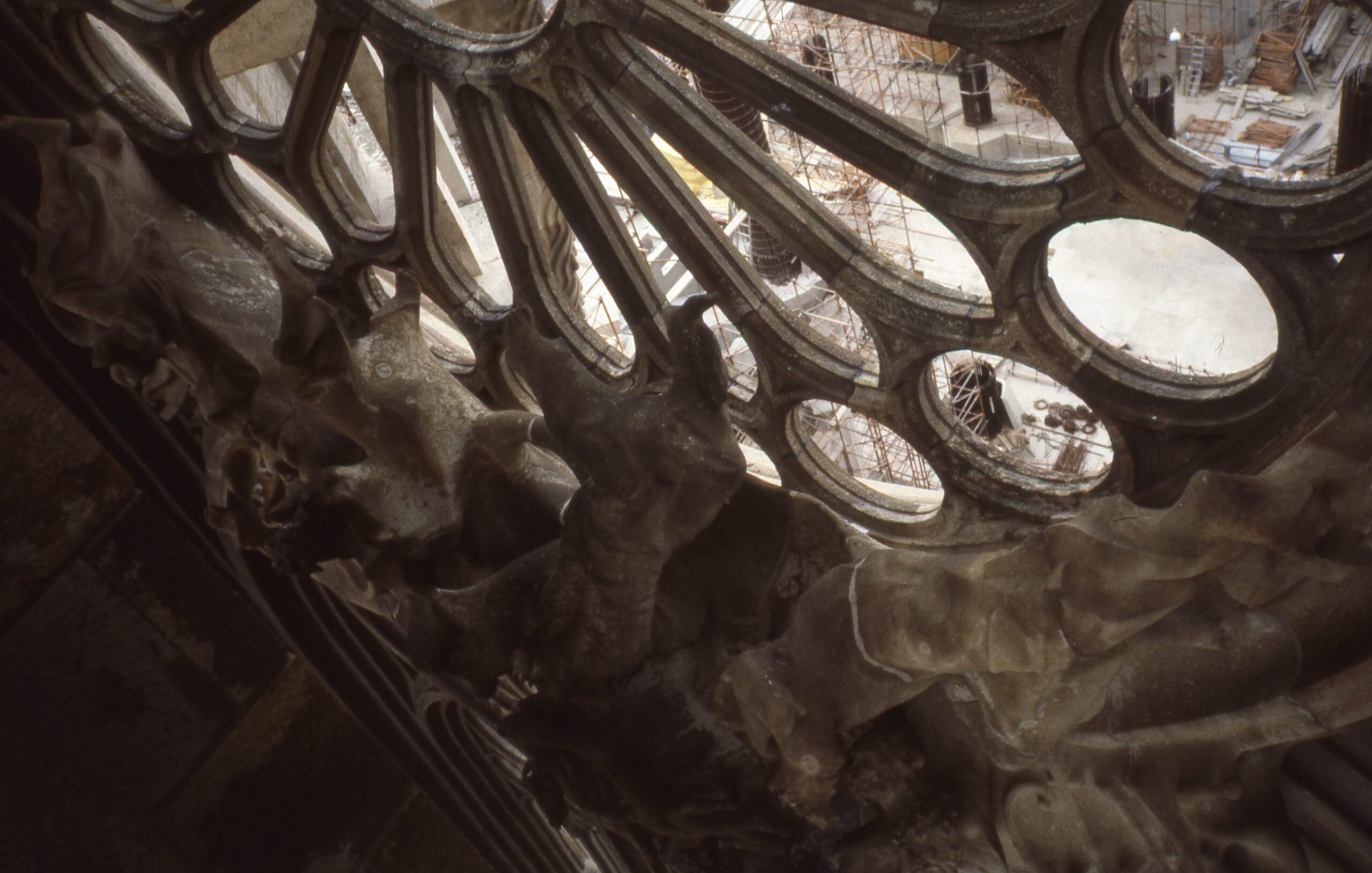
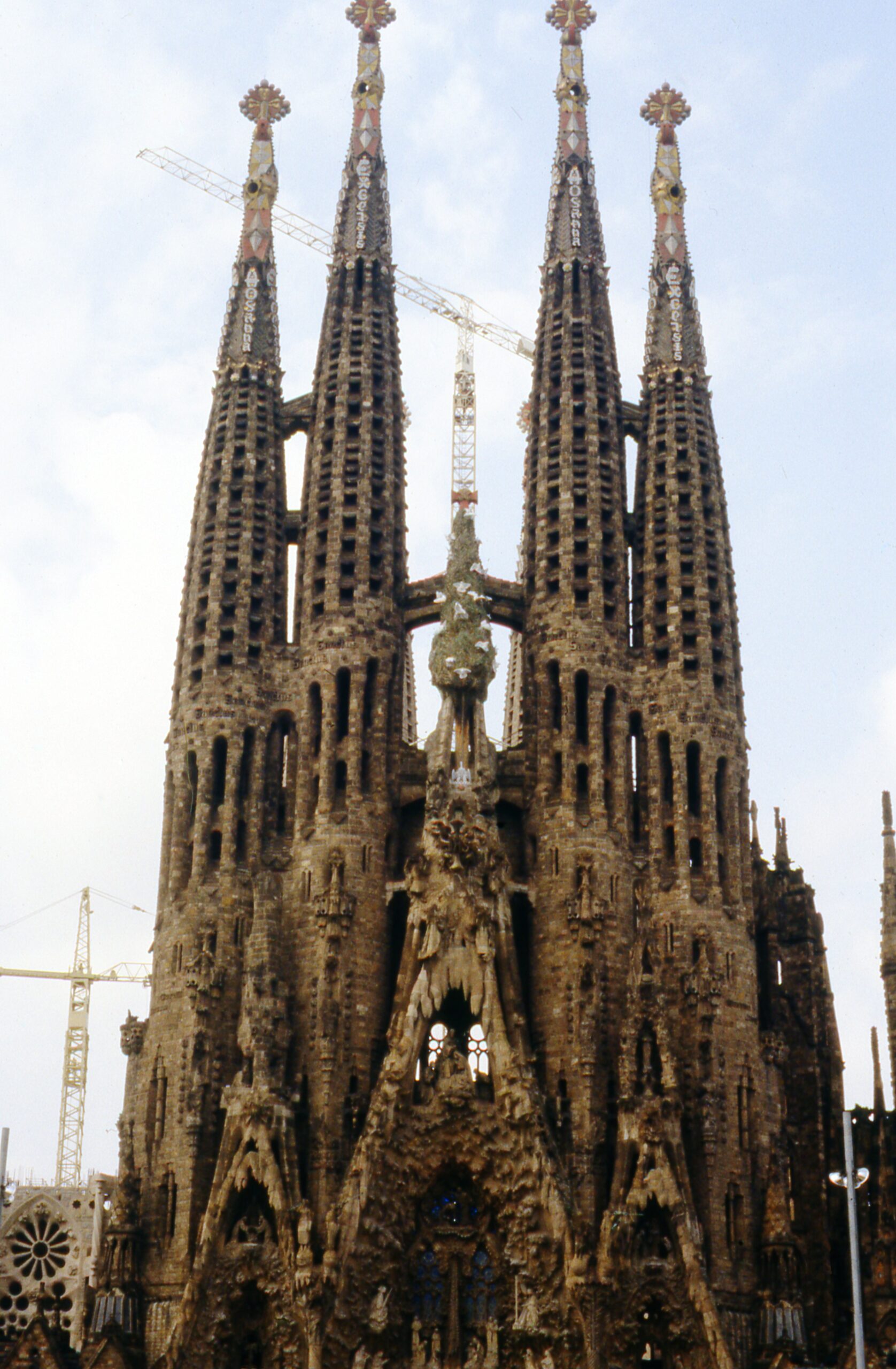
So, I said I’ve been visiting the Sagrada Familia for more than 30 years? What did it look like back then?
Sagrada Familia in 1993: Clearly an earlier stage of construction!
Just your basic construction site, with materials strewn around, waiting their turn to be put in place!Looking down towards scaffolding
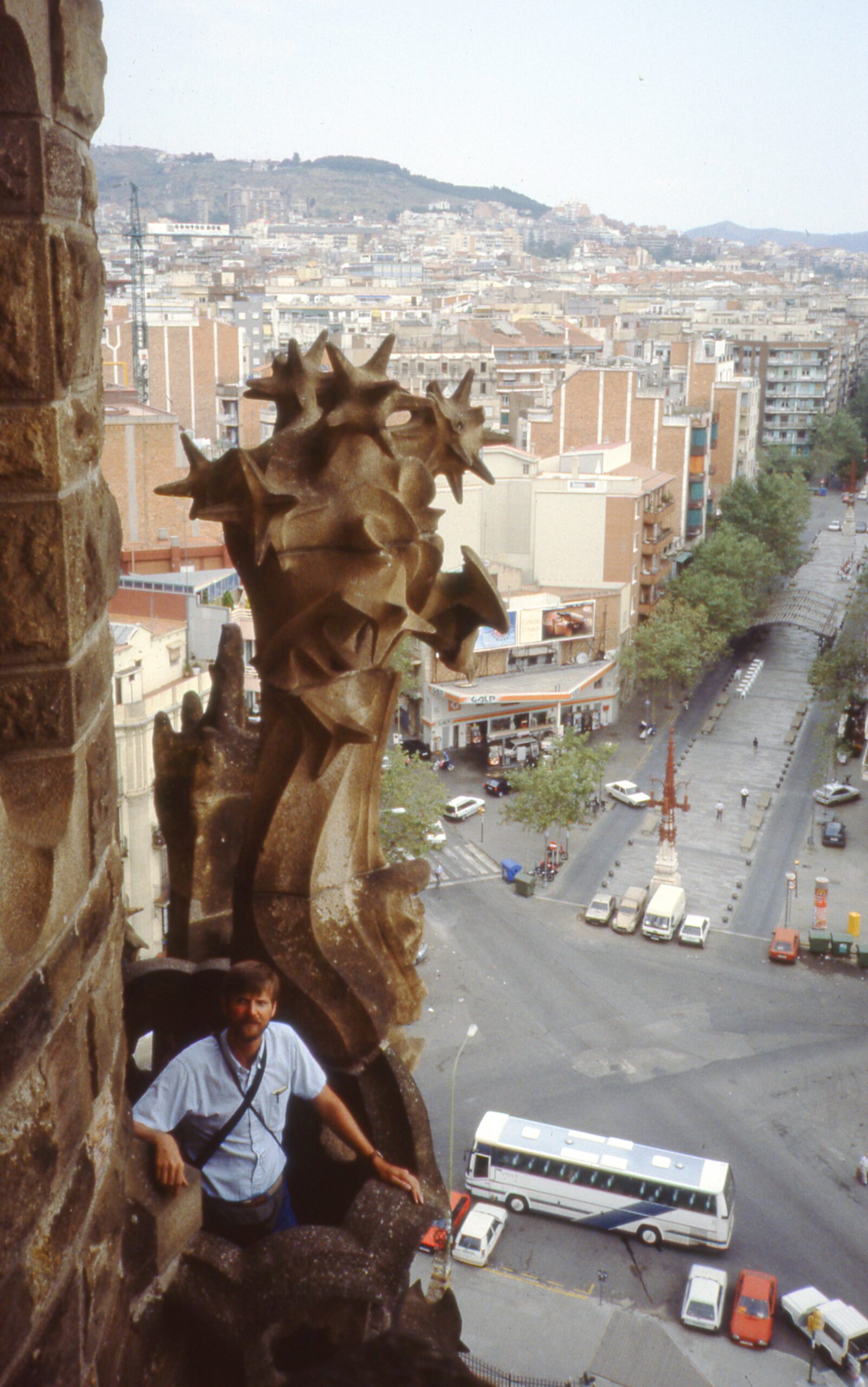
Well, I was at an earlier stage of construction too! ha ha!
Who is that youngster?Well, these days I may be falling apart, but that shirt and jacket are still going strong!
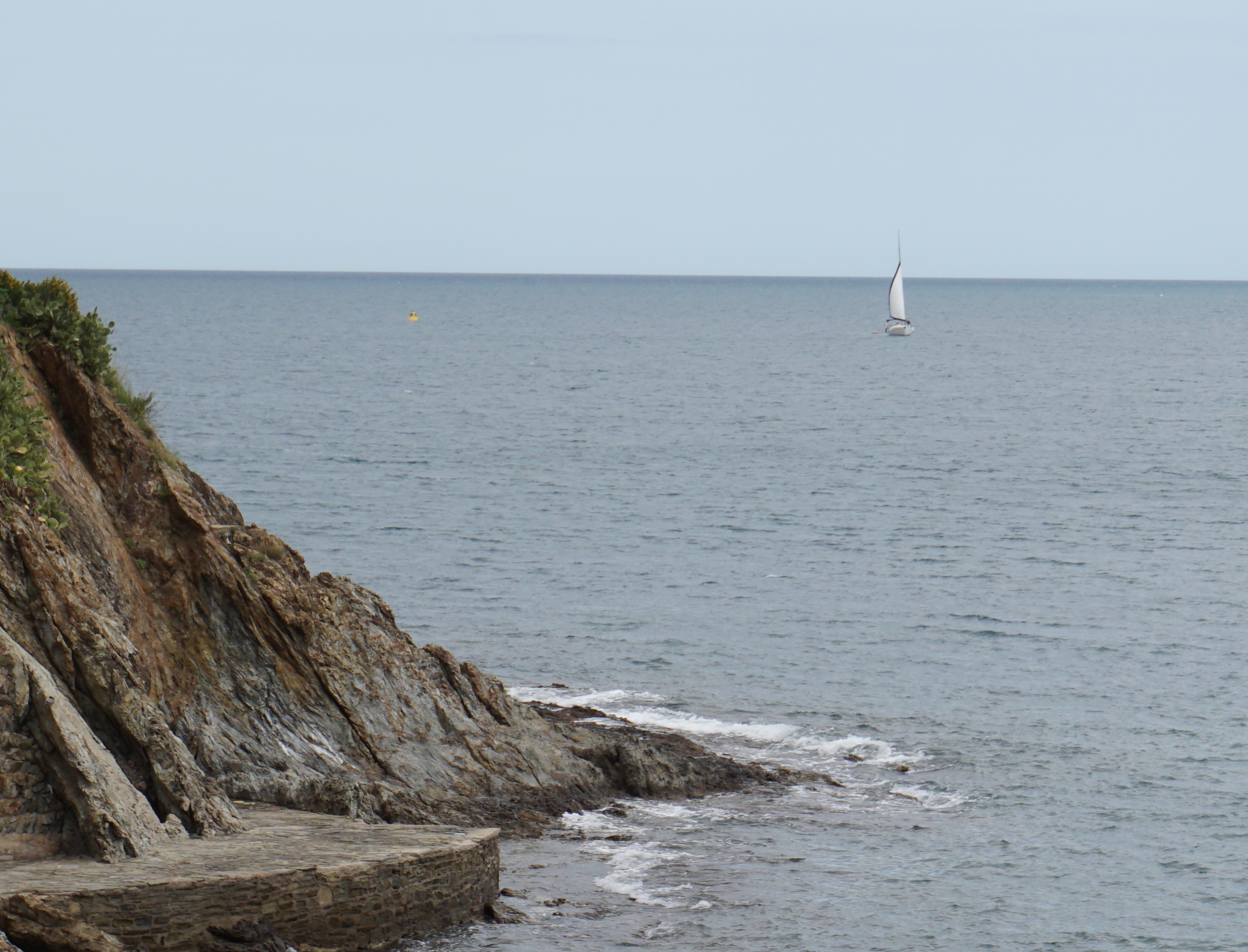
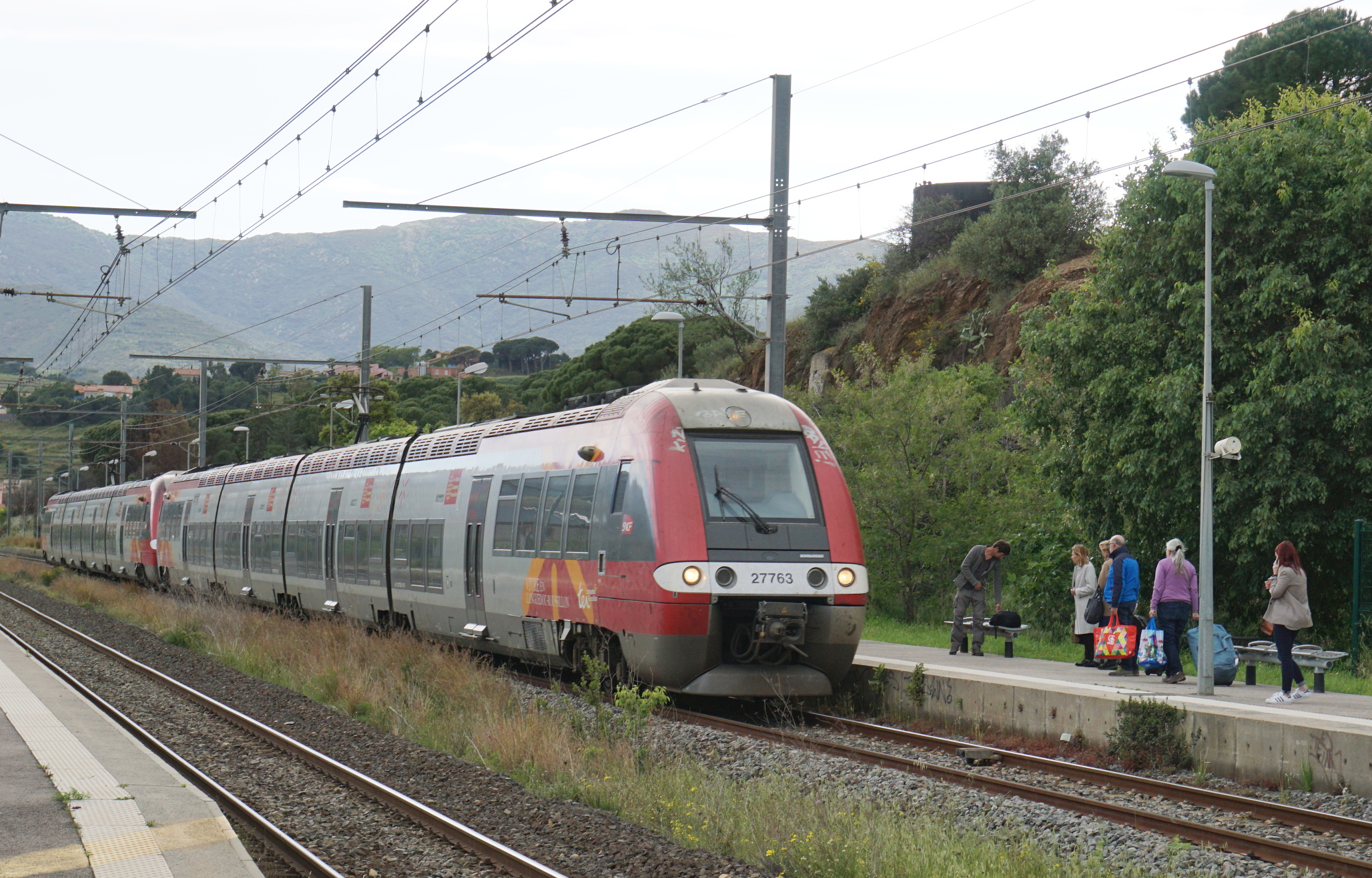
The R11 Regional train heads northeast from Barcelona, past Girona, past Figueres to Portbou just on the Spanish side of the French border. After a short stop, the train heads through a tunnel, and this Spanish train ends its run in the French border town of Cerebere. There a group of uniformed French officials standing on the station platform met the arriving passengers and thoroughly checked passports. Inside the station, I bought a round-trip ticket on the French SNCF train heading north. I wasn’t going far, just to the next station: Banyuls sur Mer (Banyuls on the sea).
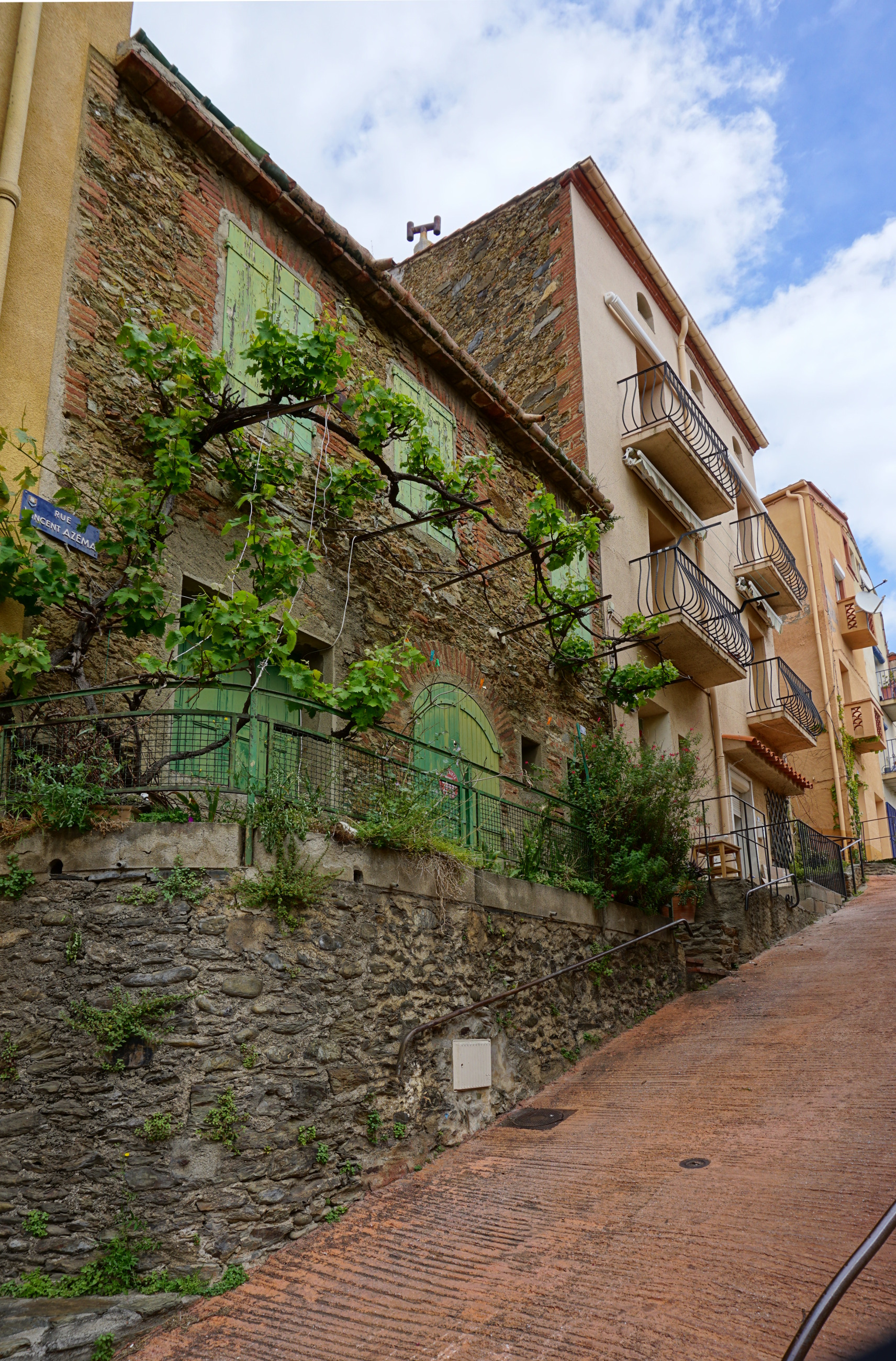
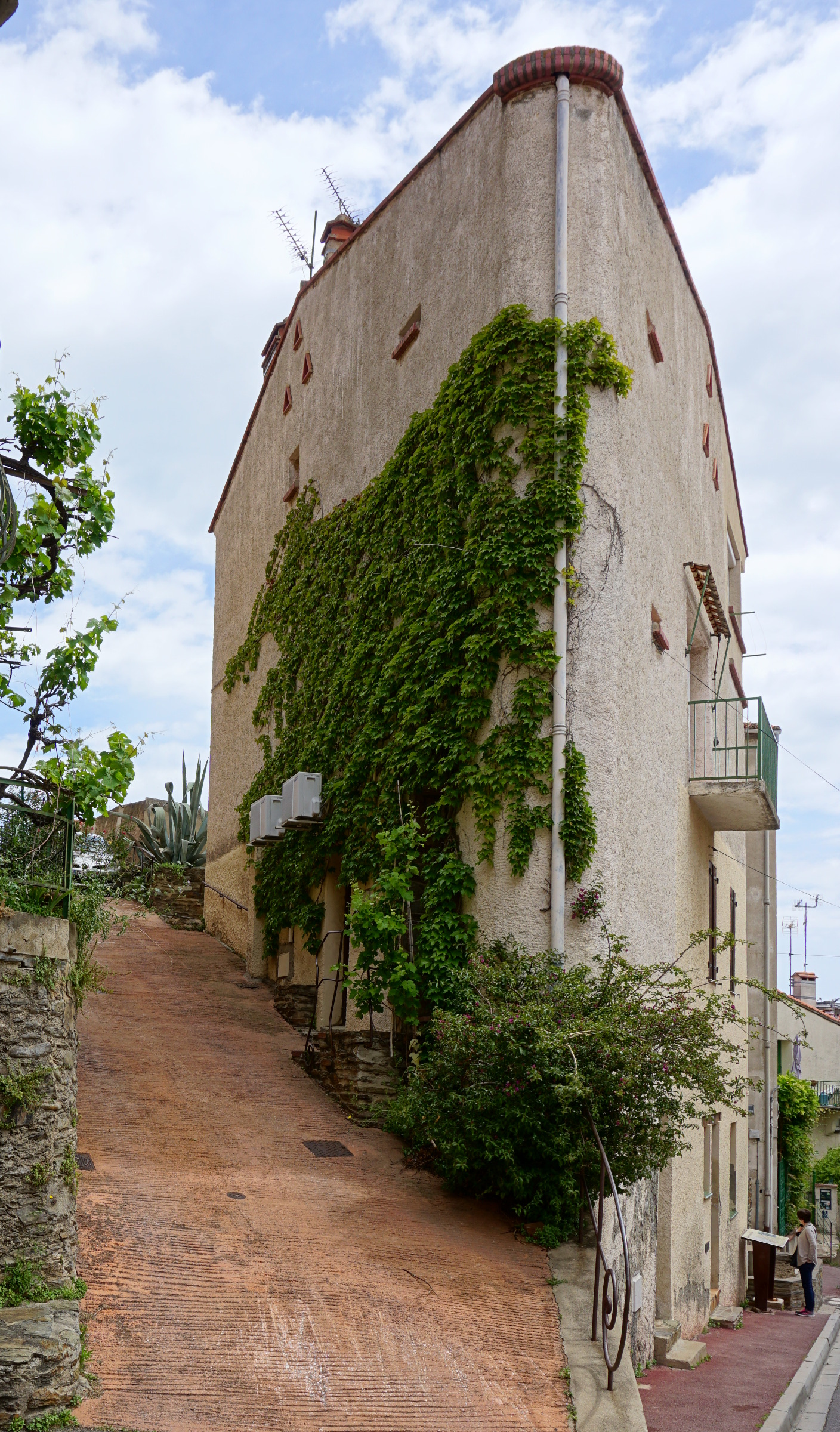
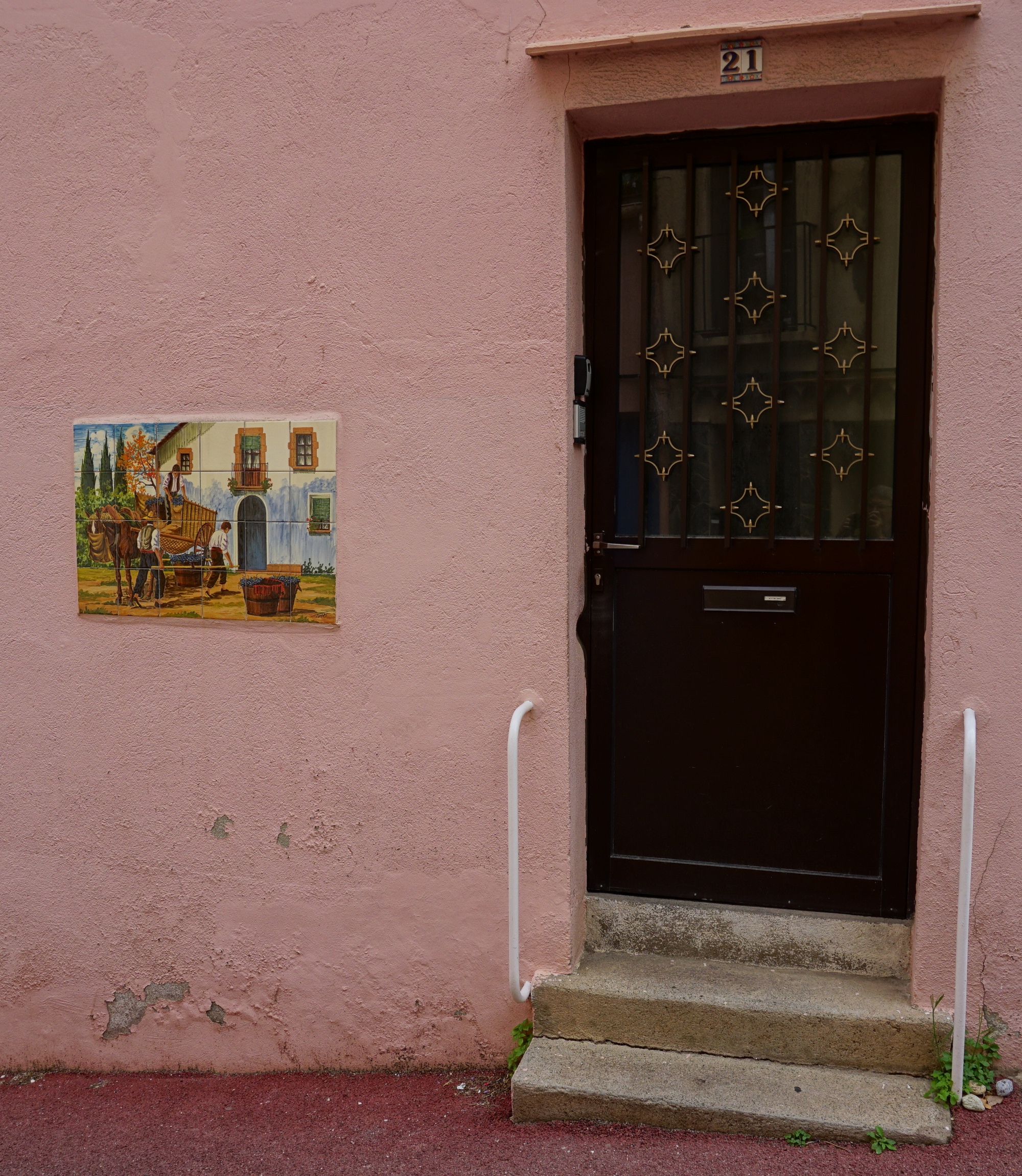
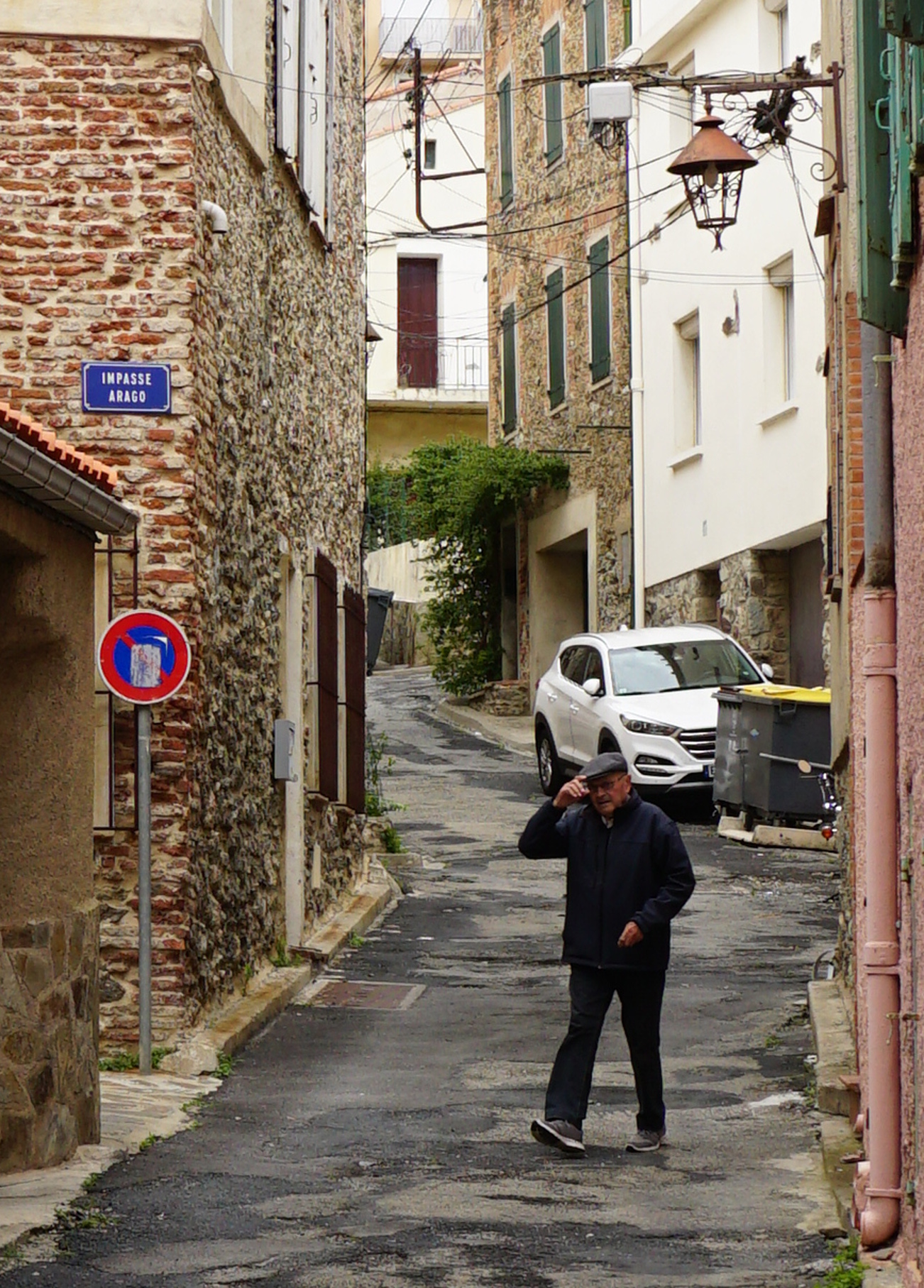
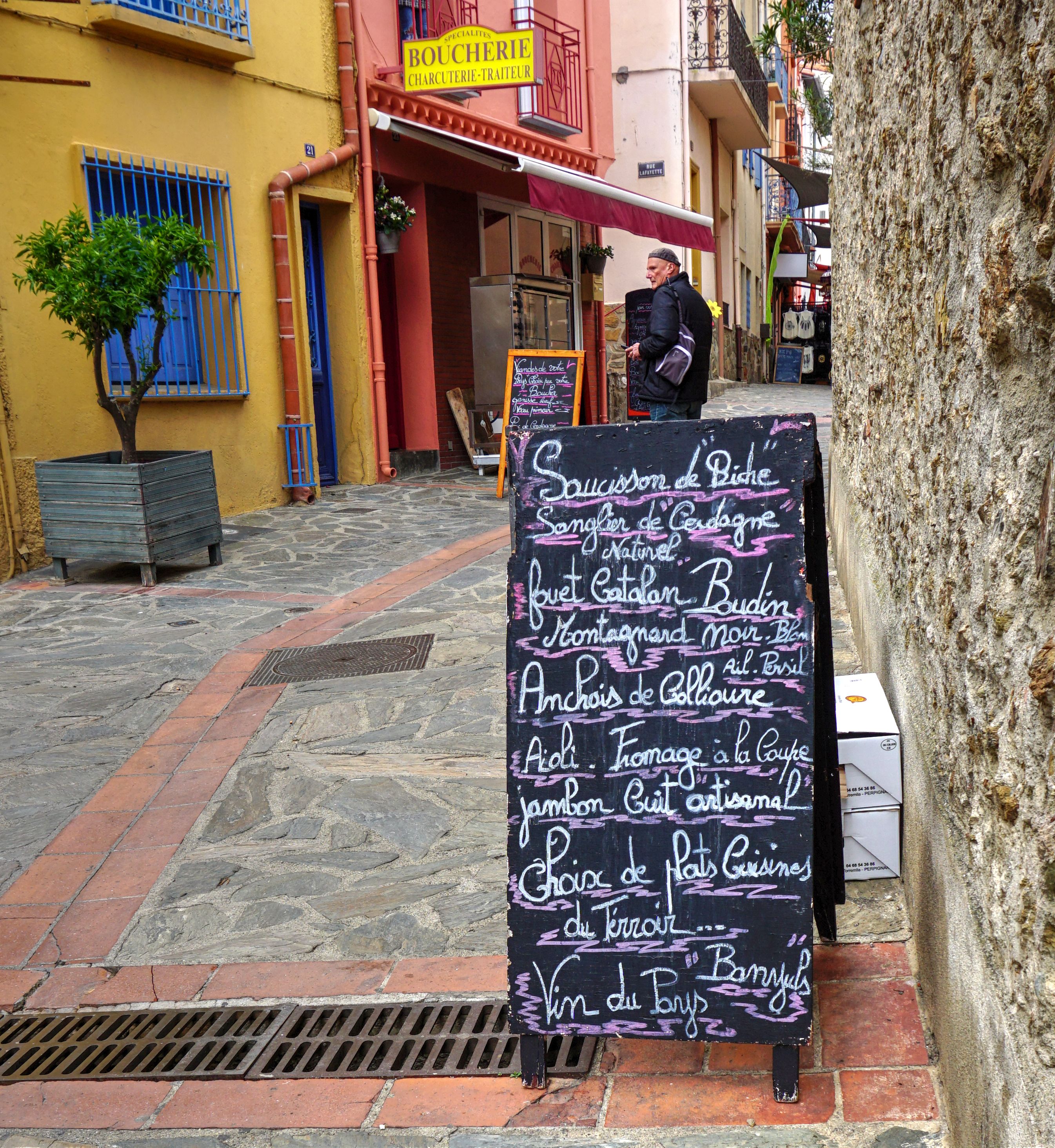
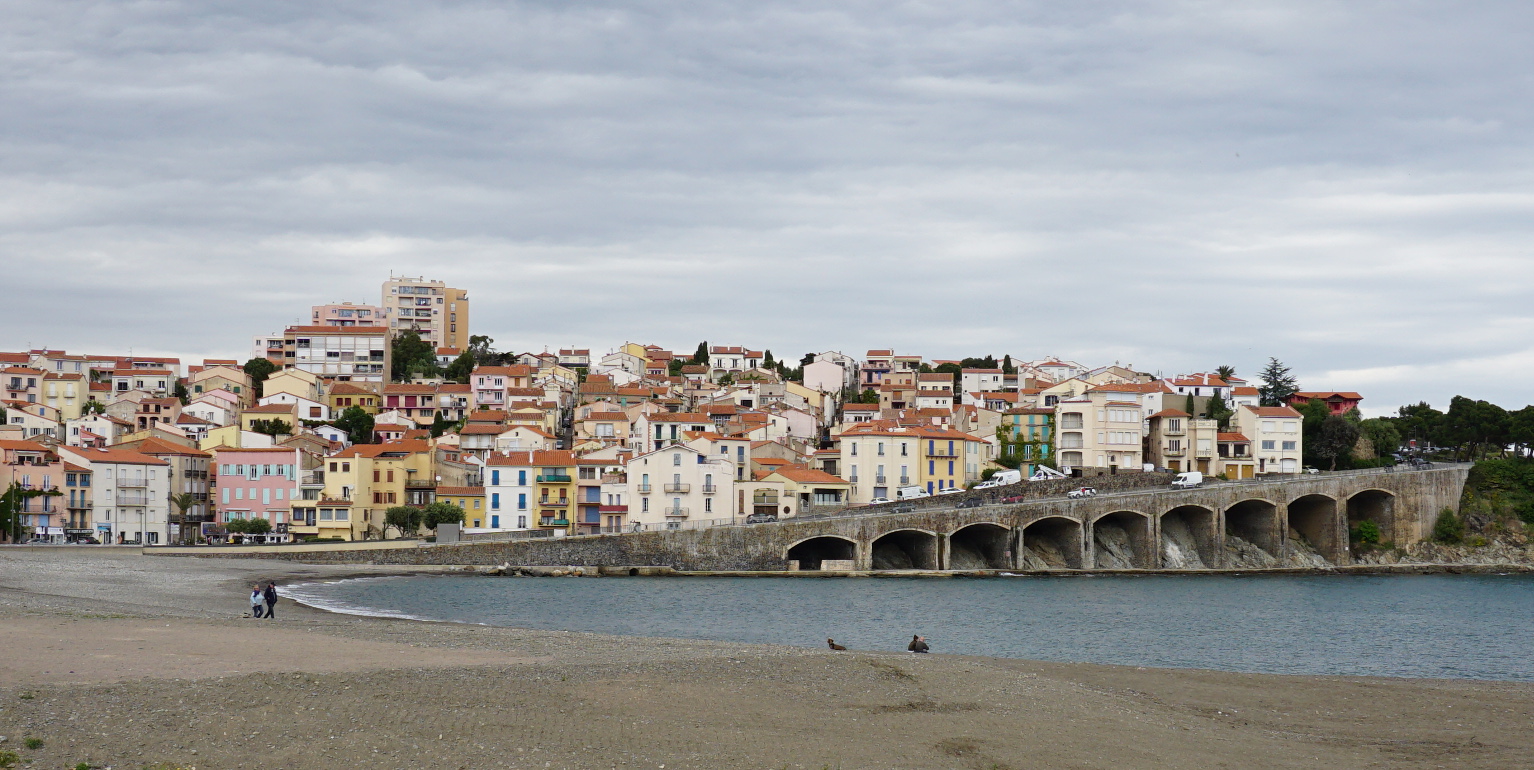
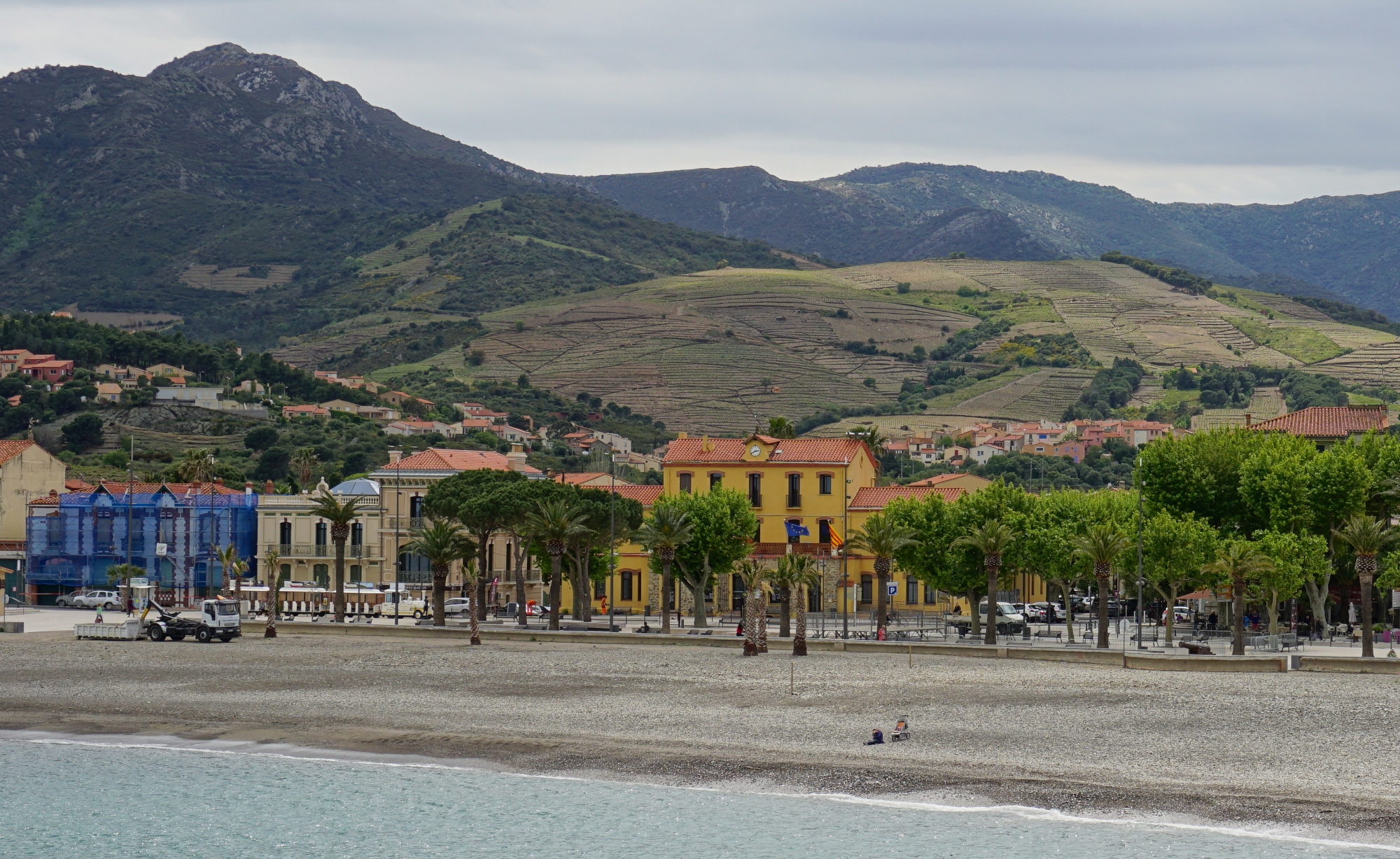
It is a small town of about five thousand residents. It is quiet and French. I did not hear any other language spoken as I wandered around town. There is a tourist office, and one of those “tourist trains”. But, I guess they are all French tourists! 🙂
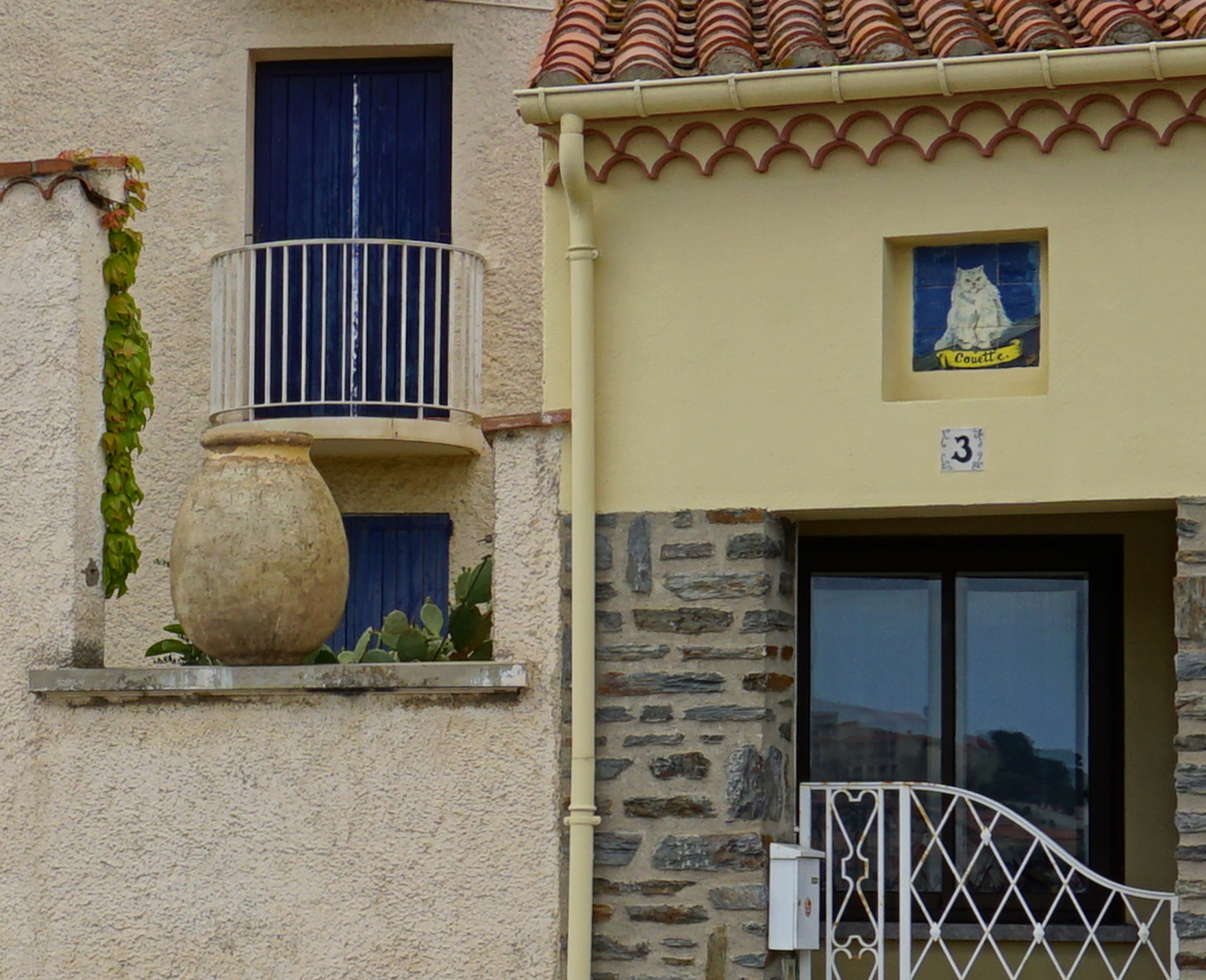
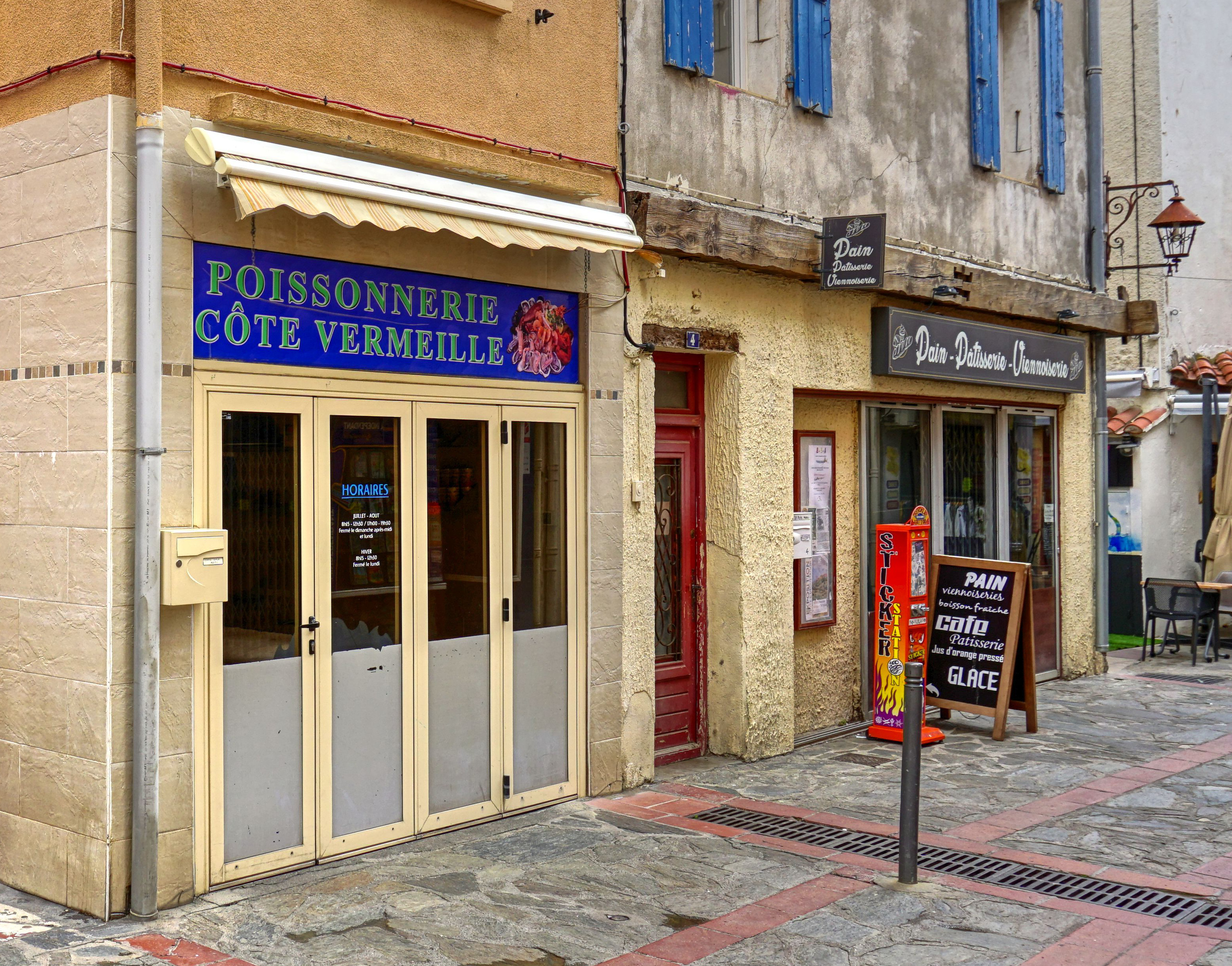
The unmistakable indication of a “cat house”! 🙂I wonder if this fellow was one of the men I later saw playing boules! A fish market and bakery
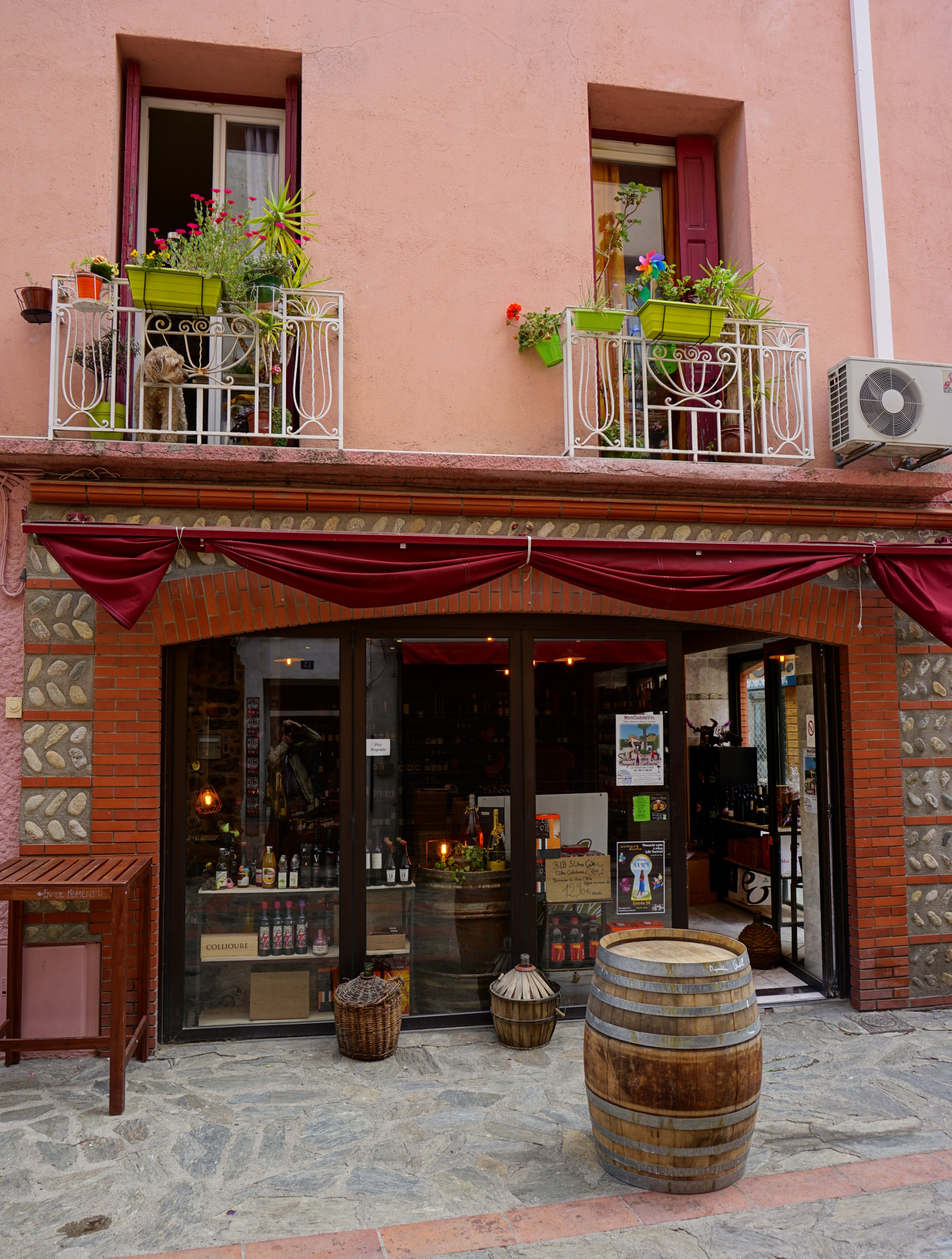
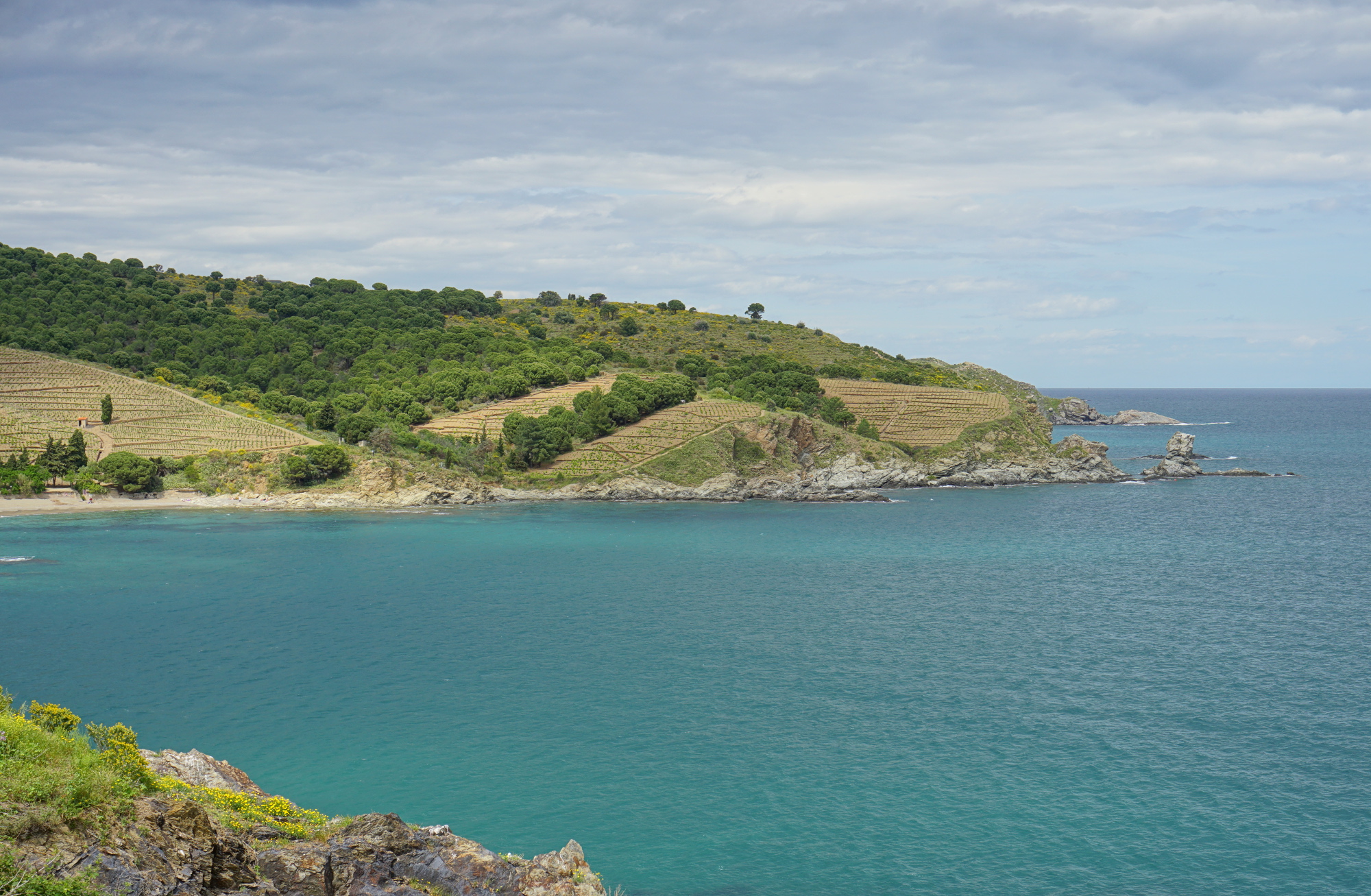
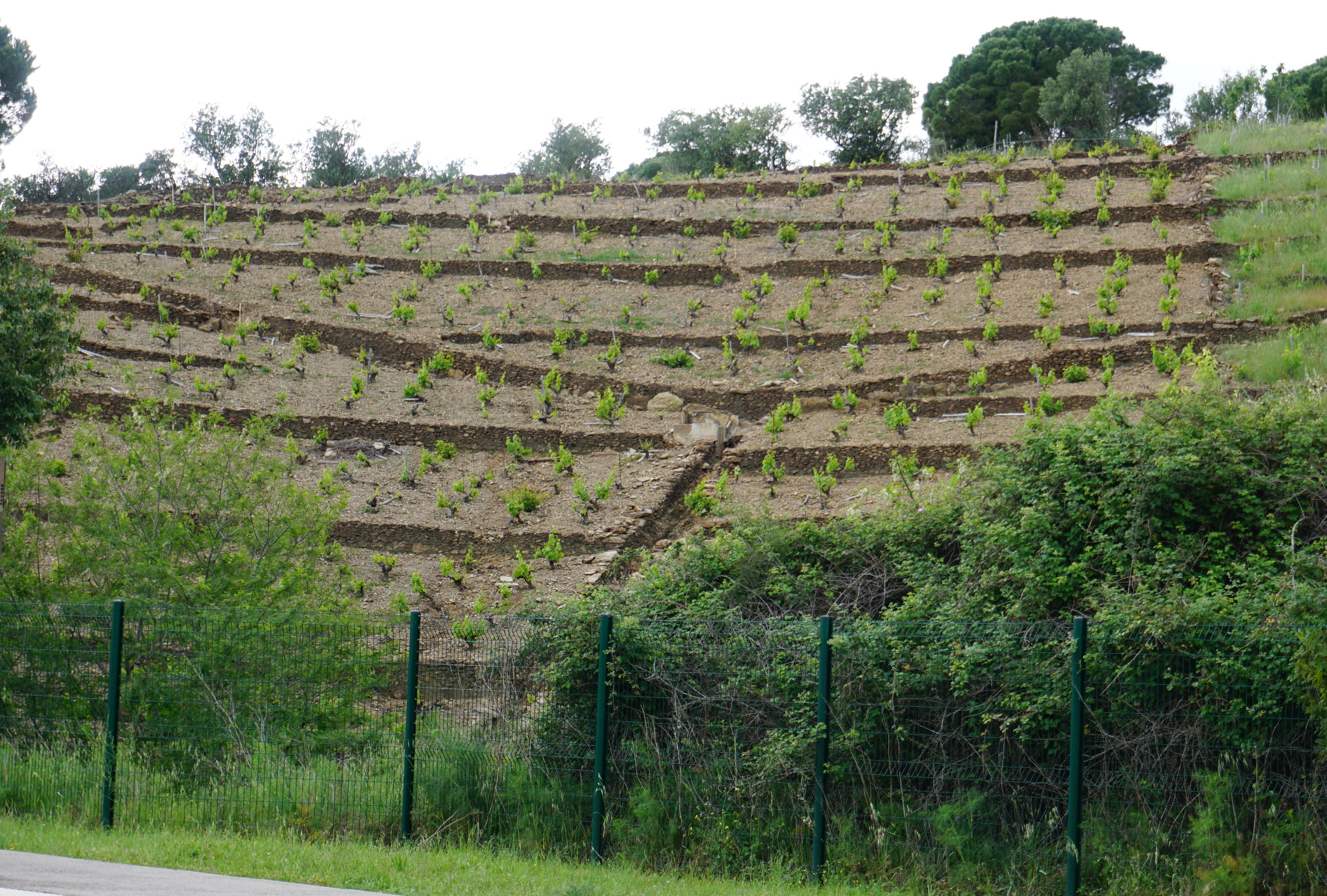
This town is definitely in “wine country”. At the time the prospect seemed a bit heavy, but in retrospect, I should have bought a couple of bottles to take back!
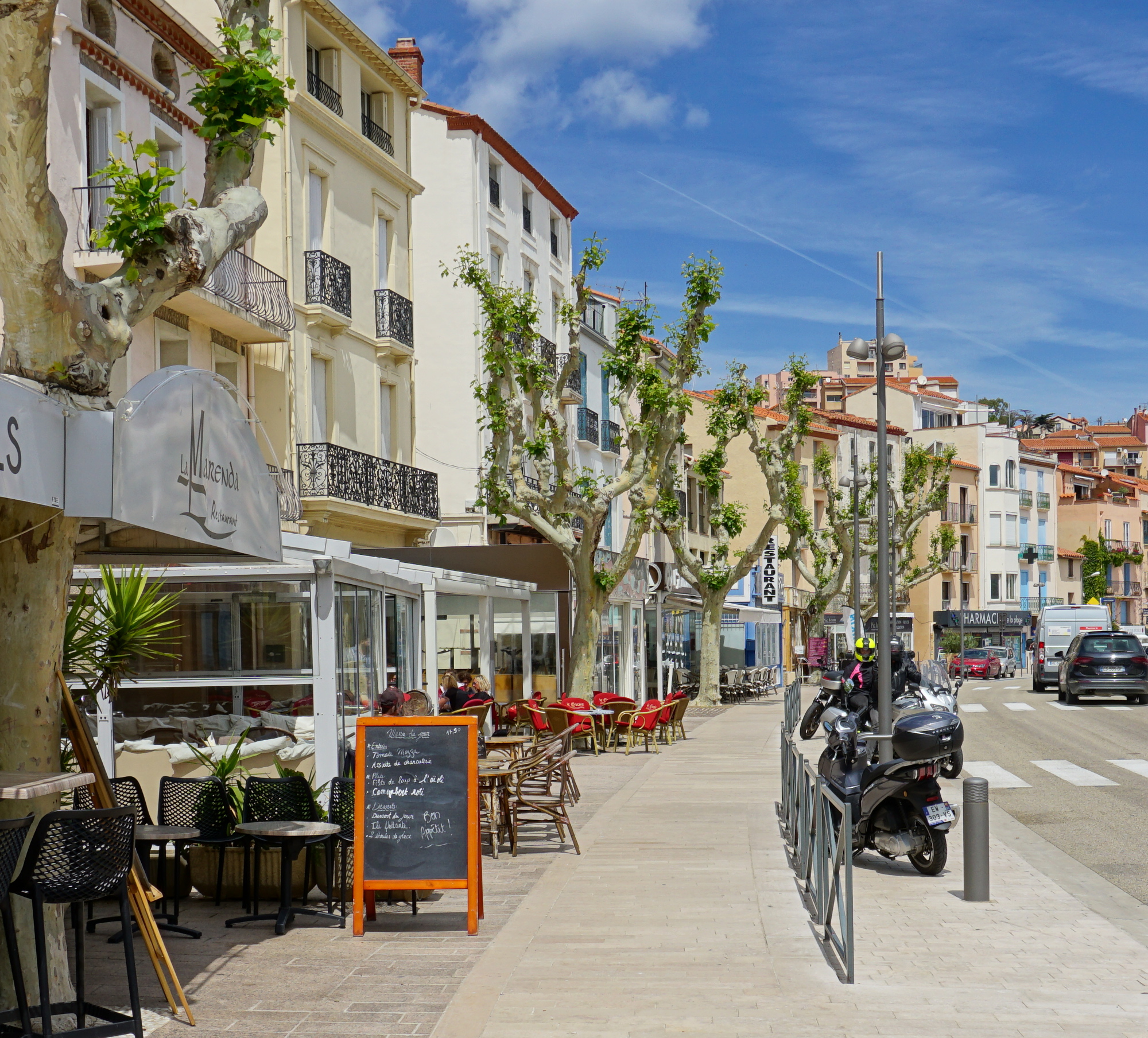
First-line restaurants.
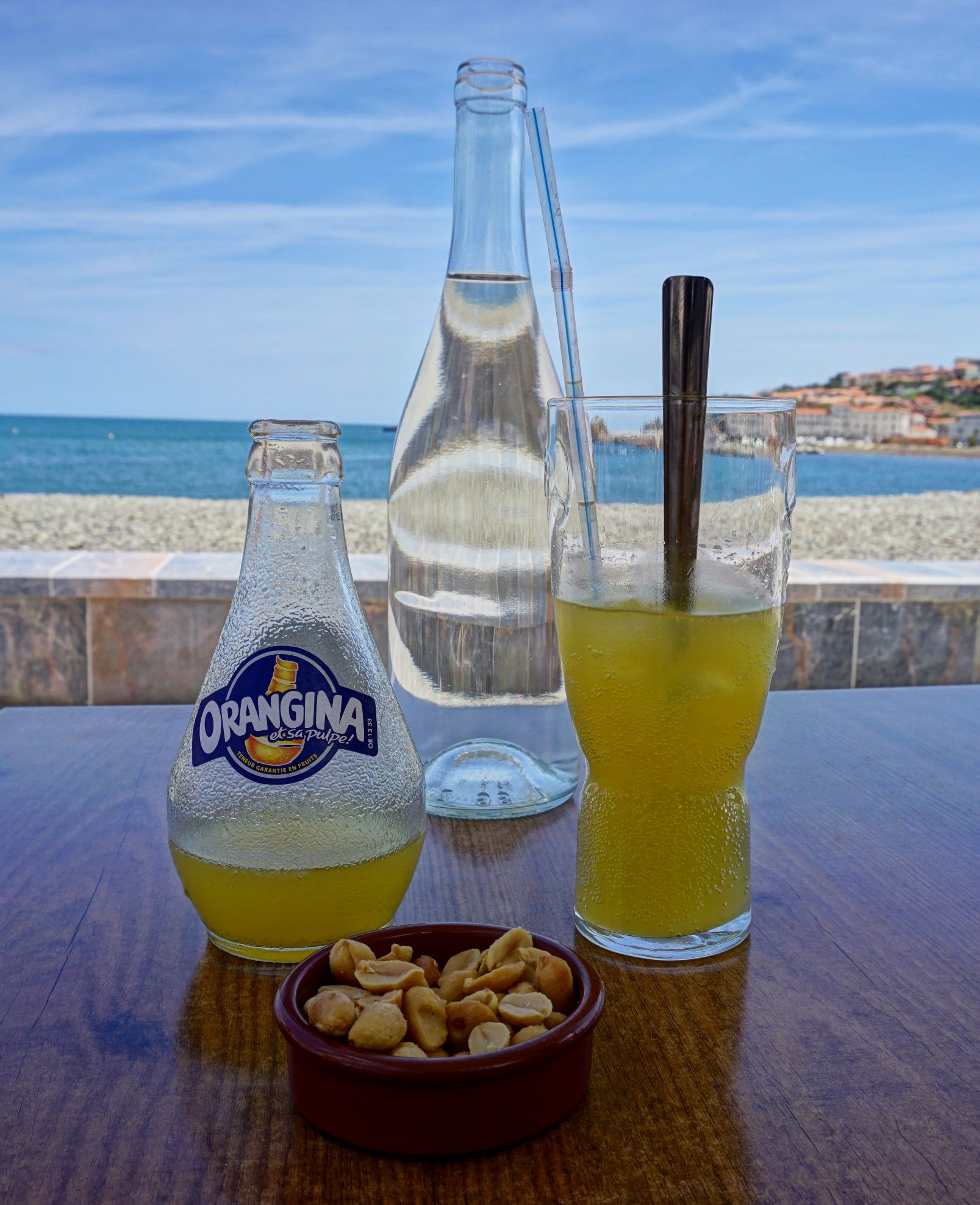
Like “Fanta Orange” in Spain, “Orangina” is a soft drink that includes real orange juice (rather that those horrible flavoring chemicals in American orange soda!) It tastes different than Spanish Fanta Orange, but both are very good! And the view was lovely!
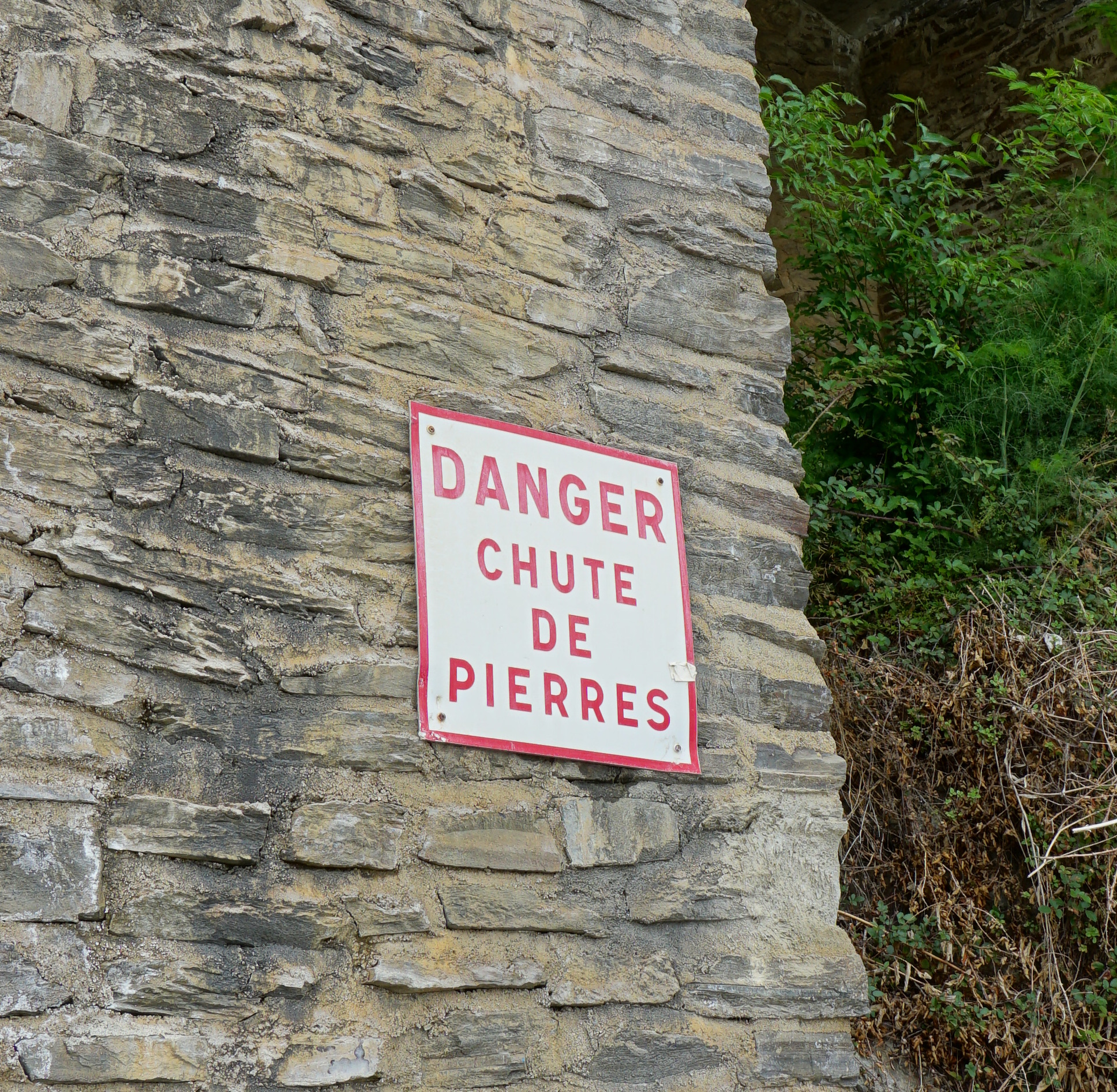
“Pierre” is of course, my name in French. But this does not mean “Danger, falling Peters”. It actually is warning about falling rocks!
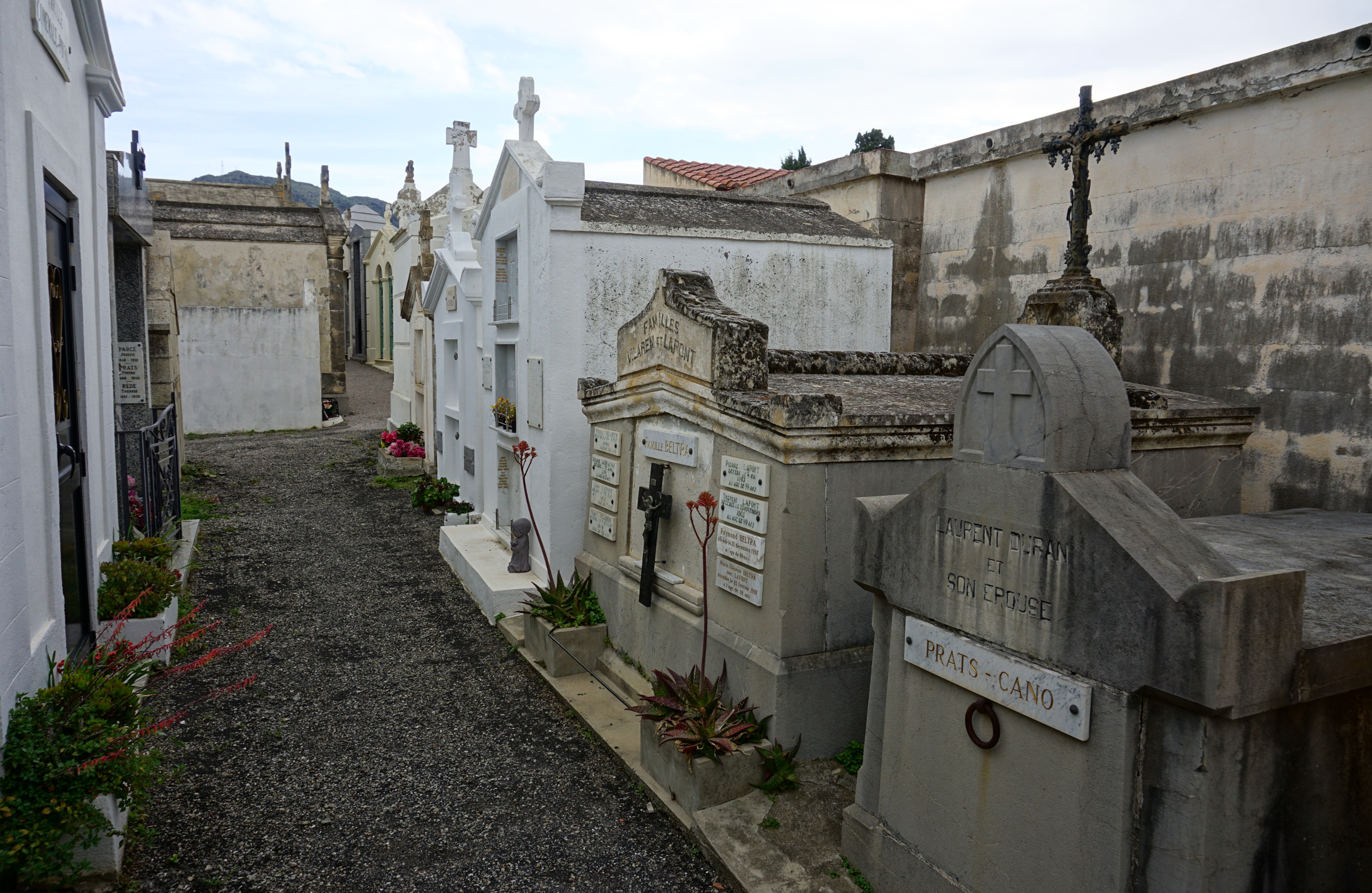
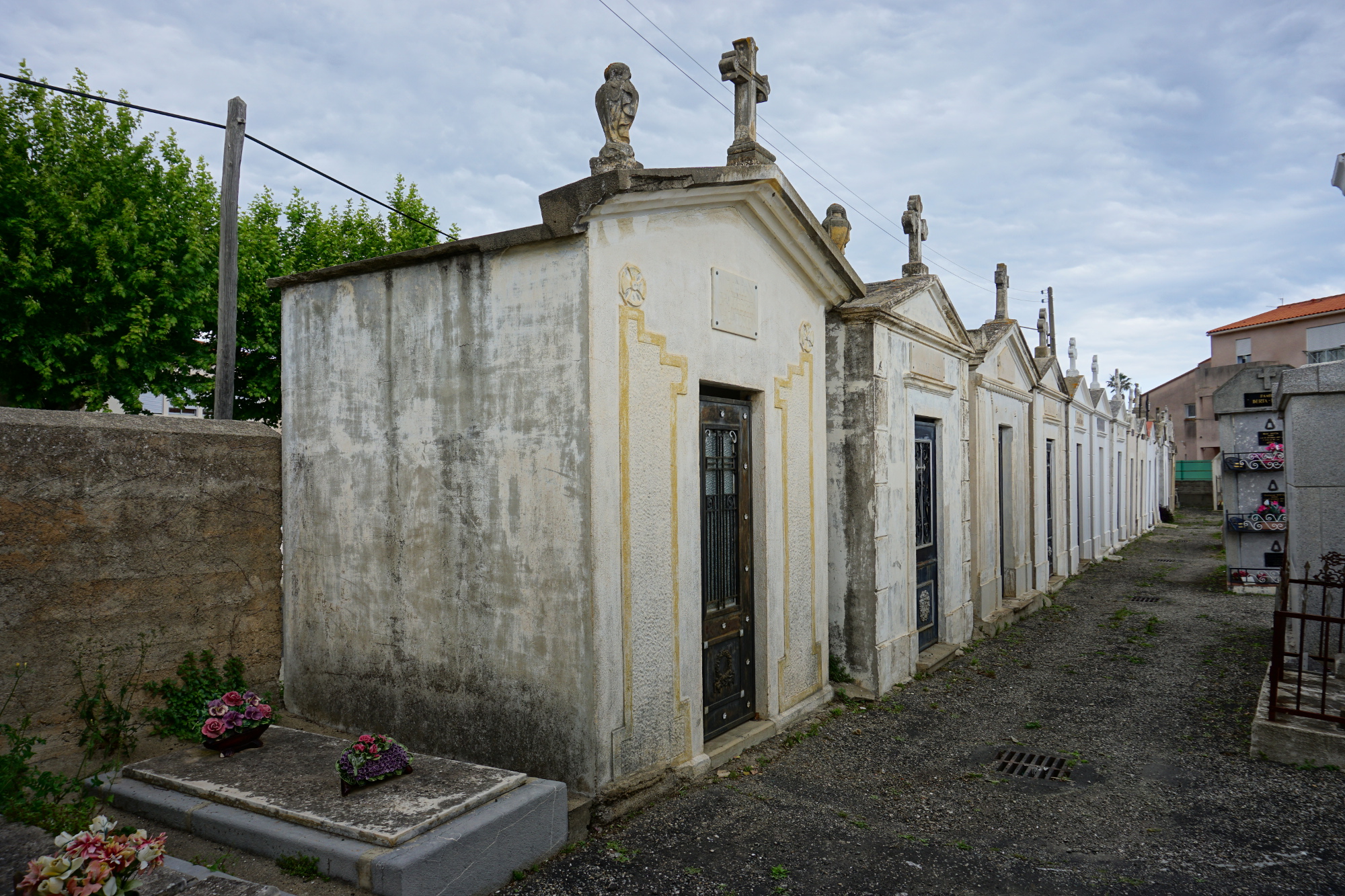
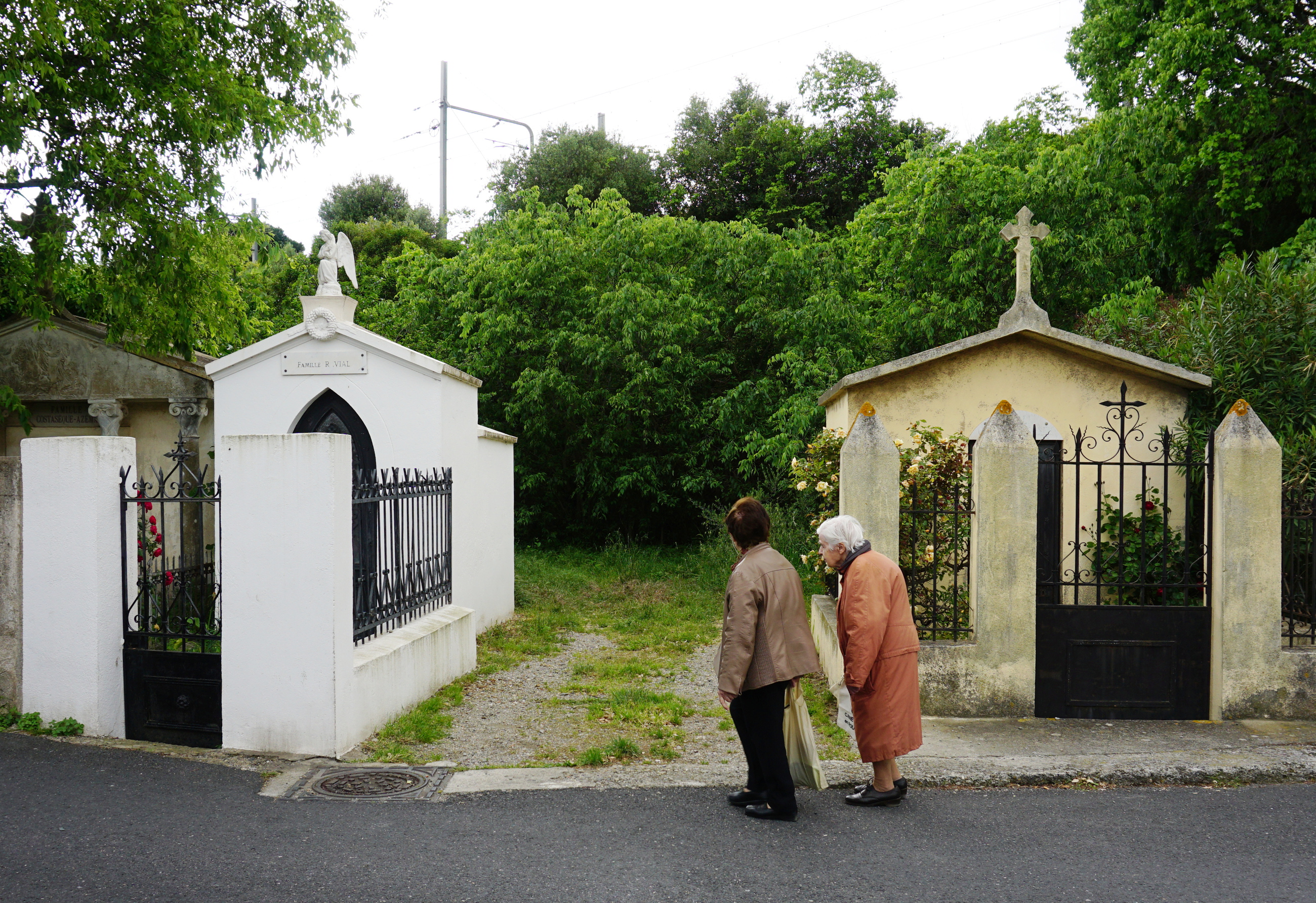
As the train was nearing this town, I had noticed from the window that there was a cemetery that reminded me of the one we had toured in New Orleans. So later in the afternoon I set out to find it. Using the most basic pieces of French I know, I saw a woman on a chair in front of a small shop. I told her that I don’t speak French and asked her if she speaks English or Spanish. Uh, no, she didn’t. So I asked where the cemetery is. She replied ” which one? There are three”. With a few words and some gestures I conveyed that I had seen one from the train. Right away she knew which one I sought. She pointed down the street, said a few sentences that included the words for right and left, and I was on my way!
Near the train station there was some agricultural land.
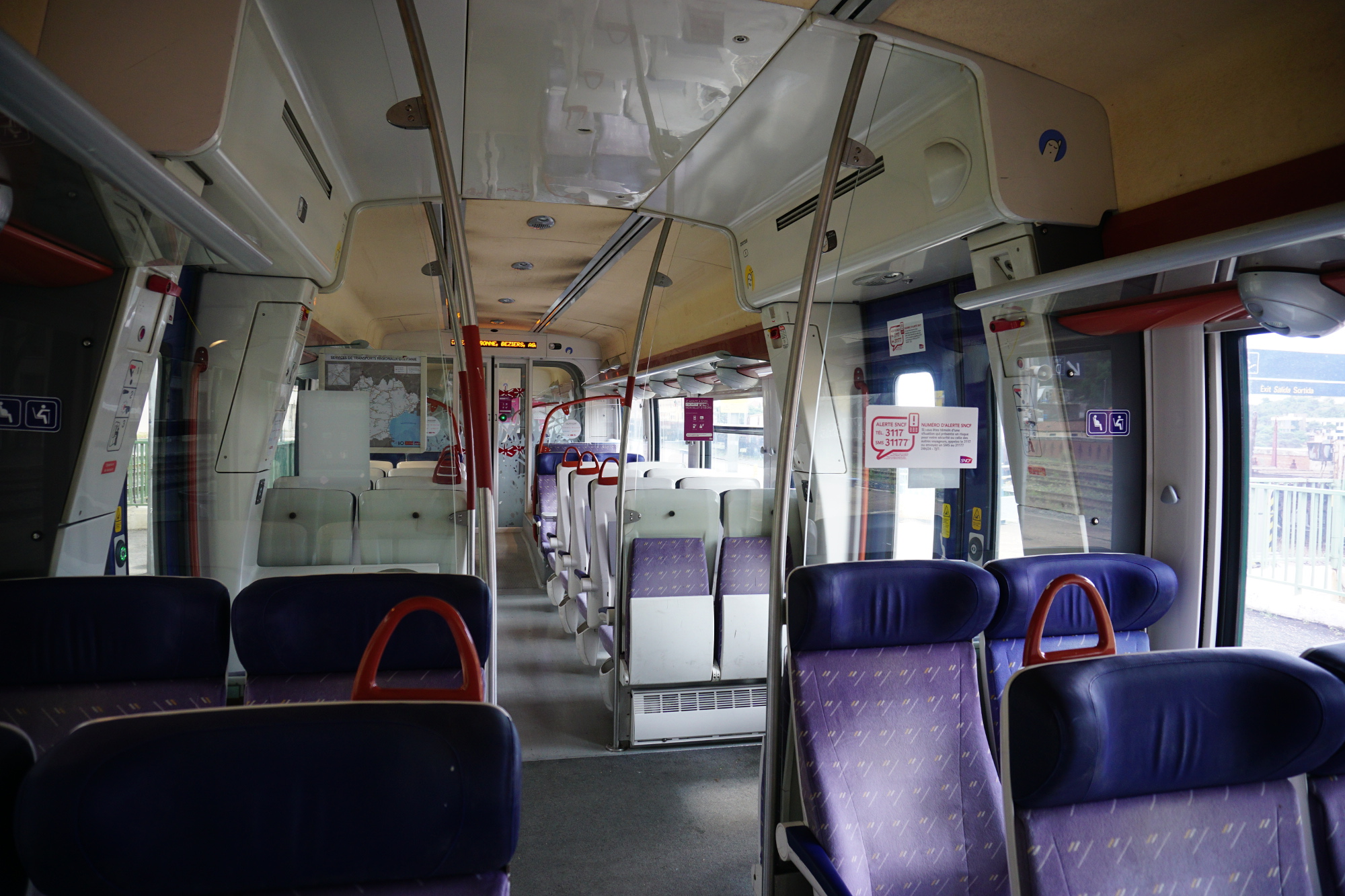
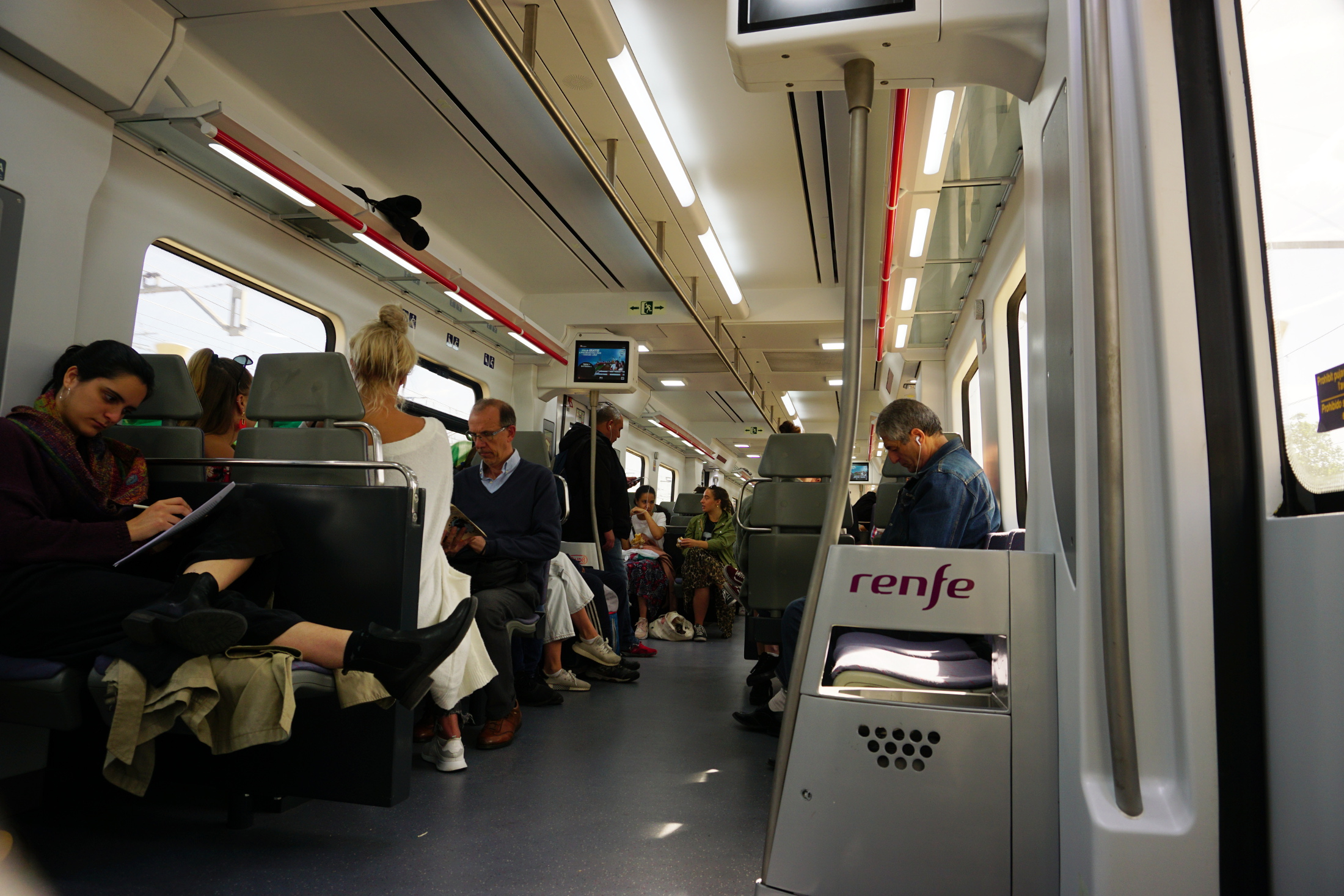
The French train was actually quite nice compared with the Spanish regional one I had been on heading from Barcelona. Based on some strange arrangement between the French and Spanish railway systems, the Spanish train heading north can cross the border and drop the passengers off inside France. Heading south, it is the reverse. The French train crosses the border and drops everyone in Portbou.
But before leaving France there was another passport check.
From Portbou, back to Barcelona on Renfe!
Banyuls sur Mer has definitely been added to my “go back and visit again” list!