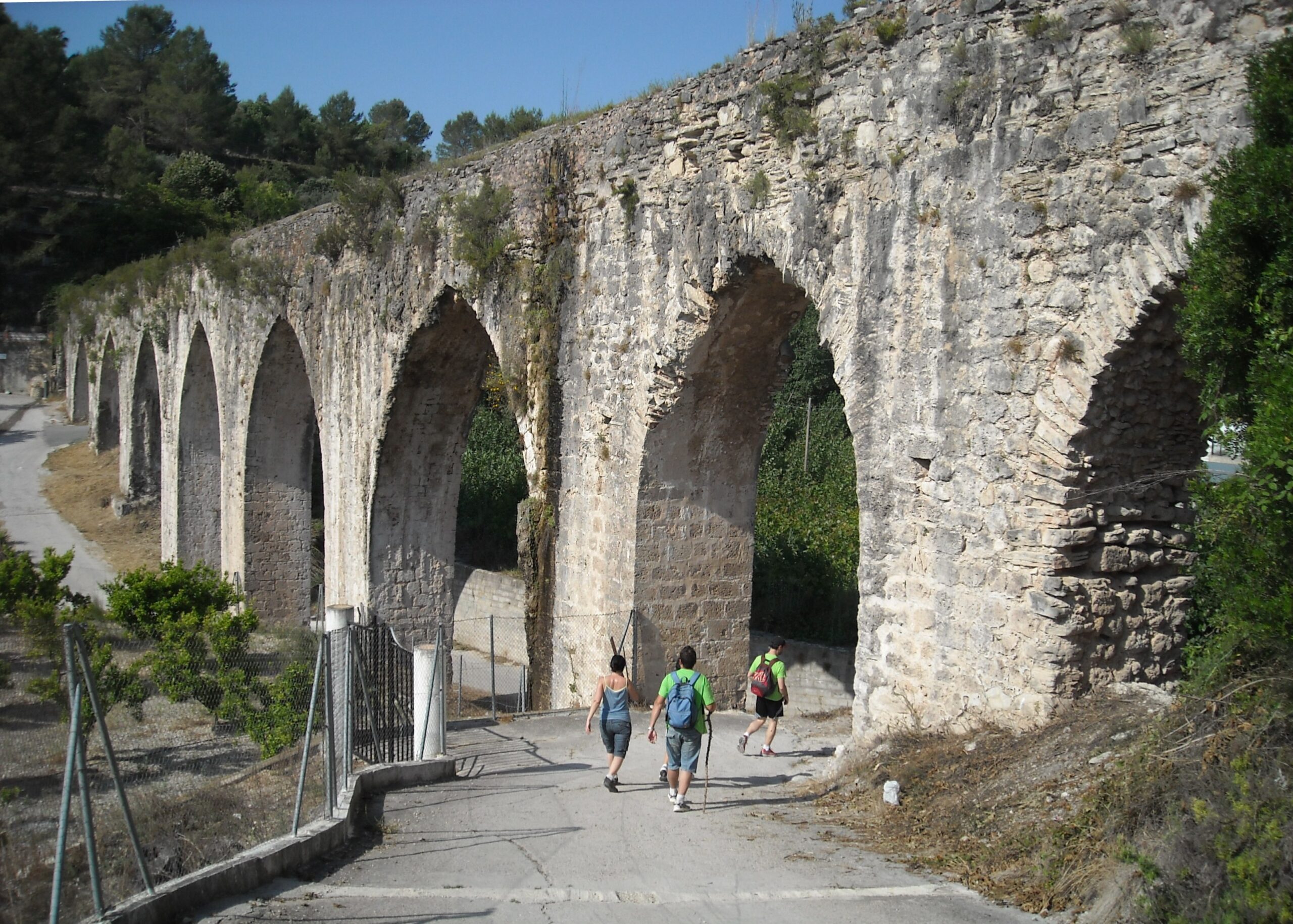
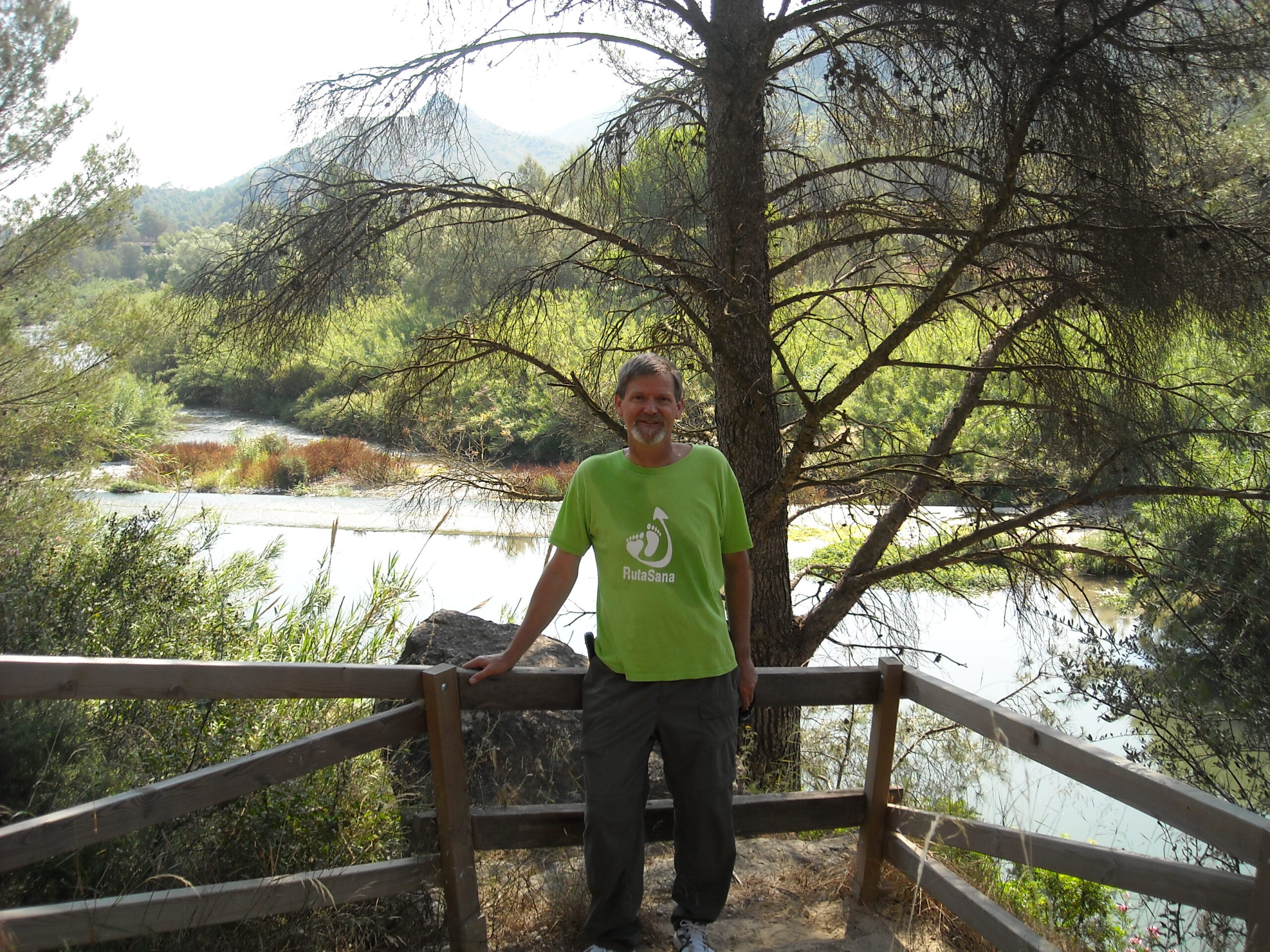
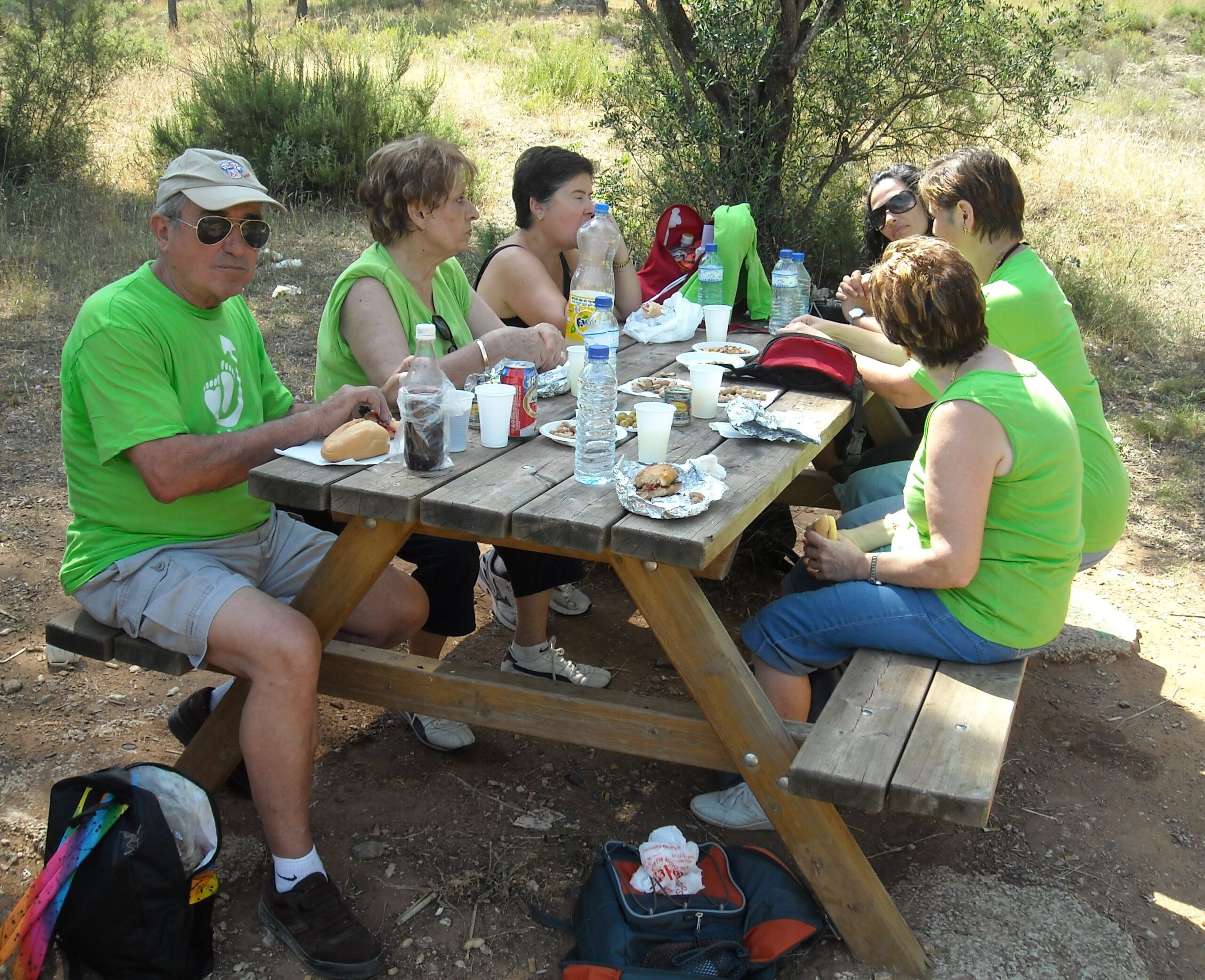
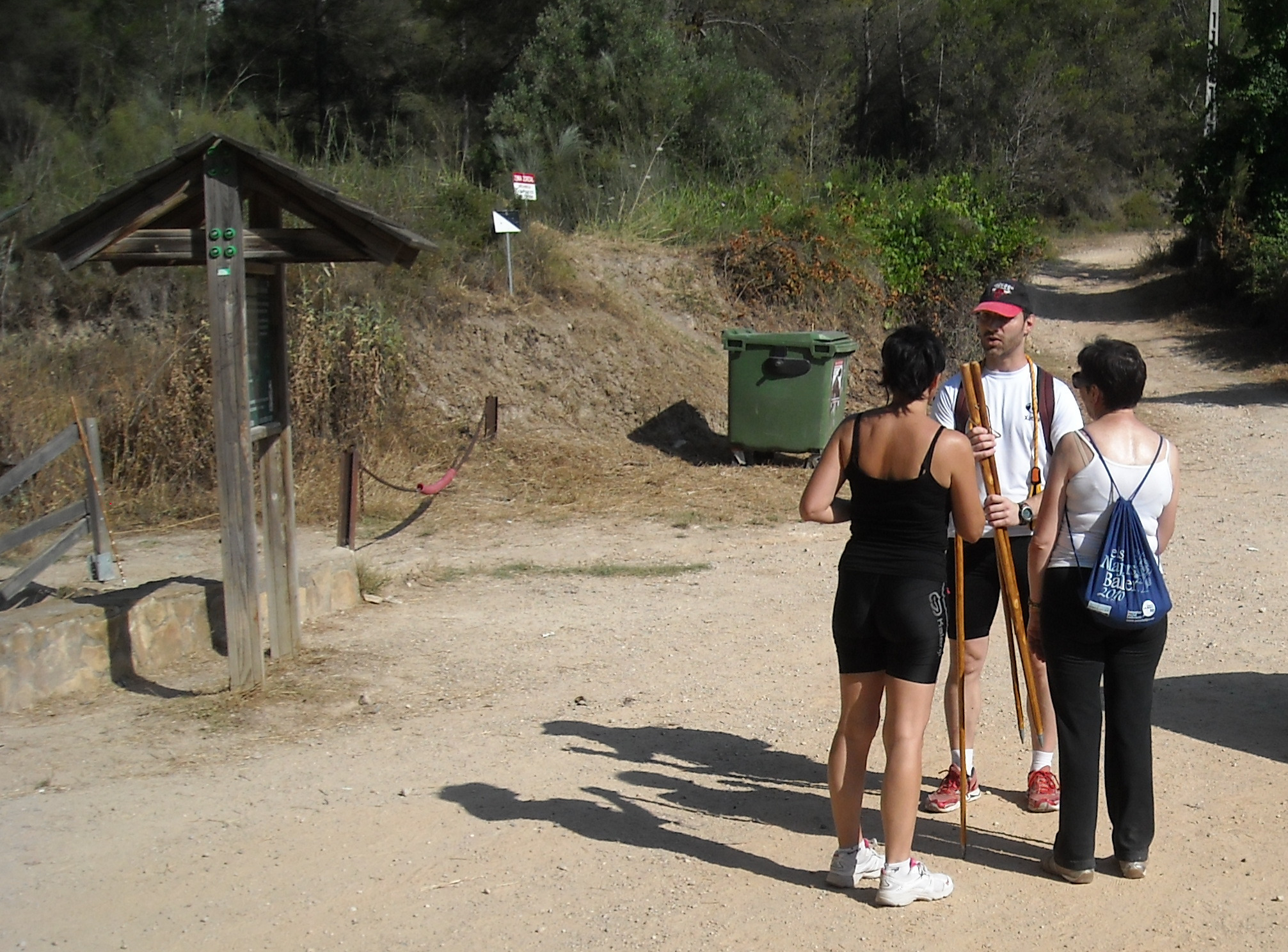
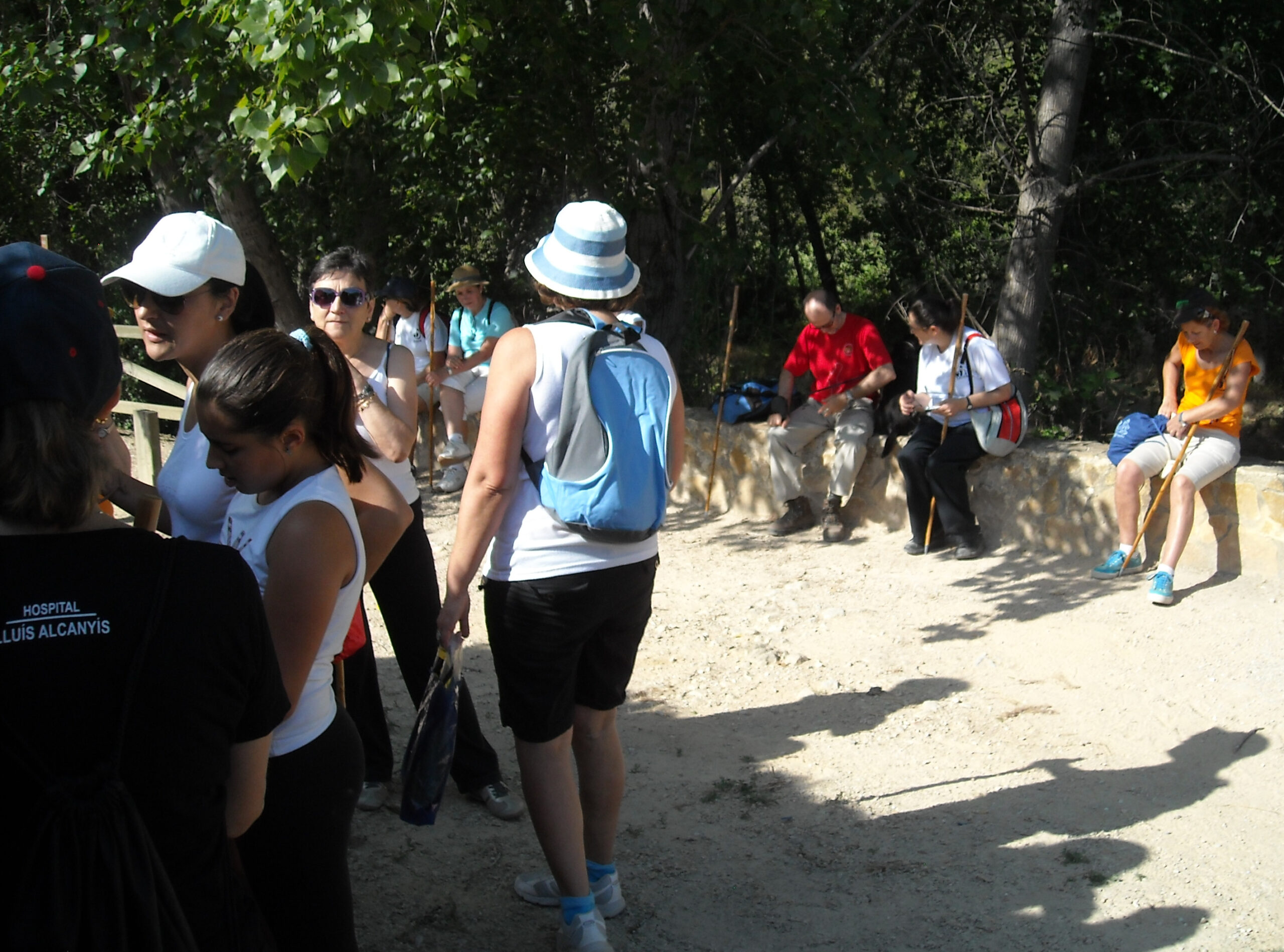
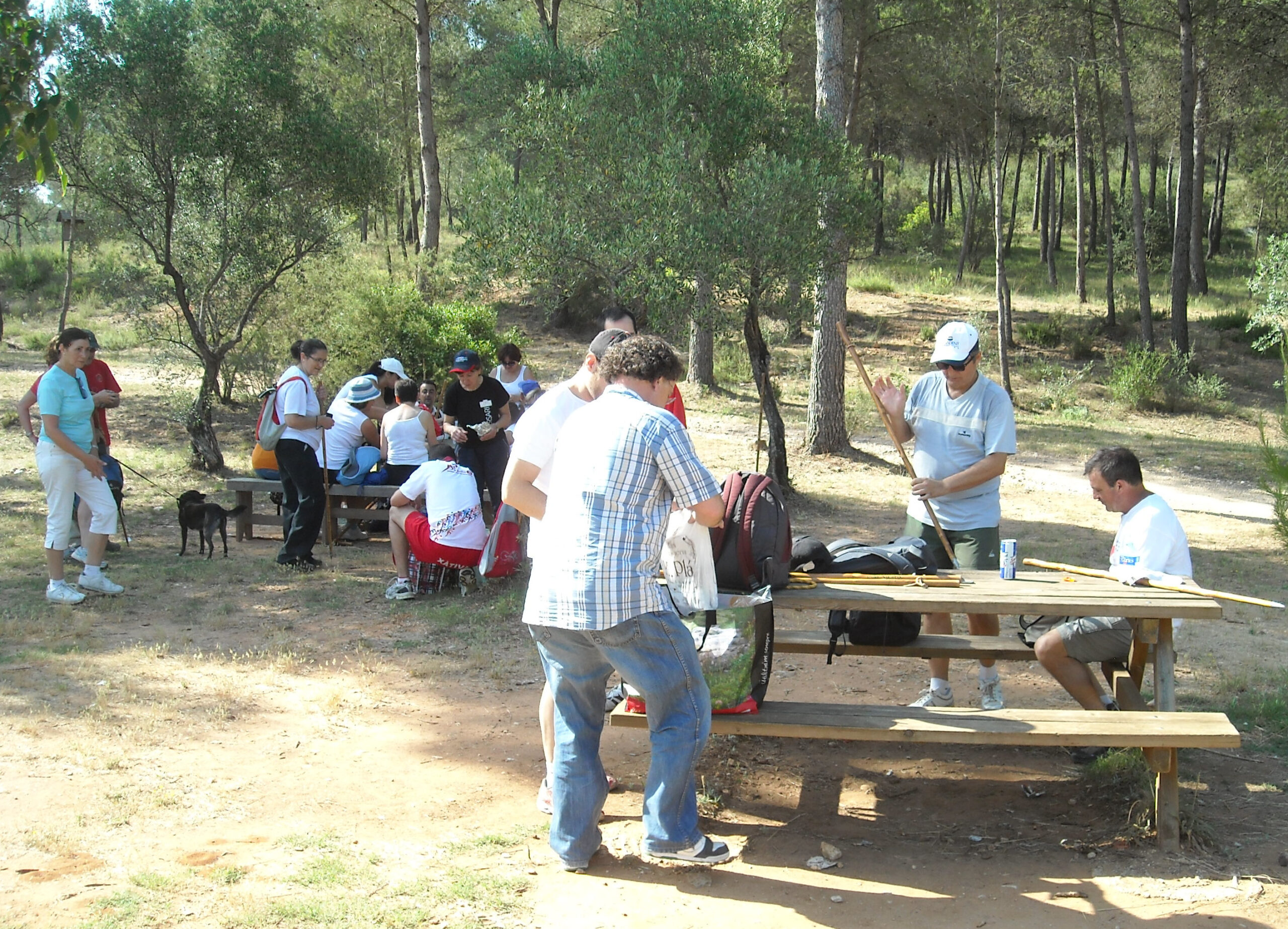
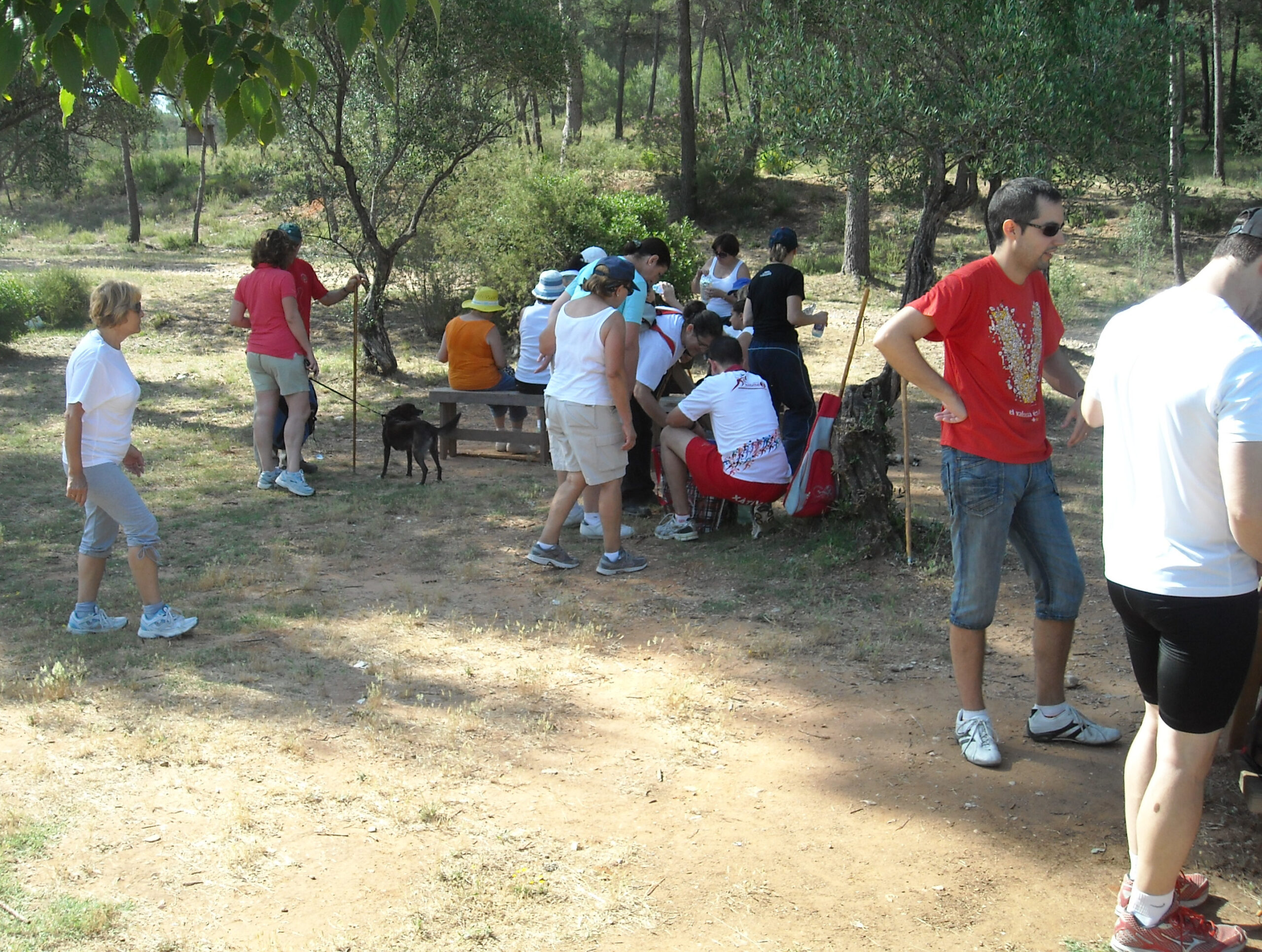
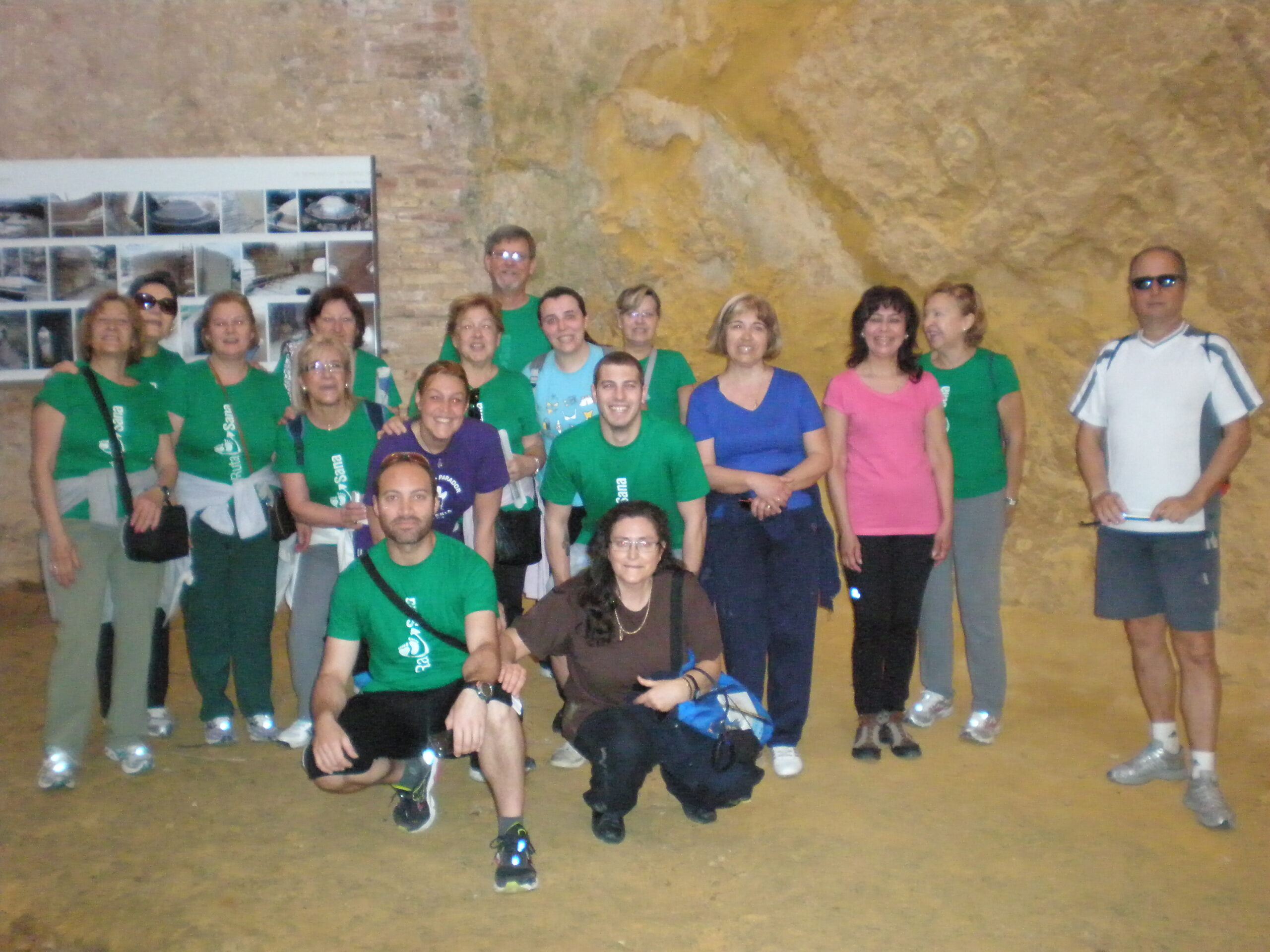
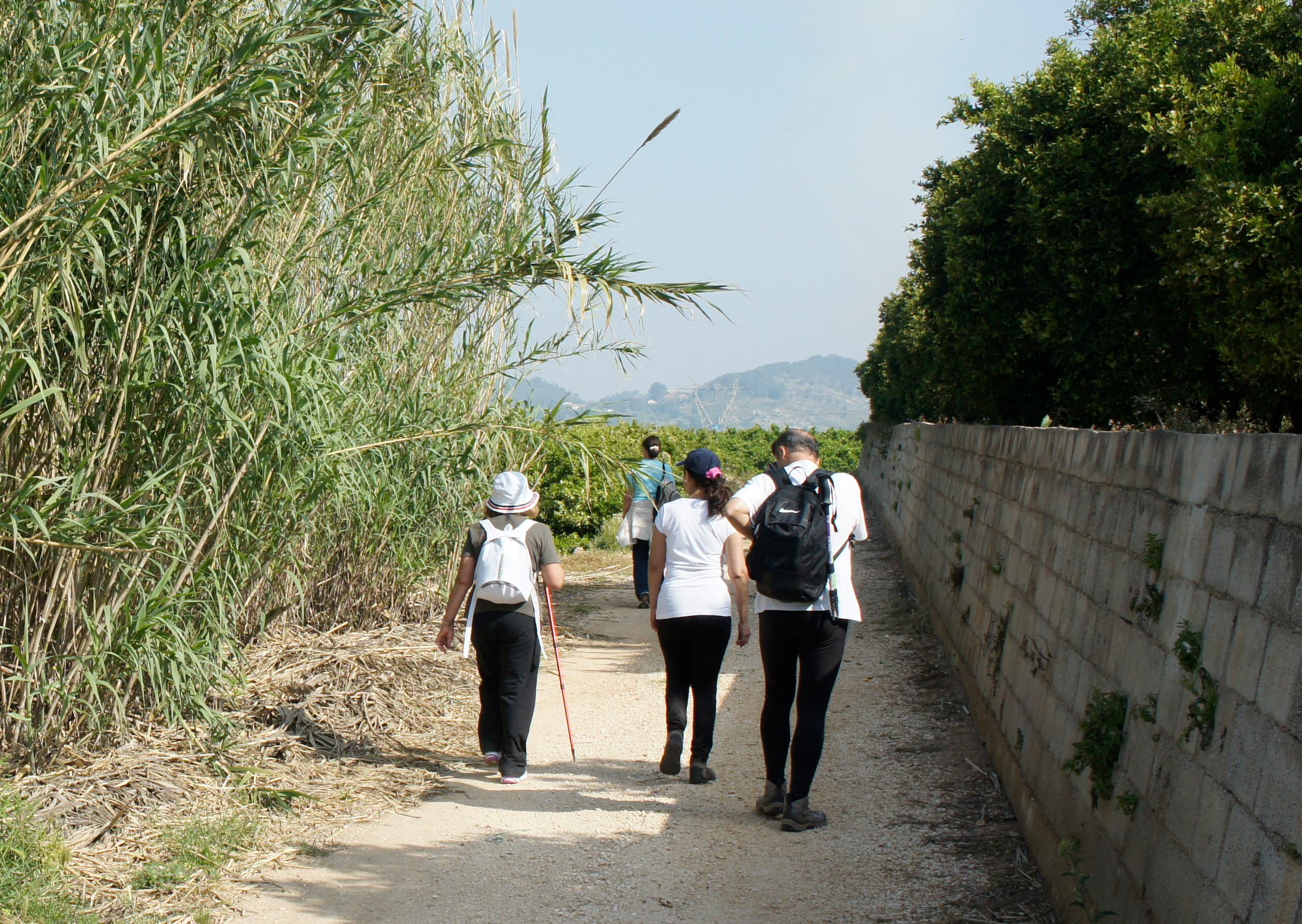
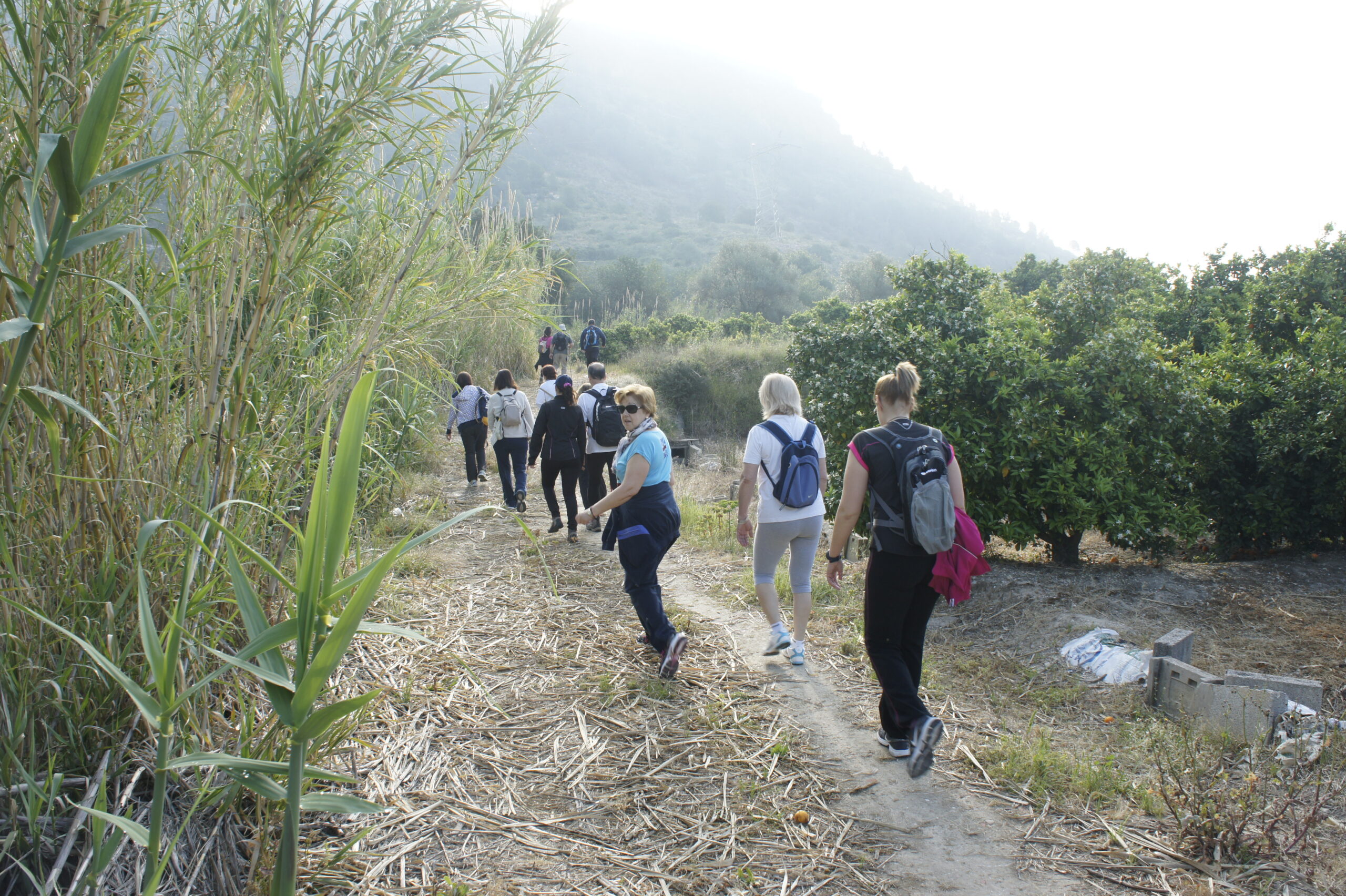
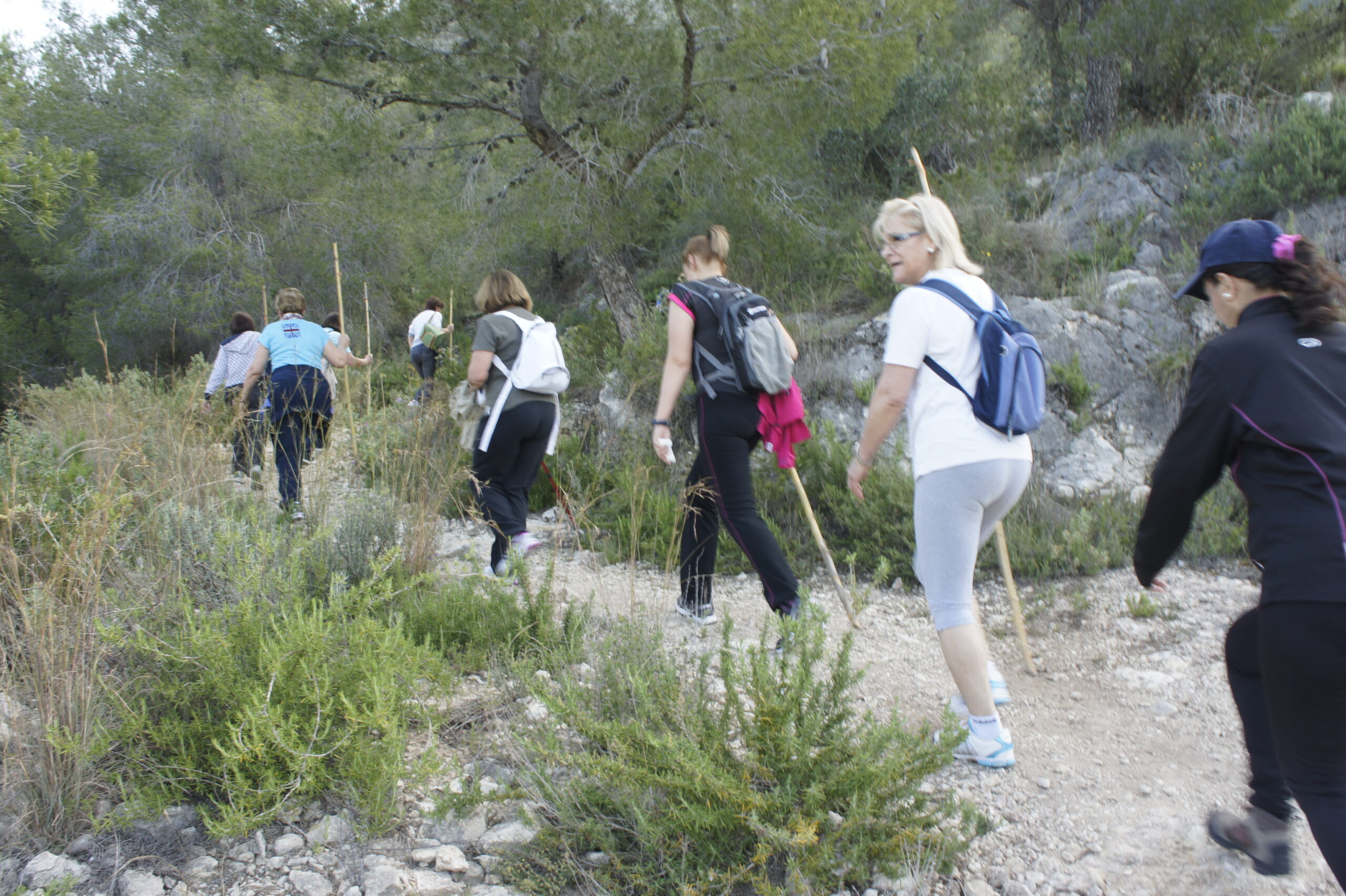
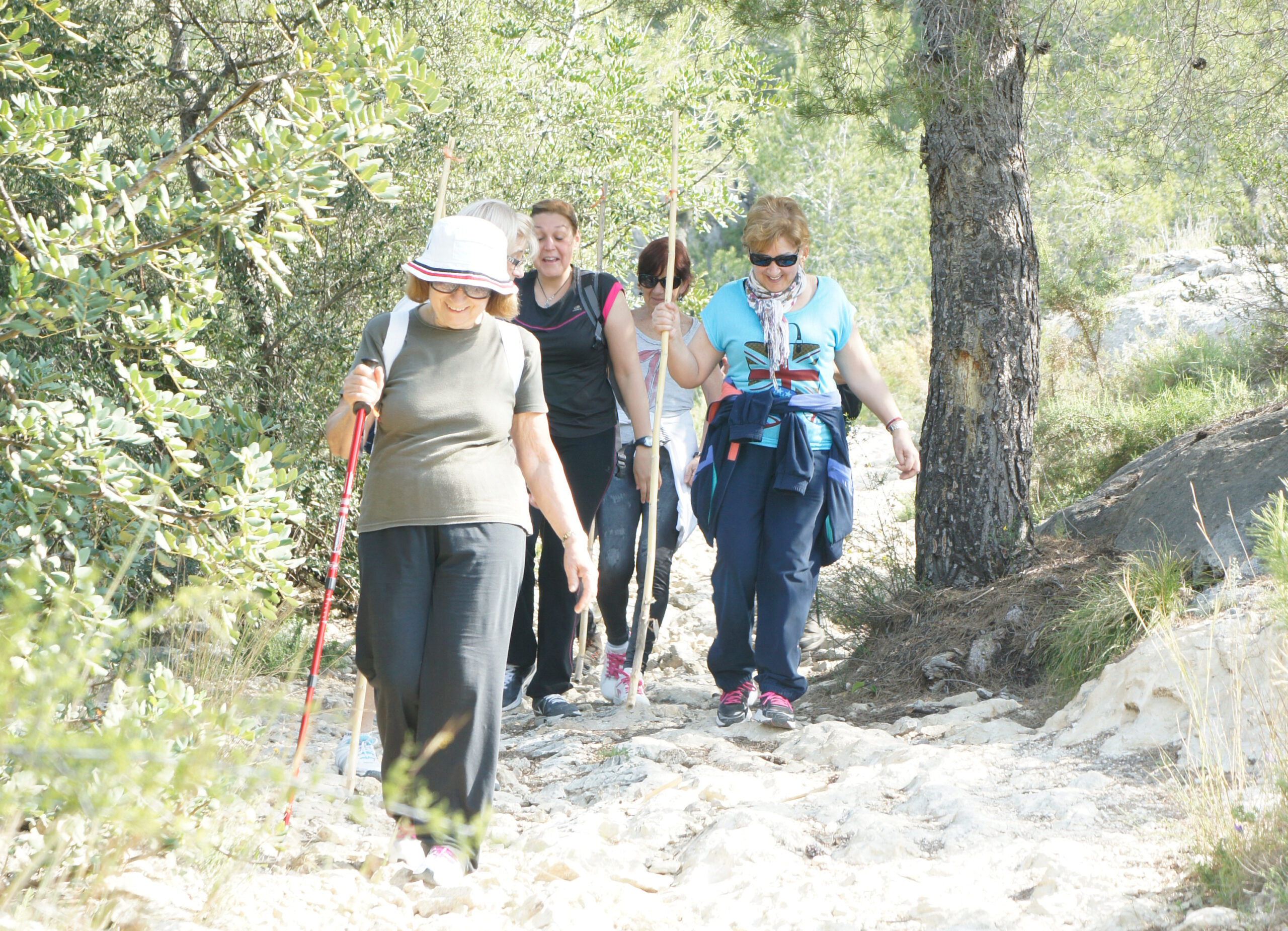
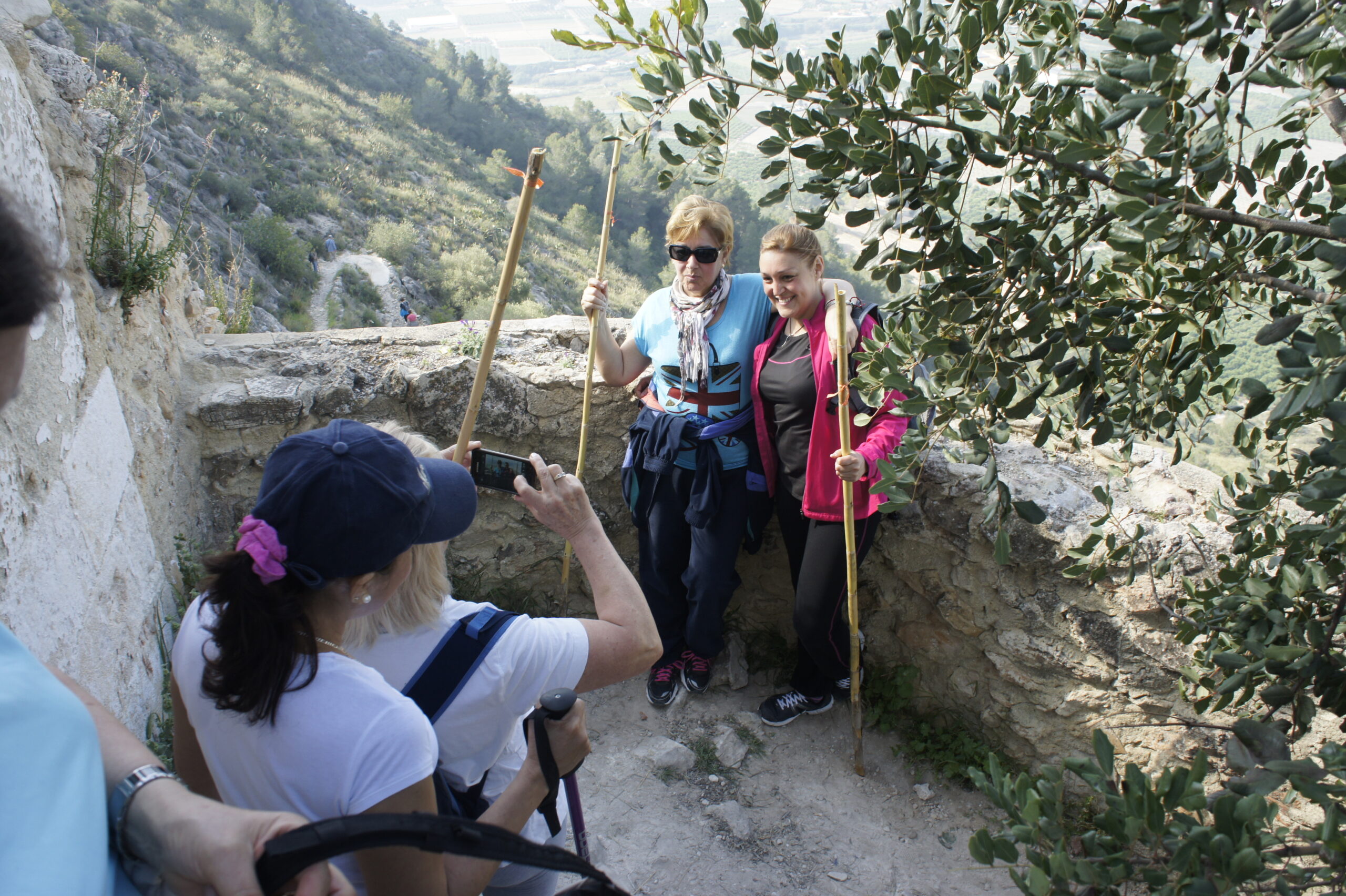
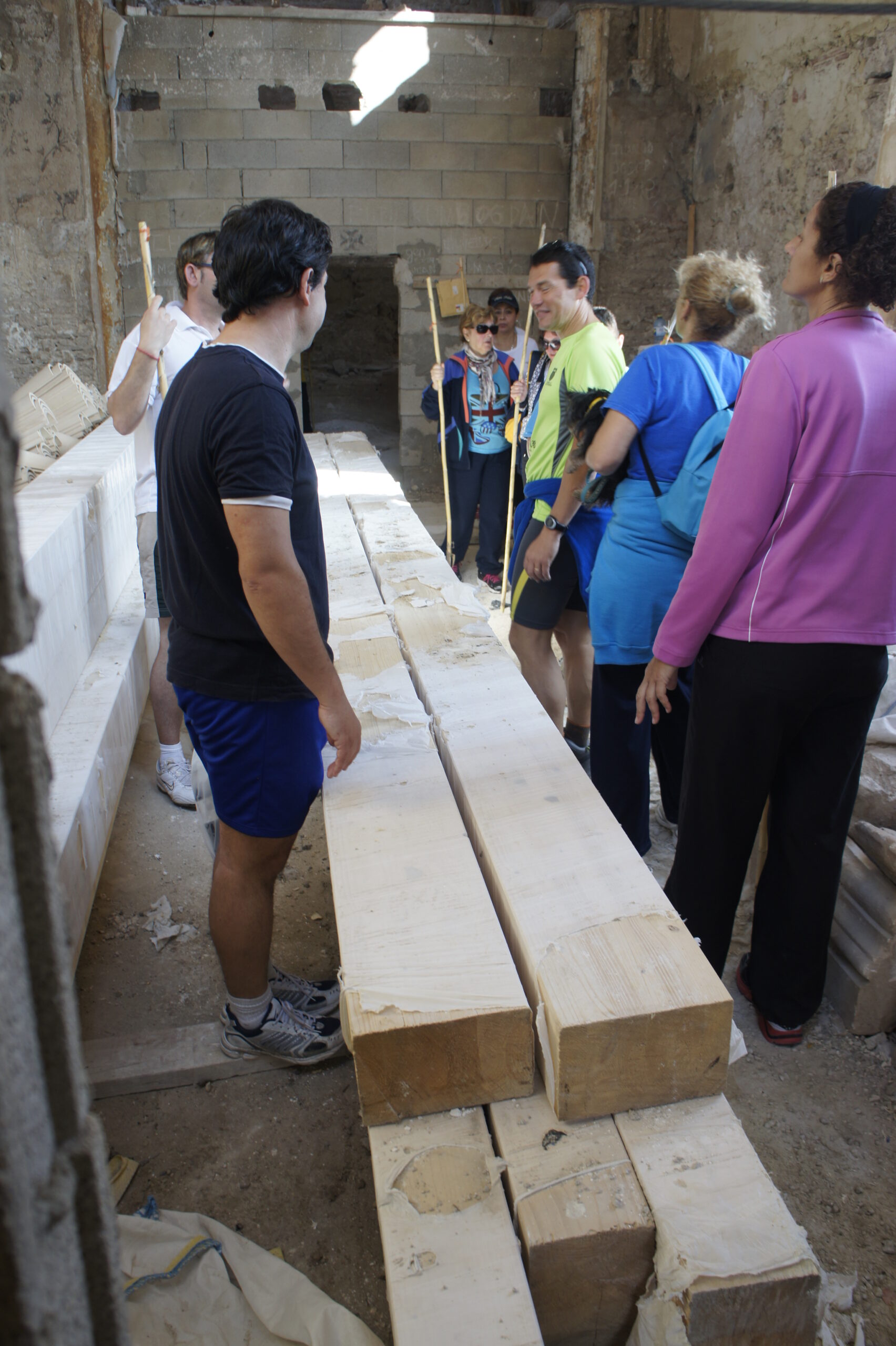
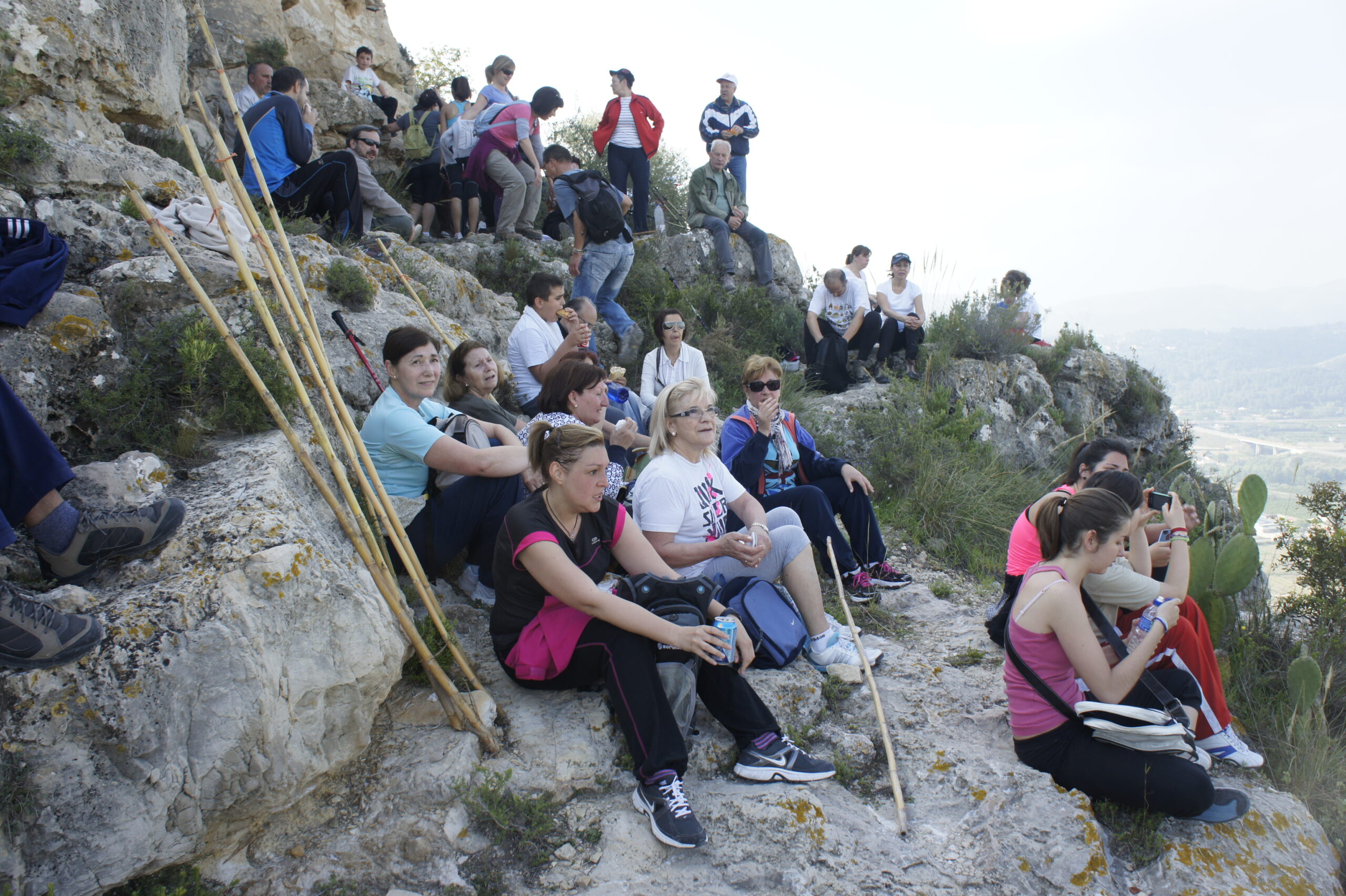
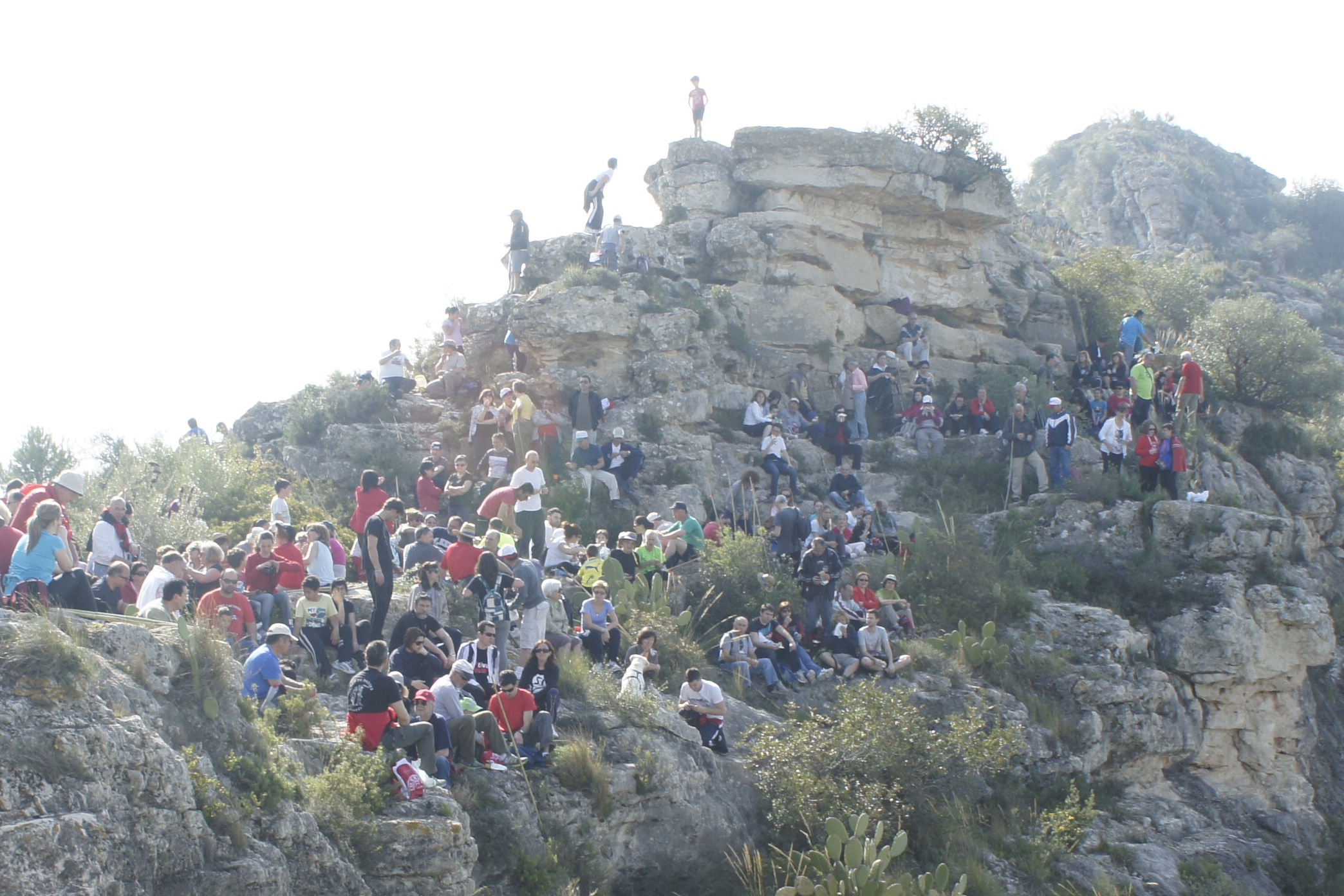
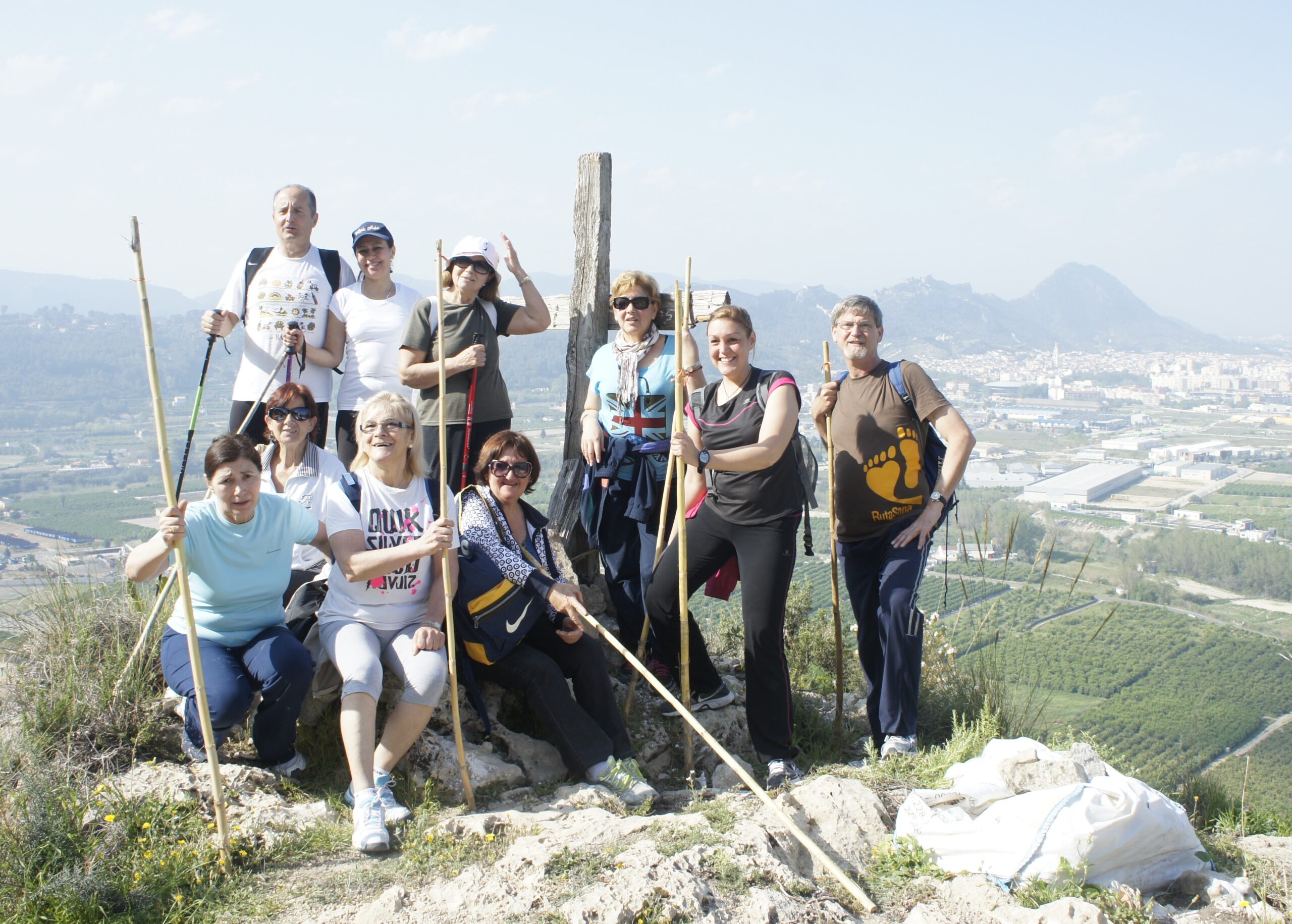
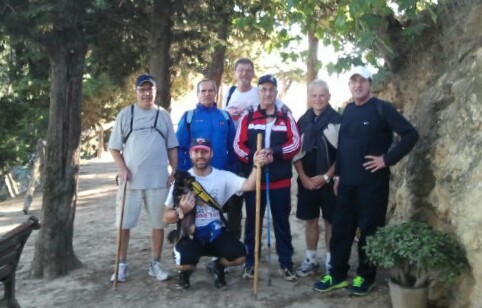
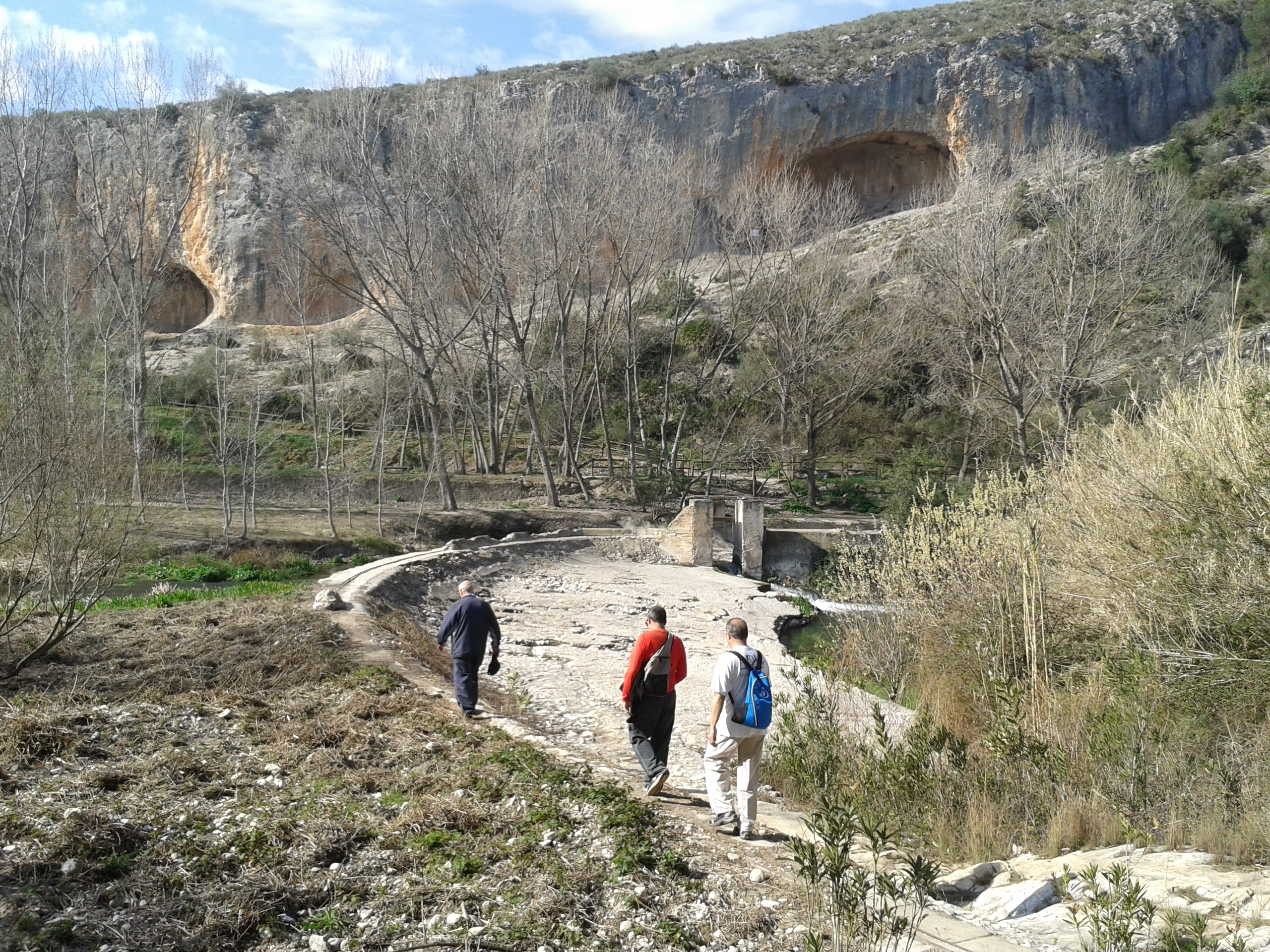
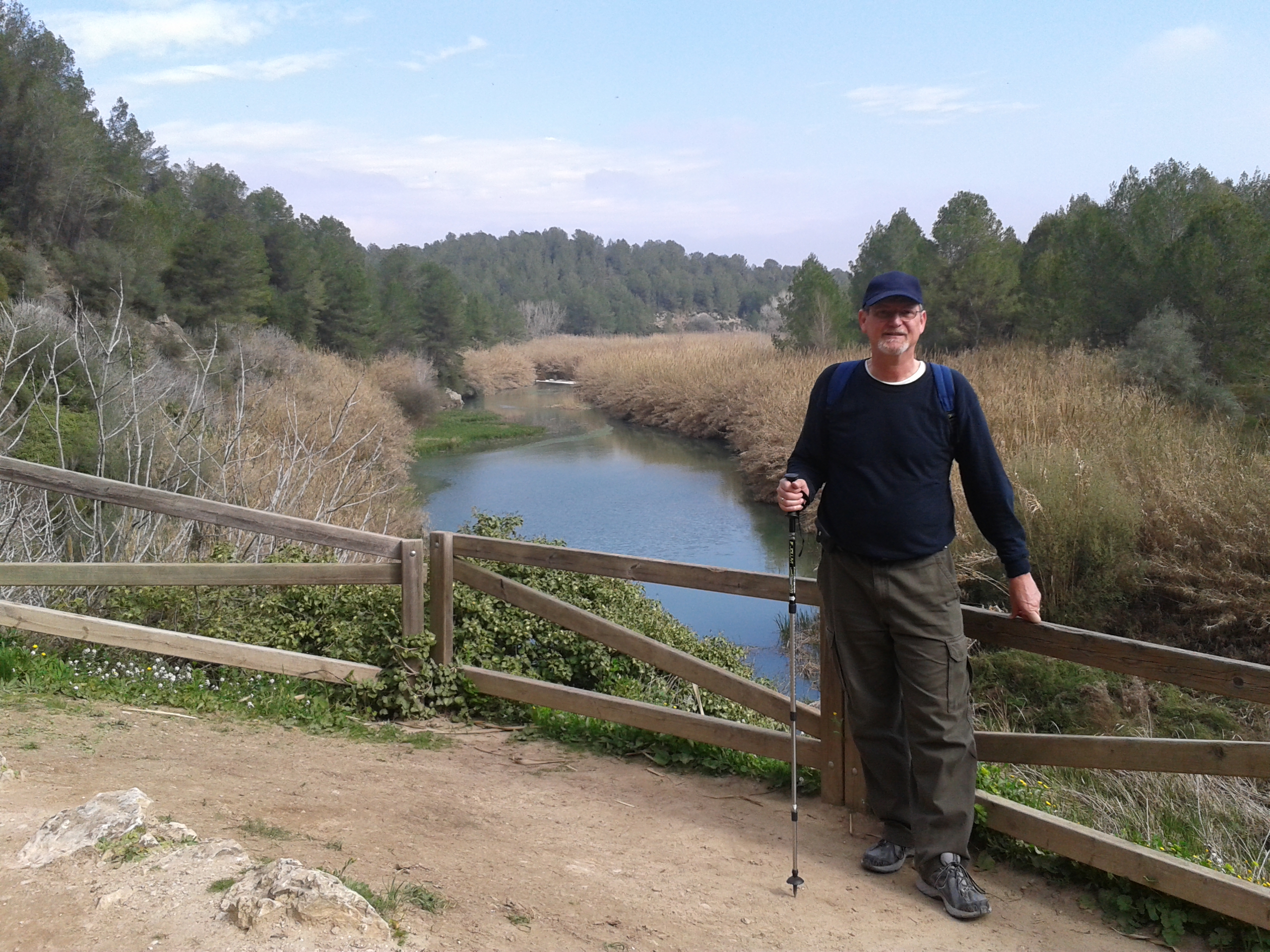
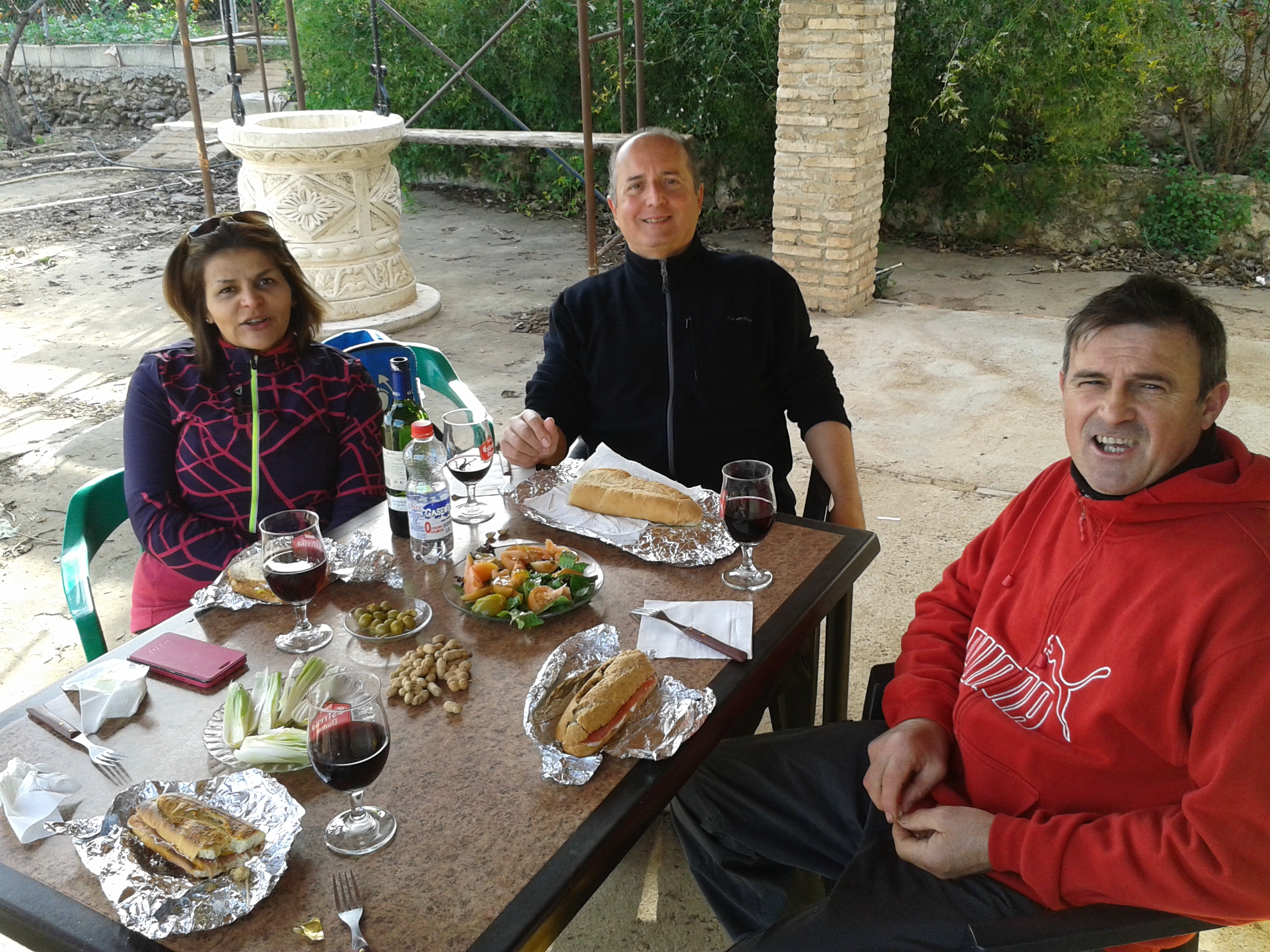
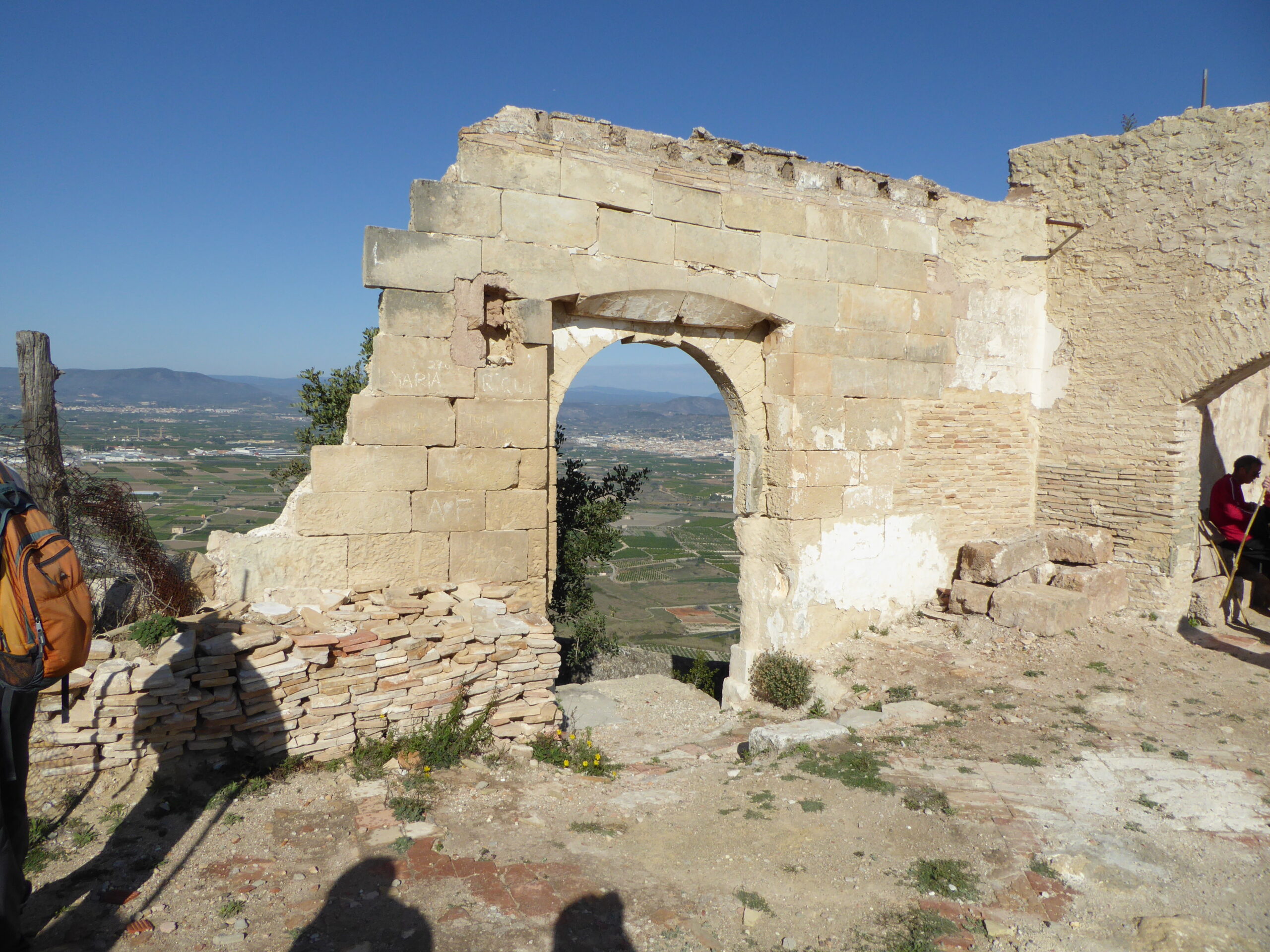
¡Esto es un “trabajo en progreso”! ¡Por favor, tengan paciencia!
Para ampliar las fotos: ¡Haga clic una vez para agrandarlas y luego haga clic nuevamente para agrandarlas aún más!
2009
2010
2011
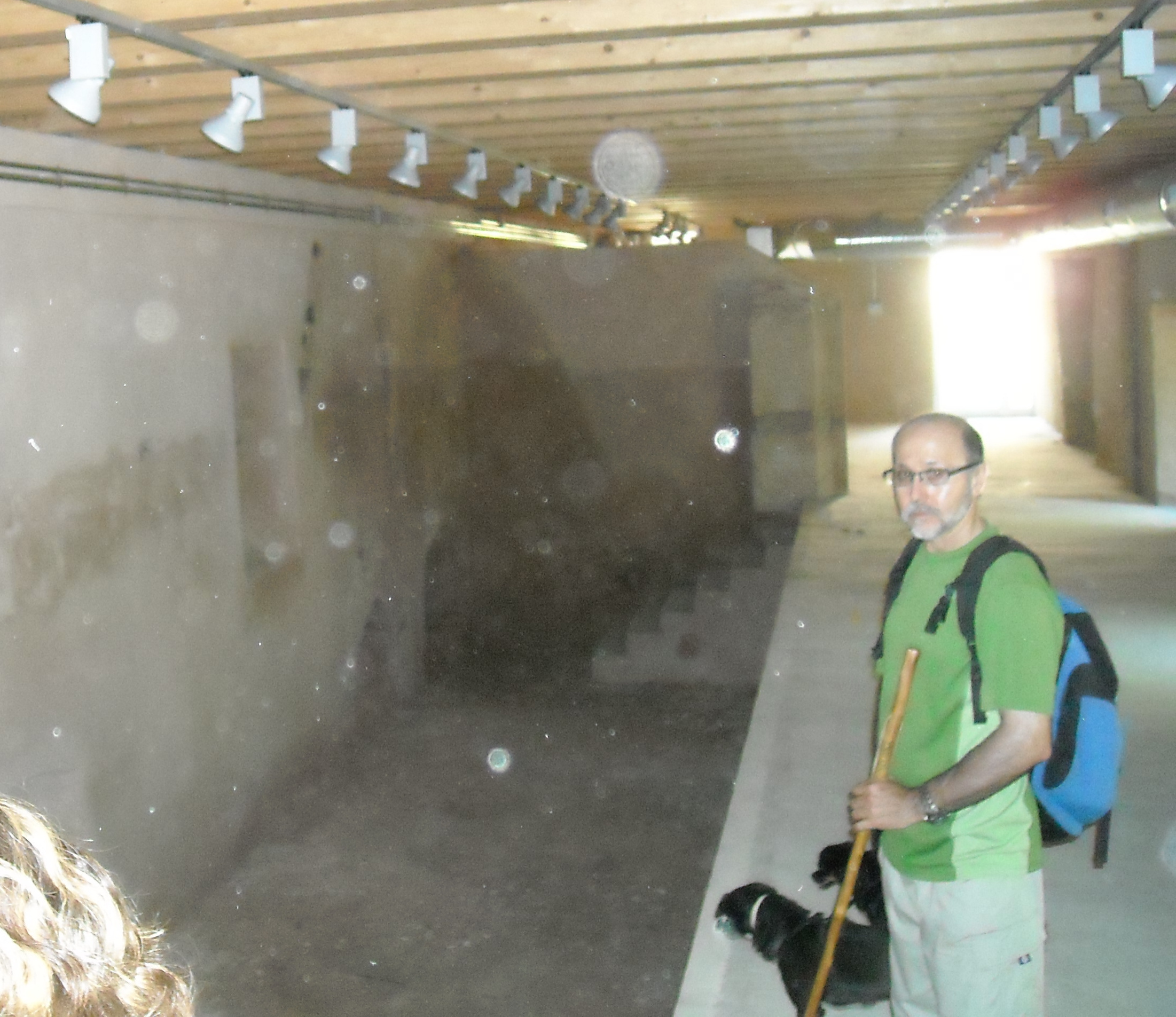
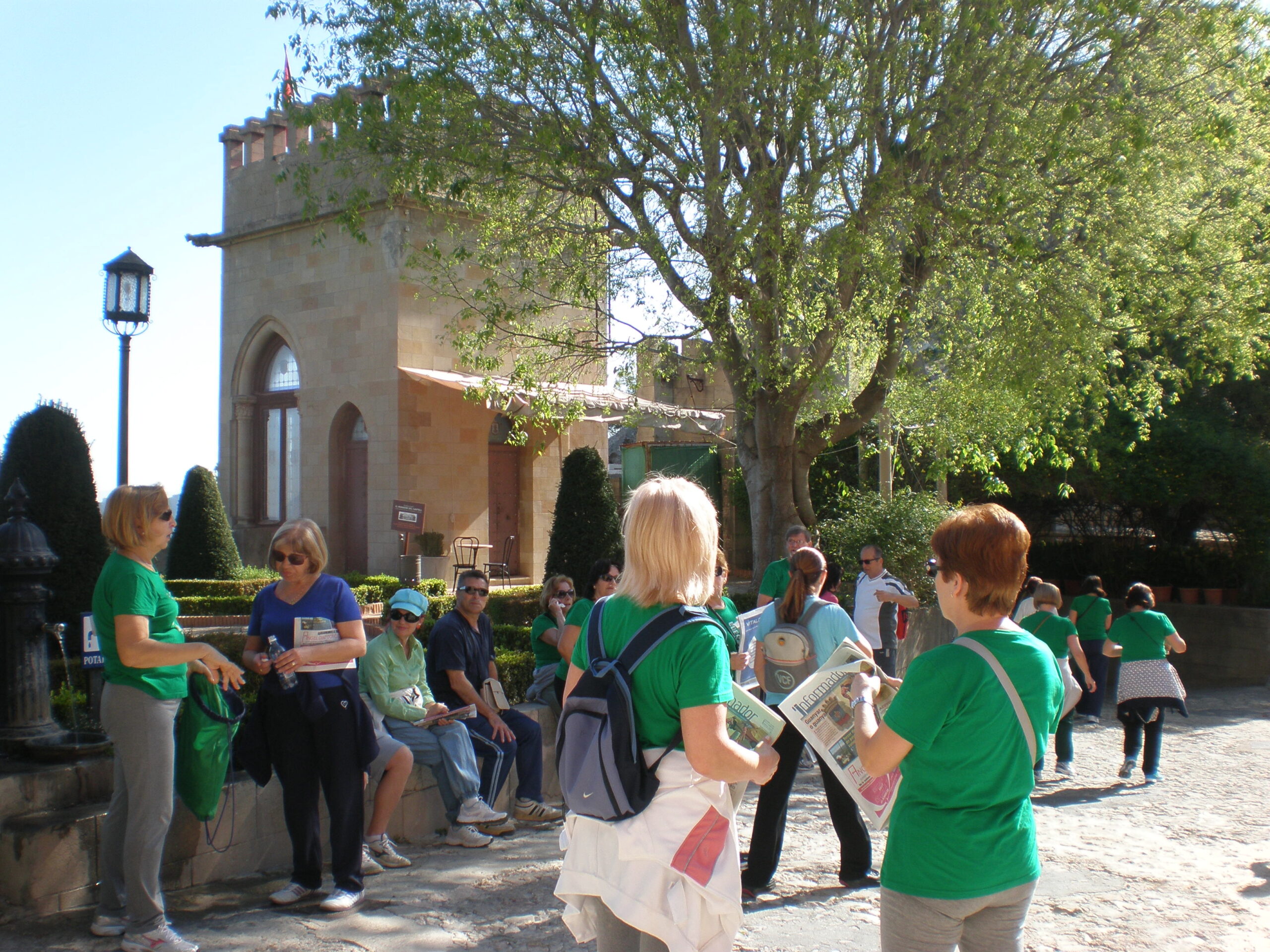
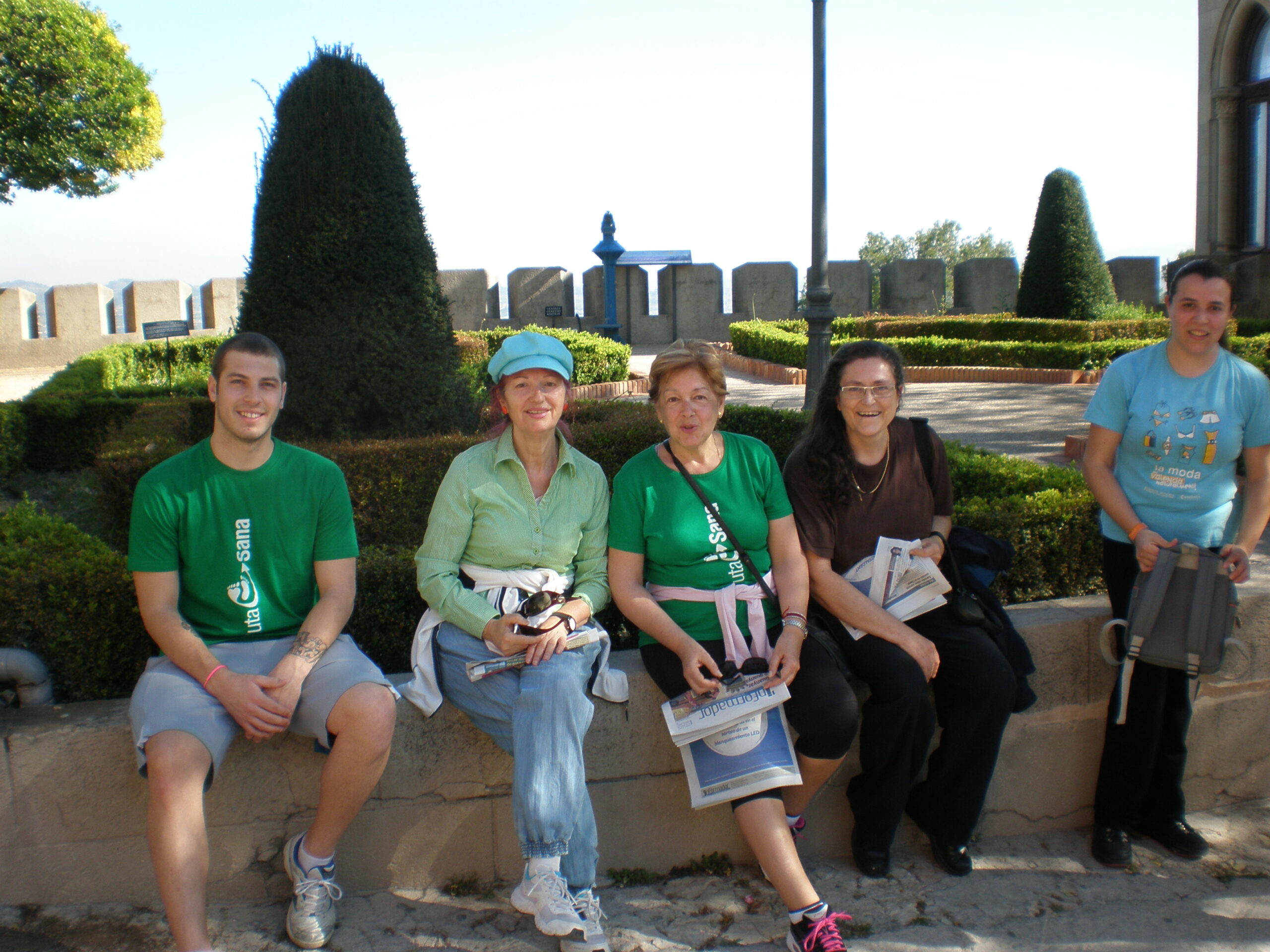
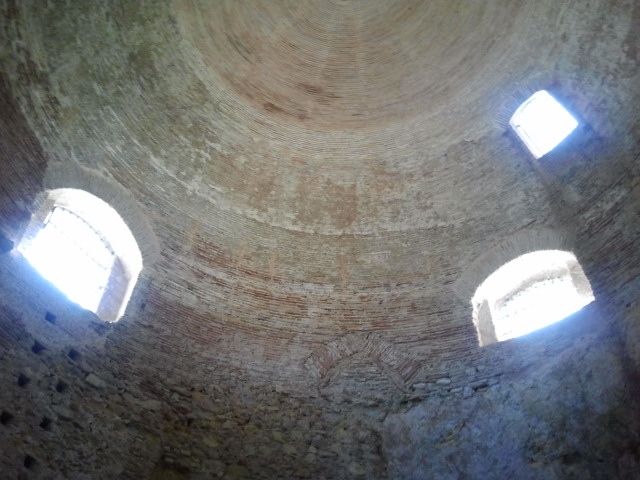
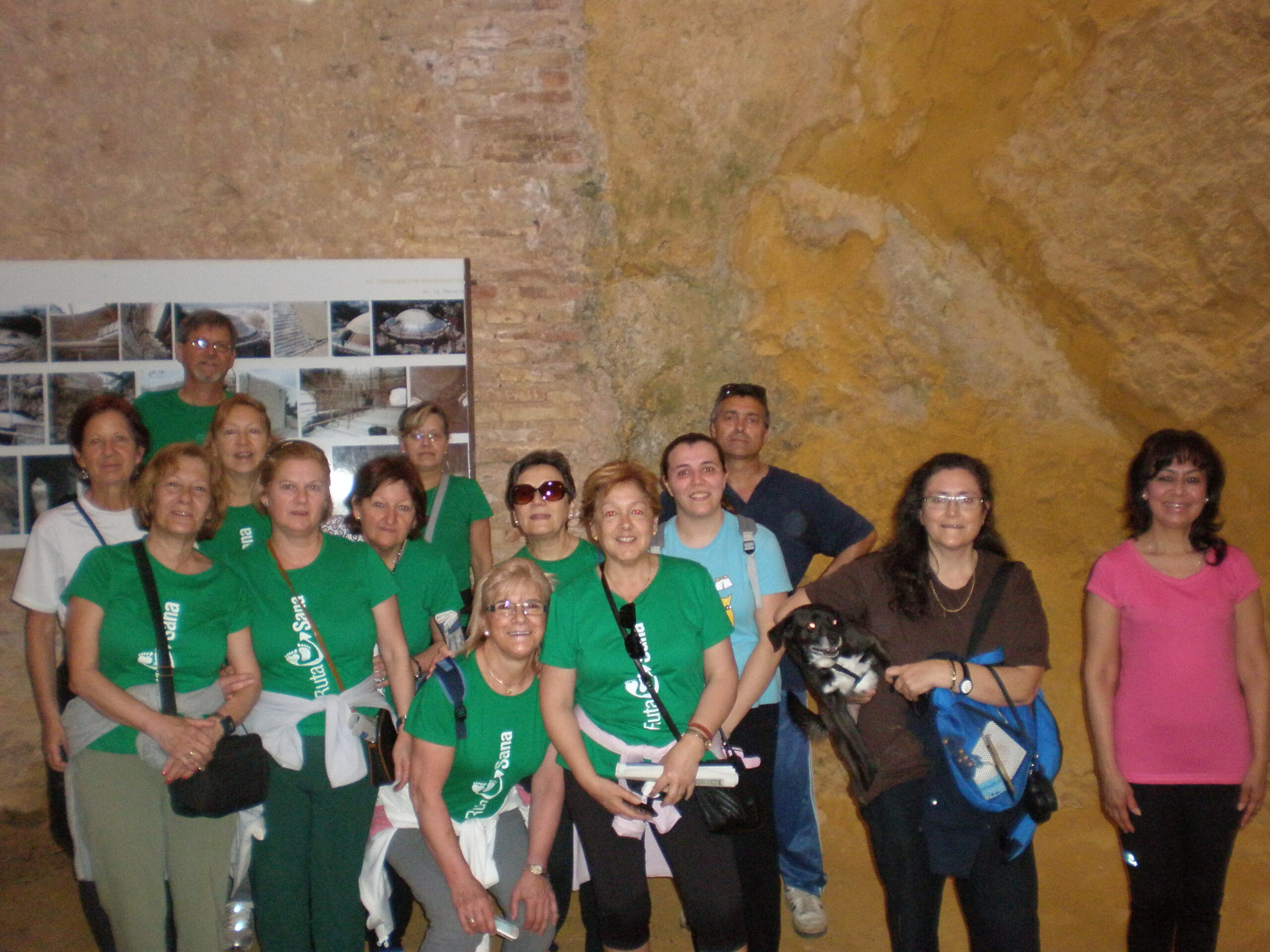
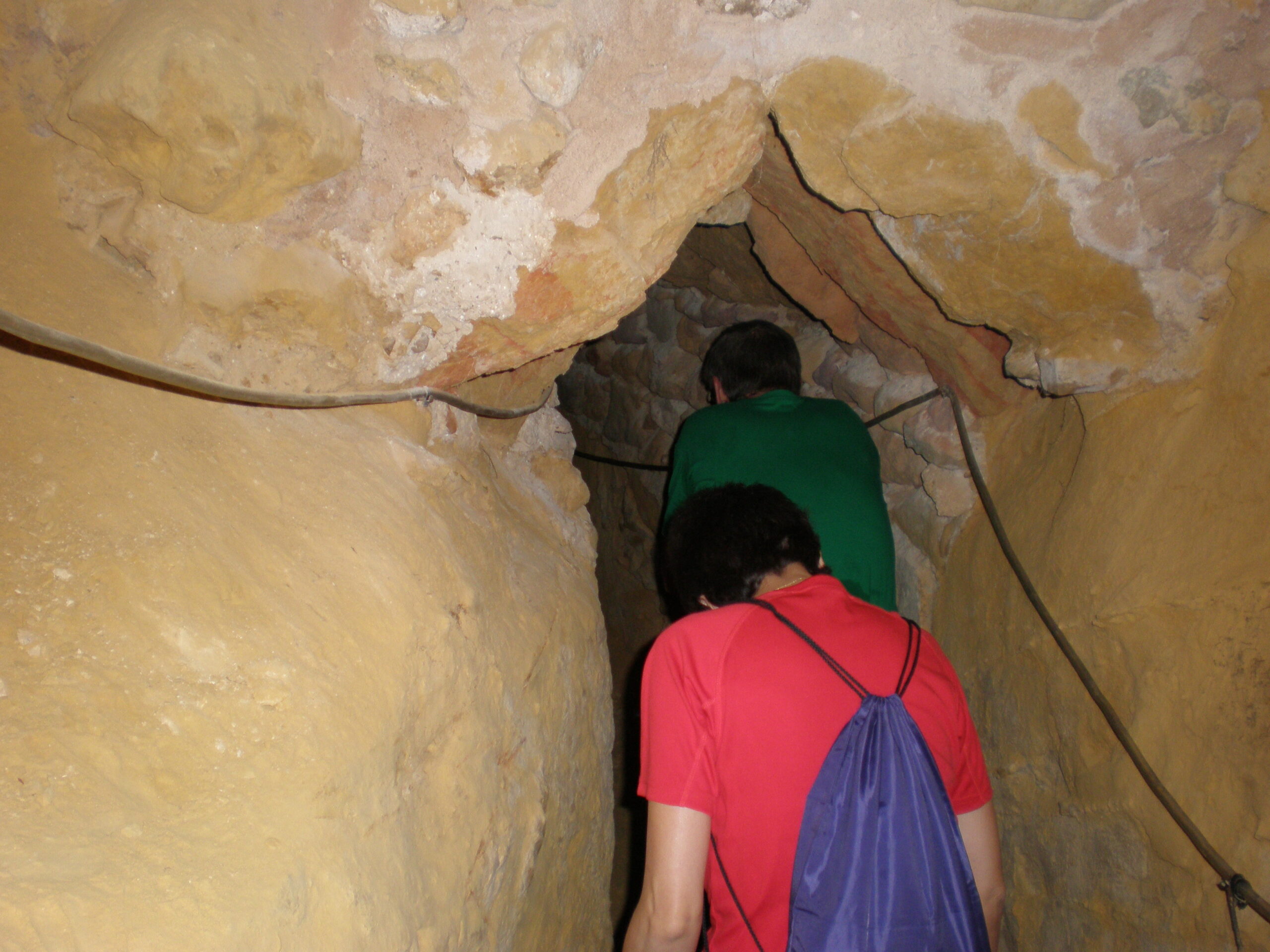
Dentro de la casa de luz
2012
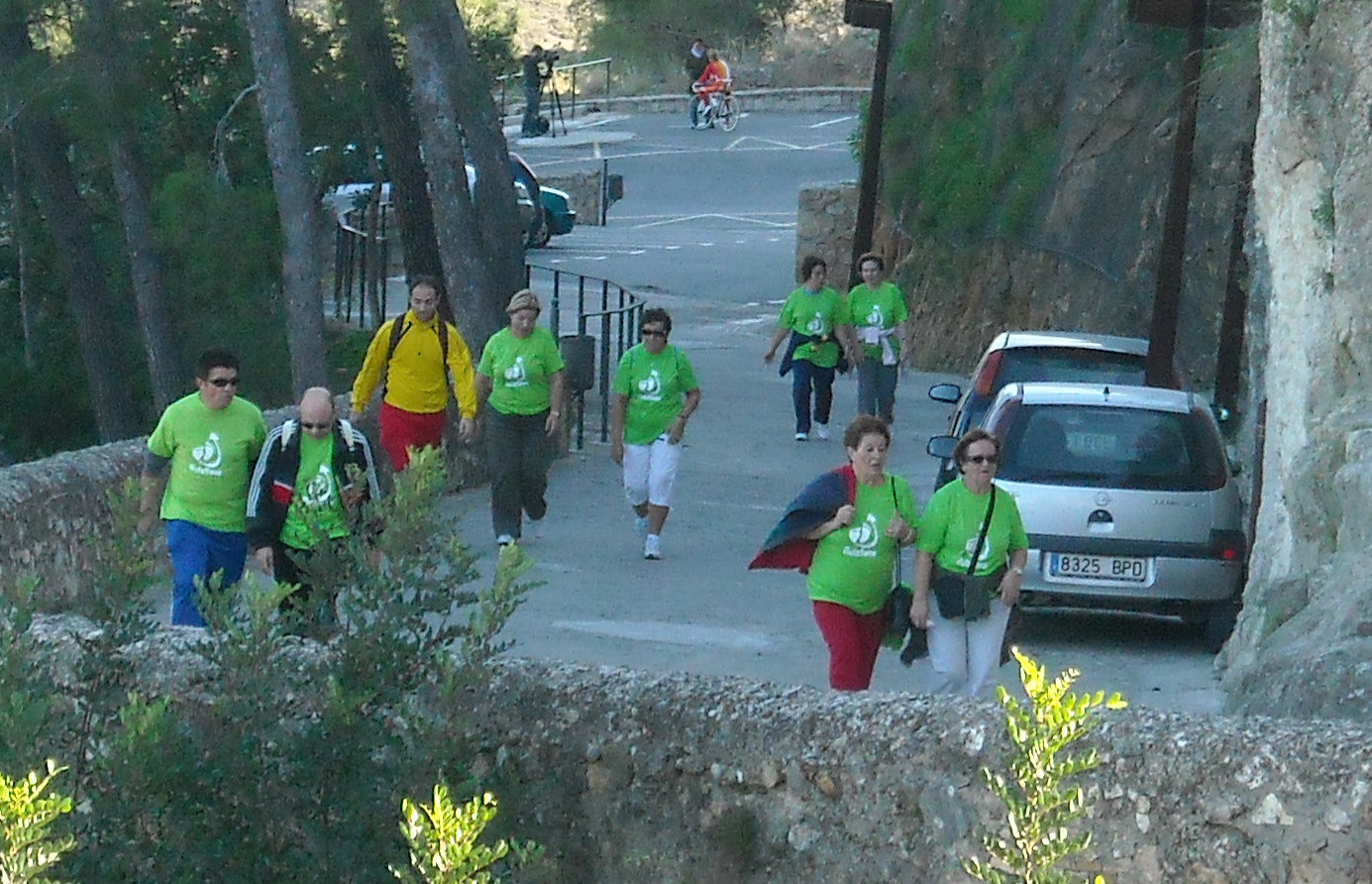
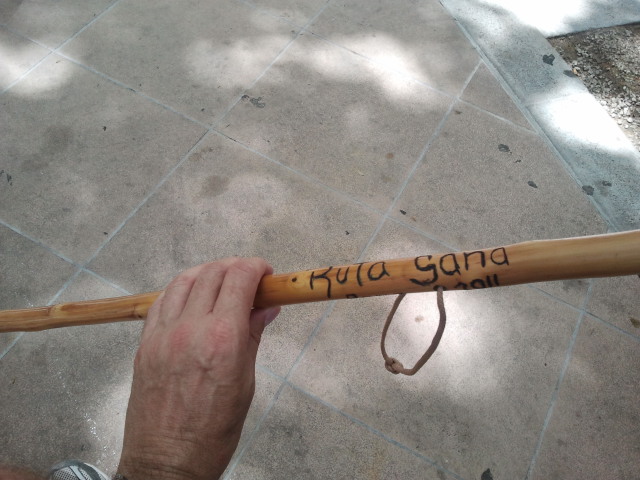
Baston de la ruta
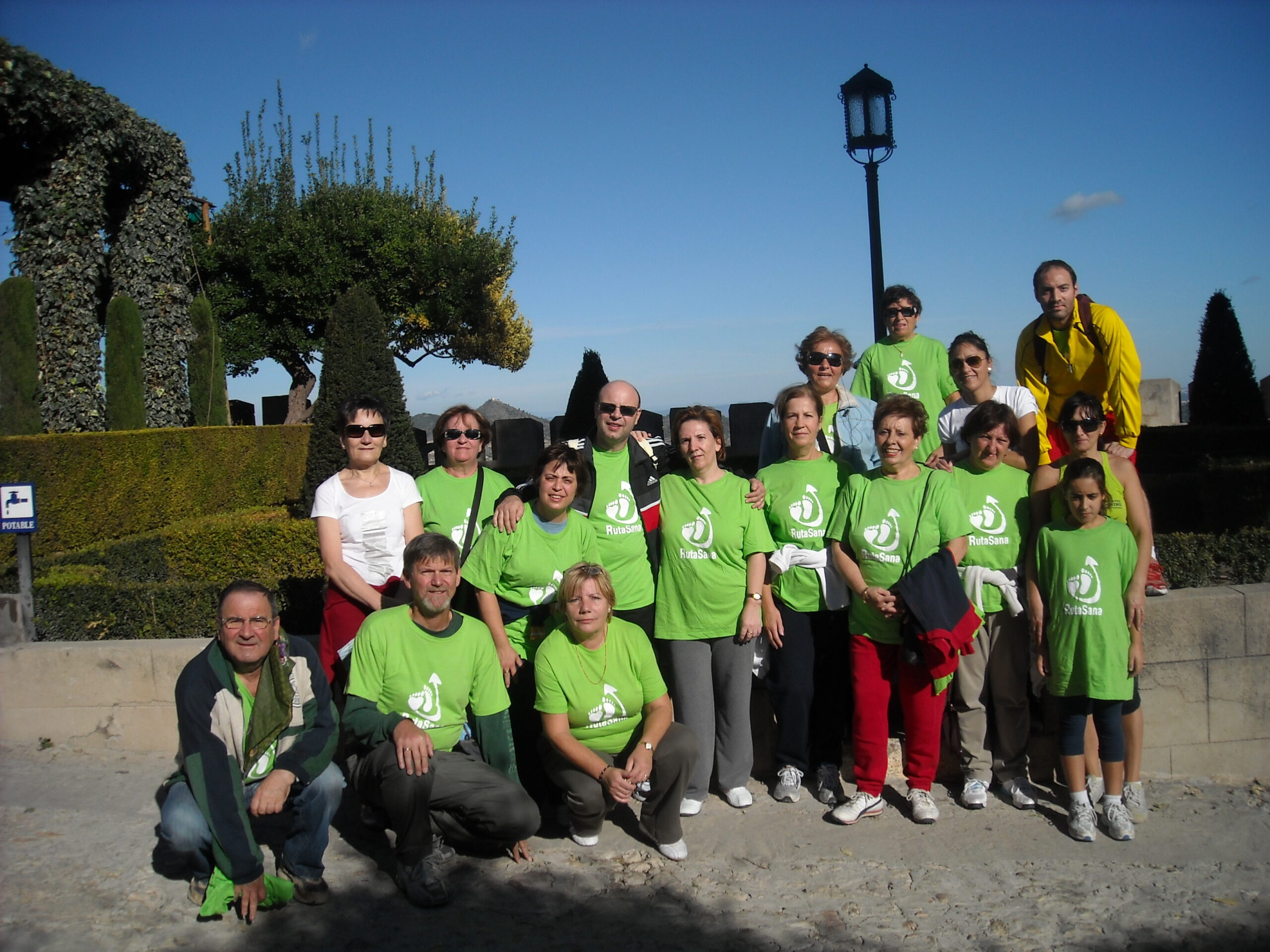
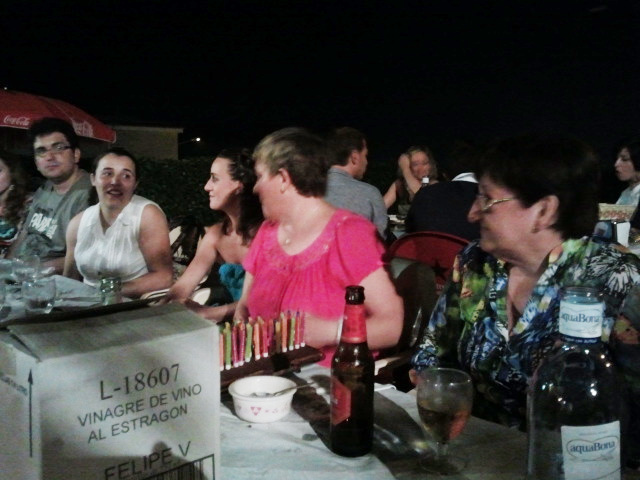
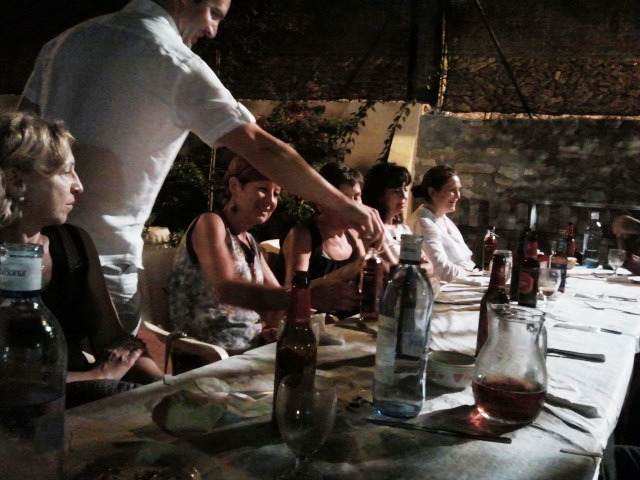
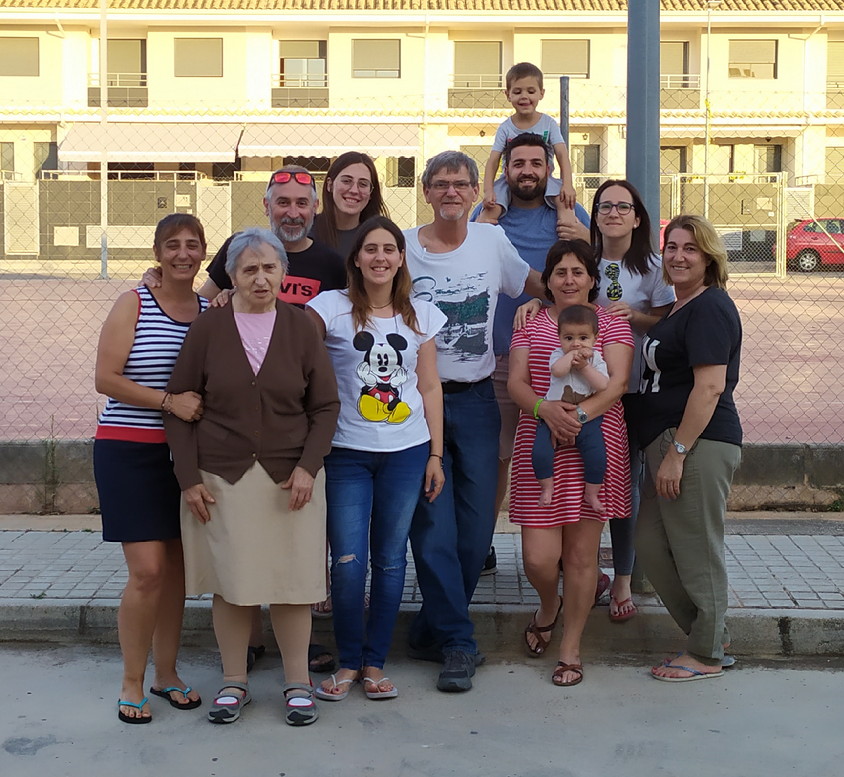
Una fiesta celebrando nuestras caminatas en 2012
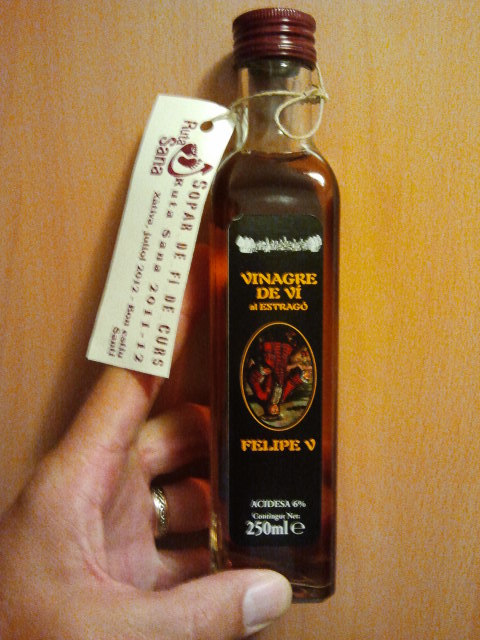
¡Ese año se entregó un regalo especial a todos los participantes!
2013 (Algunas de estas fotos fueron sacadas por otra persona.)
Al castilloNeveraNeveraNeveraDentro la nevera
Romeria al Puig2013 (Esta caminata no fue parte formal de la Ruta Sana, pero incluyó a muchos compañeros del grupo.)
Al Puig
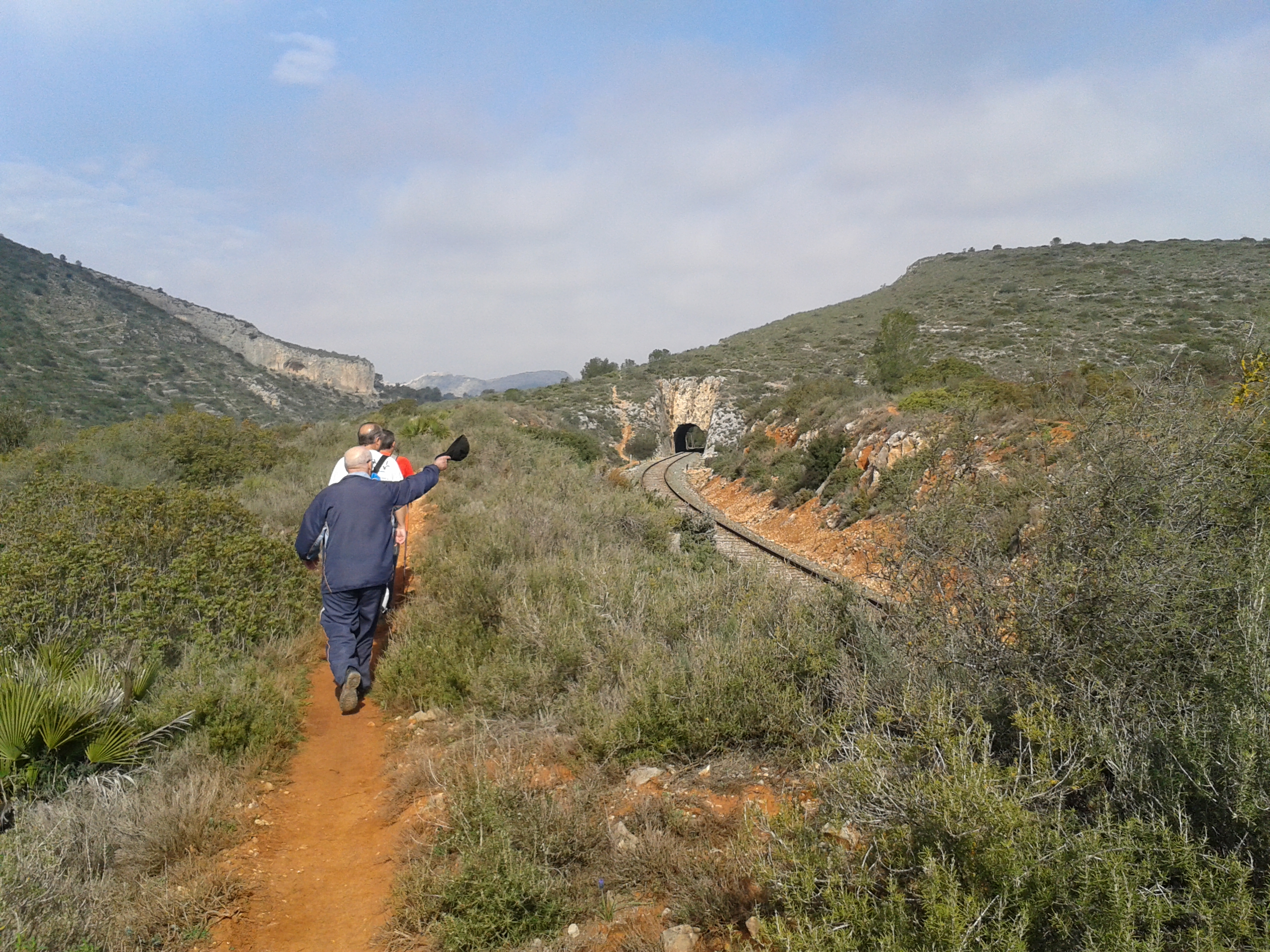
Esta es otra excursión que no formaba parte oficialmente de la Ruta Sana, pero en la que participaron algunos de los chicos que caminaban con el grupo.
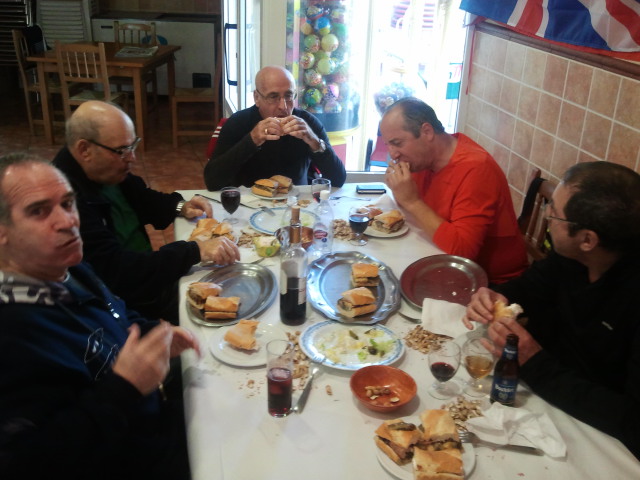
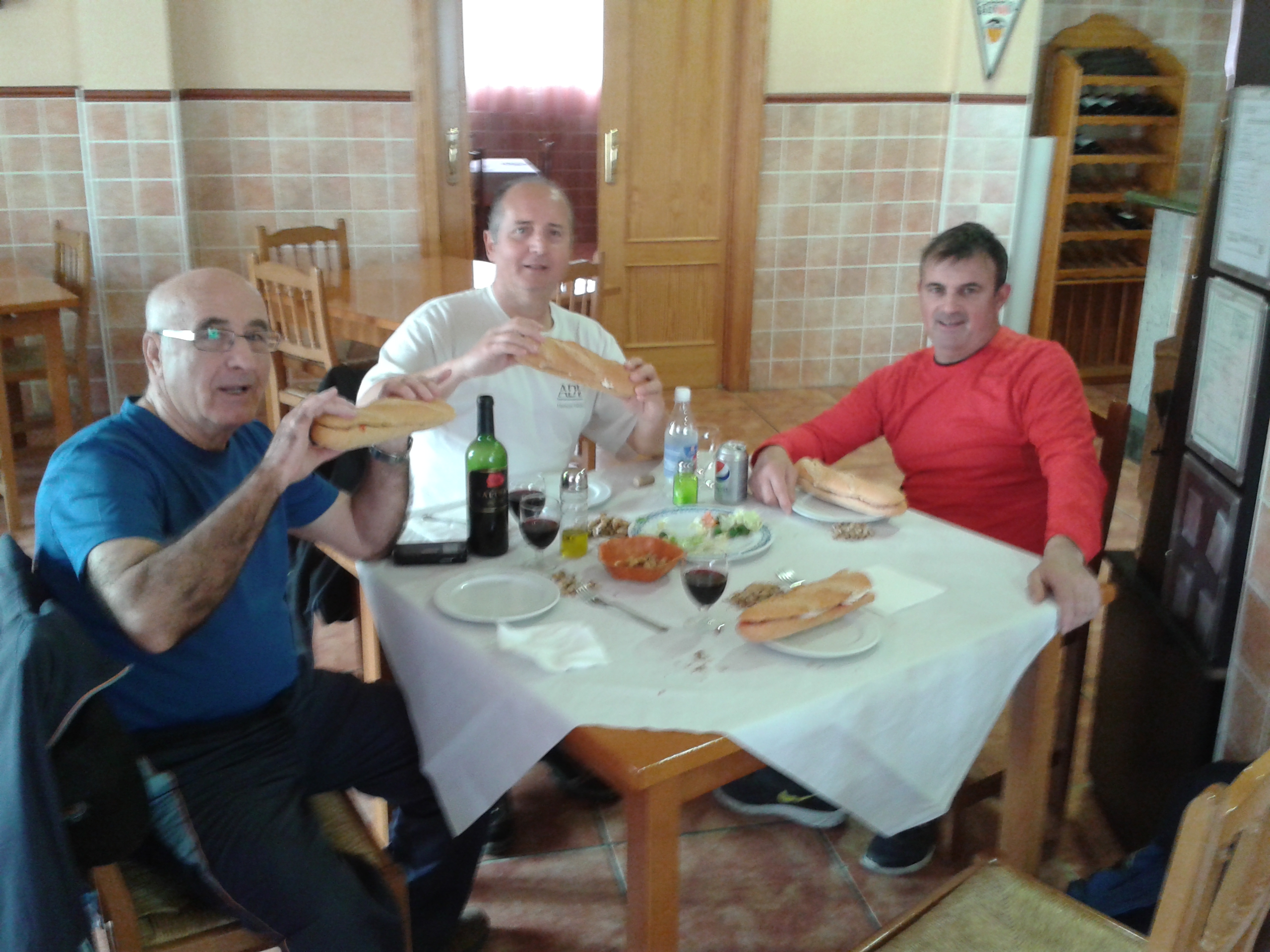
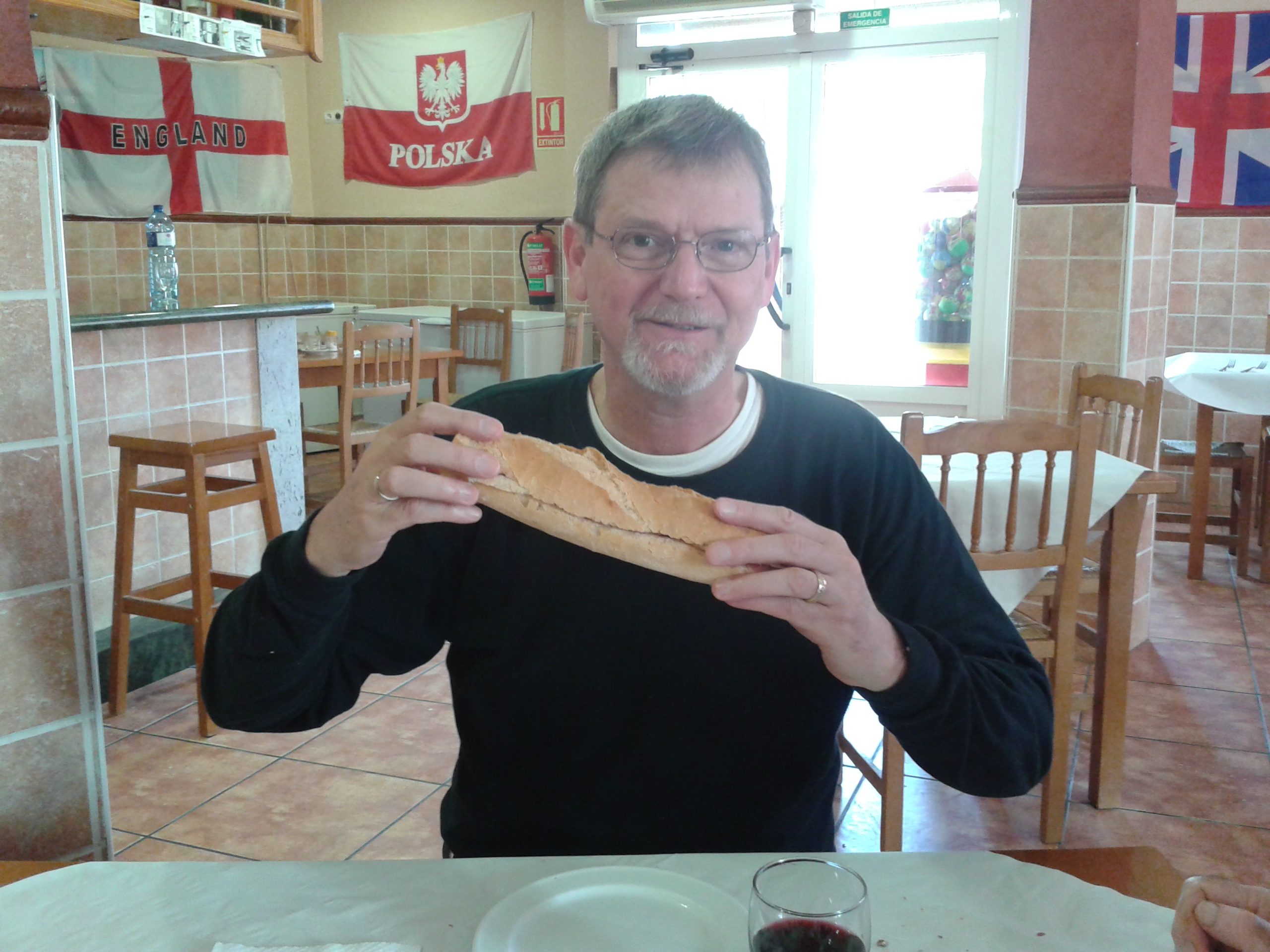
Unas excursiónes más con algunos de los chicos de Ruta Sana. A veces incluyó un delicioso bocadillo en un bar de Bellús.
(Note on Photos: Click on any image to enlarge it and click again for additional zoom)
Caspe- (in Zaragoza Province of Aragon)
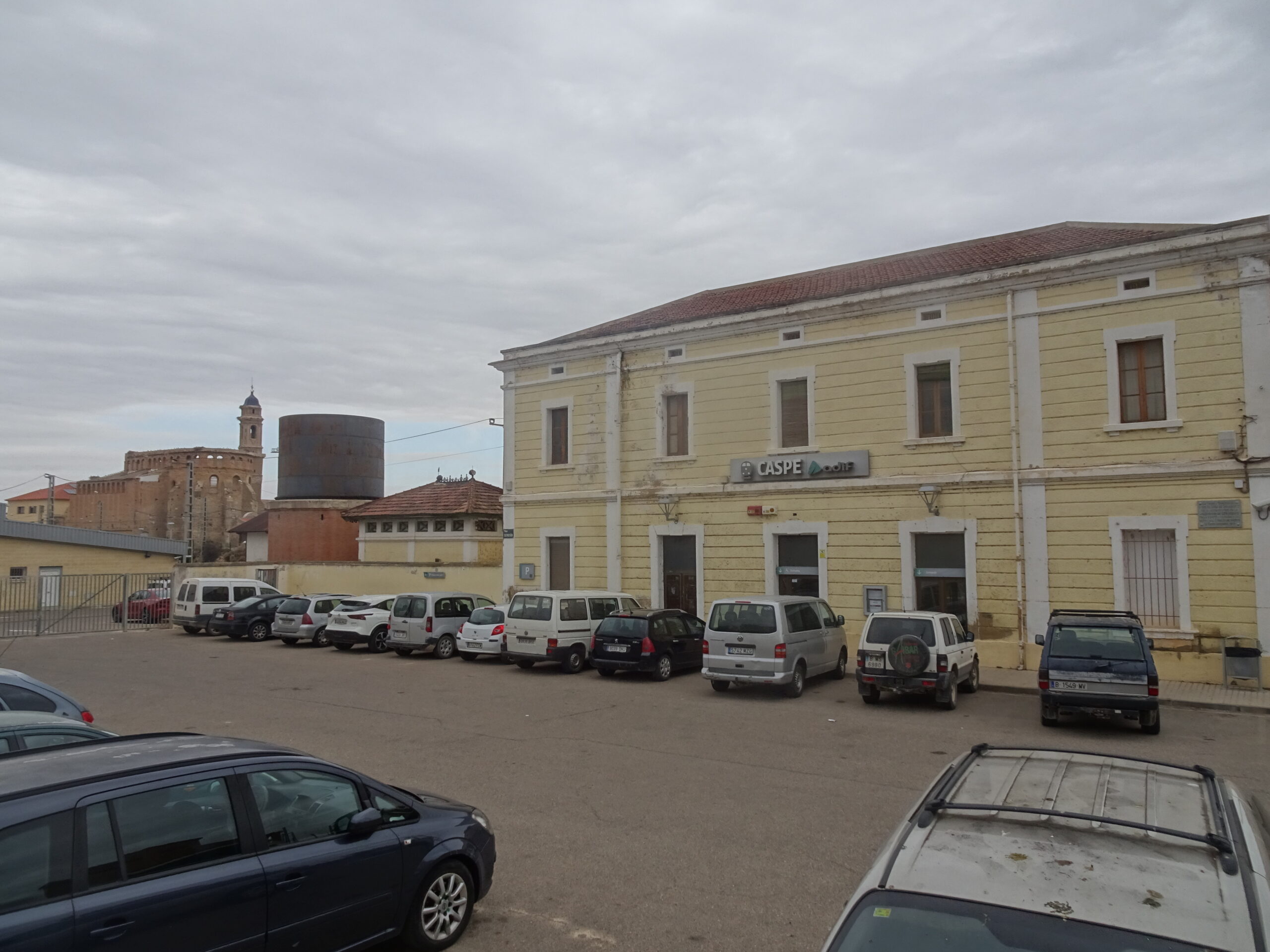
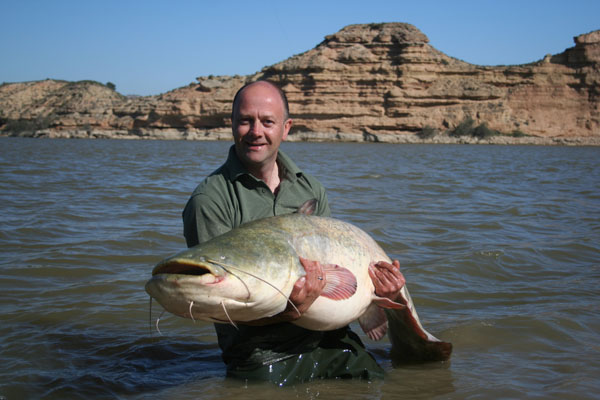
My hotel in Caspe was essentially right across the street from the train station. After checking-in, I headed to the tourist office to get a map and more information about the city. I was surprised that both of the people staffing the office spoke English. Given the somewhat obscure historical fame of Caspe, I asked “Do you get many English speaking visitors to the town?” Their answer startled me at first- many British and American tourists come to Caspe to fish. To fish? Well, then I remembered a conversation many years ago with a work chum who was an avid fisherman. The Ebro river is famous for very large catfish. And apparently the stretch of the Ebro that passes by Caspe is a good area for them!
2006 Photo from David Keep published on flickr – Creative Commons – By/Attribution
Caspe and its history
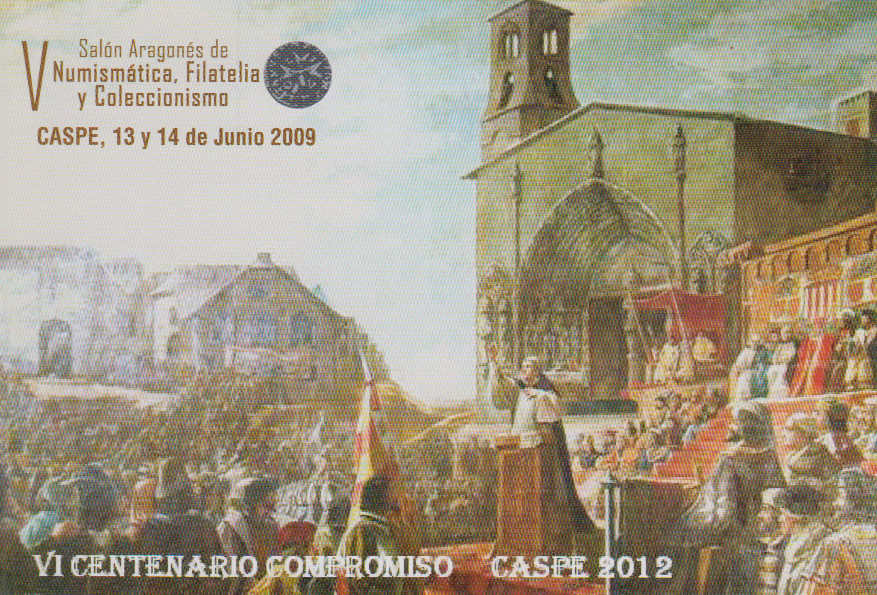
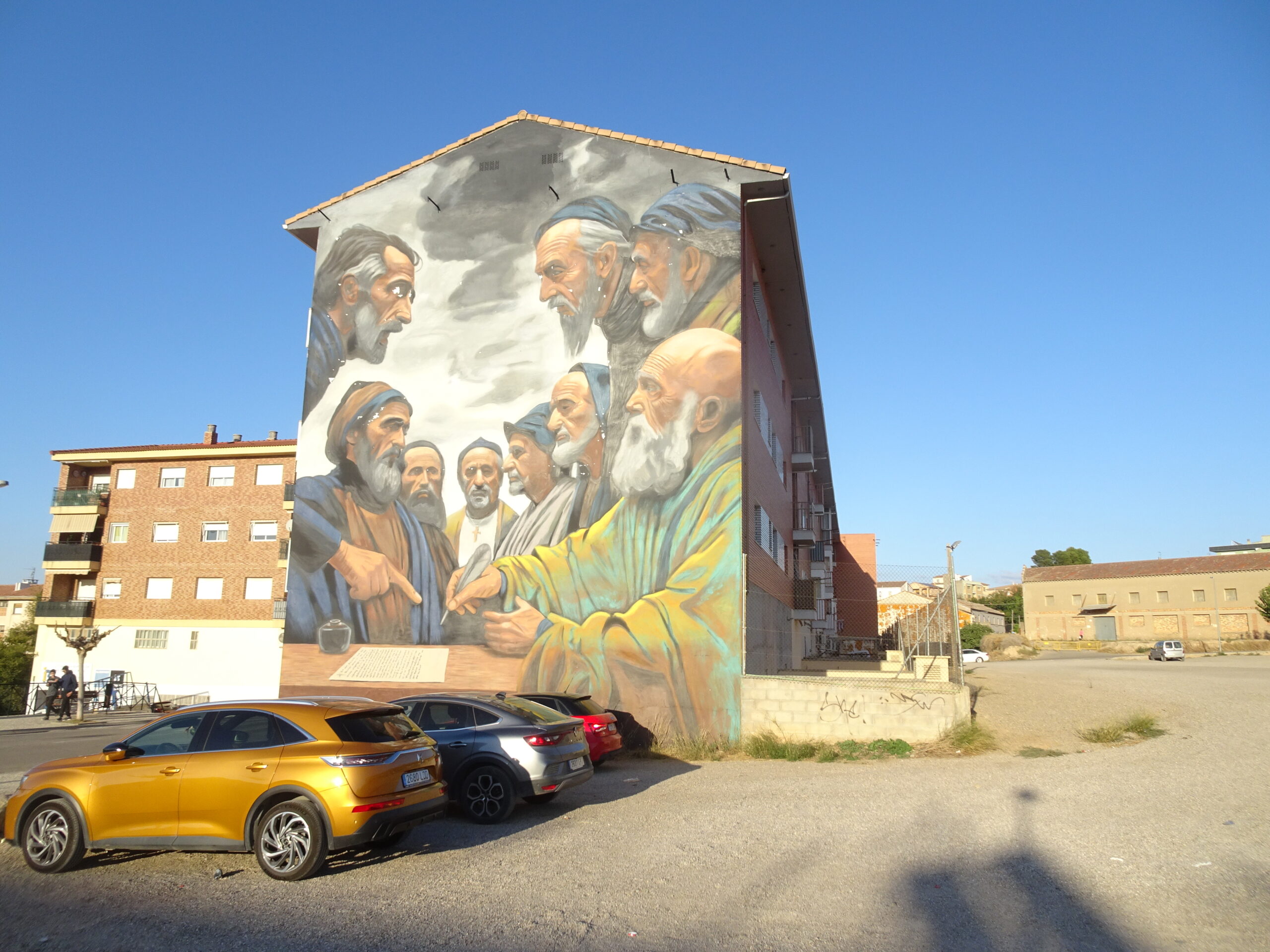
My knowledge of Caspe came from having heard of the “Compromiso de Caspe”. This refers to an event 600 years ago in which the problem of king Martin I of Aragon, who died without an heir was solved by a conference of regional dignitaries. Local royal representatives from Aragon, as well as representatives from the Kingdom of Valencia and the Principality of Catalunya, convened in Caspe. They assessed a variety of contenders for the throne, and after some deliberation chose Ferdinand of Castile as the new king.
As a side note, a while after the crowning of Ferdinand, one of the other contenders – James II the Count of Urgell – rescinded his initial acceptance of the decision and rose up in rebellion. He was not able to muster much support, and was defeated and thrown into a prison cell in… wait for it… the castle of Xàtiva. He remained there 20 years until his death in 1433.
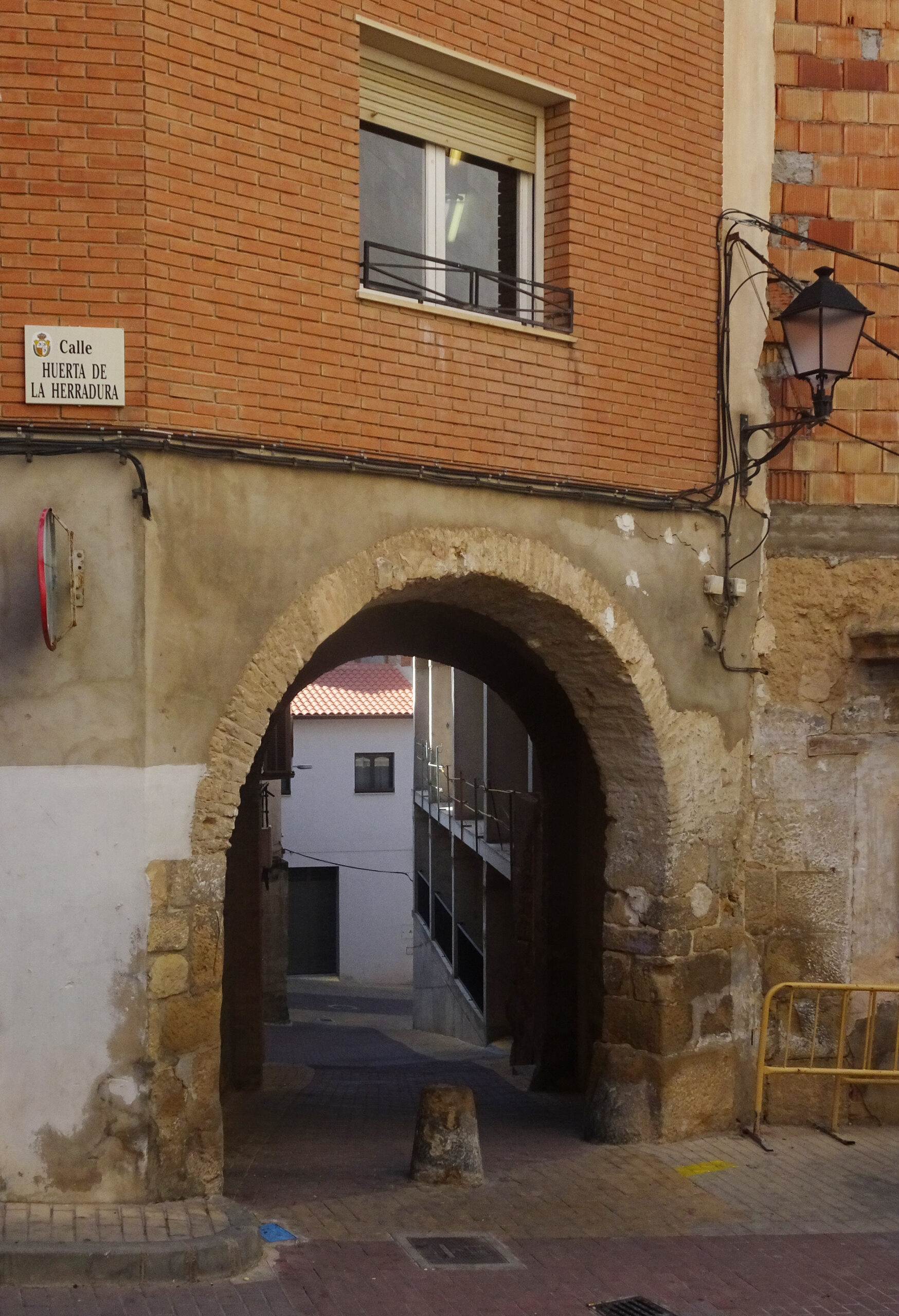
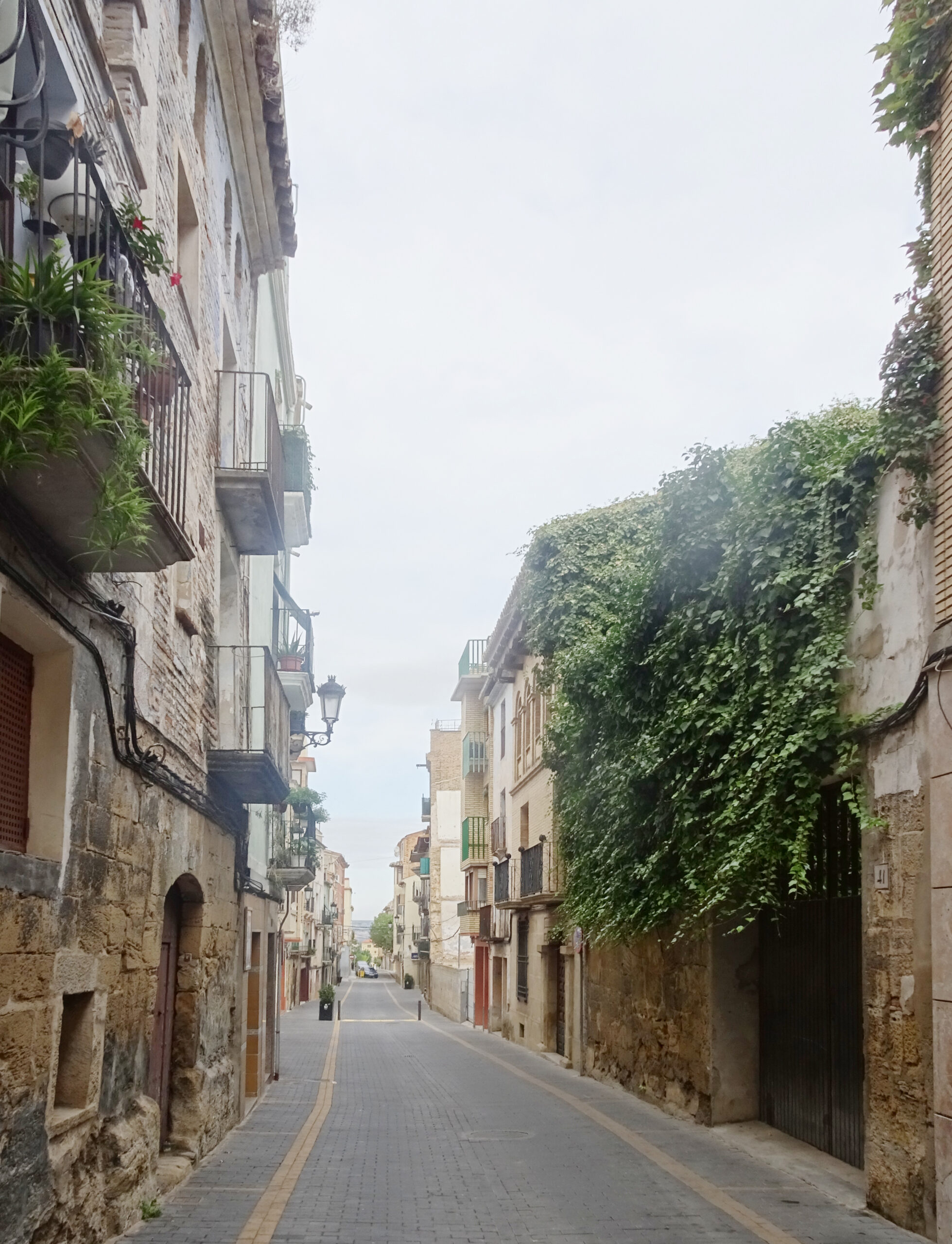
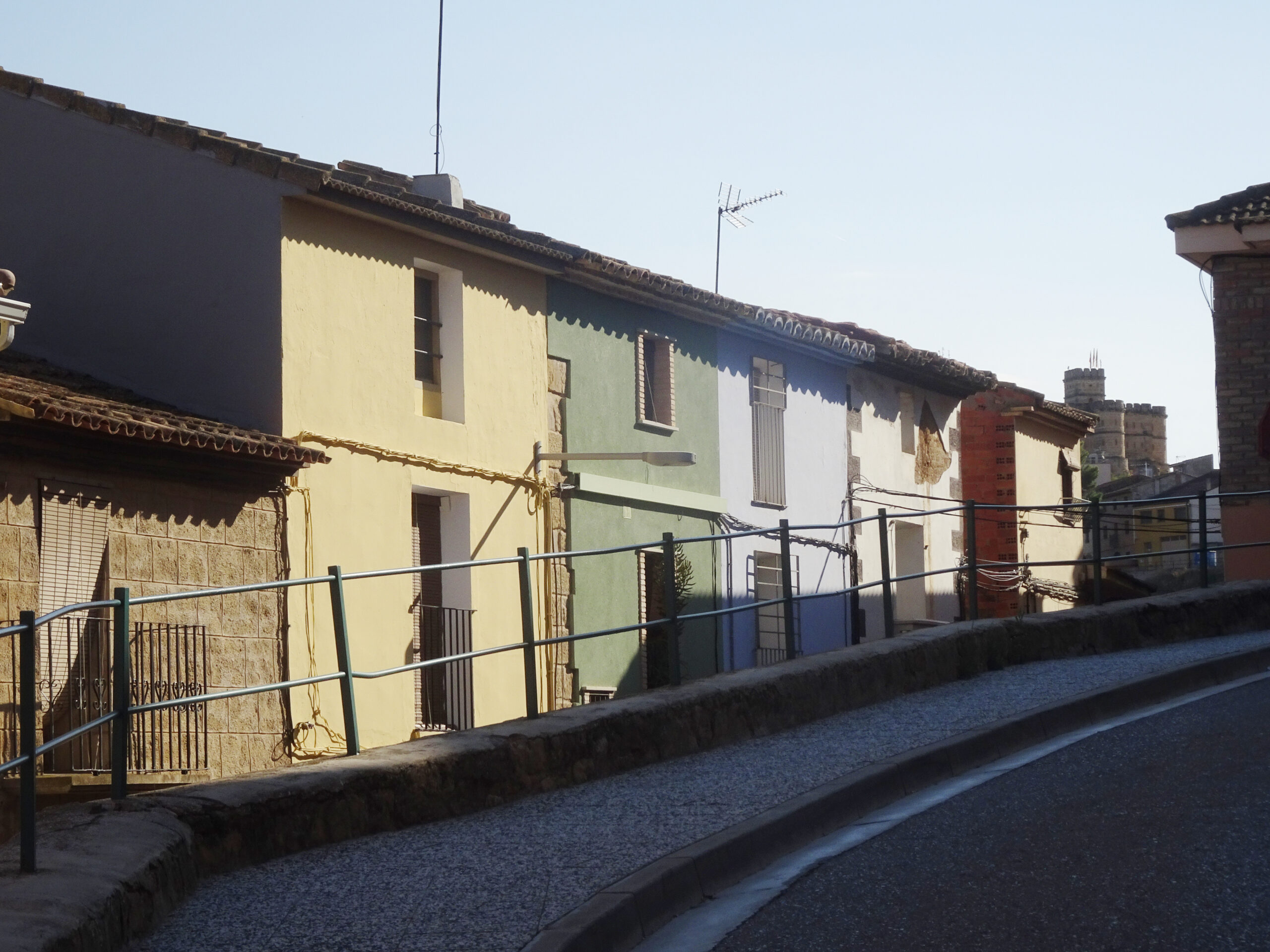
Street scenes from Caspe
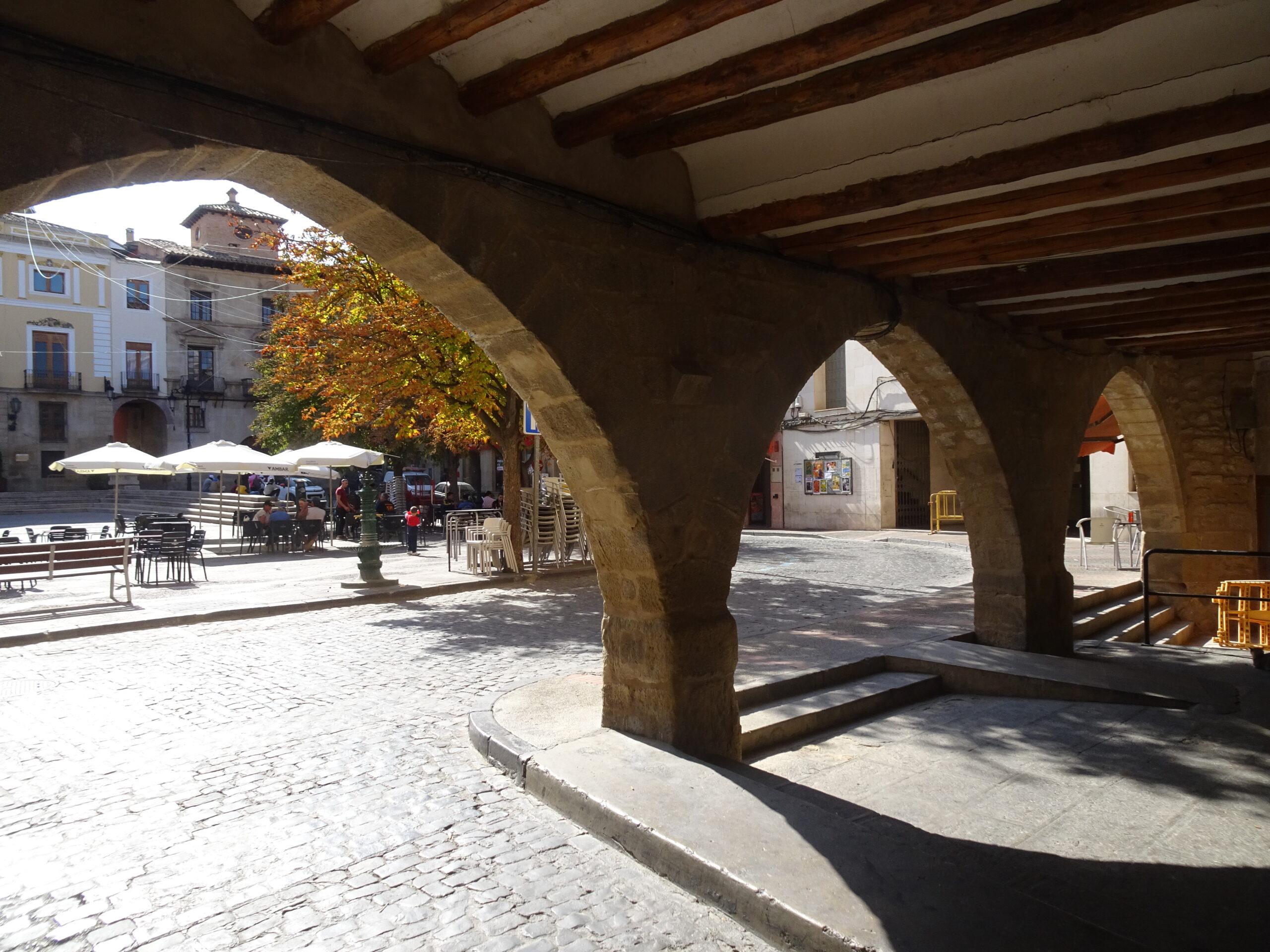
Plaza de España viewed through the “arcos del Toril”
The current population of Caspe is notably diverse with residents from many areas of the world. Around the central part of the city one sees people from the Indian sub-continent, both north Africa and sub-Saharan Africa, eastern Europe, and I even chatted briefly with a guy from Nepal!
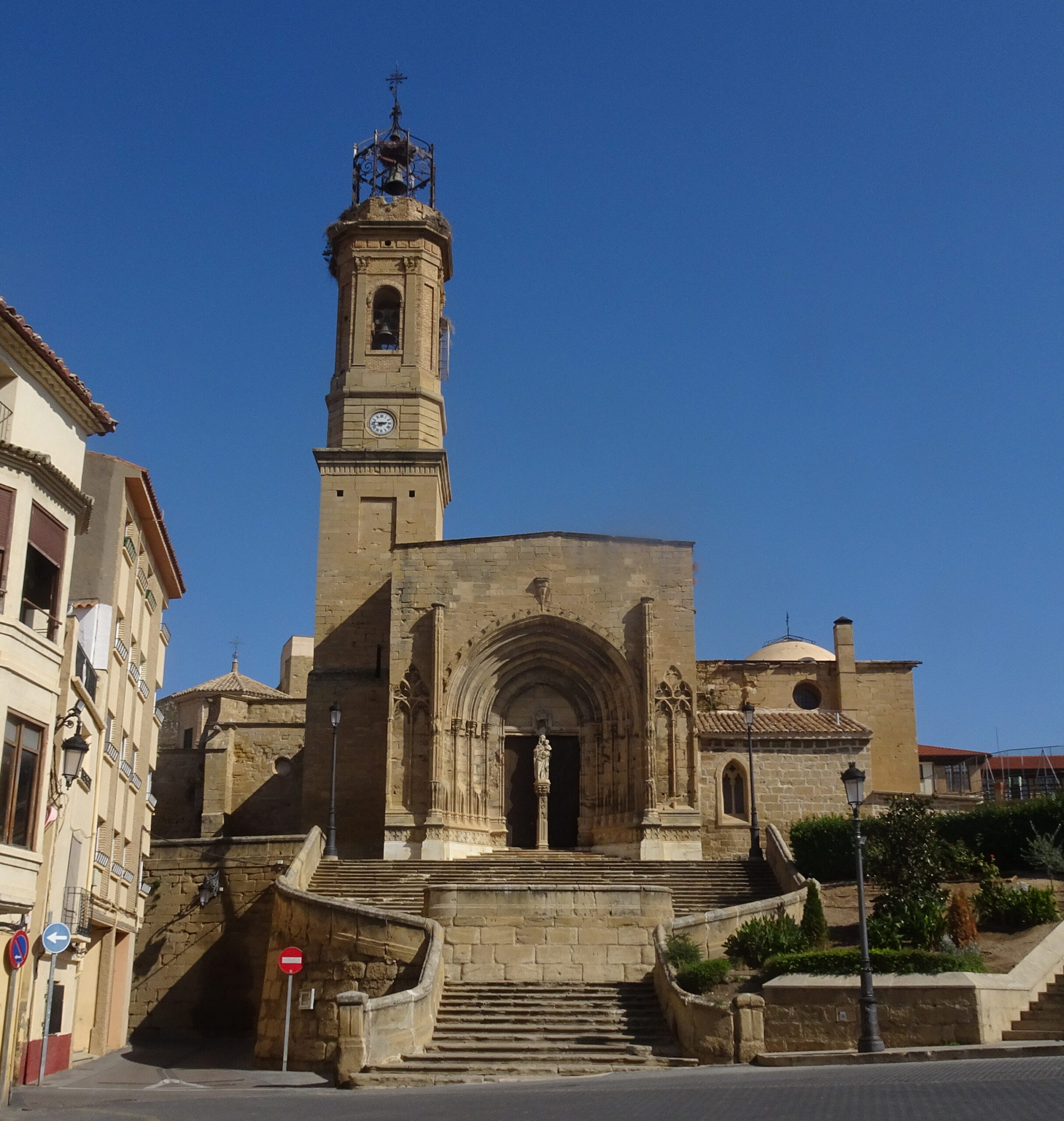
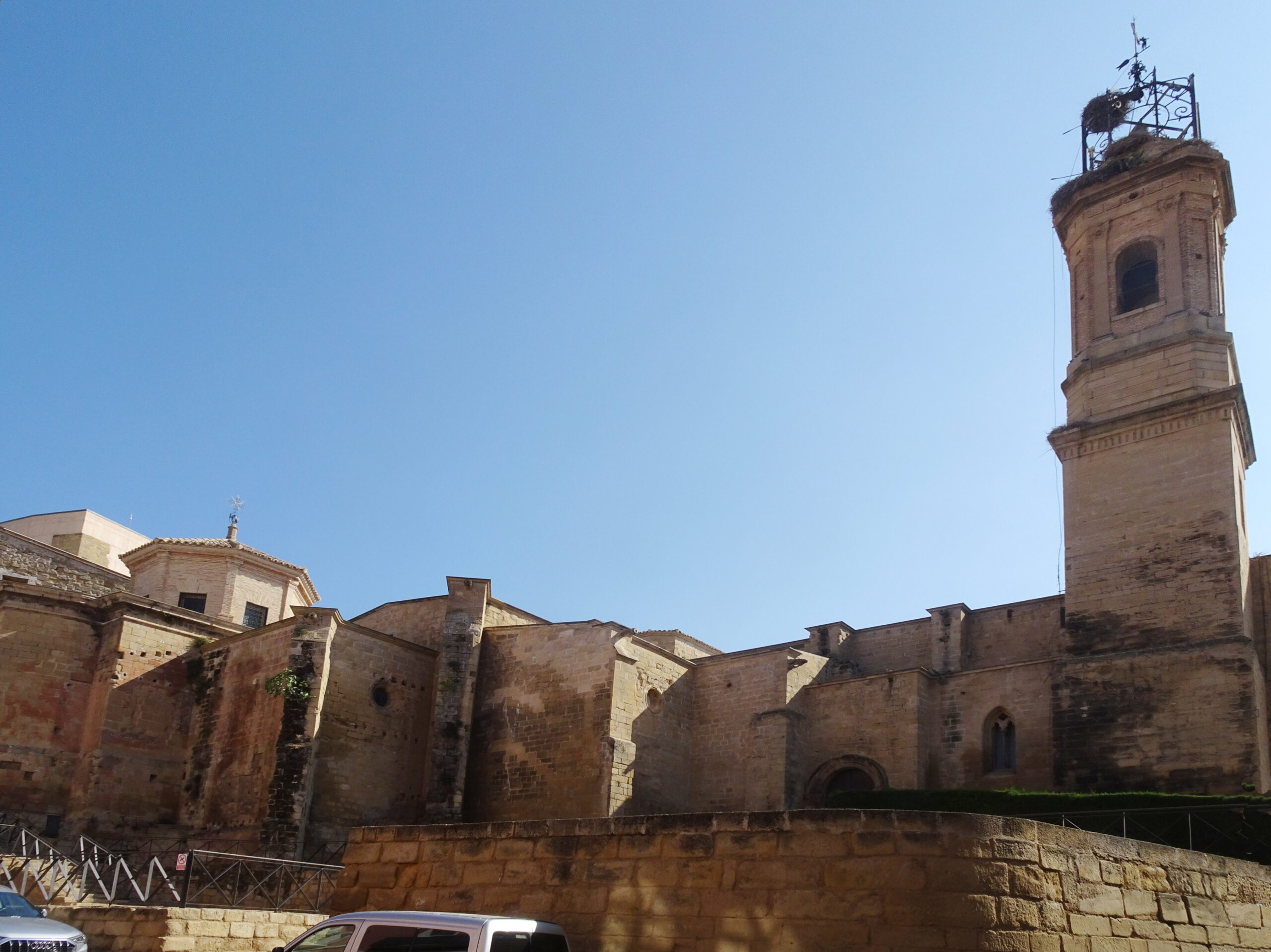
The Cathedral at Caspe (OK, strictly speaking it is not a cathedral, but rather the “Colegiata de Santa María la Mayor”)
The driving force behind the construction of this catholic place of worship were the “Kinghts of Malta” (Orden Militar del Hospital de Jerusalén) and Juan Fernández de Heredia, a “grand master” of that order. It was built on the site of the city’s mosque that existed from the time of Islamic rule in Spain until the late 14th century when work on this newer building began. The oldest part of Caspe sits on top of a rocky hill, and you can see from the photo that the mosque and later church were located above the nearby streets of the newer parts of Caspe. During a later expansion of this “Cathedral”, the solid rock area at the rear of the church caused the addition to higher than the main part of the church.
Here we see the two sets of steps that were added as part of a later addition to the rear of the cathedral. The steps were needed because the solid rock of the hill did not permit a level floor.
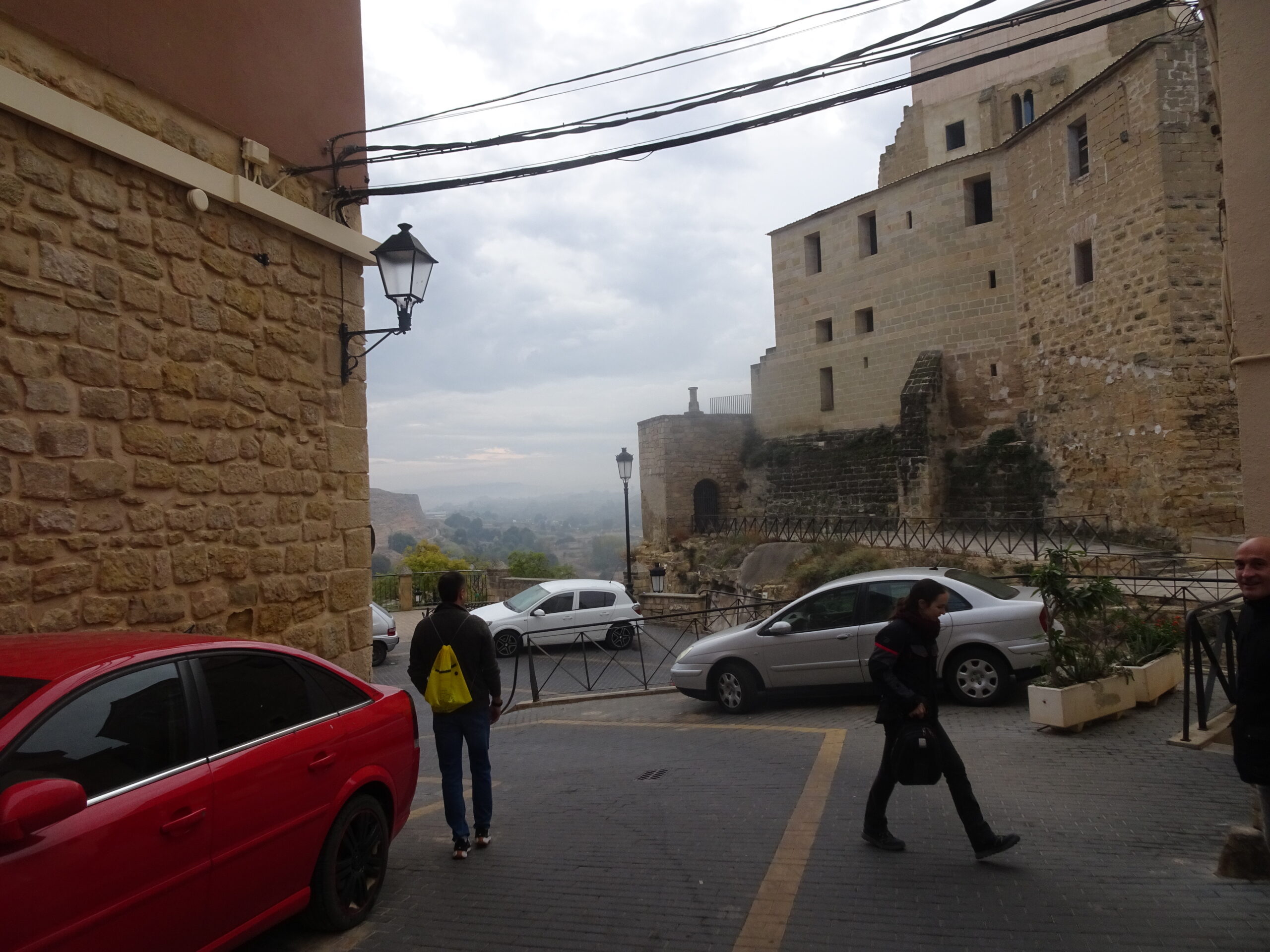
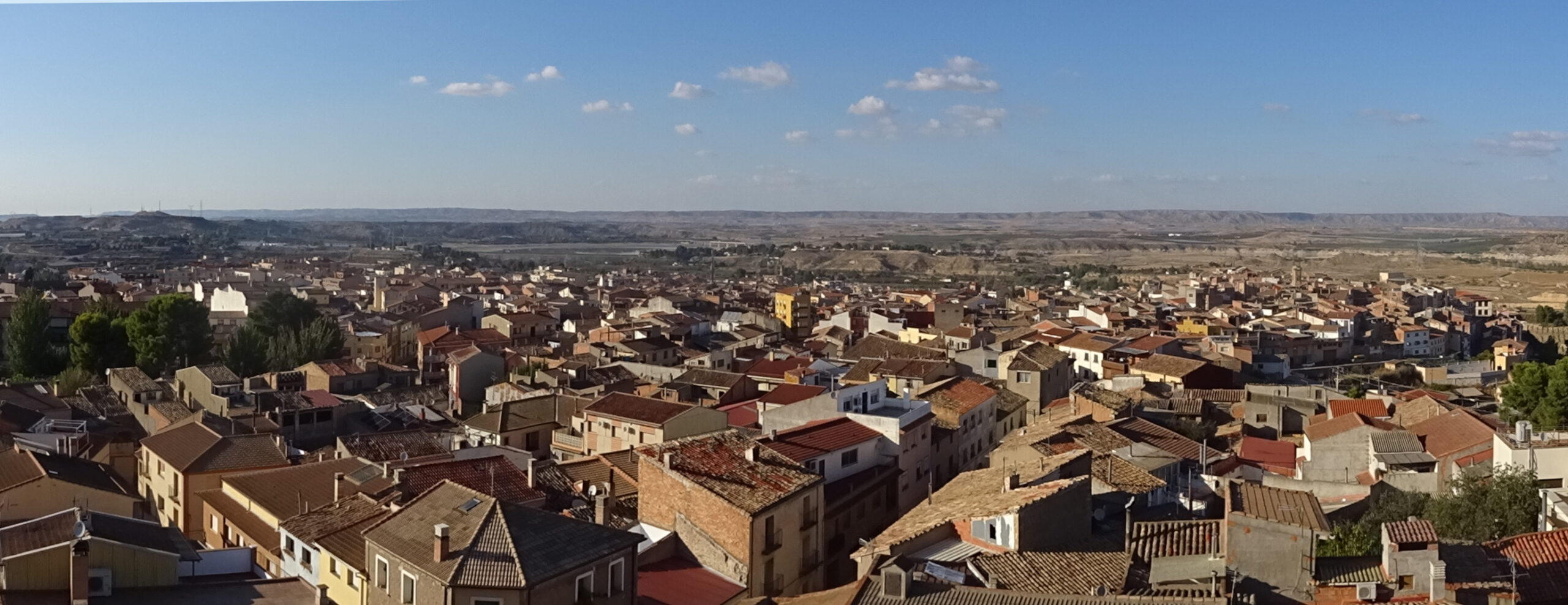
The oldest part of Caspe sits high on a hill.
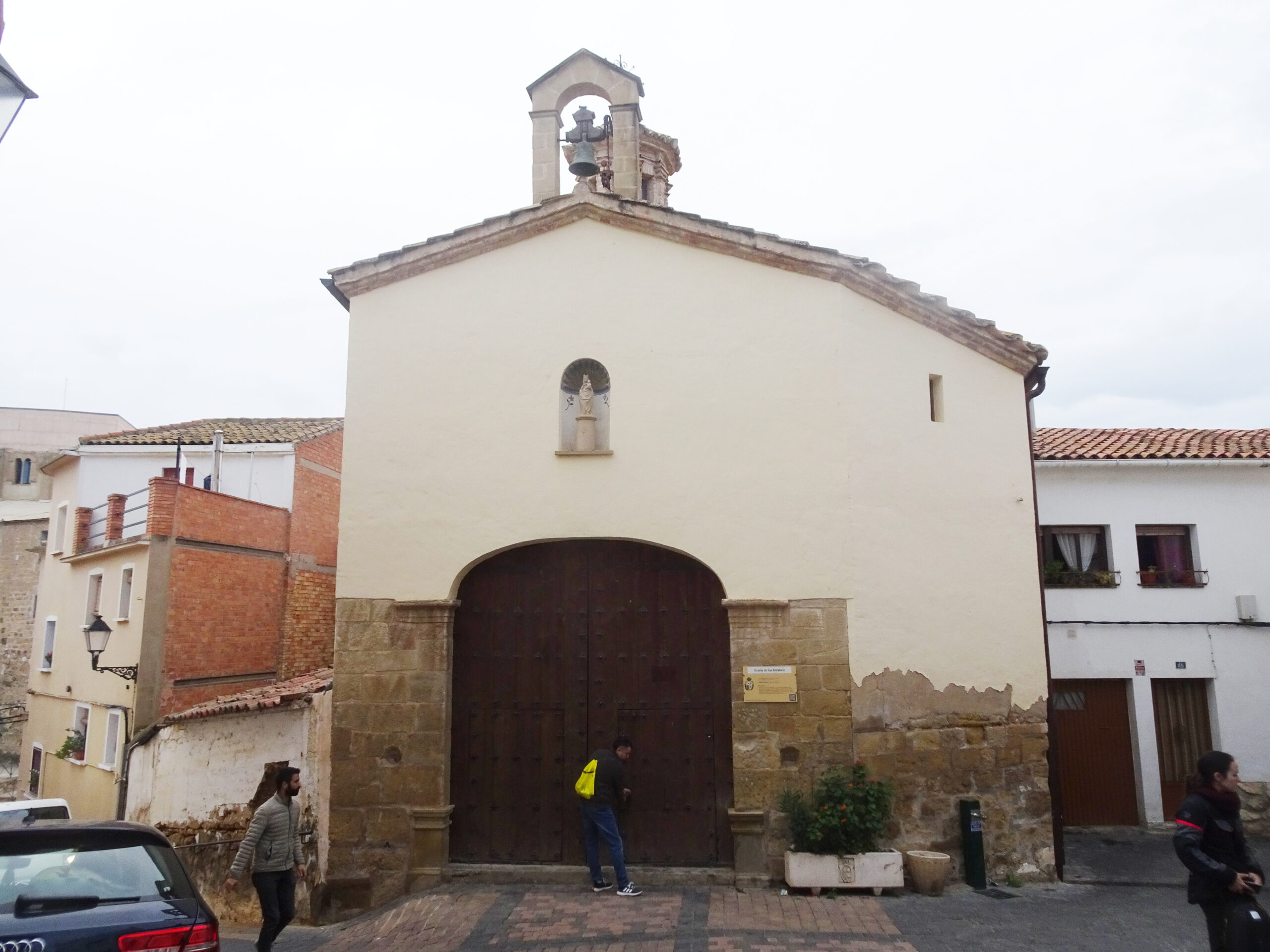
Here we find the “ermita de San Indalecio”. Although born in Caspe, San Indalecio is known for work preaching the gospel in the Almeria region, where he became that region’s fist bishop.
Ermita de San Indalecio – built in the 18th century
The location where the ermita de San Indalecio sits had been the “Jewish Quarter” of the town during the middle ages. It is thought that the church was either an enlargement of a former synagogue, or built over the site of one.
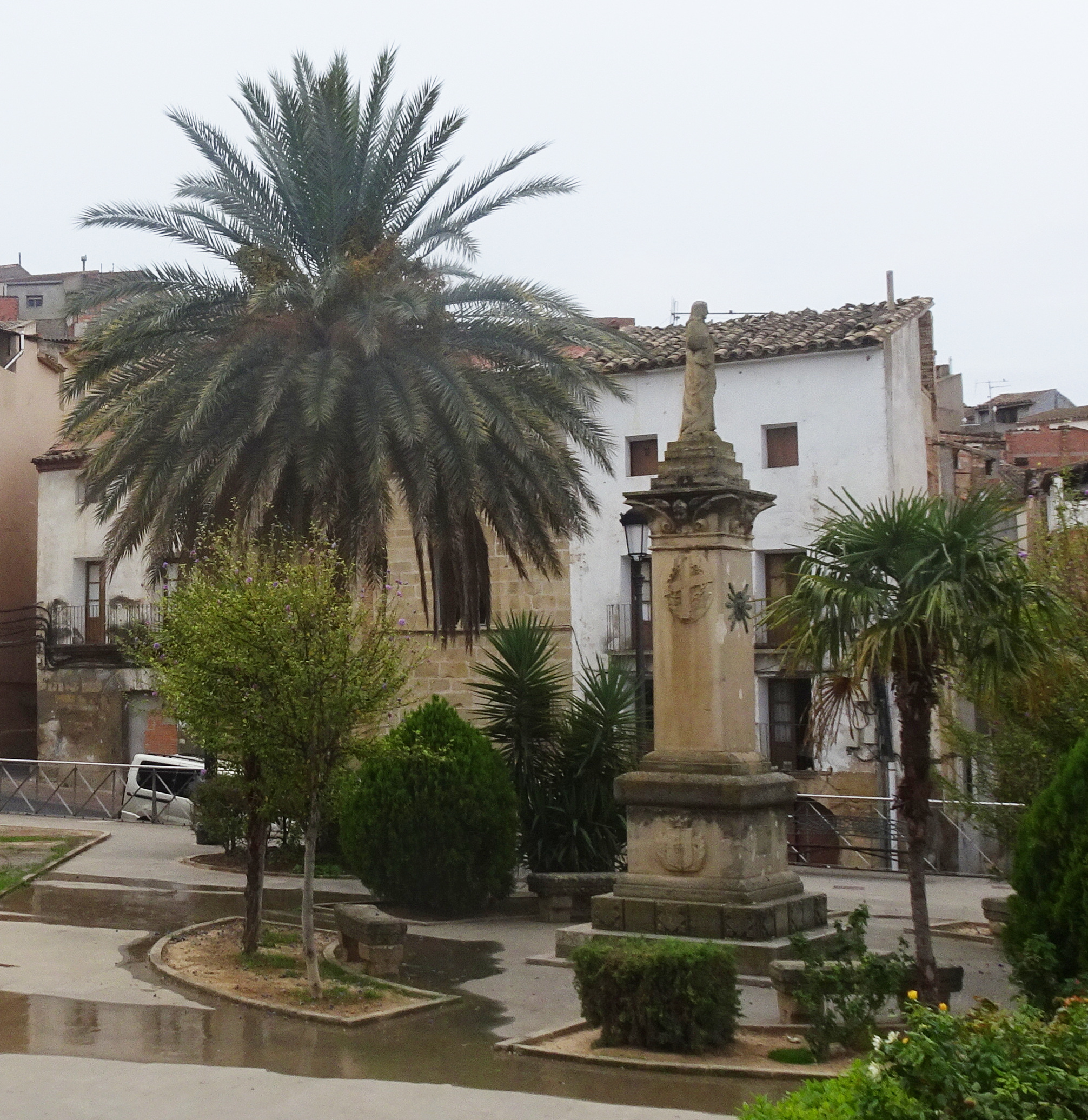
The Star of David on the square in front of the church is a reminder of the neighborhood’s Jewish history.
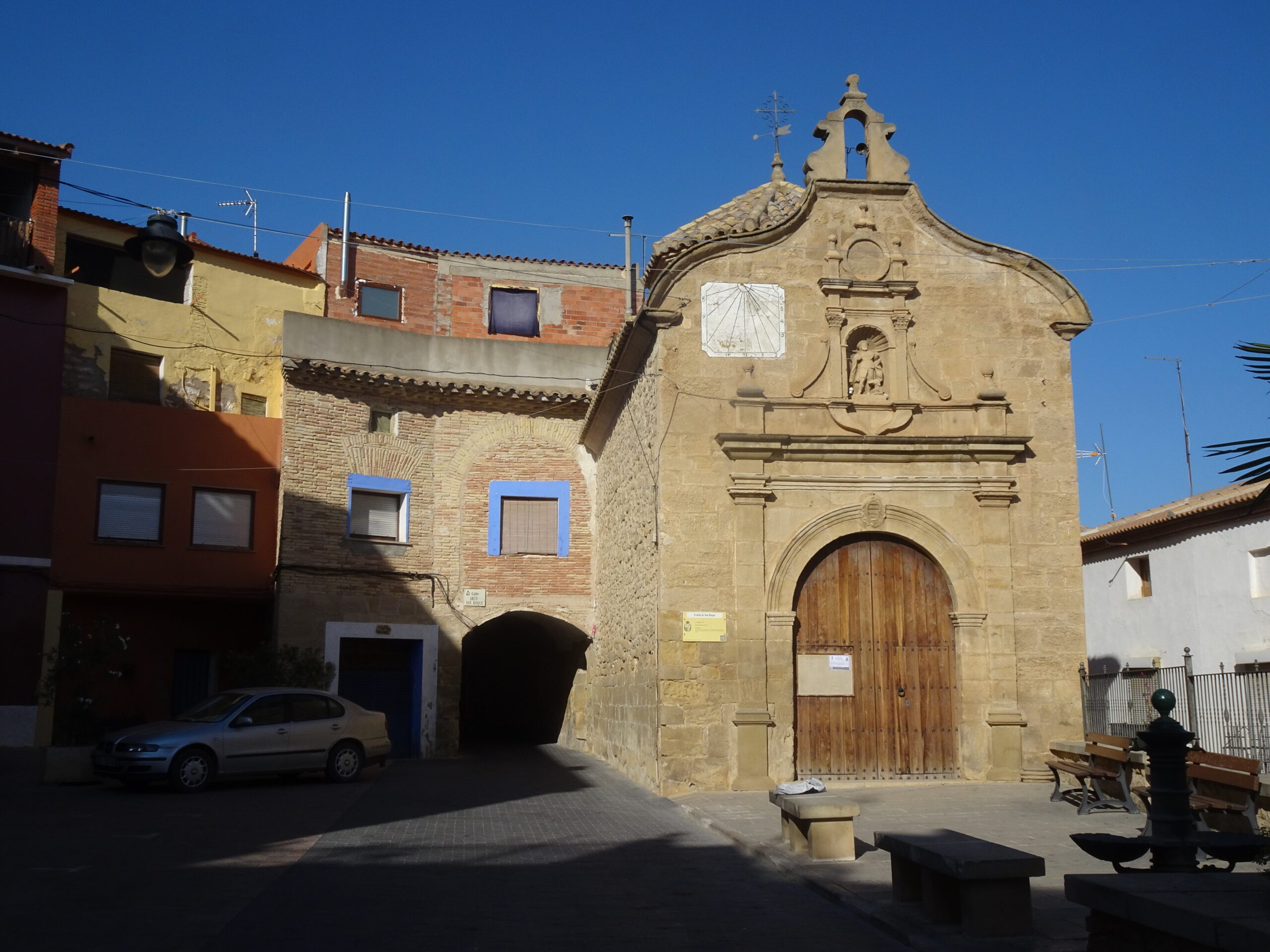
A bit further south in old Caspe we find another modest 18th century church, the “ermita de San Roque”.
Born in France, San Roque is the patron saint of dogs and was known for his diligent work during the plague tending to the sick in various Italian cities.
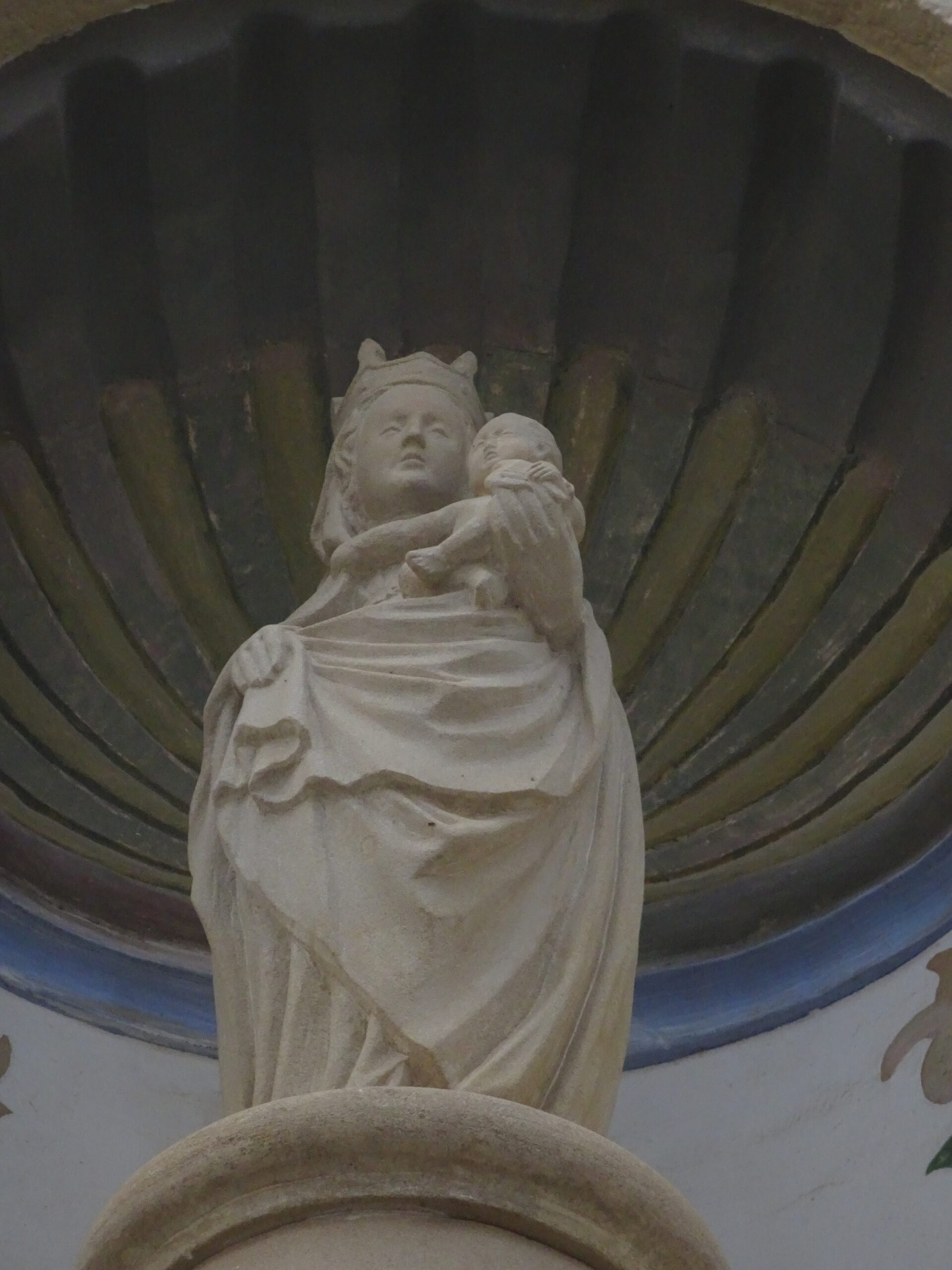
San Roque with a dog laying at his side.
Caspe and the “Carlist Wars”
During the 19th century there was another dispute of succession to the throne. In this case the dispute led to three (or two depending on how you count them) civil wars. In this case the wars were not just about personalities, but about political and social viewpoint on life and governance. The “Carlists” were followers of “Don Carlos”, who championed very traditional values. On the other side there was support of liberalism and later support for creation of a republic. Caspe is located where the Guadalope River flows into the Ebro River. Especially in mountainous or hilly terrain, rivers follow the easiest route, and therefore a route that facilitates troop movements. Thus Caspe had a very strategic location during the Carlist Wars.
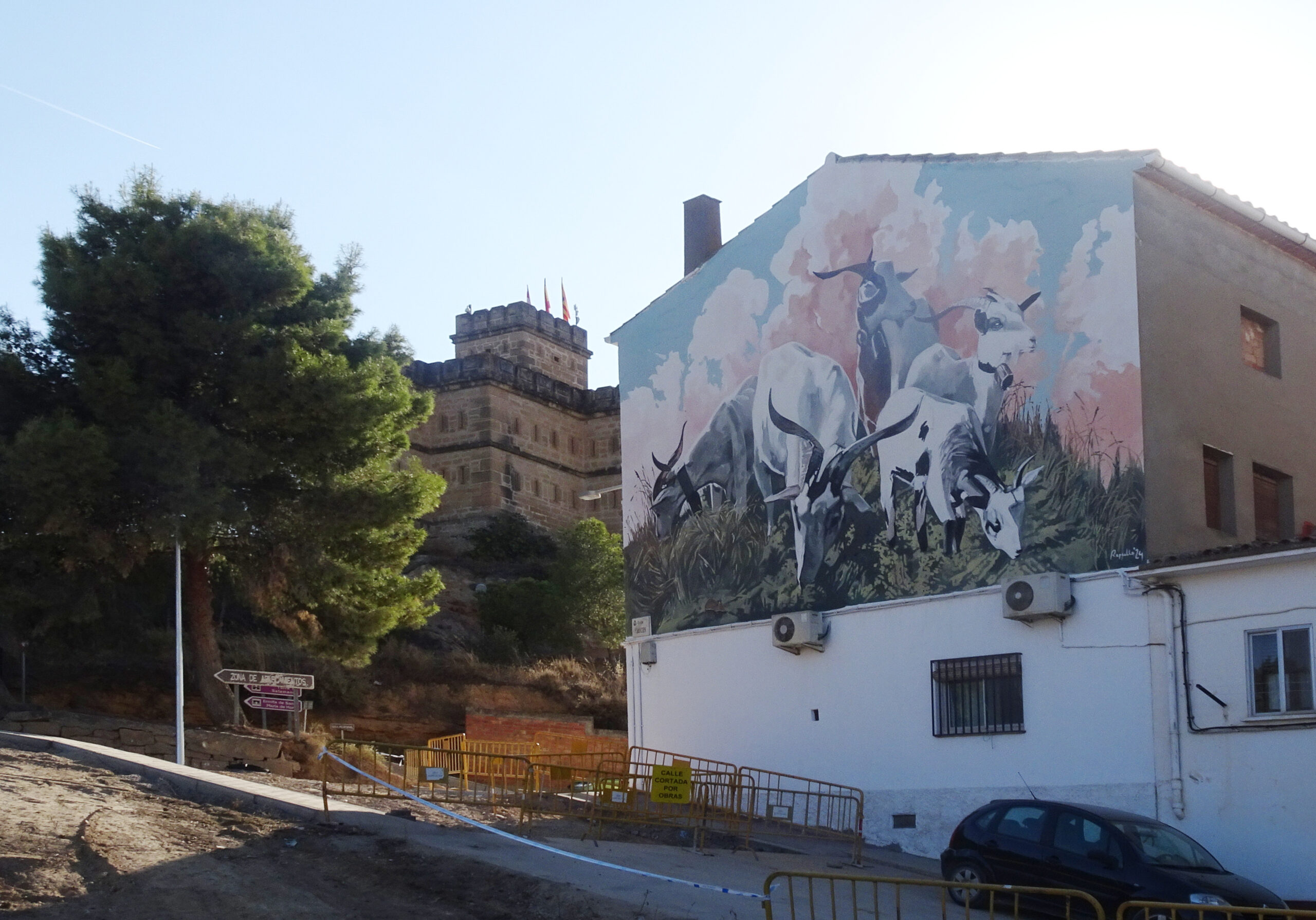
The “Tower of Salamanca” is peeking out above a large building adorned with a colorful mural
In 1874, during the third Carlist War, general Manuel de Salamanca ordered a tower-fortress built on a high point at Caspe. This tower (Later called the “Tower of Salamanca”) served both as an observation post to assess any possible troop movements along either of the river routes, and also as a critical link in a chain of signal towers used to communicate notifications if enemy troops were sighted. This Fortress is intact and well preserved.
Multiple layers of defensive loopholes through the thick wall, through which rifles could be shot, provided a means of defense in case of attack.
Views from the top of the tower
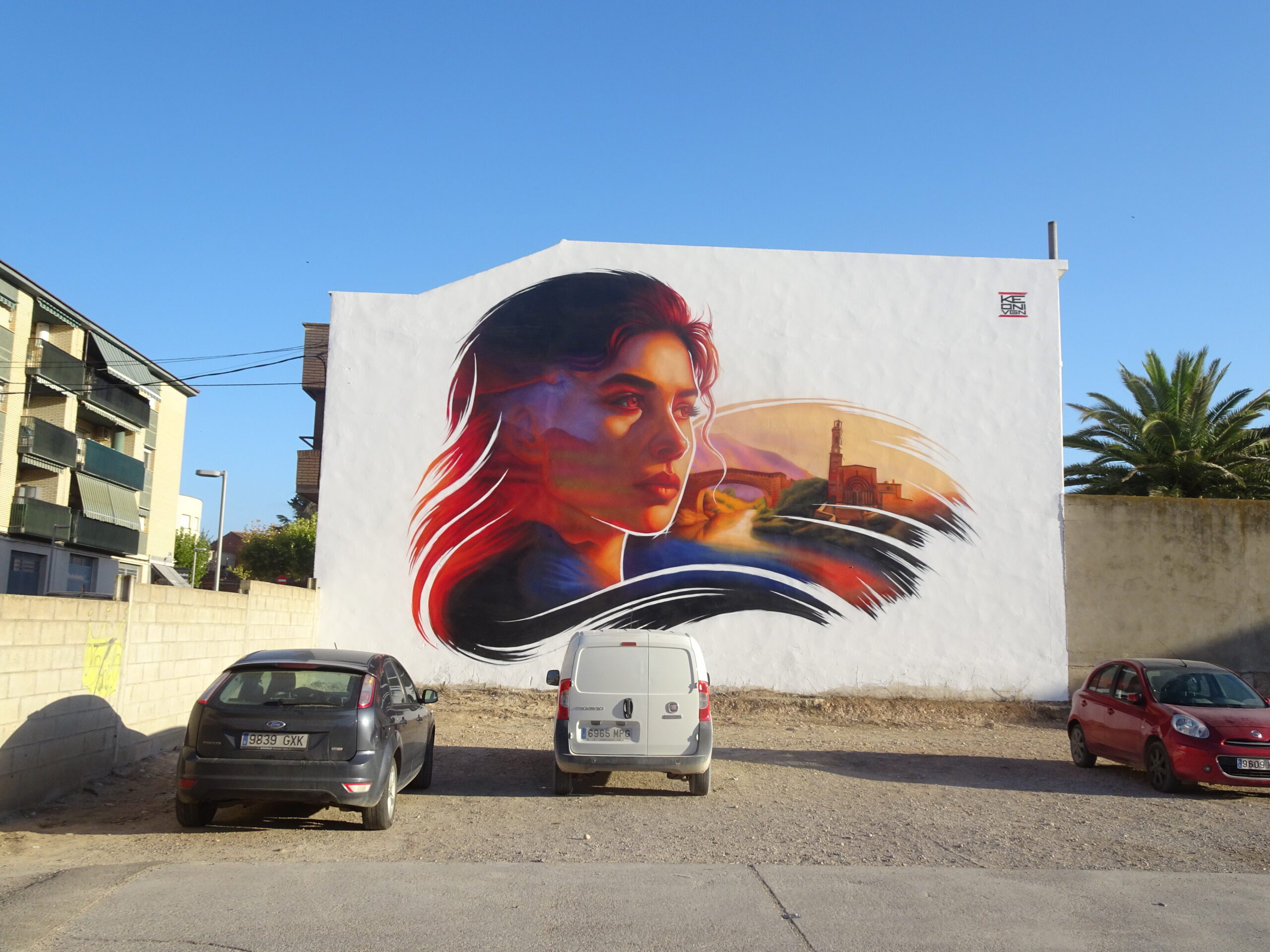
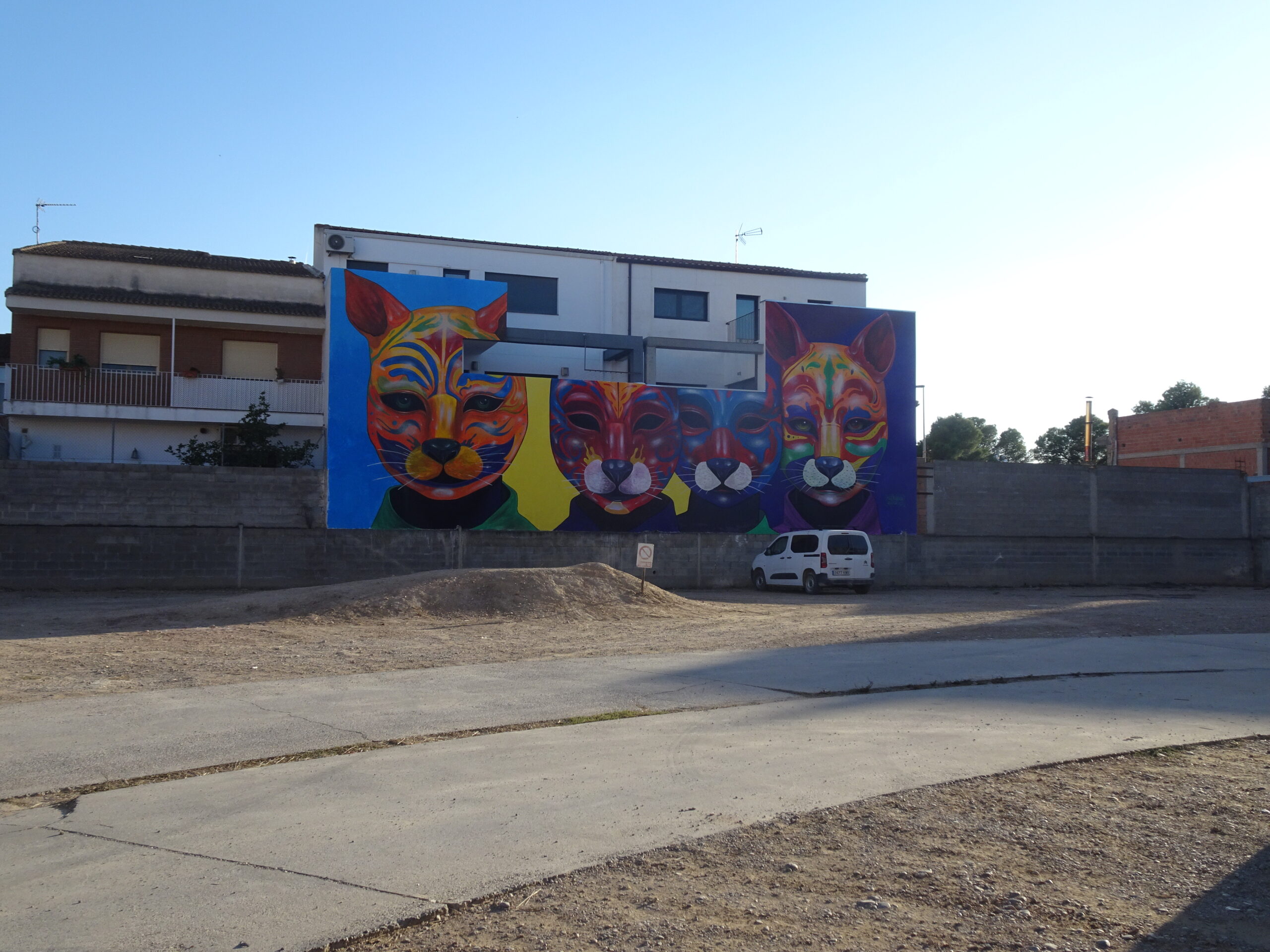
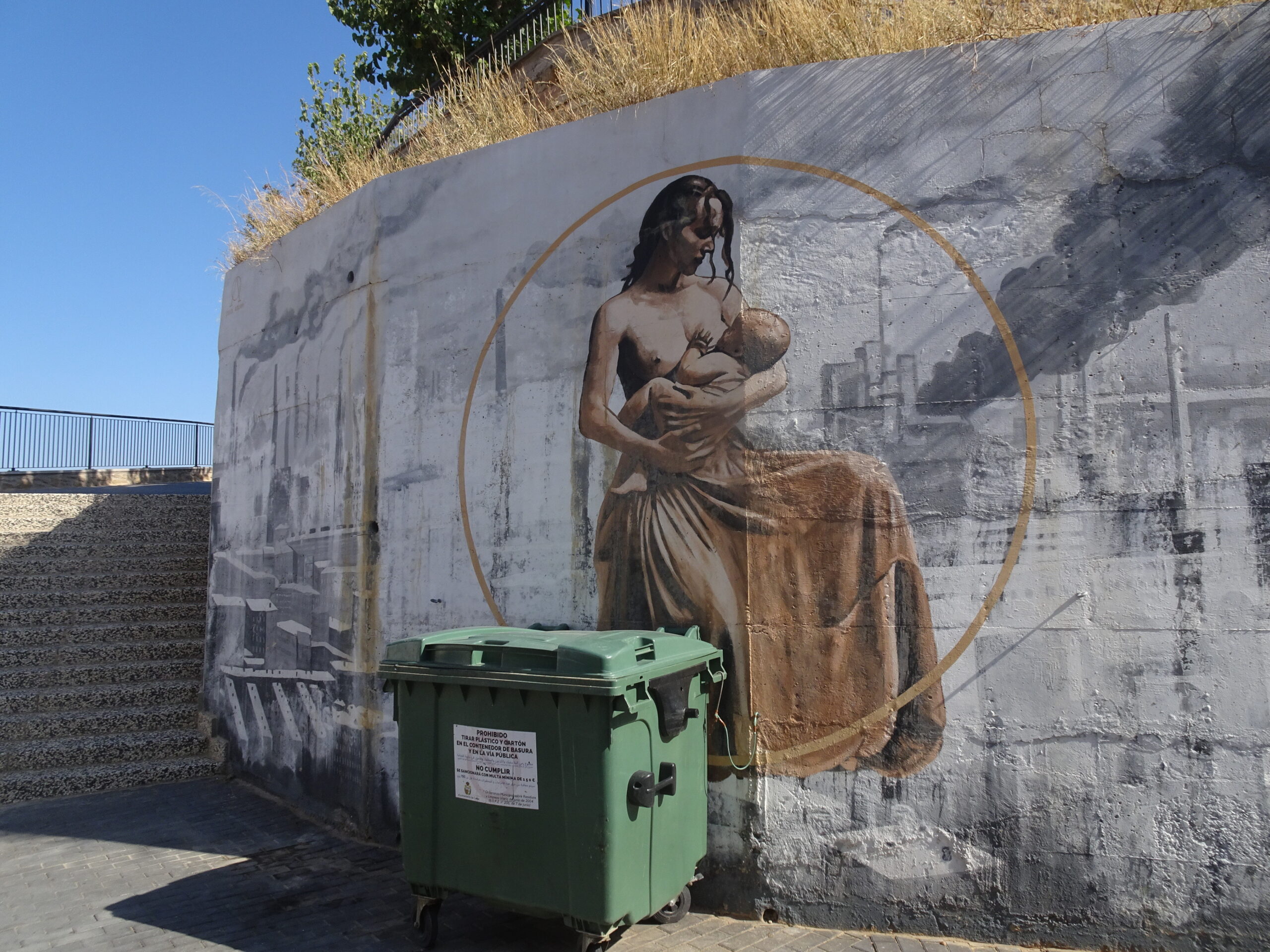
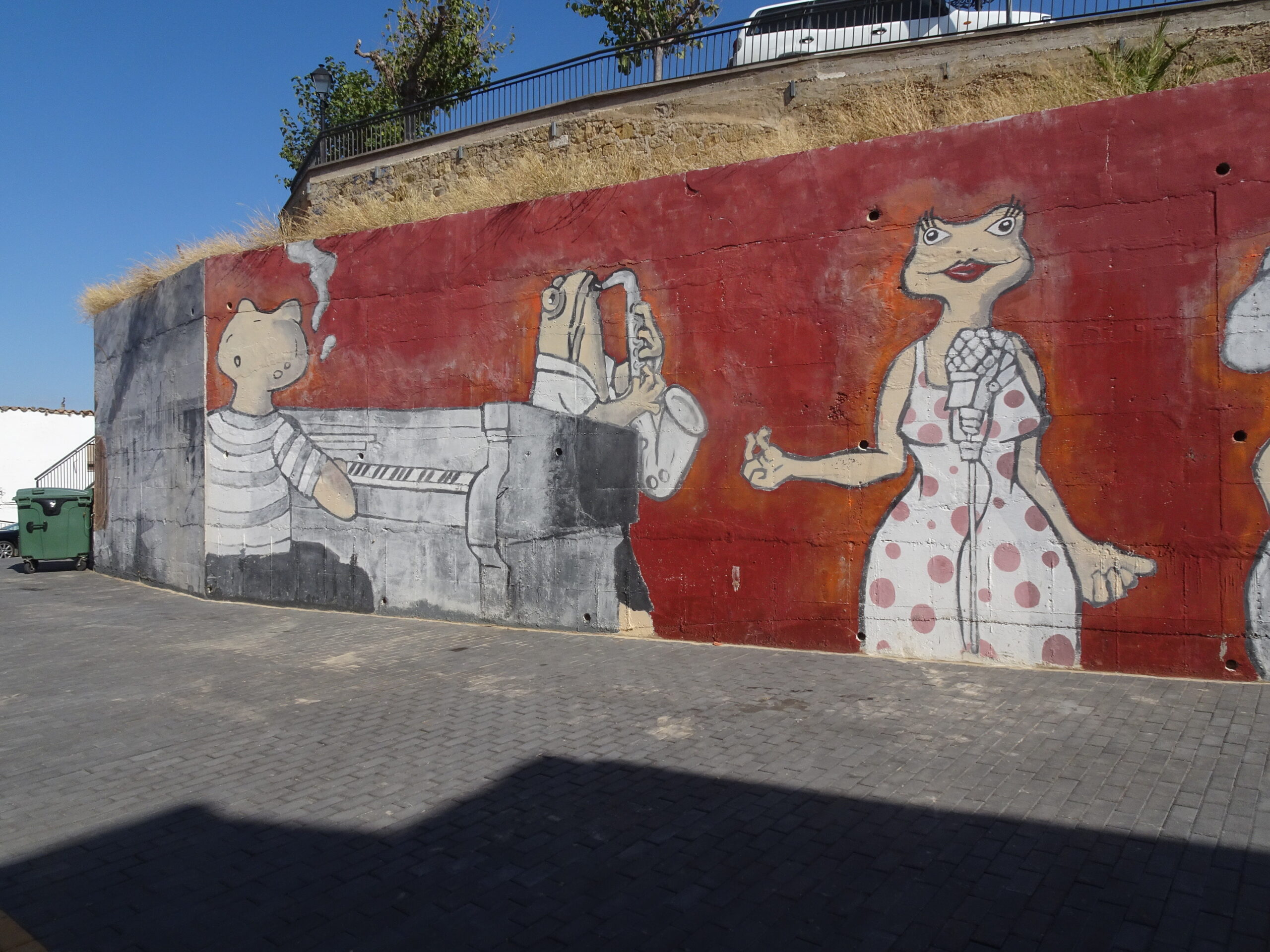
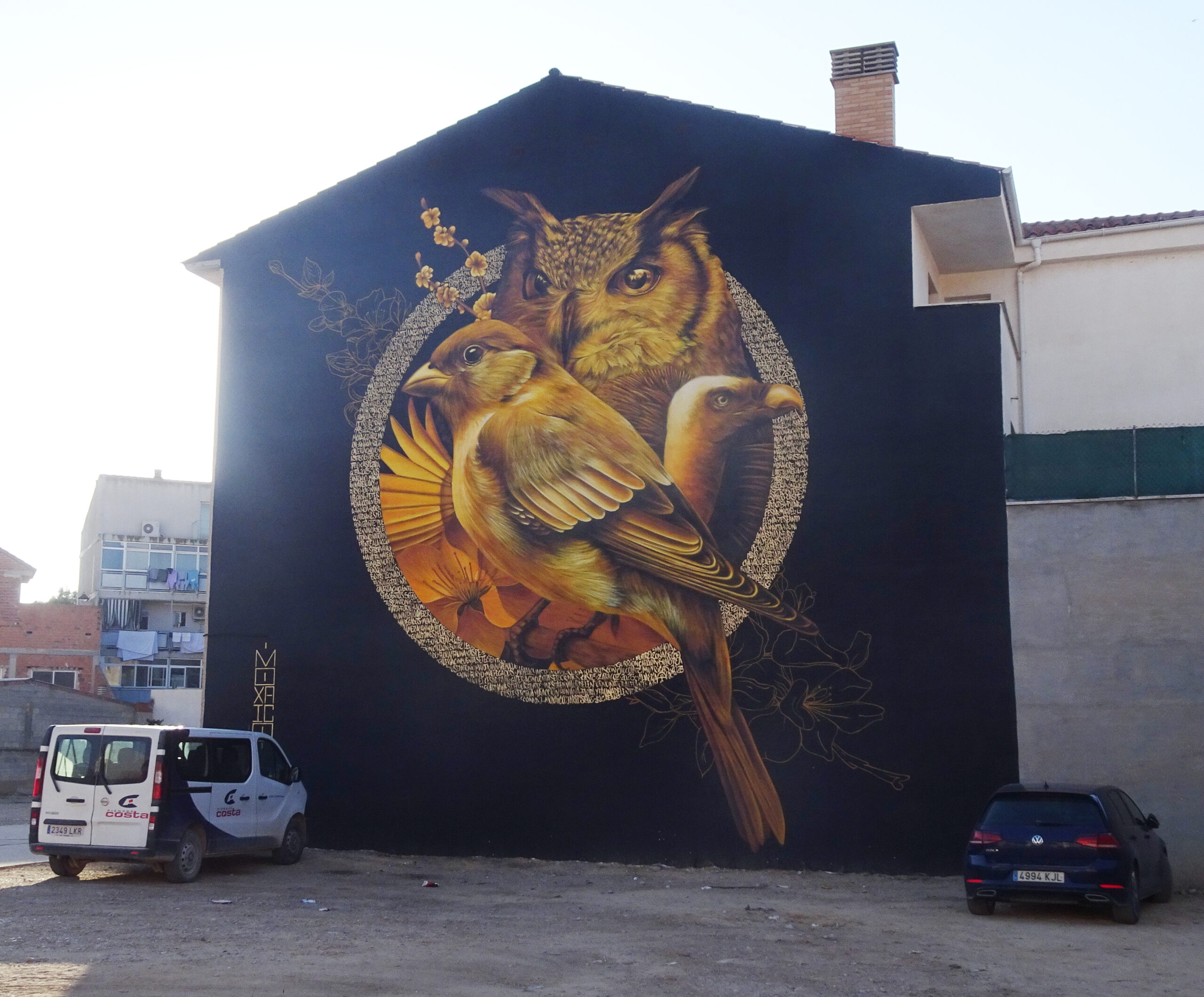
Murals in Caspe! For some reason this city seems to be in love with murals. Some are wonderfully decorative, and others are historical or just silly. But all are fun.
(Note on Photos: Click on any image to enlarge it and click again for additional zoom)
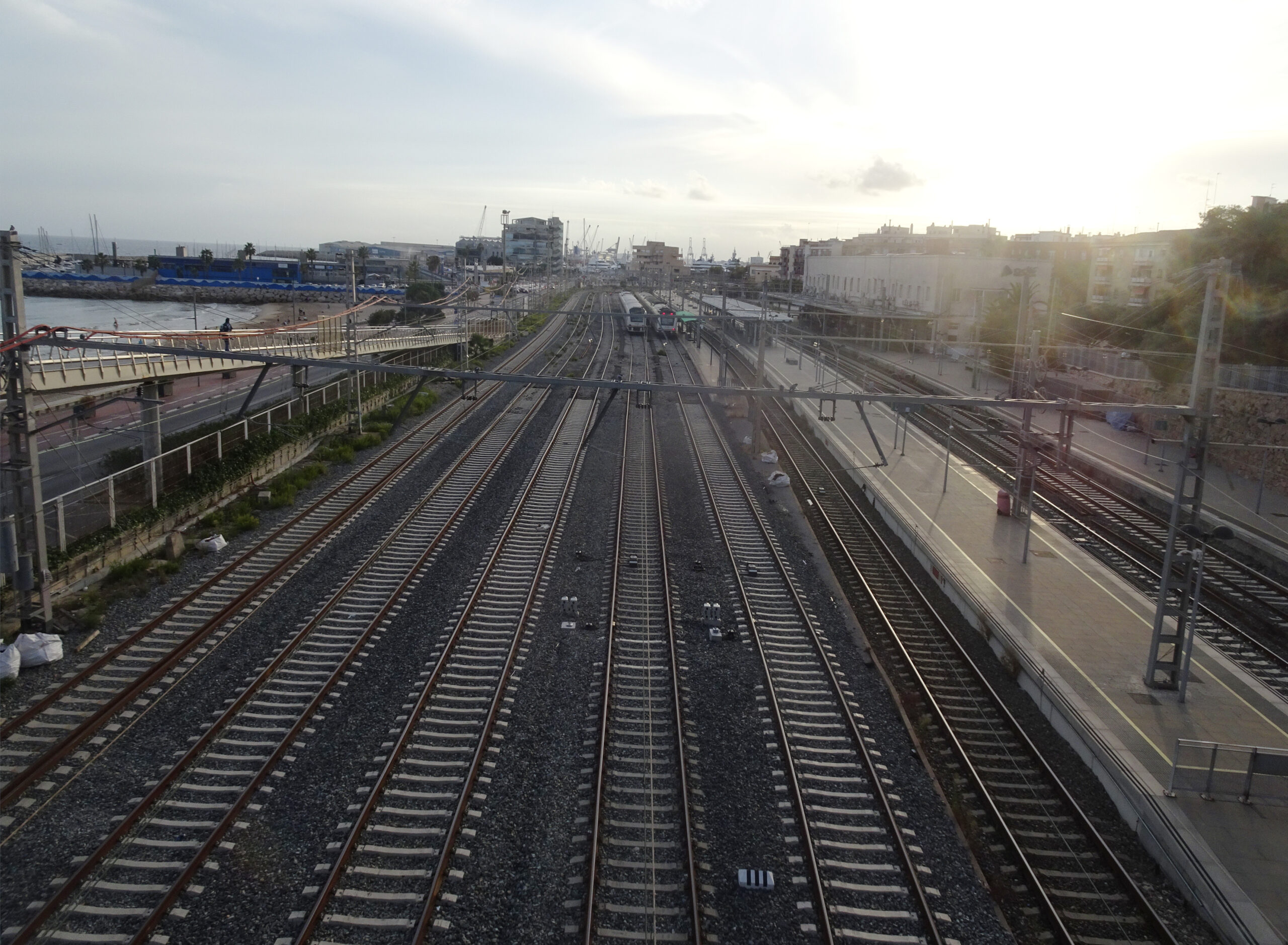
I arrived from Barcelona on a commuter train that took me to Tarragona’s center-city train station, right next to the sea.
Although I have a favorite hotel with a sea view, near a beach north of the central part of town, this time I checked into a hotel near the “town hall” (Ayuntamiento) on a lovely plaza lined with restaurants: “Plaça de la font”. (In case you might not notice, the language here is Catalan, not Castellano!)
Plaça de la Font
View Over City
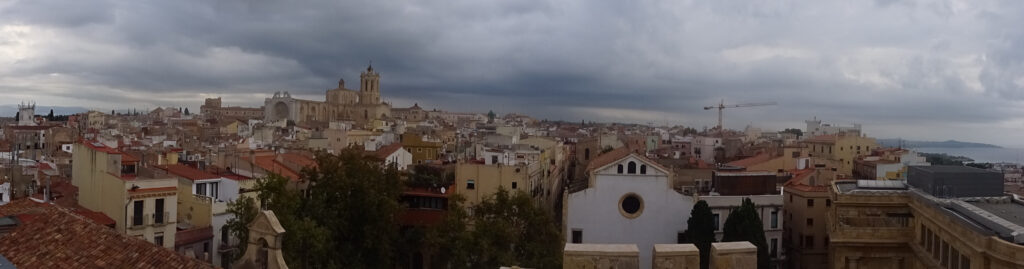
Panoramic View of City (Click to enlarge)
Roman Ruins: Quite close to the hotel are the ruins of the ancient “Roman Circus”. The name is a bit misleading- this has nothing to do with Bozo the clown (or even Donald Trump the clown), nor lion tamers or acrobats. A “Roman Circus” is the oval track where in ancient times they held chariot races. When you see the word “circus”, think “circuit”- a closed loop.
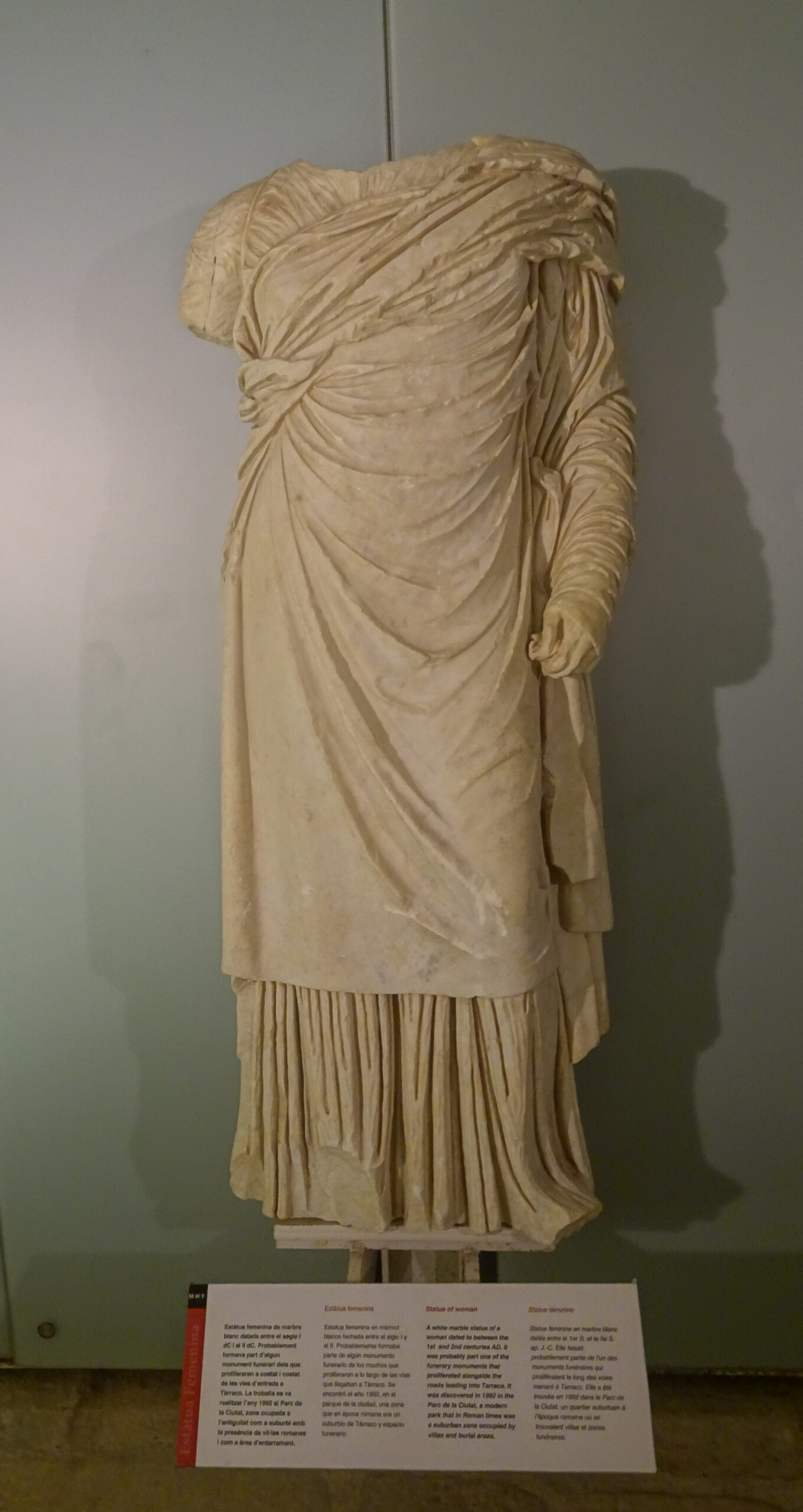
To get the idea- an old photo of a mosaic of the Circus Maximus in RomeWhite marble statue of woman first to second century CE
View over City
Panoramic view of city (Click to enlarge)
Zaragoza’s Cathedral
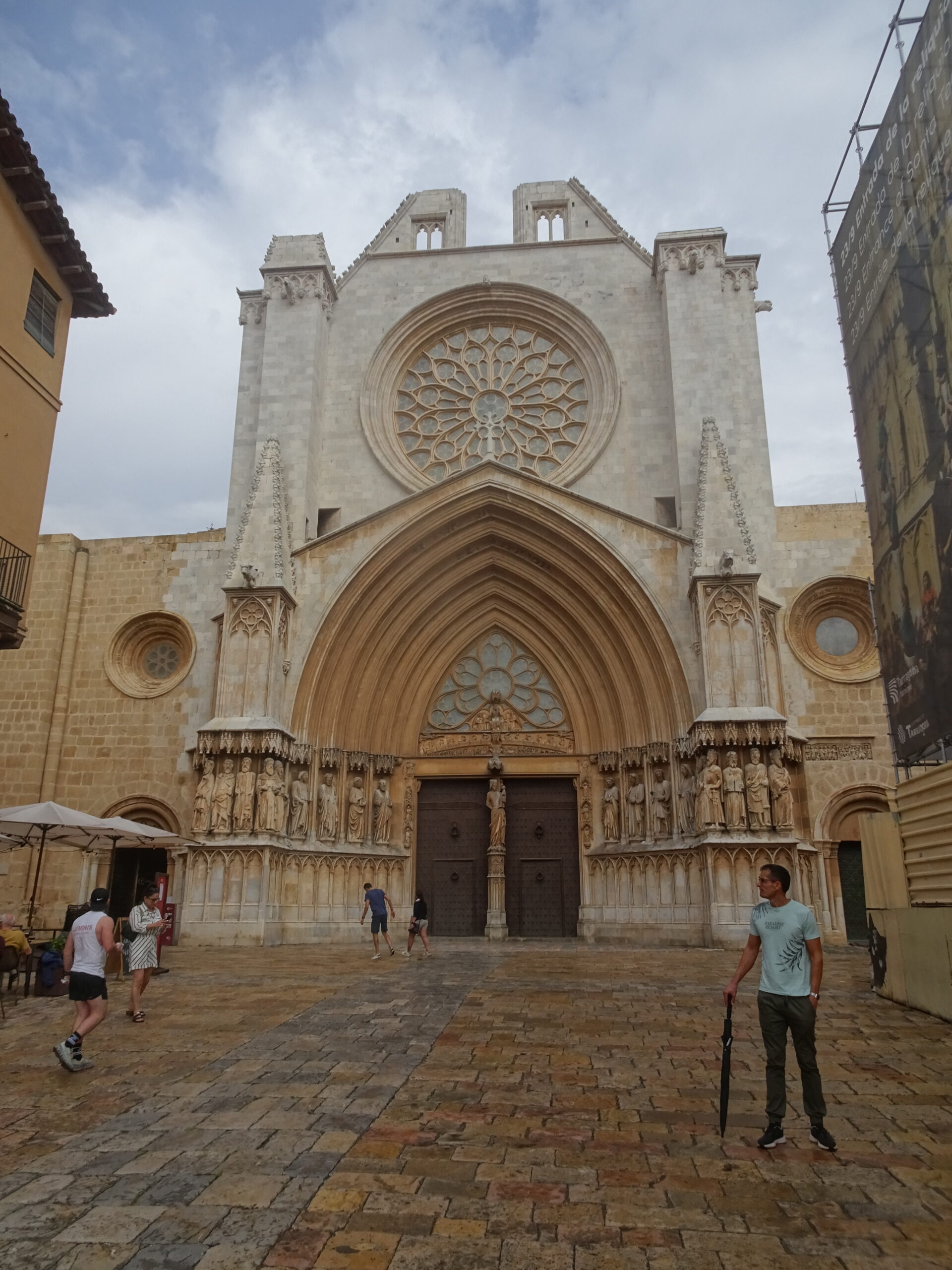
Bit by bit during the day, the number of (other!) tourists began to swell. Soon Tarragona was packed. This guy on the right obviously thought he was “all that”. As various people (including me) tried to wait patiently to get a photo of the front of the cathedral un-sullied by tourists blocking the view, this guy kept strutting back and forth posing with that umbrella, while his friend took photos. Good lord, some people are even worse than me!
I love the sea! Tarragona’s coast is lined with lovely beaches, large and small!
A small sailboat calmly drifted in the water.While large commercial ships floated, anchored in the near distance.I knew that there was also some rain predicted for Tarragona. A short rain storm blew in and ended less than an hour later. It wasn’t until after I left Tarragona that the full fury of the big storm hit! I got out just in time! That later storm system affected all trains passing in or out of this city!
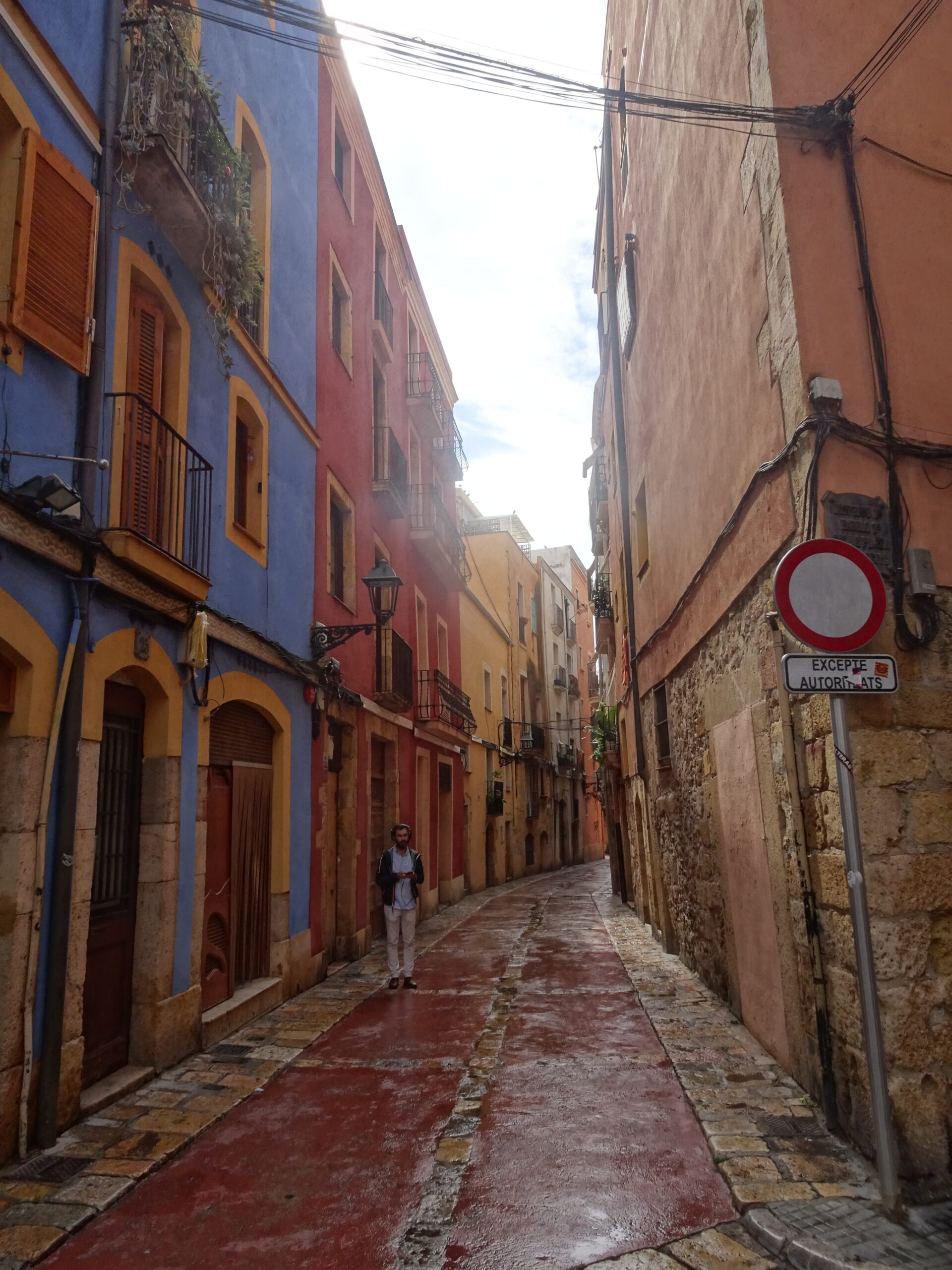
Street scenes around town-
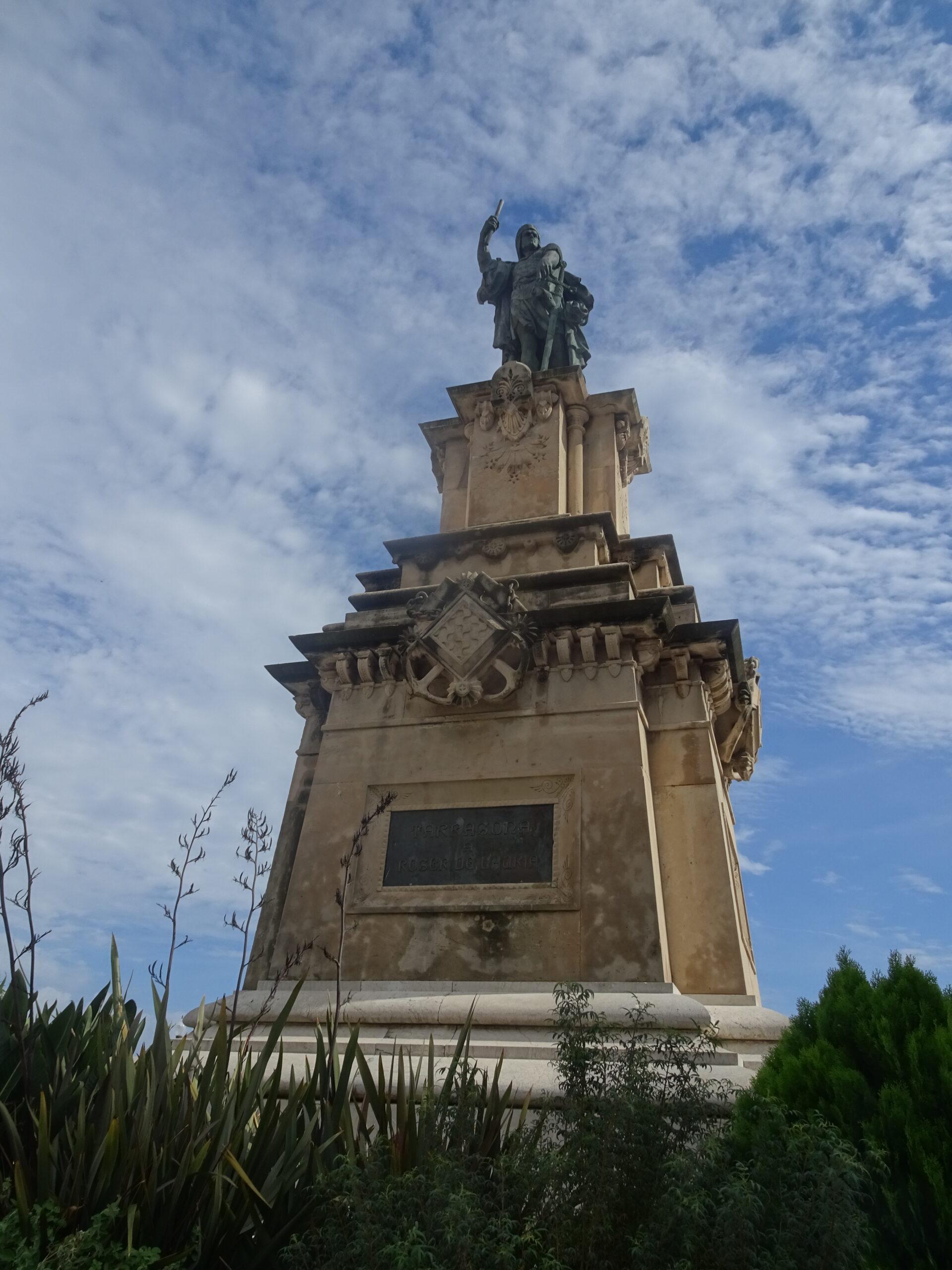
Notice the large photos of “Castellers” in front of the windows!A busker rocks a crowd that was appreciative enough to clap when he finished a number, but not so appreciative (other then me) to bother throwing some coins into his hat!The “tourist trains” are lined up ready to take visitors on a quickie circuit of the city.A nice arched opening in the city wall. But also note the banner in the background: “Fem Republica” (Let’s make a Republic! Not fans of the creaky old monarchy it seems!Near the cathedral a cute mural on the end of a building.Statue of Roger de Lauria at the sea end of the Rambla Nueva
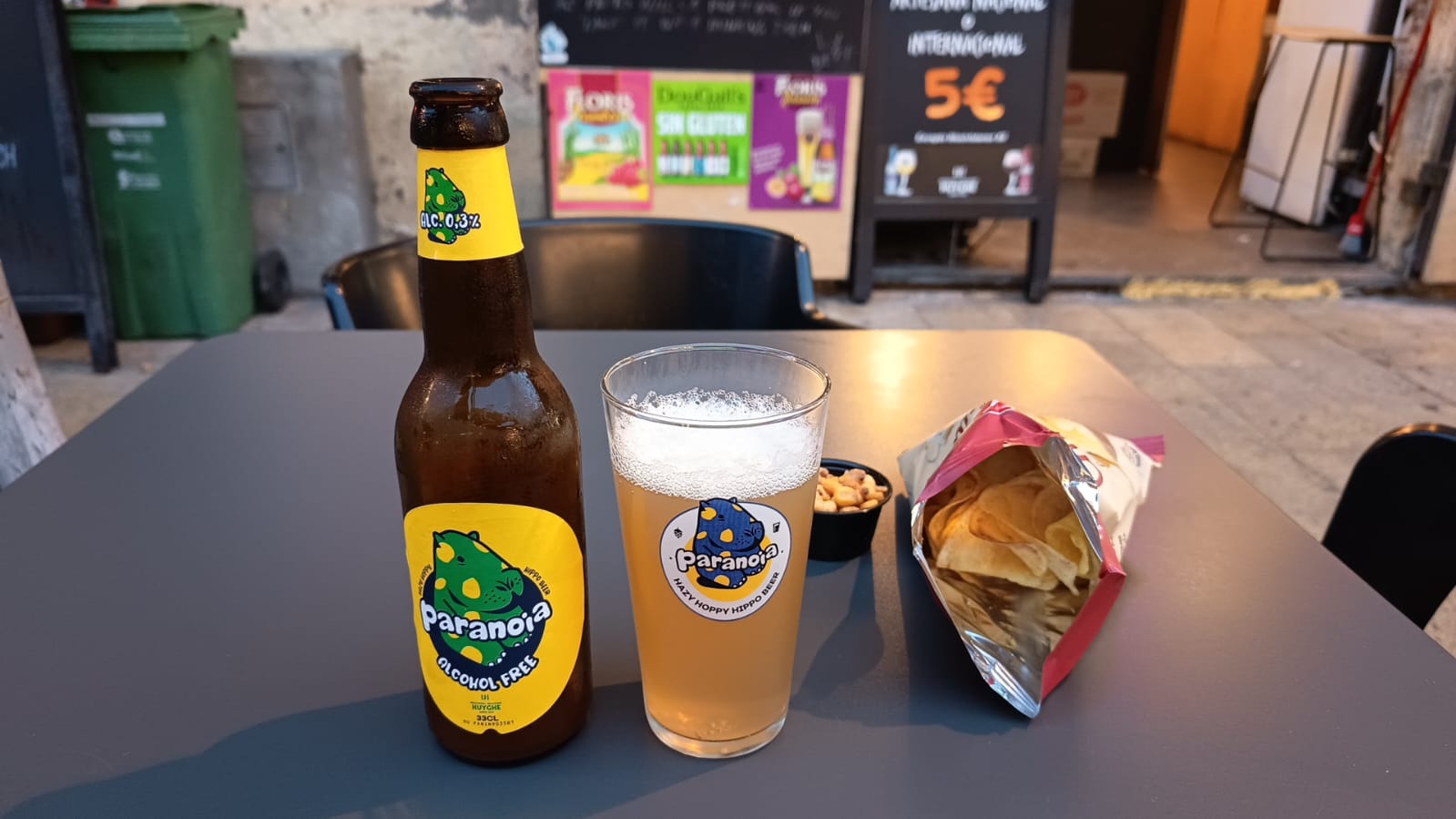
One does not live by scenery alone! So a bit of nourishment is a must. Too early to “cenar”, I first had an alcohol free beer and some chips at a place on the plaza. (by the way, that non-alcoholic “Paranoia” beer with the cute cartoon pic had an unusual, but very pleasant flavor!)
… and then later at at the “Mistral”- our go-to restaurant when in Tarragona!
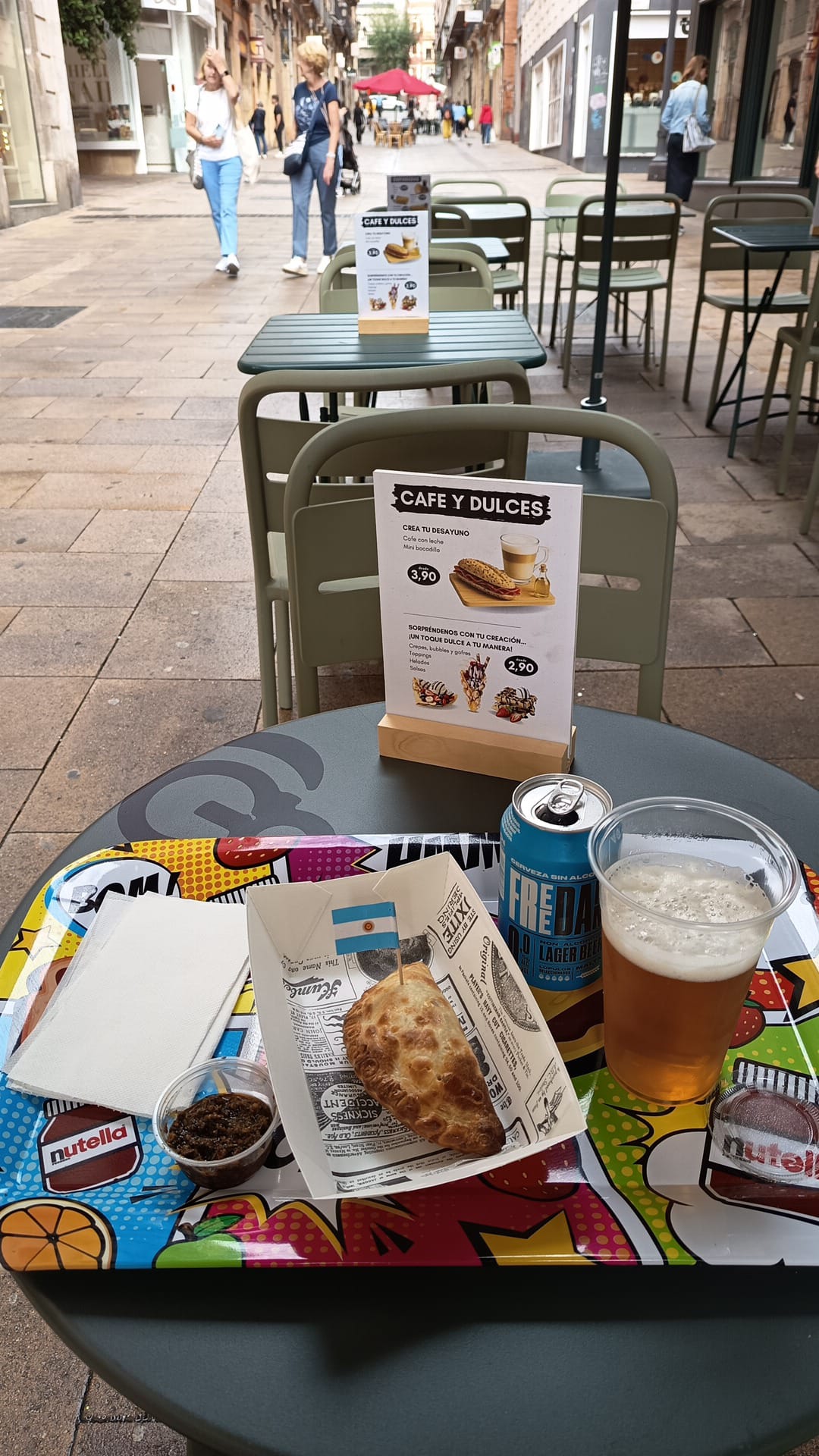
Another time I had some yummy “empanadas”- Argentina style!
Tarragona’s Amphitheater: Of the numerous Roman ruins in Tarragona, most people’s favorite is the ancient amphitheater positioned at the edge of the sea.
(Note on Photos: Click on any image to enlarge it and click again for additional zoom)
For many reasons, Barcelona is my favorite large city in Spain- the art, the architecture, the vibrancy…
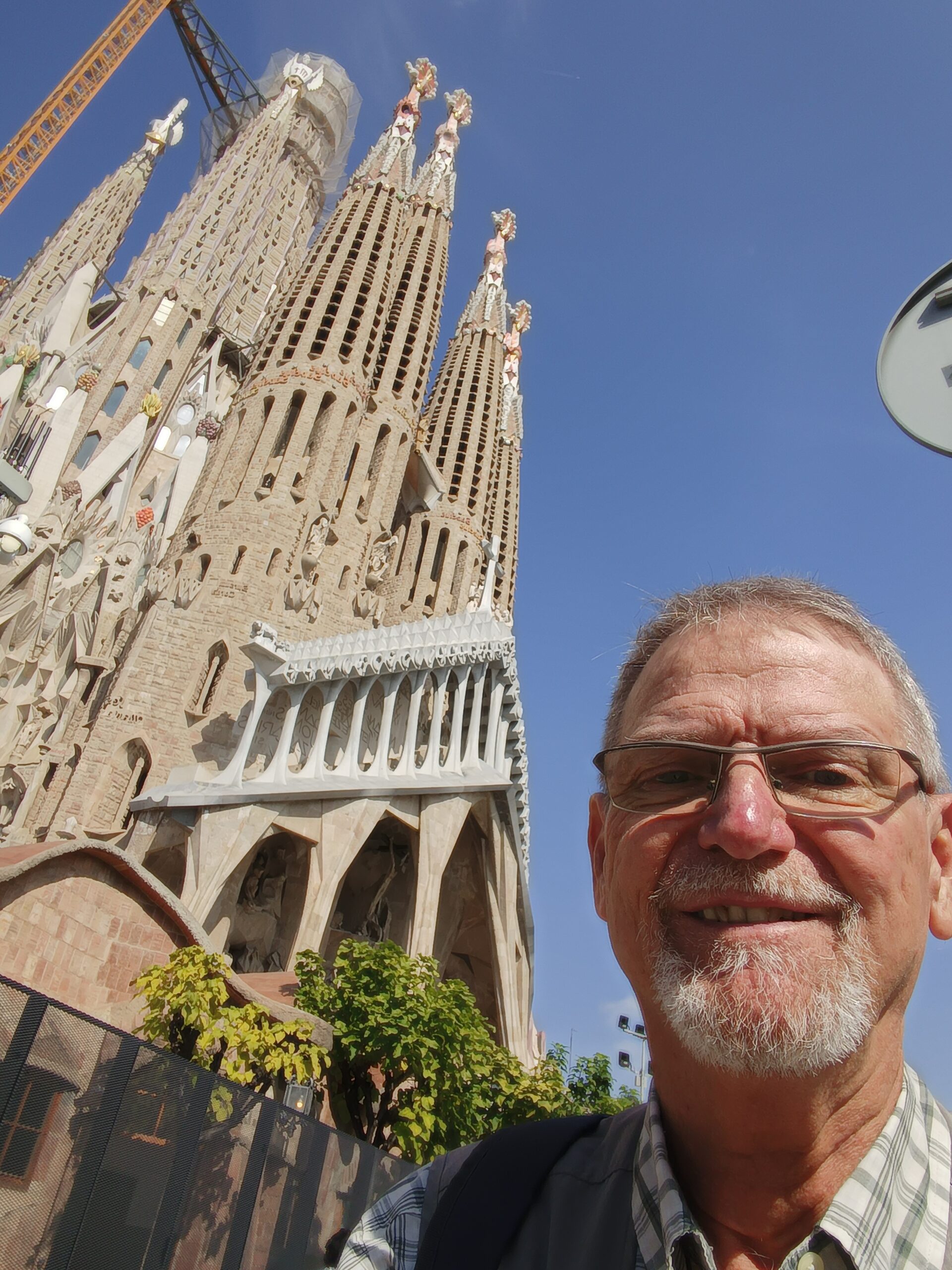
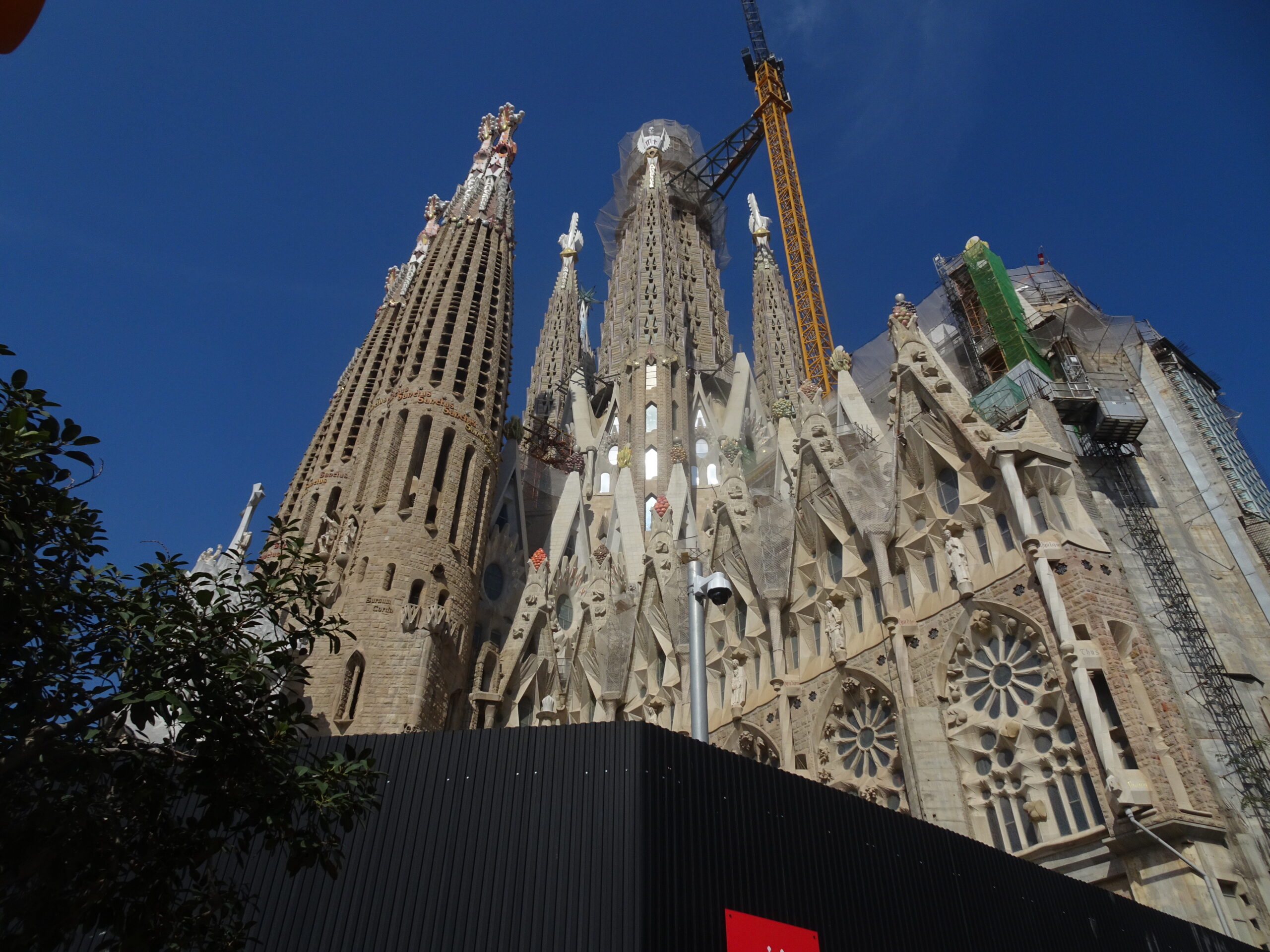
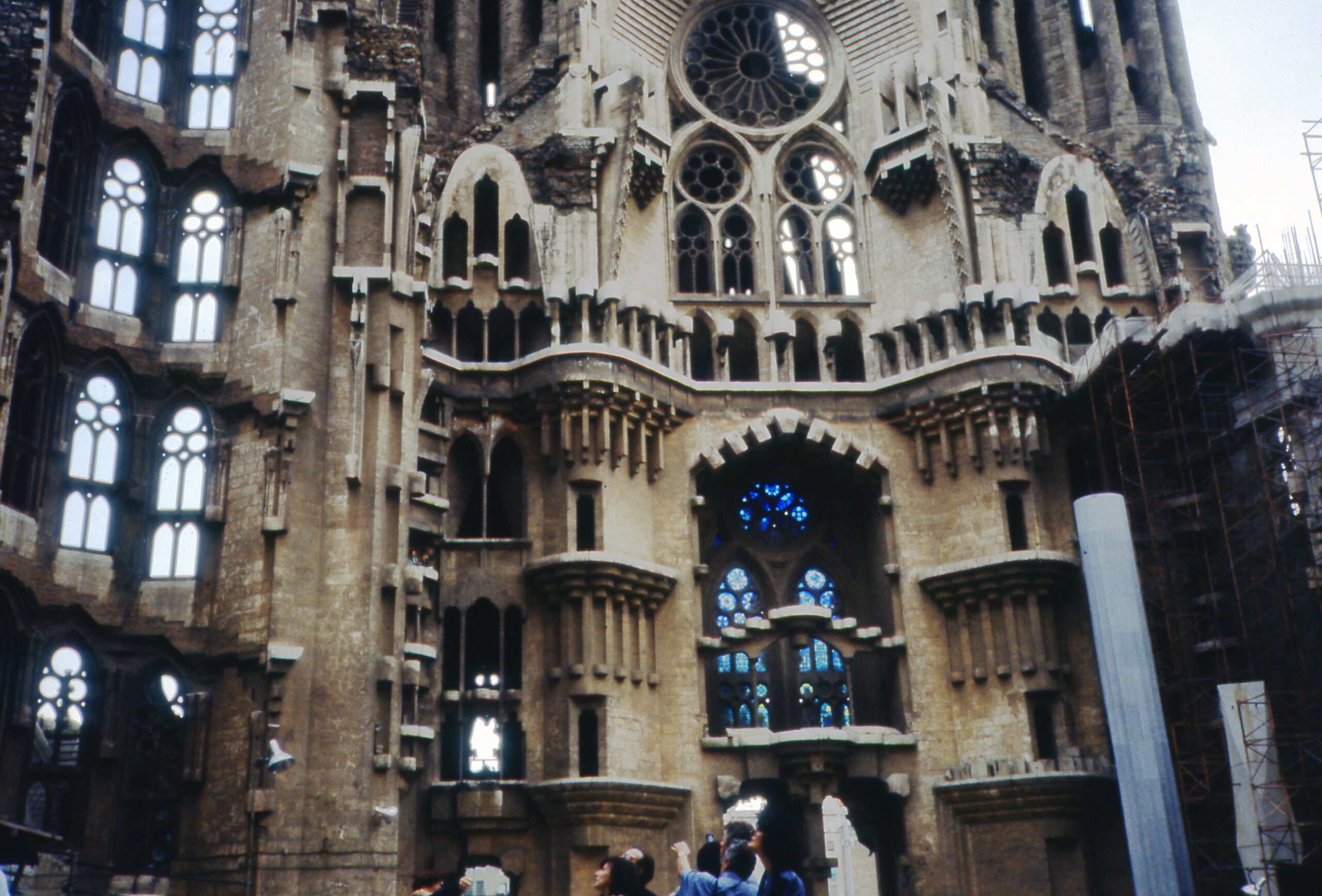
I went to Barcelona as part of my annual visit to check progress on the construction of the Sagrada Familia cathedral. I have been watching over that project for more than 30 years! So, it has become a pilgrimage for me! The construction has been moving along steadily, and from the exterior it was obvious that the huge, central tower still needs time for completion.
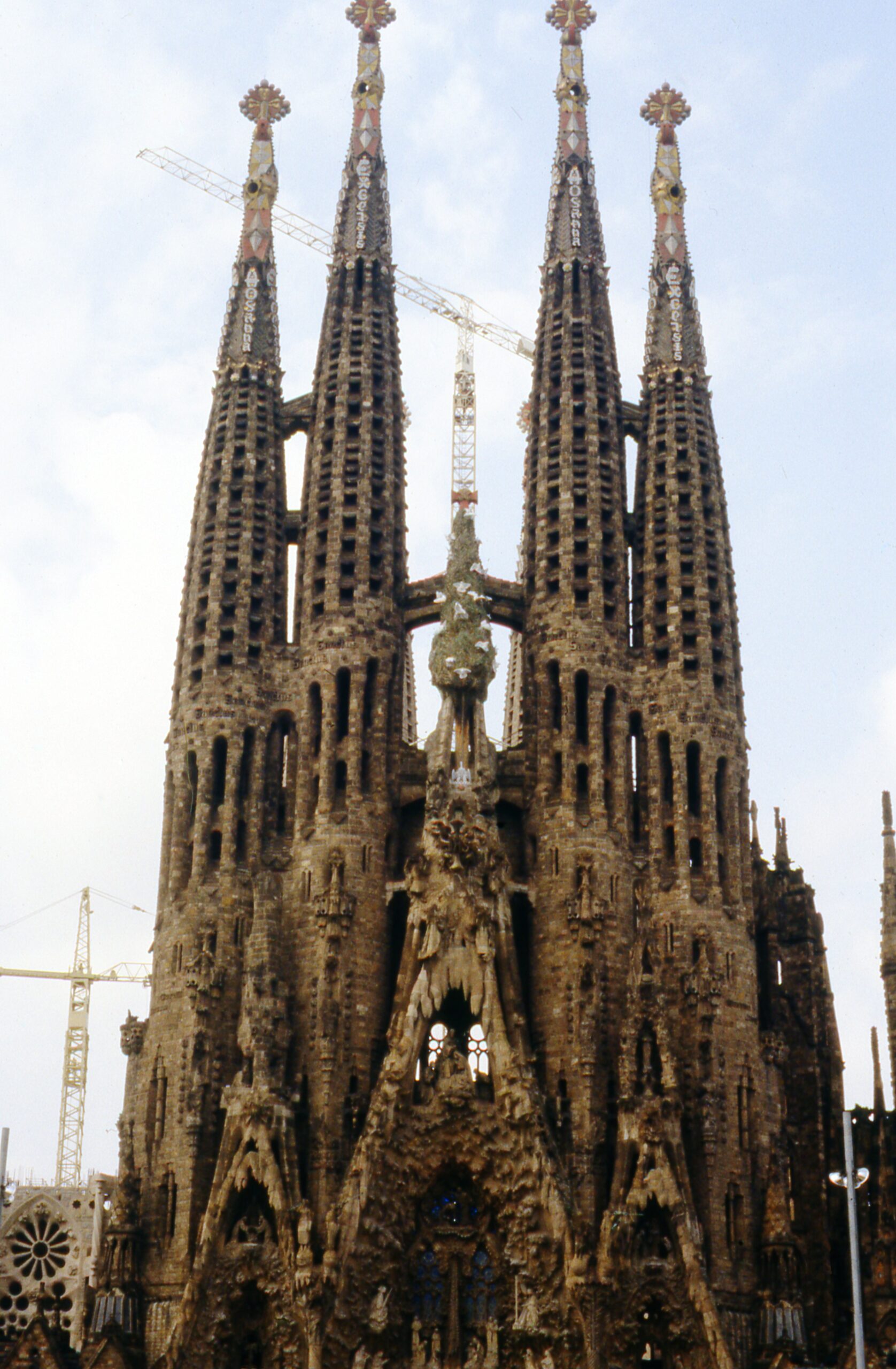
So, I said I’ve been visiting the Sagrada Familia for more than 30 years? What did it look like back then?
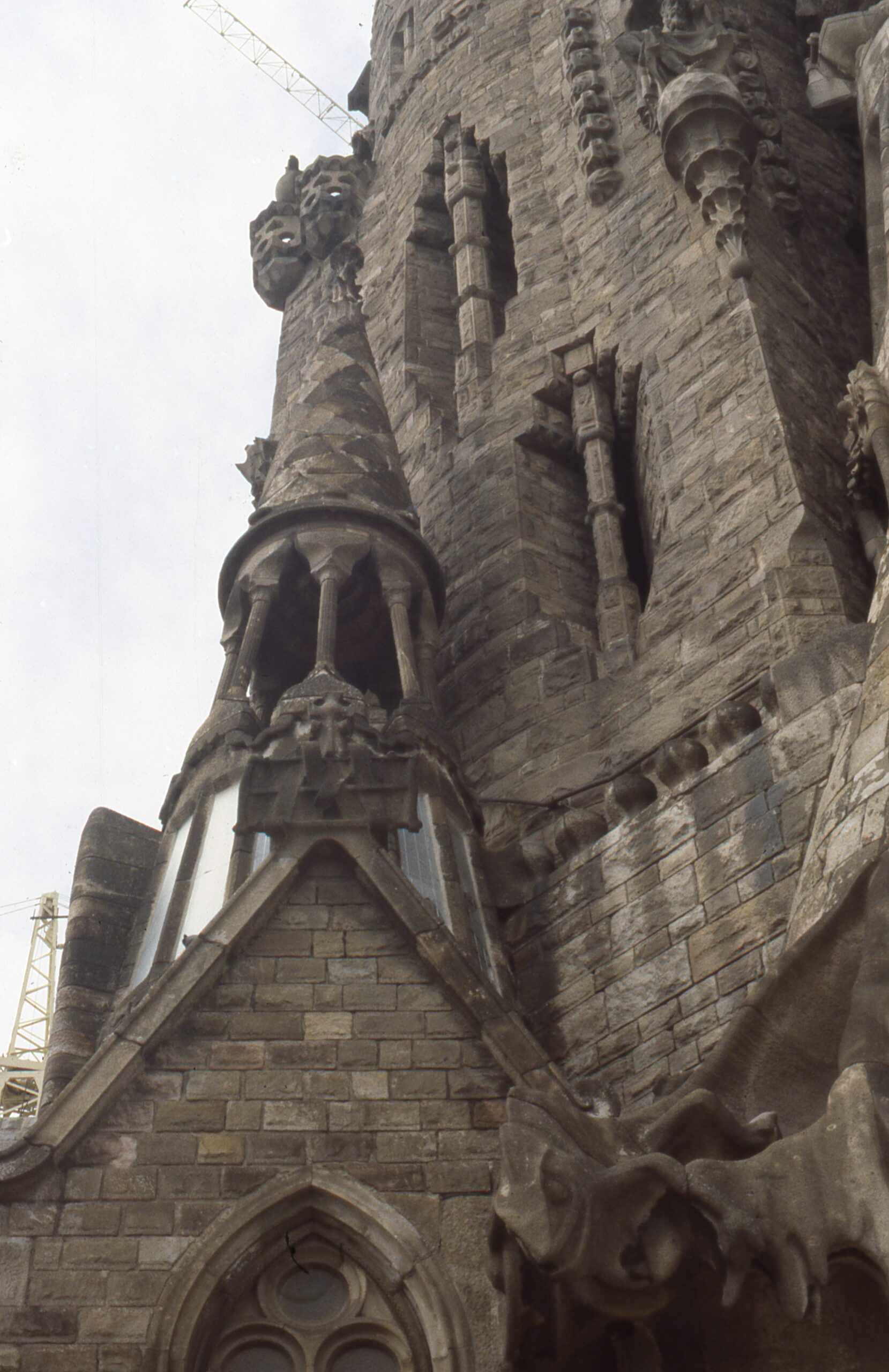
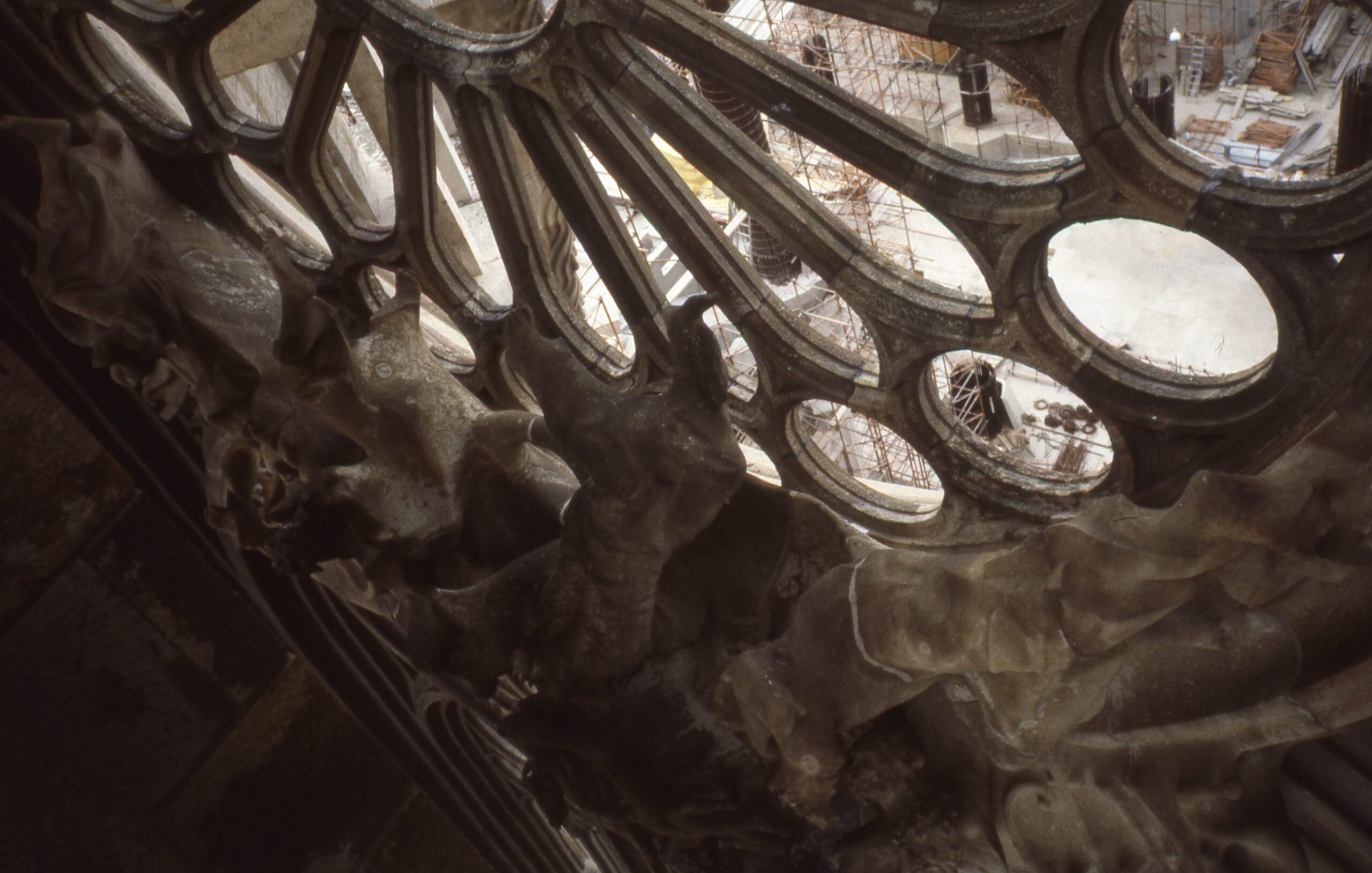
Sagrada Familia in 1993: Clearly an earlier stage of construction!
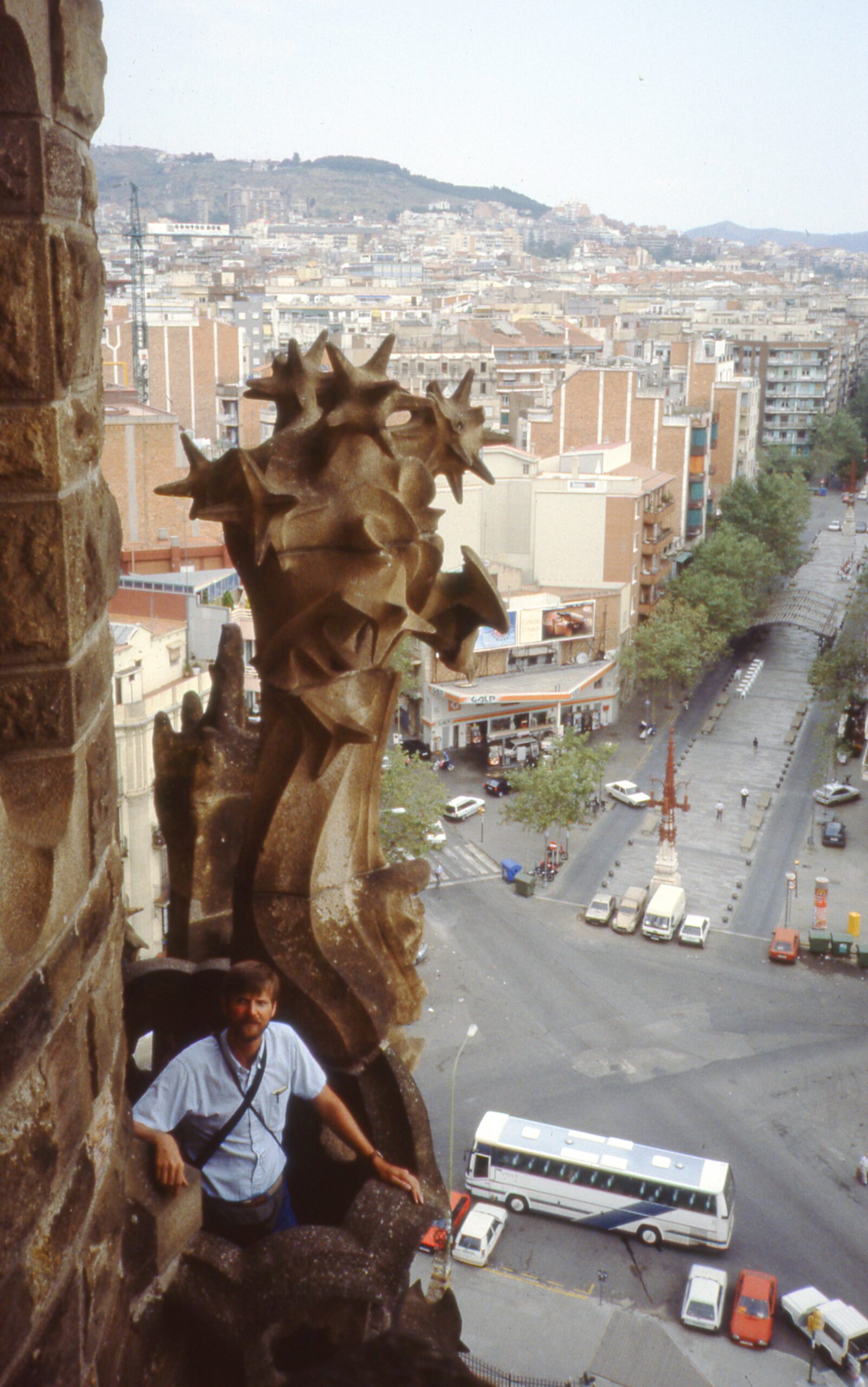
Just your basic construction site, with materials strewn around, waiting their turn to be put in place!Looking down towards scaffolding
Well, I was at an earlier stage of construction too! ha ha!
Who is that youngster?Well, these days I may be falling apart, but that shirt and jacket are still going strong!
Well, it was time for me to once again get out of town and start some traveling! I hadn’t been to Spain since the springtime, so I had my sights set on a trip there.
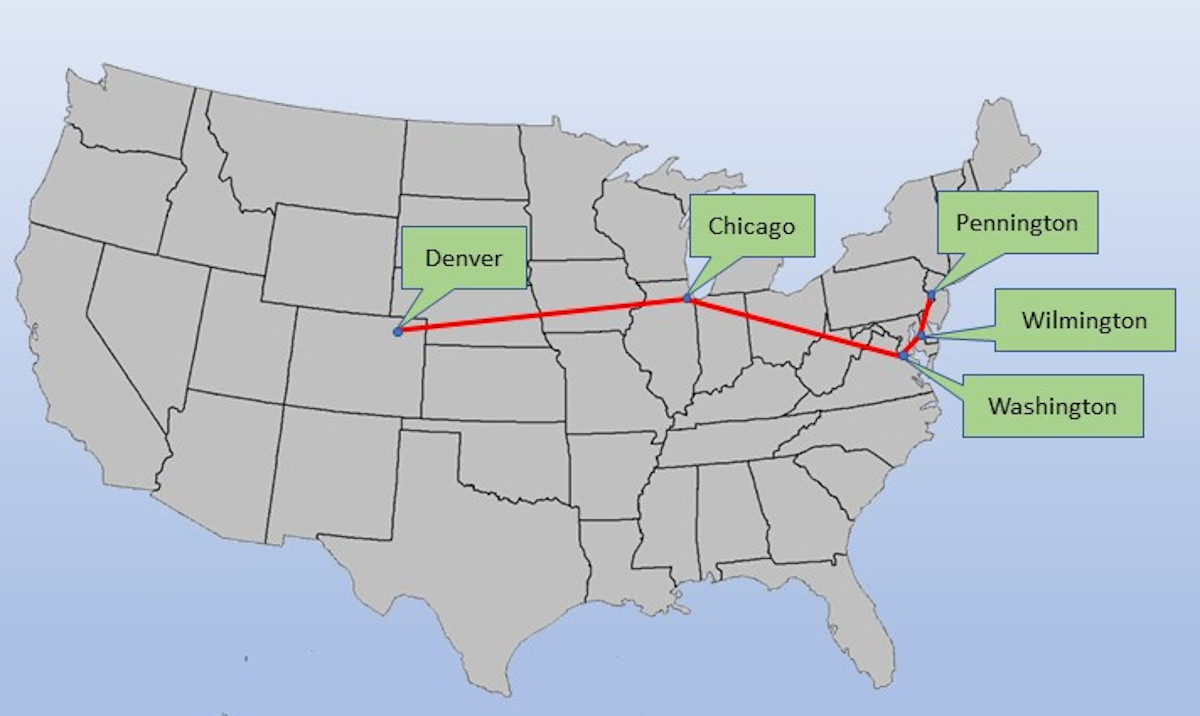
I decided that on the way, I’d visit my daughter (and her husband) in Wilmington, Delaware, and also my brother in New Jersey.
Trains, trains, trains!
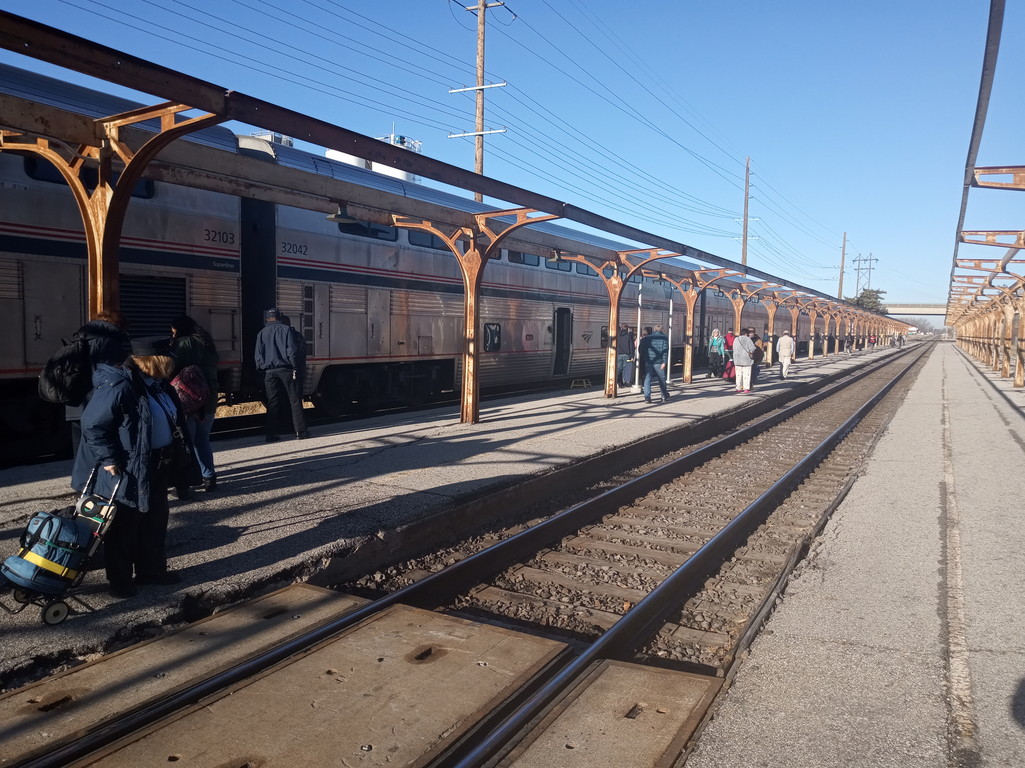
I had some Amtrak rail-travel credits burning a hole in my pocket, so I decided to go by train. The distances were long, and American trains are excruciatingly slow, quite unlike the high-speed options in Spain and China. So, to get from Denver to Wilmington (through Chicago and Washington, D.C.) would take three days! Well, off I go!
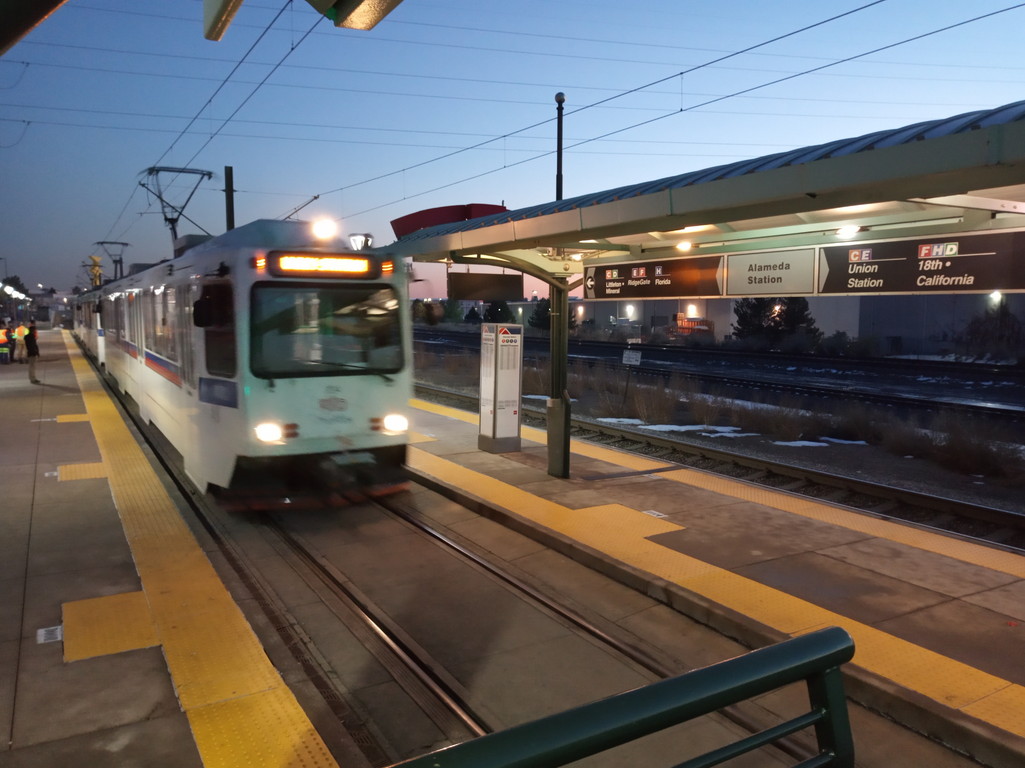
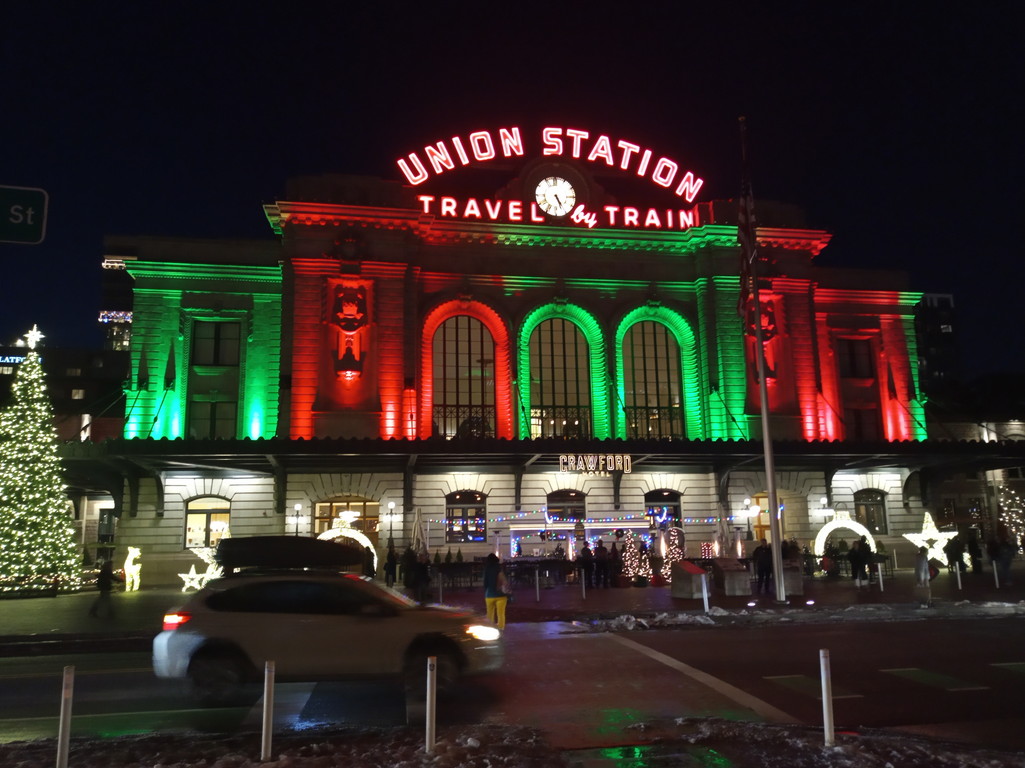
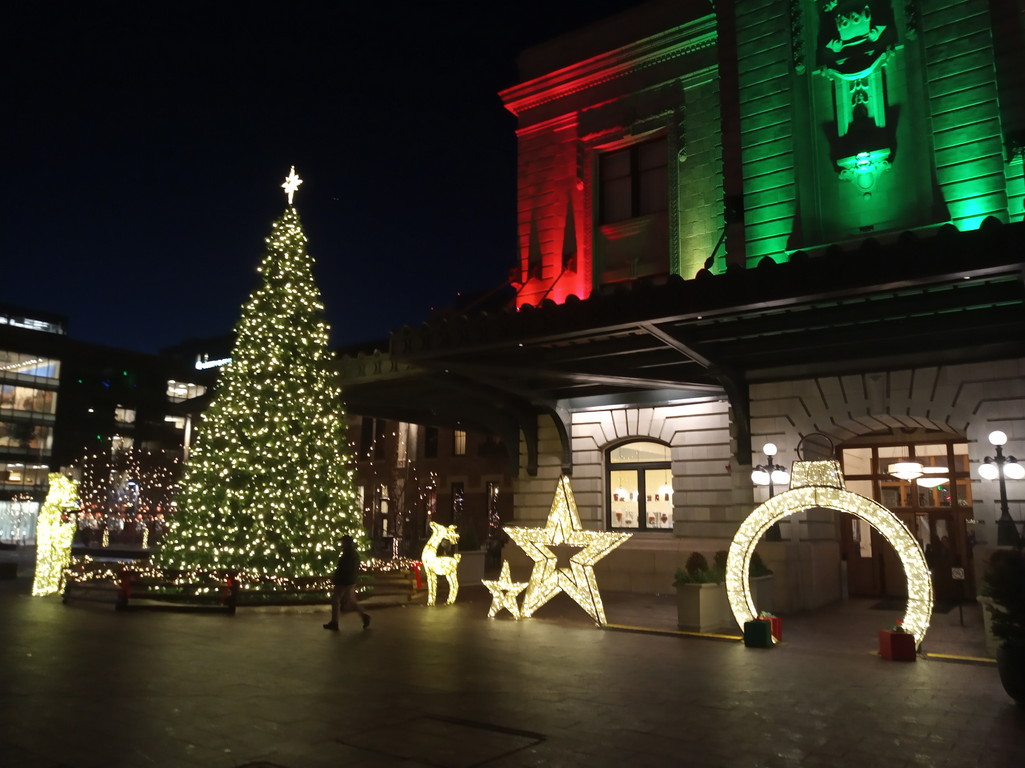
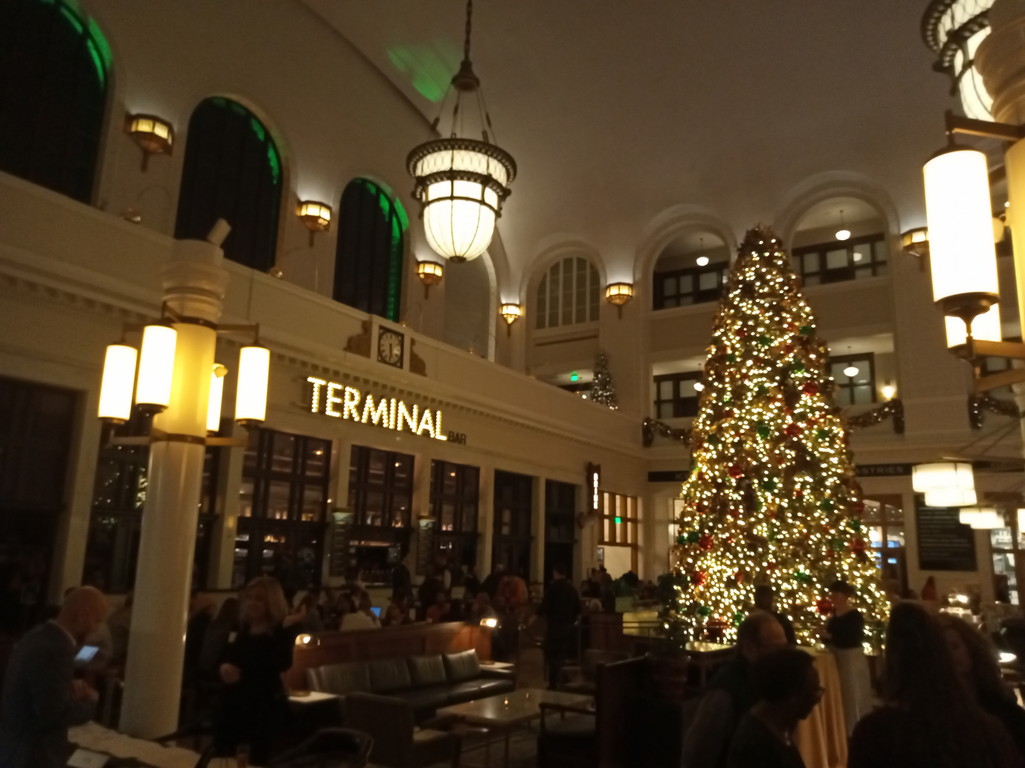
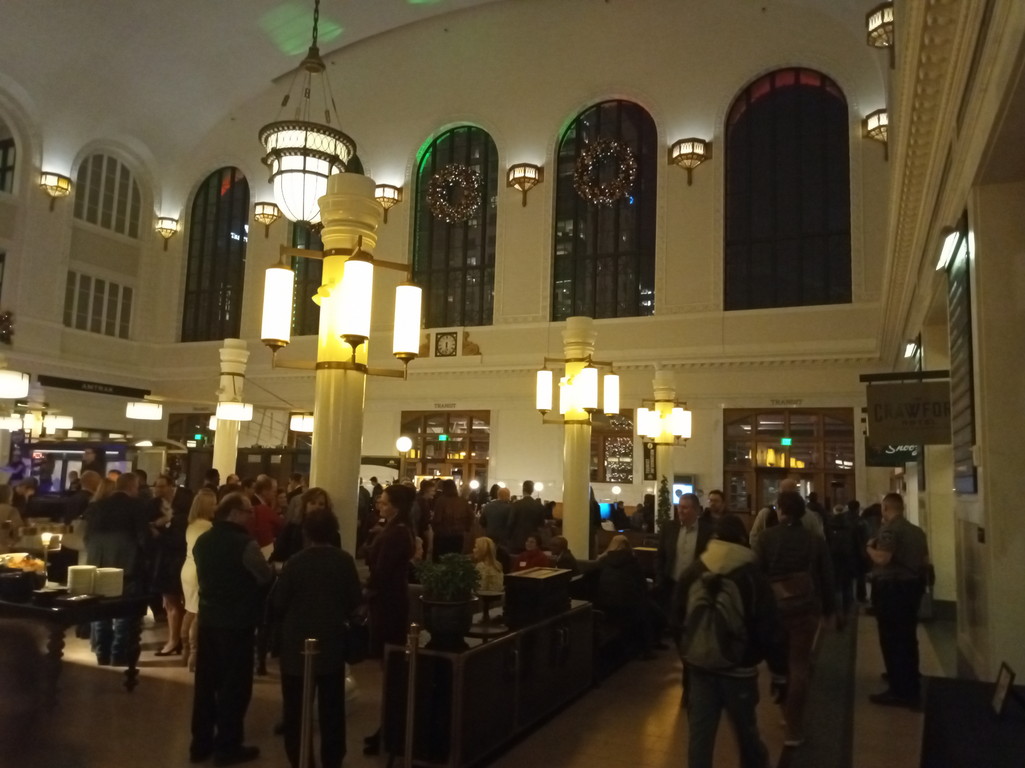
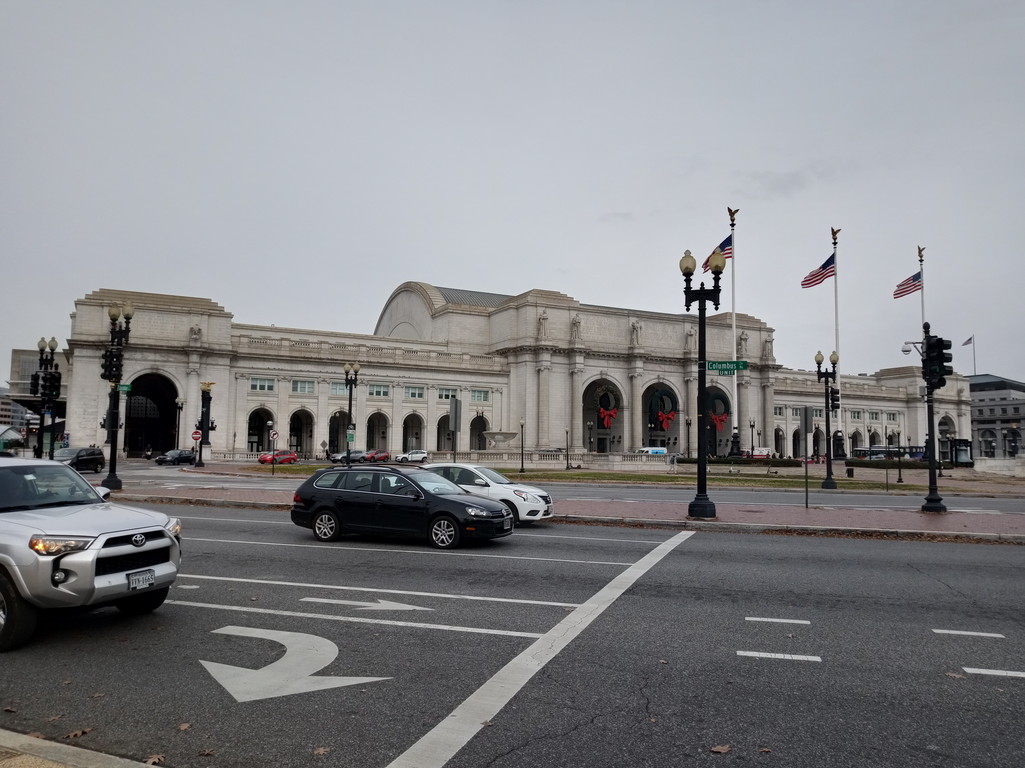
First it was the bus, then Denver’s “light rail” to get to “Union Station”, which was all decked out for the holidays, and buzzing with activity!
The train was late. Ah Amtrak, SLOW *and* LATE!
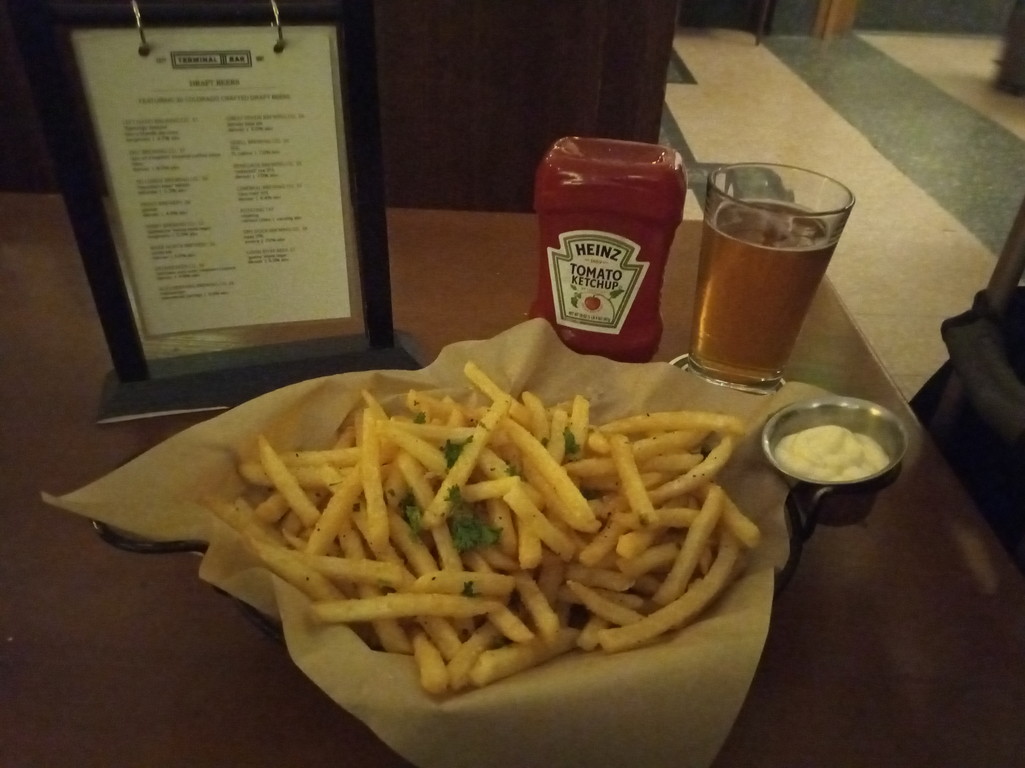
So, I had a beer and some fries to kill time and take the edge off my hunger.
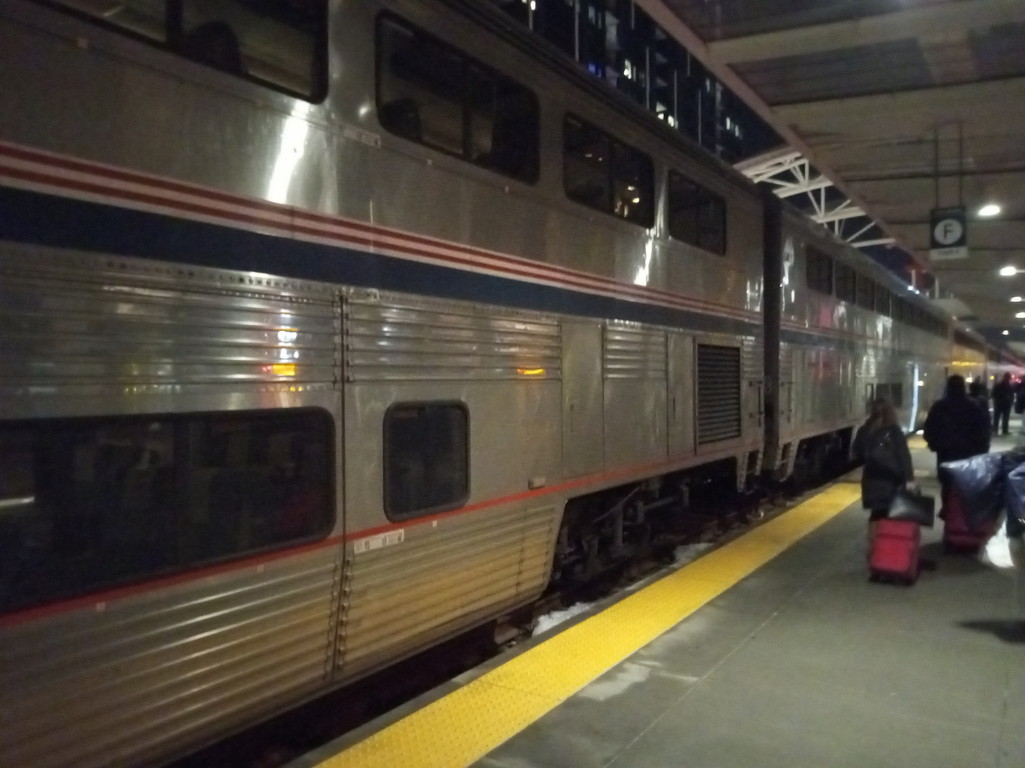
The train finally arrived, so it was time to board the clunky, vintage (out of date) double-decker coaches.
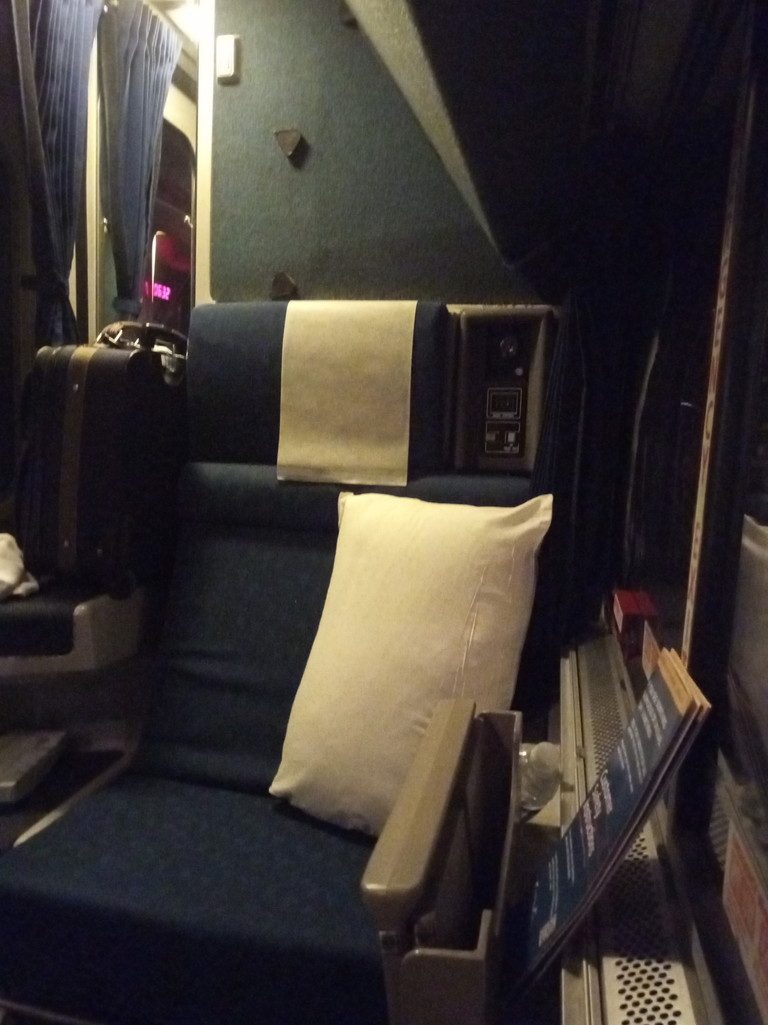
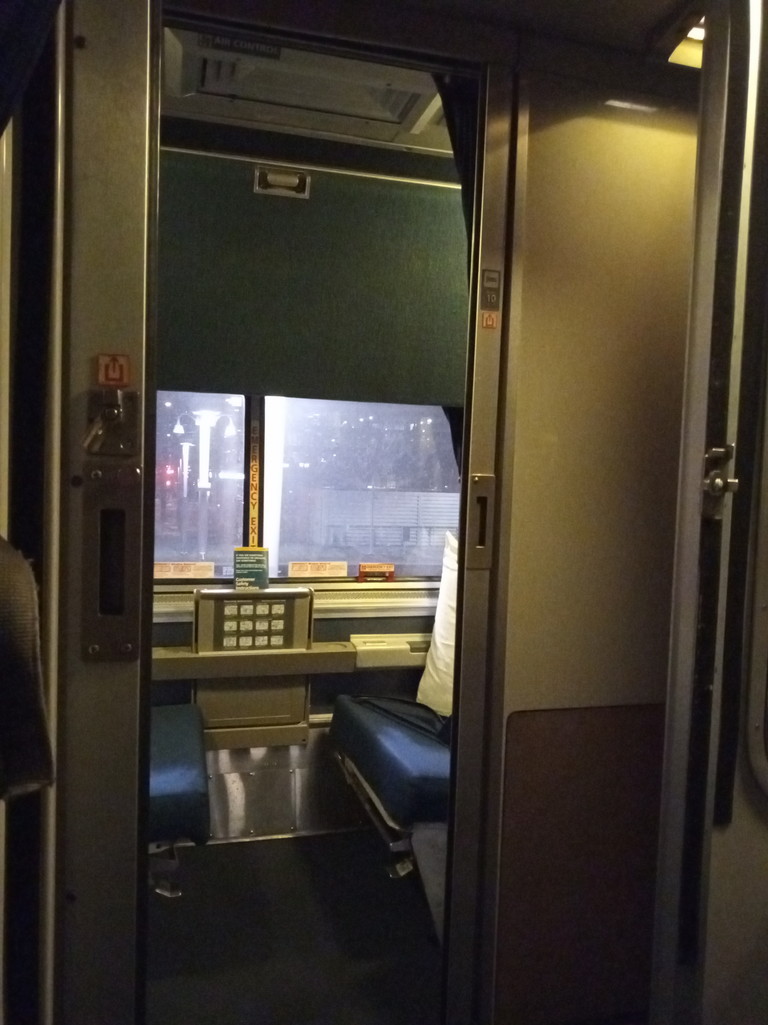
I had a sleeper-compartment, so that meant I would travel in the lap of luxury! Well, sort of… the “roomette” is a bit cramped, but at least it is private space. And traveling in a sleeper, all meals are included! Hello dining car!
Of course, since I had snacked at the station, I did not have much of an appetite, so I just ate a salad, and half a dessert.
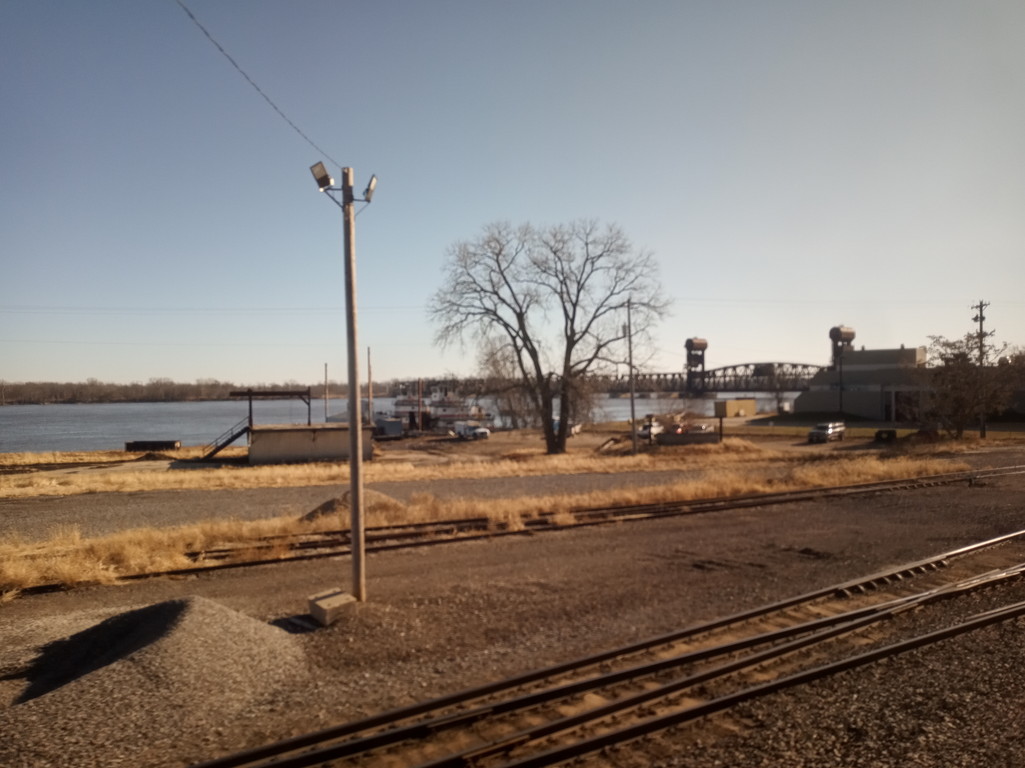
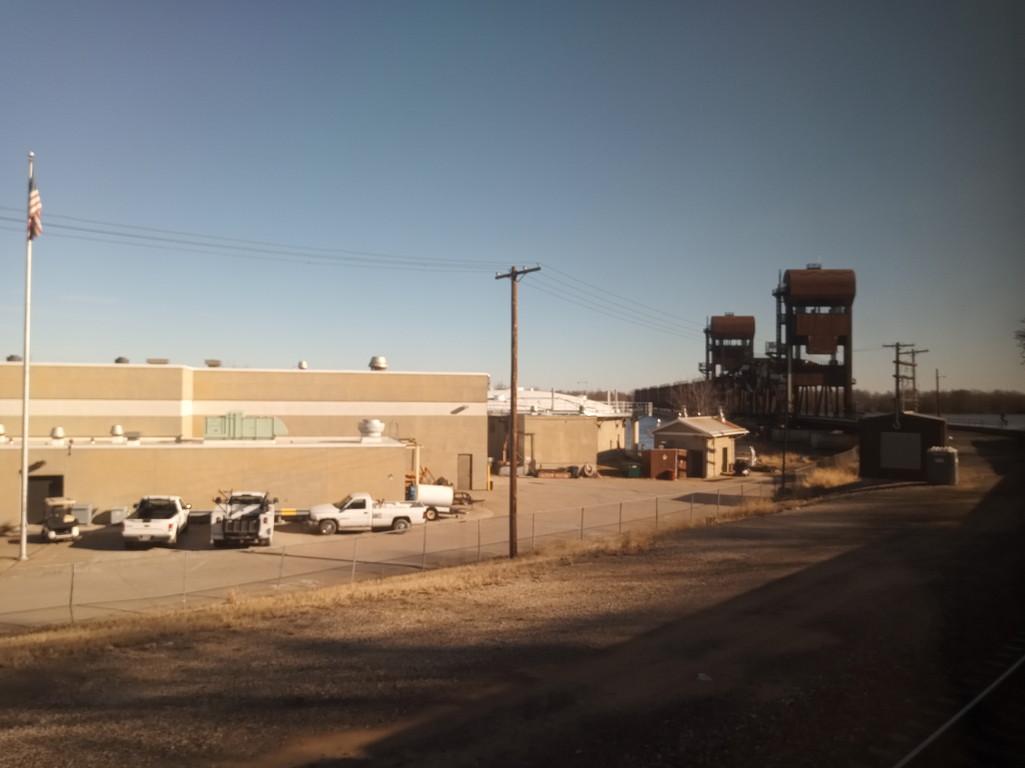
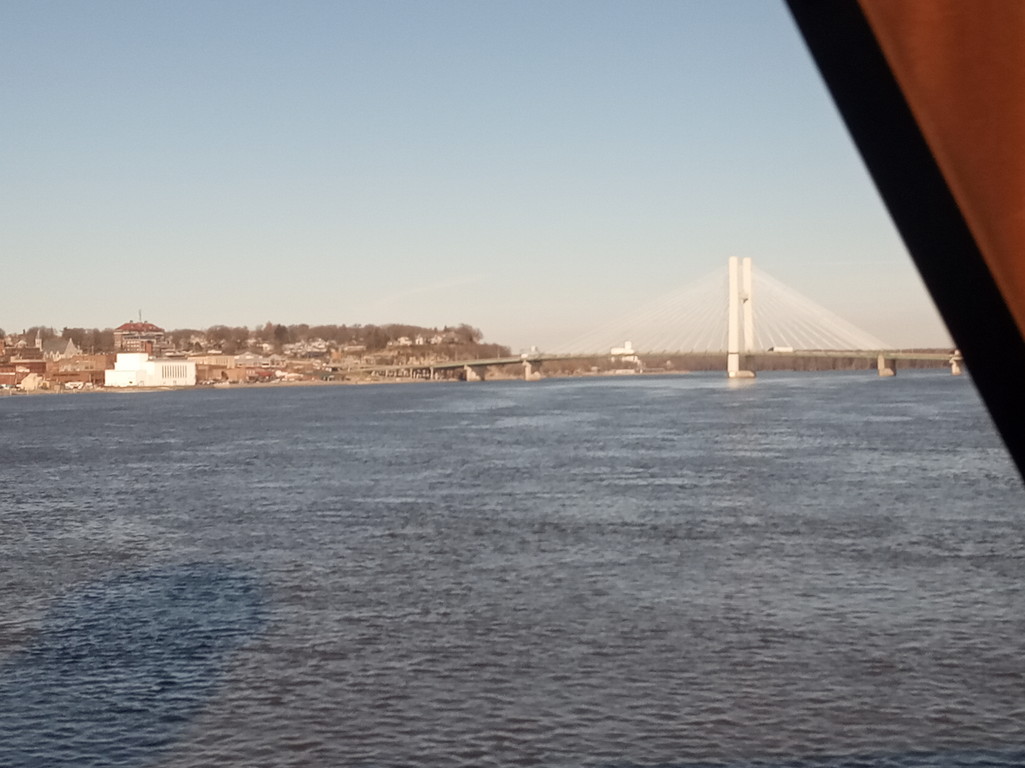
Th next morning, we were traversing the great plains. One of my favorite spots along the Denver-Chicago route is crossing the Mississippi River! Many years ago, we used to see Bald Eagles along the river, but not recently, and not this trip.
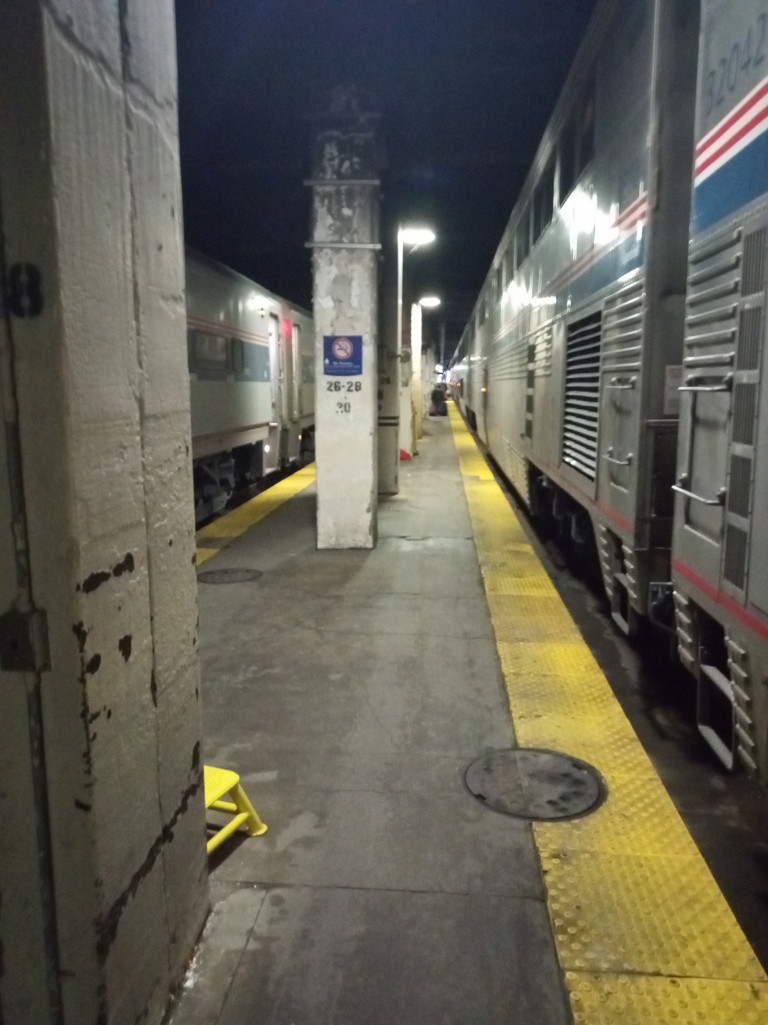
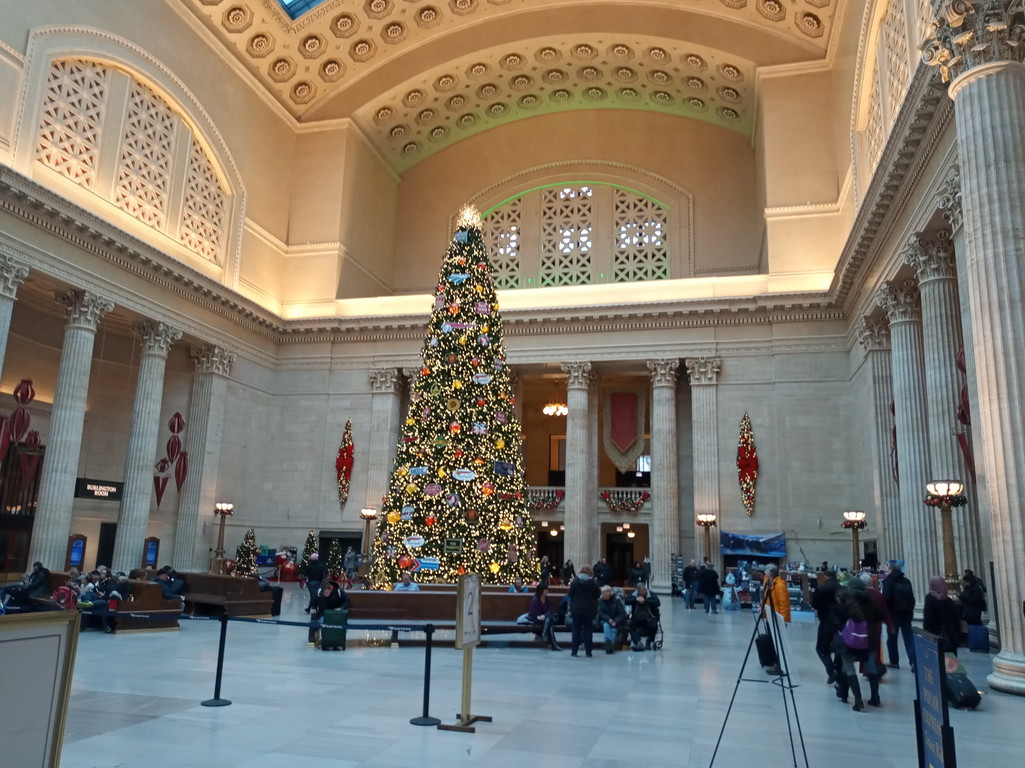
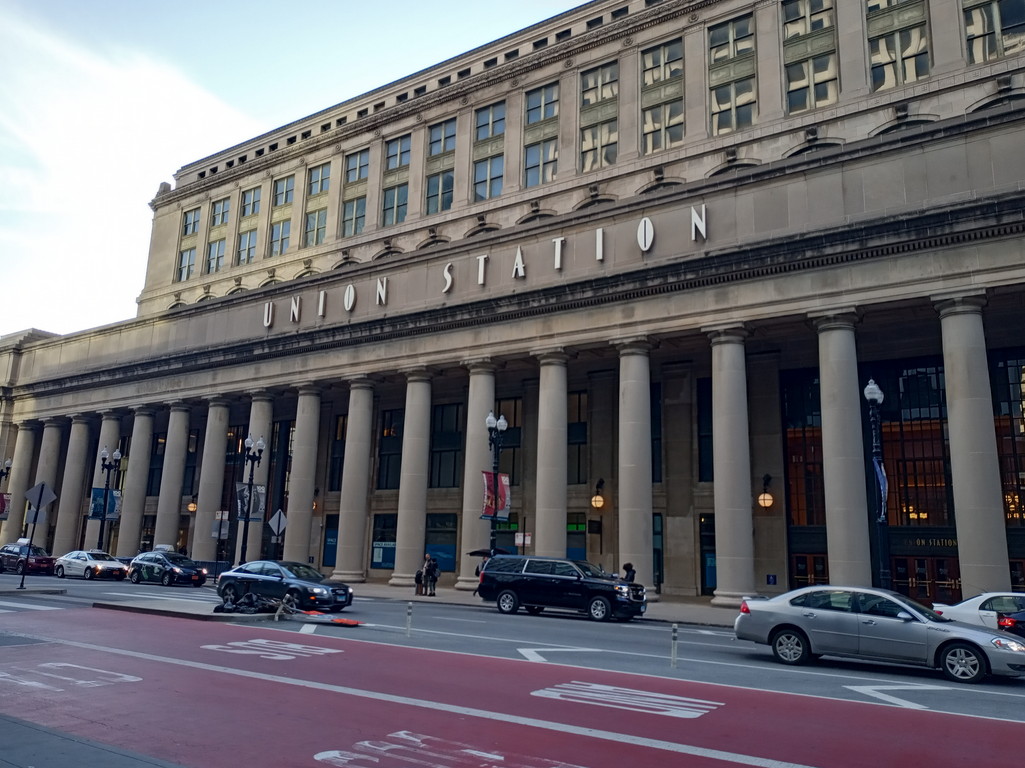
Eventually we arrived in Chicago’s Union Station. The train platforms are dark, cramped, and smell of diesel fumes. Pretty hellish. Please, let me out of here and get me to the remodeled magnificence of the public areas of the station!
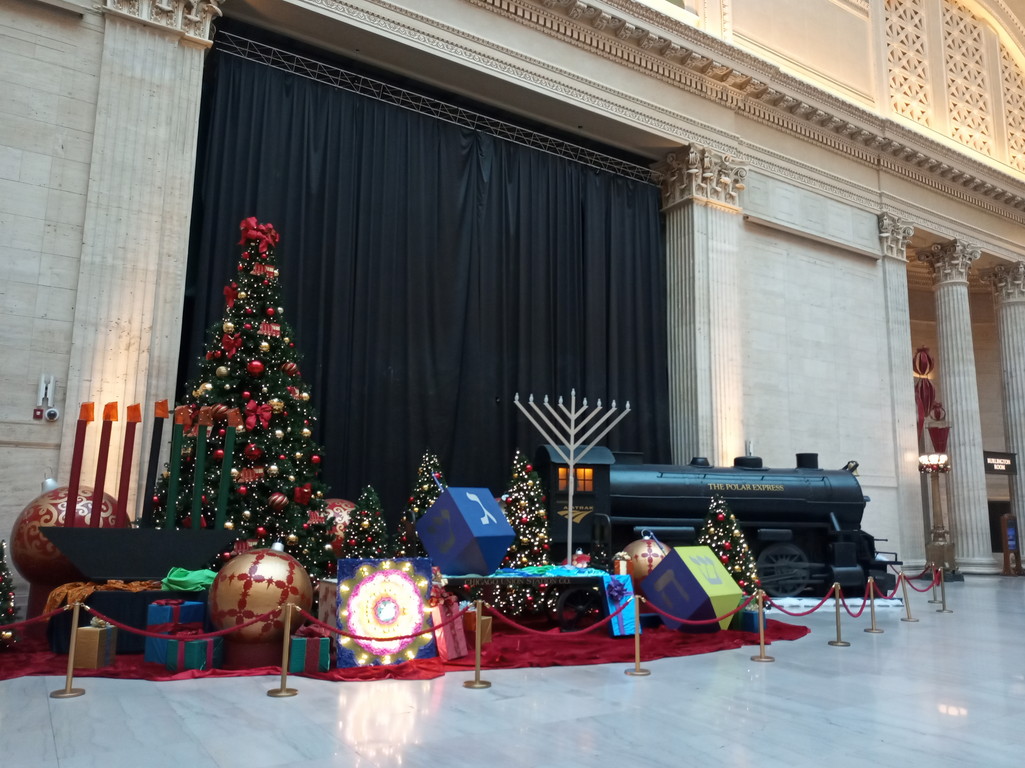
Well, the “Great Hall” did have some nice holiday displays, but Chicago’s station has none of the vibrancy of Denver’s remodeled station. Basically it was new walls, new paint, and no new features.
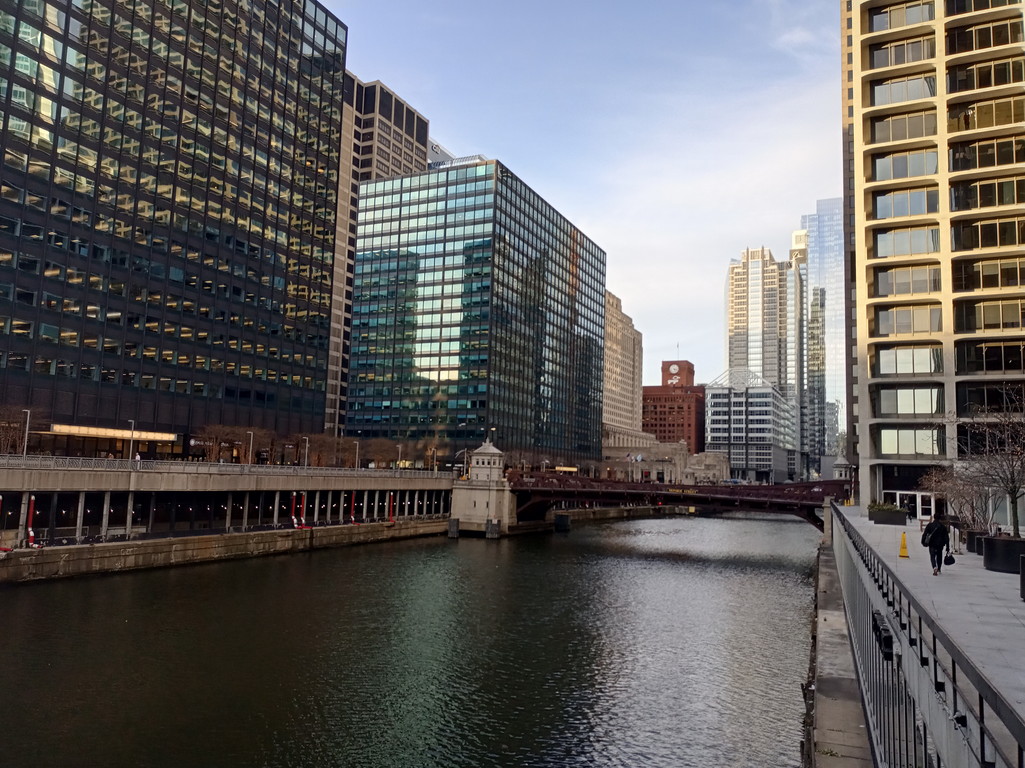
Time to brave the cold and walks the nearby downtown Chicago streets!
Outside, the weather was actually pleasant! Every other time Rhonda and I stopped over in Chicago, there were freezing cold winds and often snow. I had looked forward to visiting the showroom of the “Paragon Book Gallery”, a specialty book seller that I used to go to in New York City with my Dad. It carries a vast stock of obscure books related to Asia. But alas, I had contacted them ahead of time, and they do not currently have any physical store-front, doing all their business online while they keep their eyes out for some suitable retail location. Next time!
As I lazily wandered the streets I did pass a few nice restaurants. When I saw a Potbelly sandwich shop, (which I love) I considered picking up a sandwich “to go” that I could eat on the train. But why? As a sleeping car passenger, all the fancy dinner options on the dining care are available at not extra cost!
So I returned to the lounge and waited until it was time to board my next train, heading to Washington D.C.
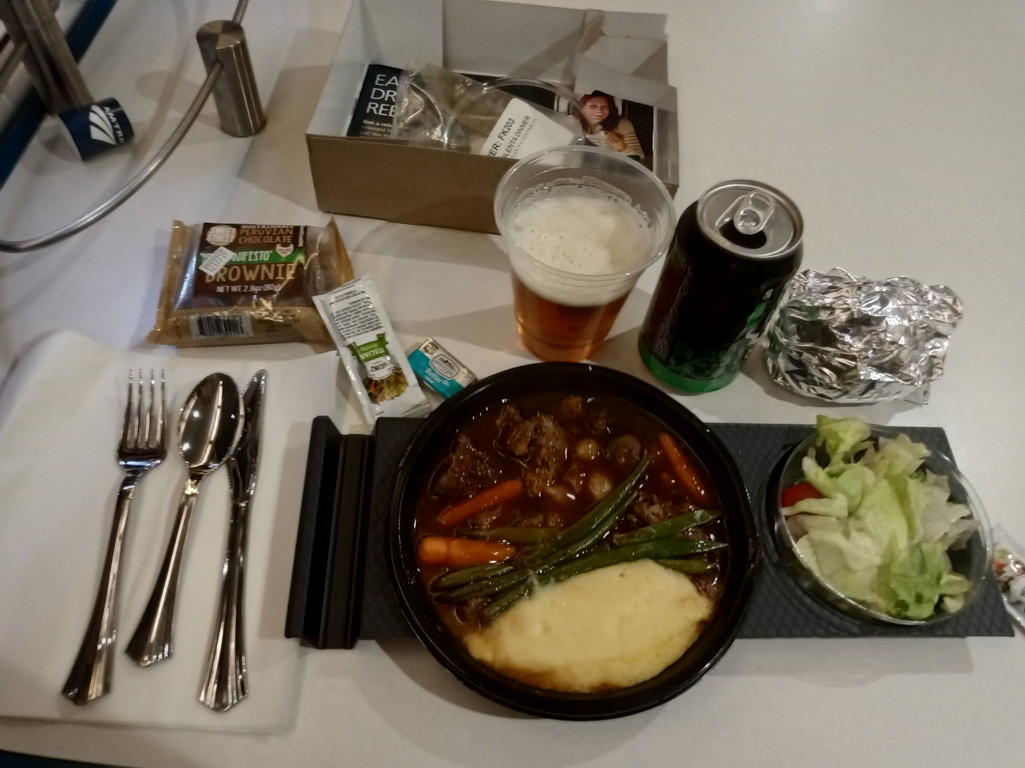
OK, mega-fail! Some background. America is doing its darnedest to kill off the few remaining long distance train routes, and push all travel to heavily polluting aircraft, and heavily polluting private cars plying the highways. So far, try as Amtrak may to make riding the train a disagreeable experience, people still ride the rails. So, in a more recent move, they have started eliminating kitchens for the dining cars. Now all passengers except those in sleeping cars are banned from the dining car. And rather than cooked food, they offer some crappy TV-dinners. To go along with this new experience, they hand you the new “Flexible Dining Menu”. The dining room staff, in an effort to not be ejected from the moving train by passengers, did offer a free beer along with “supper”. Well, the beer was good, the food terrible. Bummer! I really wished I had known ahead of time and picked up a sandwich in Chicago!
So nice how they added a chintzy metallic finish to the fork and spoon so that it would match the (actual) metal knife.
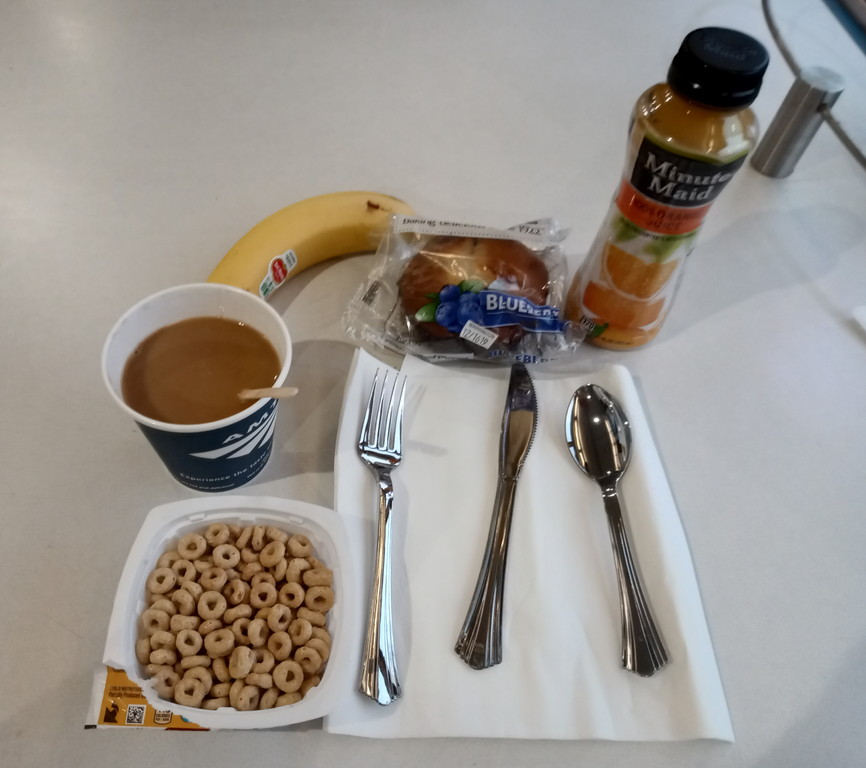
And no more pancakes, waffles, eggs etc for breakfast. Now you choose which boxed cereal you want. Well, the banana was real. The coffee? None available. I had to go back to my sleeper car and bring some from there.
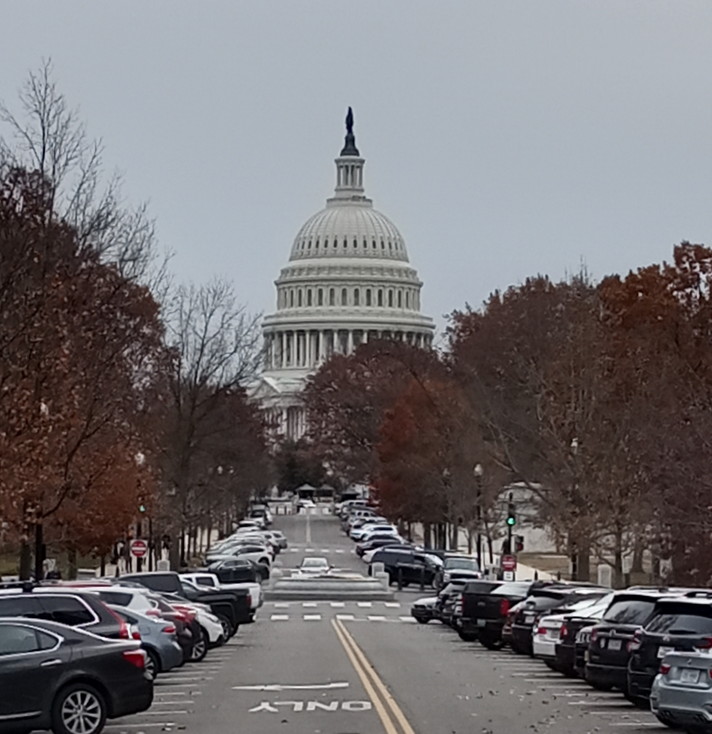
Ah! Washington, D.C.! My birthplace! I was able to check my bags and wander a bit. Union Station… the Capitol building…
I decided to head to the White House to see what was shakin’
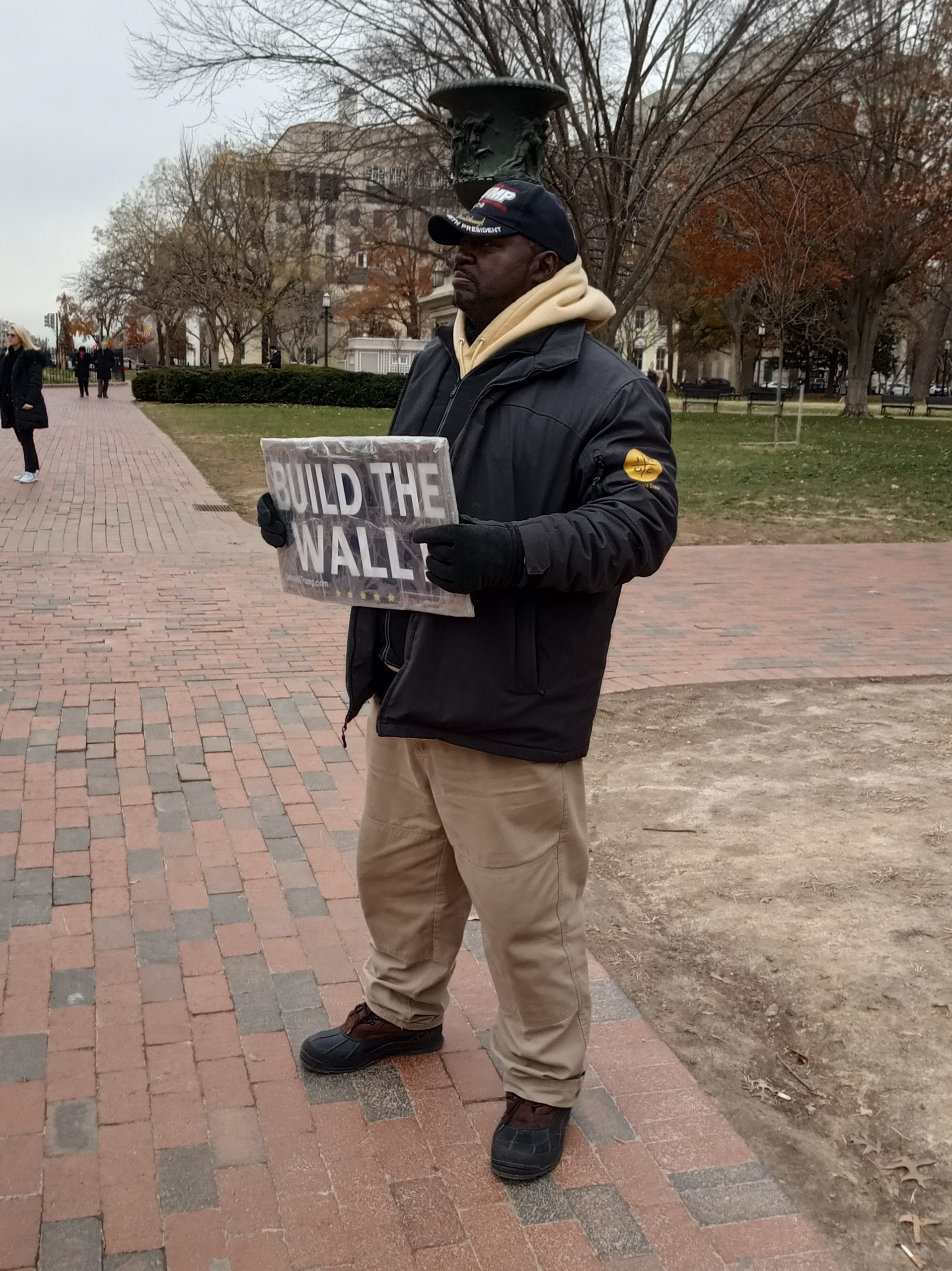
Machine gun toting cops (don’t dare take their photos!) were keeping the protesting crazies at bay.
Well, this is America. The tens of millions of people who are disgusted by the actions of the occupant of the White House, (who sneaked in the back door with three million votes less than his opponent), just spend their time jogging, staring at sitcoms on the boob-tube, watching sports, and (mostly) sleeping.
From Washington I took the Northeast Regional to Wilmington, Delaware, where Andrea, Jimmy, and Rhonda picked me up at the station. (Rhonda did not come on the train, opting to travel to the east by plane)
Andrea and Jimmy
Andrea and Jimmy had moved into a new house since I last visited them. Nice place. We spent the first evening listening to Jimmy’s records. Yep, records… those vinyl disks. Remember them? Heard your grandpa mention them? ha ha.
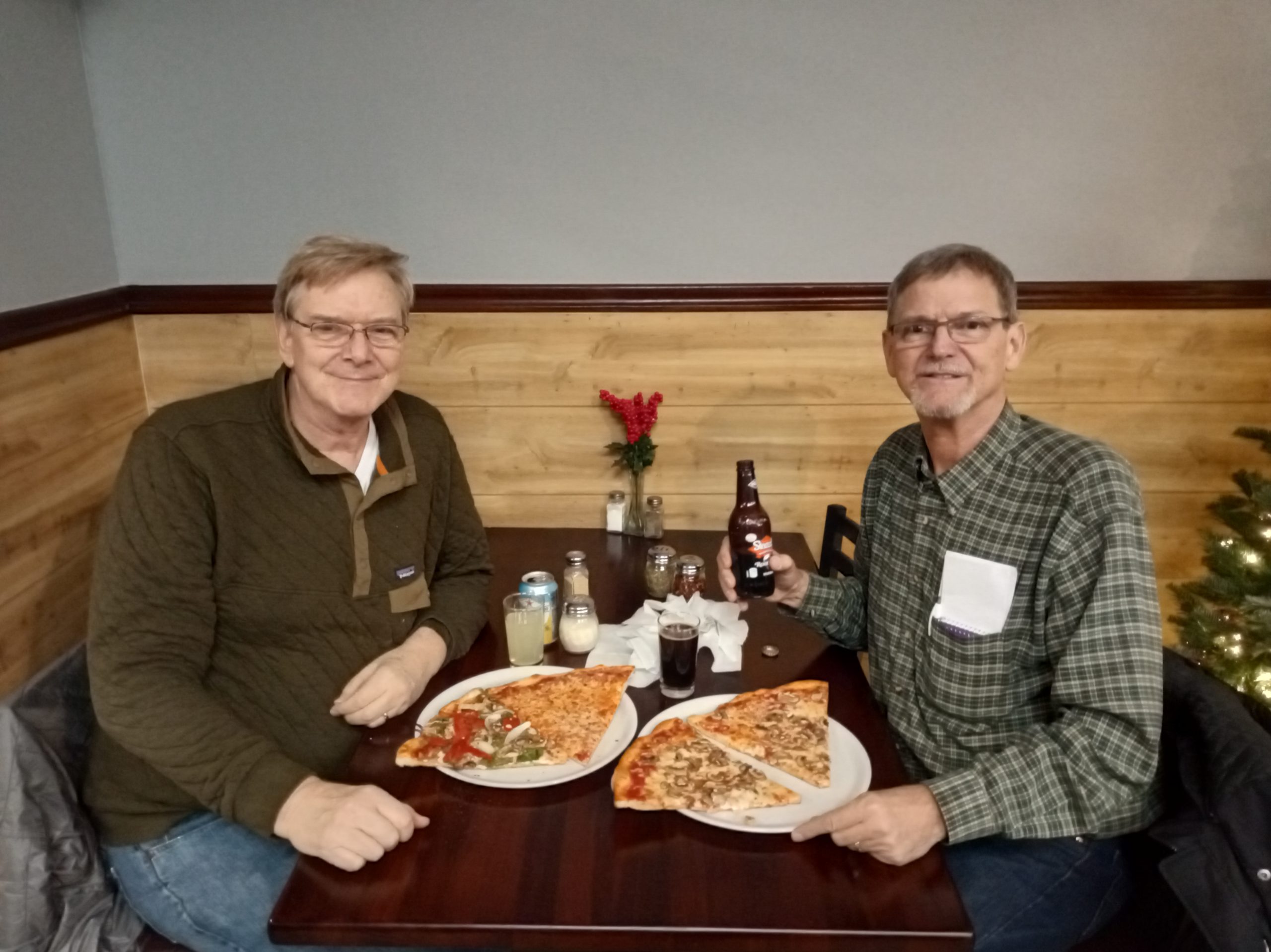
From Wilmington, I next took a train to Trenton (Capital of New Jersey), where my brother picked me up and drove me back to his house in Pennington. We had a great weekend, starting with a few slices of pizza at “Beniamino’s” in the Montgomery Shopping Center. This is the new incarnation of pizza at the old “Rudolfo’s” which I adored. They told me that the guy who last ran Rudolfo’s, who since moved back to Italy, does stop by when he is in town.
Chris and I had a great time driving around New Jersey, then Pennsylvania, then New Jersey again. Lots of memories from our youth! We even got near the site of an old Boy Scout camp that our parents packed us off to a few years during the summer.
When the day came from my flight to Spain I took the train up to Newark Airport. Good lord! the terminal was out of control. Everything there seemed to require interaction with one of the thousands of fixed tablet devices positioned *everywhere*. You couldn’t order food at a restaurant by just telling a waiter/ess what you wanted. You had to negotiate an inane set of screens. I couldn’t figure it out Neither could anyone around me. So staff and to press the screen selections for everyone. And then, in the end, it disconnected the humans who worked there from the customers. Every person around me (and including me) ended up with a problem with the order and the “customer service” ended up horrible, because the “computer” was the waiter, not the person. Out of control technology. “Fixing” a system what was not broken, and in the end, breaking it.
I am back in Xàtiva after spending a few days in Cartagena, a city located in Murcia.
Great place! I love it! Full of history, and also a major port on the sea.
I took lots of photos, but it will take a few more days to sort through them all. When those are ready, I will post an alert here, and put the pictures on the Pere’s Ramblings page.
In the meantime, take a look!
I took a short boat ride from the portRoman TheaterBouganvillas and a Jacaranda tree near the Punic wall ruins.
(Click on any photo for a high-resolution version. Haga clic en cualquier foto para abrir una versión de alta resolución.)
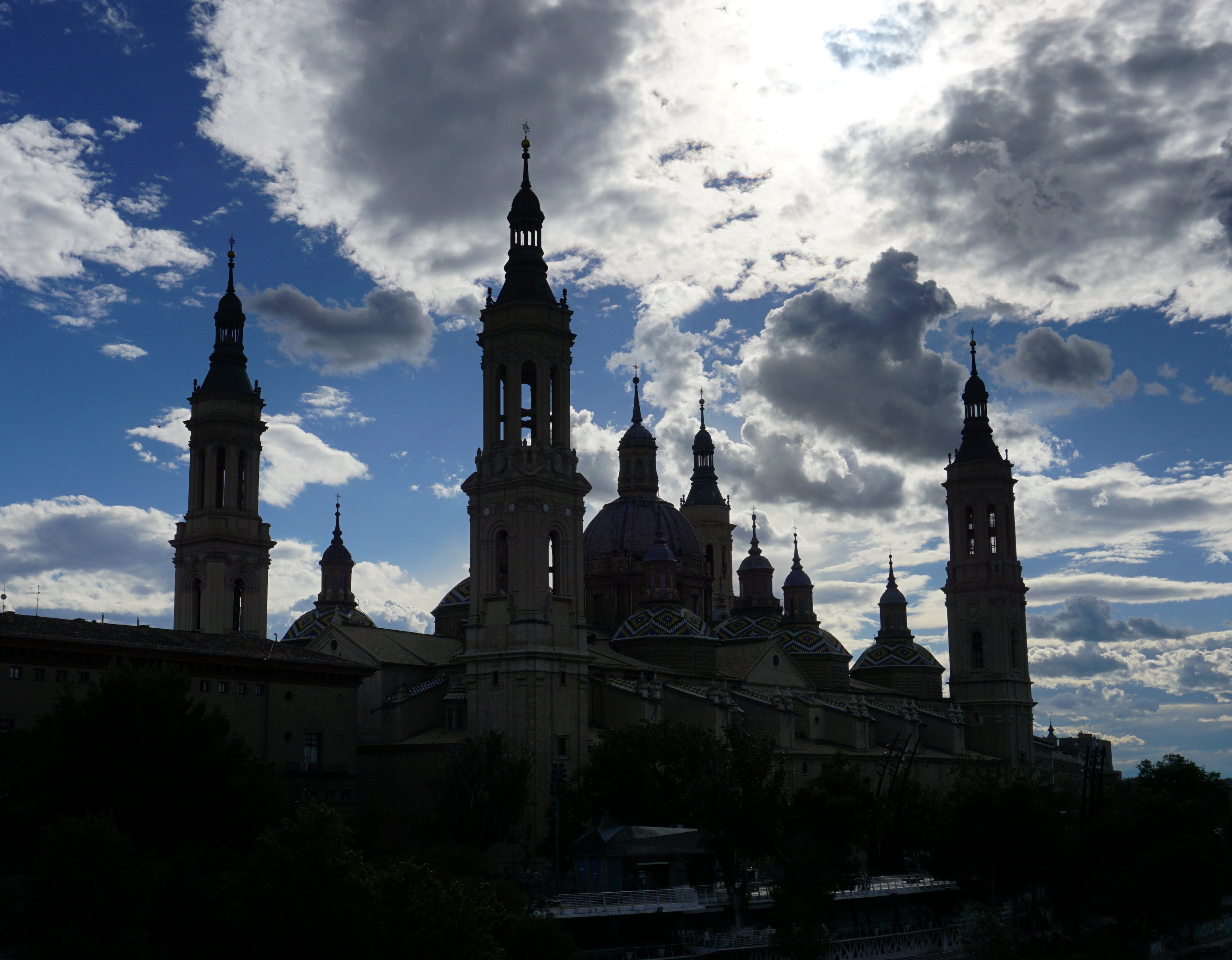
Pilar Cathedral against the bright sky
Zaragoza sits on the banks of the Ebro River. It is an ancient city, and its name is an evolutionary corruption of the city’s name from Roman times: “Caesaragustus”.
I have been to Zaragoza numerous times. The first time was a search for a certain tower, other times to look at the Roman ruins, or the museum with information about the two sieges of Zaragoza from Spain’s War of Independence fought against Napoleon’s troops. One trip was specifically to watch a Verdi opera.
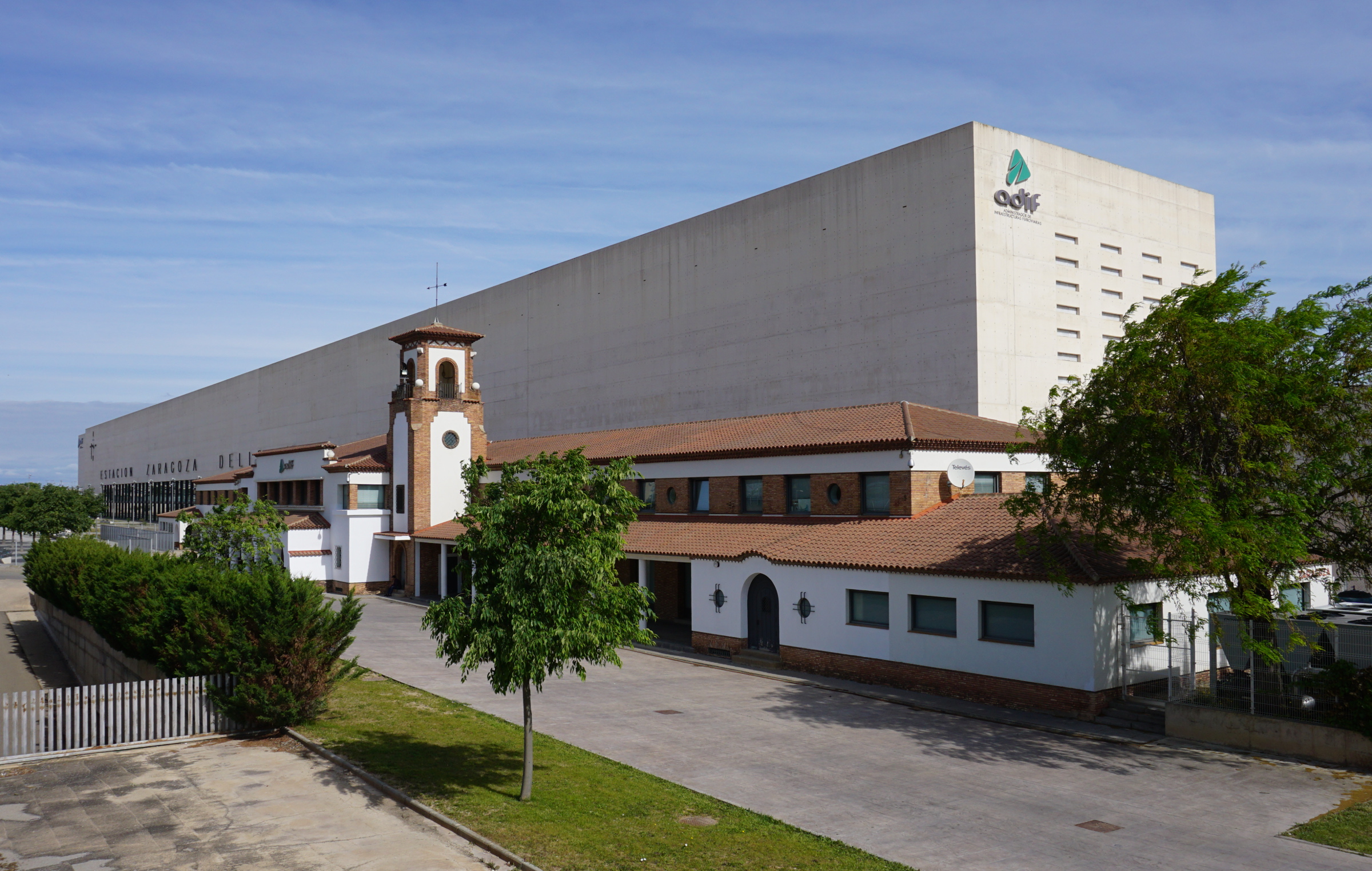
Zaragoza Delicias Train Stations- Old and New
In the photo, the old “Delicias” train station is dwarfed by the current station. The new station had already been built by the time I first visited Zaragoza, its cavernous interior and inadequate heating left passengers shivering indoors.
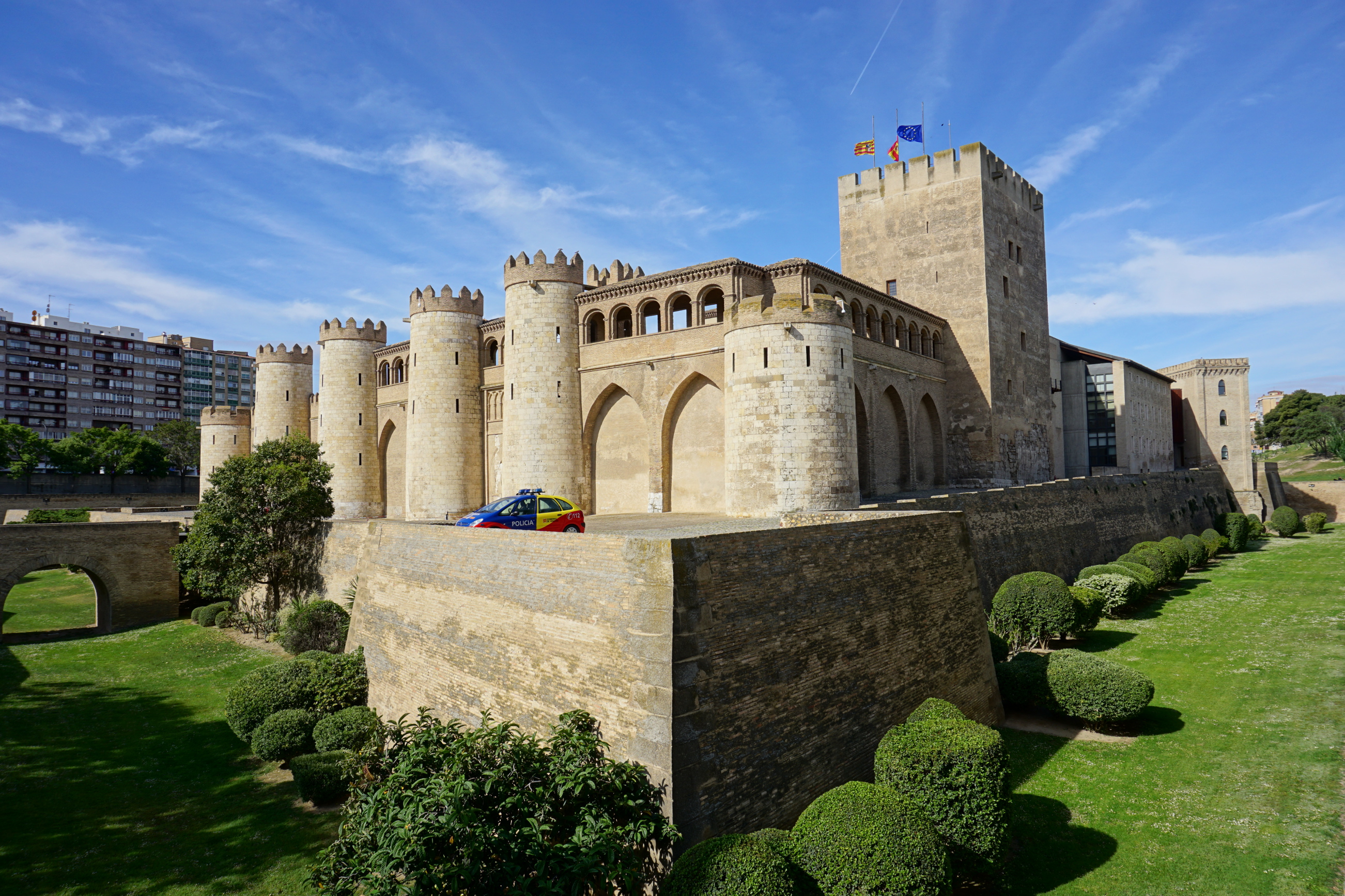
Aljaferia
The Aljaferia Palace ( قصر الجعفرية ) was originally built during the 11th century by Spain’s Muslim rulers. Through various wars it was repeatedly damaged and repaired/rebuilt. It is the site of various scenes in Verdi’s “Il Trovadore” opera. Today it serves as the home of Aragon’s legislature.
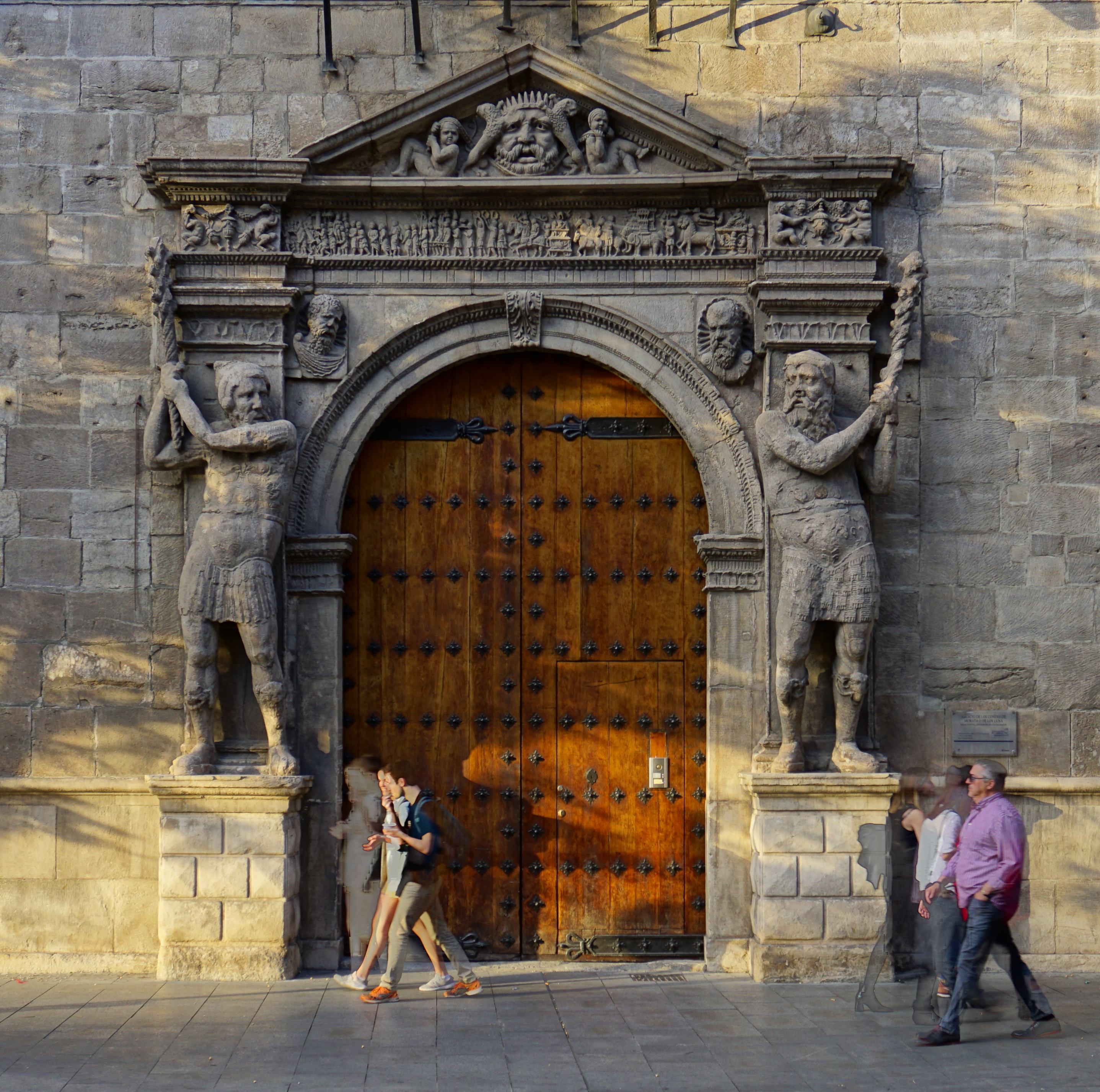
Entrance to the Paliacio de los Luna
On Calle Coso we find the Palacio de los Luna. Today it holds the halls of justice, and one might get a certain opinion about how justice is administrated by the statues. 🙂 Actually these represent Hercules and Gerion from Greek mythology.
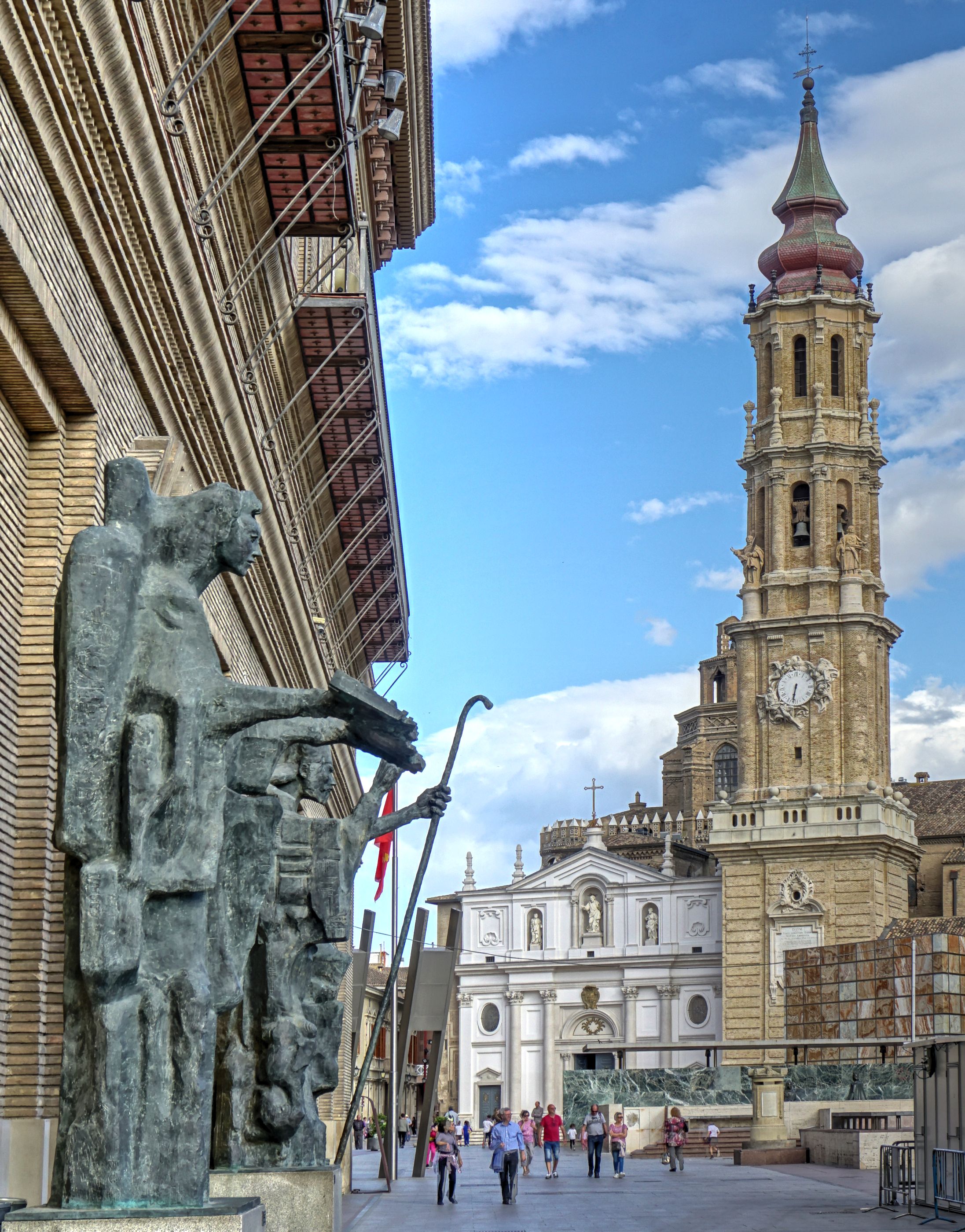
Catedral del Salvadore de Zaragoza
One of two cathedrals in the old quarter is “La Catedral del Salvador en su Epifanía de Zaragoza”. Wow, that’s a mouthful! The residents call it “La Seu” for short. (The same name given to the large “non-cathedral” in my town of Xàtiva.)
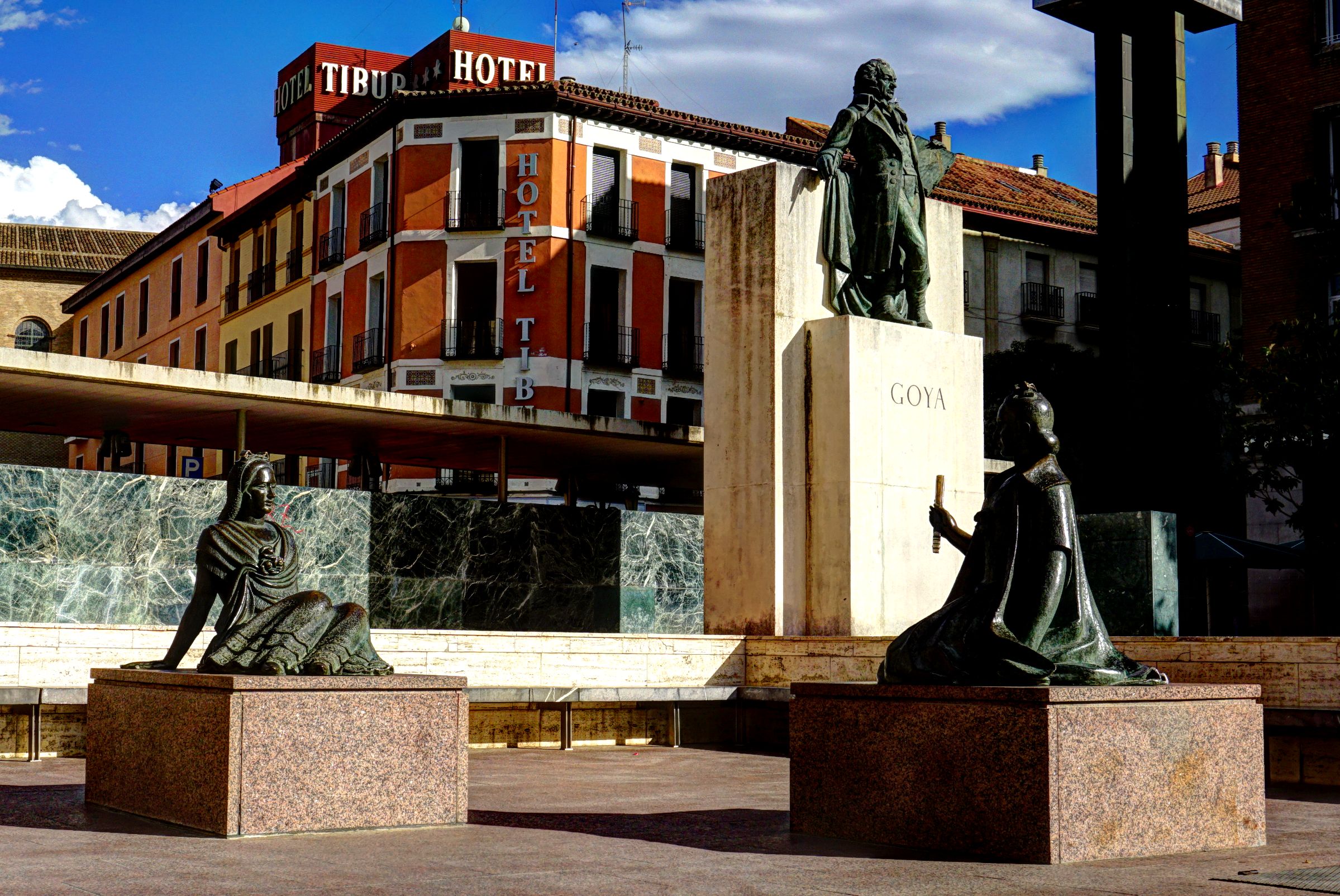
Tribute to Goya
The famous painter Francisco Goya’s life was tightly linked to Zaragoza. His dramatic paintings related to the fight against Napoleon are vivid images of the violence of war.
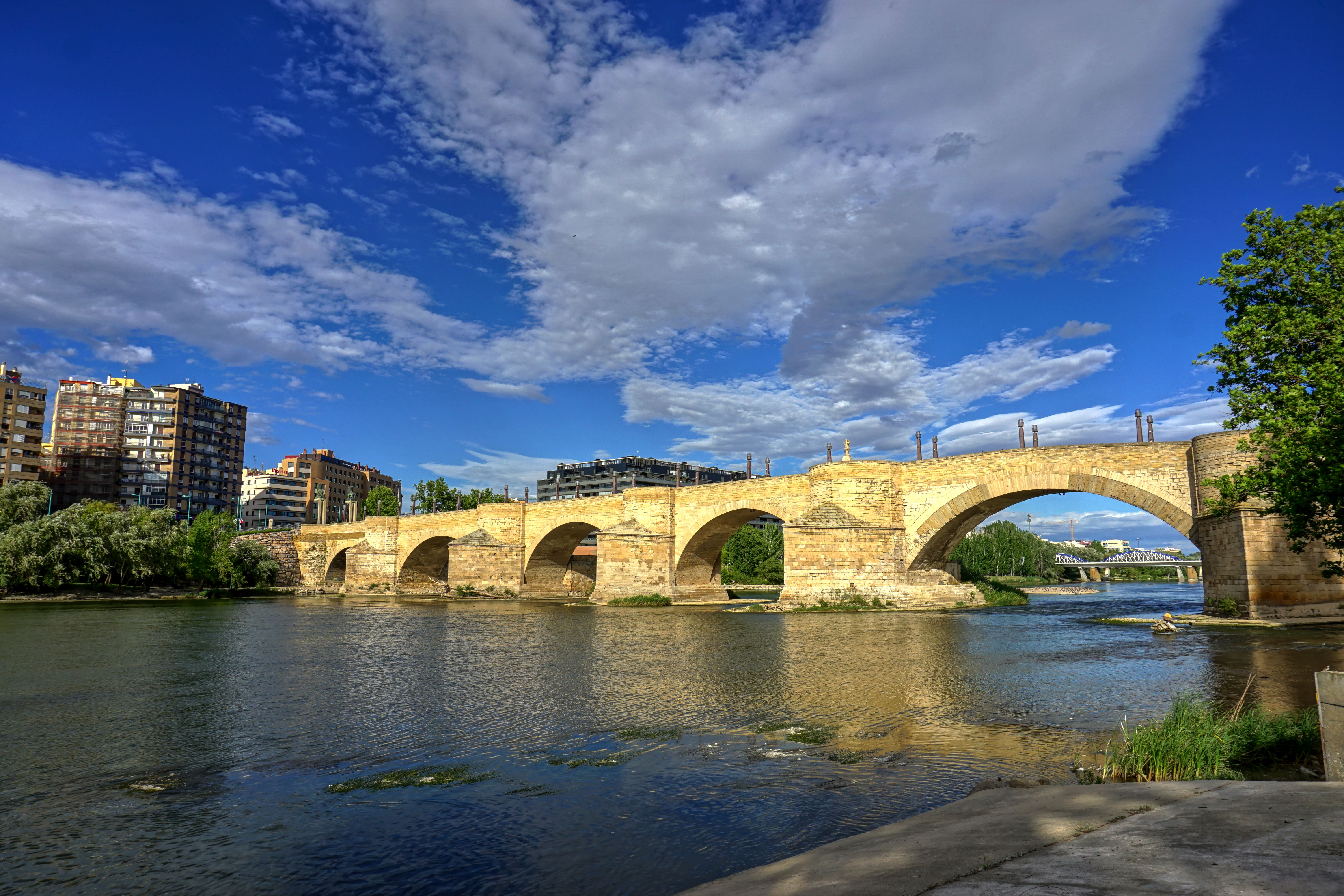
Stone Bridge
Originally built in the 15th century, this stone bridge spans the Ebro River.
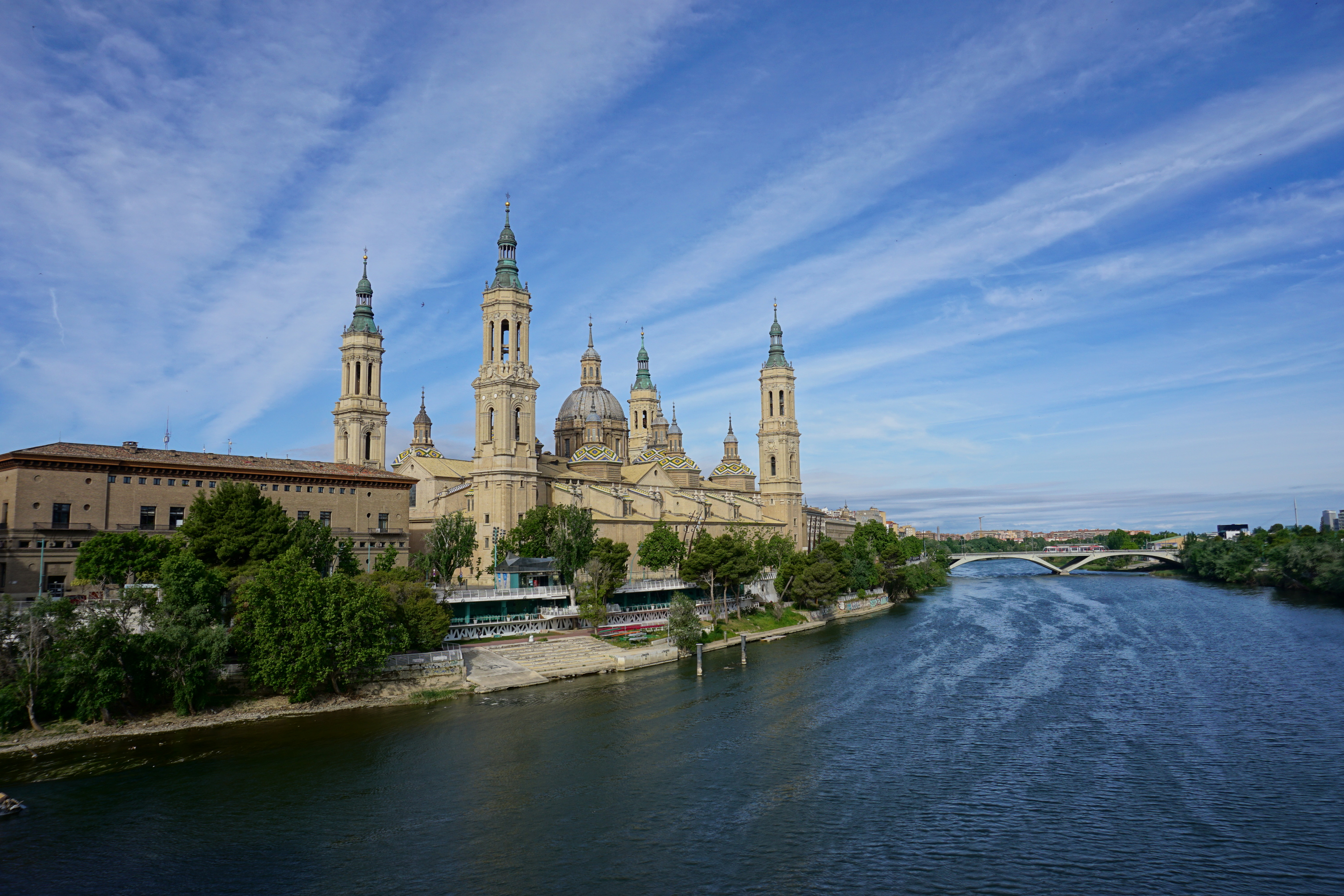
Catedral-Basílica de Nuestra Señora del Pilar
The cathedral of “Our lady of the Pillar” sits on the bank of the Ebro River. The mythology regarding an appearance of the Virgin Mary and a wooden statue caused this site to be revered.
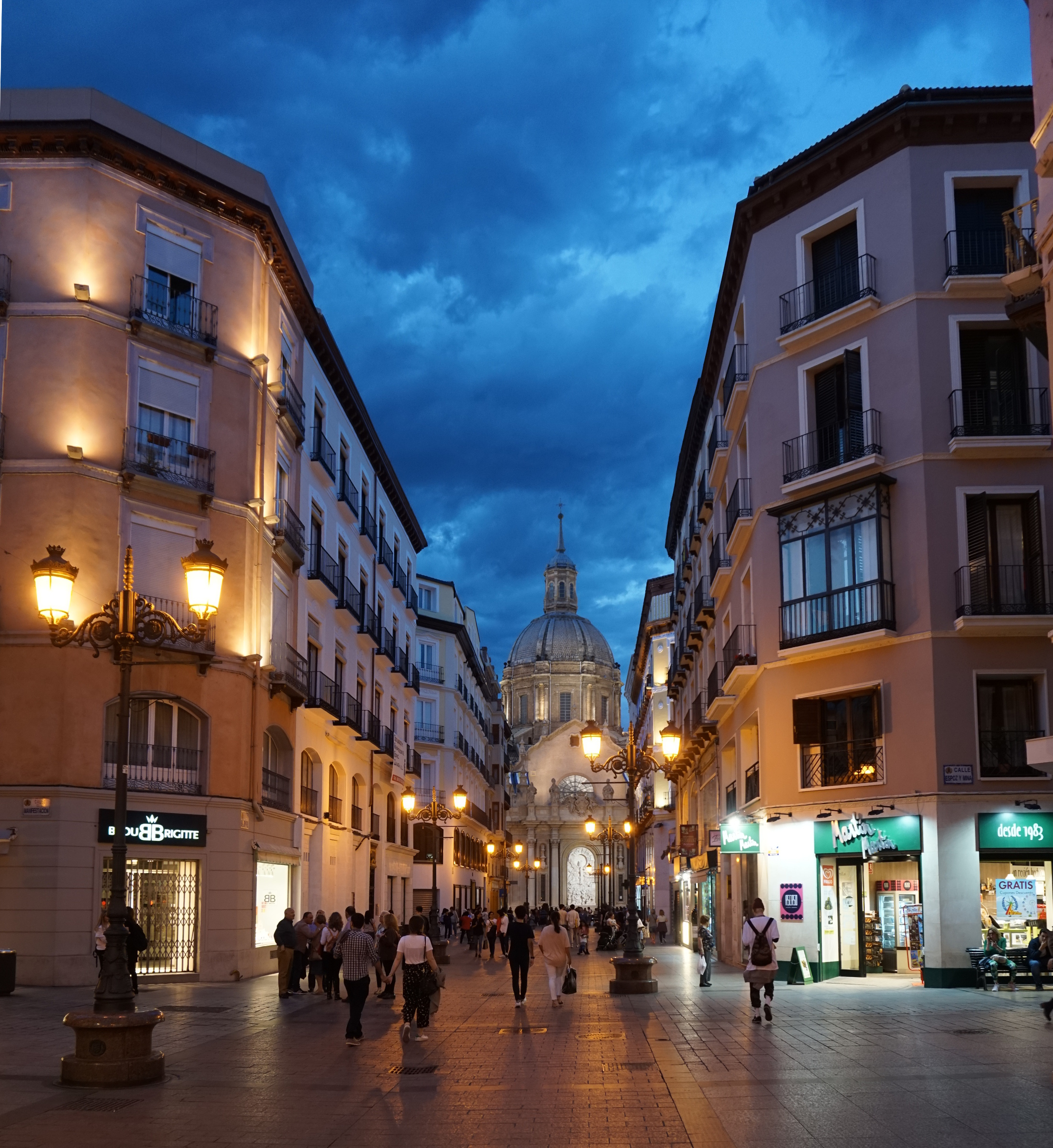
Calle de Alfonso I at twilight
The “Calle de Alfonso I” is a major shopping street in Zaragoza’s “old quarter”. It leads from the Calle del Coso to the plaza in front of the Pilar cathedral.
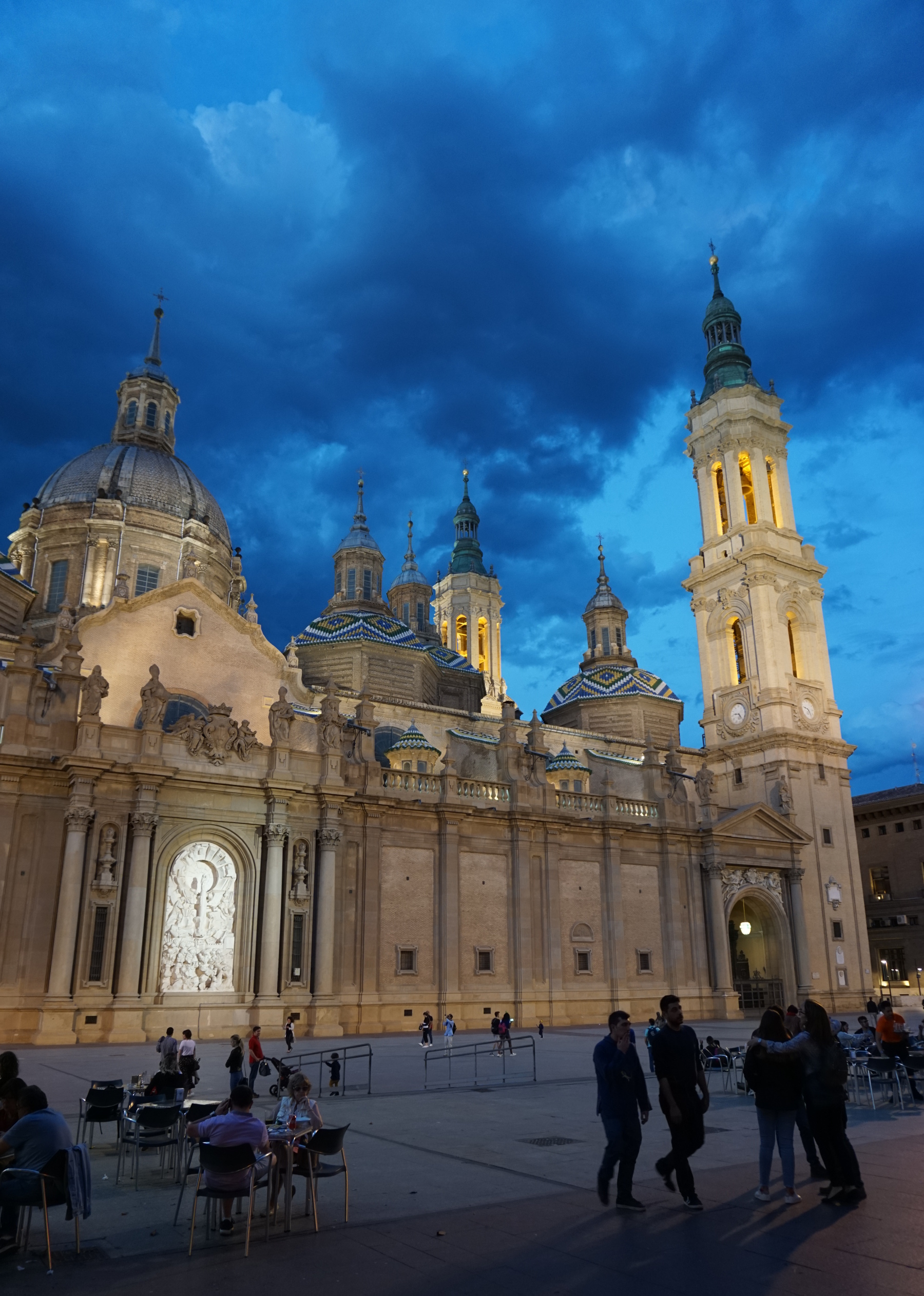
The plaza at twilight
The plaza in front of the cathedral is lined with restaurants and is a popular place to eat.
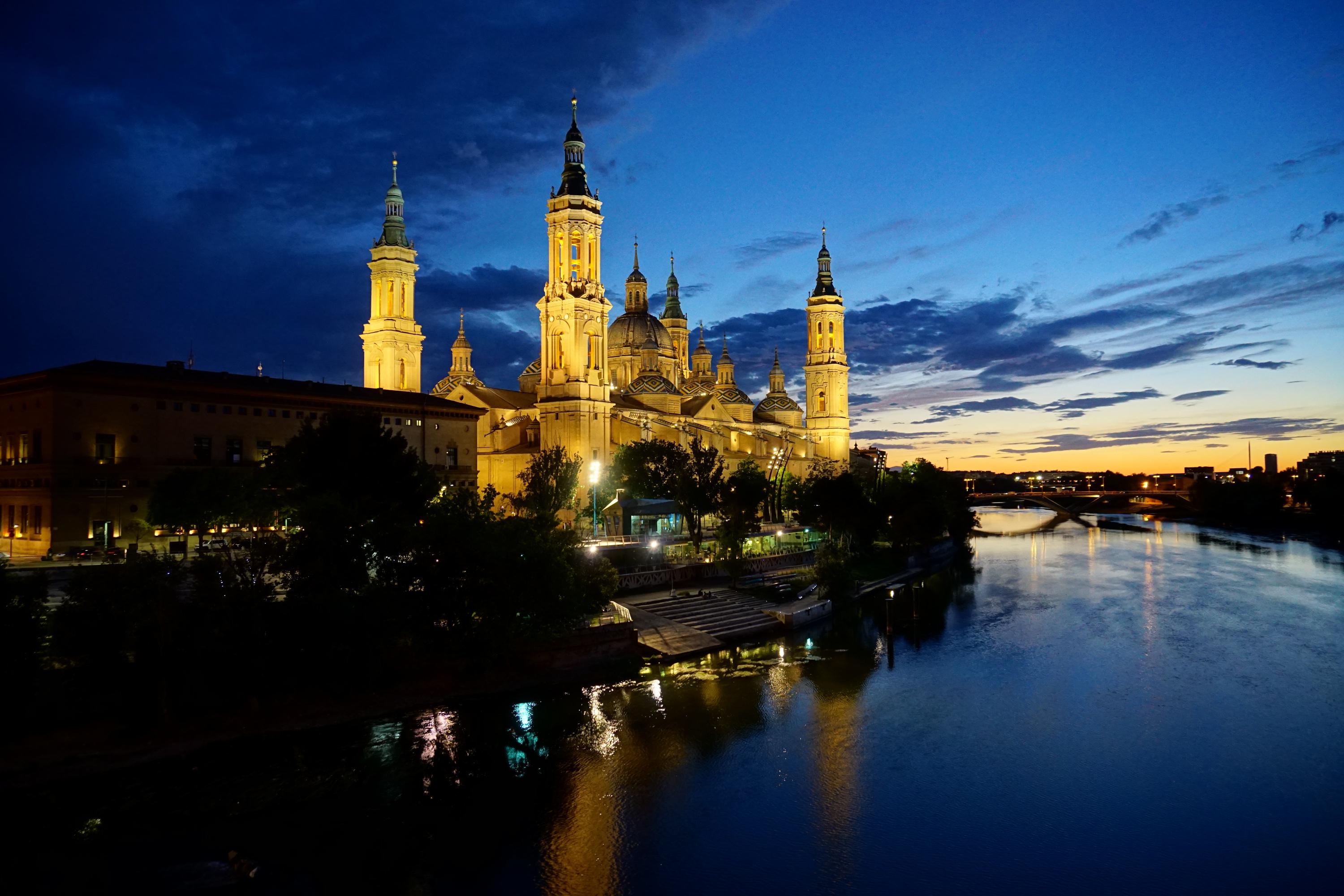
Catedral-Basílica de Nuestra Señora del Pilar – Twilight
Day or night the Pilar Cathedral is a beautiful sight.
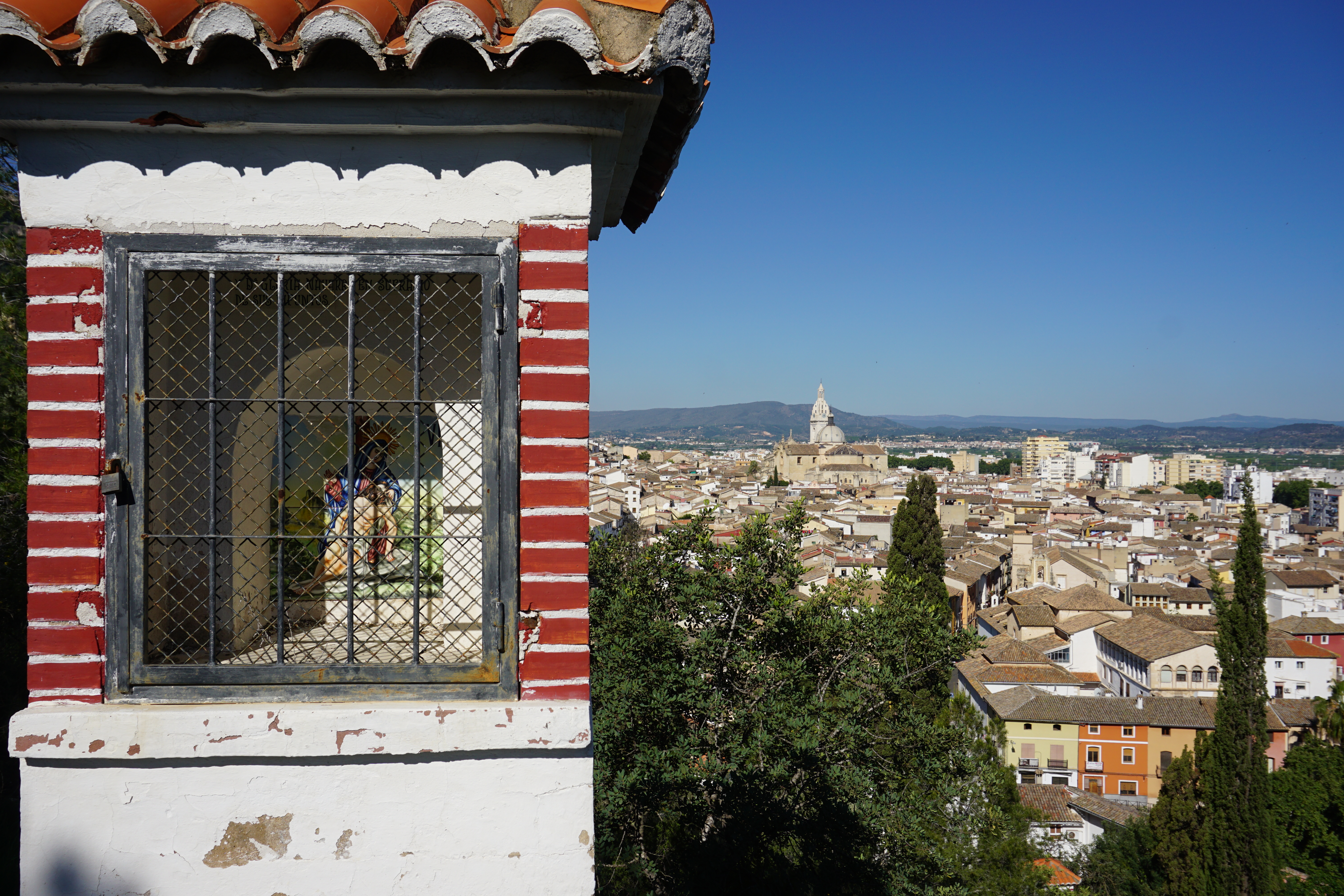
The hill upon which lies the “Calvario” church has a great view over the city, as well as a great perspective of the castle. Morning is best when the sun is at your back and Xàtiva is basking in the glow of its rays.
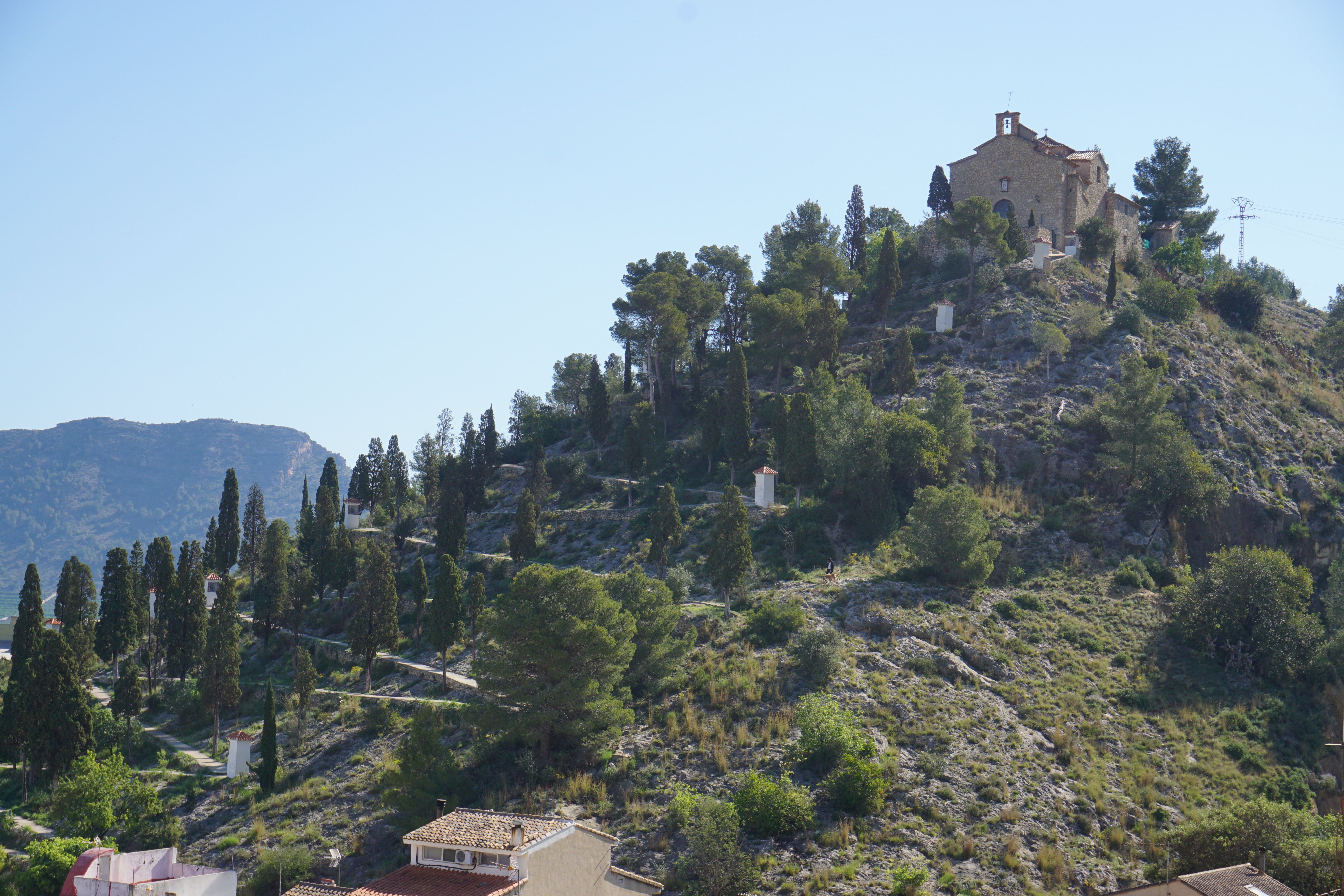
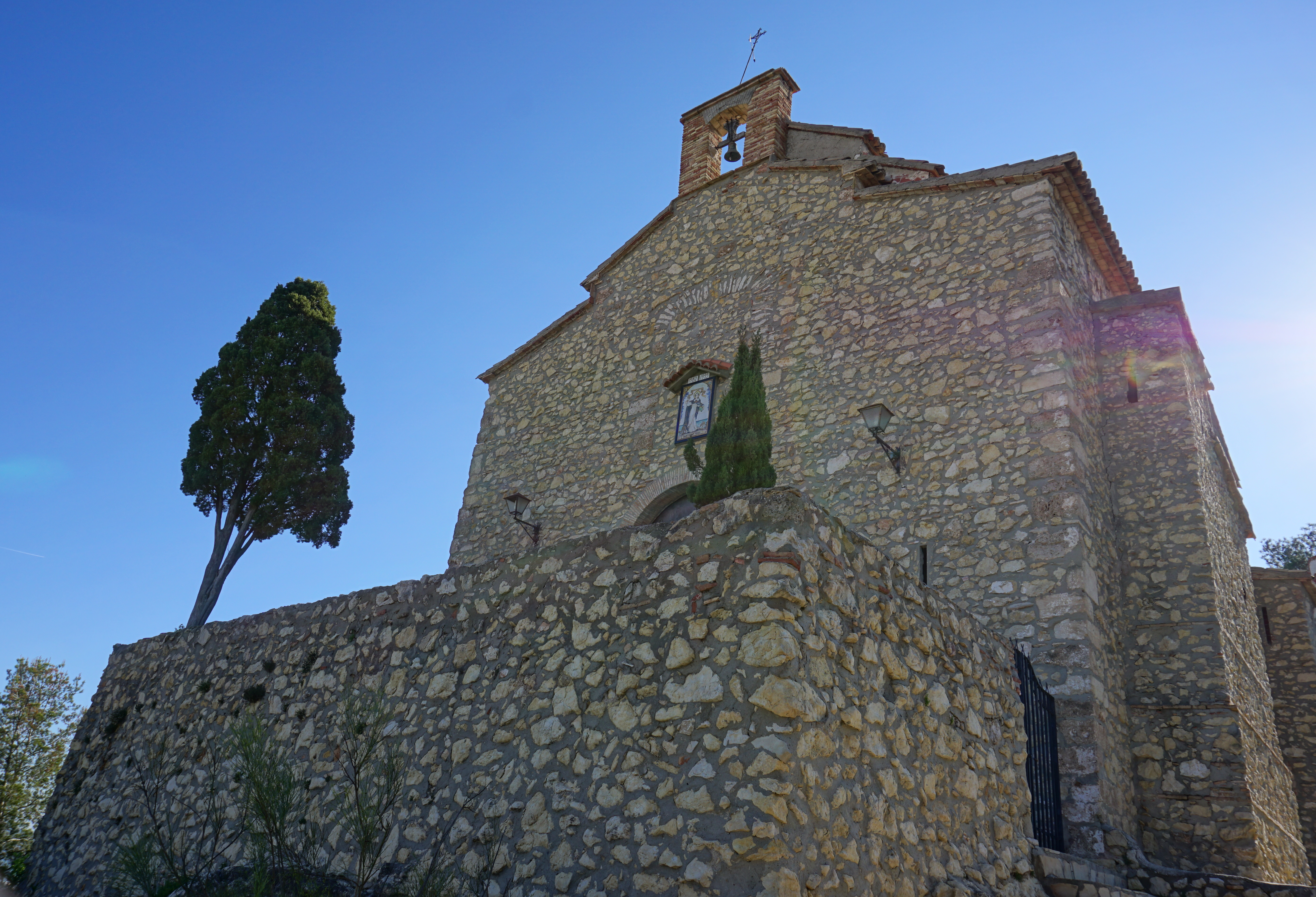
Ermita de Calvario Alto
“Calvario”(Calvary) chapels are fairly common in Spain, typified by a zig-zag upward path with stations of the cross at each bend.
By Xàtiva’s standards, this is a relatively “new” shrine, originally built in the 18th century and restored in the late 20th century. But the youth of the structure in no way detracts from the wonderful views as you climb up.
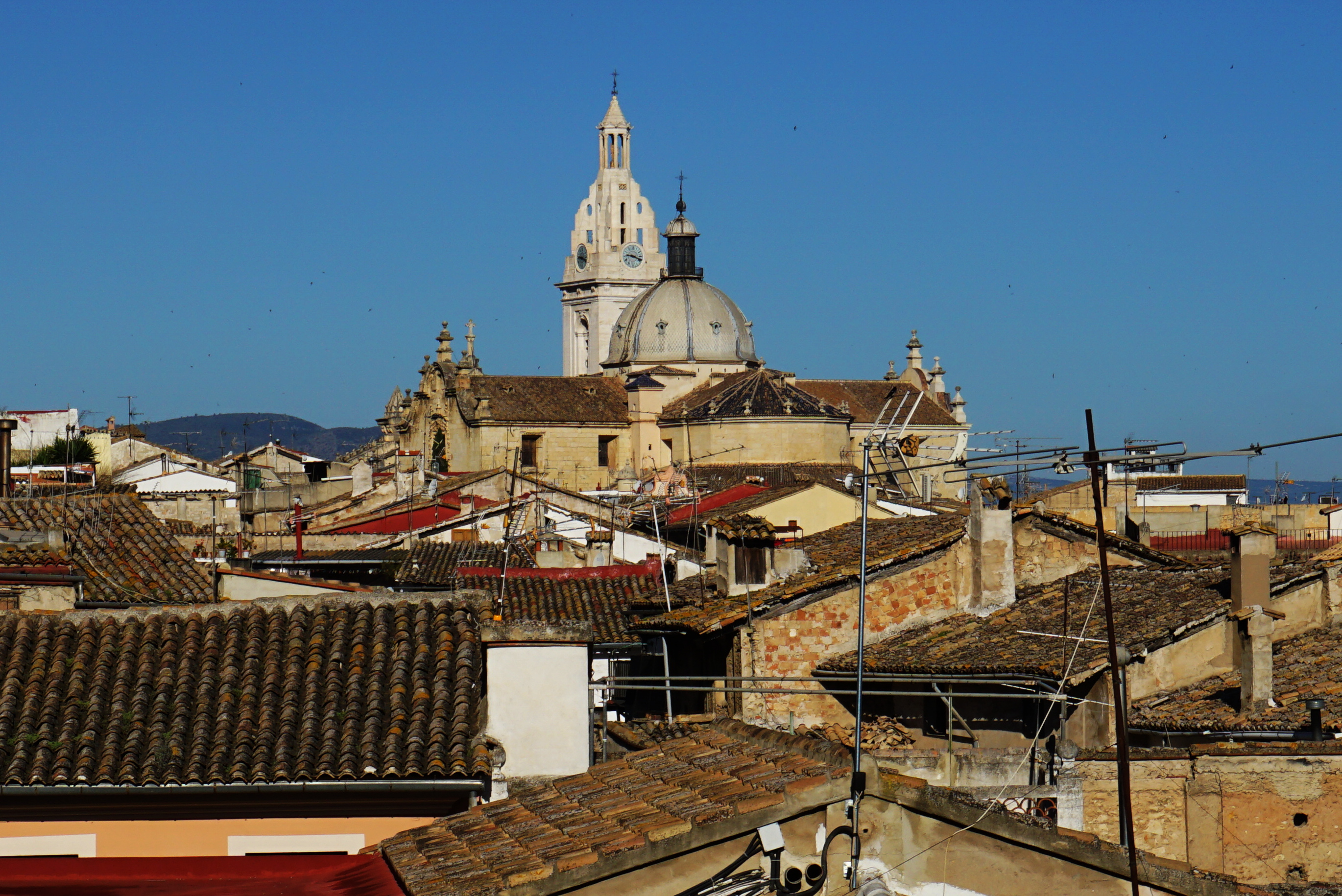
View over rooftops toward La Seu
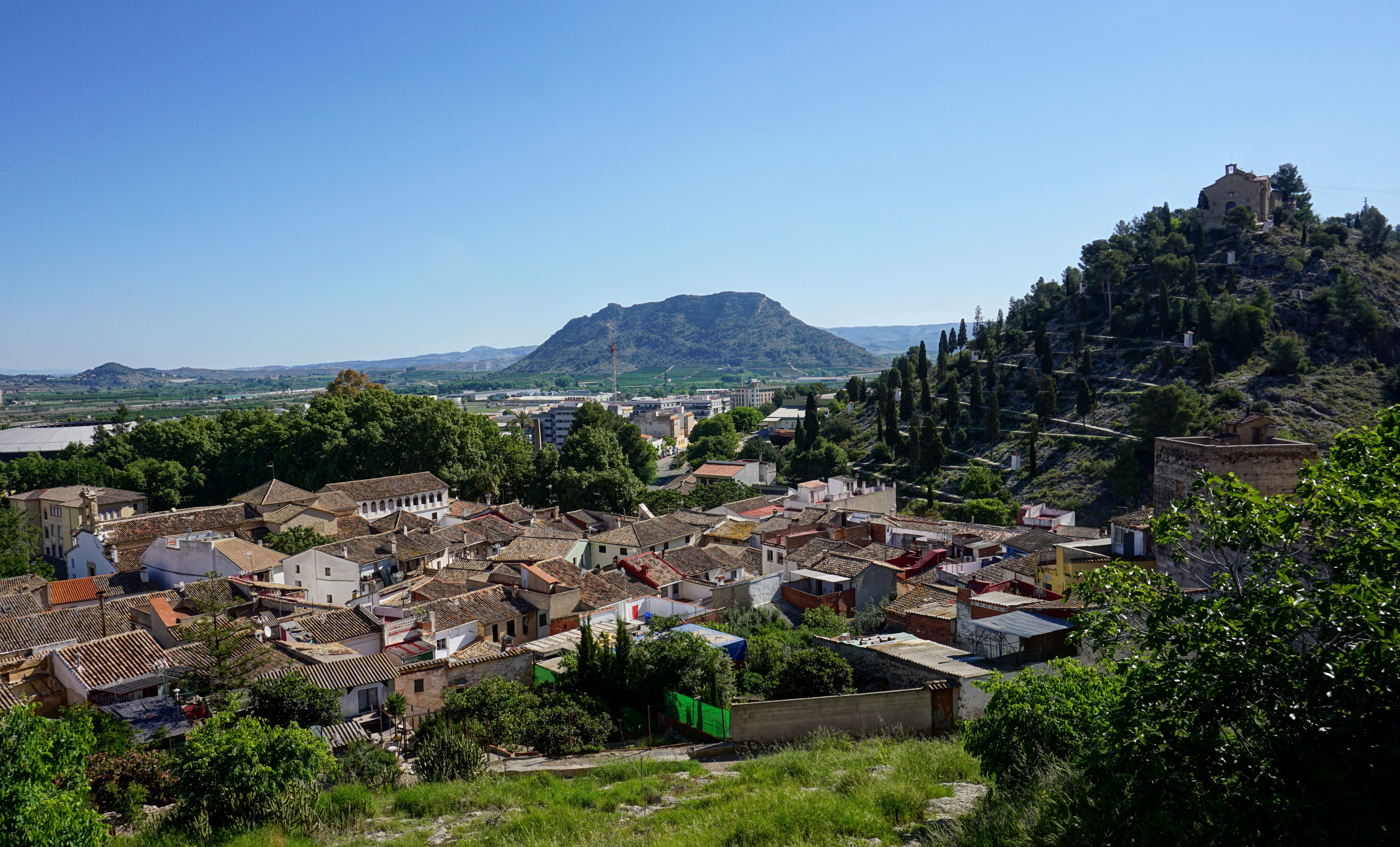
Climbing the path up to the shrine one is treated to gradually changing vistas of the city and upward toward the castles.
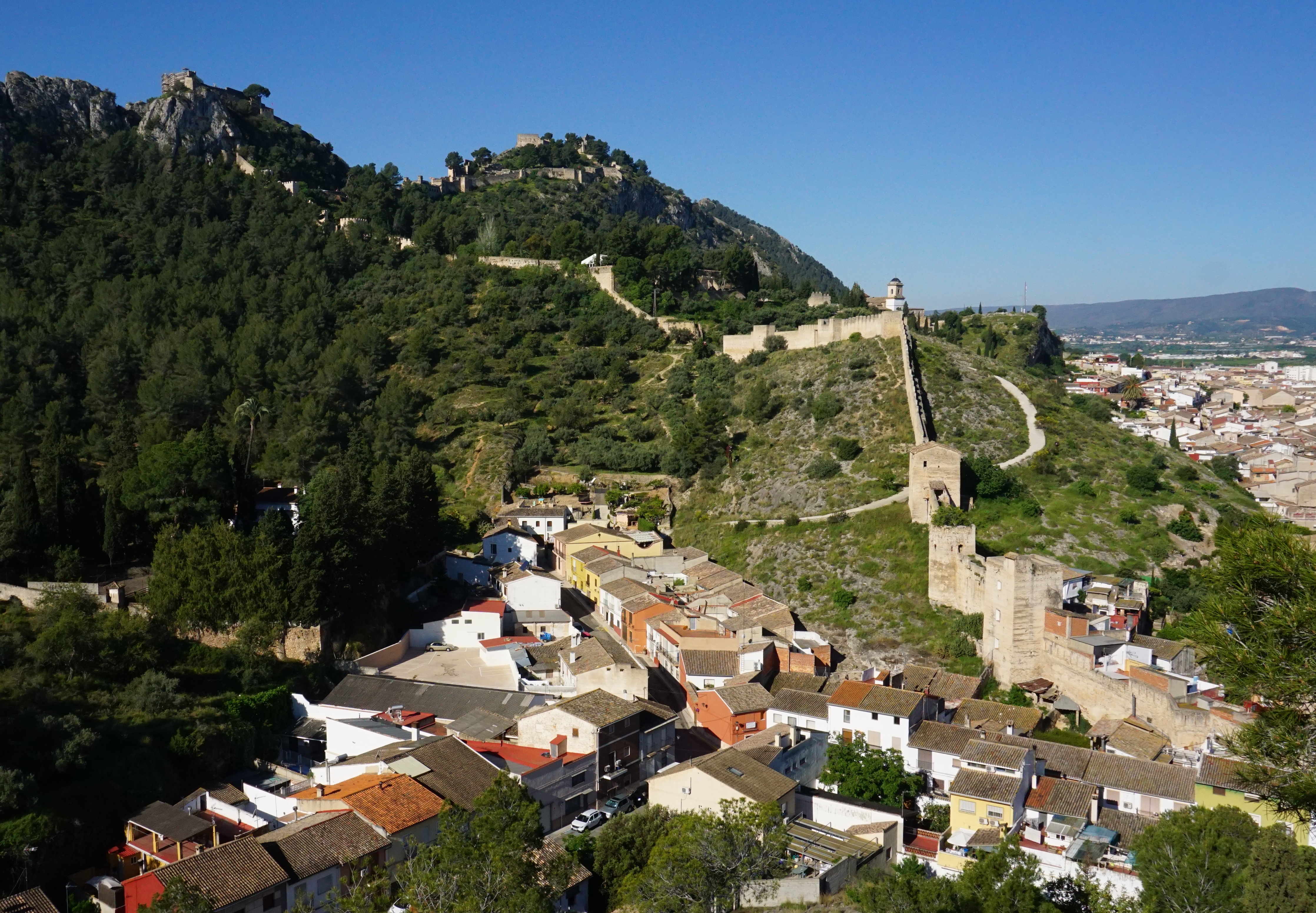
Small neighborhood outside the medieval wallRepairs underway to the upper castle
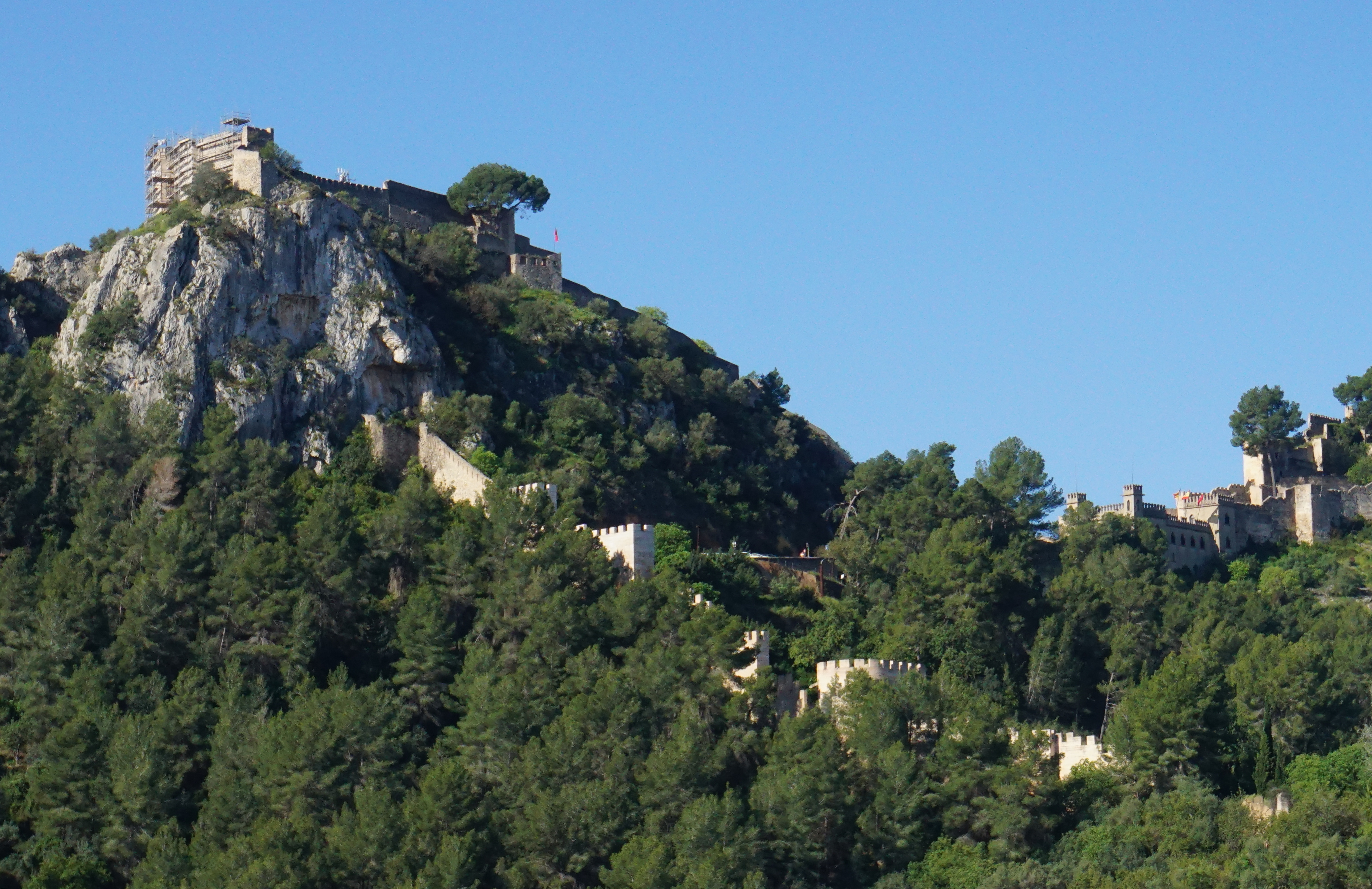
In the photo above, you can see scaffolding in place as part of the upper castle undergoes repair work. The section of castle on the right include the current entrance to the castle. Click on the photo if you want to zoom in!
Ermita de Calvario AltoBack side of the shrineView toward El Puig
The hill in the background of the above photo is “El Puig”. On top are the ruins of the Ermita de Nuestra Señora del Puig, which is under reconstruction to prevent its total collapse.
Looking past one of the “stations of the cross” toward La Seu and the “old quarter” of Xàtiva
Time to head back down and walk home.
View (R to L) of Calvario, el Puig, and Colegio la Immaculada
At the left side in this photo we new see the “Colegio la Immaculada”, a primary school attended by a friend’s son and where my “cousin” Fanny teaches.
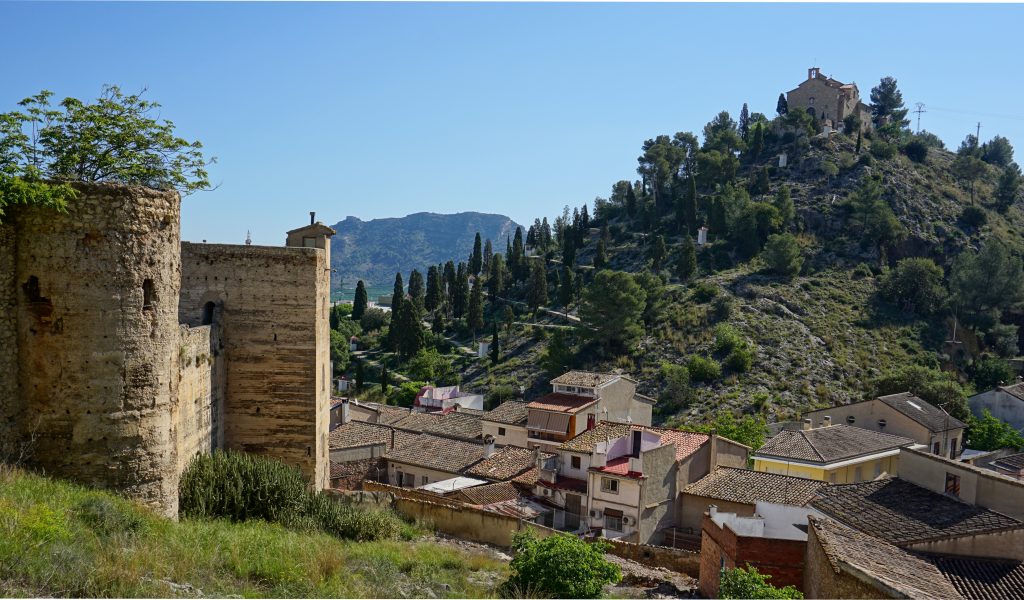
Medieval wall and Calvario
Heading back toward my house I climb upward toward a break in the old city wall.
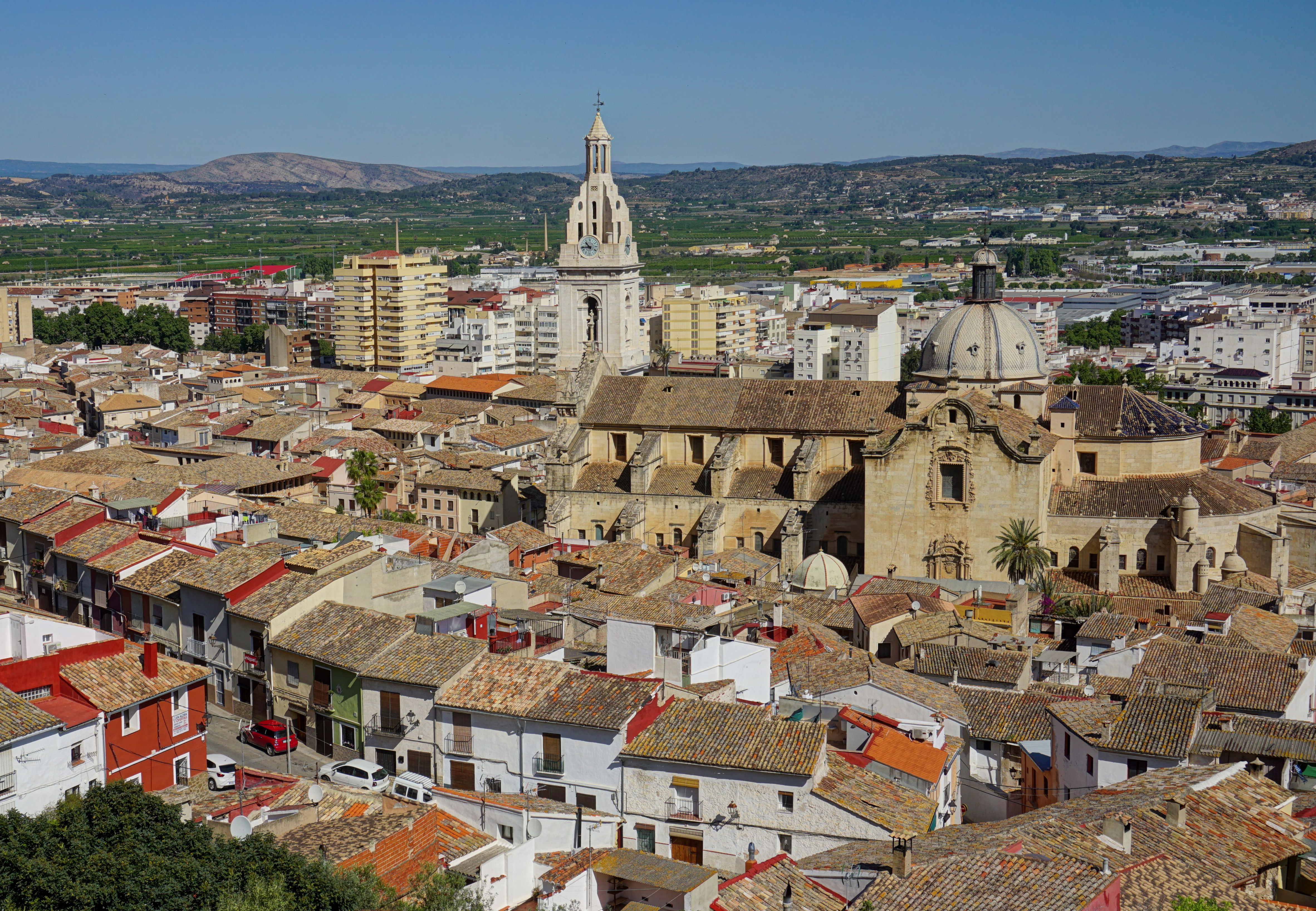
View of the “casco antiguo” and La Seu, with the newer sections of Xàtiva in the background
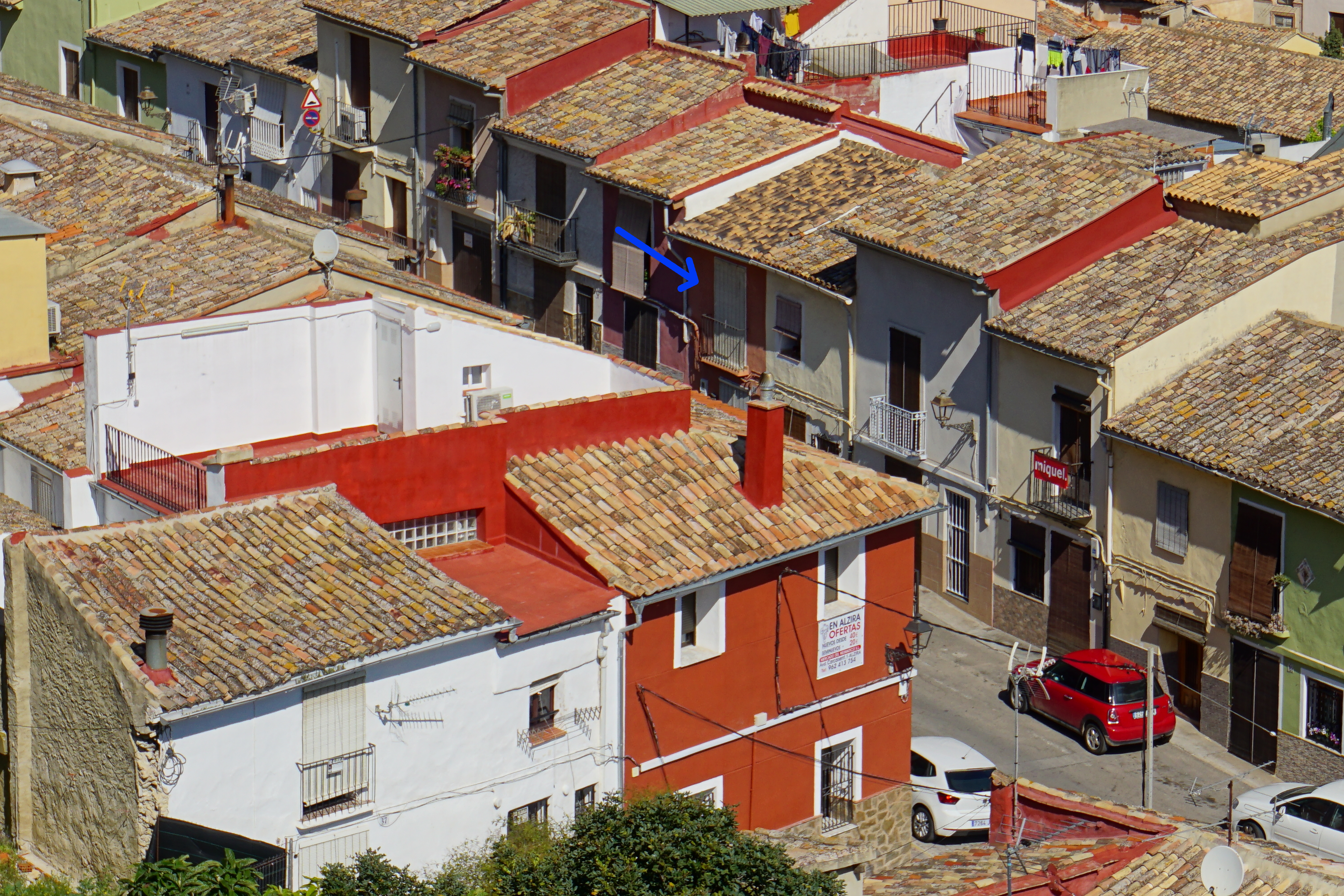
Heading home I get another view of la Seu and can also see the little street “Collar de la Paloma” and my house.
My house is indicated by the blue arrow
Above you can see an enlarged view of Rinconada Collar de la Paloma, and my home sweet home.
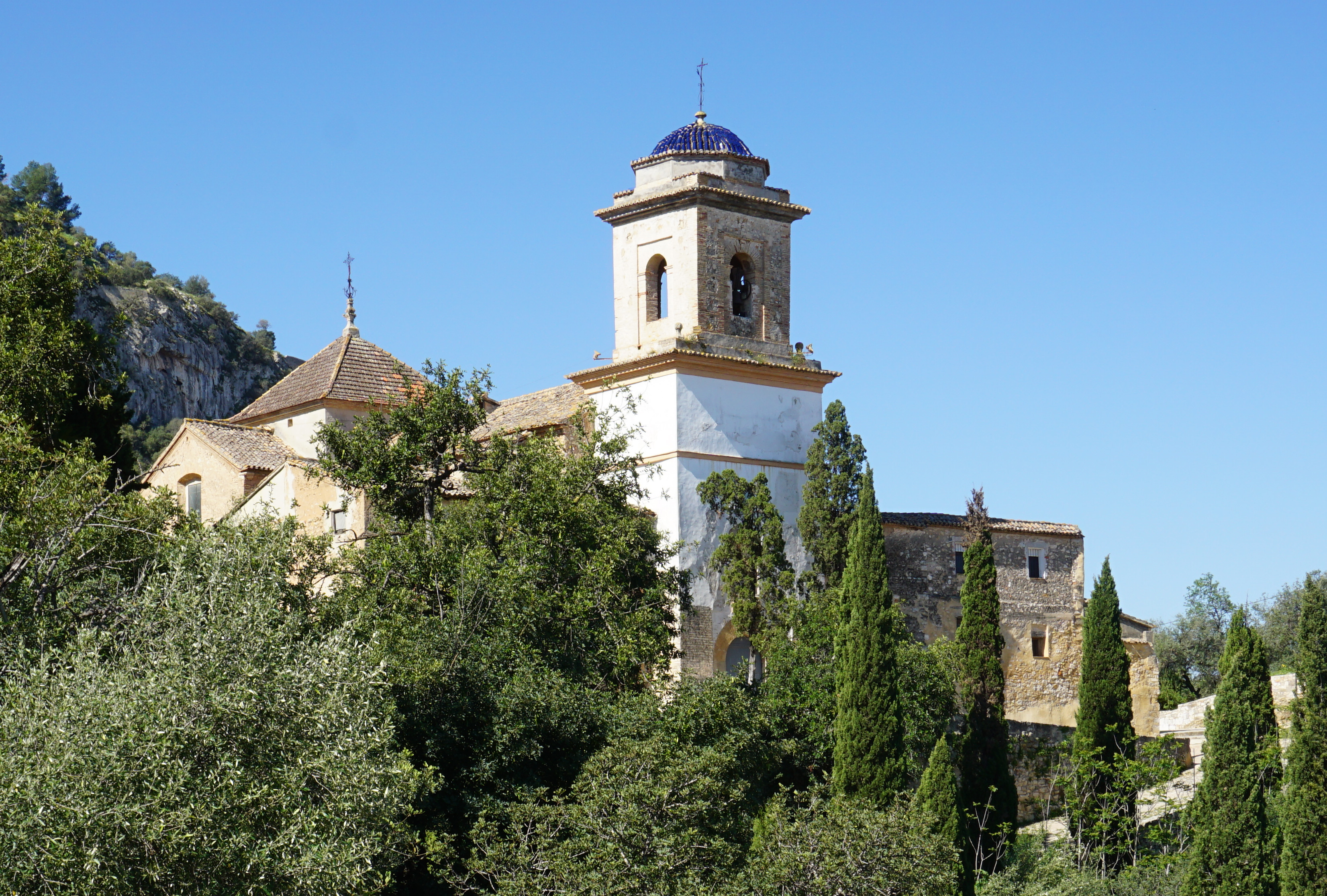
Ermita of Sant Josep
I pass one last monument- Sant Josep, before descending to my house.